Exploring Latvia: Rauna
Here is another destination about 100 km from Rīga for a weekend trip - as a couple, with friends, or with family. Rauna is a small, quiet, well-kept little town whose centre is marked by the junction of its three main streets - Vidzemes, Rīgas, and Cēsu - and a park with attractions. In and around Rauna we visited four noteworthy places.
Here is another destination about 100 km from Rīga for a weekend trip - as a couple, with friends, or with family. Rauna is a small, quiet, well-kept little town whose centre is marked by the junction of its three main streets - Vidzemes, Rīgas, and Cēsu - and a park with attractions.
In and around Rauna we visited four noteworthy places.
Rauna Medieval Castle Ruins
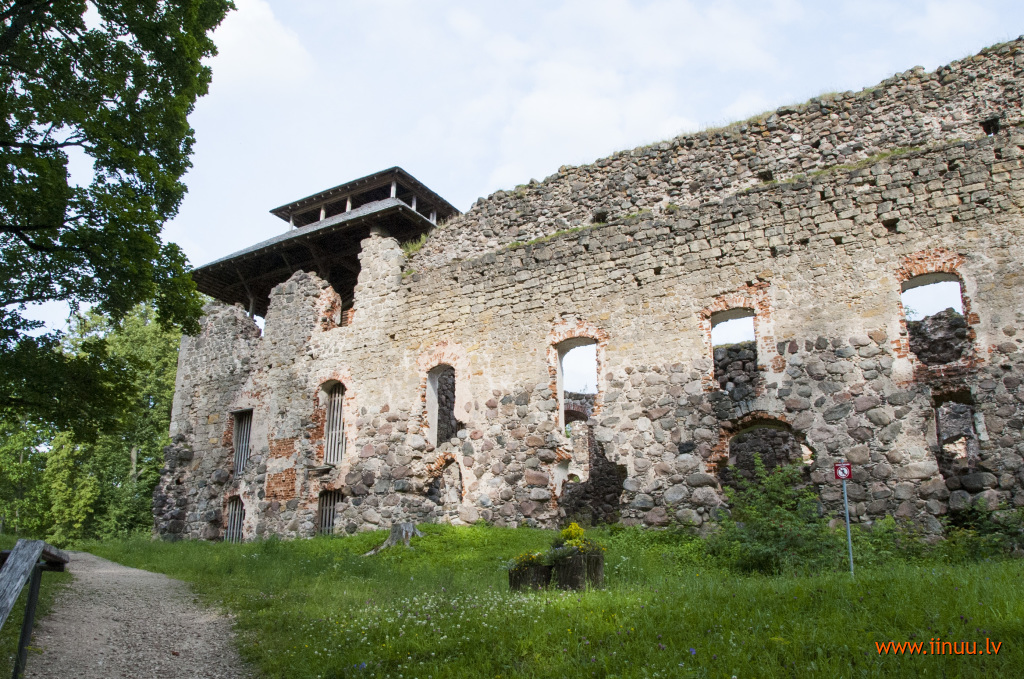
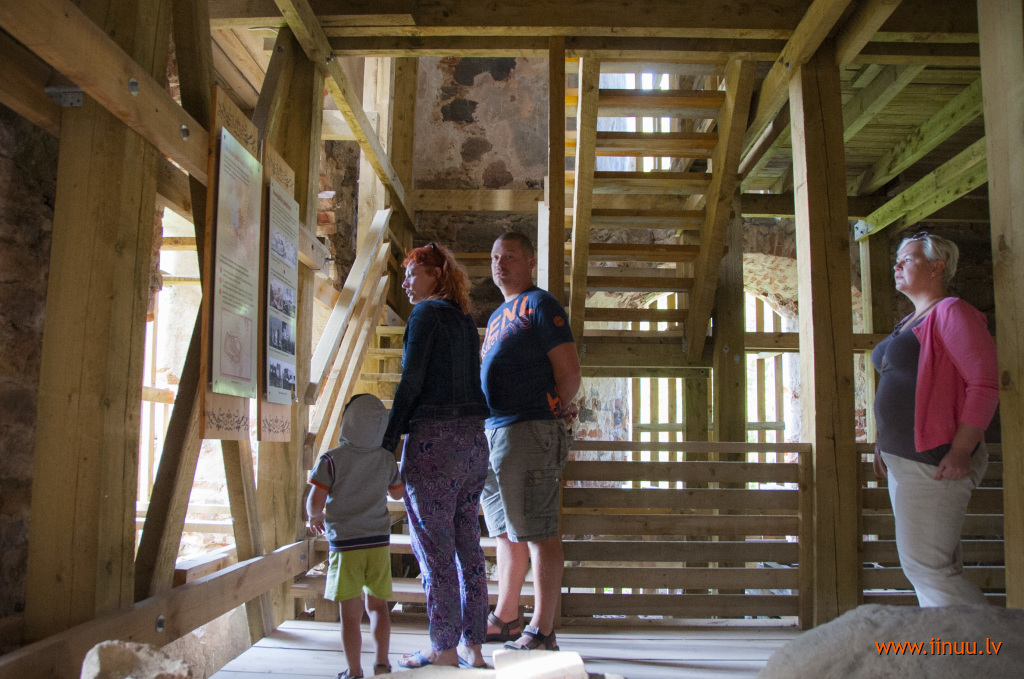
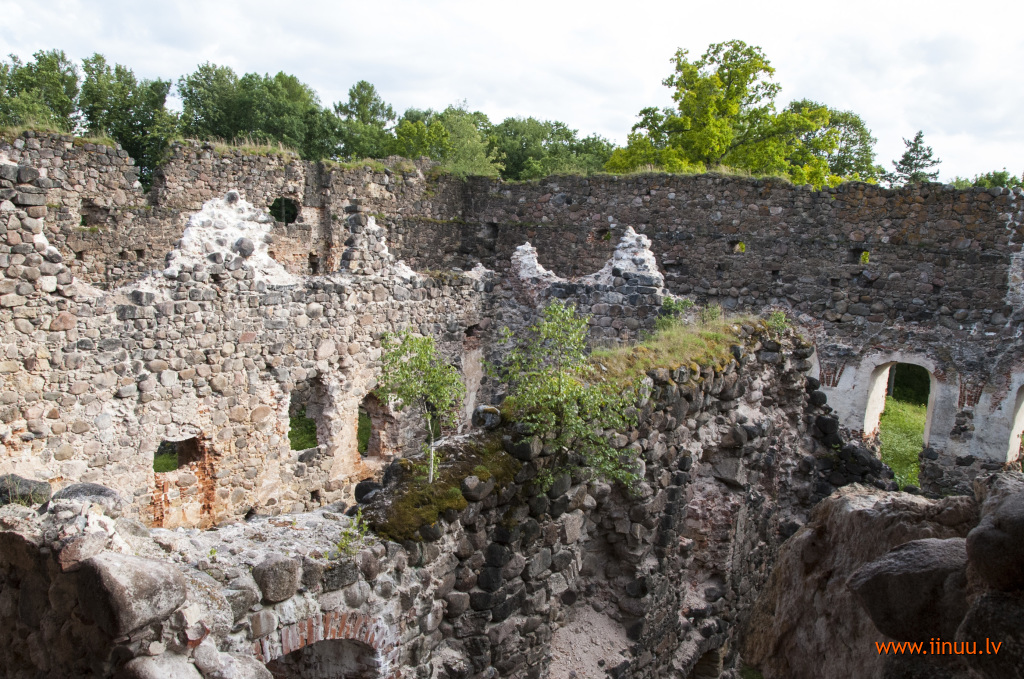
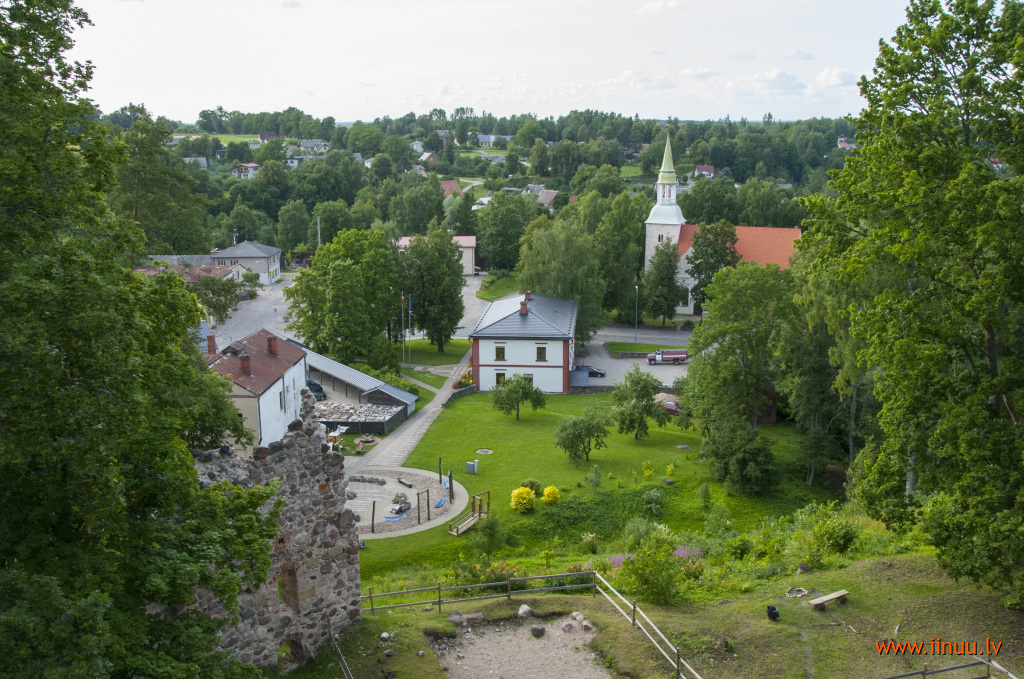
The outlines of the castle ruins trace a rectangular structure with one of its five watchtowers restored. Via sturdy wooden stairs built on the interior one can climb to the height of five storeys, from which a view opens over near and distant surroundings. Below one can see the park, the children's playground and recreation area, the old Rauna Lutheran church built in 1262, and the outlines of the town. Entry to the tower: 1 EUR per adult.
Rauna Medieval Castle (German: Schloß Ronneburg) was the residence of the Archbishops of Rīga in Rauna from the 13th to the 16th century. Construction of the stone castle began during the reign of Archbishop Albert II in the mid-13th century, near an ancient Latgalian hill fort in Vidzeme (in the 13th century, Tānis Hill was the site of the ancient Latgalian Satekle Castle, ruled by the chieftain Rūsiņš). Rauna Castle was one of the residences of the Archbishops of Rīga, where the archbishop and his retinue would stay each year from Michaelmas (29 September) to Candlemas (7 February).
Freedom Monument
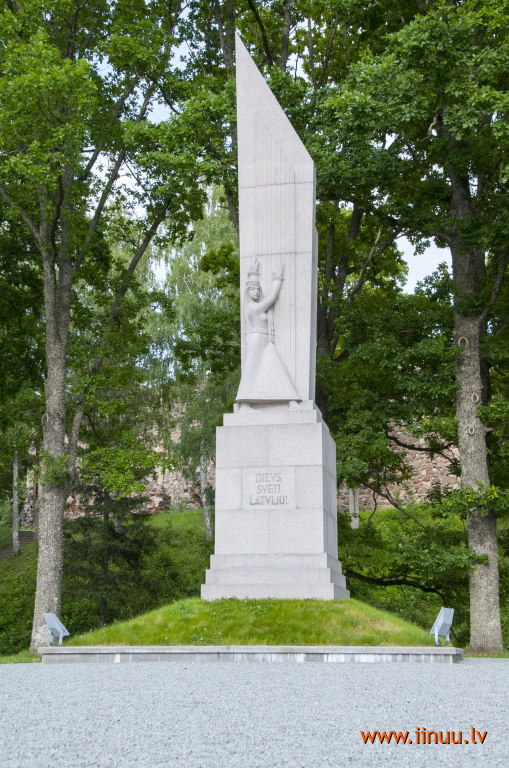
The monument was created by the celebrated Latvian sculptor Kārlis Zemdega. It was made during the period of Latvia's first independence in the 1920s–30s. On 20 August 1933 it was unveiled by President of State Alberts Kviesis. It expresses the idea of transforming a spear into a kokle and uniting the spirit of struggle with song. The monument is adorned with the words of the prayer composed by Kārlis Baumanis: "God Bless Latvia." The inscription was chiselled off the monument during the Soviet period but was restored in June 1989.
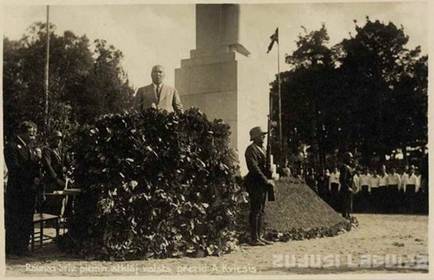
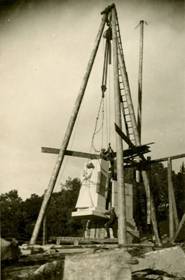
Photo from www.zudusilatvija.lv, unveiling and installation of the monument
The text on the information plaque explains that the monument "The Kokle Player" is a dedication to the memory of those who fell in the First World War and the Latvian War of Independence. It is approached by a three-tiered terraced path and the Avenue of Heroes - 60 oak trees planted in 1932 along the edge of the castle moat. Beneath each oak tree a bottle has been placed containing a slip of paper bearing the name of a fallen member of the Rauna congregation.
Rauna Staburags
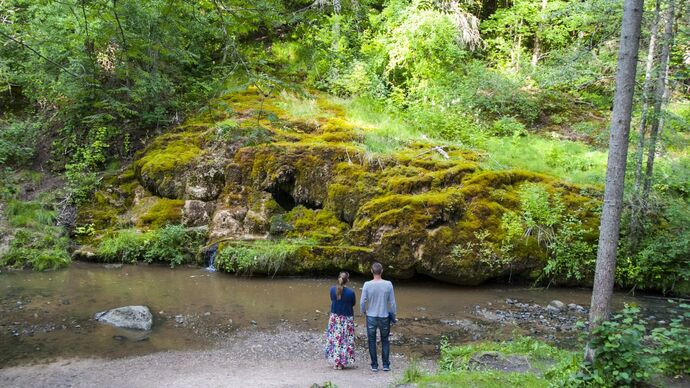
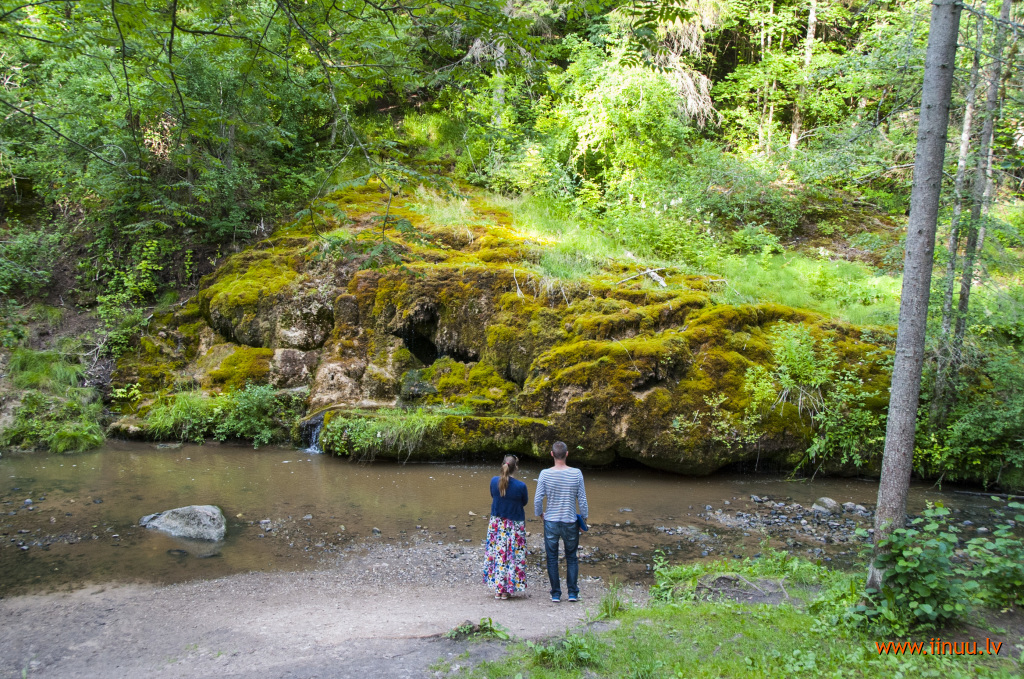
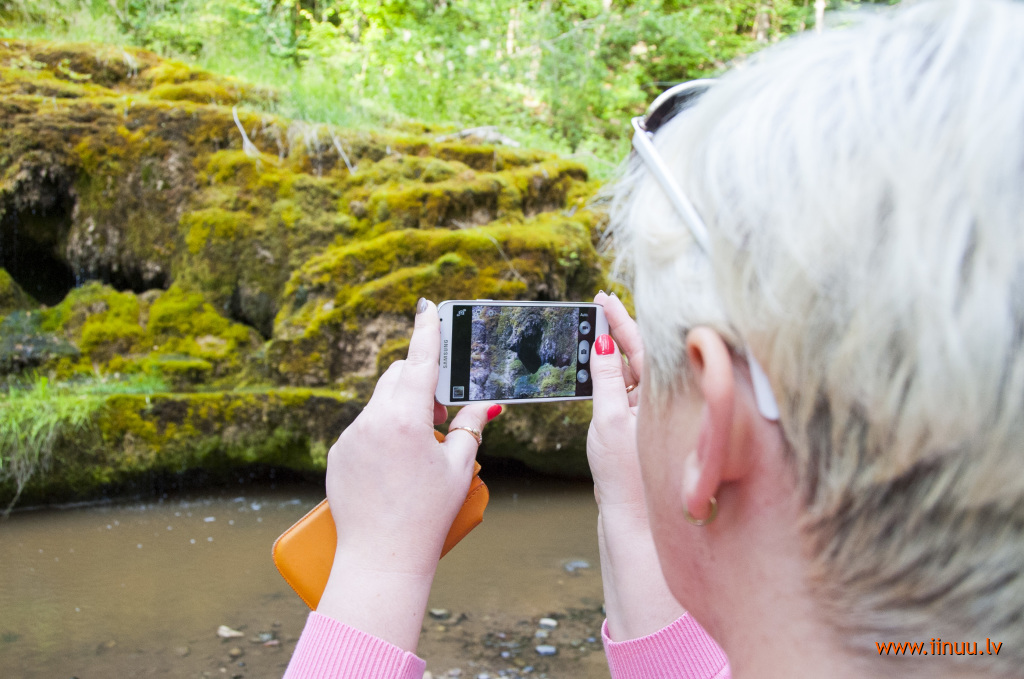
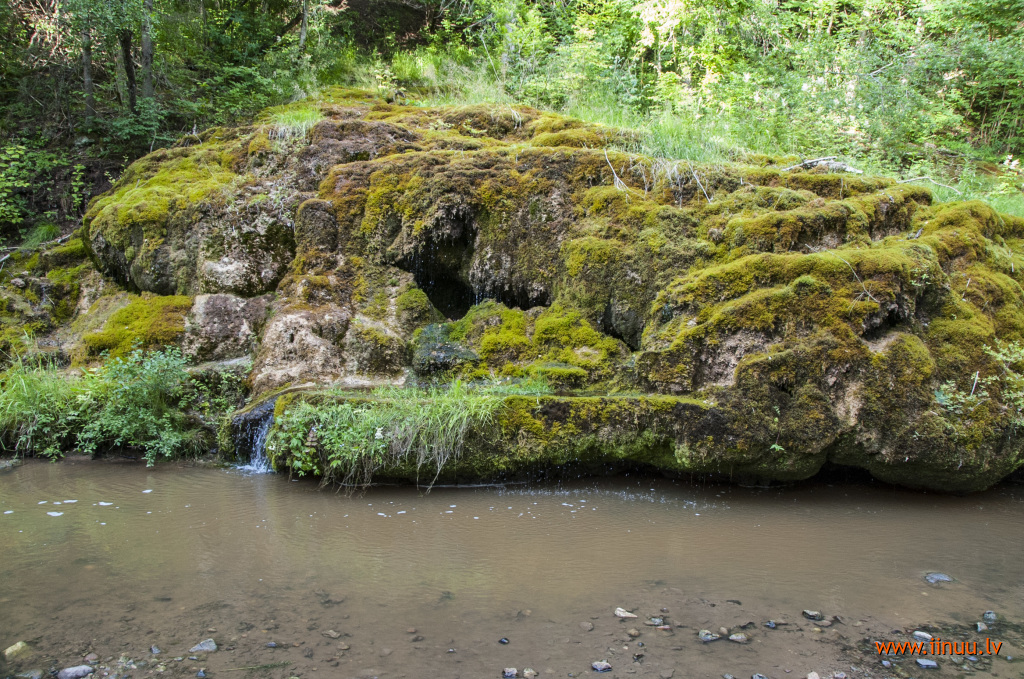
I will honestly admit that until now I did not know there was another significant Staburags in Latvia, and moreover one that can still be visited - unlike the Daugava Staburags, which was submerged. This freshwater limestone exposure formed by springs is estimated to be around 8,000 years old. This tufa formation is approximately 3.5 m high and 17 m long; it formed over centuries as mosses became calcified in spring water containing calcium carbonate, and it continues to grow to this day. GPS: 57.333172, 25.608231
Devil's Cave
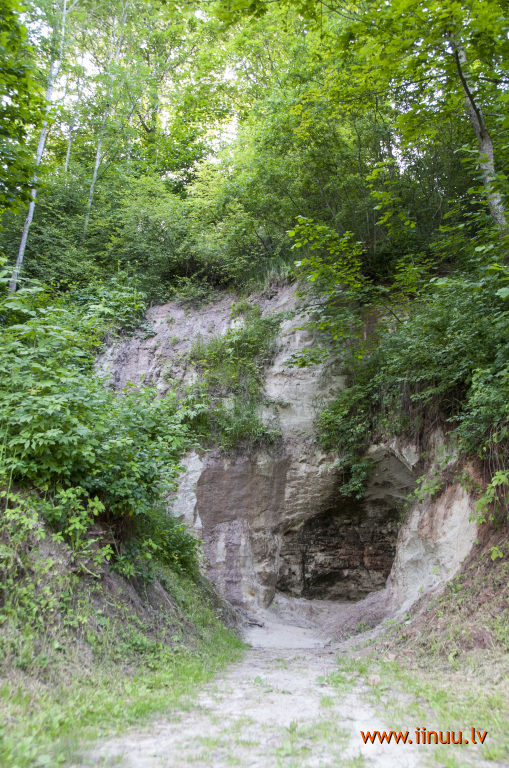
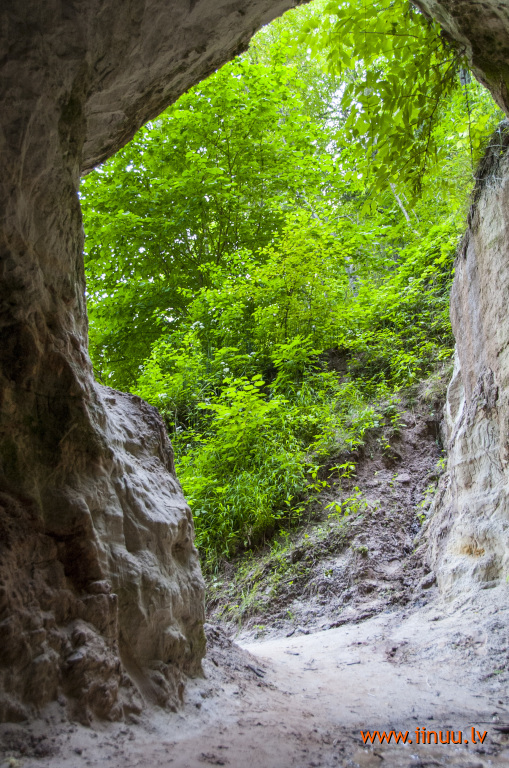
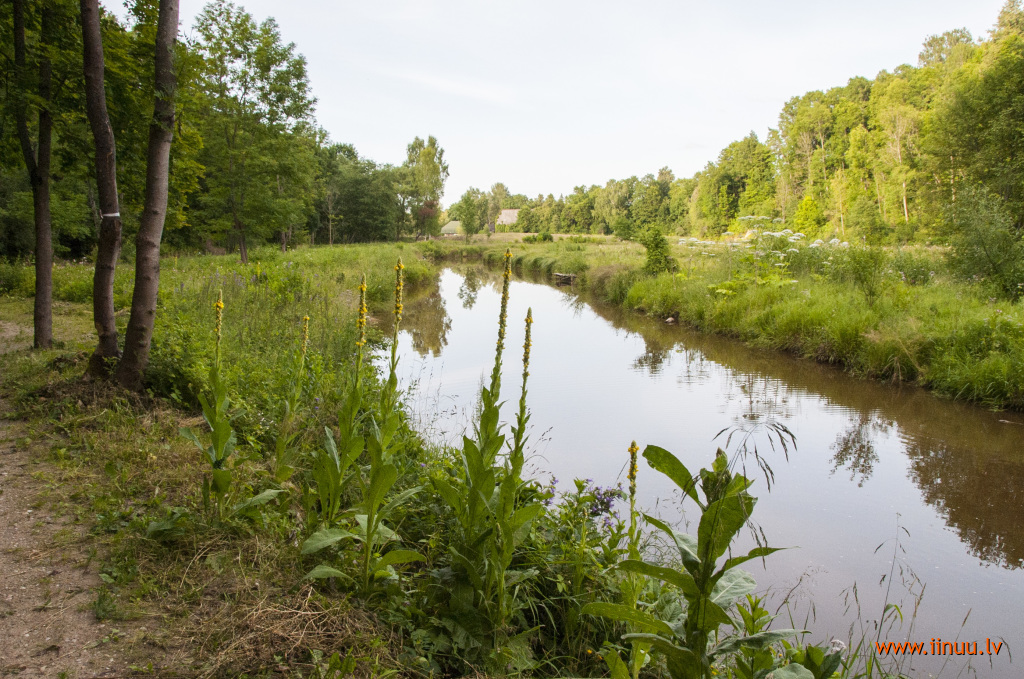
Located on the left bank of the Rauna River, opposite Rauna's Tānis Hill. This cave has been described since the 1930s, and in 1977 archaeologist Juris Urtāns classified it as a cult cave. It may possibly have been the cult site associated with the hill fort. The cave is 13.5 metres long.
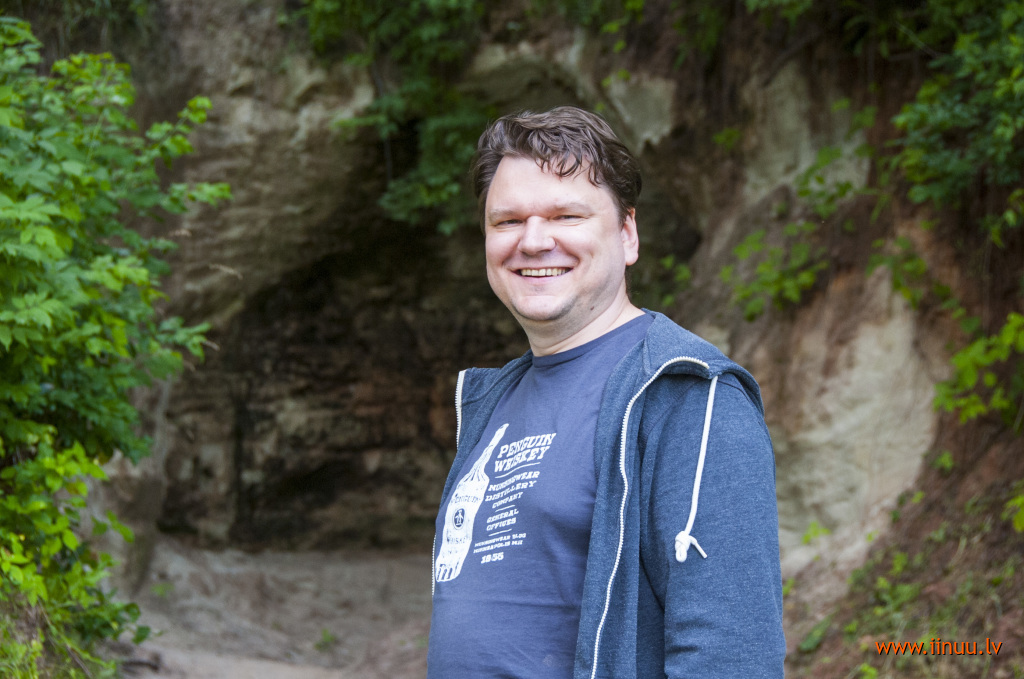
A legend attaches to the cave about a devil who in ancient times stored his pots of gold in it. We peered into the depths of the cave with our mobile phone torches - nothing found! The one thing we can say with certainty is that the cave is excellent for storage, as the temperature seems constant - pleasantly cool even on a hot summer day. Not for nothing did we spot, a little further up the hill, a set of built-in doors - possible cellars near a former guesthouse (which appears to have closed). A modern-day devil's lair (read: entrepreneur's).
comments