Travel Diary. Day 2. Sintra.
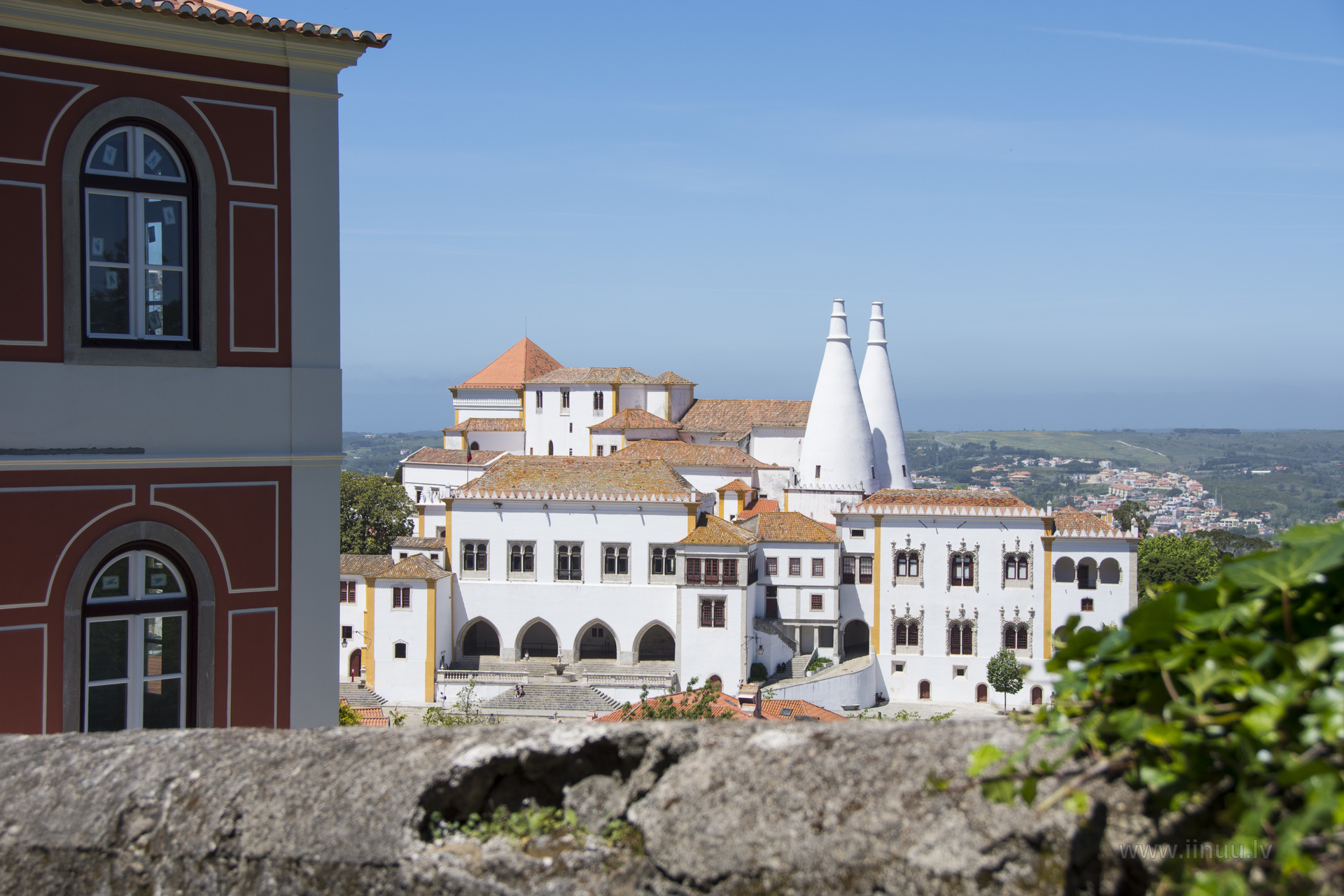
We woke up fairly early, so decided to devote this day to an excursion to a town approximately 30 km from Lisbon, recommended by acquaintances and beloved by tourists. If you Google the word "Sintra," the search results will show: palaces, palaces, palaces.
By far the most convenient and easily understandable way to get around Lisbon and its surroundings is the metro. The first Viva Viagem ticket machine, upon leaving Lisbon airport, is at the adjacent metro station. There it is possible to buy a card for all Lisbon above-ground, on-water, and underground public transport. Our stay in Lisbon was just under five days, so a 20 EUR top-up on the card per person was sufficient with some to spare. To Sintra we also travelled by metro.
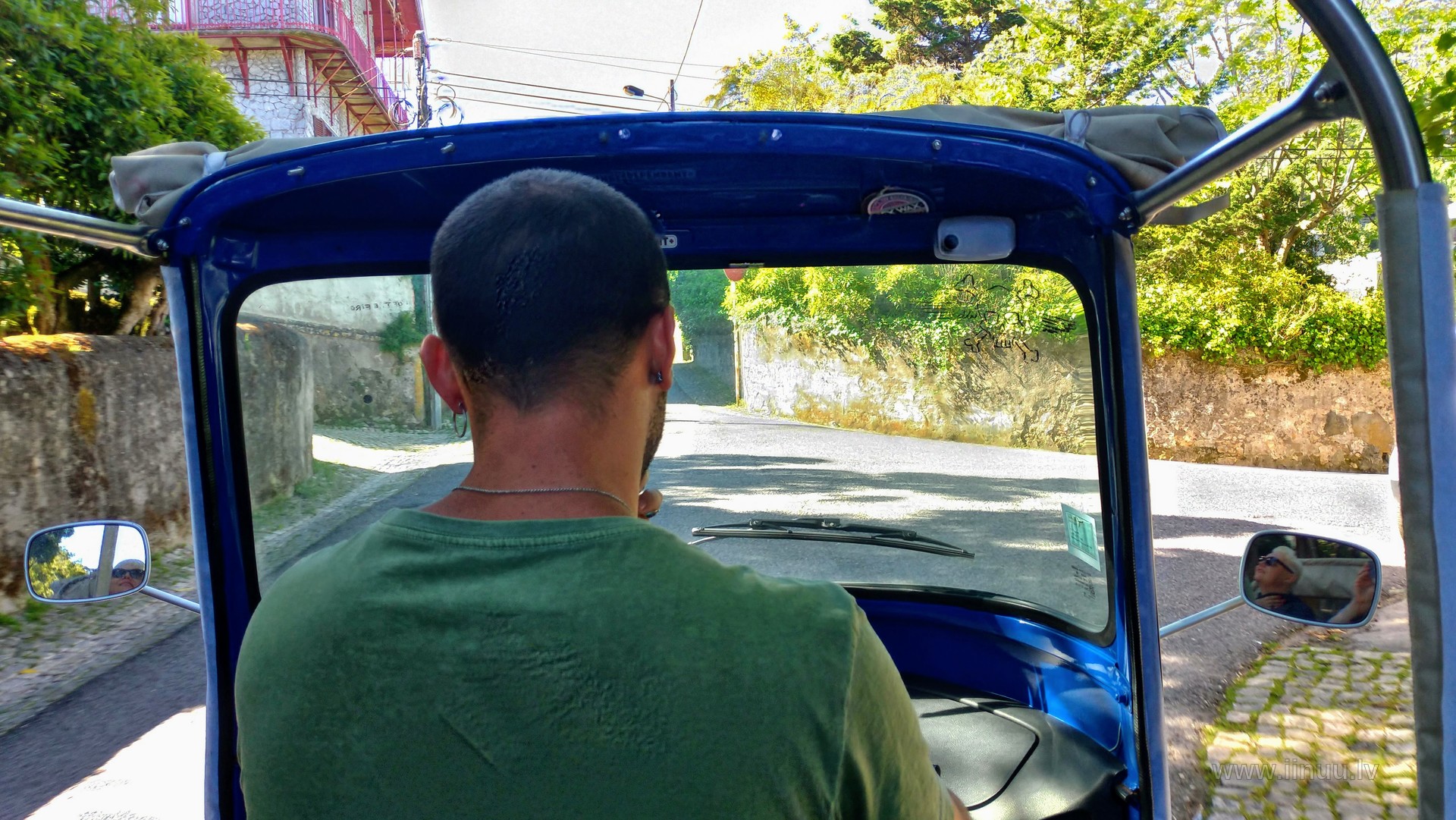
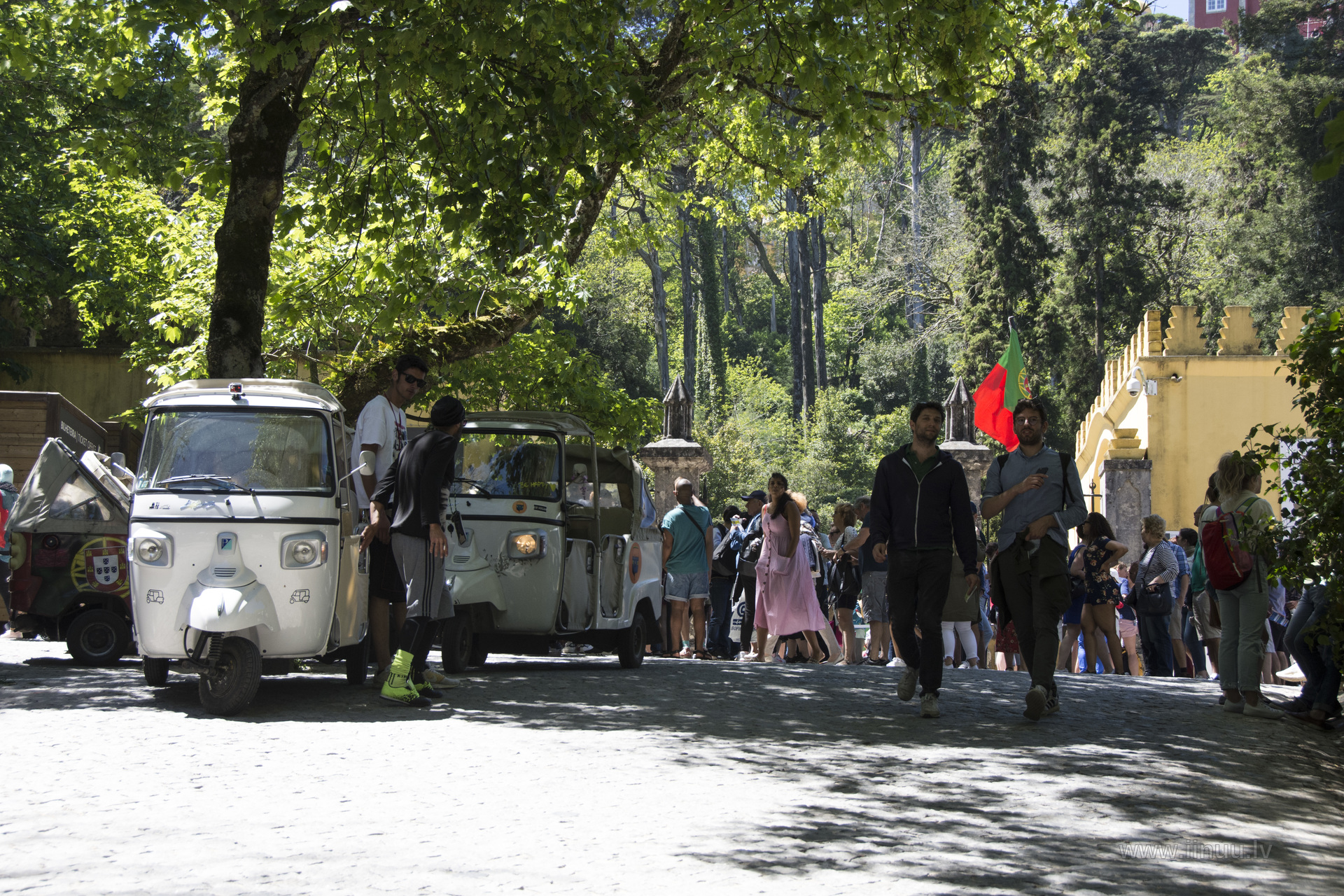
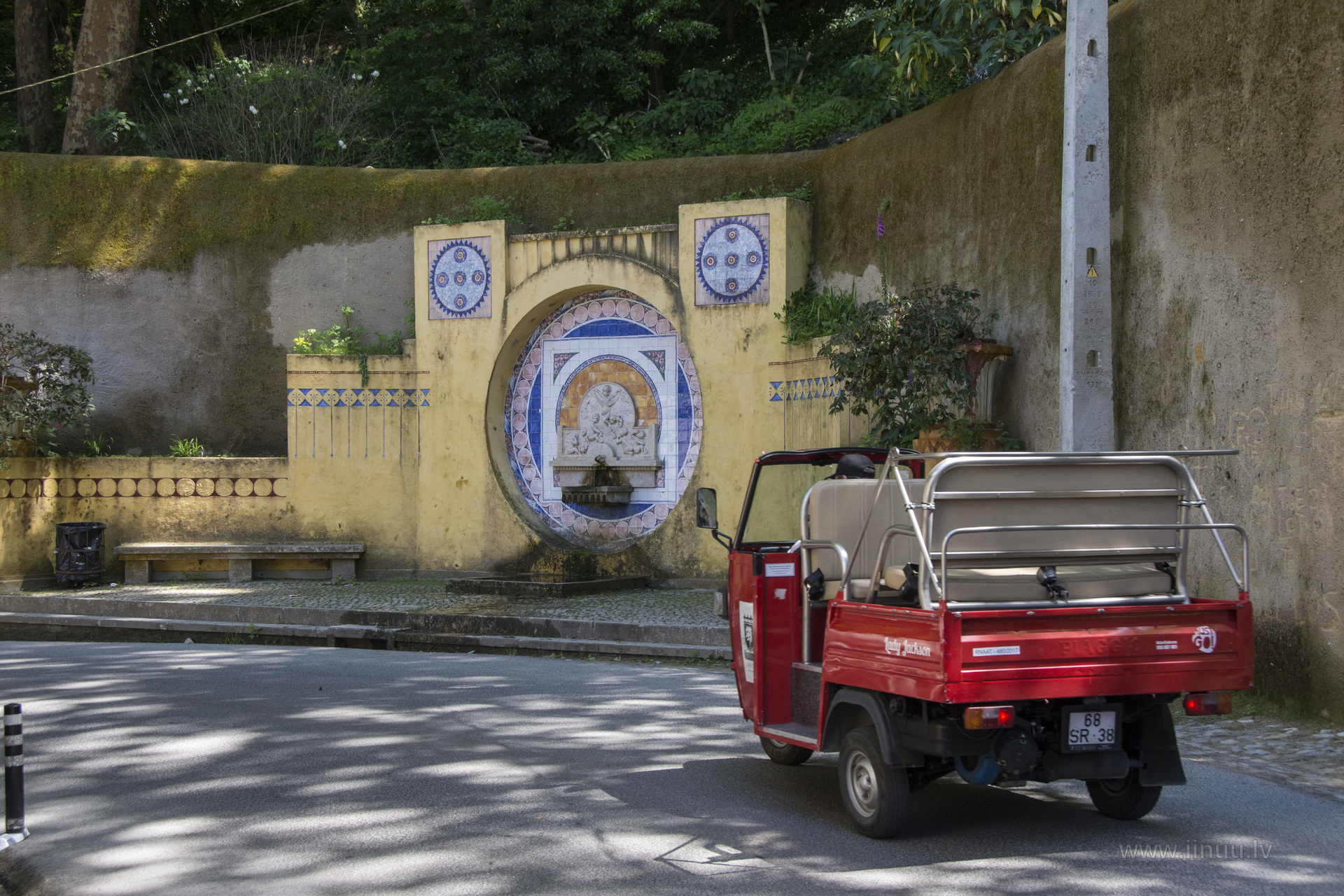
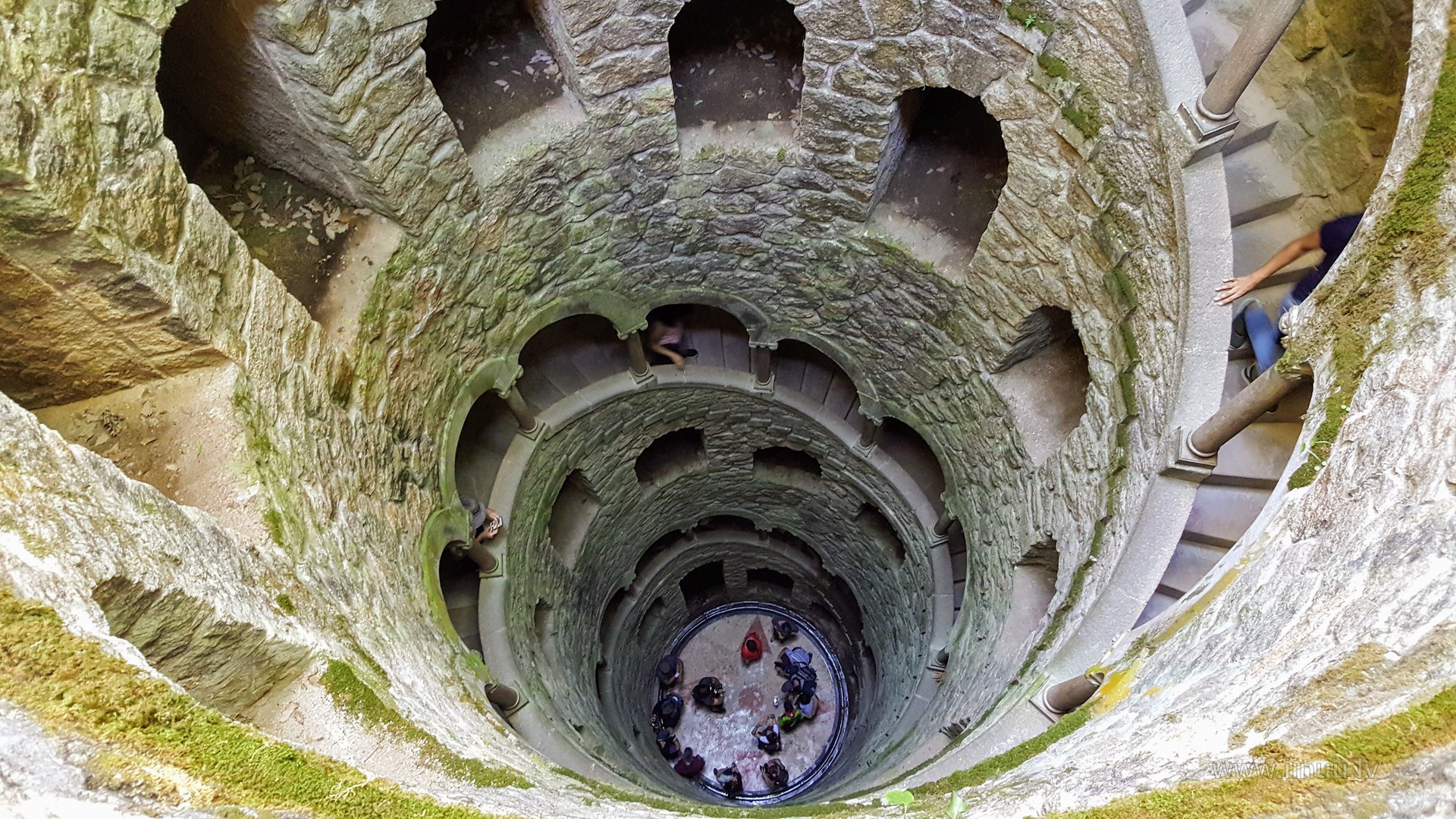
We arrived already at 10:00 in the morning. The plan was to see two attractions - the magnificent Pena Palace and a garden with an underground well that resembled the circles of Dante's Inferno (wherever that might be). There was no other plan, so for a while we milled around near the station, as the tourist-packed buses heading somewhere did not particularly appeal. Having walked a few metres away, we came across a young man who in quite good English asked what exactly we were looking for and whether he could help. Clearly he could - we pointed at the Pena Palace area on the map. The young man broke into a smile and announced that his tuk-tuk was at our disposal. Moreover, he would tell us along the way which other attractions were worth seeing.
The approximately half-hour drive along serpentine-like narrow streets swiftly led uphill. Along the way we established that we were from Latvia - a country unknown to anyone at these latitudes - while the fairly talkative and good-looking young man was from Brazil. Watching the alley's gradient, which kept winding upward without end, we were glad we had not decided to walk all this distance on foot and would have enough energy for the whole day until evening. The ride cost both of us 20 EUR. We were delivered right to the entrance of Palácio Nacional da Pena (Estrada da Pena, 2710-609 Sintra).
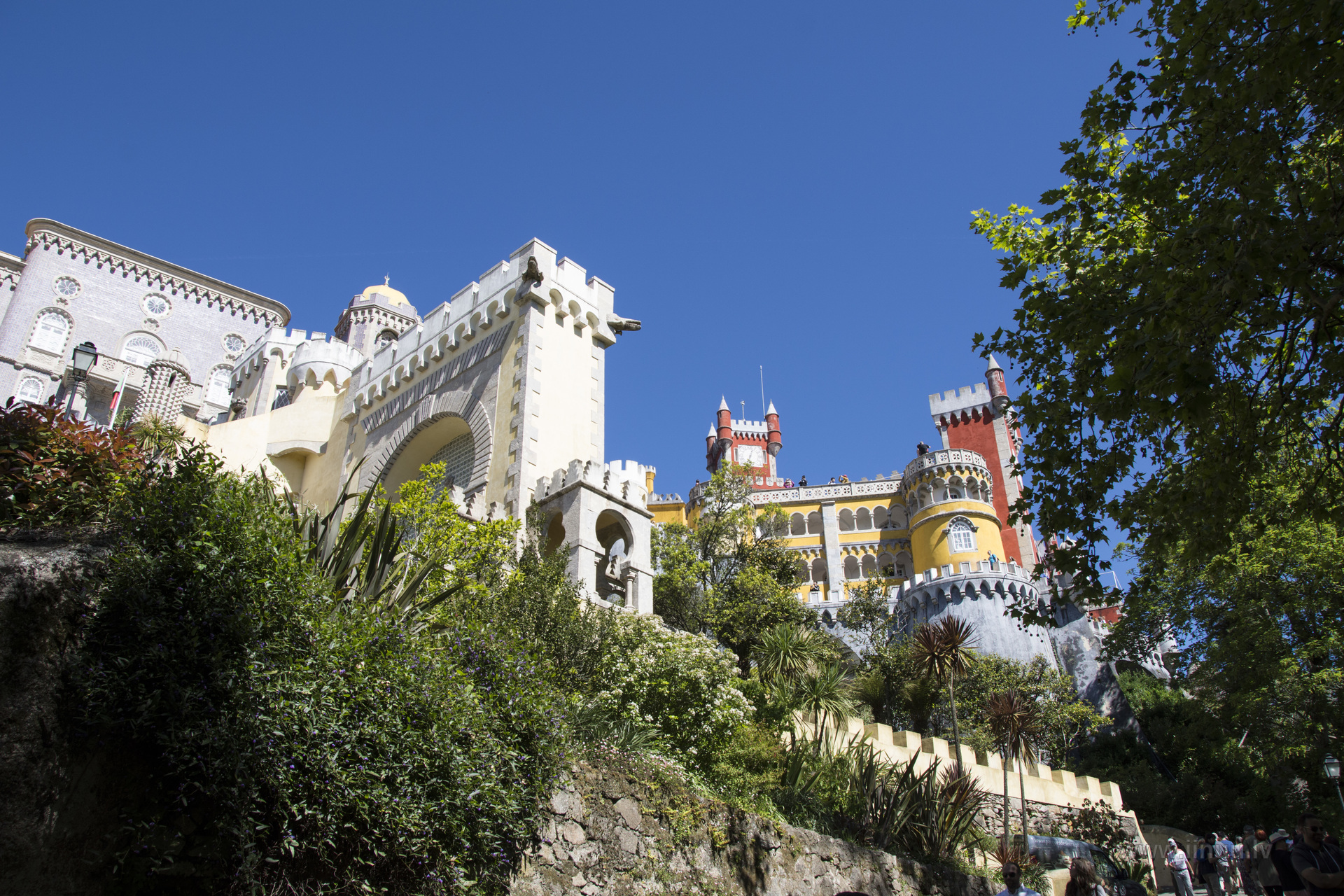
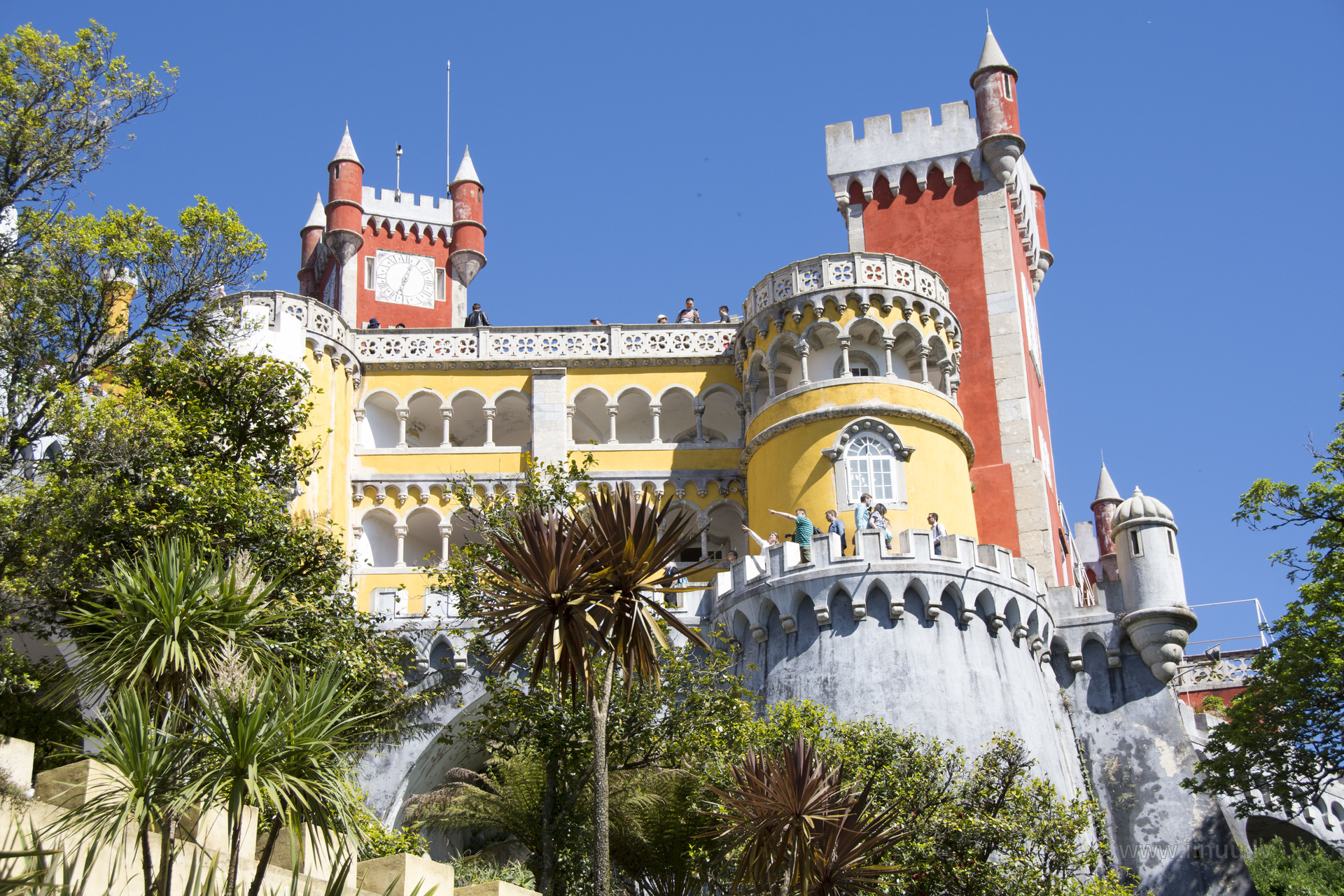
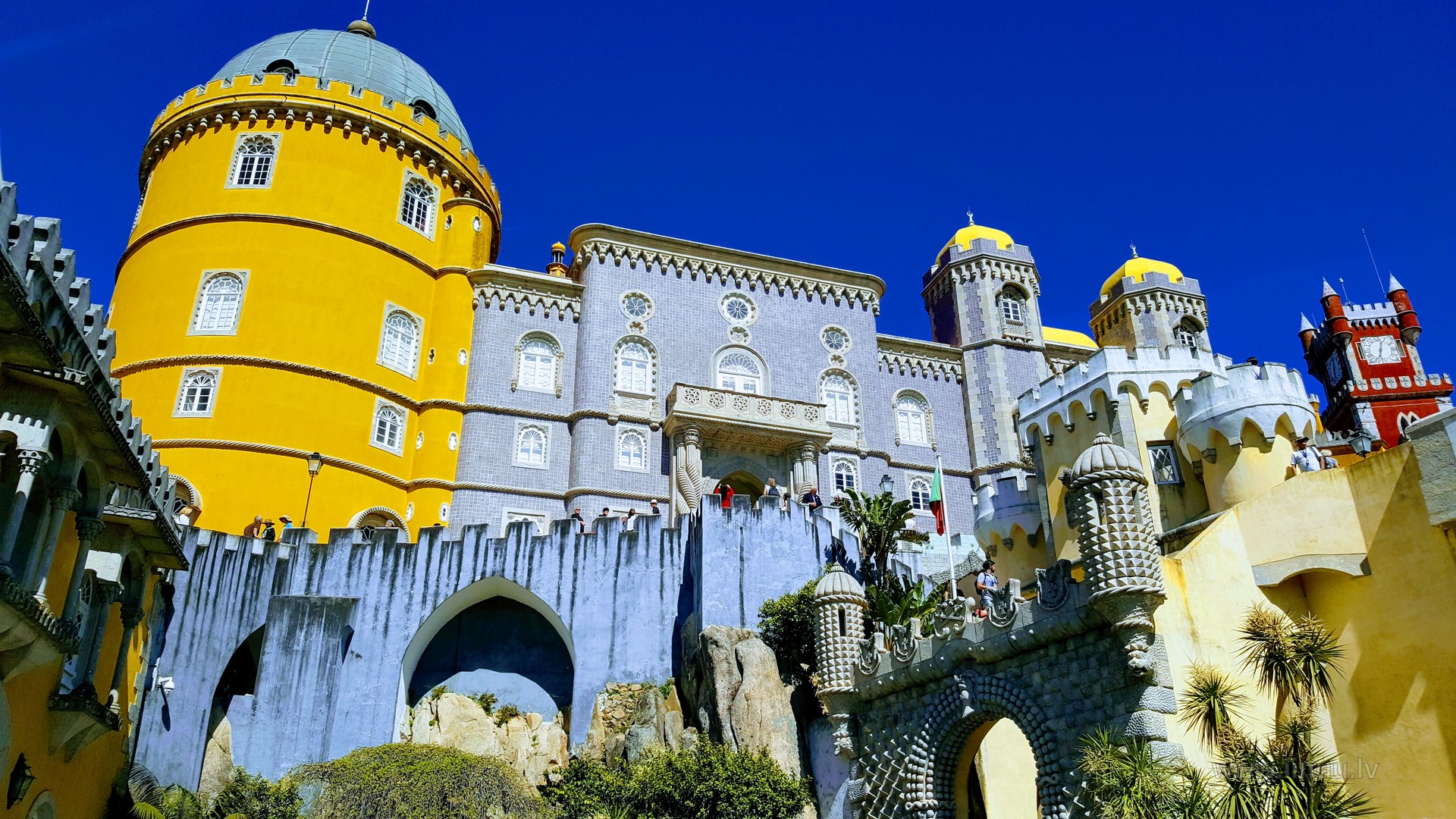
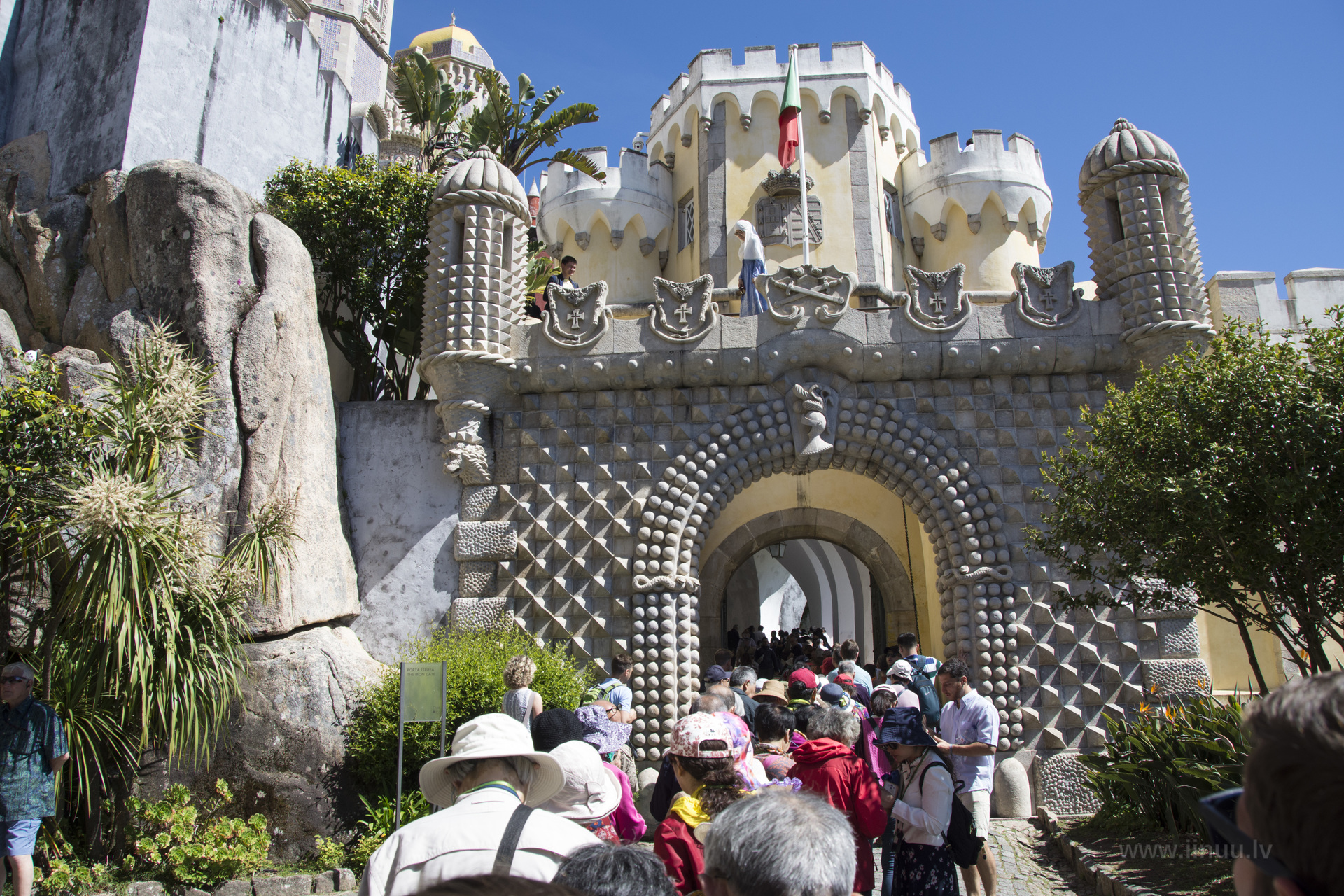
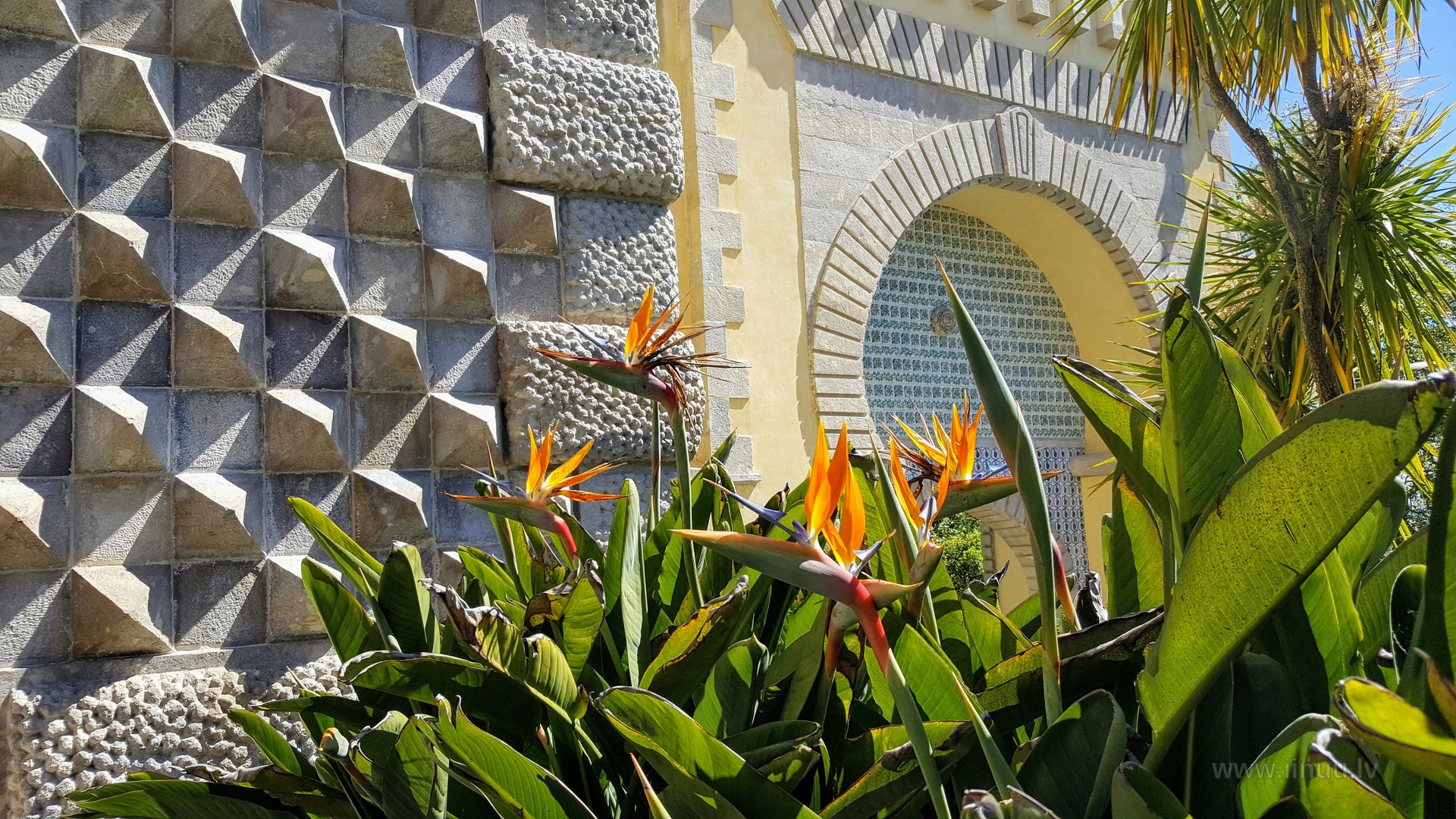
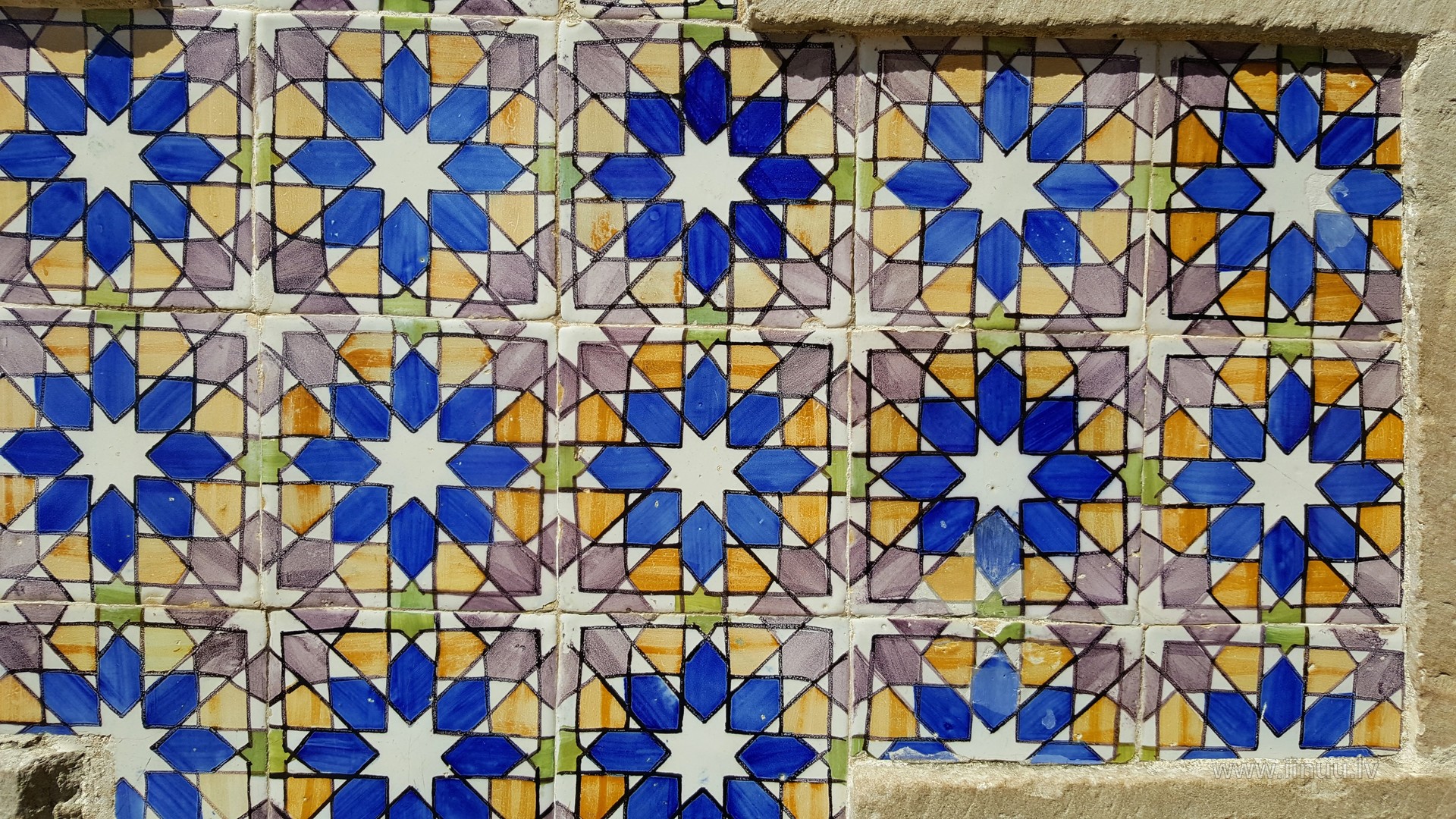
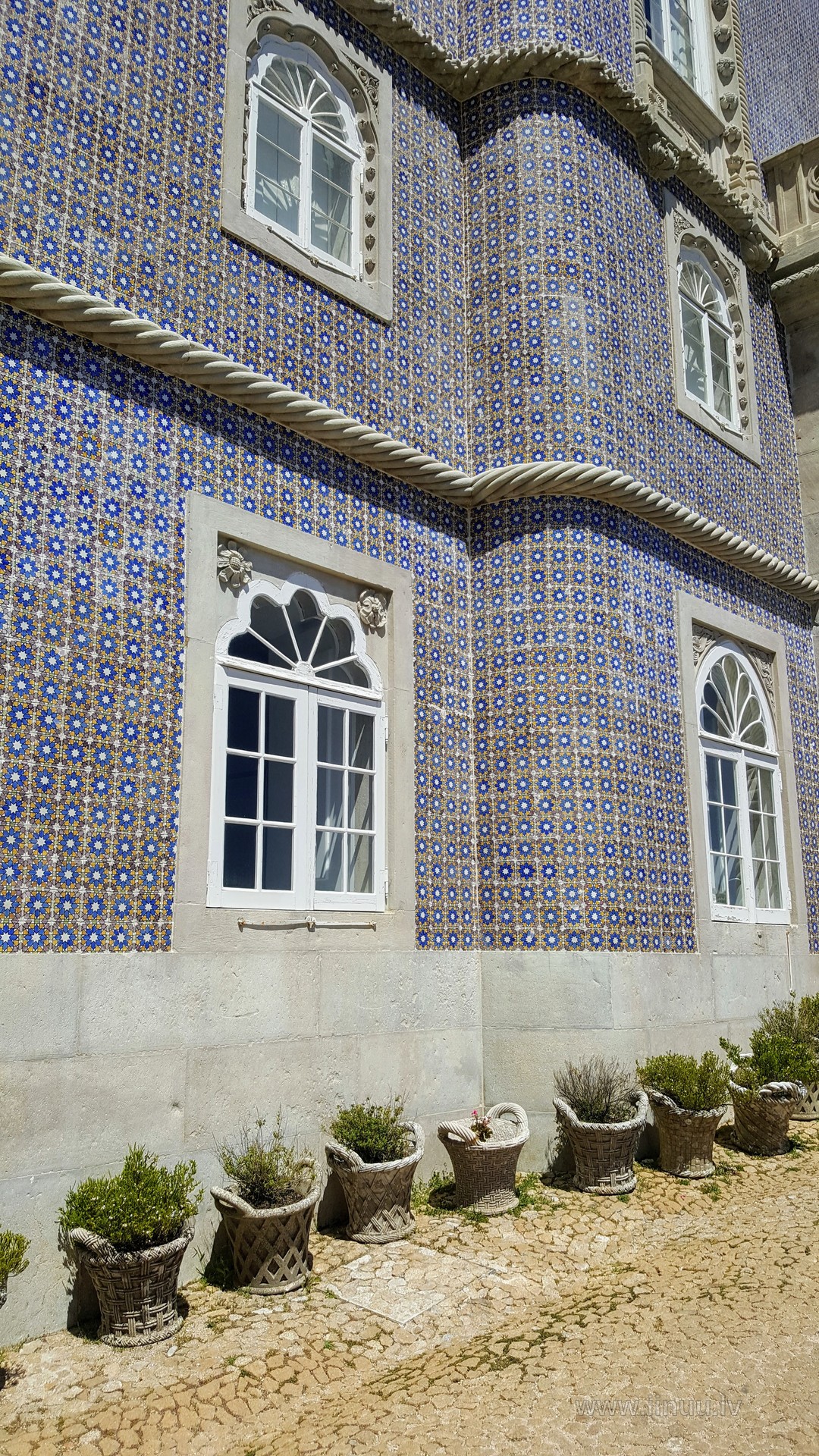
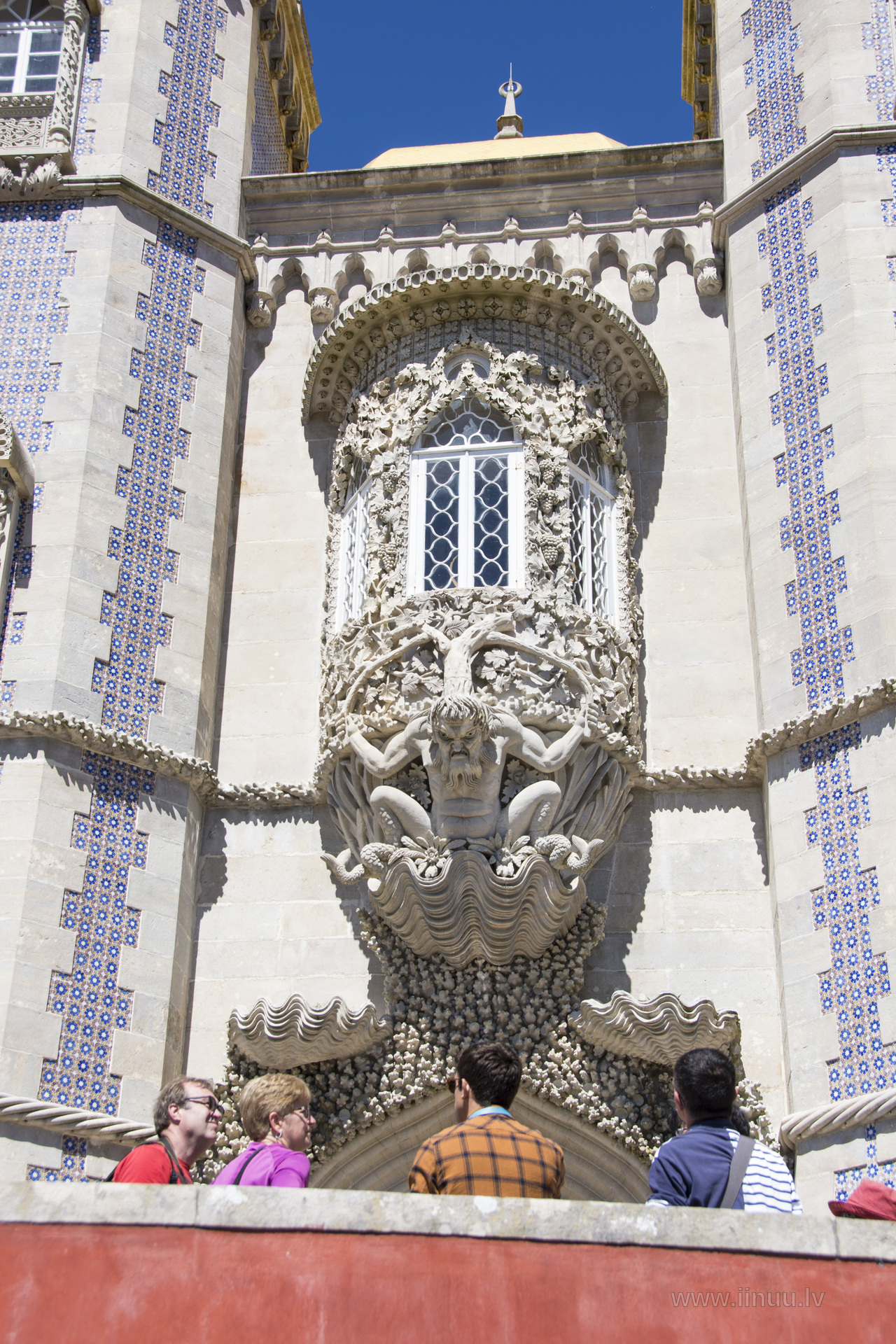
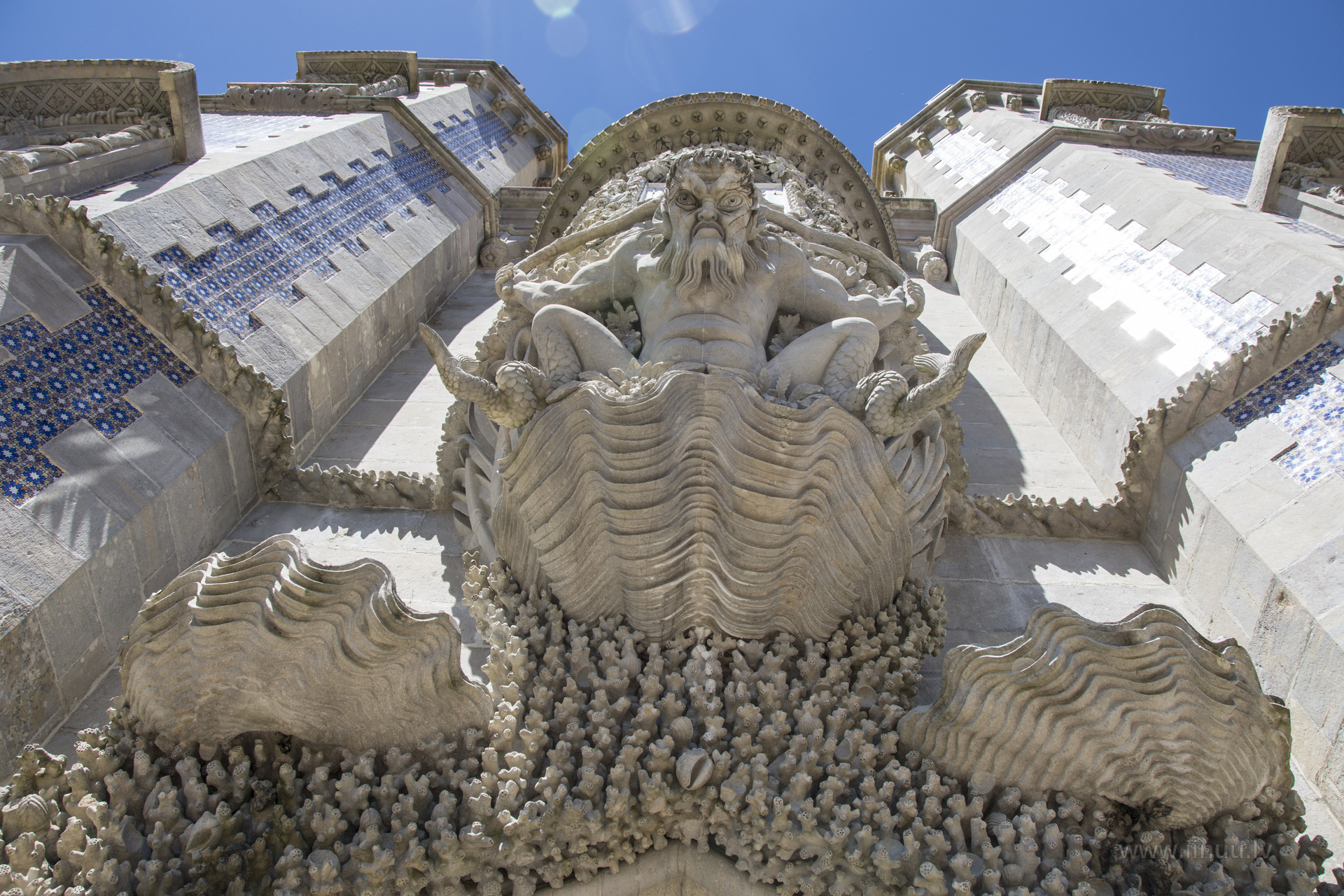
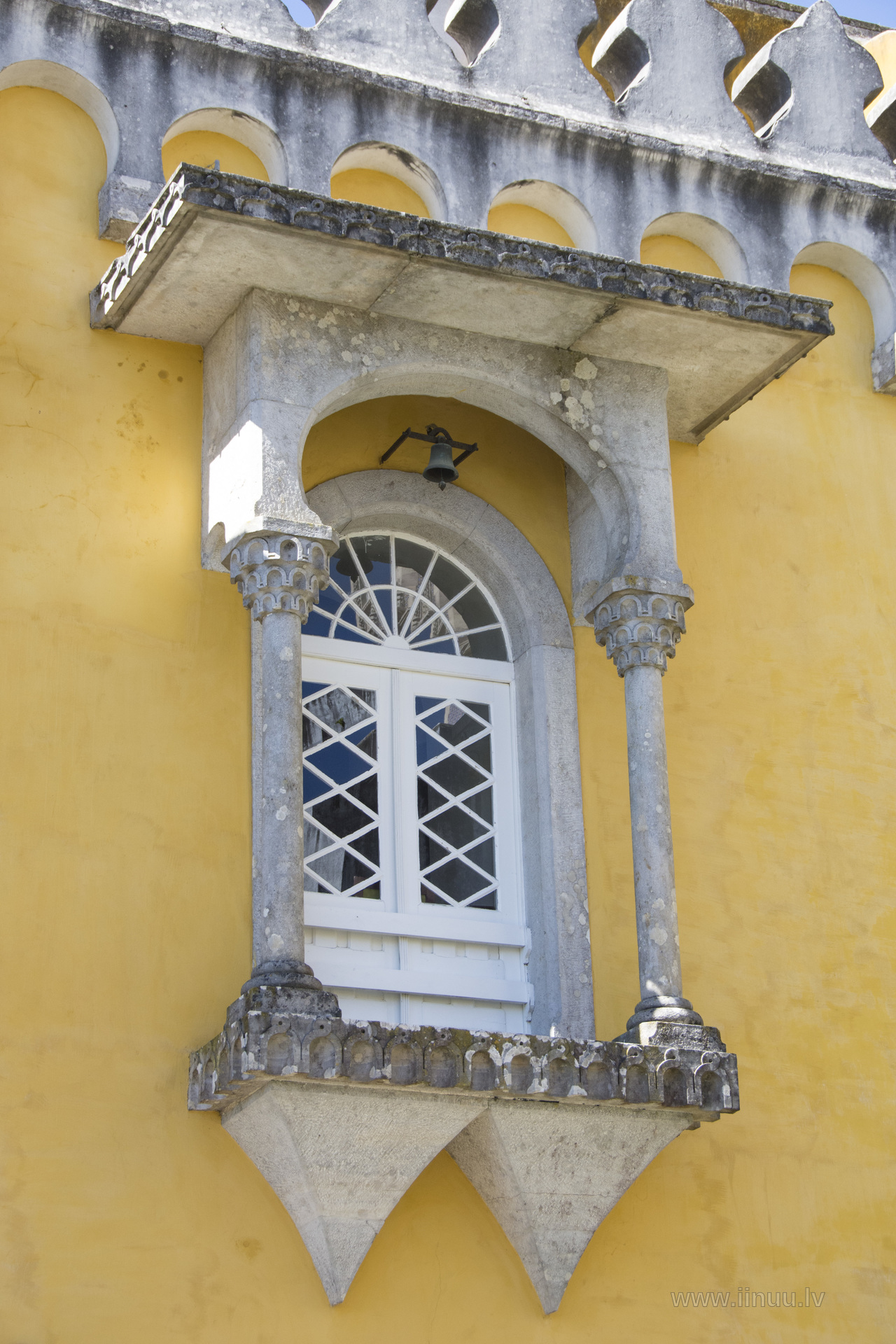
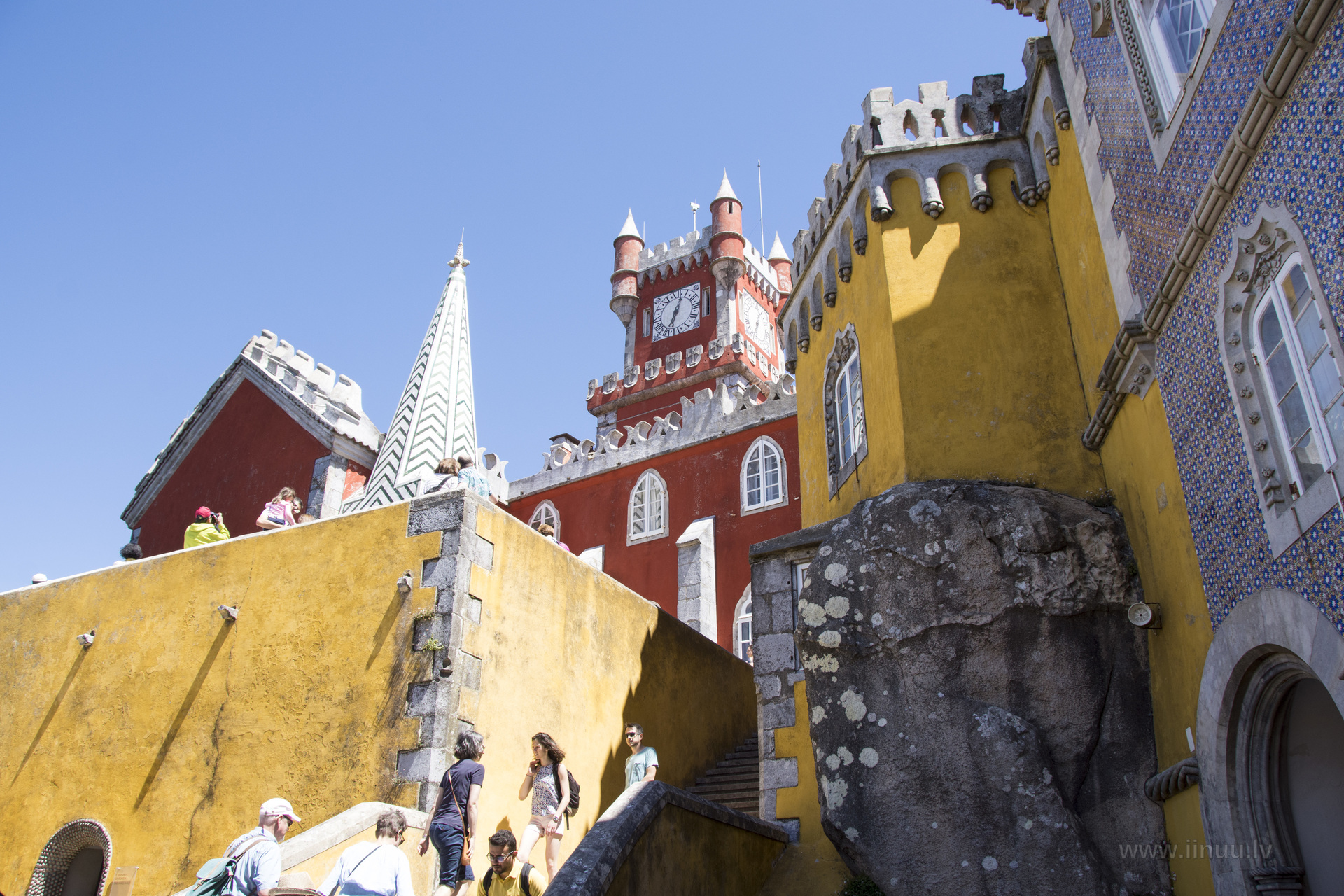
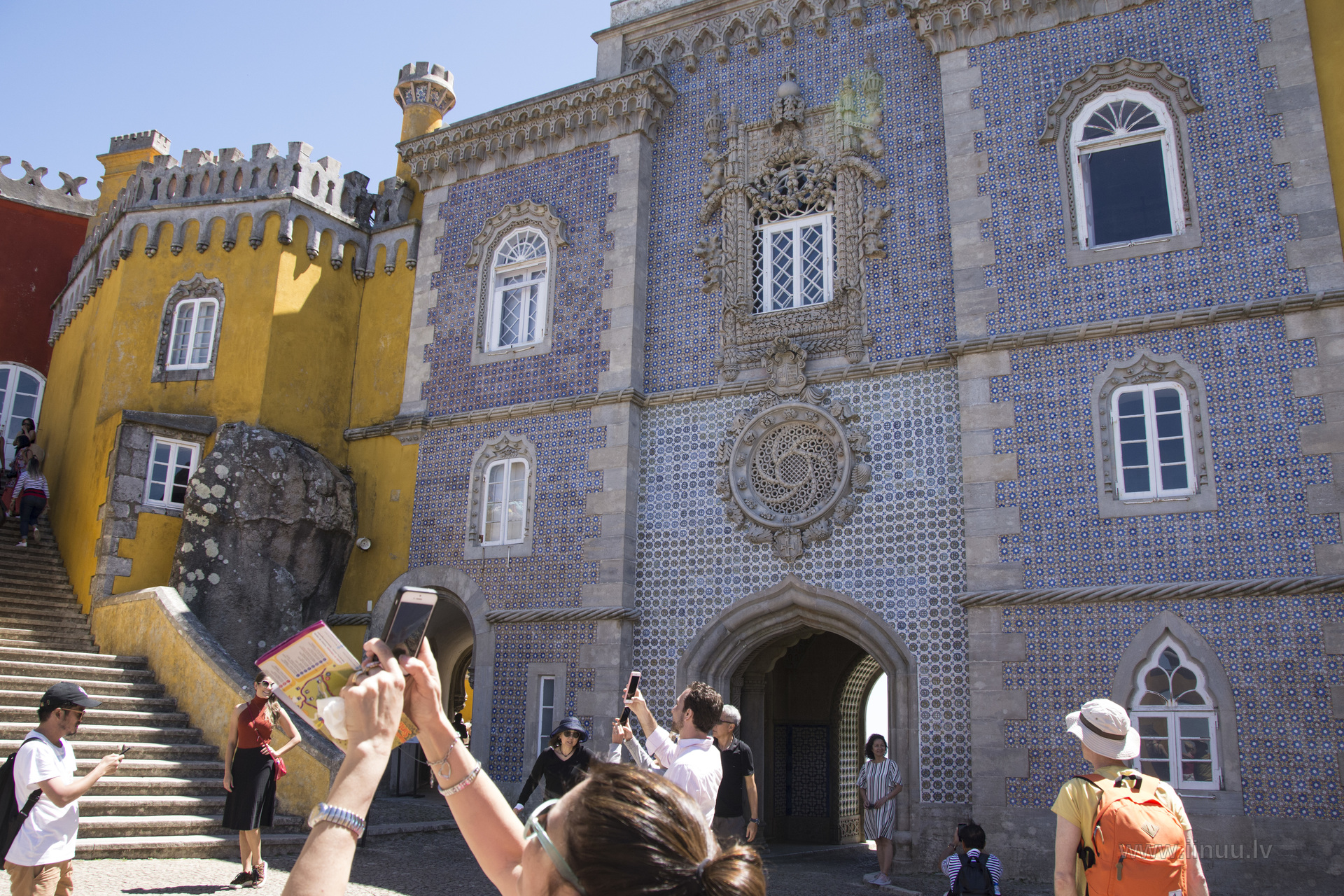
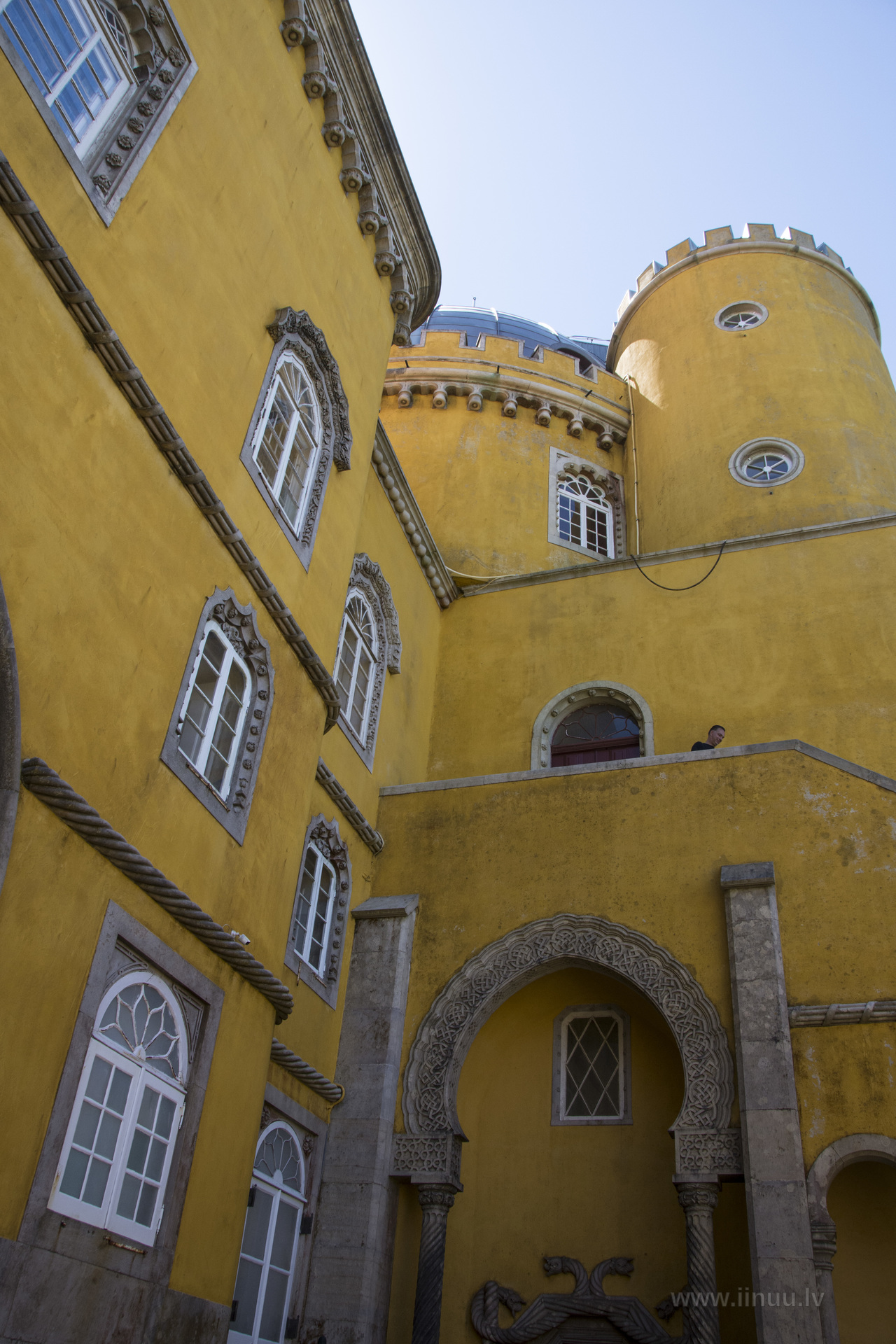
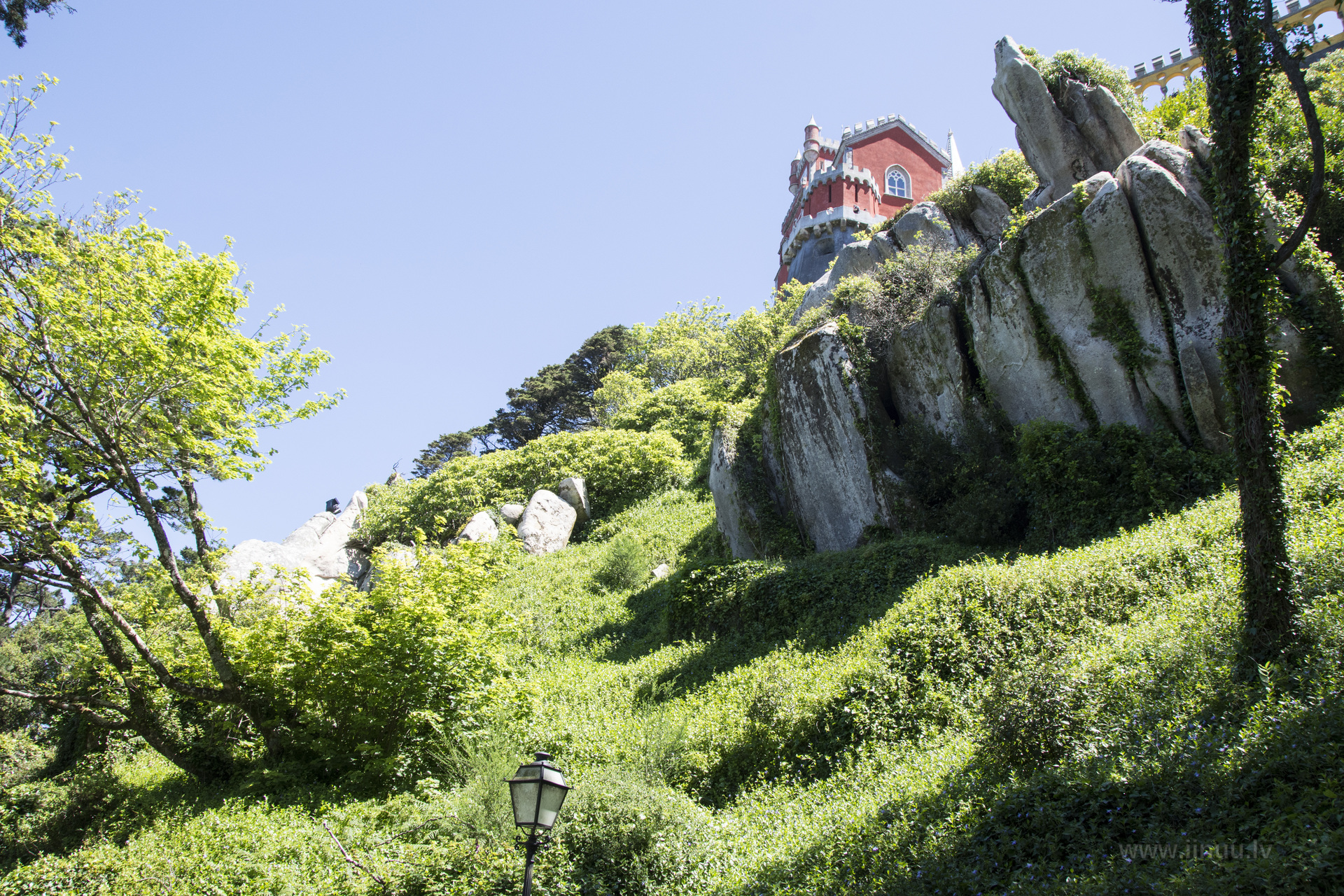
The palace and its garden admission per person - 14 EUR. Both at the entrance ticket desks and even more so at the entrance to the colourful palace itself, one must reckon with fairly long and tiring queues. The only consoling thought was that had we arrived between 13:00 and 15:00, these queues would have been twice as long, as that is the most visited time for this attraction. While standing in line one could delight the eyes with the magnificently yellow and red palace colouring, relief-patterned tiles - an inseparable element of Portuguese buildings - various tropical flowering plants, and the silhouettes of palms stretching high into the air.
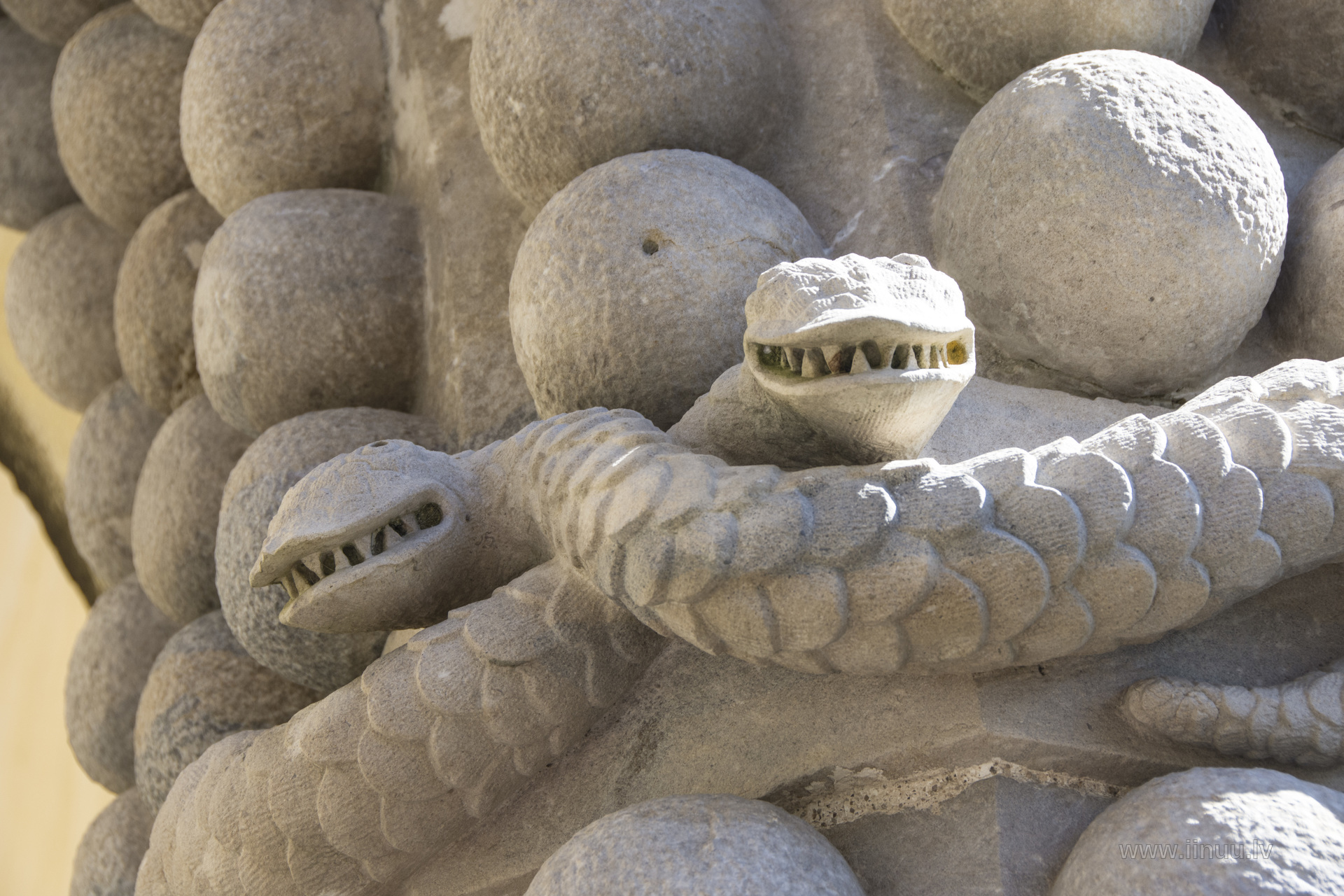
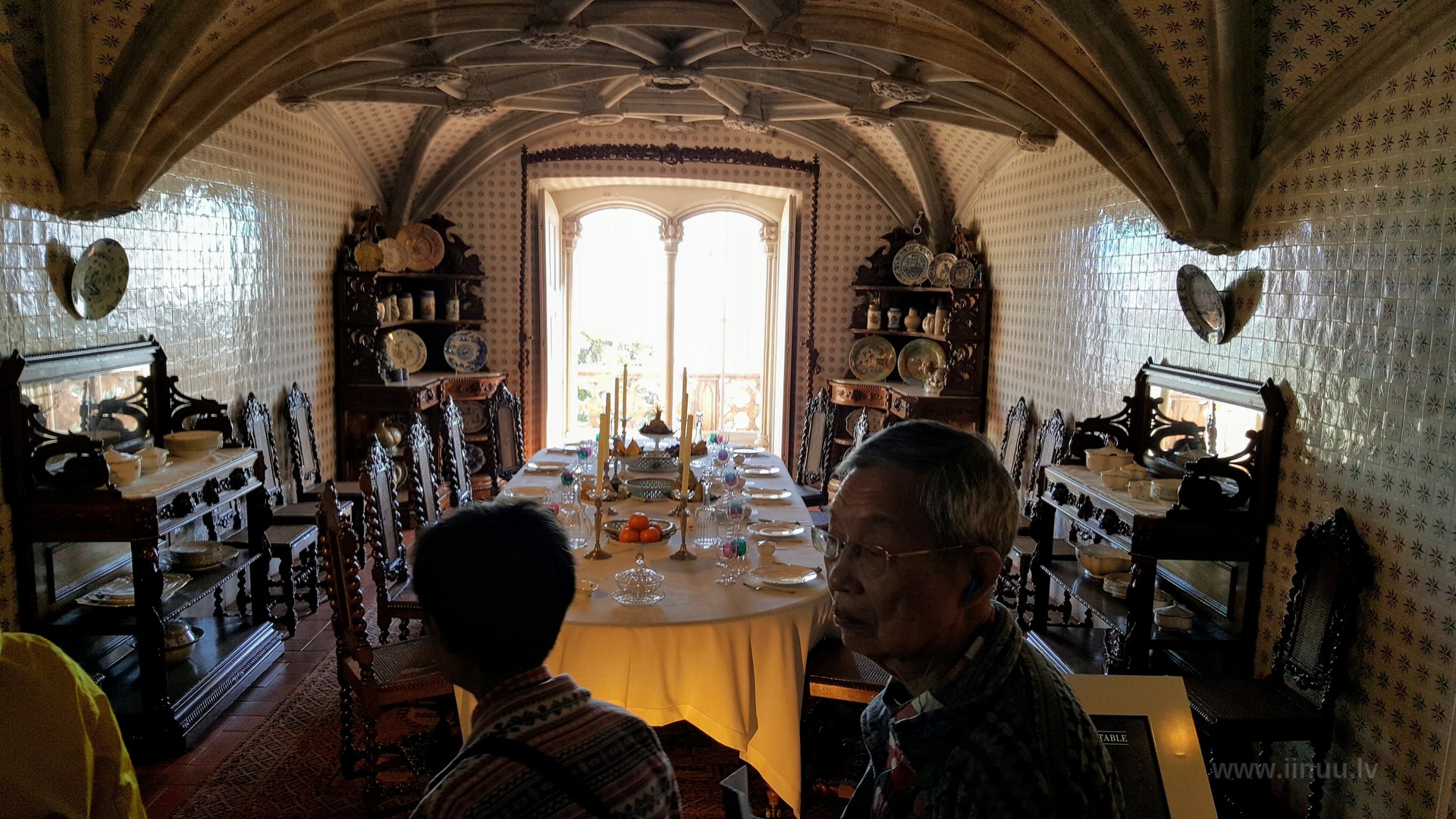
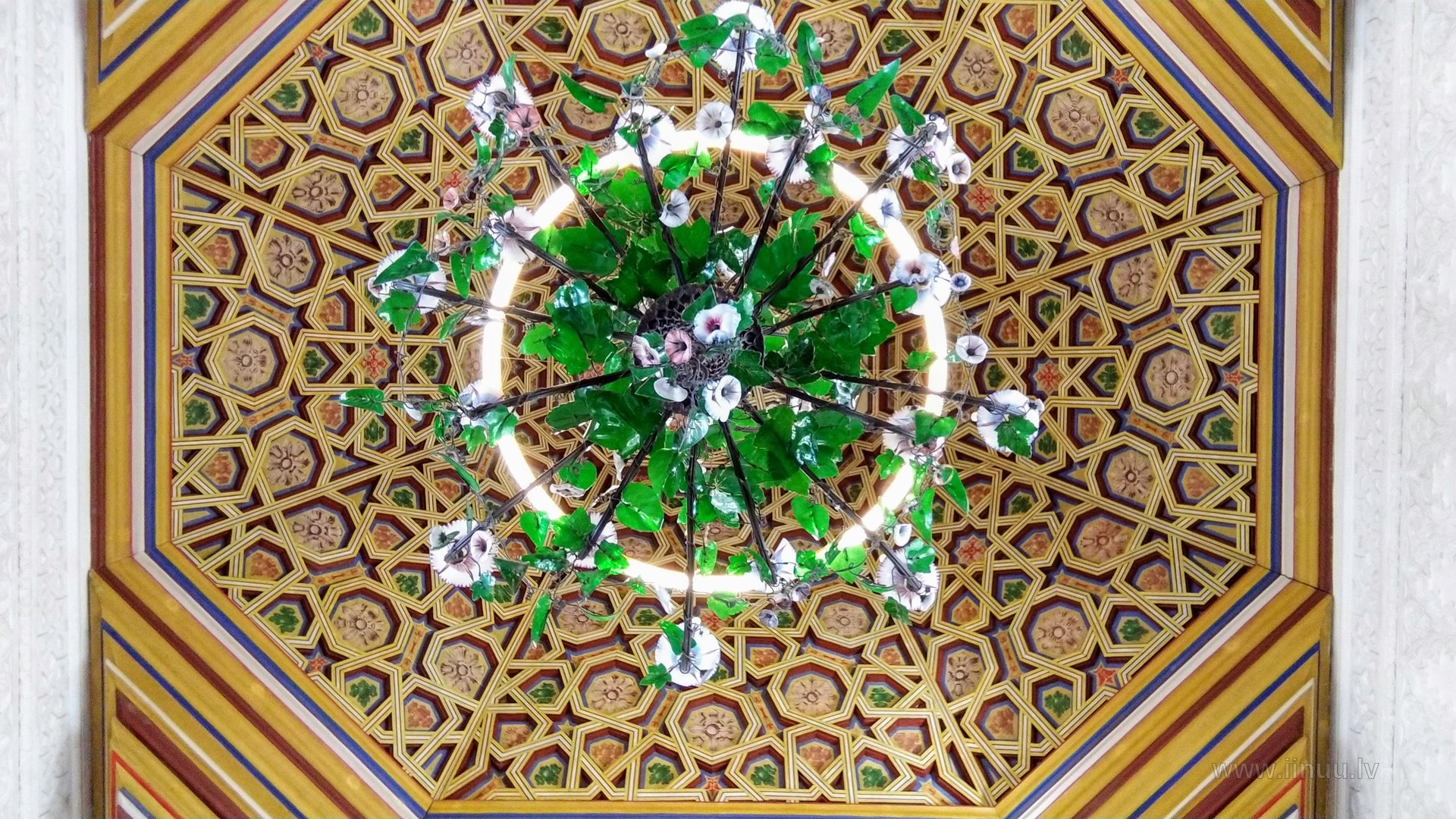
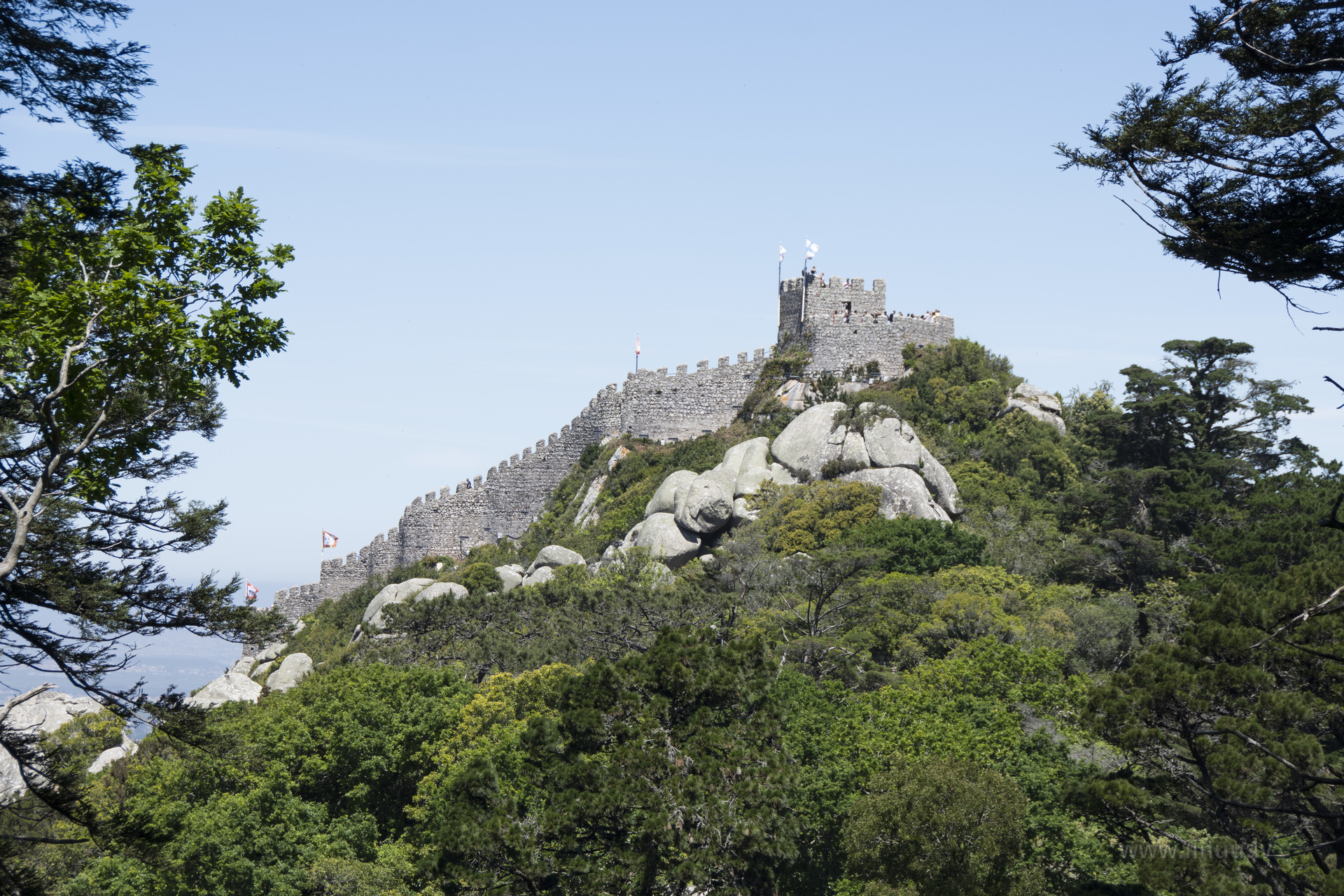
The palace is magnificent both on the outside and inside. While the exterior, passageways, and balconies could be photographed to one's heart's content, inside cameras - including mobile phones - were prohibited. Palace staff were continuously trying to remind the impression-insatiable tourists of this prohibition. Inside there are truly magnificent bedrooms, studies, a sitting room, and a dining hall to admire. The palace itself is set on a steep cliff. Through the windows rather menacing and large rock faces are visible. The mind cannot grasp how such a fairy-tale palace could have been built here in the first half of the 19th century.
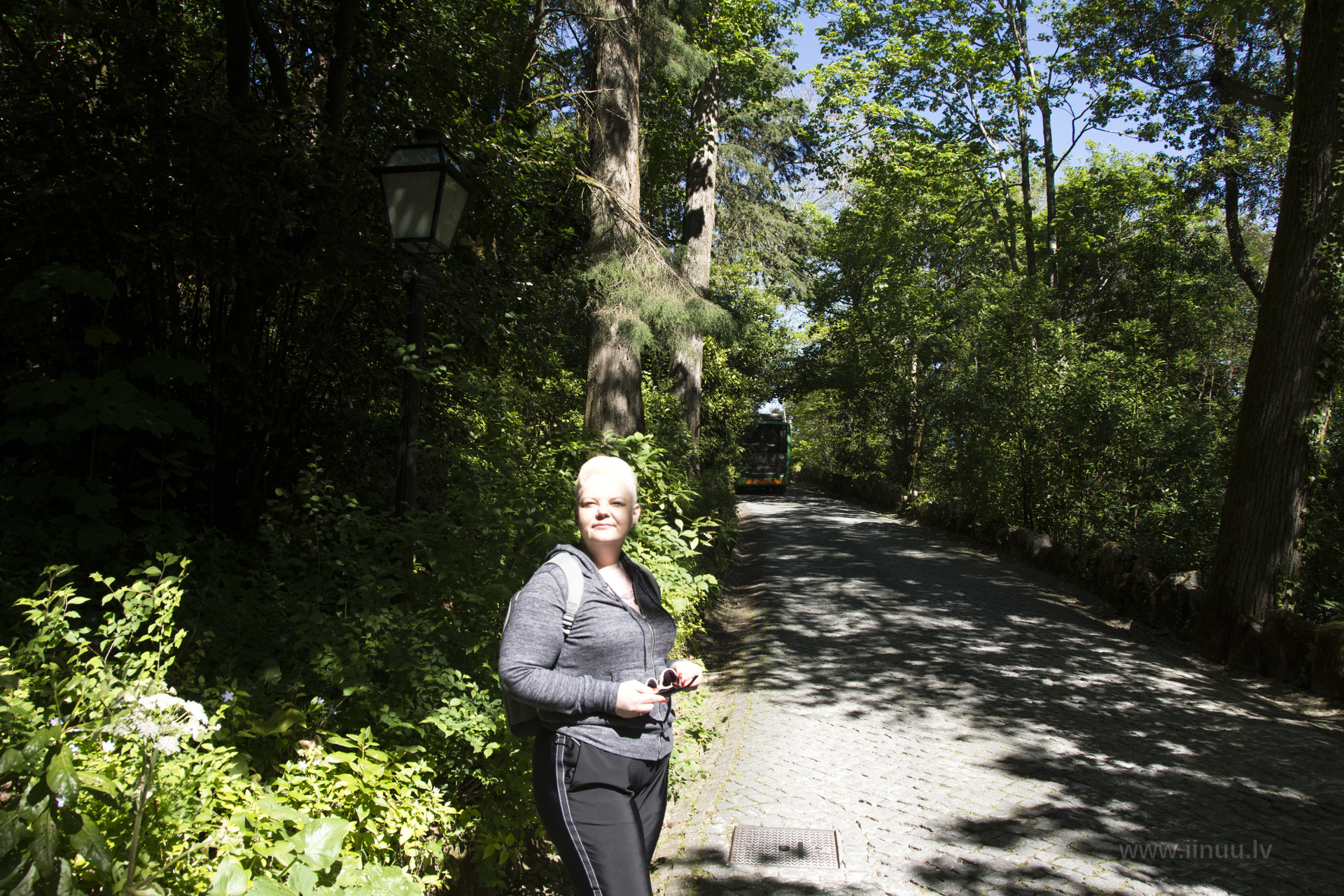
Having satisfied our curiosity, we set off to find the second attraction - Quinta da Regaleira (Av. Almeida Garrett 5, 2710-567 Sintra). Leaving the Pena Palace gardens, we were approached again, this time by a woman who kindly offered to give us a lift in her reddish open-top jeep from the mountain down to the other palace for a small but fair fee. No sooner said than done. But before setting off again on the fairly long walk through the palace gardens, we decided to eat.
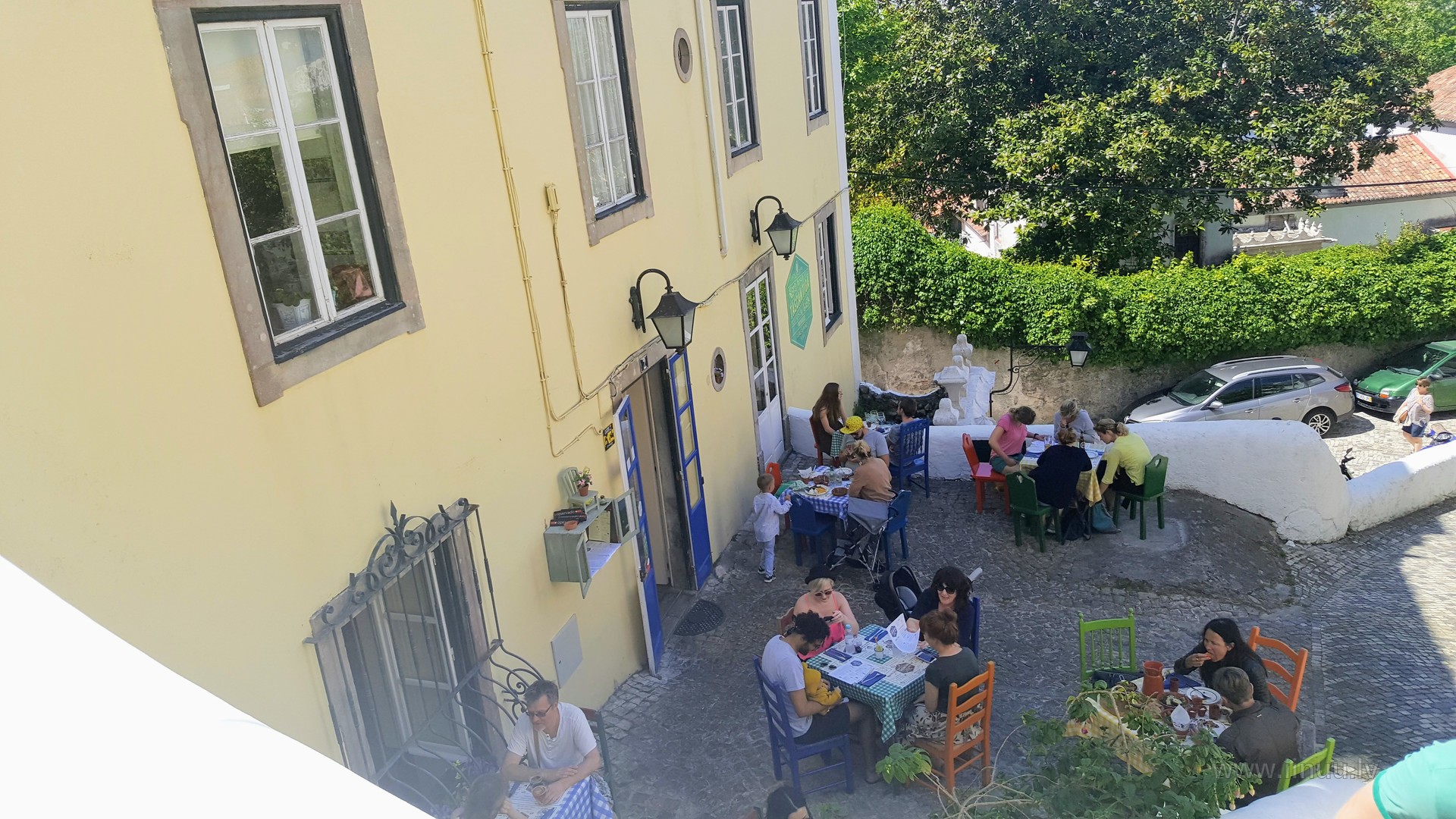
Quite by chance and fortunately, in one of Sintra's courtyards we noticed a tapas restaurant - Tascantiga (Escadinhas da Fonte da Pipa 2, 2710-557 Sintra). Mmm, delicious - I recommend it. We took two types of tapas with octopus and prawns. Of course, a large glass of sangria was unavoidable. Despite the small portions, the flavour enjoyment was considerable. I could not have imagined beforehand how fantastically prawns taste with fried dried onions, garlic, olive oil, and lemon. The way of ordering food there is also distinctive - on entering and being led to the table, the waiter gives you a large printed sheet with a pencil, and also places a colourful cloth bag on the table in which, it turns out, there is a fresh bread roll. With the pencil one marks the food and drinks one wishes to order. As is customary in Portugal, the tables are small and right beside each other. The meal was further graced by the aura of the ancient building and its painted walls.
Right next door in the same courtyard is a very small shop where one can buy delicious things. What caught our attention was the potential "dessert" - ginja (cherry liqueur) from Óbidos poured into a dark chocolate cup (1 EUR for the small chocolate cup) - this we remembered from our 2008 trip to Portugal. And it tasted just as good as it did back then.
One interesting and very good thing that the Portuguese have perfected (we were convinced of this in Lisbon, Sintra, and southern Portugal alike) - the waiter, receptionist, or boat captain first asks how the food was or how one liked the service, then swiftly produces and presents a business card and kindly asks for a recommendation or review online.
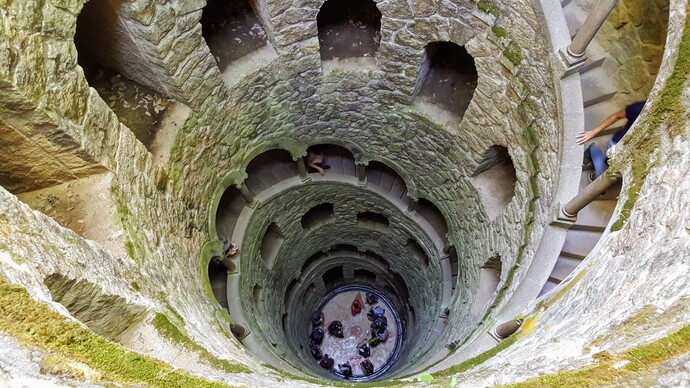
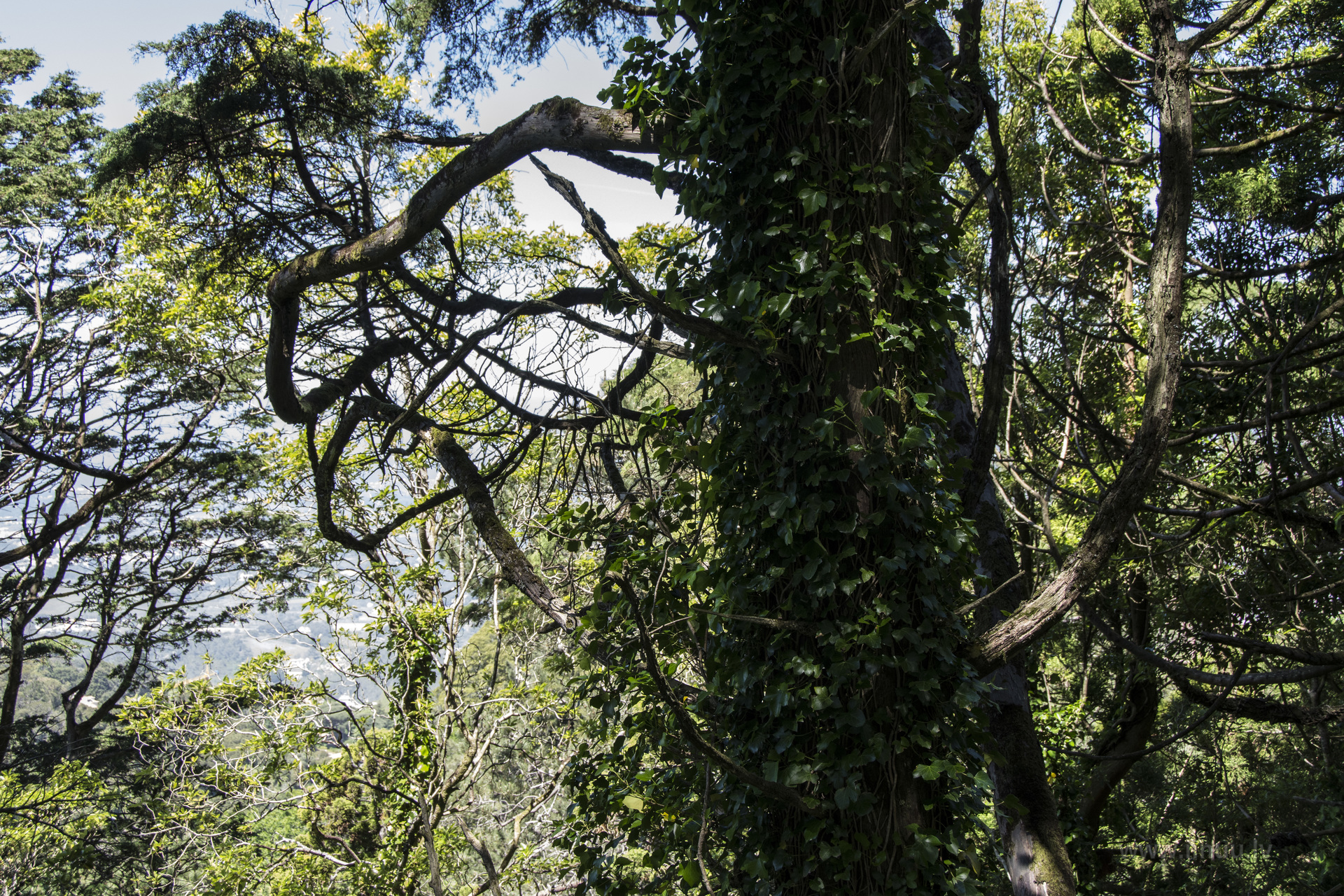
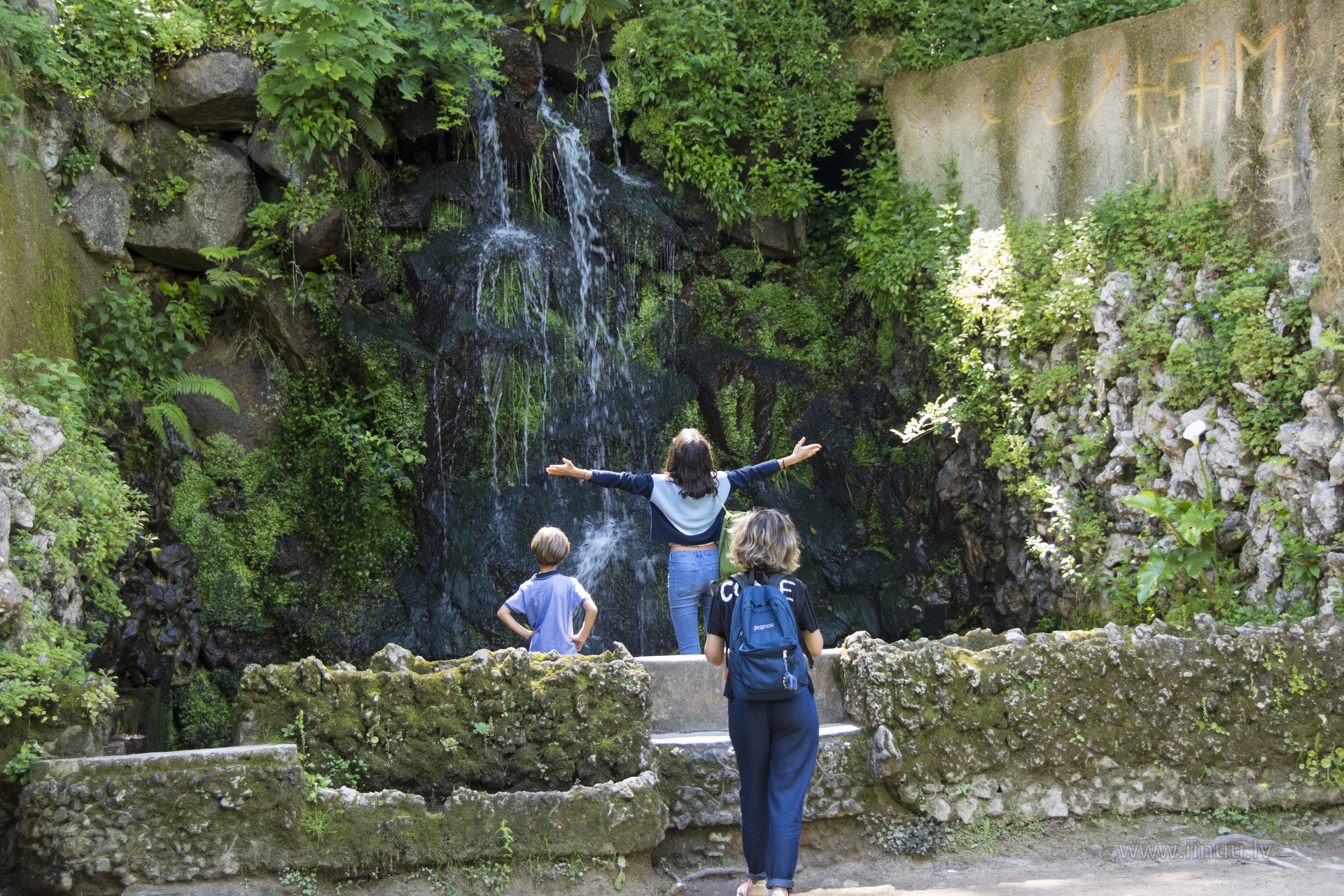
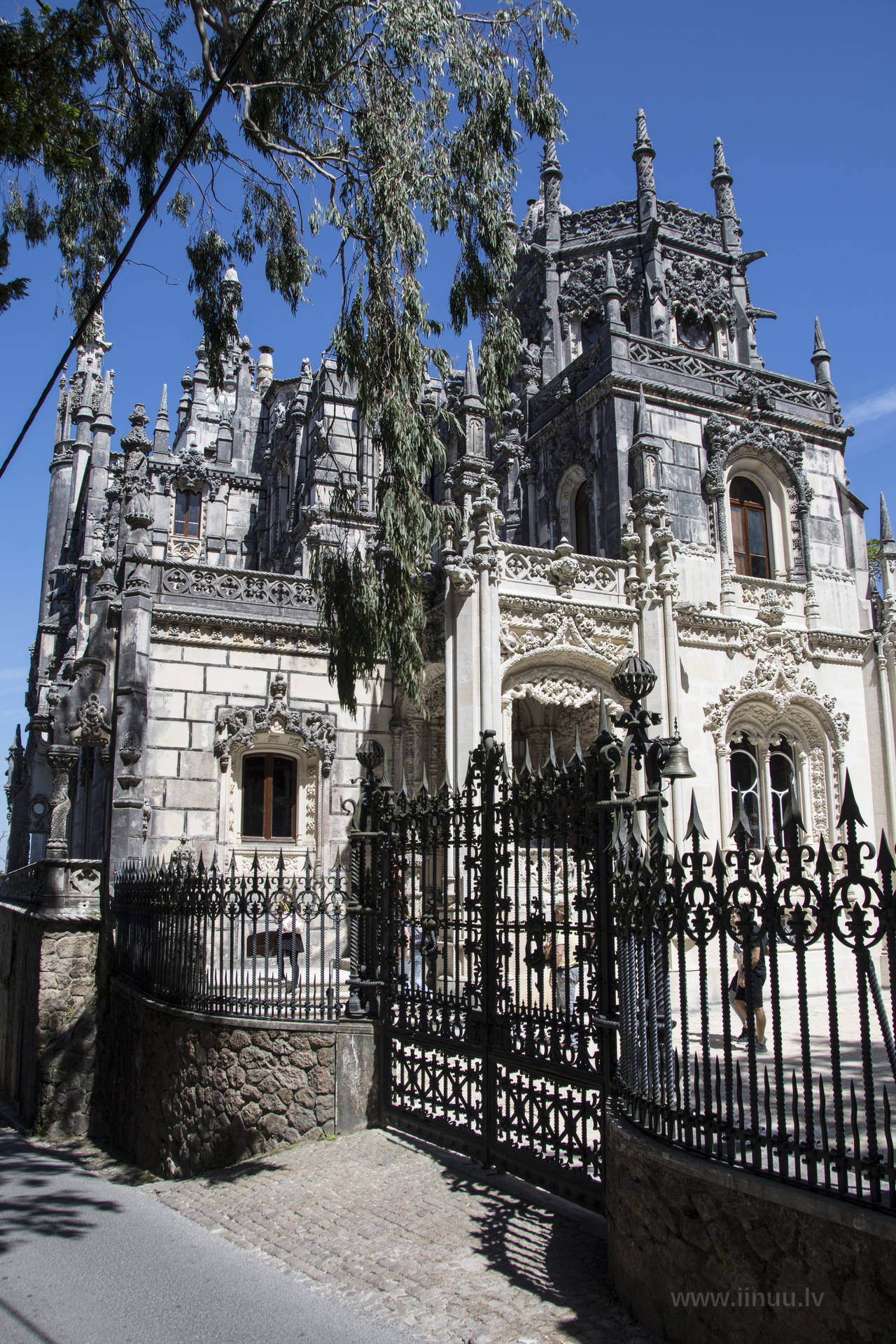
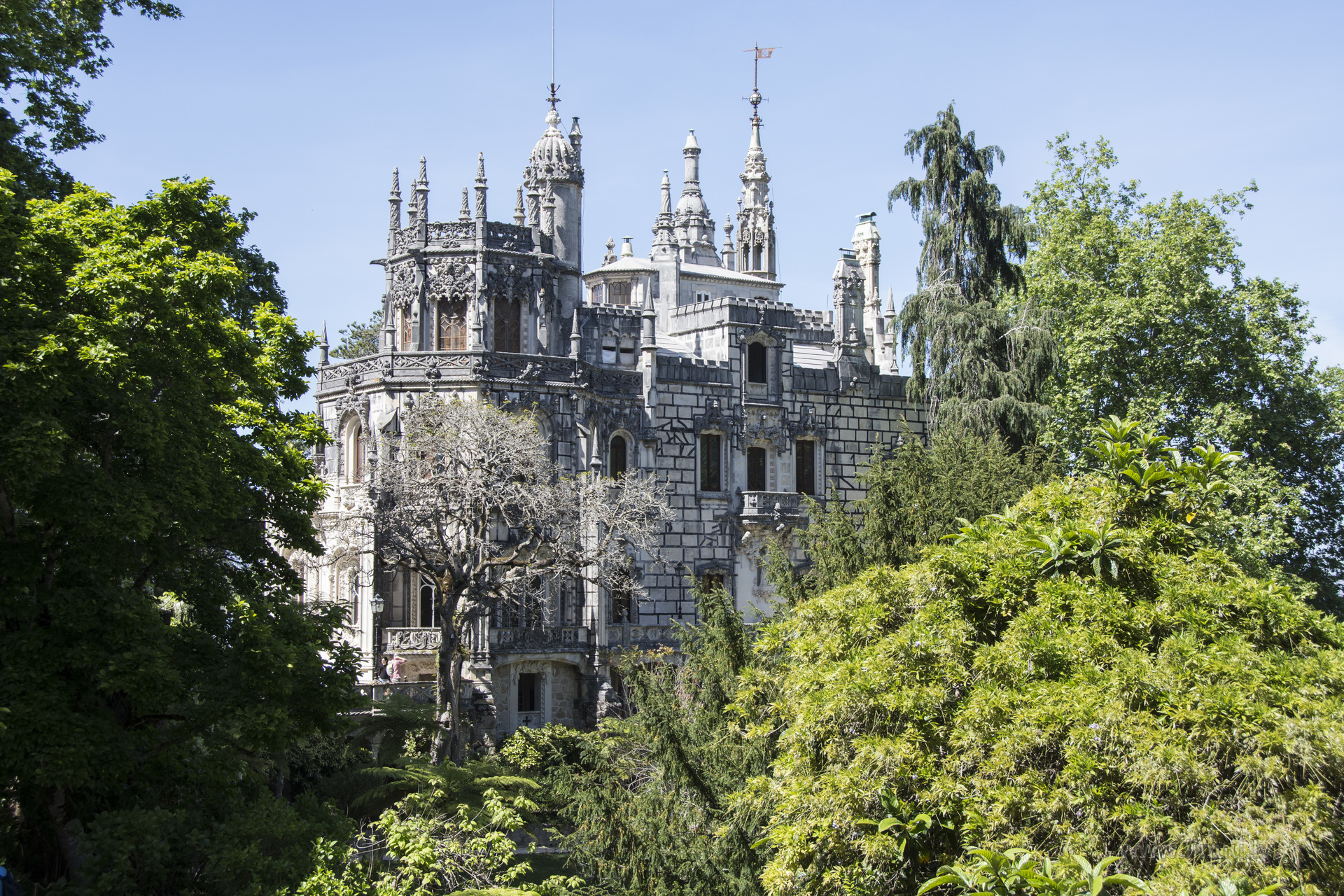
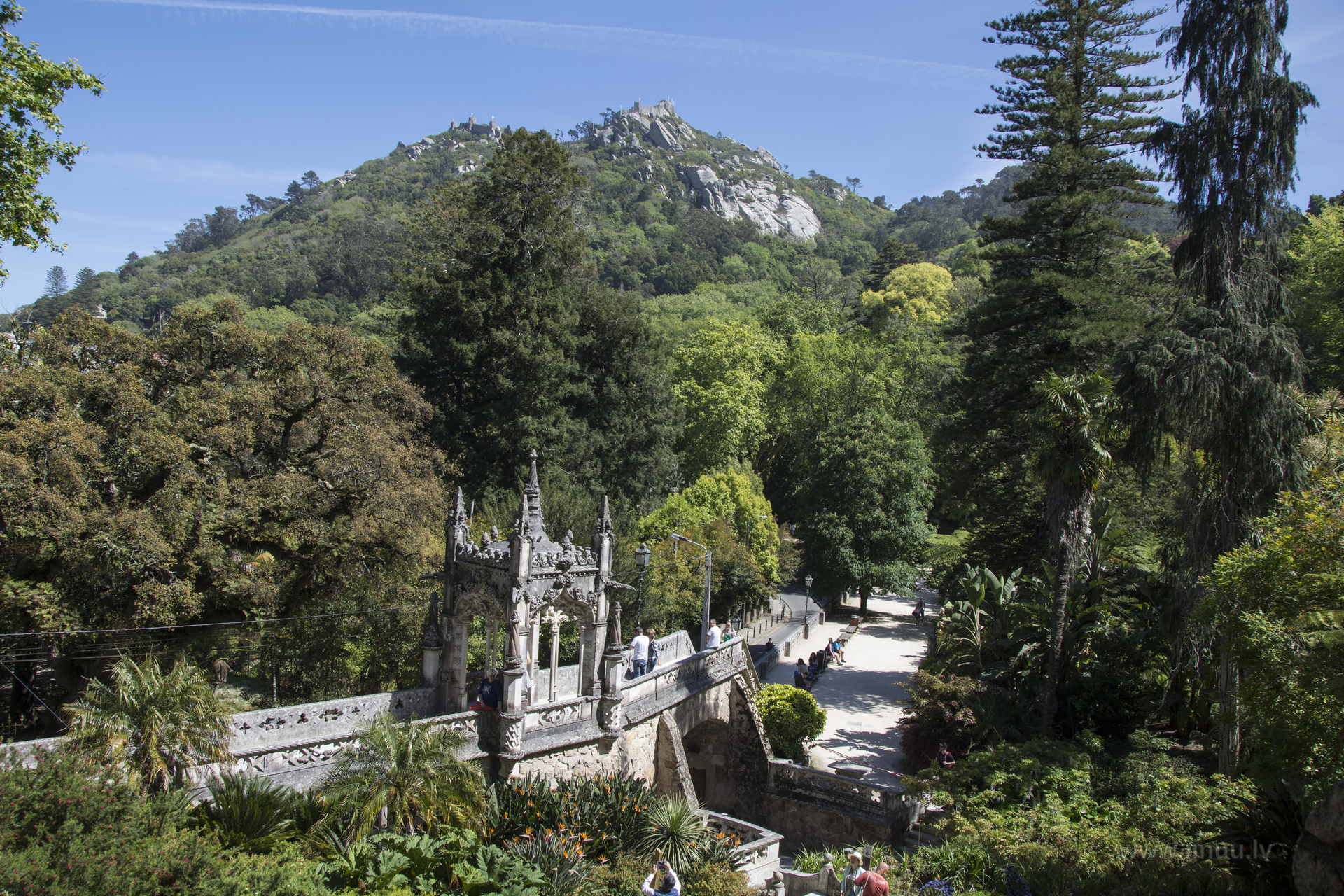
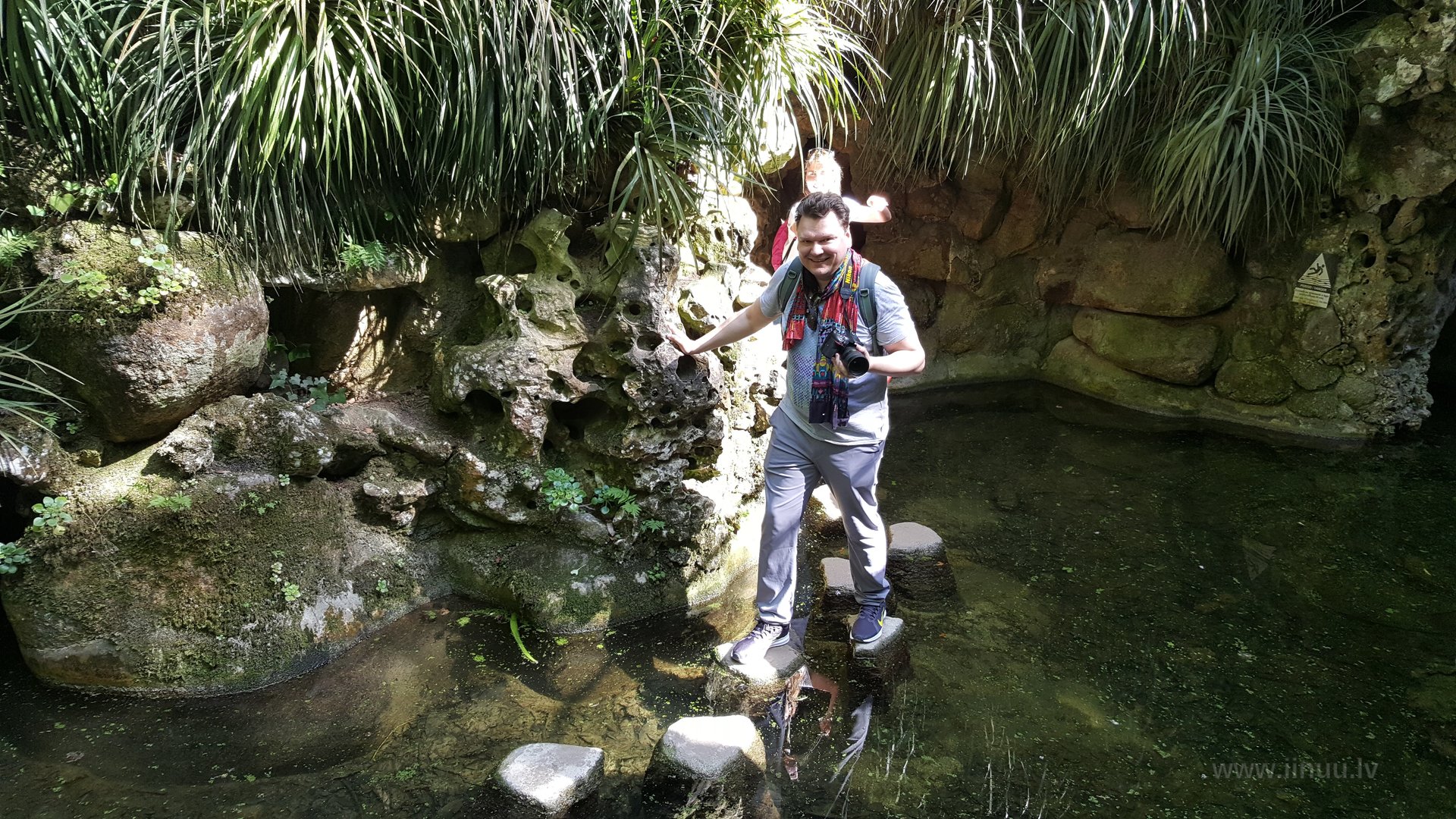
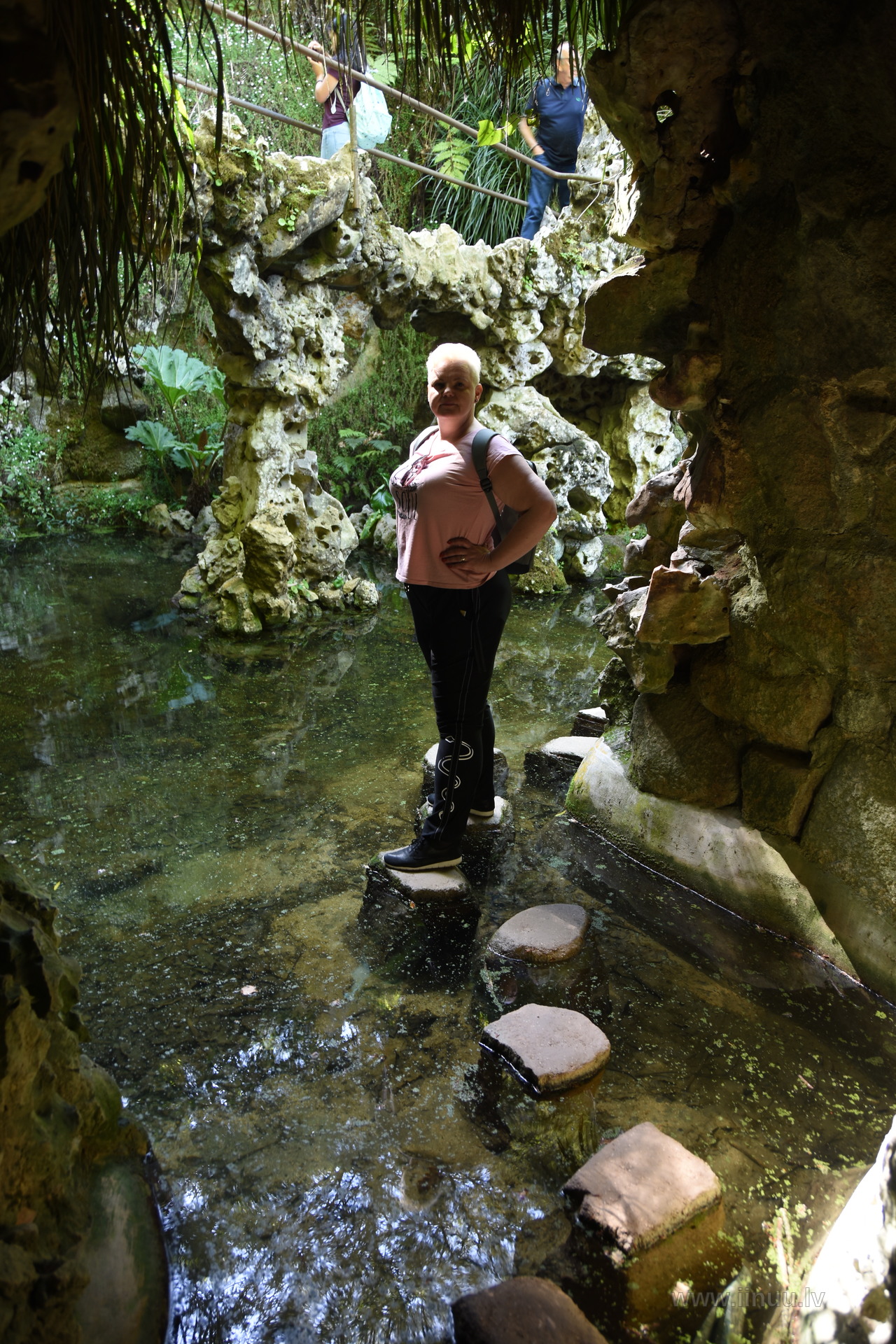
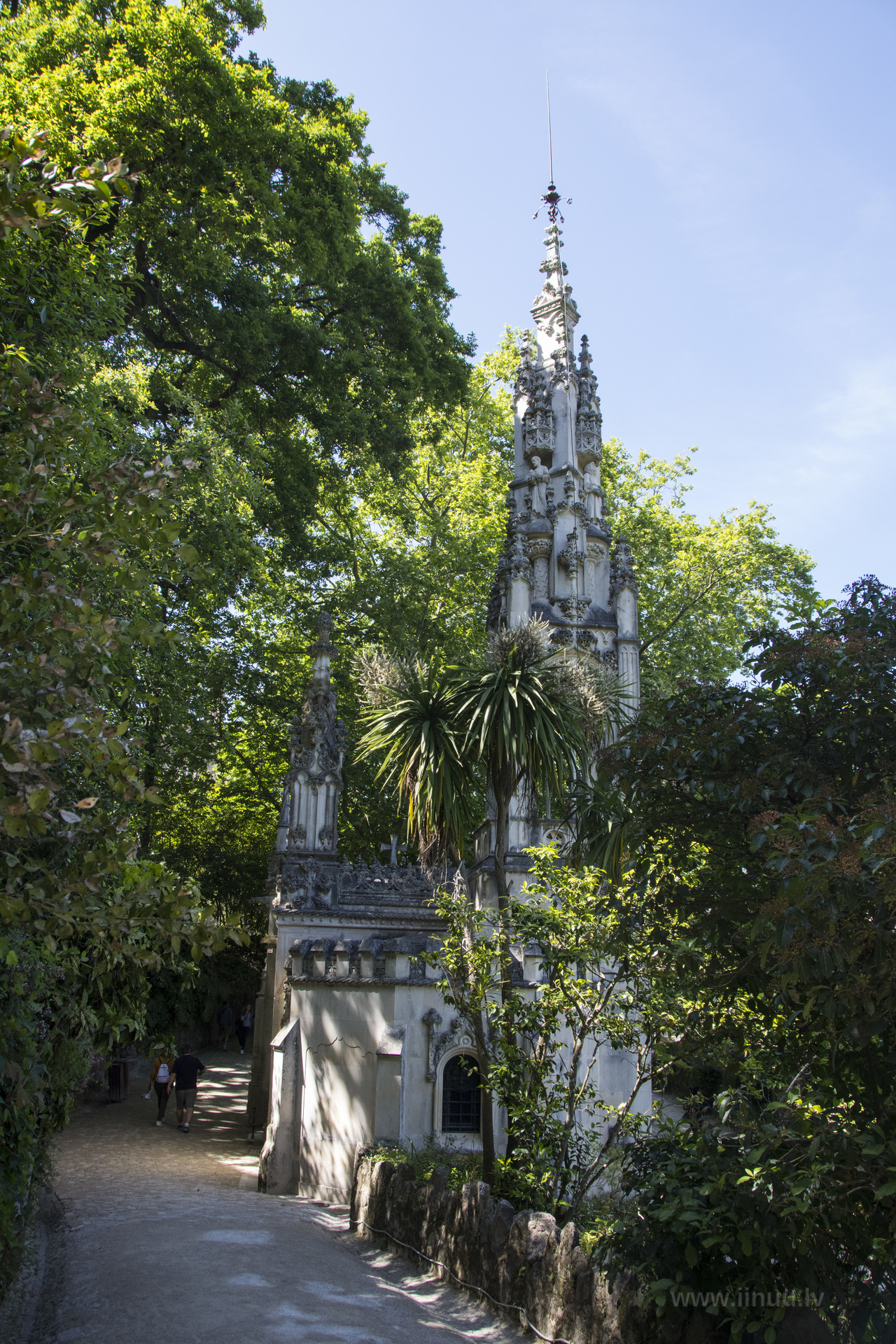
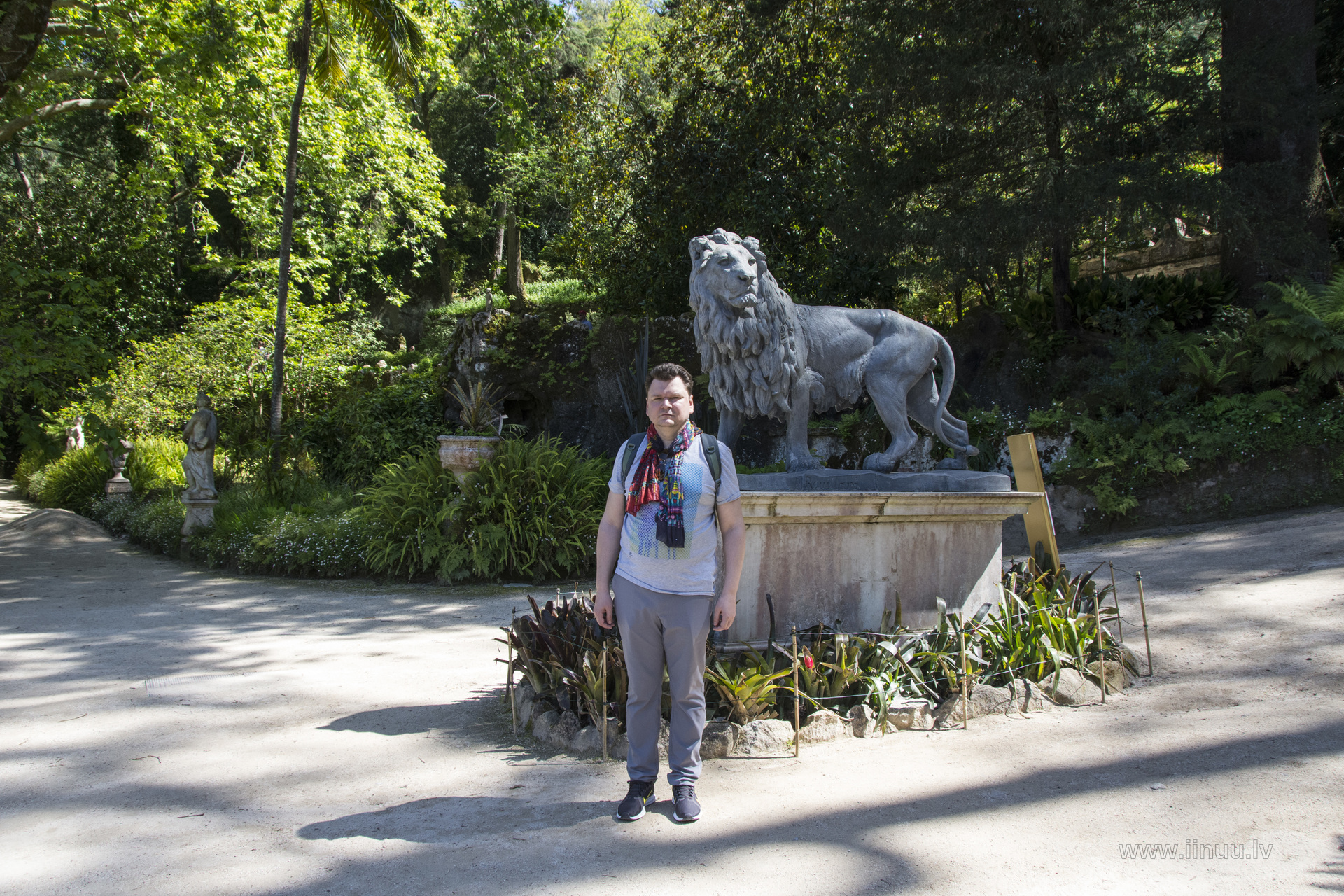
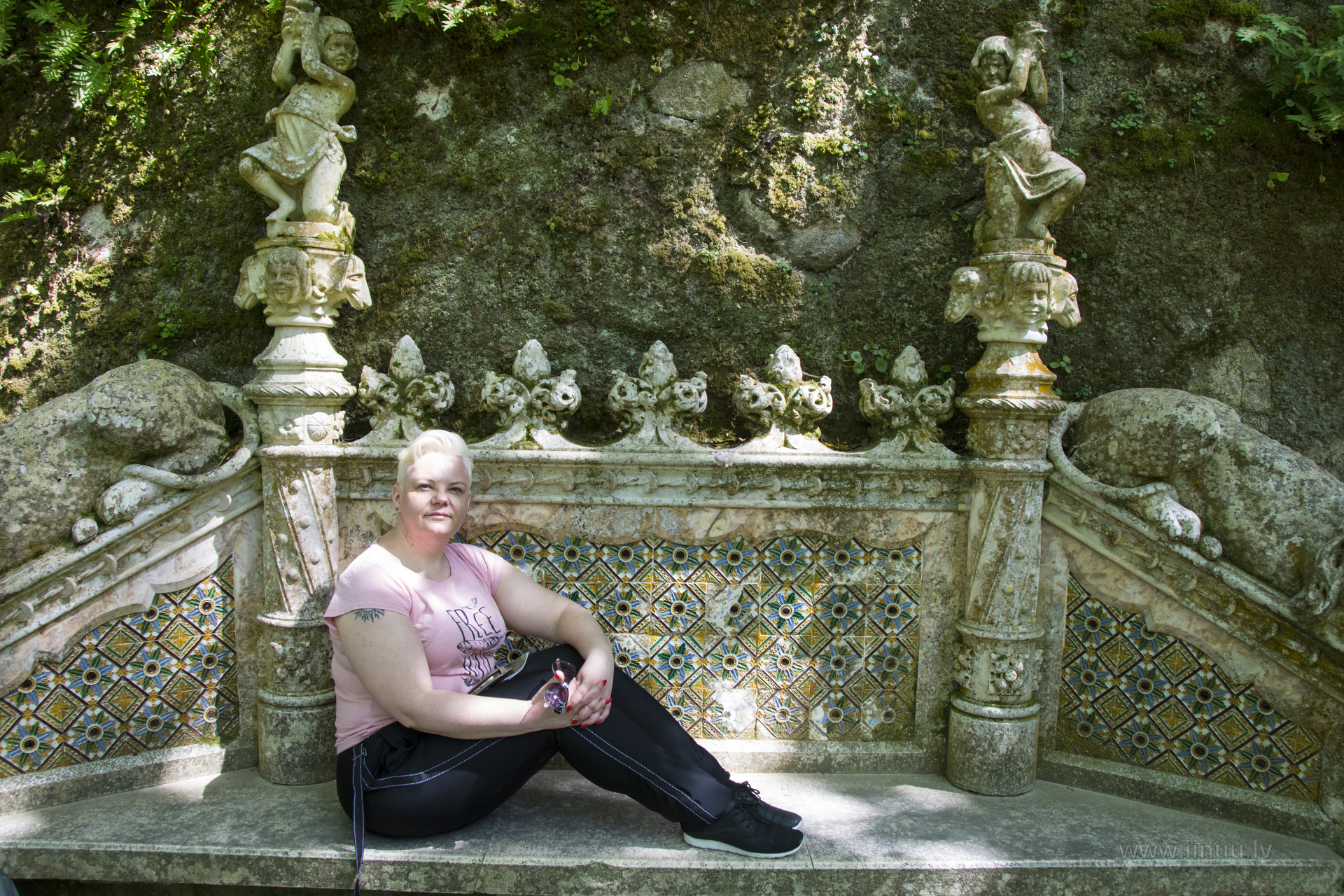
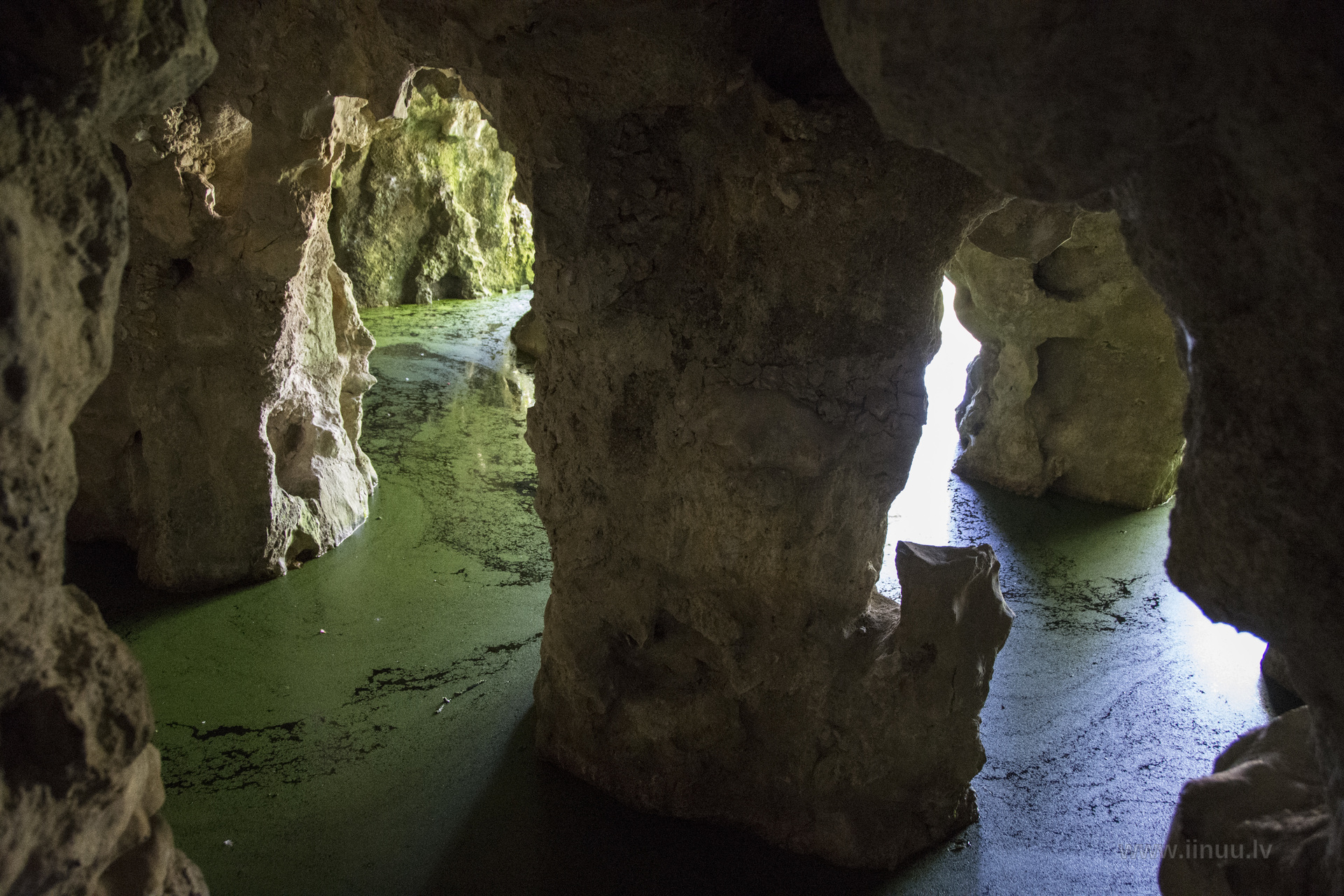
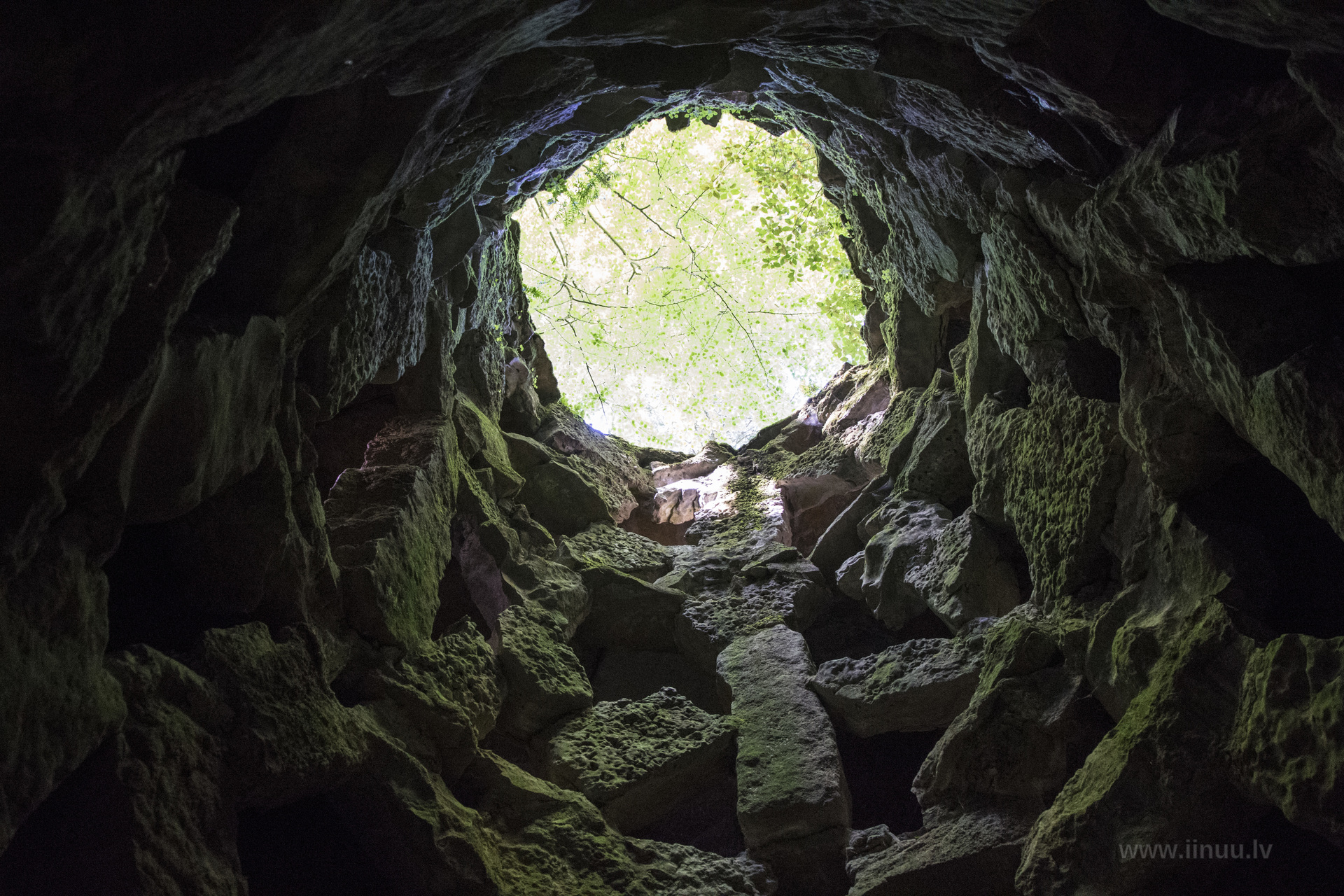
Well, let us return to the palaces. Quinta da Regaleira is a palace complex with a fairly large garden set on a hillside, where underground passages, built-in chapels, and grottos are hidden. The entry fee (8 EUR per person) and crowds were considerably smaller here. Despite the map obtained at the ticket desk, orienting oneself in the garden was rather difficult. We searched for a long time for the correct underground well. We first found one - the smaller one - which is connected to the real main ritualistic well. Along the well's outer passages one can descend below or ascend to the surface. The garden is slightly gloomy, with a certain touch of mysticism. In overcast or foggy weather it would not be particularly comfortable to stroll through, as the caves inside are not lit - for a moment one ends up in complete darkness and the mobile phone torch must come to the rescue.
We returned to Lisbon late in the evening. It is unclear how one could in a single day walk through at least four more palaces that were marked as attractions on the map. Hmm, perhaps someone manages...


comments