
Venice
It is true - Venice you can either fall in love with, or not accept at all. With me, it seems, the first happened ...
Travel diary
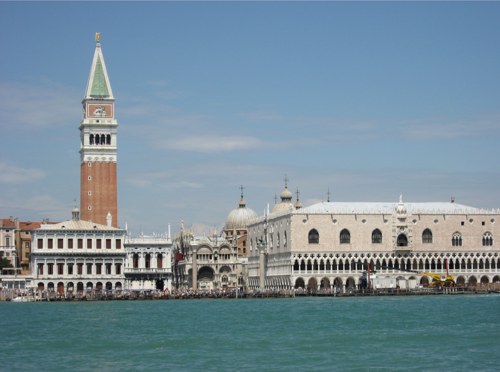
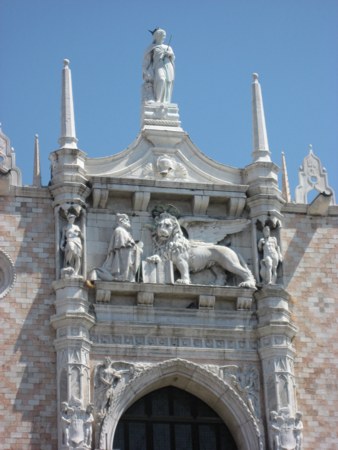
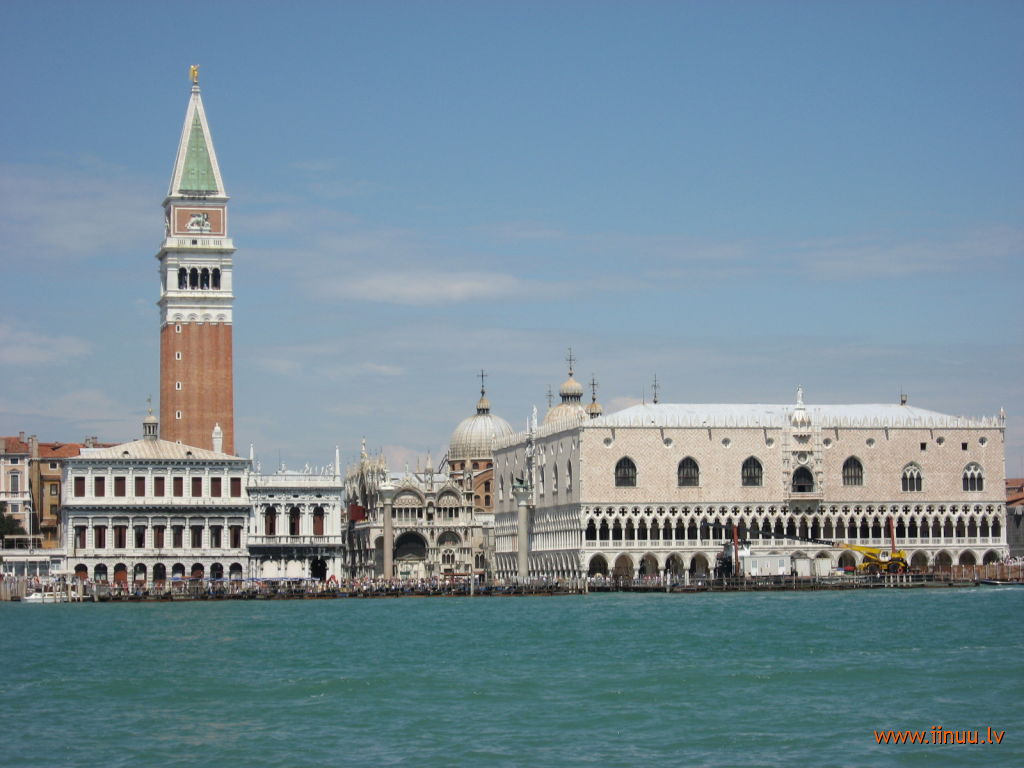
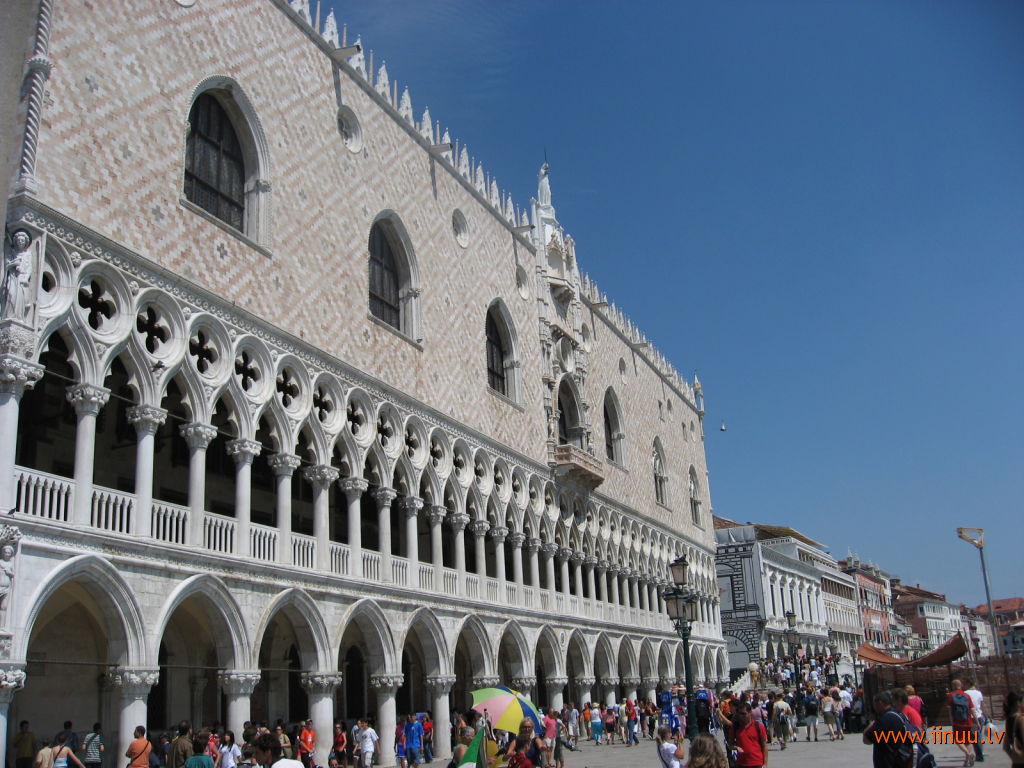
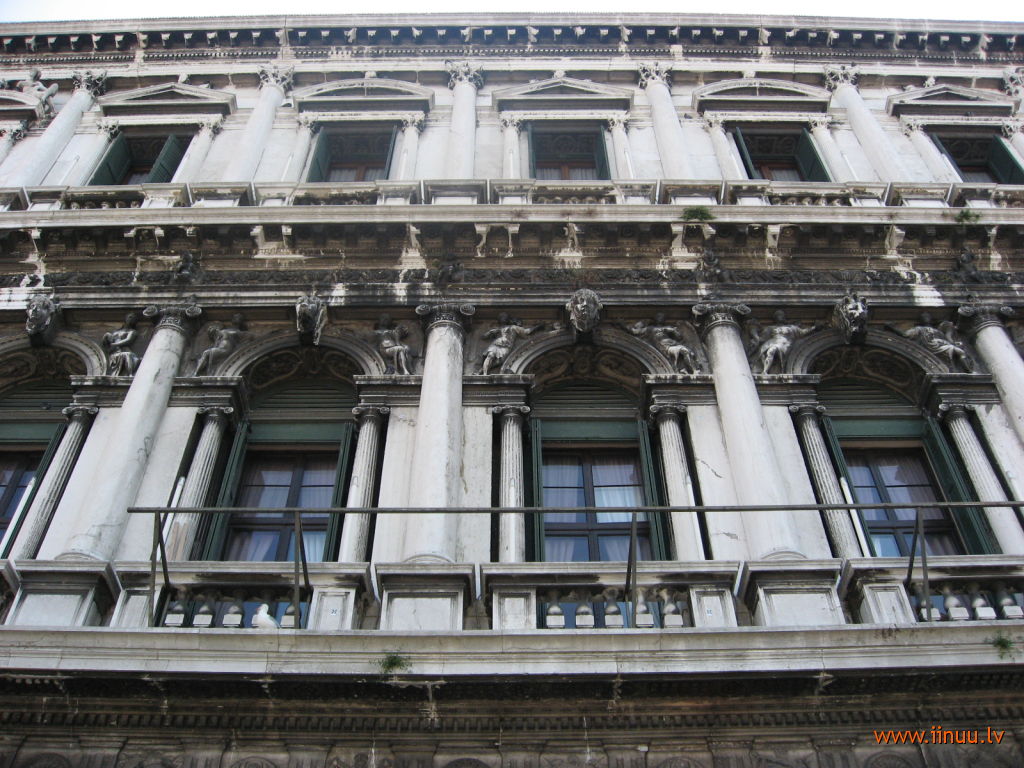
Of course the attention was drawn to the splendid Doge's Palace, where Venice's statesmen once resided. Yes, indeed, Venice was once a sovereign state. The symbol of Venice is the winged lion, visible in the decorations of buildings. In the coat of arms the chief doge kneels before such a lion, affirming that power belongs to the Venetians themselves, i.e., to the people.
 |
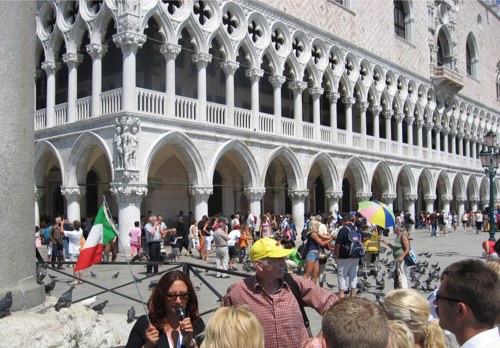 |
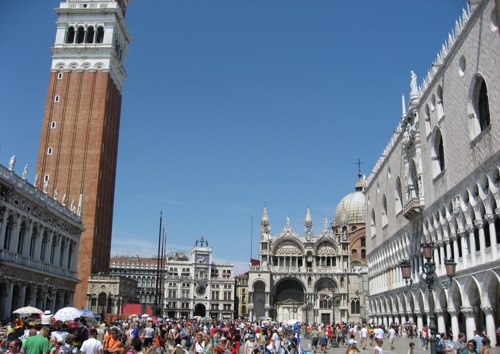
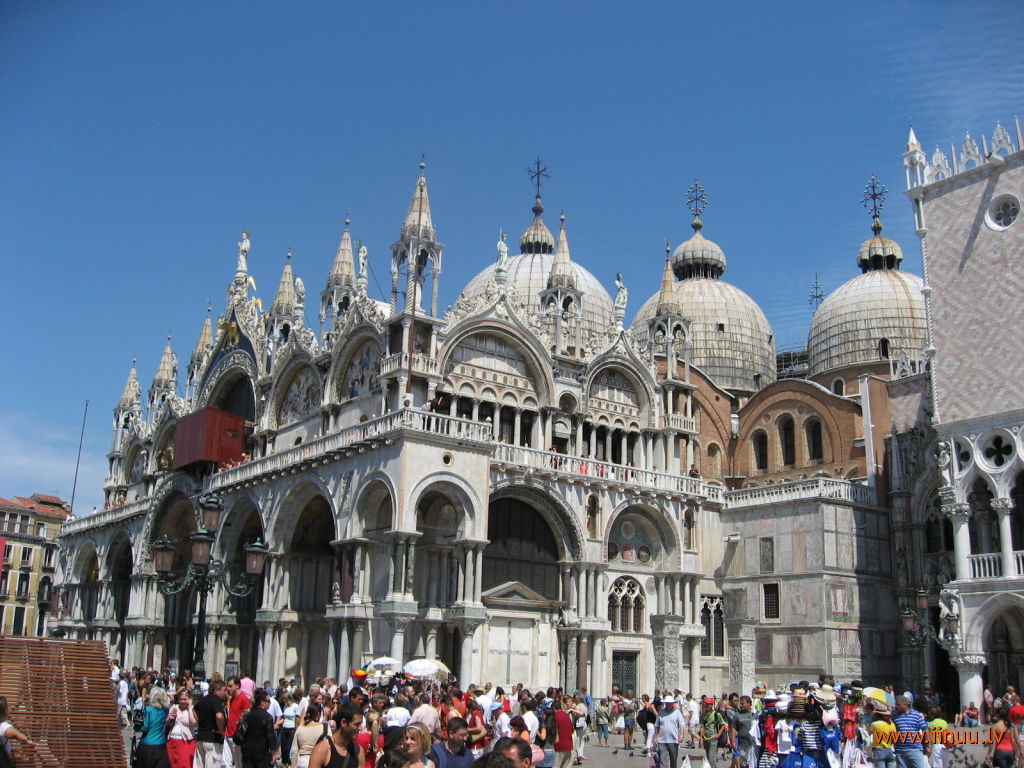
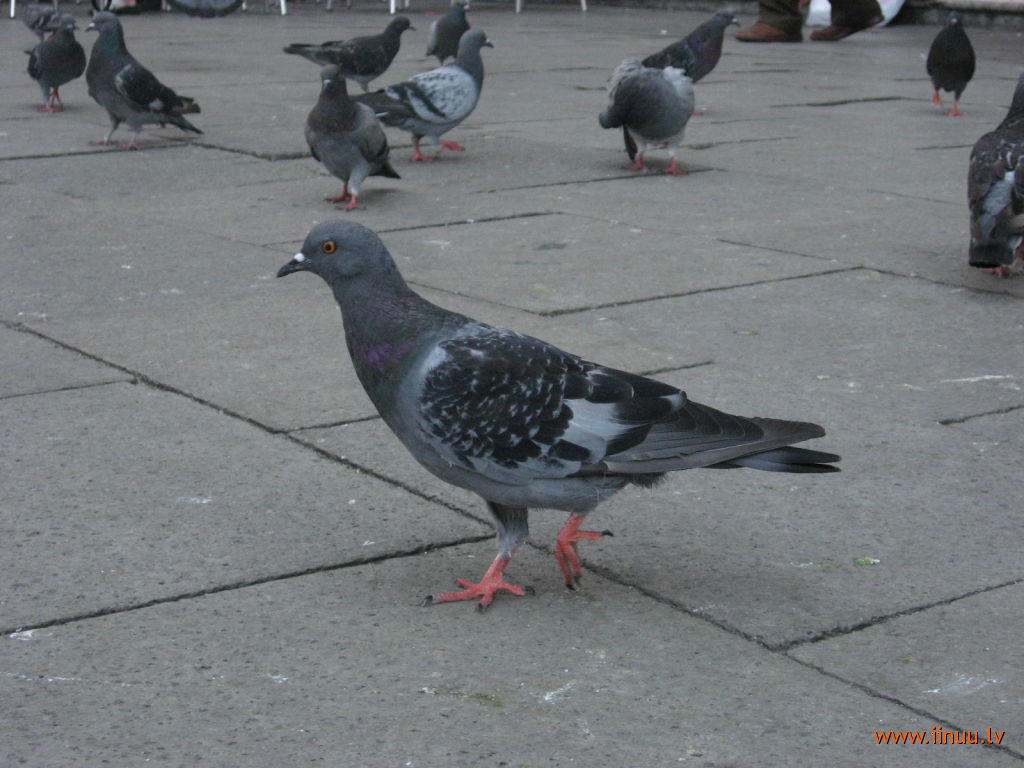
St. Mark's Square is flooded with tourists and pigeons, whom the former are happy to feed with grains of corn. Commercialisation runs high here, from the countless cafés, souvenir stalls, and famous brand shops (GUCCI, ARMANI, LACOSTE, etc.) to little bags of corn for the pigeons, which anyone can purchase for 1 EURO.
 |
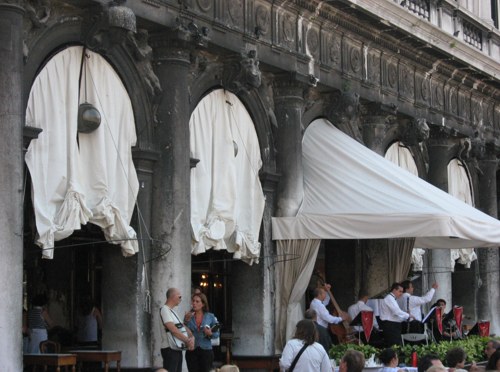 |
An orchestra plays in St. Mark's Square. The melody can barely be heard above the noise of the crowd. Here too is located the oldest café in Europe - "Florian."
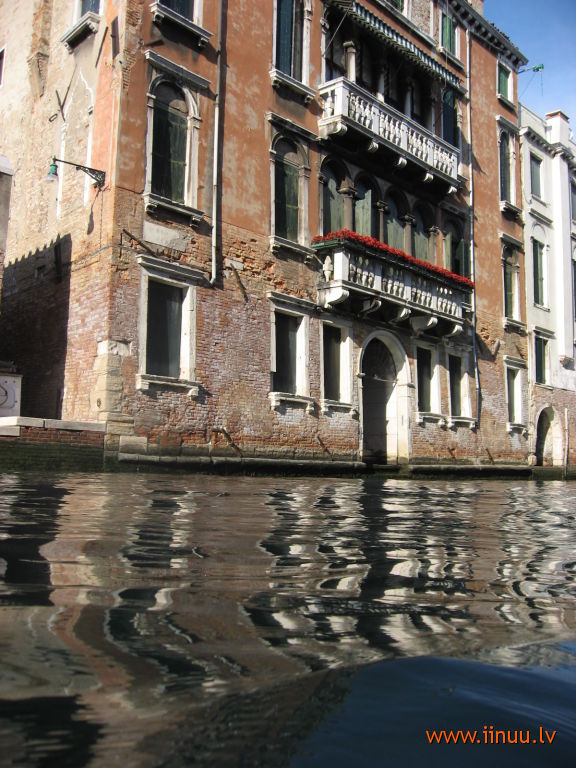
Although the heat in August here is considerable, puddles are visible on the square. The guide, who introduces herself as Venetian to the bone, comments that this is nothing, since in the winter months one must wade across the square ankle-deep or in places knee-deep in water. A memory immediately flashes of what has been heard in many press publications and on TV - that Venice is sinking irretrievably and that future generations may not be able to visit it at all. Is it true? - Yes, sinking, every century the city's buildings go 12 cm below water, the guide vigorously begins to assert, as if boasting of this fact rather than lamenting the destruction of her native city. Nobody lives on the ground floors anymore, as they are flooded. They are used for mooring boats and storing various goods.
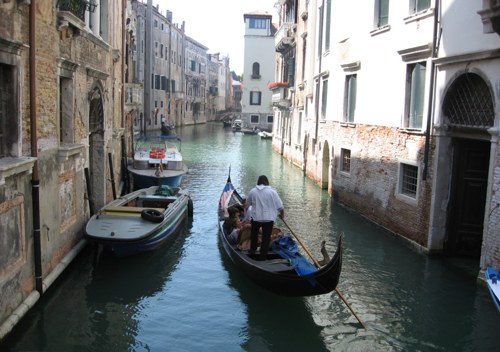
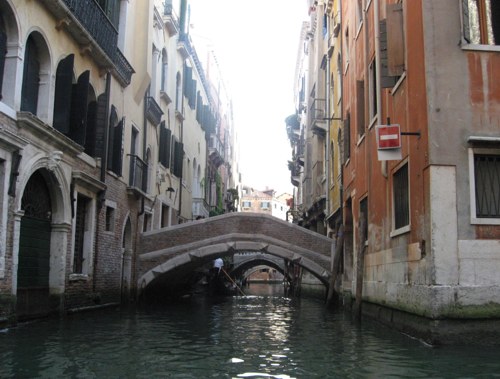
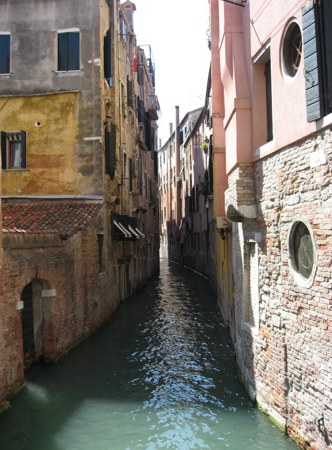
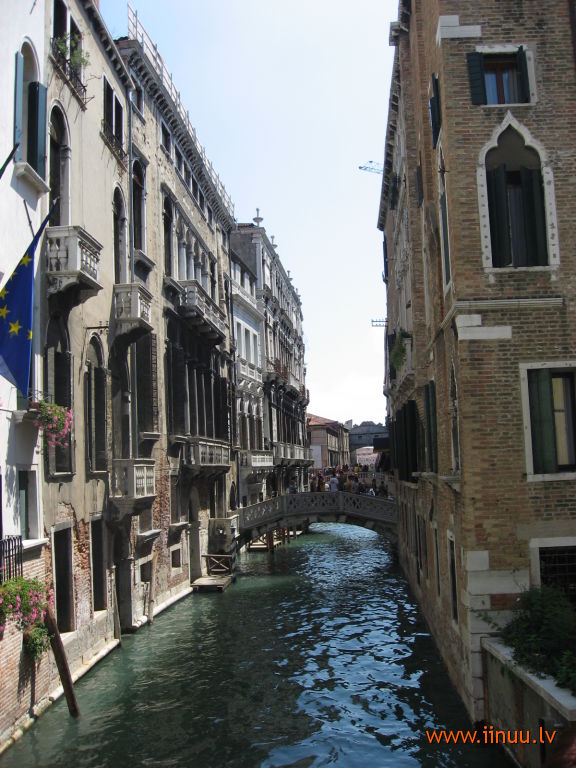
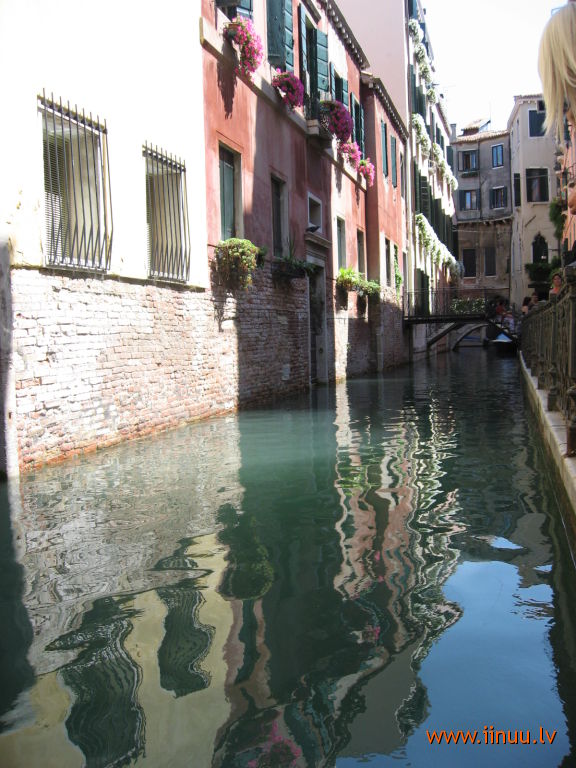
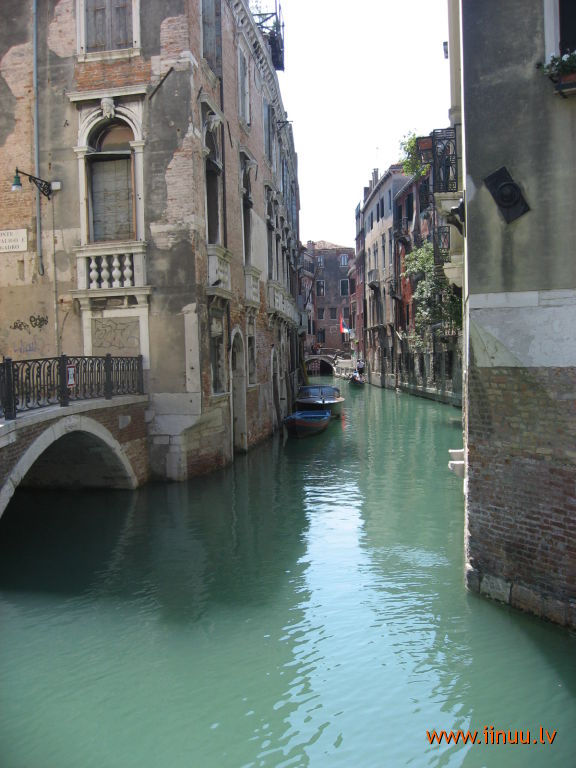
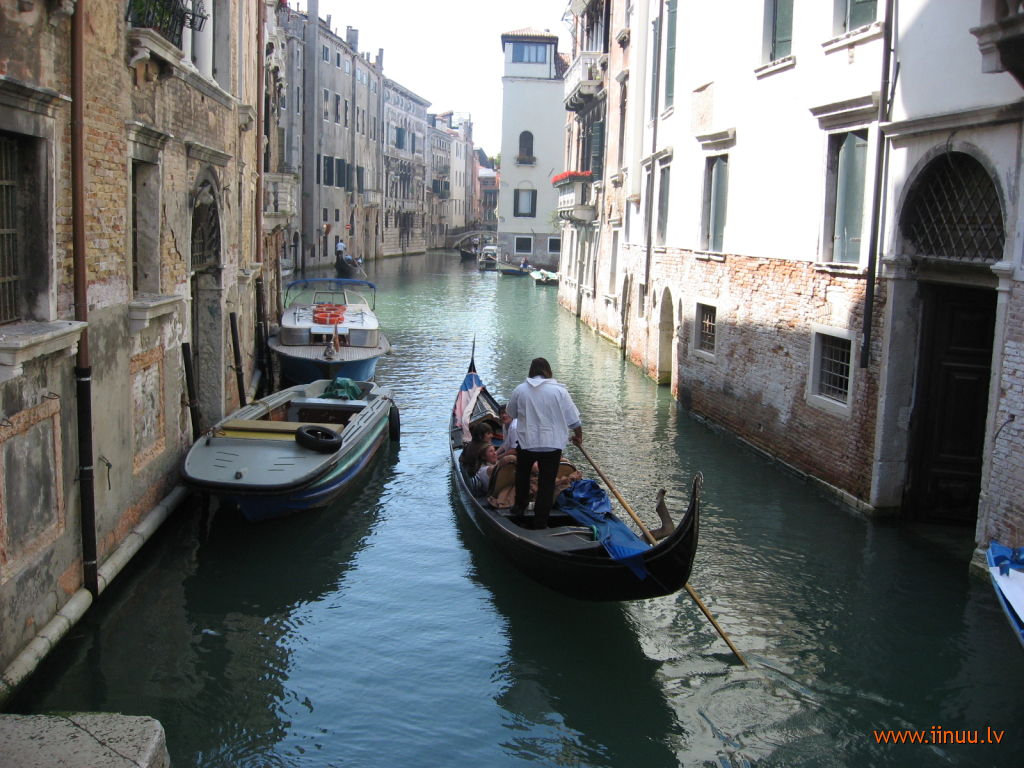
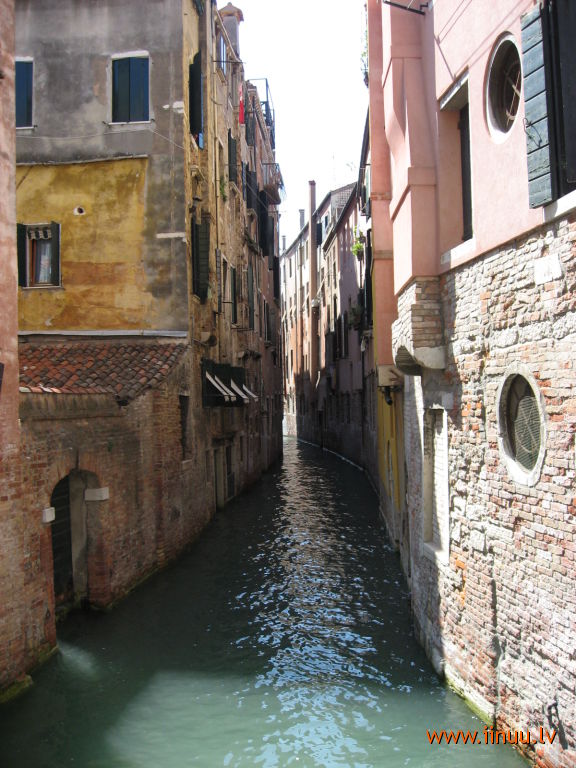
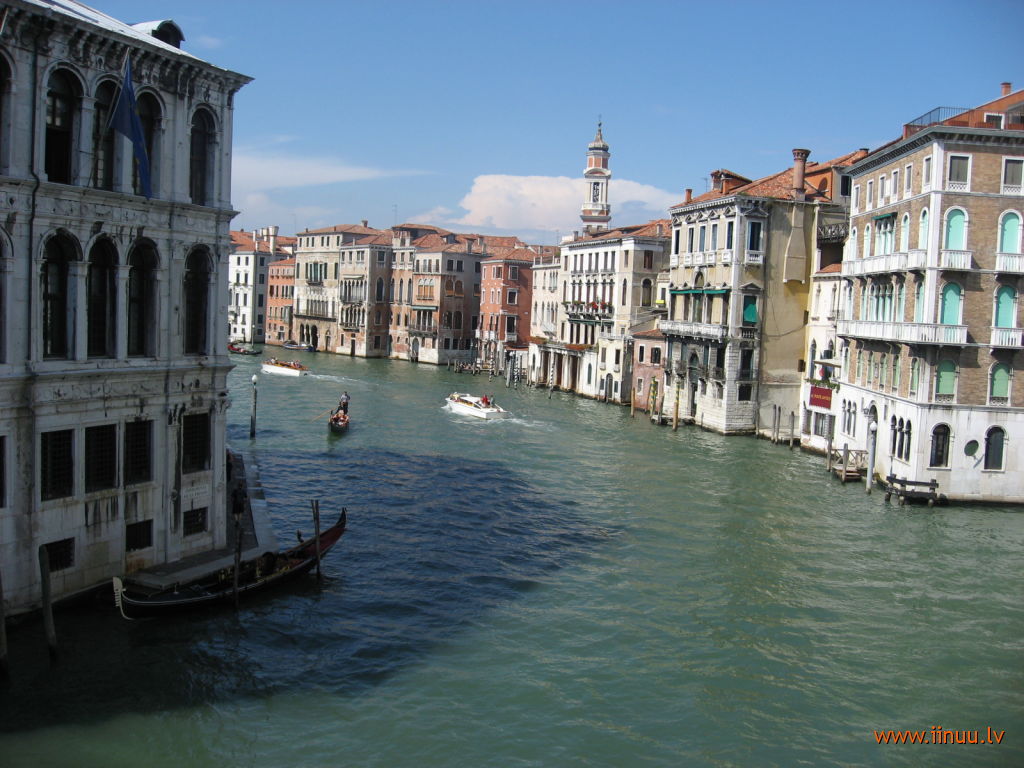
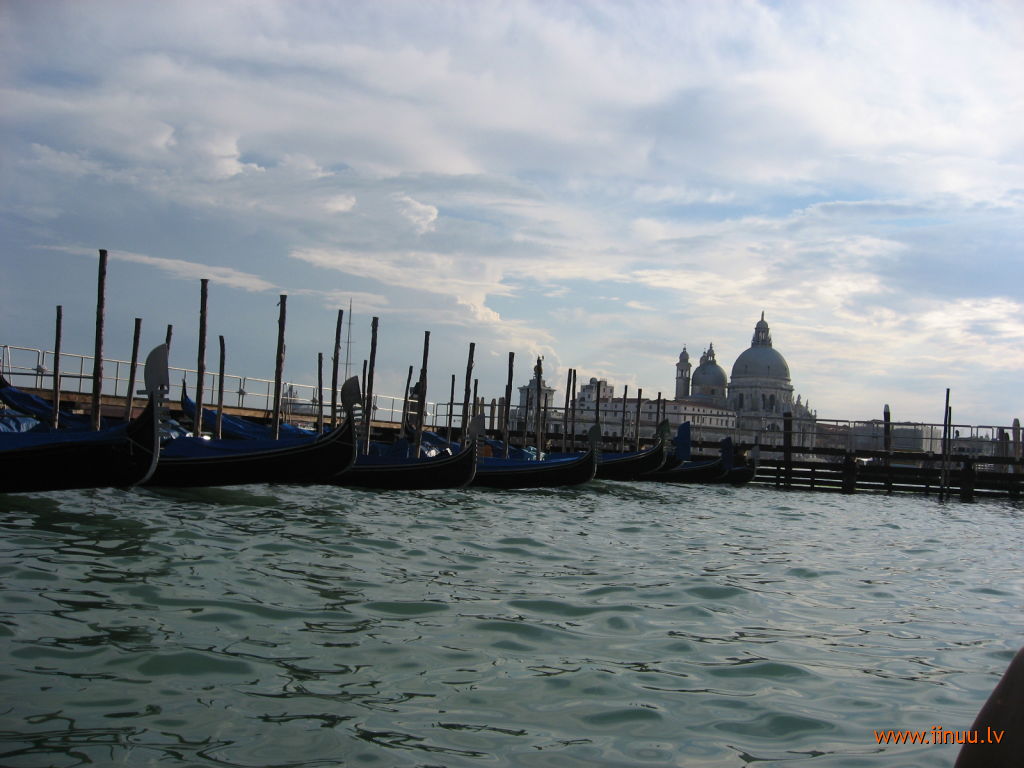
The city's canals are Venice's streets, complete with all the appropriate road signs. While riding in a gondola, I noticed a "no entry" sign - ah, evidently one cannot enter here. The gondoliers skilfully steer with a single oar, literally a few centimetres from the house walls and from other gondolas coming in the opposite direction. At each corner they call out loudly a couple of times to warn the others and prevent collisions. Mirrors are also placed at corners for safety.
 |
 |
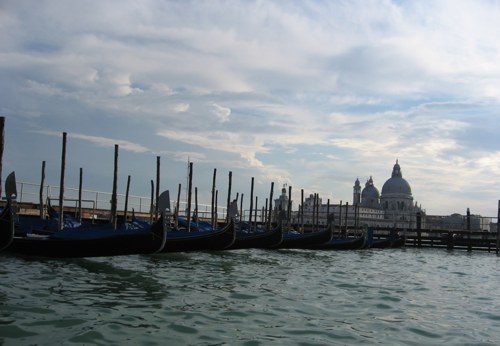
Gondoliers are said to be the wealthiest people in Venice. Not just anyone can become a gondolier - the main prerequisites are that you must be a man, a Venetian, and you must own a gondola made by a master craftsman. Each gondola costs an enormous sum, as it is made from 27 species of wood.
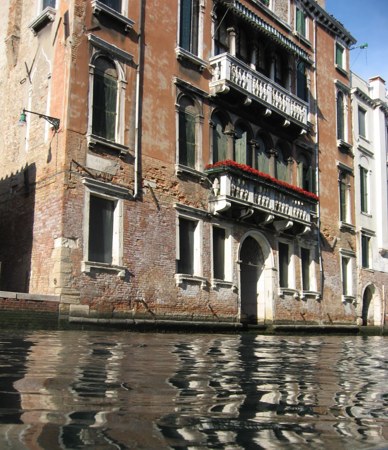
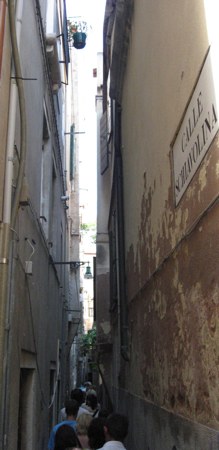
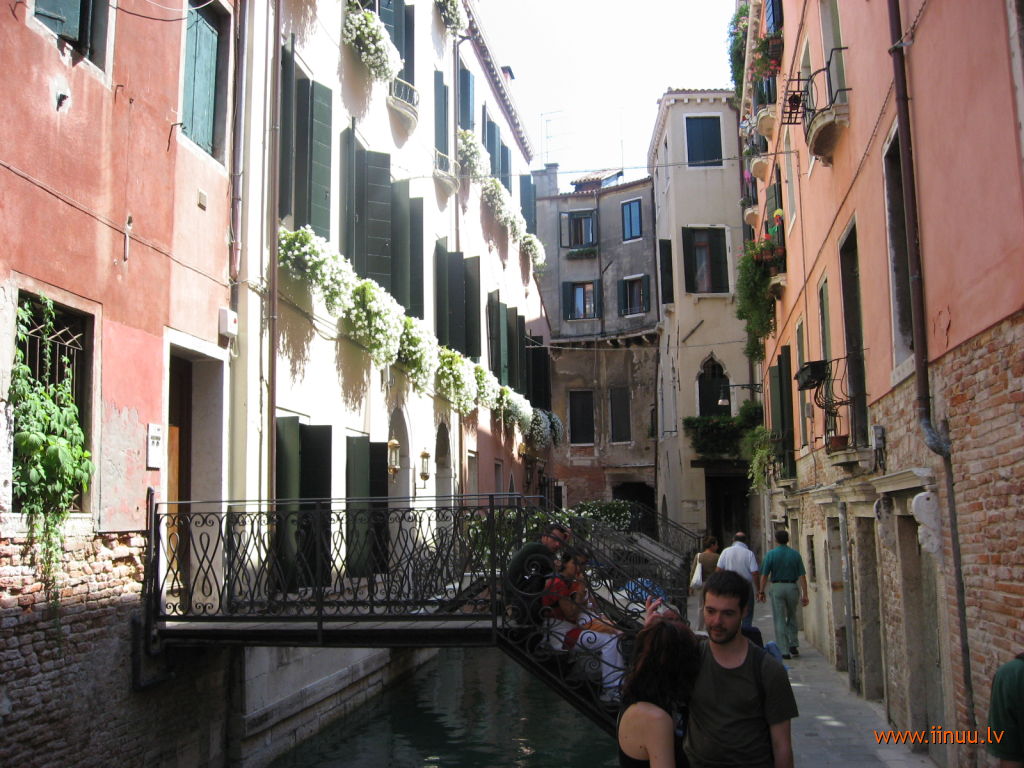
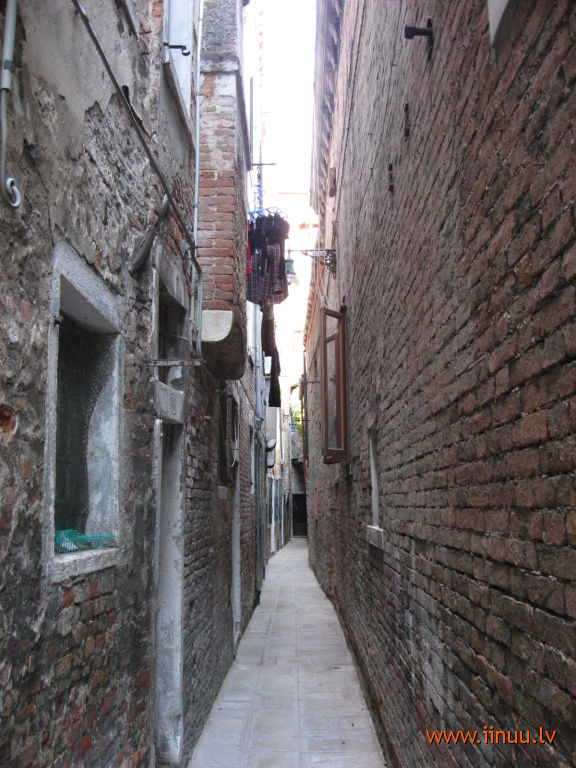
Moving quickly on foot through Venice is problematic, both because of the labyrinth of narrow streets and the many tourists. Traffic on the streets moves, as in most European cities, on the left side, though many visitors do not know or do not observe this rule. Some alleys are almost the width of a single person's shoulders (see image below). Incidentally, the houses have no numbering. One can only envy how postmen deliver correspondence in this city!
 |
 |
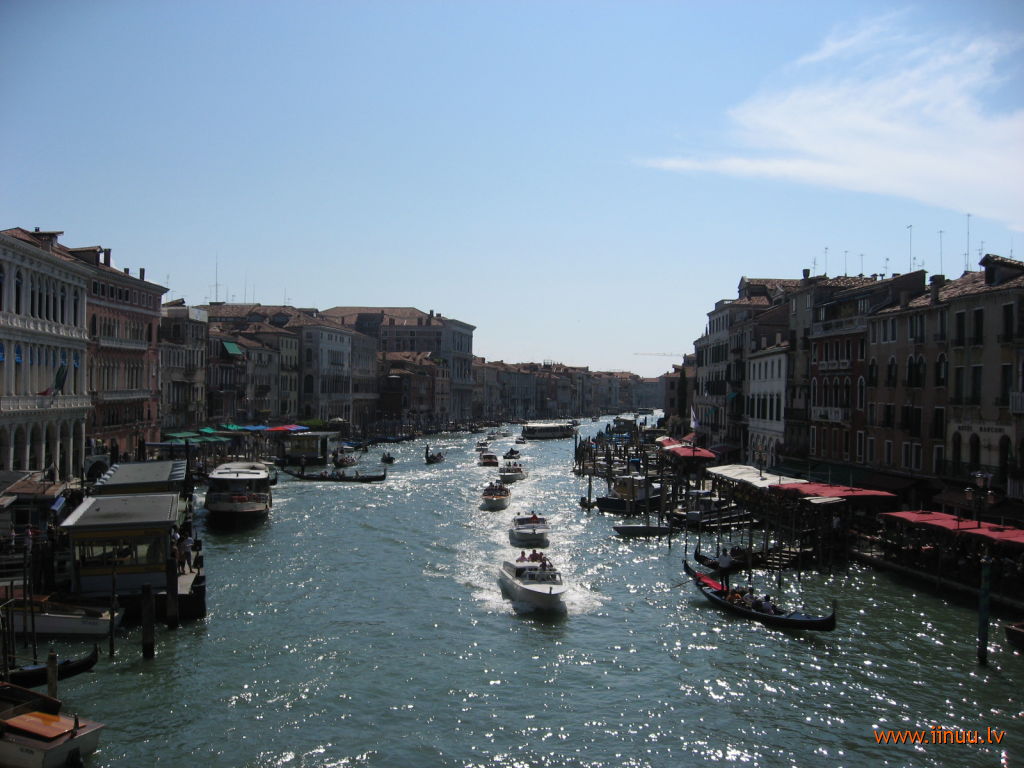
Virtually all of life takes place on the water. The city's high cost of living can be explained by the fact that all goods and produce are brought in by ship and boat. Service transport, police, ambulance, and taxis also travel by motorboat. This is what Venice's police station looks like (see image below).
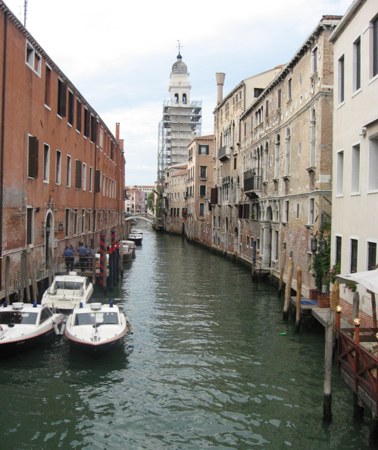
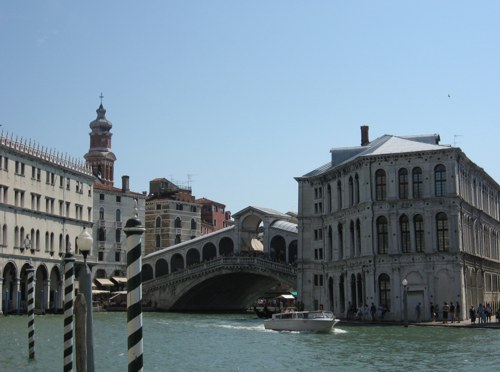
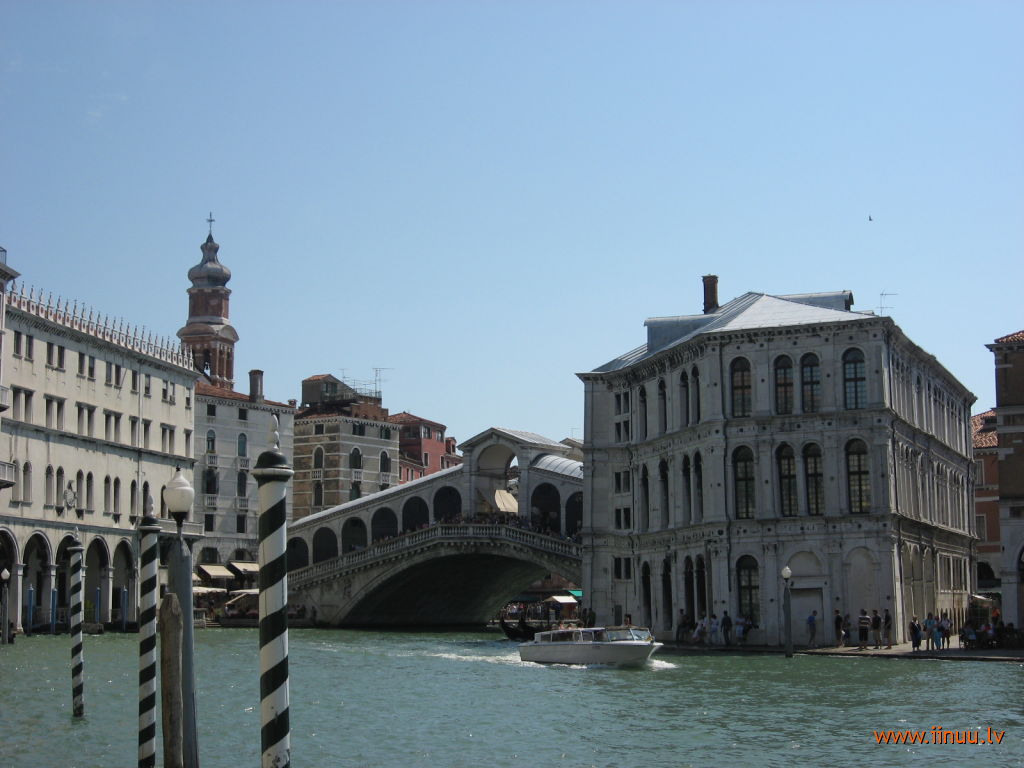
The largest canal crossing the city is the Canal Grande (5 m deep). Above it stands the famous merchants' bridge, on which wooden market stalls operate to this day.
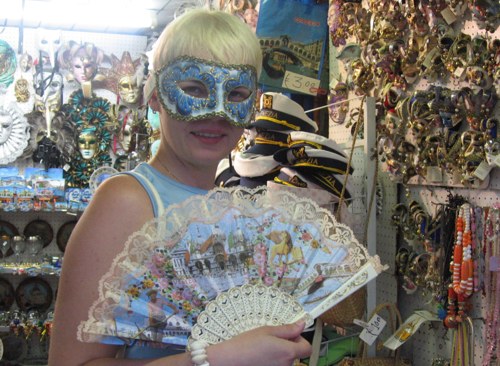
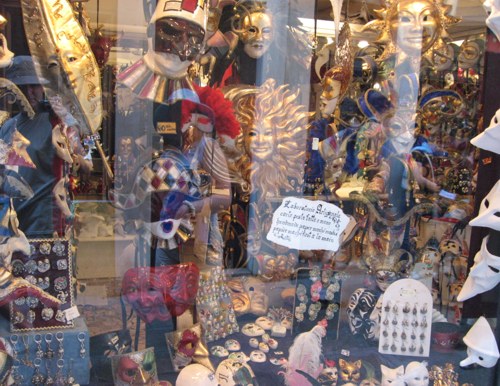
Among the many souvenirs are of course the ever-present colourful masks and ladies' fans. Carnival time in Venice falls in February, when every self-respecting Venetian dresses in bright costumes and puts on a mask. The choice of masks is magnificent in terms of appearance, models, materials, and consequently price as well.
 |
 |
In Venice, both Christian and hedonistic traditions have always been equally strictly observed. Venetians take equal pride in the Basilica of St. Mark and in the house of Venice's most famous courtesan, Veronica. About the latter a magnificent film has been made by director Marshall Herskovitz (I recommend watching it) - DANGEROUS BEAUTY or HONEST COURTESAN (1997, USA)
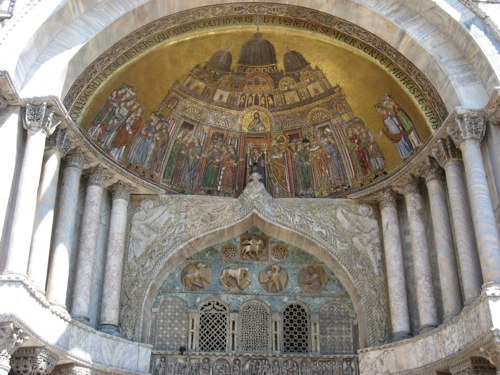
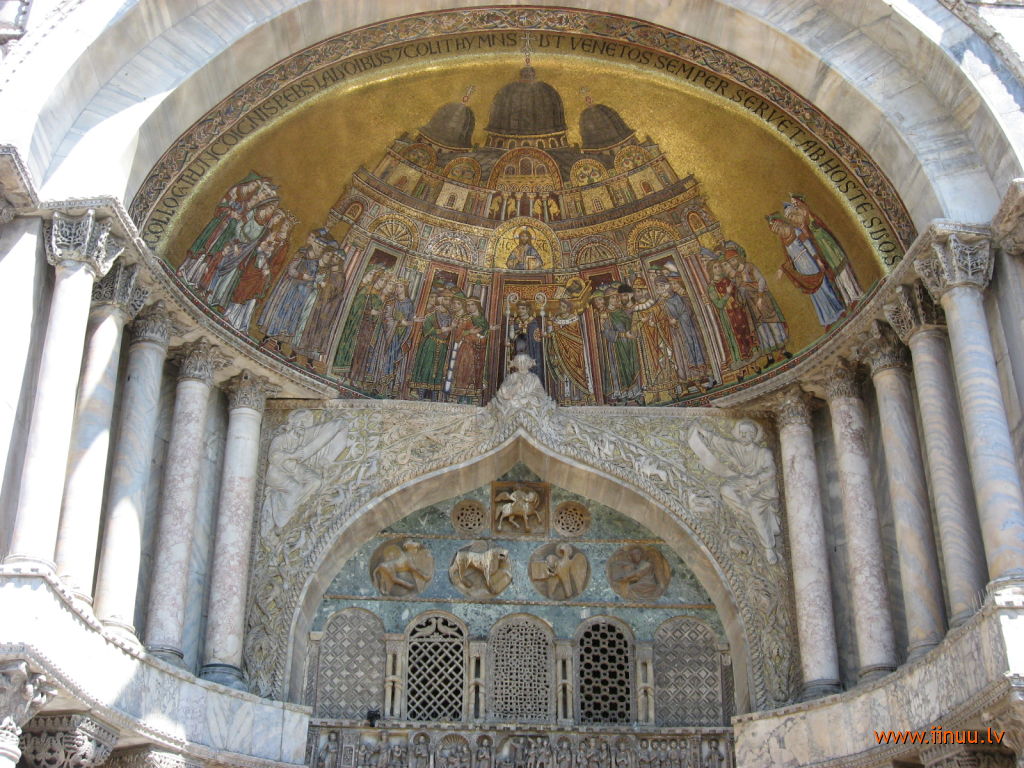
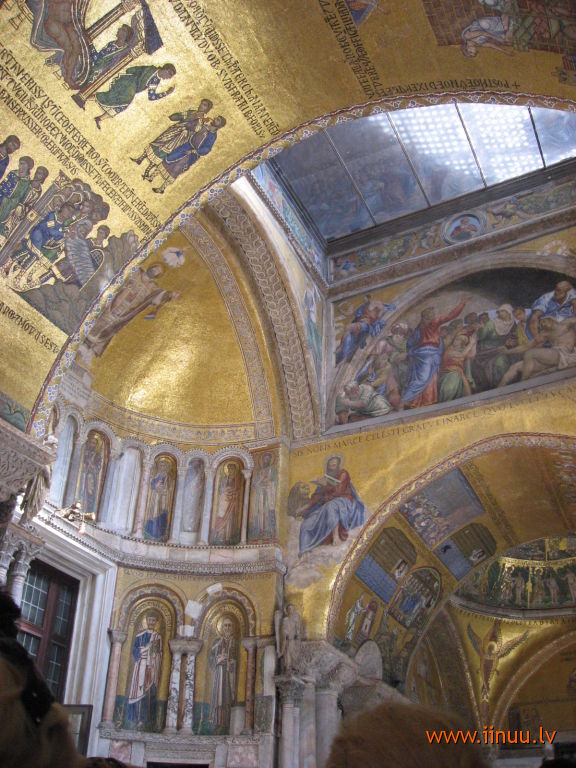
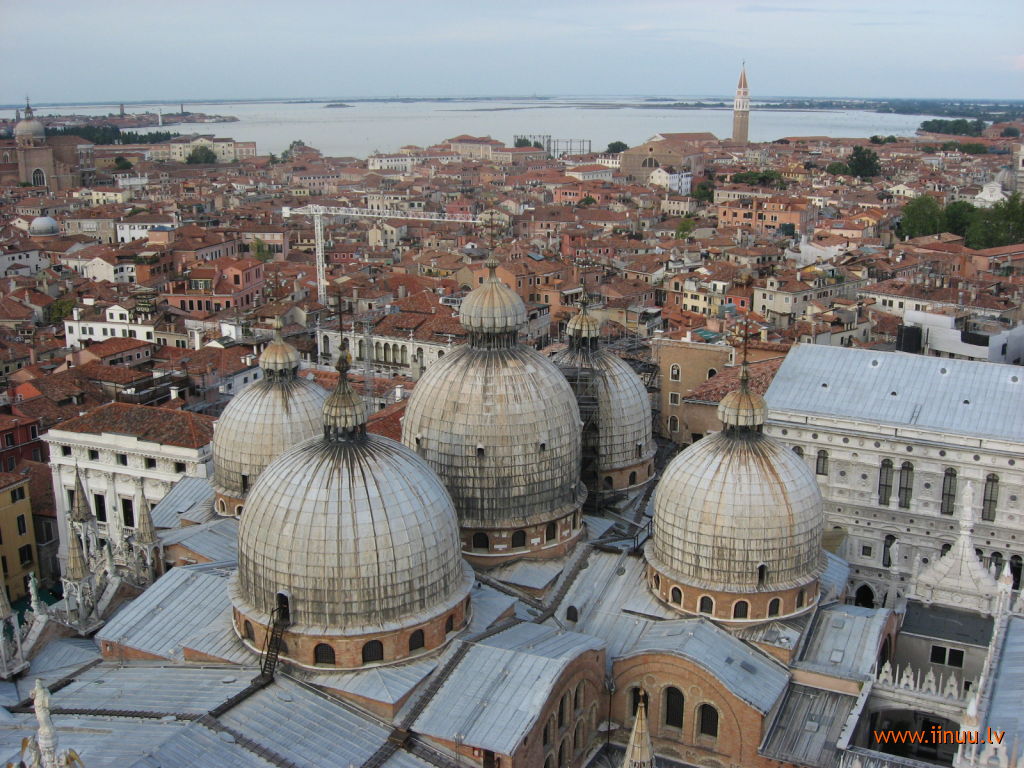
In the Basilica of St. Mark, however, a woman is not permitted to enter with bare shoulders and legs. There the sacred relic is strictly guarded - the remains of Mark, which were stolen and brought to Venice, concealed from Muslims in carts beneath pork. The structure is truly magnificent, with gilded ceilings, images of saints and scenes from the Bible.
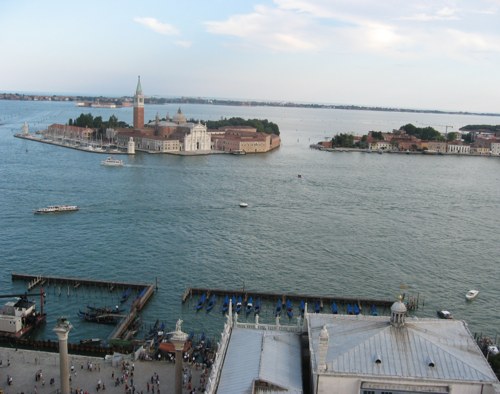
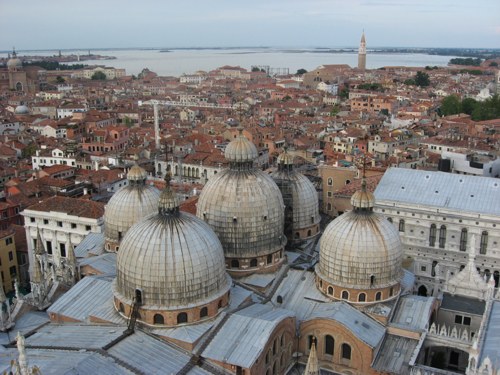
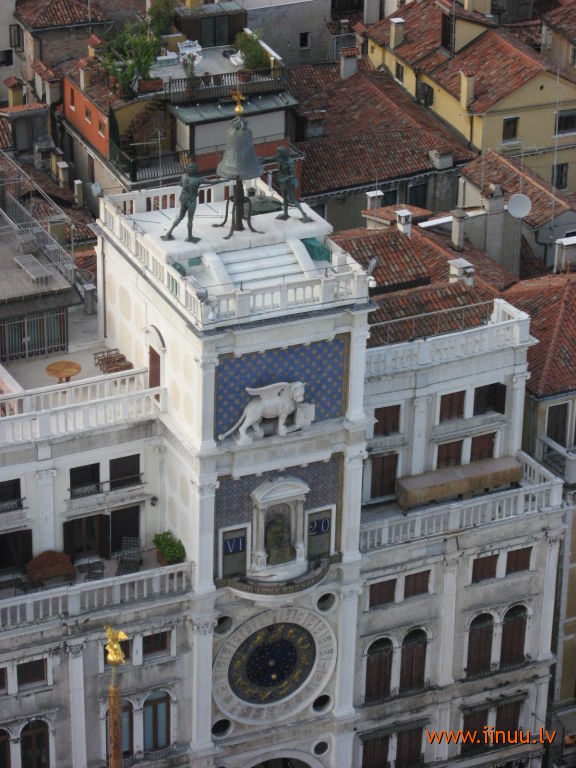
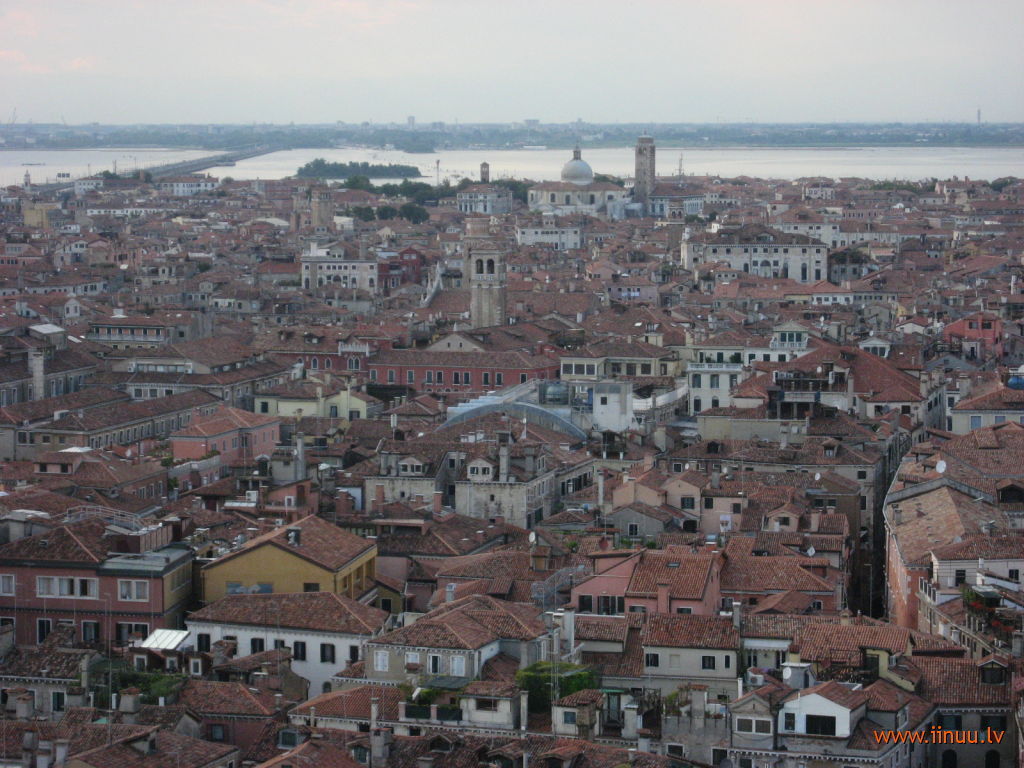
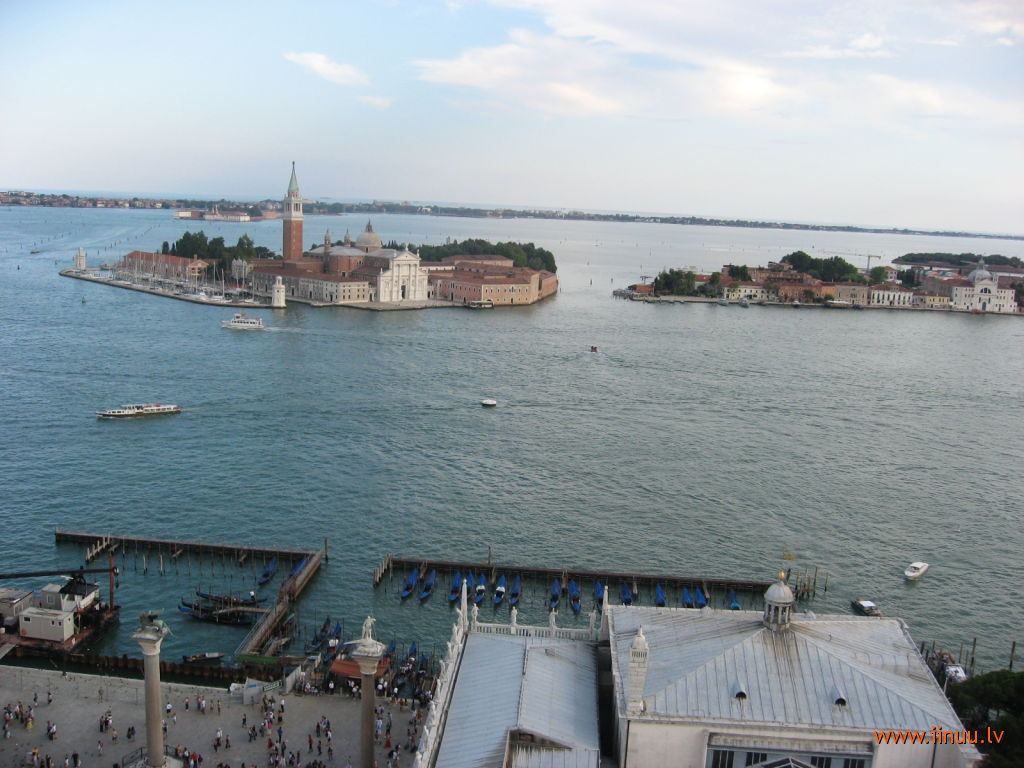
At the next attraction, also dedicated to Mark, anyone who wished could enter for 6 EURO. We rode a modern lift up St. Mark's Campanile and viewed Venice from above.
 |
 |
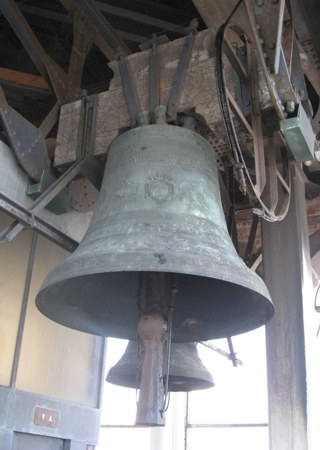
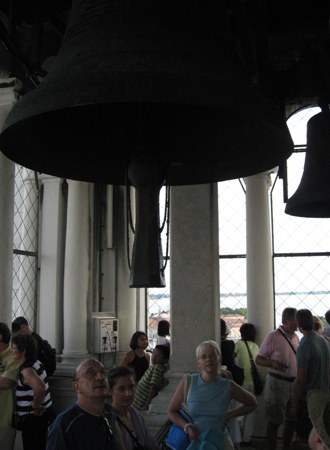
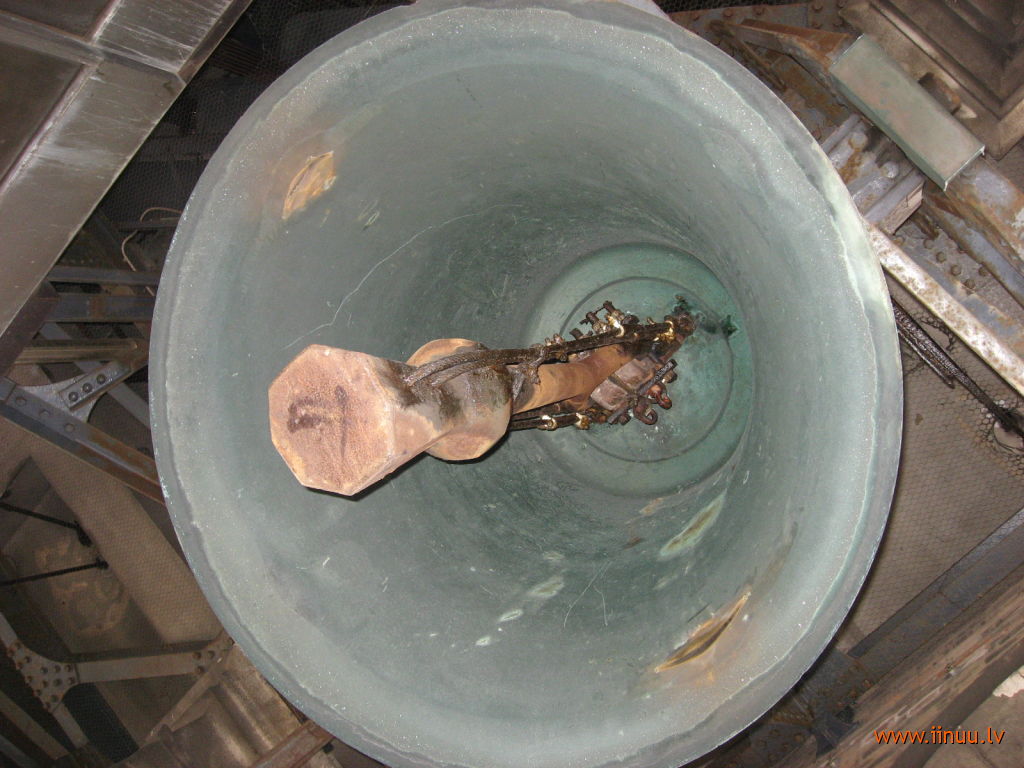
It was exactly the full hour and the heavy bell awoke, swaying menacingly above our heads and thundering out across all of Venice.
 |
 |
It is true - Venice you can either fall in love with, or not accept at all. With me, it seems, the first happened. As for the stereotypes - the waters there do not smell at all in summer, and you can also negotiate a good price with a gondolier, and you are allowed to try on masks there if you smile warmly at the vendor, and you can have a delicious lunch in a Venetian restaurant ….
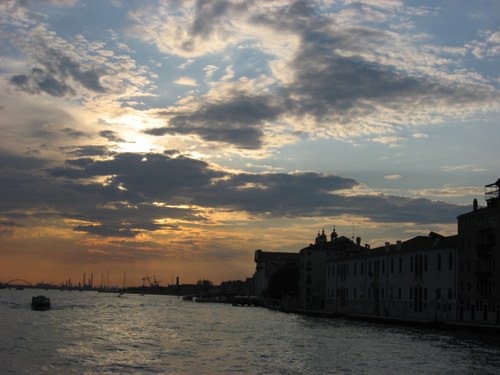
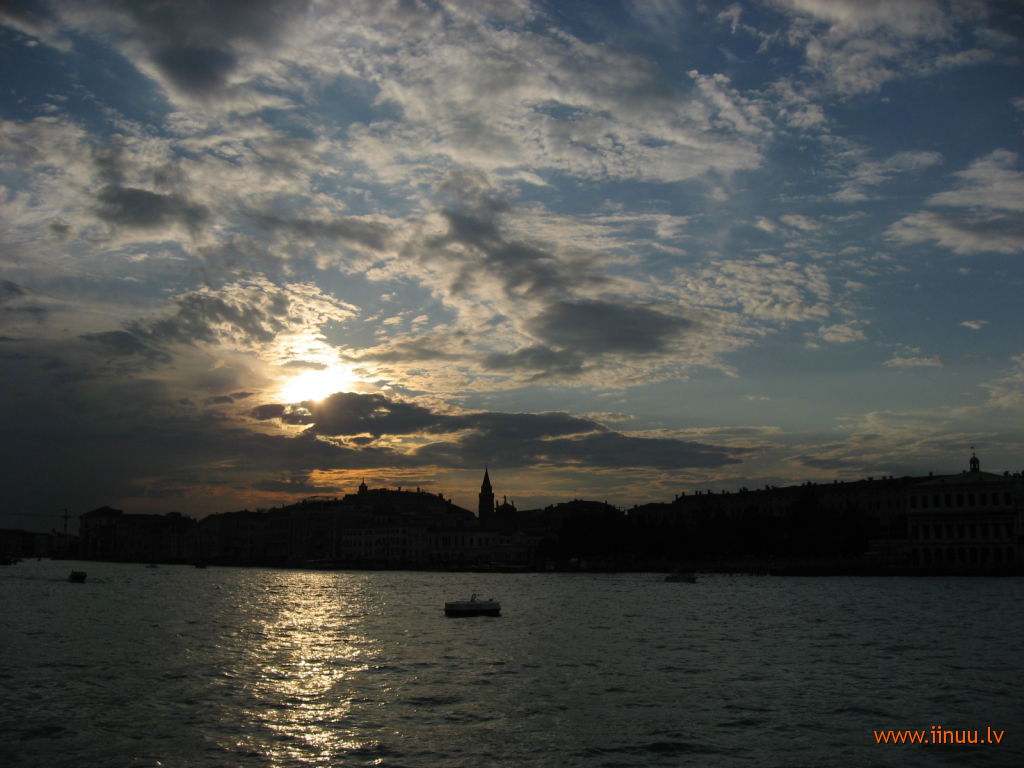
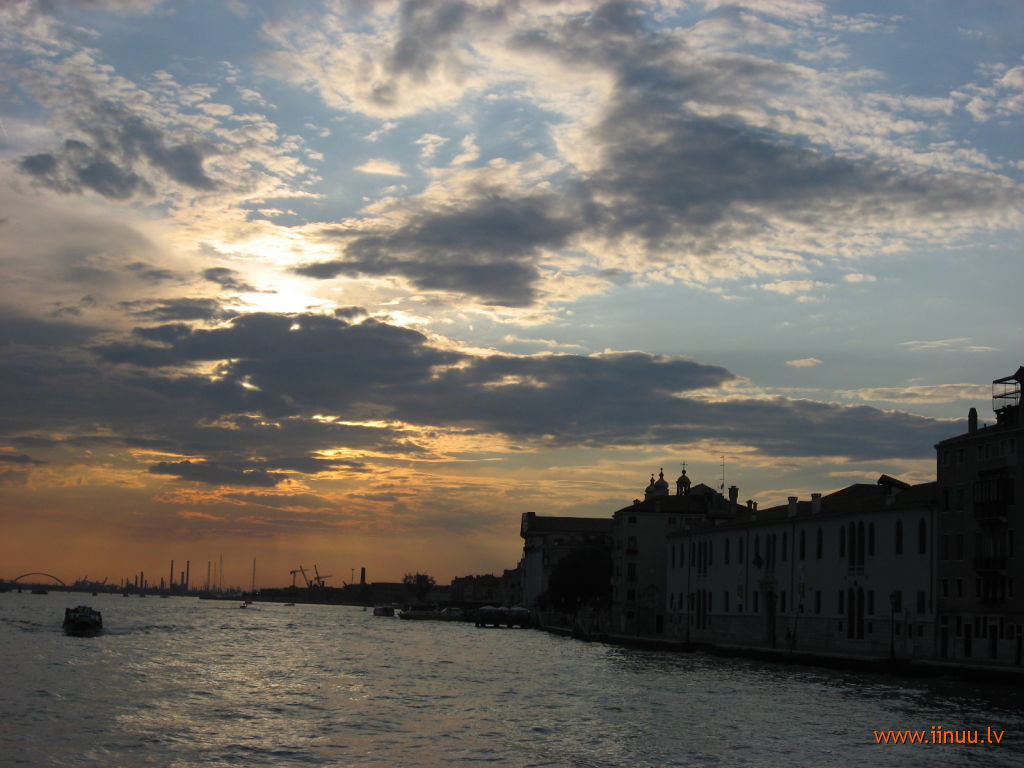
Boarding the little ship for the journey home, as the sun was already setting behind Venice's ancient buildings, a sense of nostalgia came over me and the thought - to return here some day and, stepping away from the rush and the crowds, to get to know this city better.
The journey was wonderful. Thank you to INDI travel agency (www.indi.lv) and to the delightful group leader Vitolds!
More from Venice in the photo gallery:
comments