Exploring Estonia: Häädemeeste – Kilingi-Nõmme – Tõrva – Valga
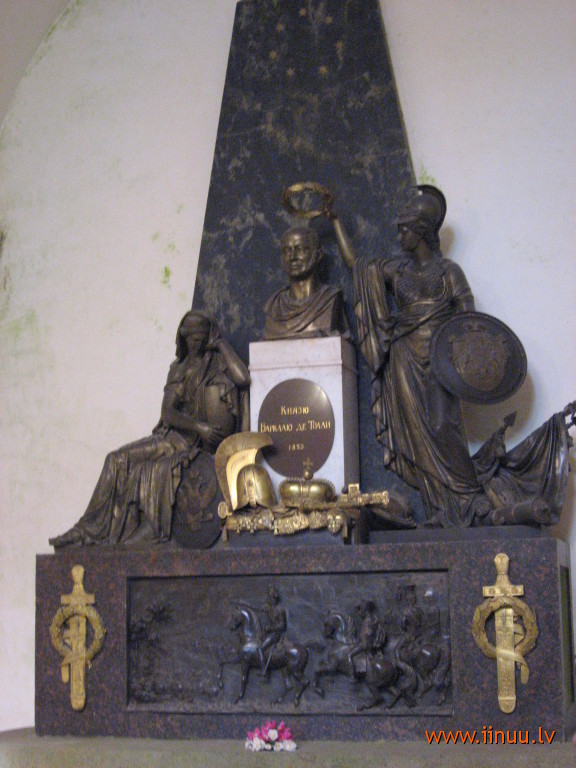
On the way back to Latvia we decided to take a loop along Estonia's southern border - along the highway from Häädemeeste to Valga, stopping at the settlements along the way and at sights marked by brown signs. Near the settlement of Helme we saw the ruins of a Teutonic Order castle. A discovery was the Barclay de Tolly mausoleum.
On the way back to Latvia we decided to take a loop along Estonia's southern border - along the highway from Häädemeeste to Valga, stopping at the settlements along the way and at sights marked by brown signs.
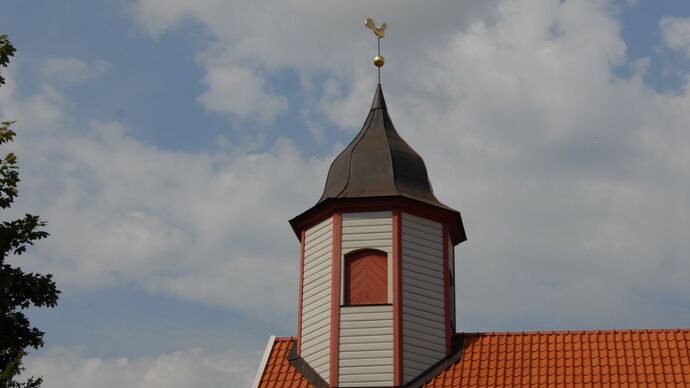
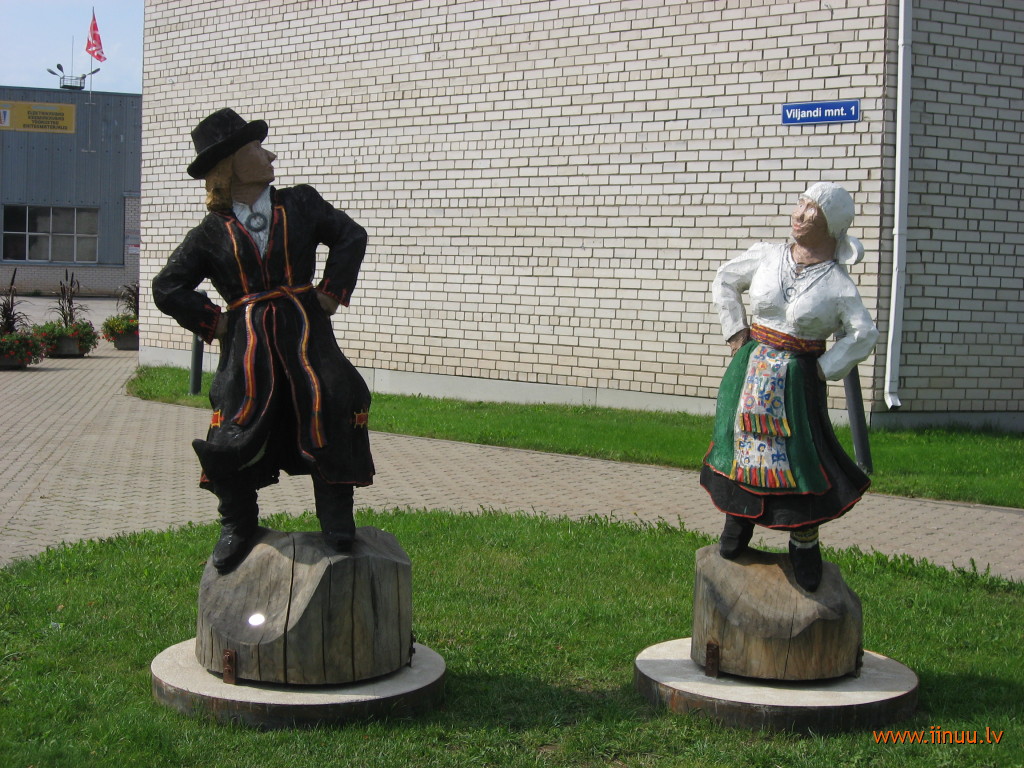
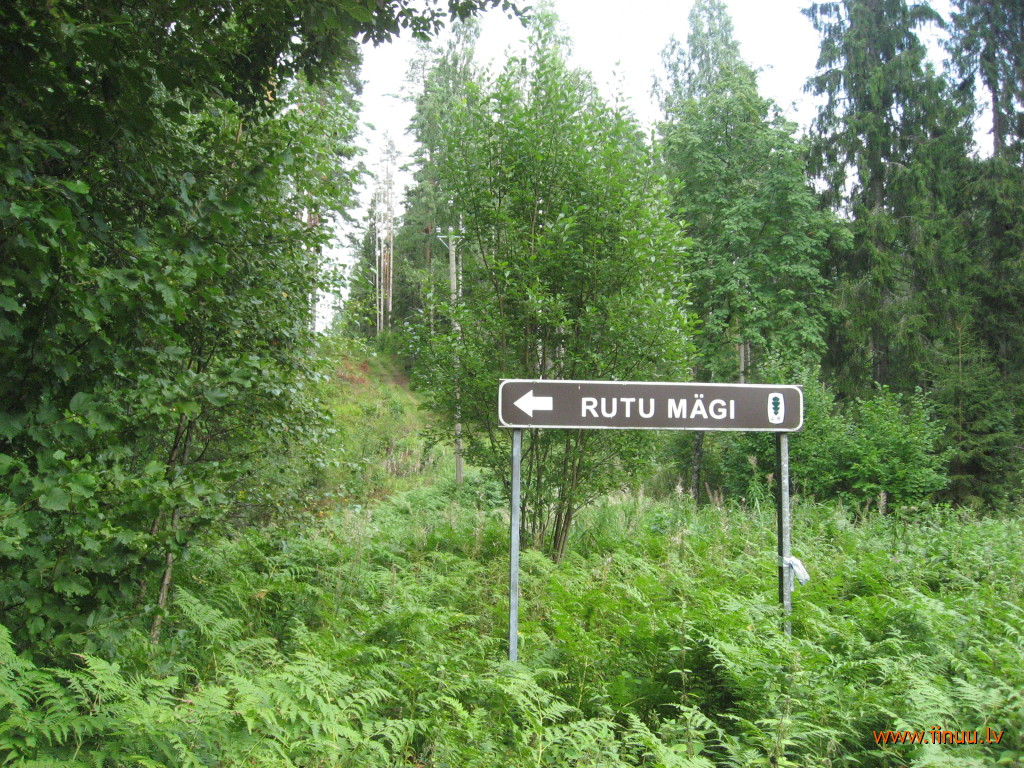
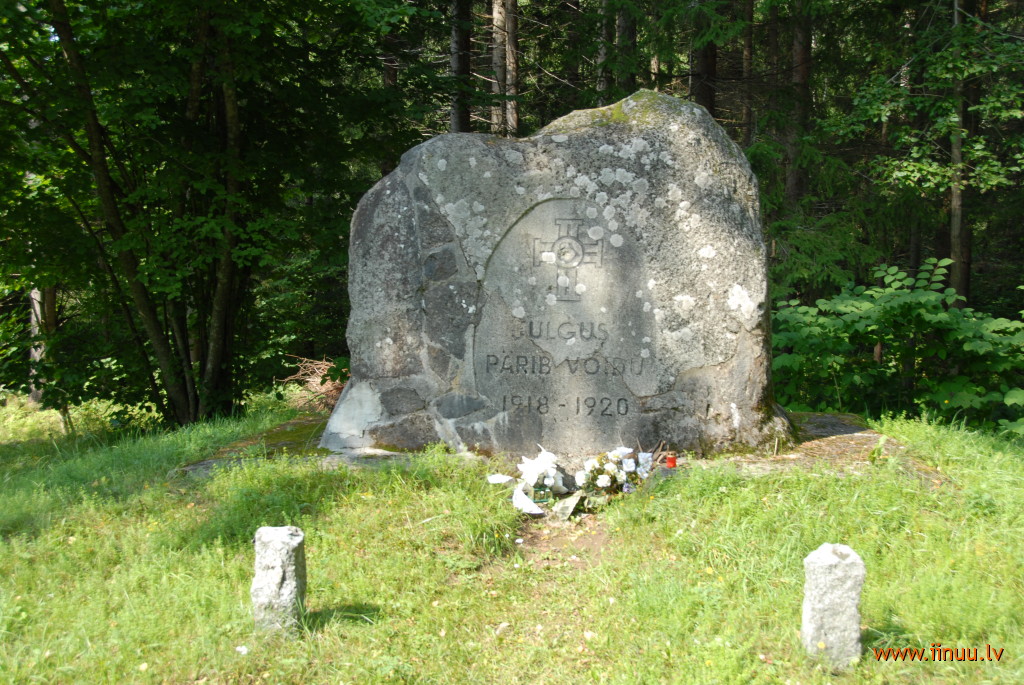
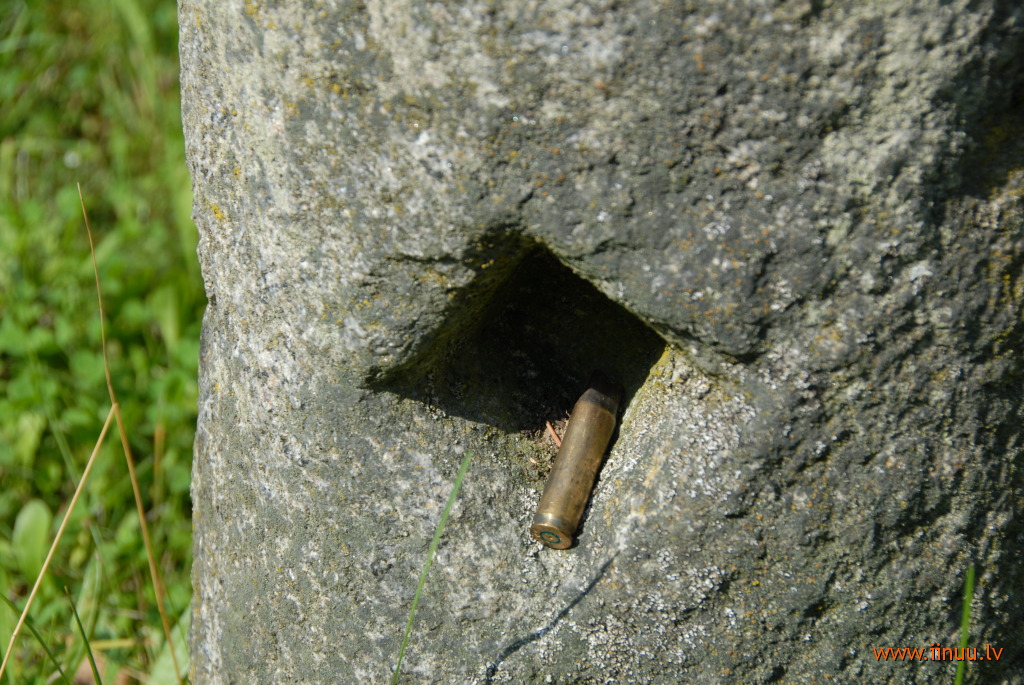
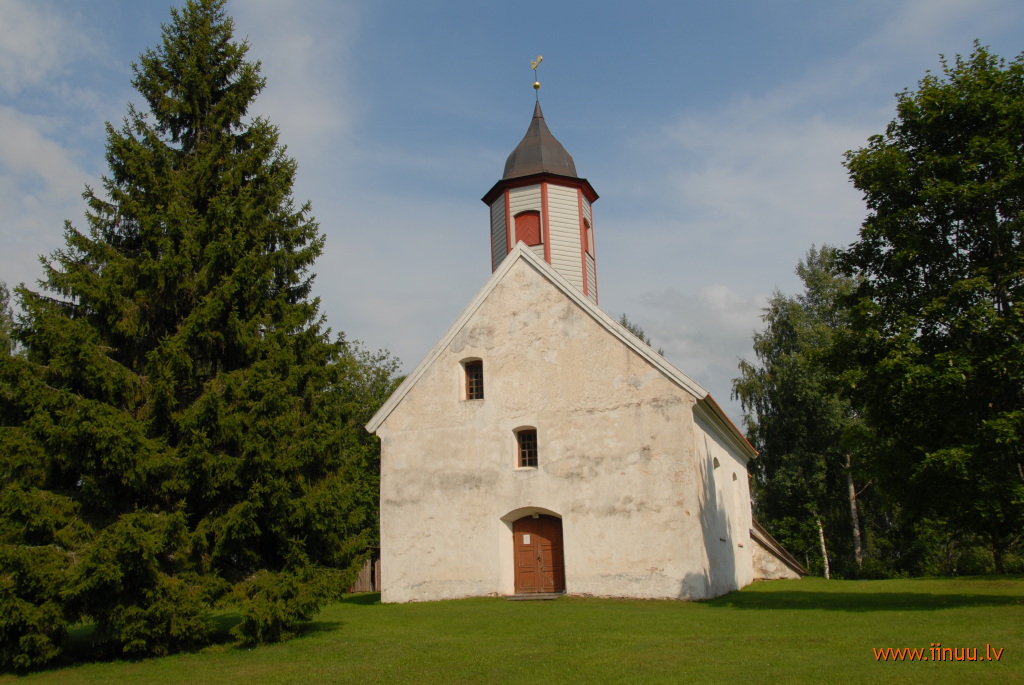
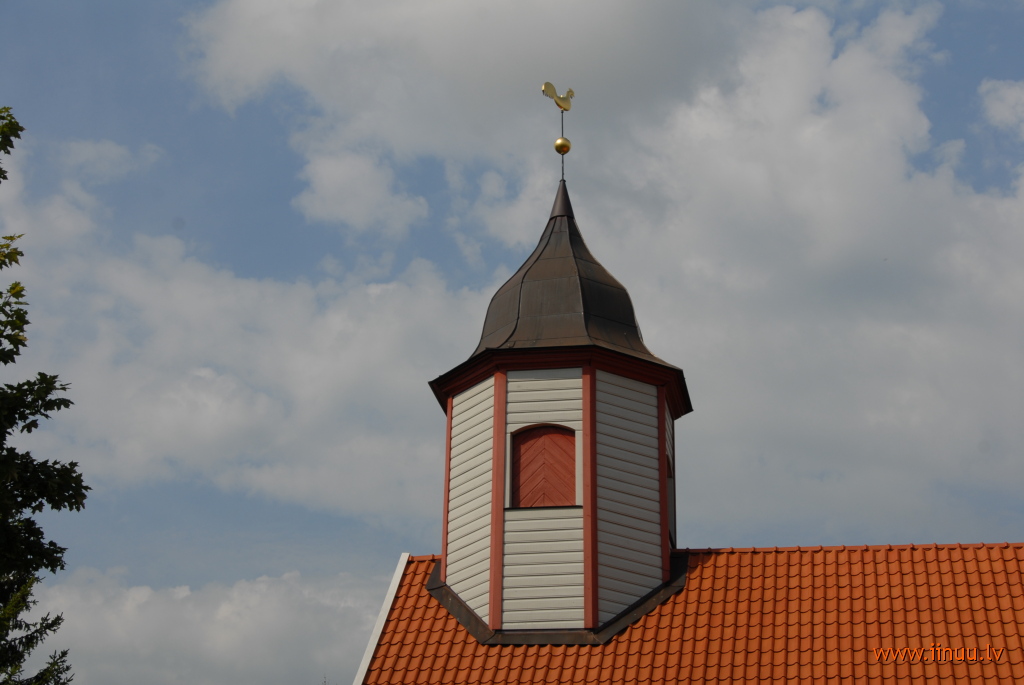
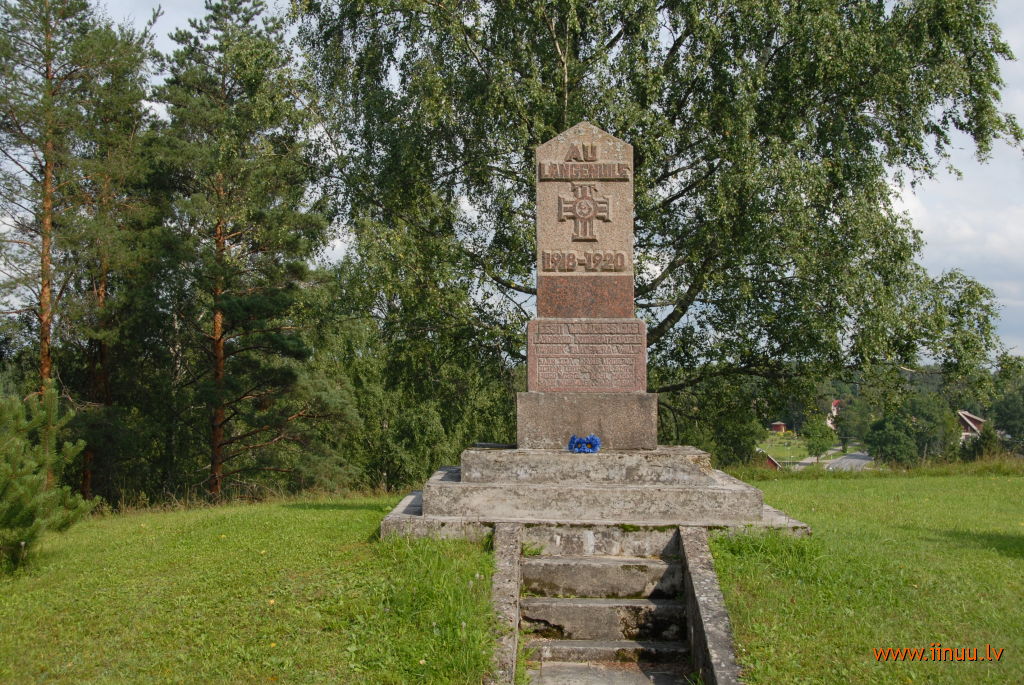
We saw an 18th-century postal station (though only from the outside); then, following the signs, found a resting place for fighters from 1918–1920 at the edge of a forest; later had lunch in Kilingi-Nõmme and looked at wooden sculptures of a national son and daughter by the culture house; stretched our legs on a climb up Rutu Hill (145 m high - by comparison, Munamägi is 206 m); visited a cave; and noticed a church with the golden rooster on the tower so characteristic of Rīga's spires.
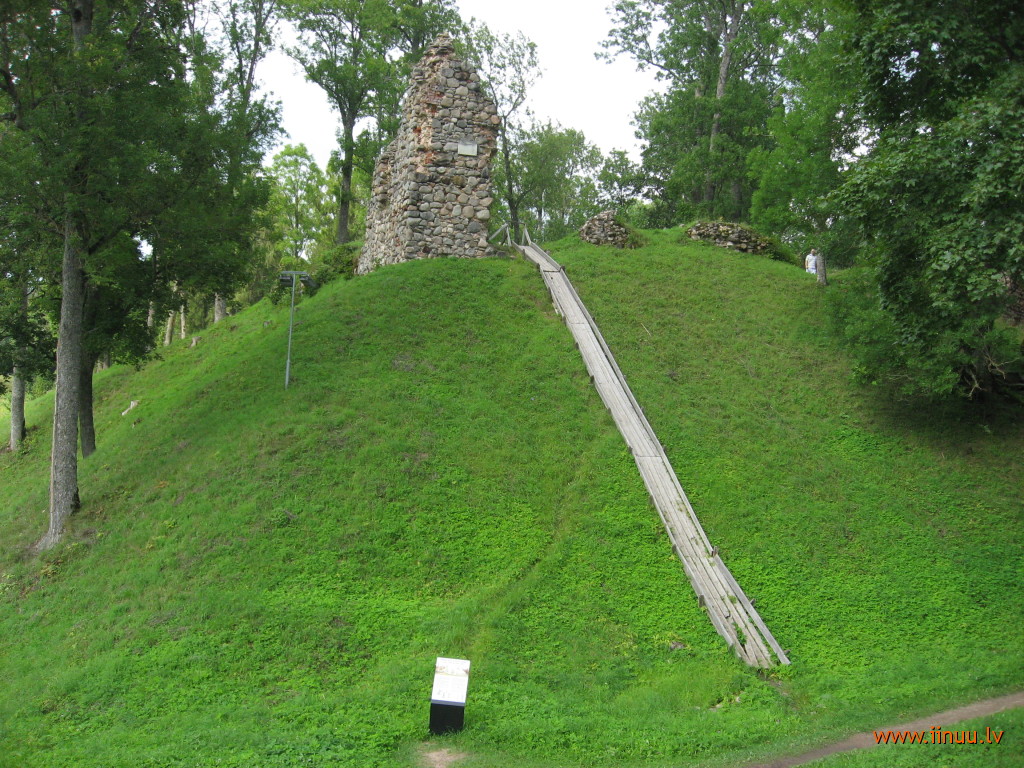
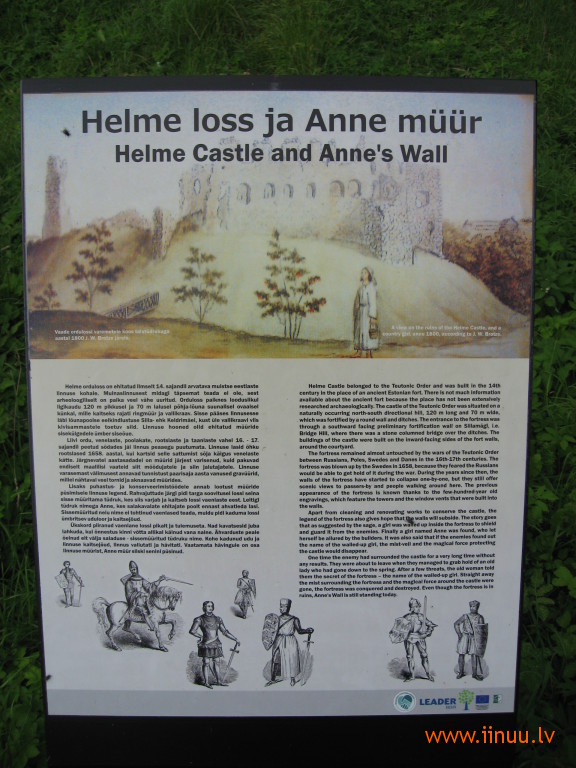
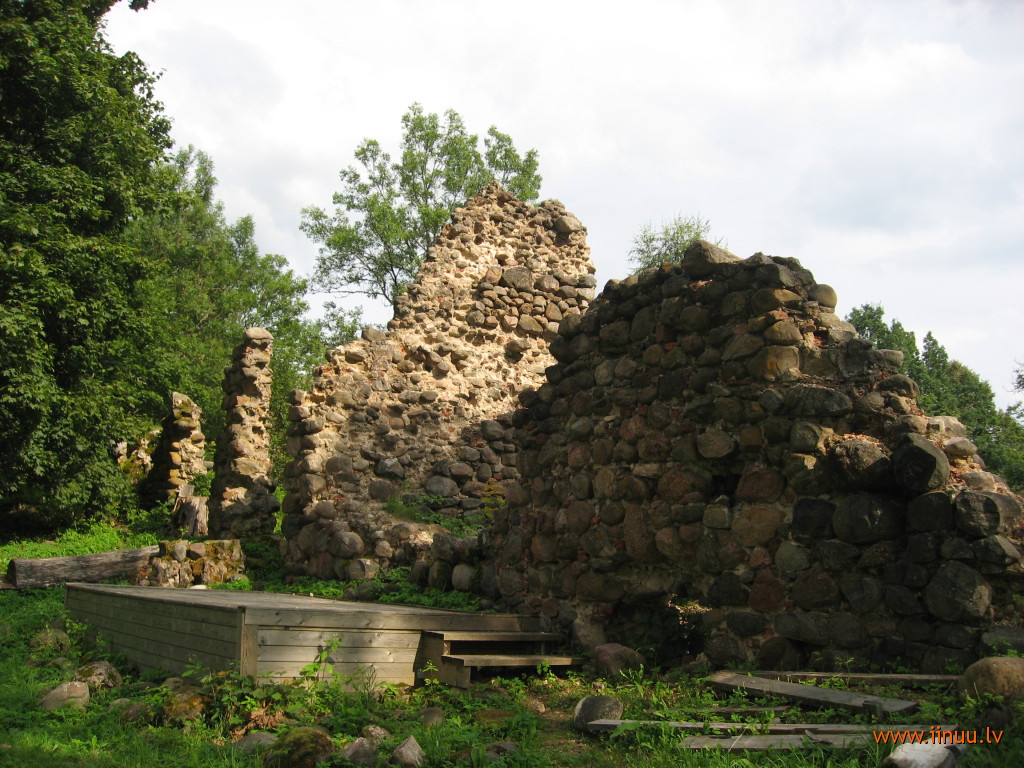
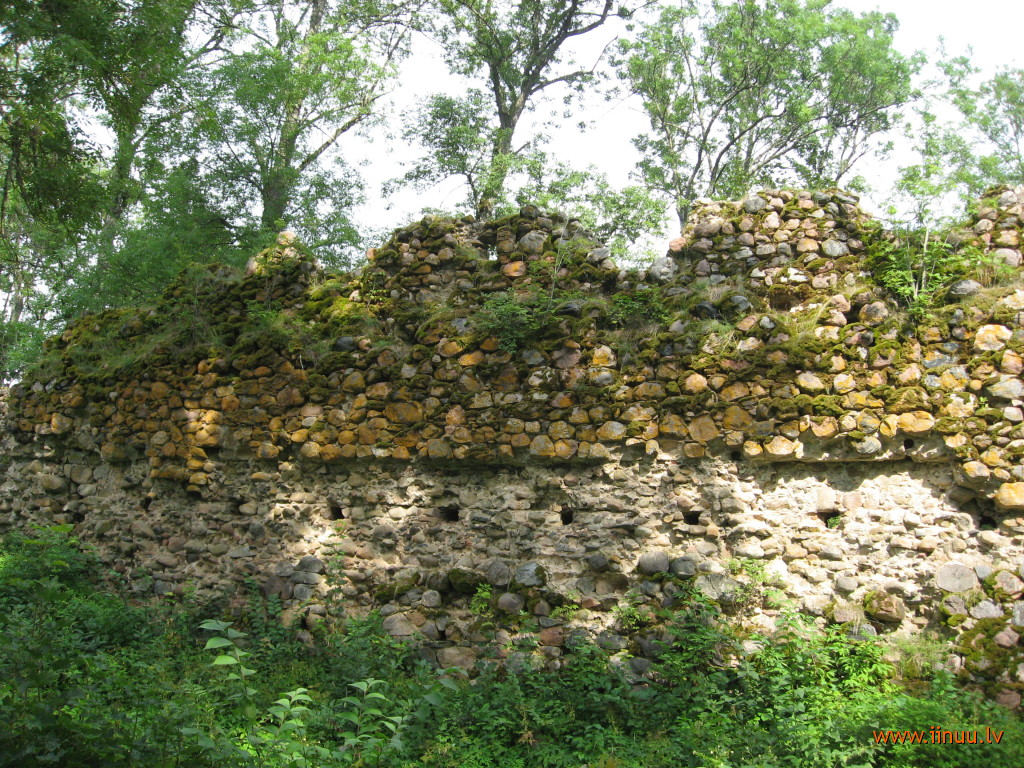
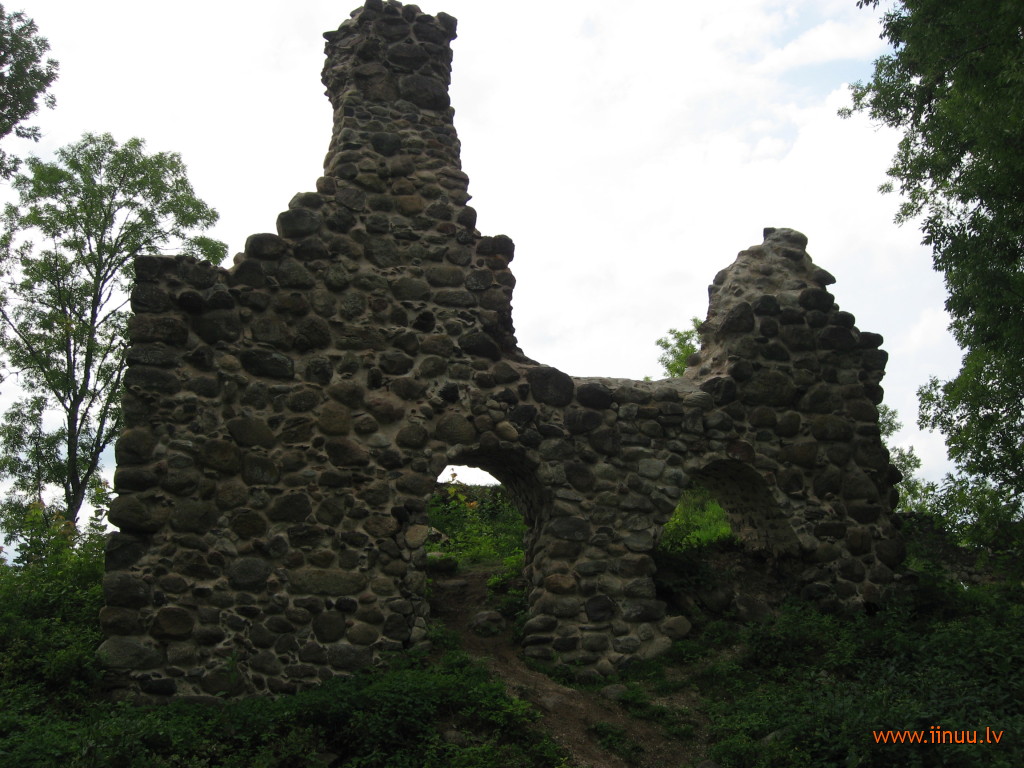
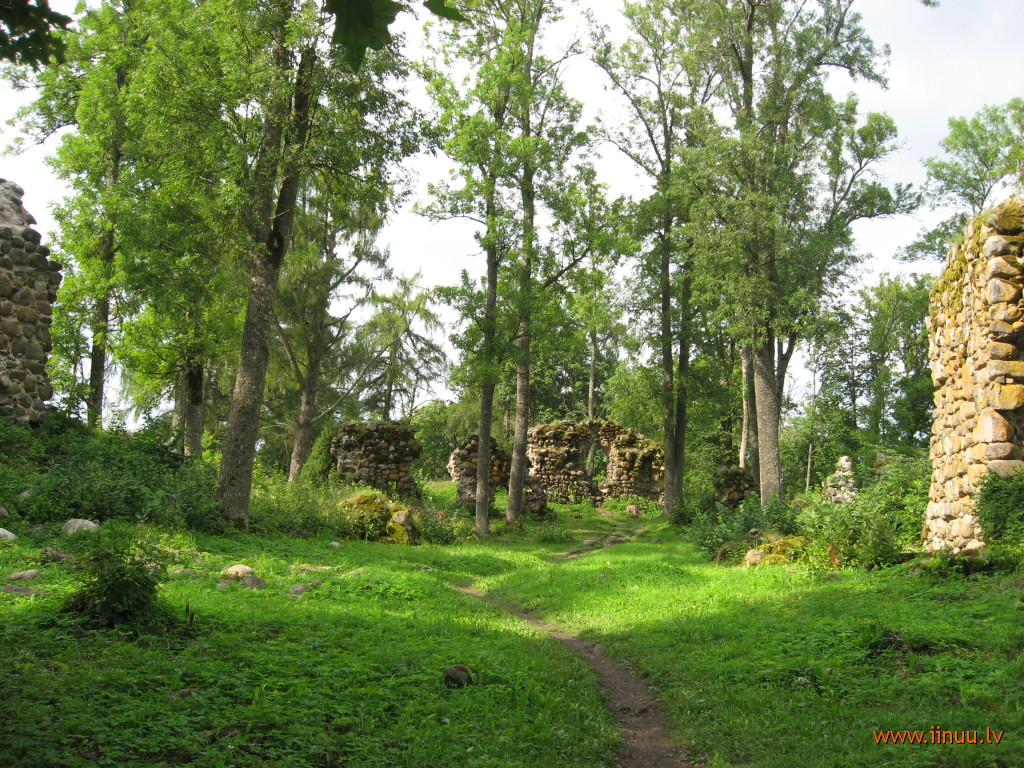
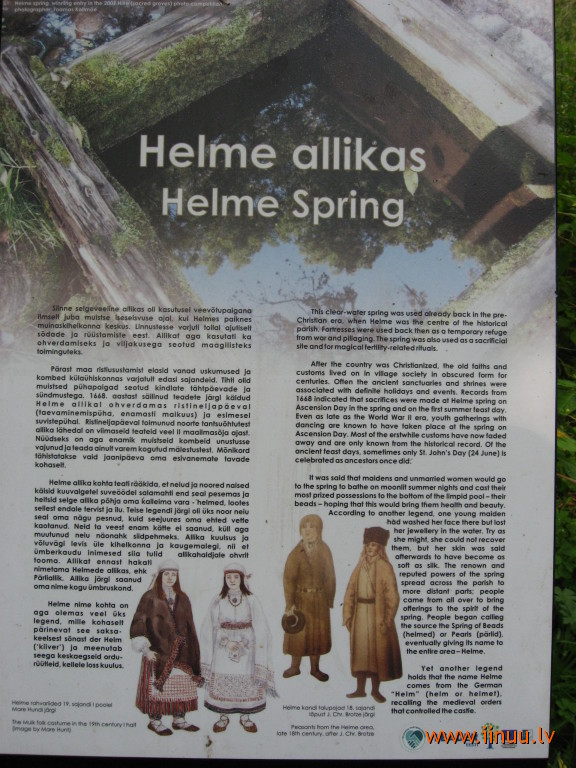
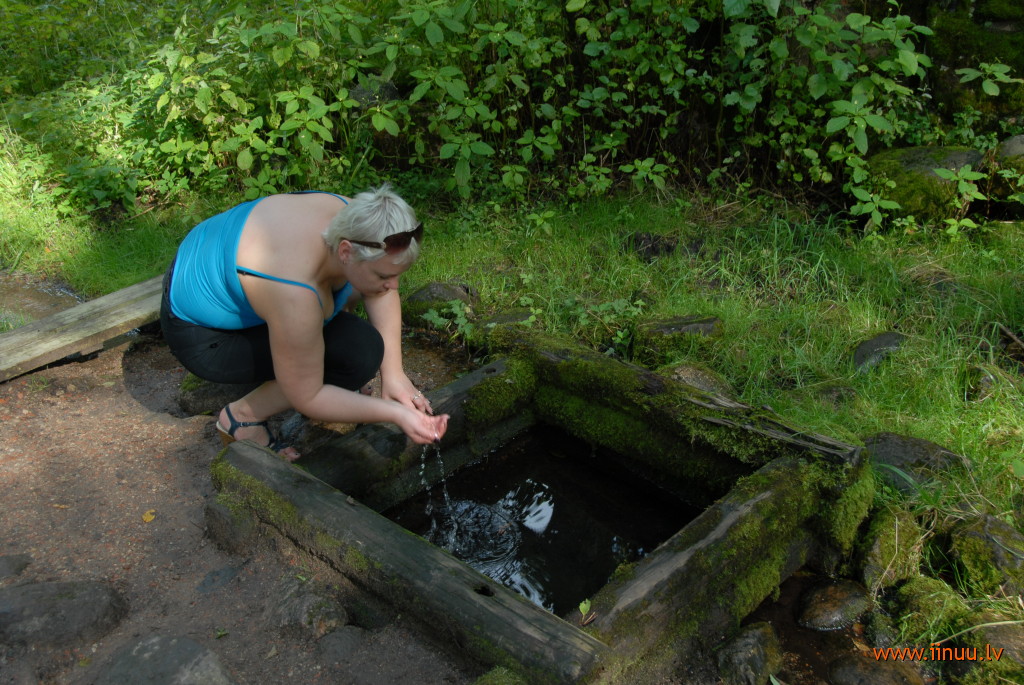
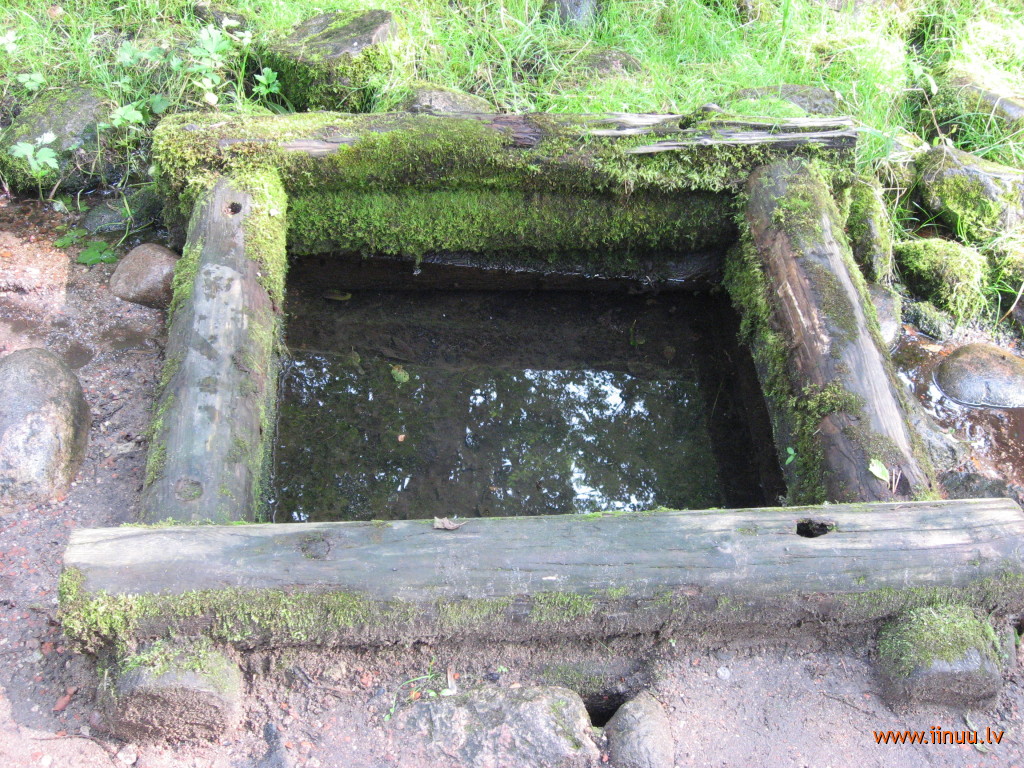
Near the settlement of Helme we visited the 14th-century ruins of a Teutonic Order castle (the Teutonic Order, also known as the German Order, is a Catholic religious knightly order founded in the 12th century in Palestine; its badge is a black cross on a white background). The hill fort is genuinely sizeable - one can explore and walk through it. The remaining ruins give a sense of a truly impressive structure. At the foot of the hill fort runs a stream whose presence has been dated to before Christ. I presume the water is no longer of the finest quality nowadays, but I tasted it - pleasantly cool, with no adverse effects.
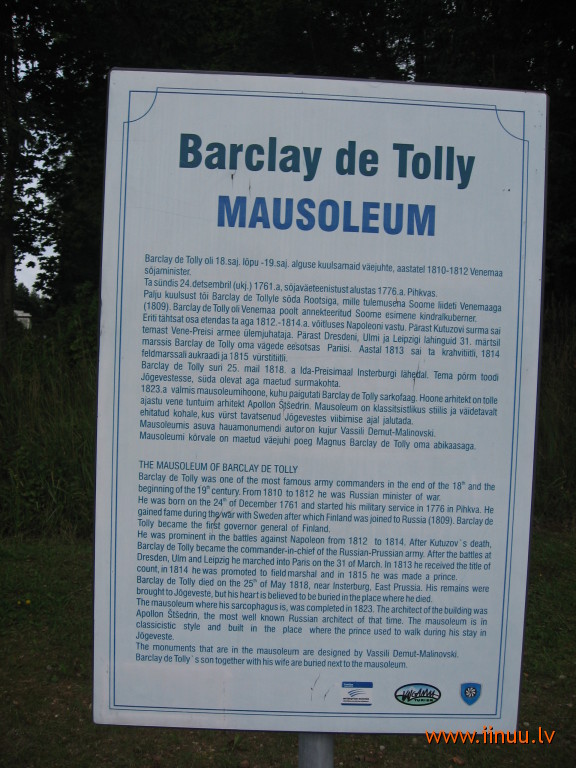
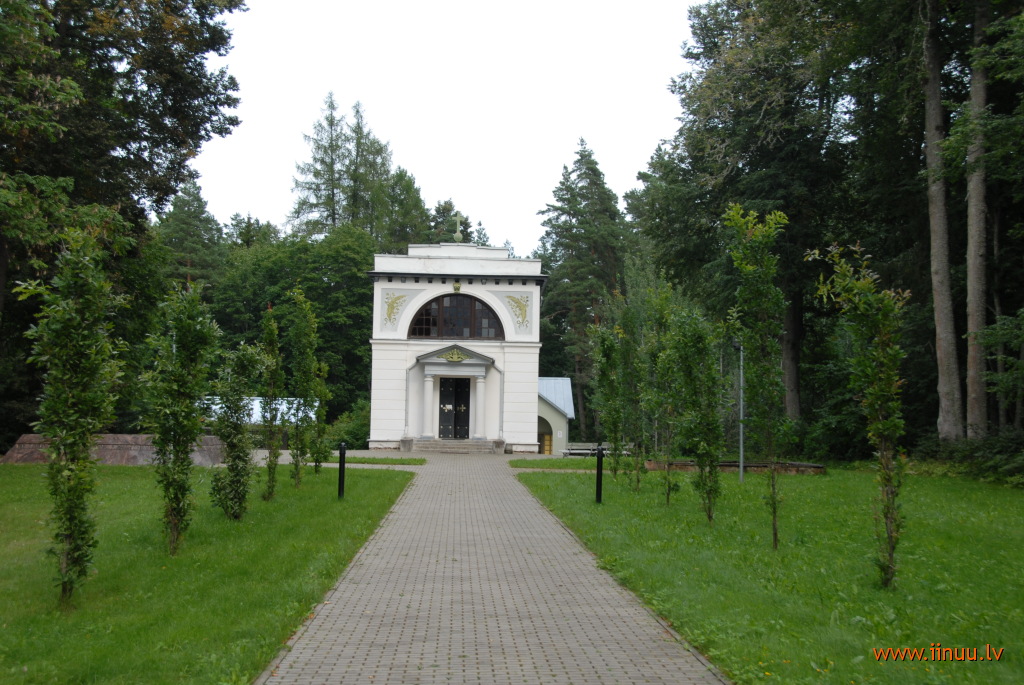
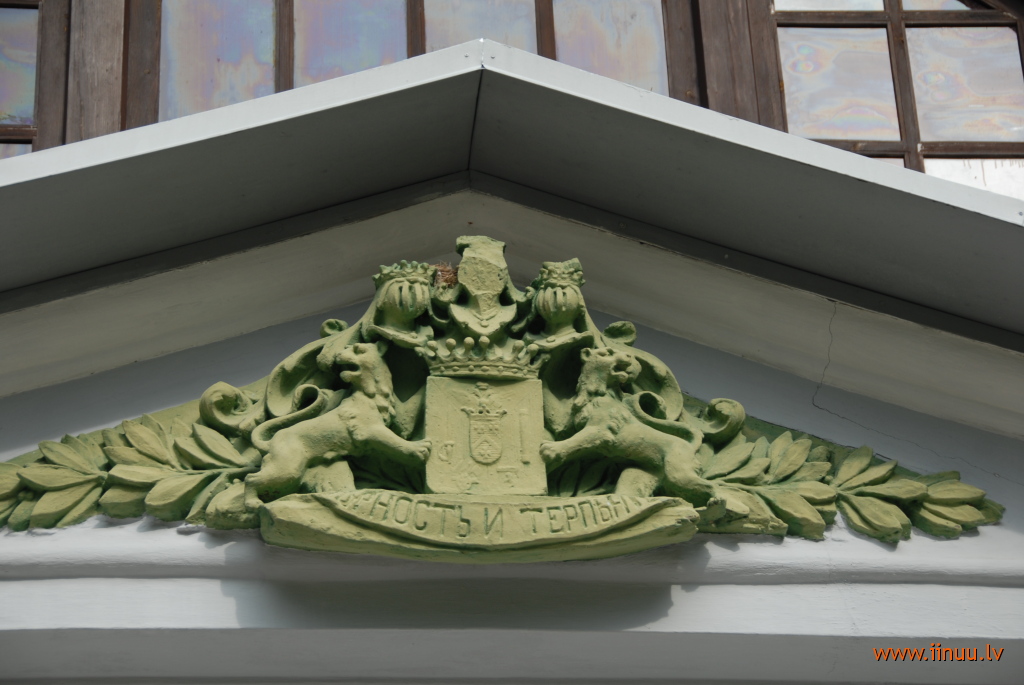
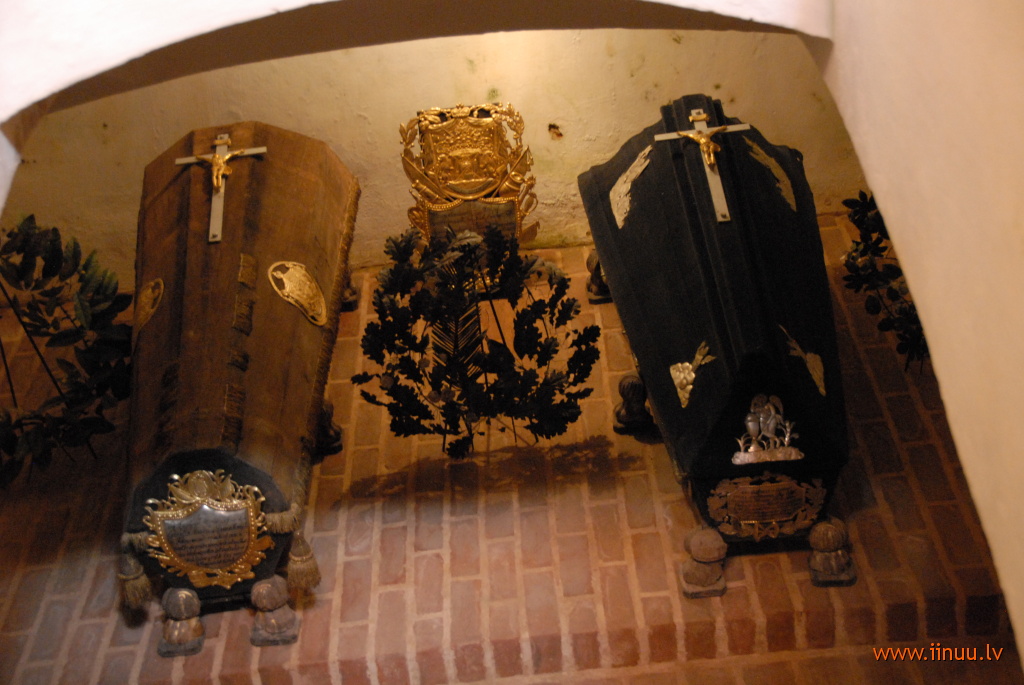
A discovery was the Barclay de Tolly mausoleum (Barclay de Tolly, 1761–1818 - prince, military commander of the Russian Empire, Minister of War, Supreme Commander of the combined Prussian-Russian forces), not far from the town of Tõrva. He is buried here together with his wife. It is said to have been his wish to rest in the place from which he came, where he was born. As the guide recounted, his body was so well embalmed after death that it could be viewed until the 1960s, after which it was decided to nail the coffin shut. Next to the mausoleum is also the resting place of his son and his son's wife.
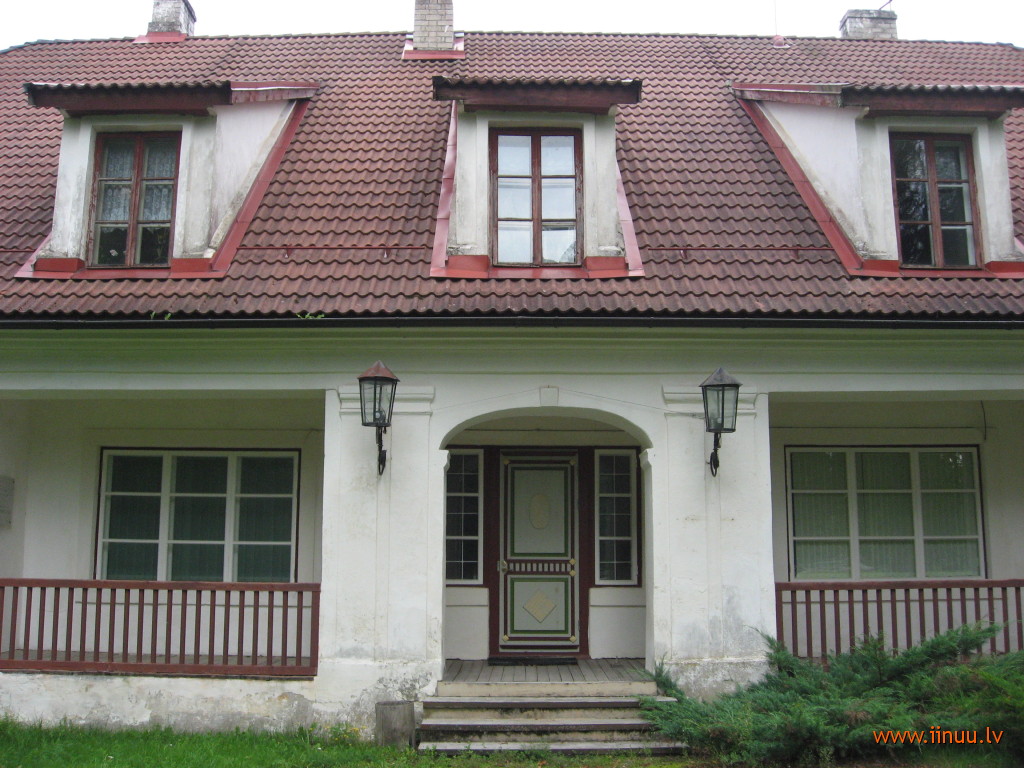
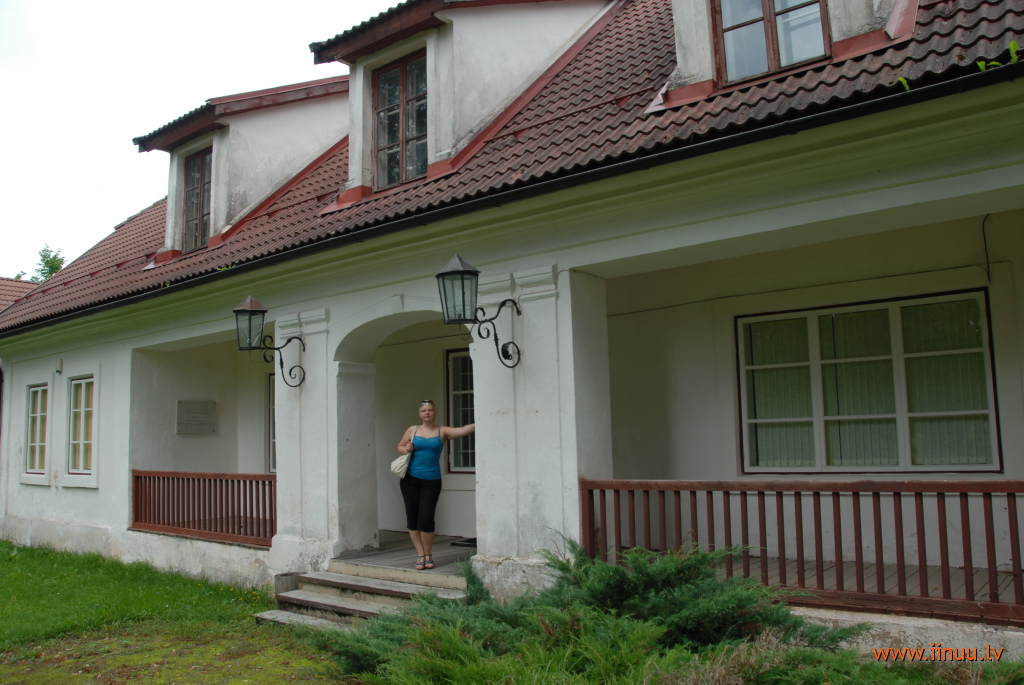
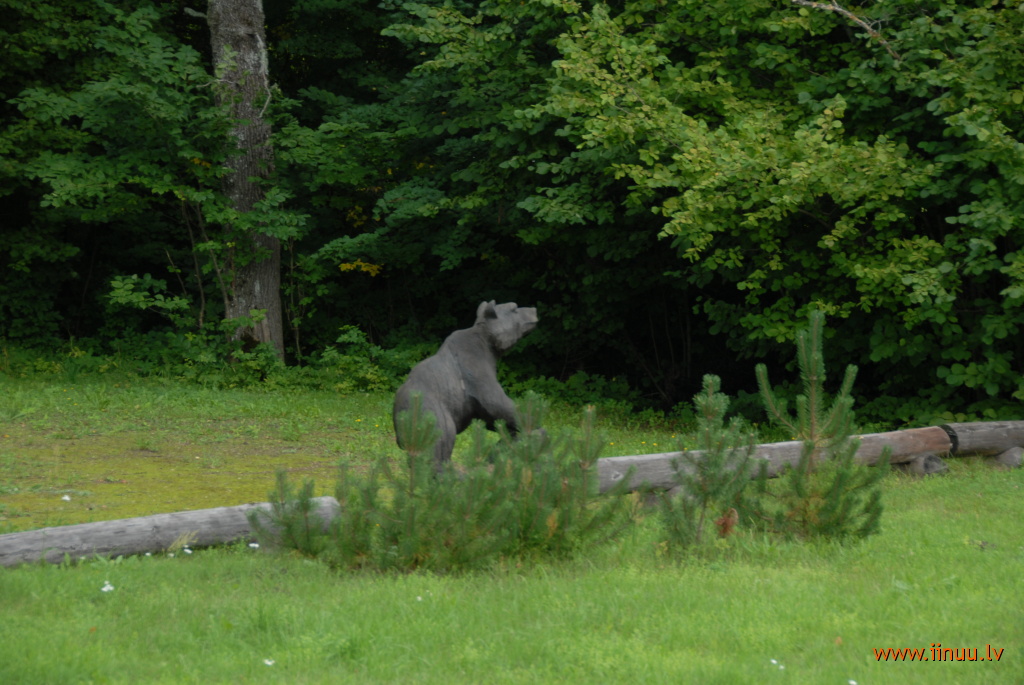
Photos from the trip's stopping points in the gallery:
comments