Istanbul - Queen of Two Continents: The Flight, the Mosques
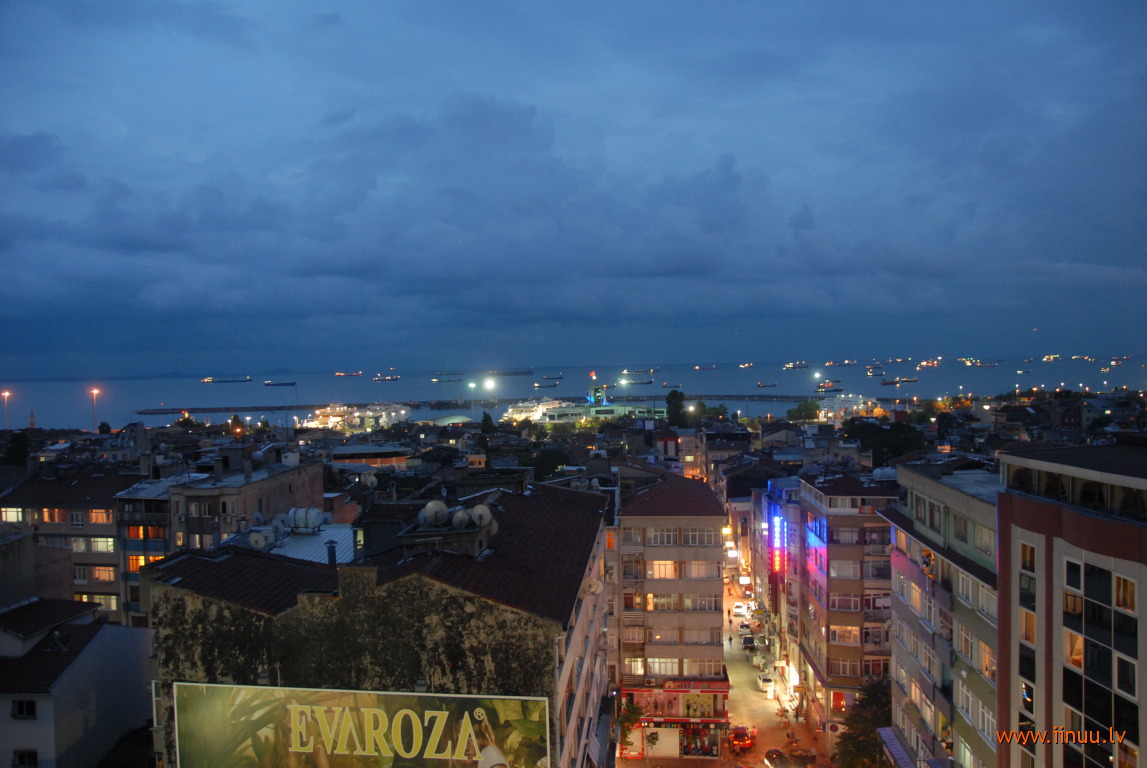
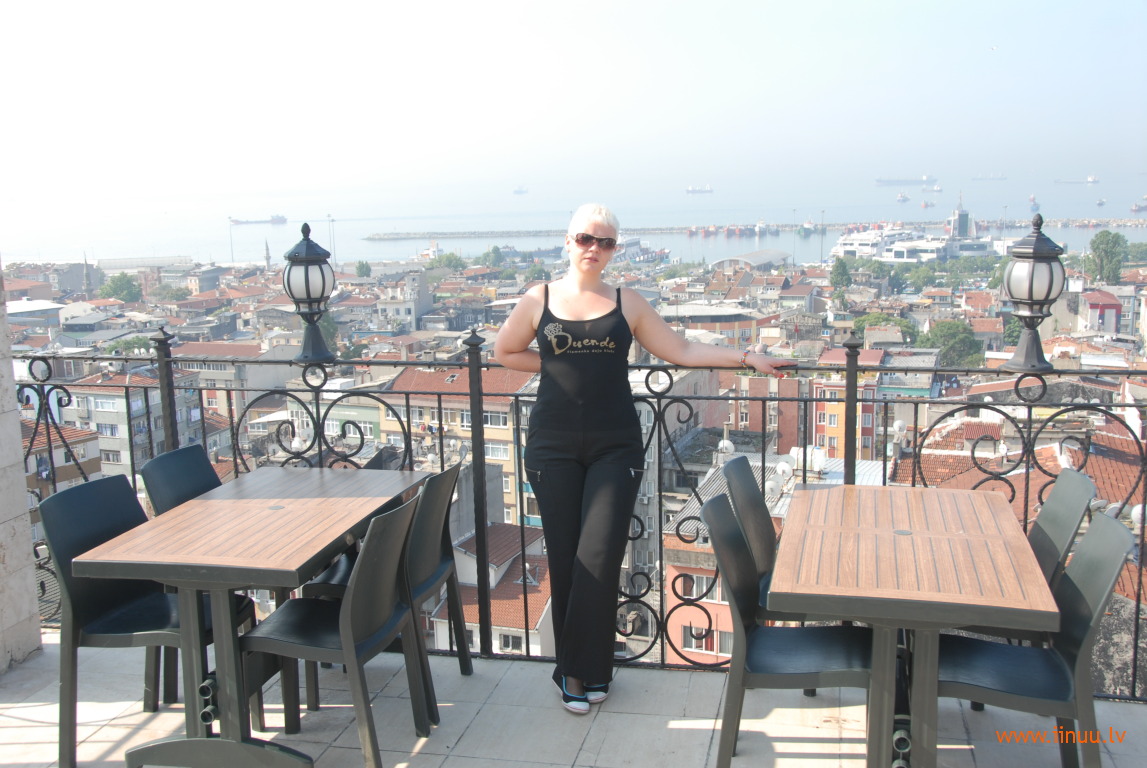
This summer, by a happy coincidence, the Midsummer holidays fell to give us a full five free days, so the opportunity arose to travel to Turkey, this time with the "Impro" travel agency. After our last trip by coach across Europe, we realised that bus travel was no longer for us and that we needed to start moving by air. Already on the evening of 23 June we were sitting alone together on the hotel terrace in Istanbul, drinking beer and wine and gazing out over the Sea of Marmara lit up by the lights of the many boats.
This summer, by a happy coincidence, the Midsummer holidays fell to give us a full five free days, so the opportunity arose to travel to Turkey, this time with the "Impro" travel agency. After our last trip by coach across Europe, we realised that bus travel was no longer for us and that we needed to start moving by air. After all, 6,101 km from Riga to Istanbul is not a small distance, and it is much more easily covered in a comfortable seat in just 3 hours.
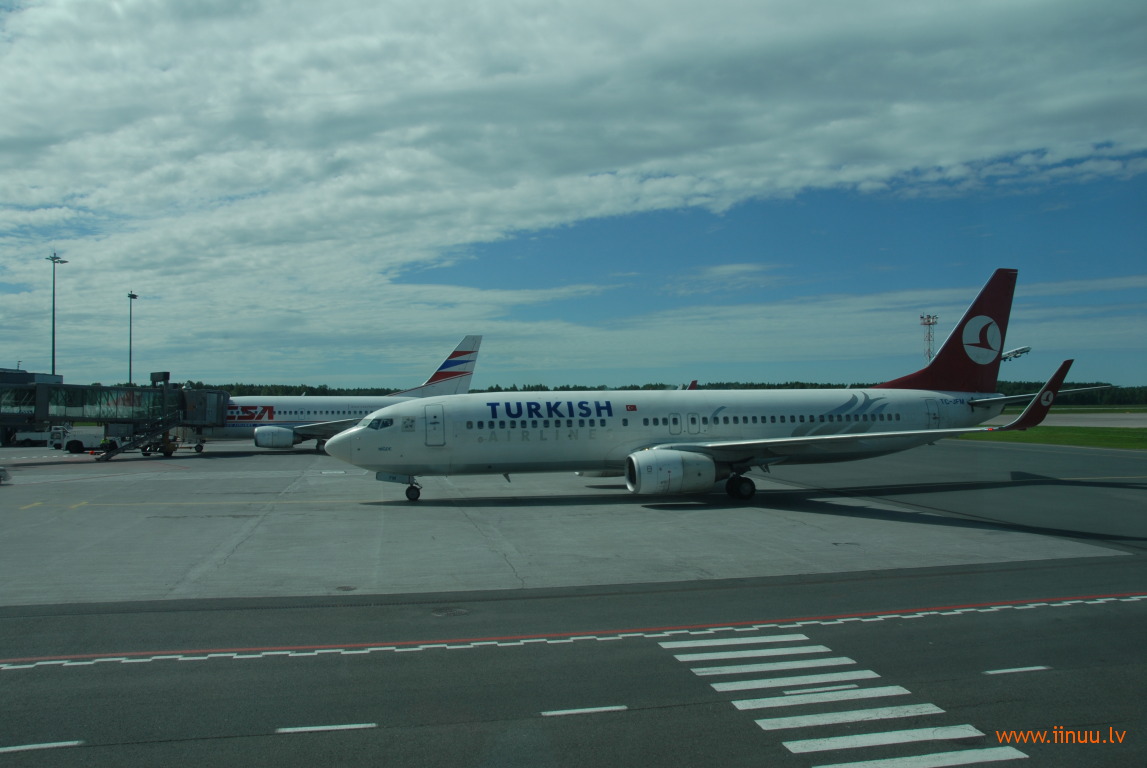
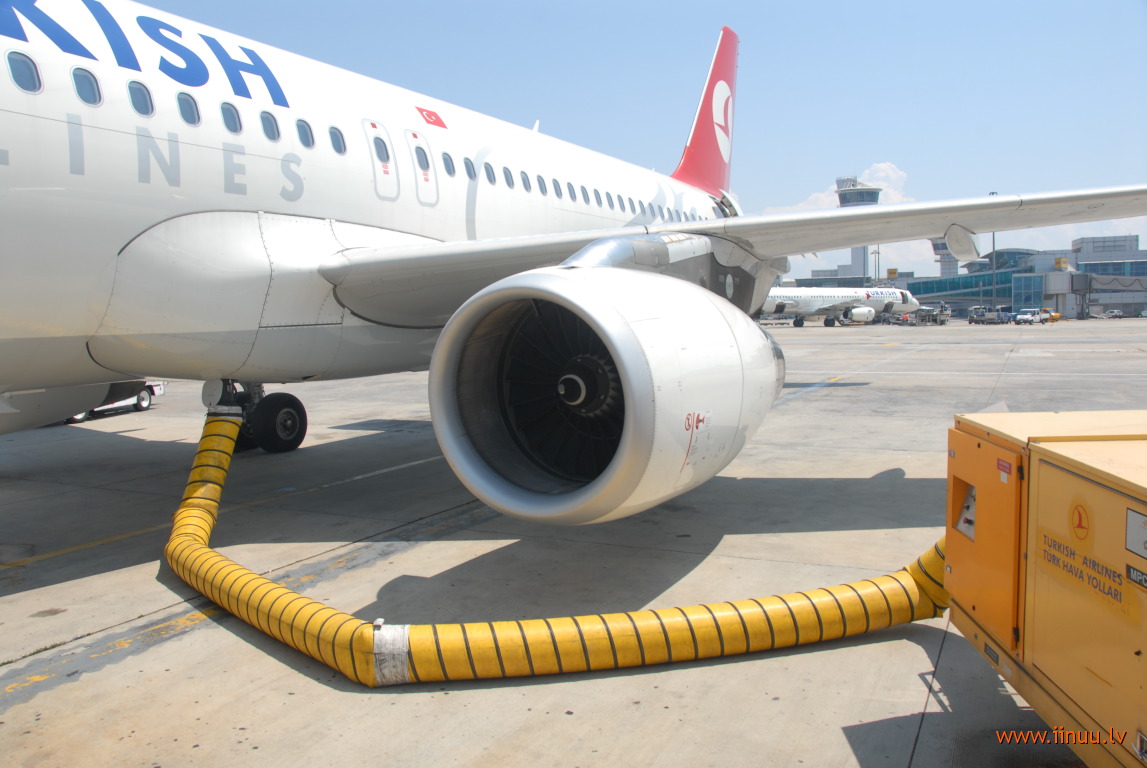
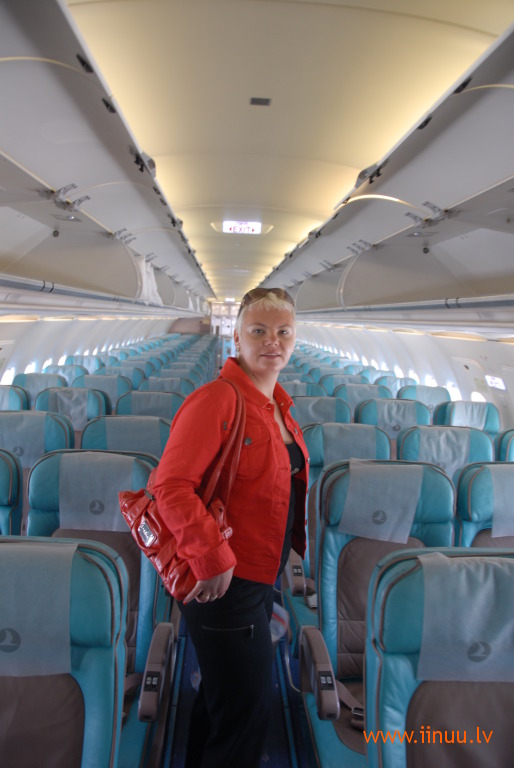
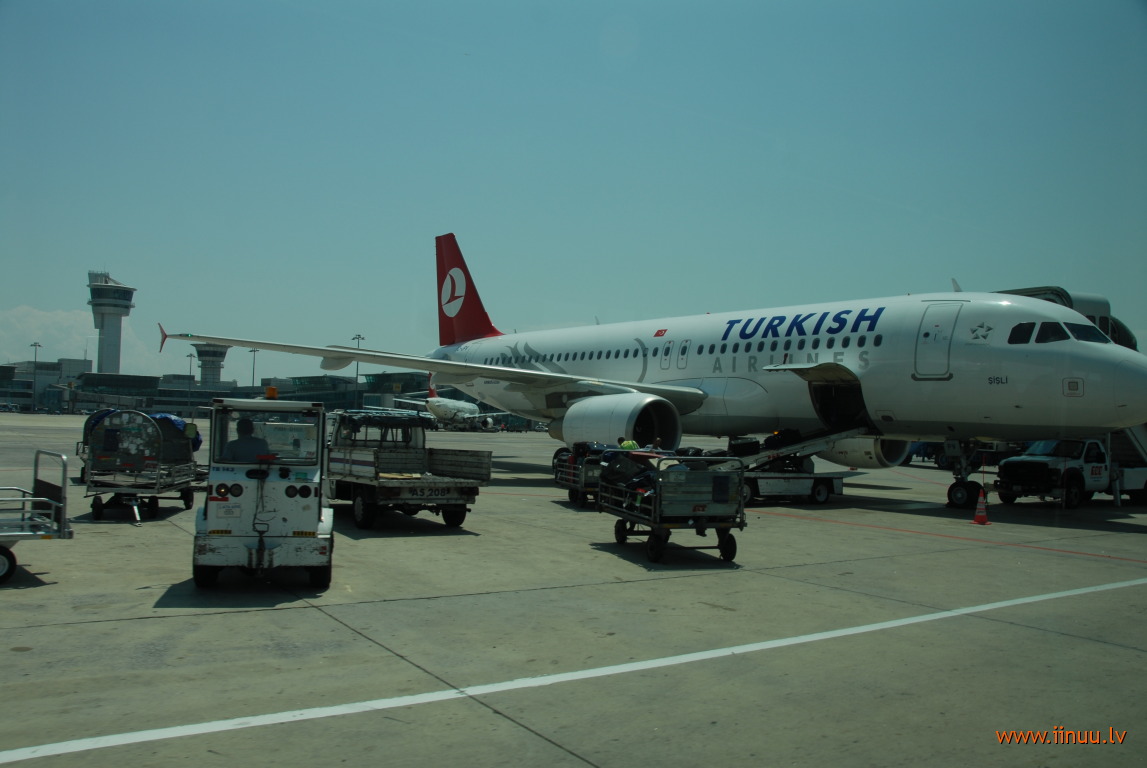
The Turkish Airlines service was a pleasant surprise (see photos 1–4 in the gallery). Small pillows that could be tucked under one's ear for a nap. A hearty complimentary meal with a choice of various drinks - coffee, tea, juices, lemonades, wine. Plus nuts as a snack. Monitors fixed to the ceiling and raised and lowered to keep passengers informed about the progress of the flight. We could watch on a digital map as the plane crossed the airspace of various countries, flew over the Black Sea, reached a maximum speed of 850 km/h and climbed to an altitude of 11,900 m.
We drove to the airport - or more precisely, to the car park - in our beloved Volvo. We used the "Park&Fly" service, leaving the car in a car park from which a free, convenient minibus took us to the airport and later brought us back. For five days that pleasure cost LVL 12.50 (i.e., LVL 2.50 per night). I do not think a taxi would be cheaper - if anything, twice as expensive. In short, everything worked out fix und fertig.
Already on the evening of 23 June we were sitting alone together on the hotel terrace in Istanbul, drinking beer and wine and gazing out over the Sea of Marmara lit up by the lights of the many boats. (photo 5) We stayed at the Ikbal de Luxe Hotel, a four-star (one of which can safely be discounted in one's mind) hotel. Although the room had everything - television, minibar, shower room with shampoos, soap, towels, hair dryer, and so on - the room itself was poorly ventilated, with an extremely narrow little window leading to an equally narrow inner courtyard lined with waste bins. Despite the air conditioning, at night one could practically suffocate from the lack of air. The sleeplessness allowed us to listen, through the cracked window, to the distinctive call to prayer coming from the nearest mosque at 4 o'clock in the morning. In the subsequent nights we got used to it, as exhaustion prevailed over the stale air.
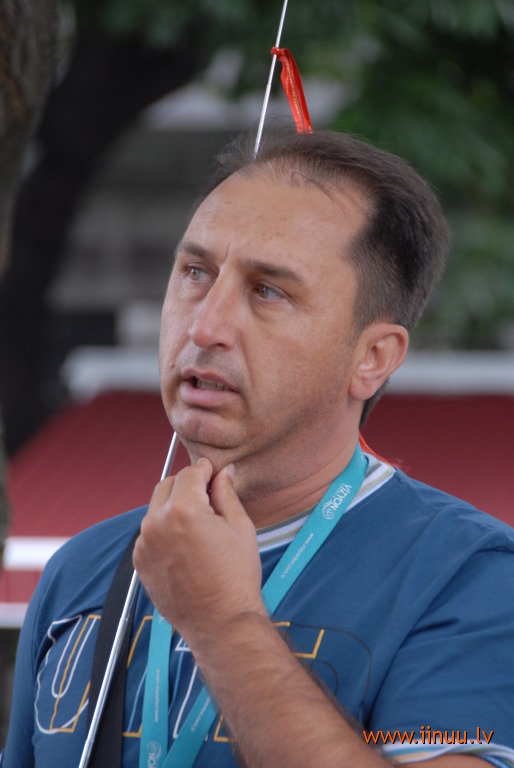
On the morning of the second day our group leader introduced us to the Turkish guide Ibrahim (photo 9), who for the days that followed guided us around various noteworthy places, recounted historical facts, and advised us where to go and where not to go - "туда ходи, туда не ходи - разденут" (go there, don't go there - they'll fleece you).
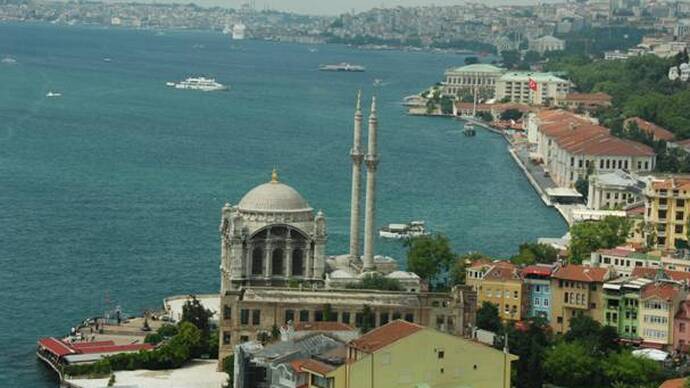
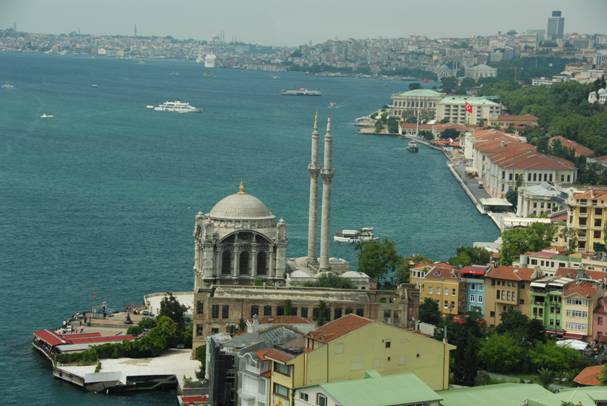
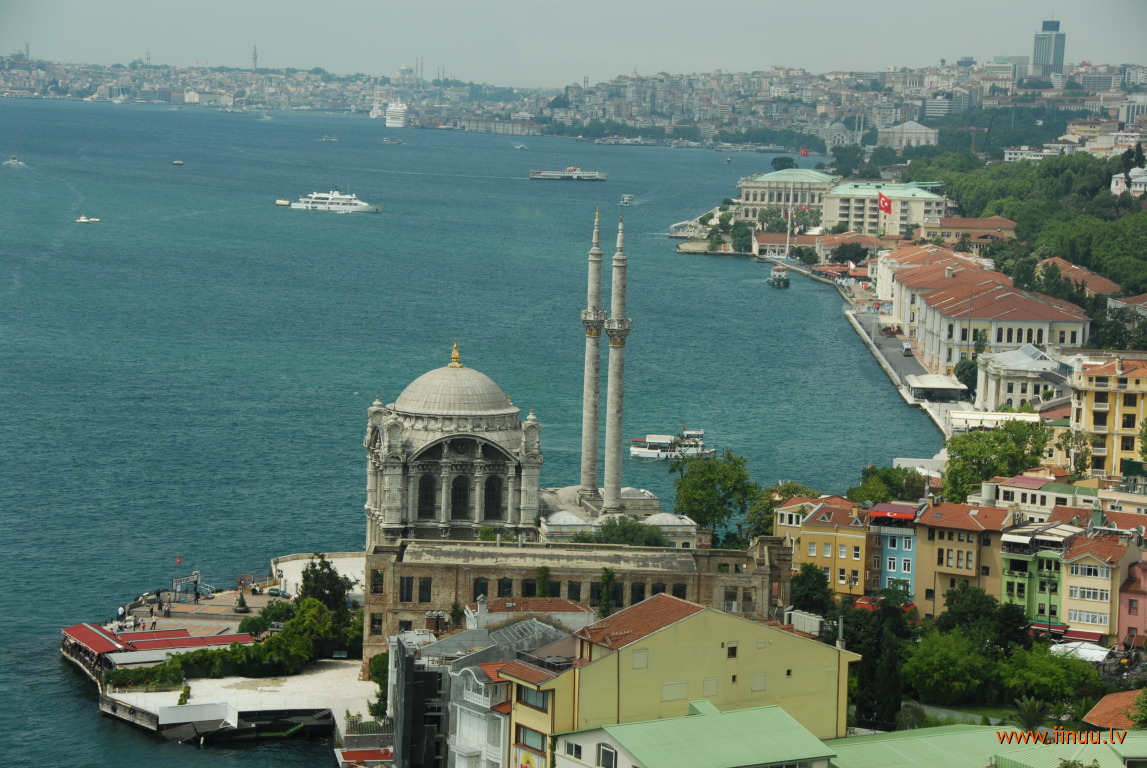
Istanbul is a beautiful and extraordinarily large city (~13 million inhabitants). It was formerly the capital of both the Byzantine Empire and the Ottoman Empire, and is now the largest city in Turkey and one of the largest in Europe. Historically known as Byzantium and Constantinople, it has been called Istanbul (İstanbul) since 1453. The city is situated simultaneously on two continents - Europe and Asia. Both parts are connected by bridges over the Bosphorus Strait, across which we also took a trip on a small boat on the fourth day.
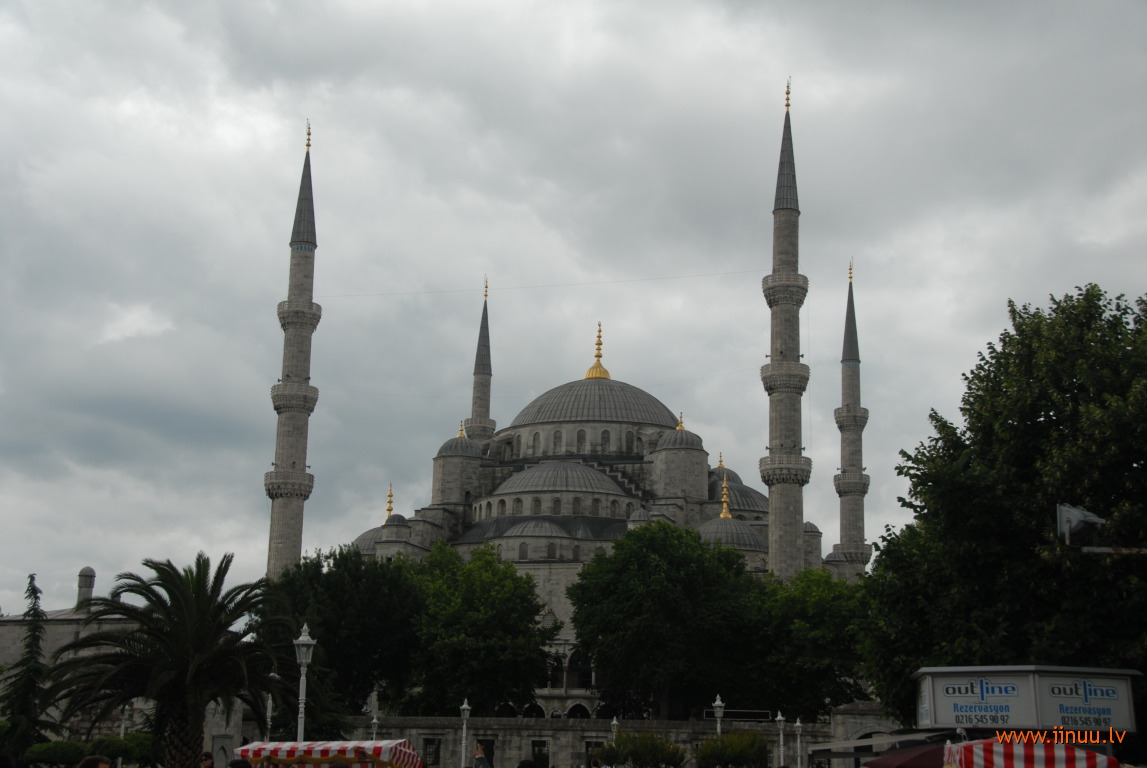
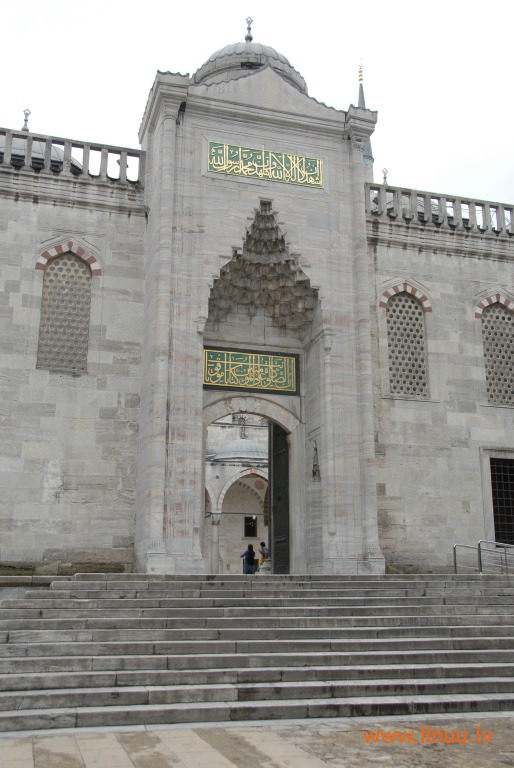
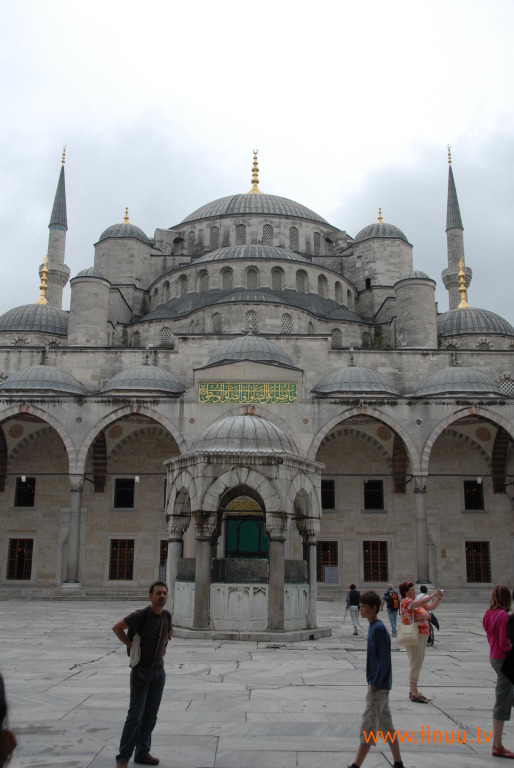
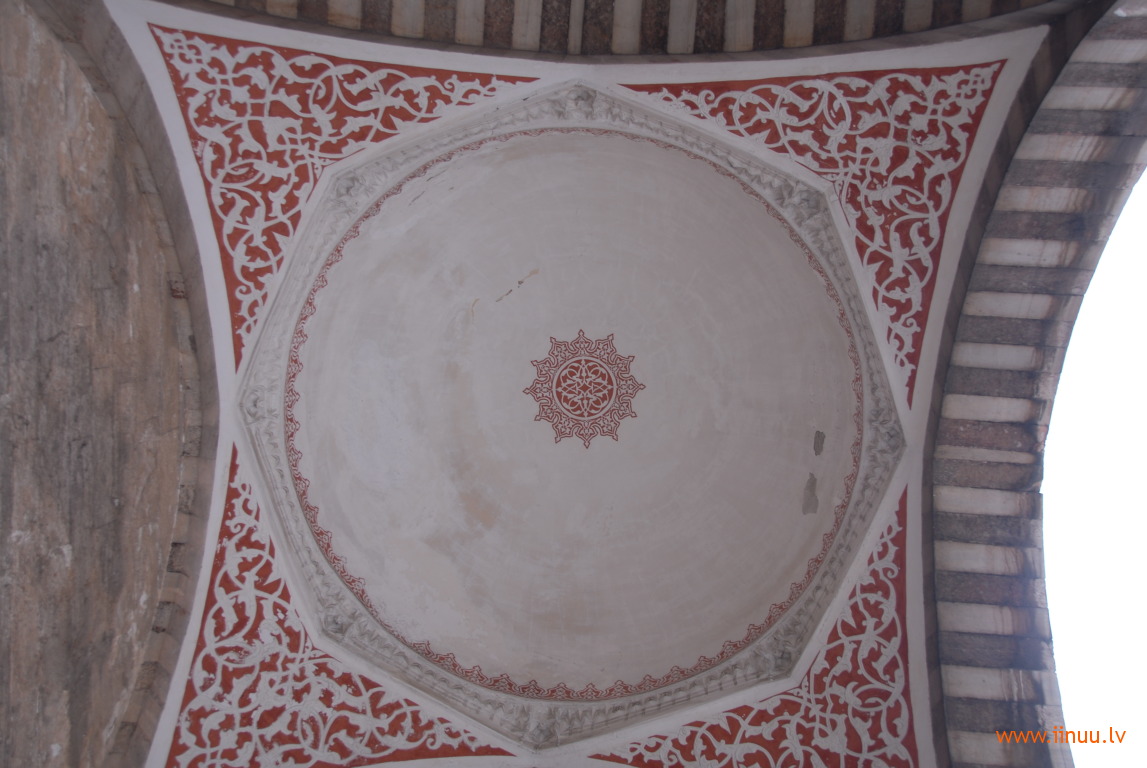
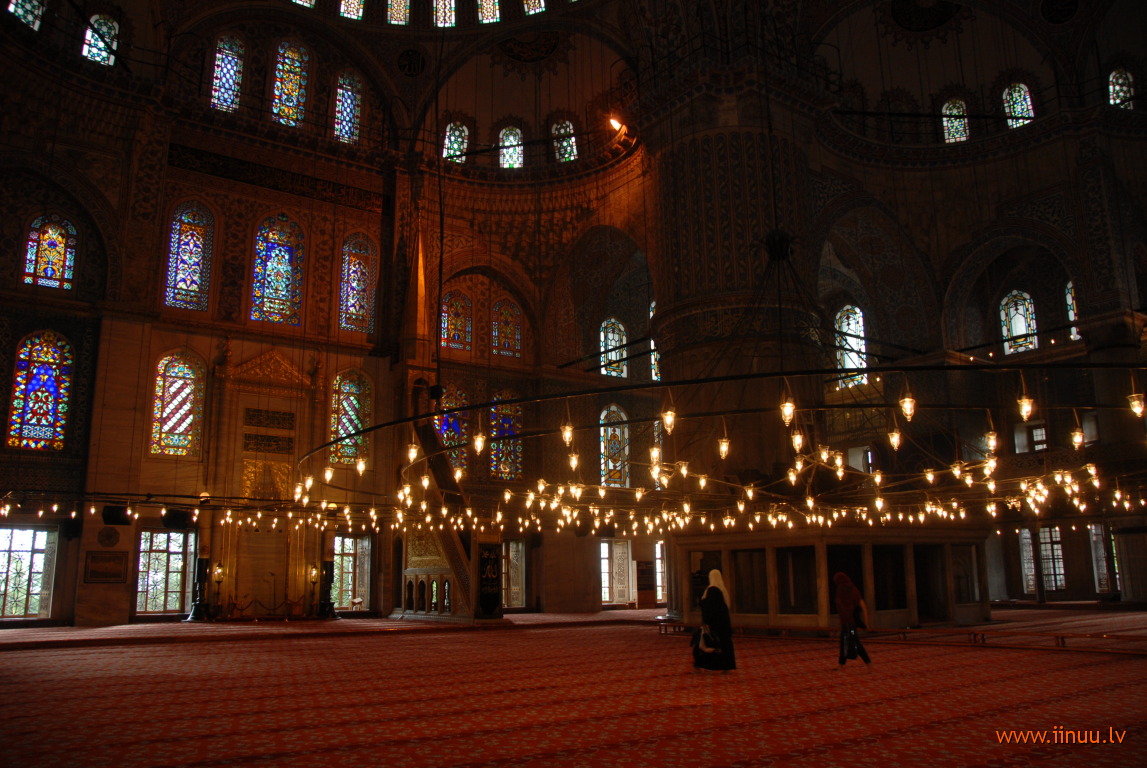
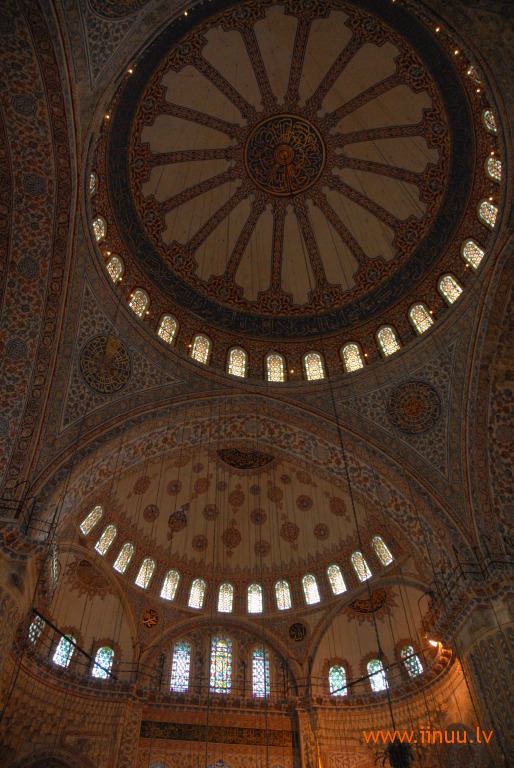
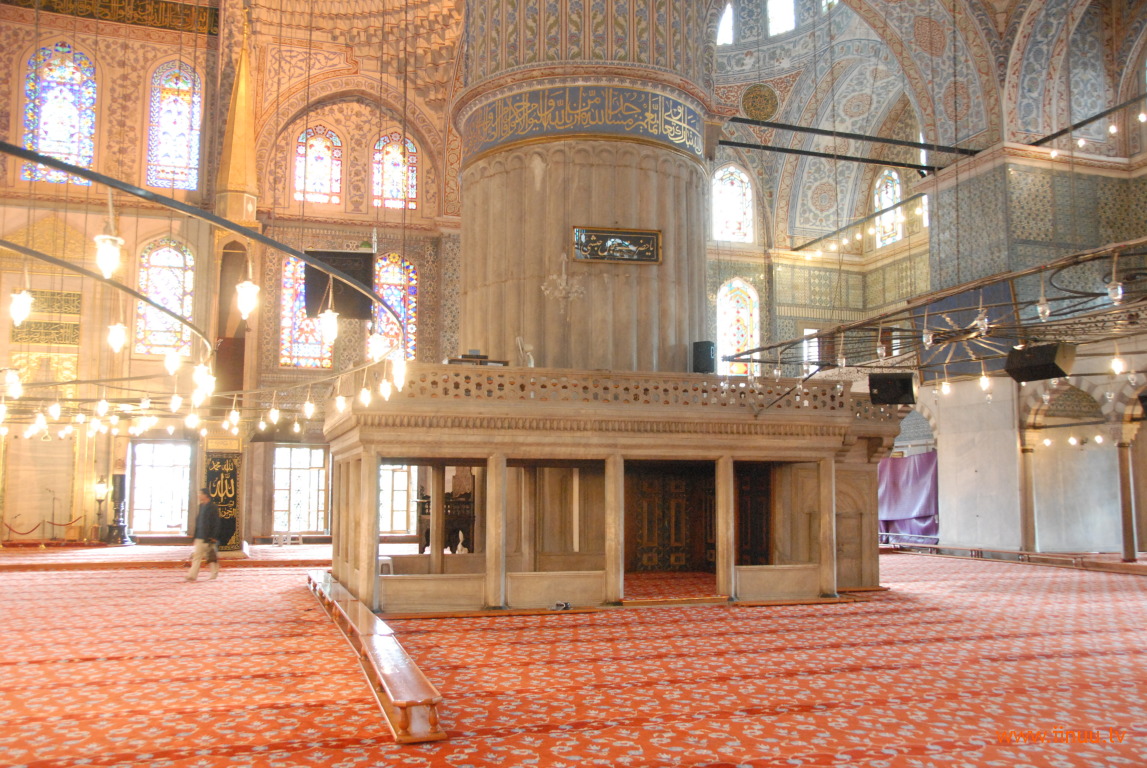
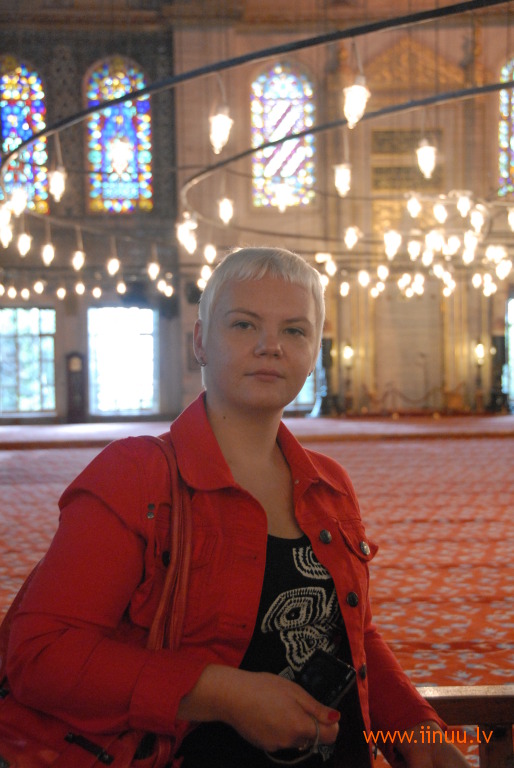
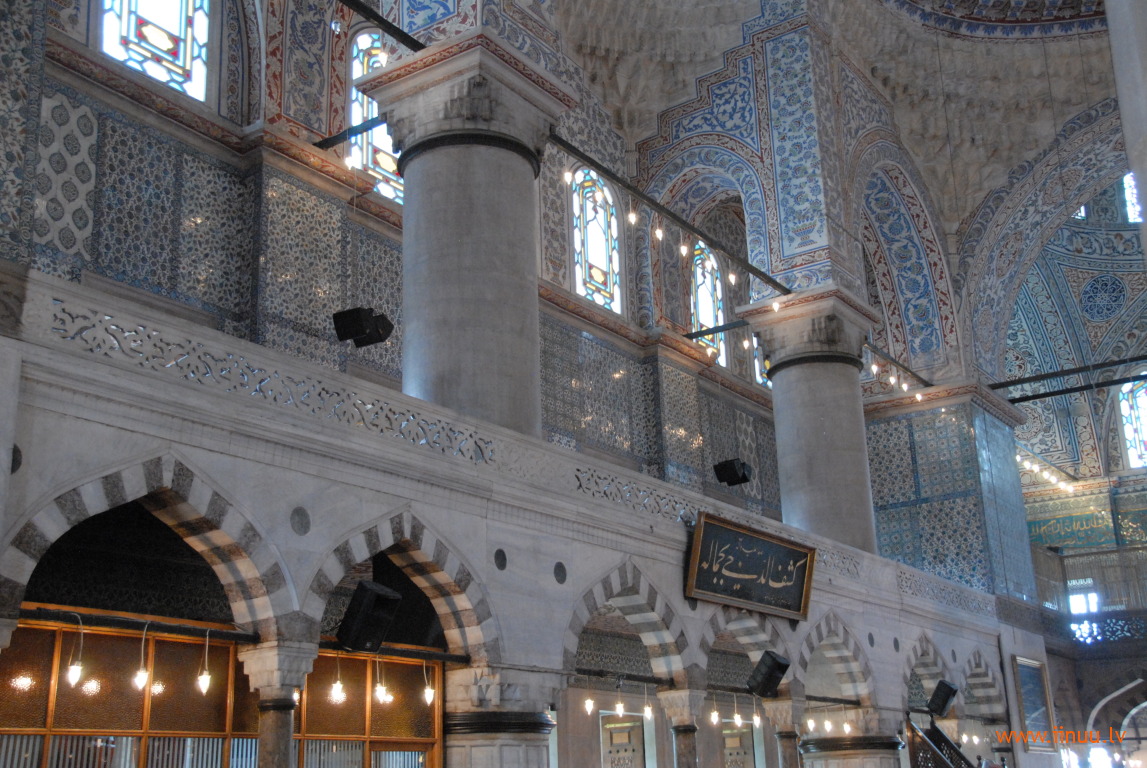
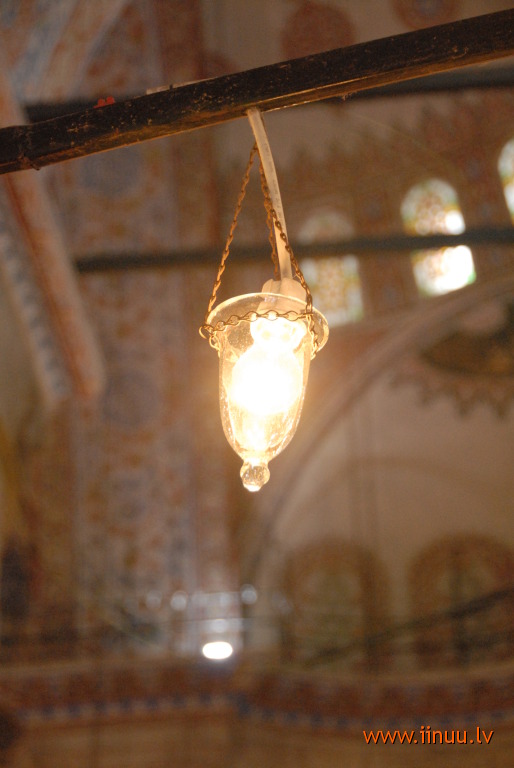
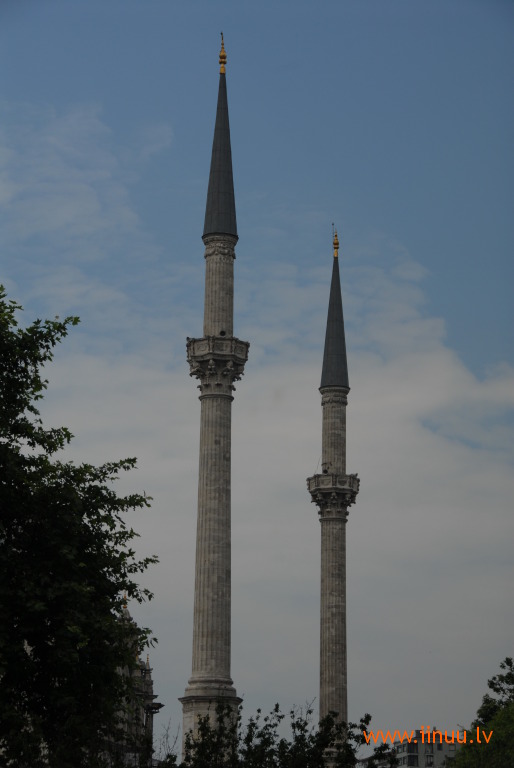
The traces of the Roman Empire are visible in the architecture, and examples of Byzantine works of art can be admired, as well as the many mosques. No wonder, for the largest and dominant religion here is Islam. It was the mosques that were the main draw, as so little is known about them and even fewer people have been there. We visited Sultan Ahmed I's mosque, i.e. the Blue Mosque (photos 10–26), with its six minarets - those tall, narrow towers on which loudspeakers are now placed to announce the time of prayer and to commemorate the deceased. In earlier times the imams called from the towers using only the power of their own voice, singing out the relevant text.
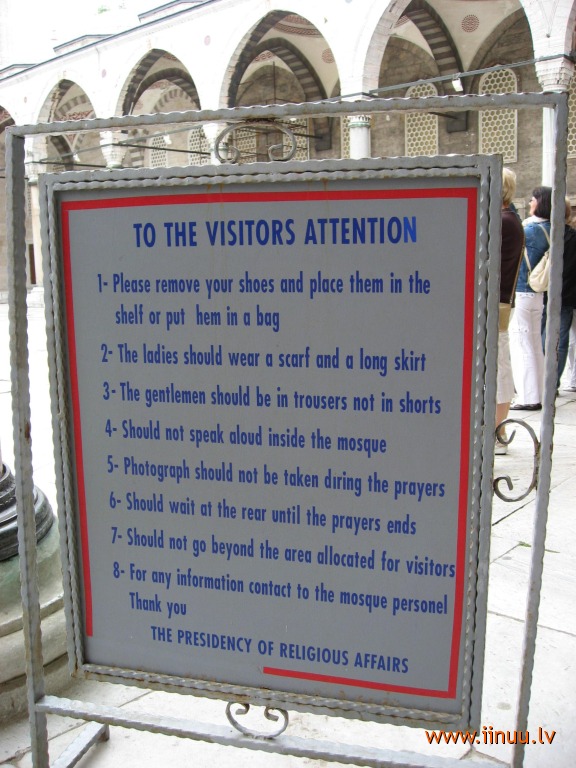
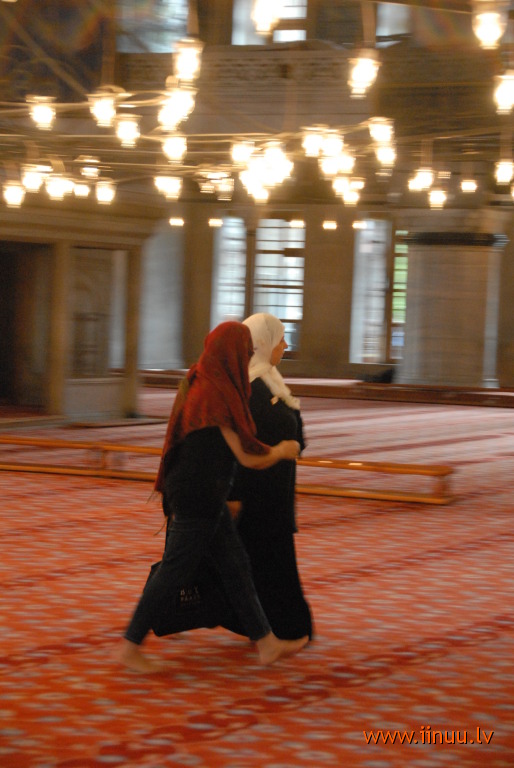
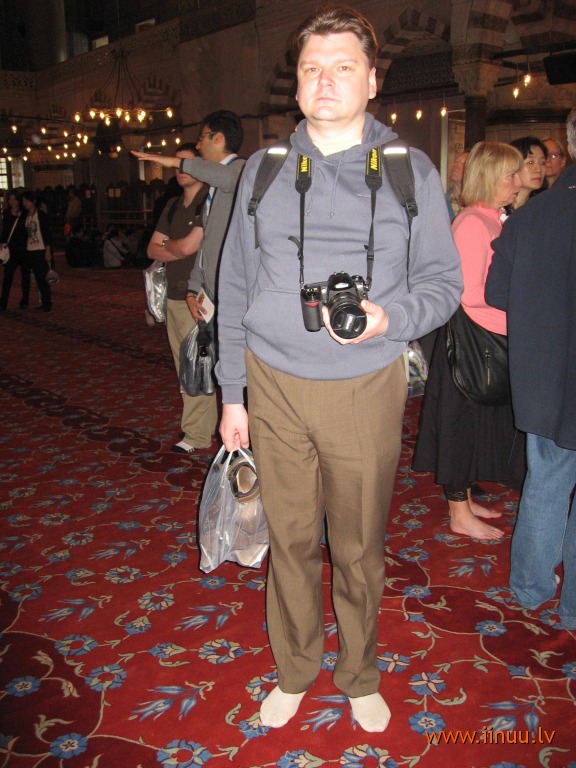
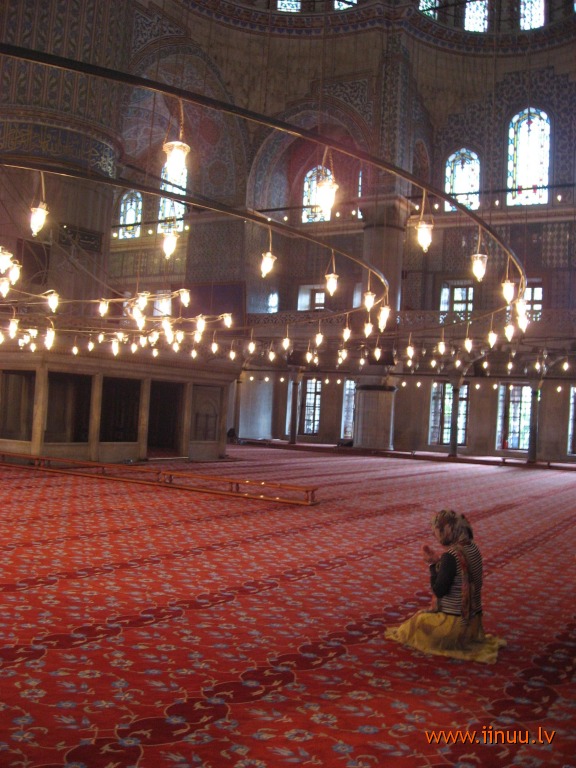
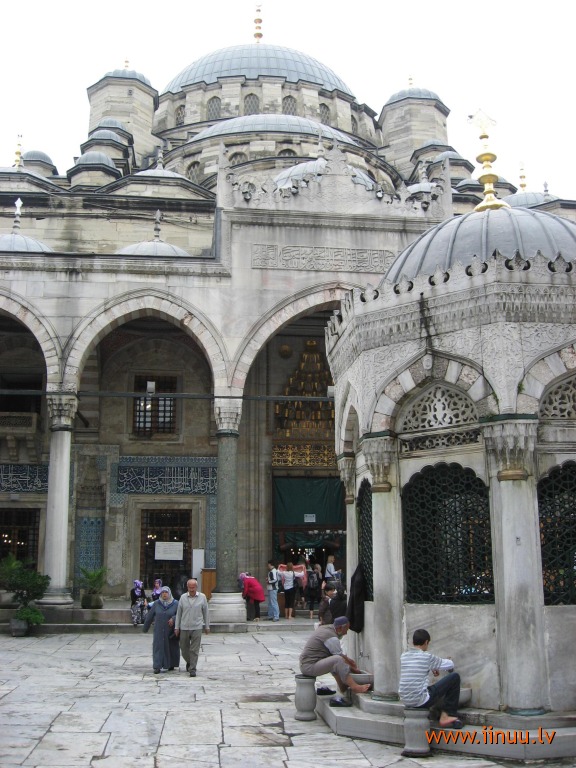
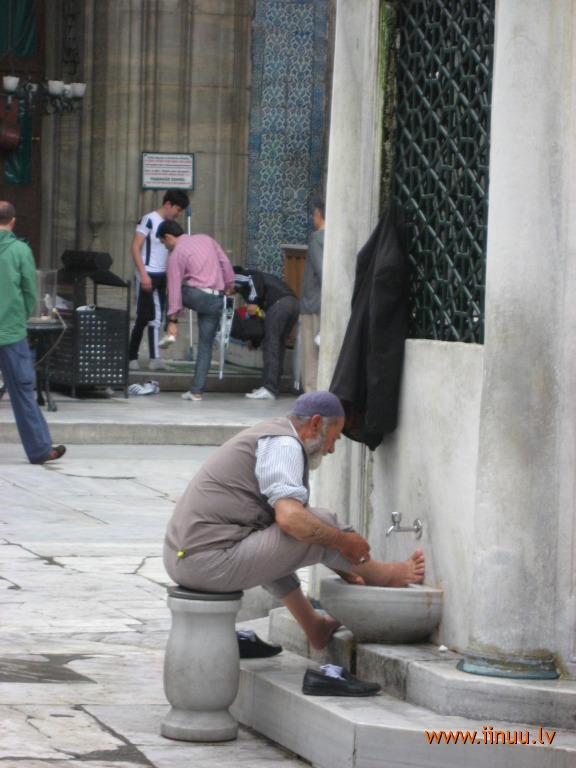
The mosque has what might be called two equally large parts - the courtyard and the interior. The courtyard usually contains an ablution fountain, for Muslims have a ritual of responding five times a day to the call from the mosque to pray, standing facing the direction of Mecca, and also performing ablutions - washing their feet, hands, and face. Inside we could enter only after removing our shoes, as the entire interior of the mosque is covered with a soft carpet pleasant underfoot. At the entrance, shoes could be placed in purpose-made bags and taken along. There too one could read the rules in English about how visitors to the mosque's interior should dress and behave. Whereas previously women could only enter in long skirts and with their head covered, the conditions have since become more democratic - the main requirement is no bare shoulders and skirts or trousers that extend well past the knee.
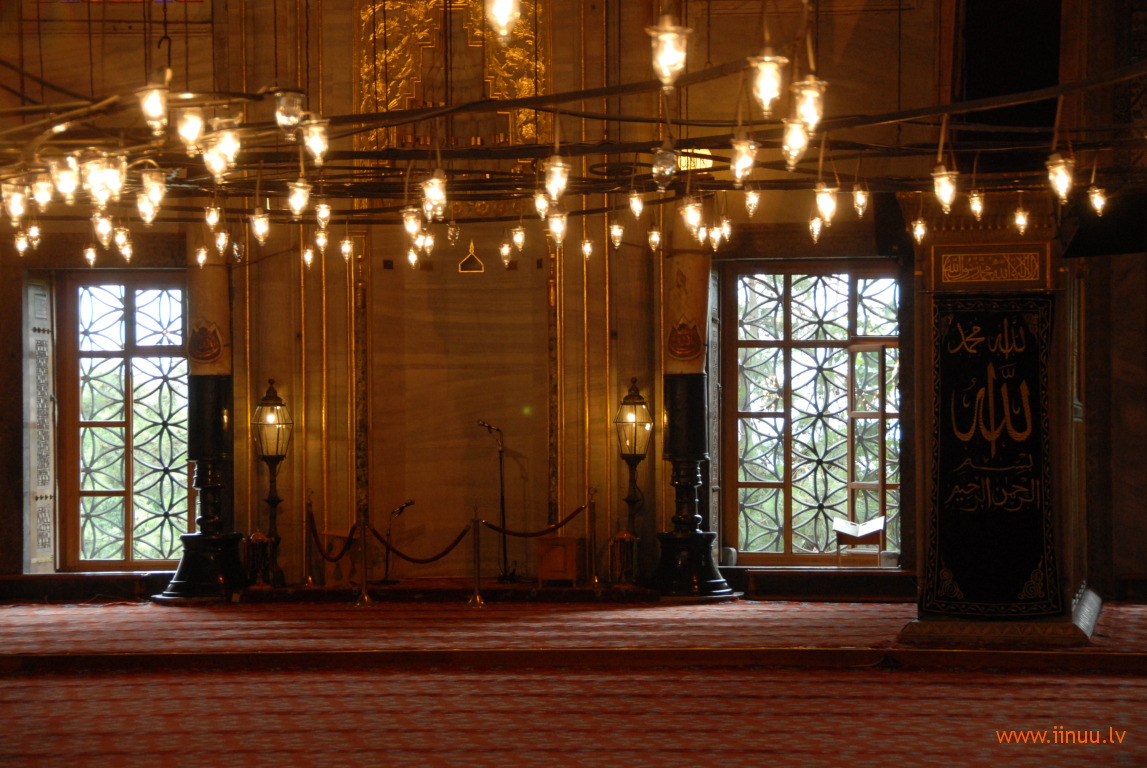
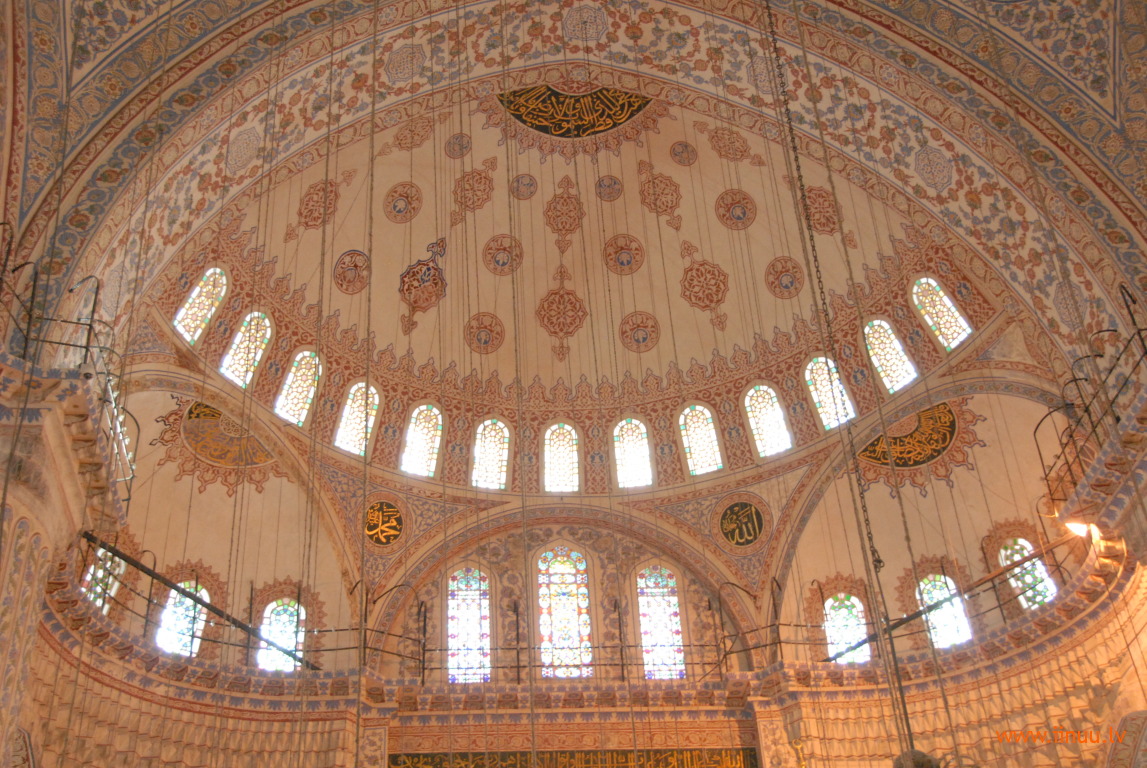
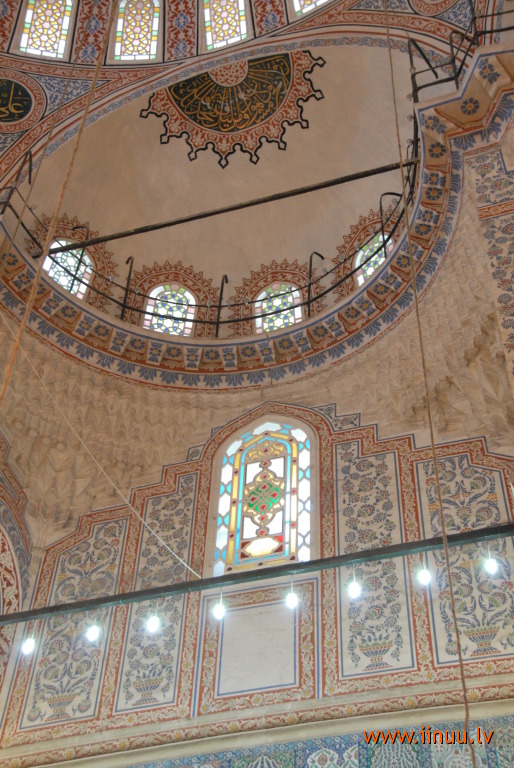
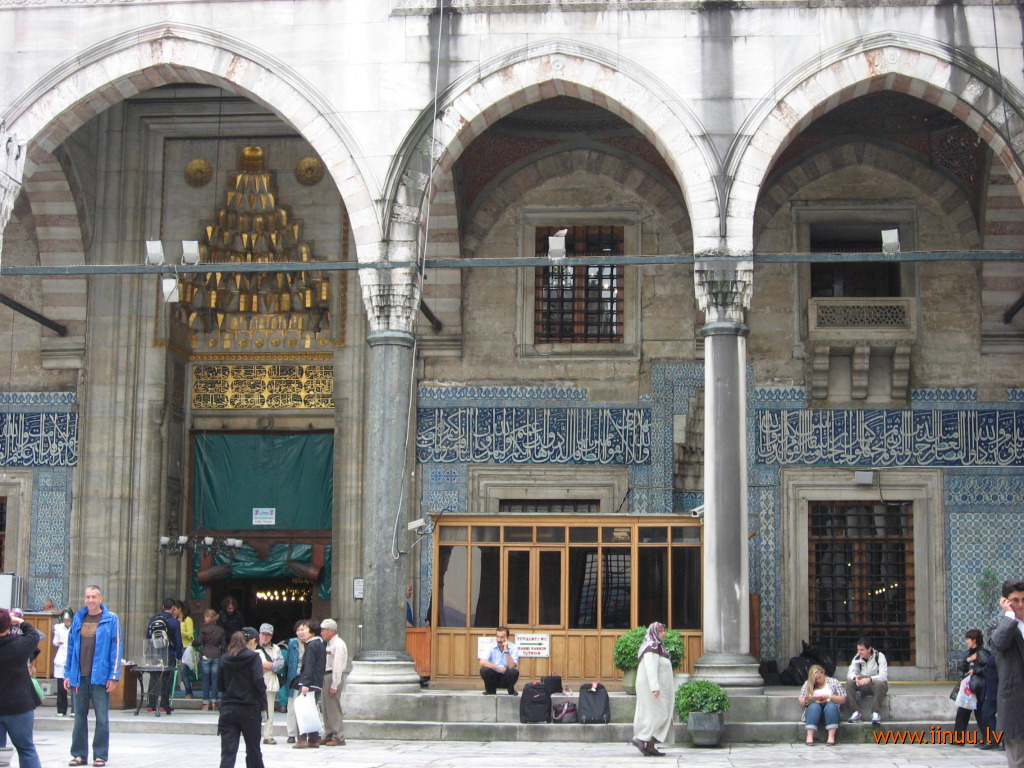
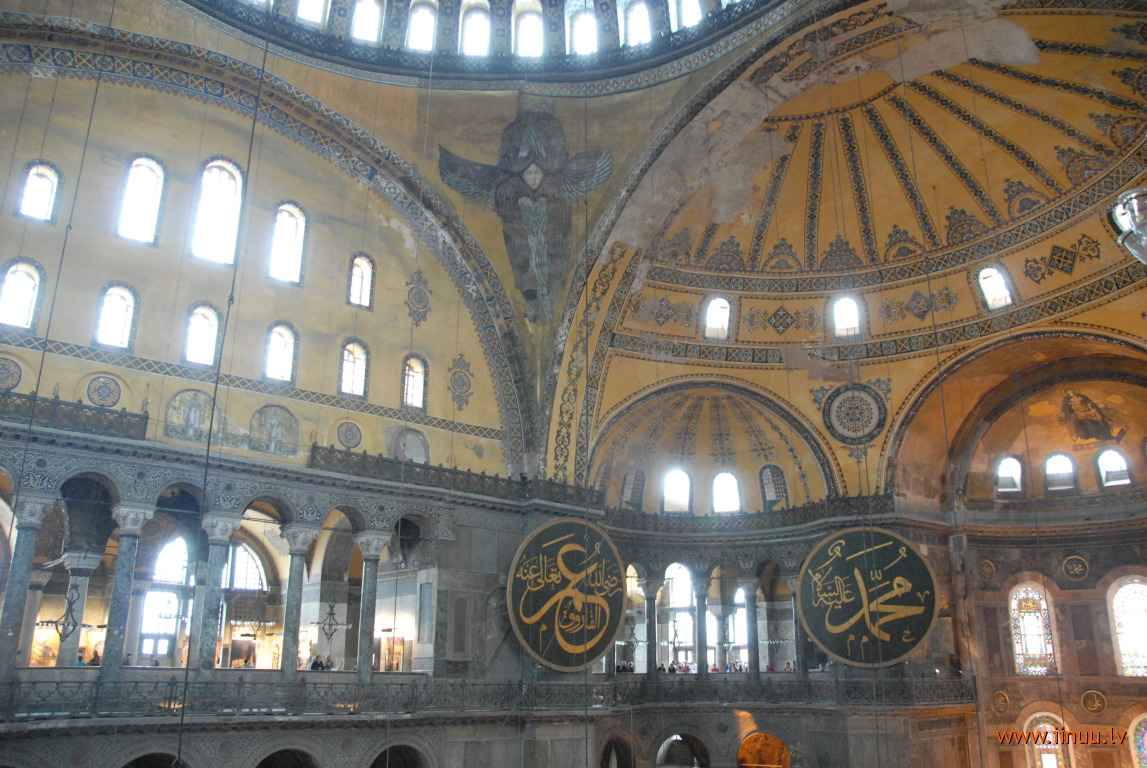
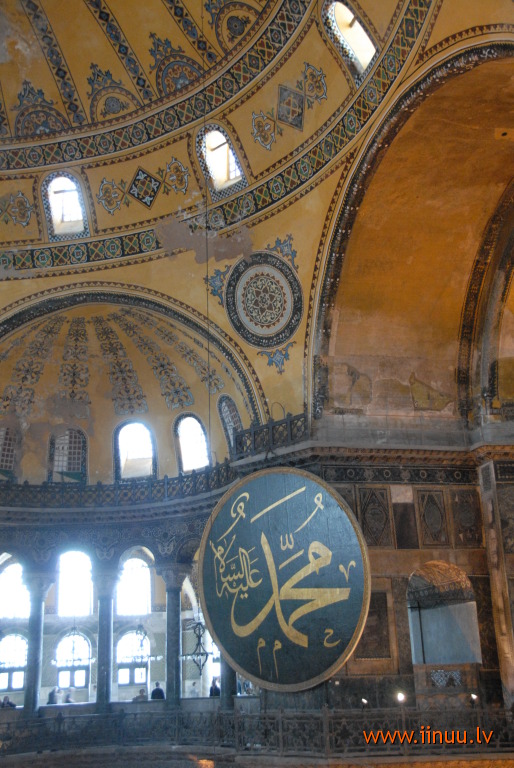
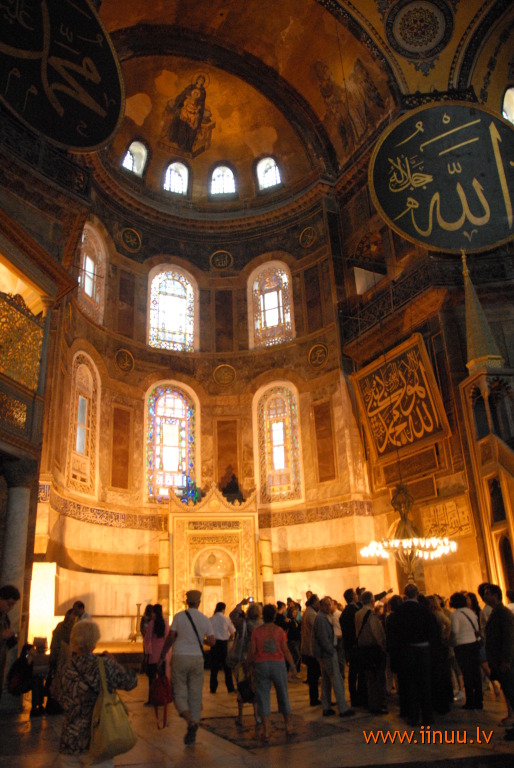
Inside, magnificent inscribed tiles adorn the walls. There are no altar paintings as such, because the faith forbids the depiction of faces and human images; instead there is the calligraphy of Allah (on the right) and the Prophet Muhammad (on the left) on large round medallions. To the left of these, the sultans' calligraphic medallions follow in a row.
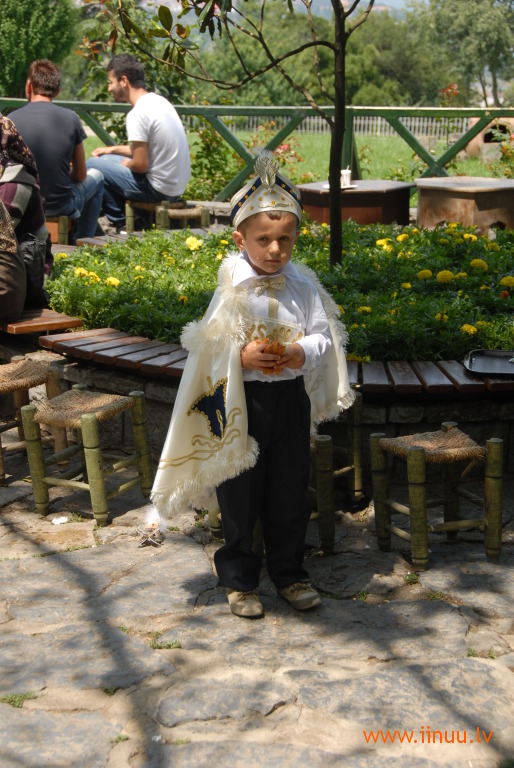
In the prayer area, behind a low fence, only men and boys who have been circumcised may go. Women are allocated a place near the entrance. Ibrahim explained that this is so that men's thoughts during prayer, upon catching sight of a woman's form, should not wander and stray from the path. Better safe than sorry, so to speak. As for circumcision - it is usually performed on boys at the age of 6–7, not immediately after birth, because it is supposed to be a special occasion to be remembered. After the procedure each boy is dressed in a ceremonial sultan's costume (photo 37) and the family celebrates the occasion.
The deaths of the deceased are also announced from the mosque minarets. Moreover, burial usually takes place quite promptly after death, so that more distant relatives sometimes cannot even make it to the funeral. The deceased are accompanied to the cemetery only by men; women remain at home, where prayers are held for seven consecutive days. The dead are buried according to Muslim tradition and never cremated. Furthermore, the coffin is intended only for transporting the body, not for burial. The deceased is wrapped in white cloth and interred. A headstone is erected after 52 days, not after 40 as is customary in Christianity.
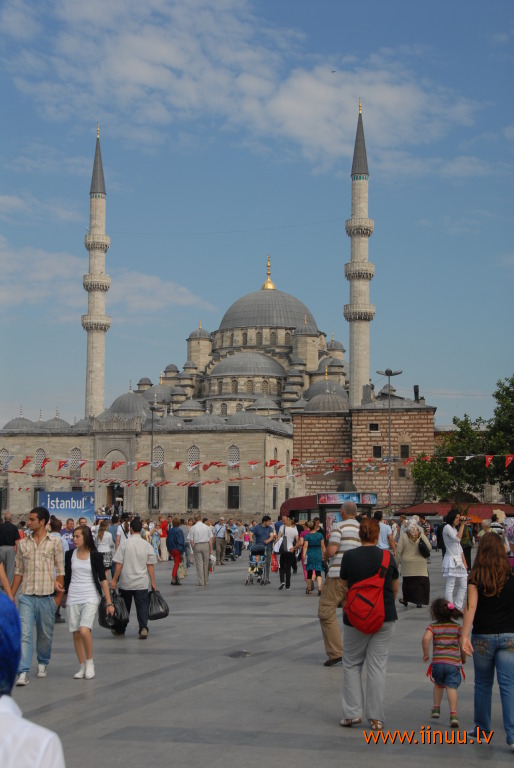
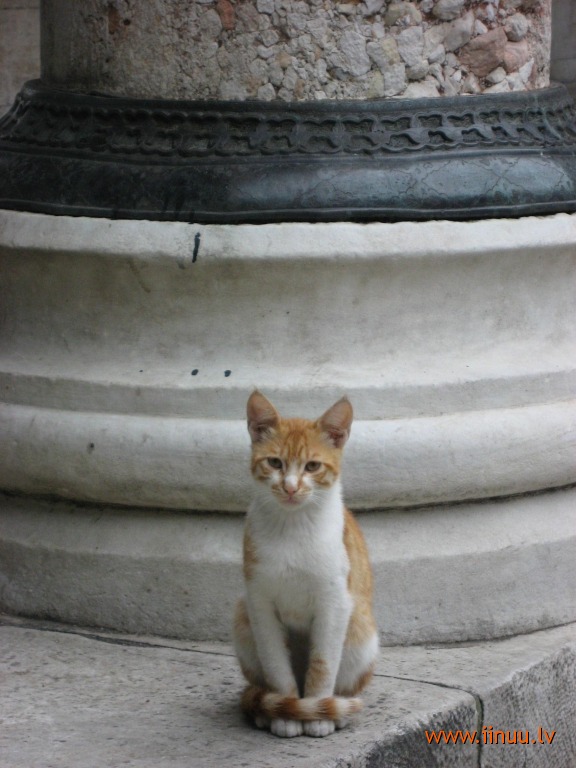
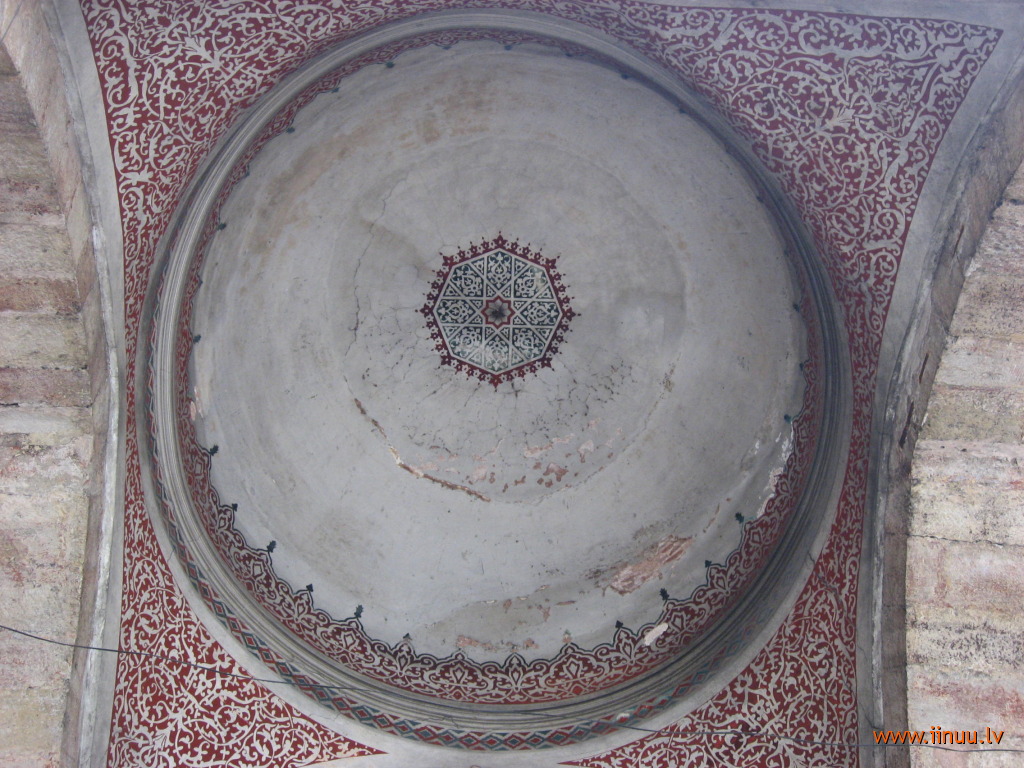
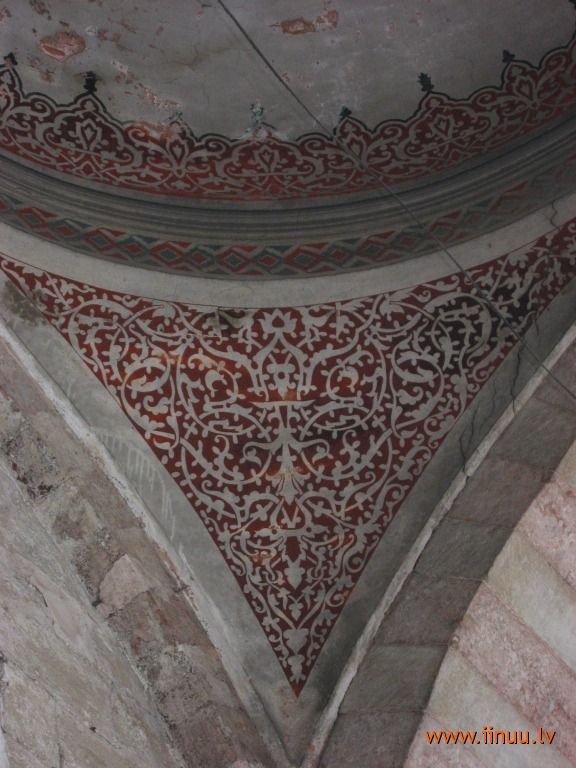
We also visited another mosque (Yeni Mosque - photos 27–34) near the Egyptian Bazaar, which was besieged by flocks of pigeons. The remaining mosques we viewed from the outside.
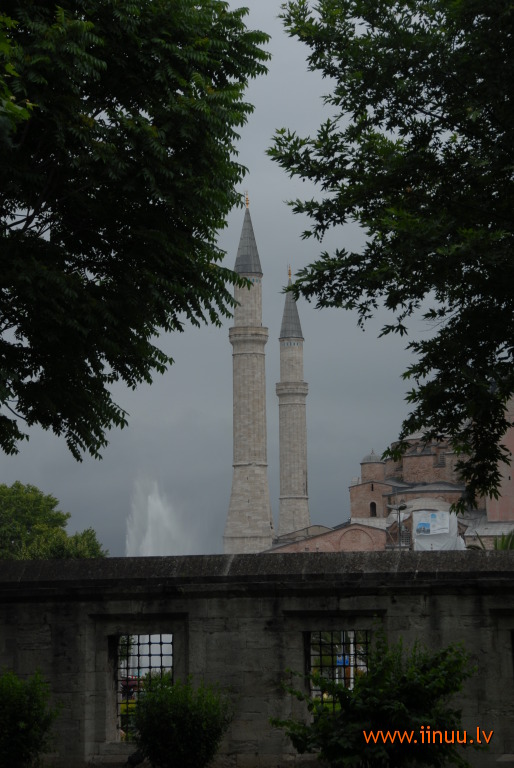
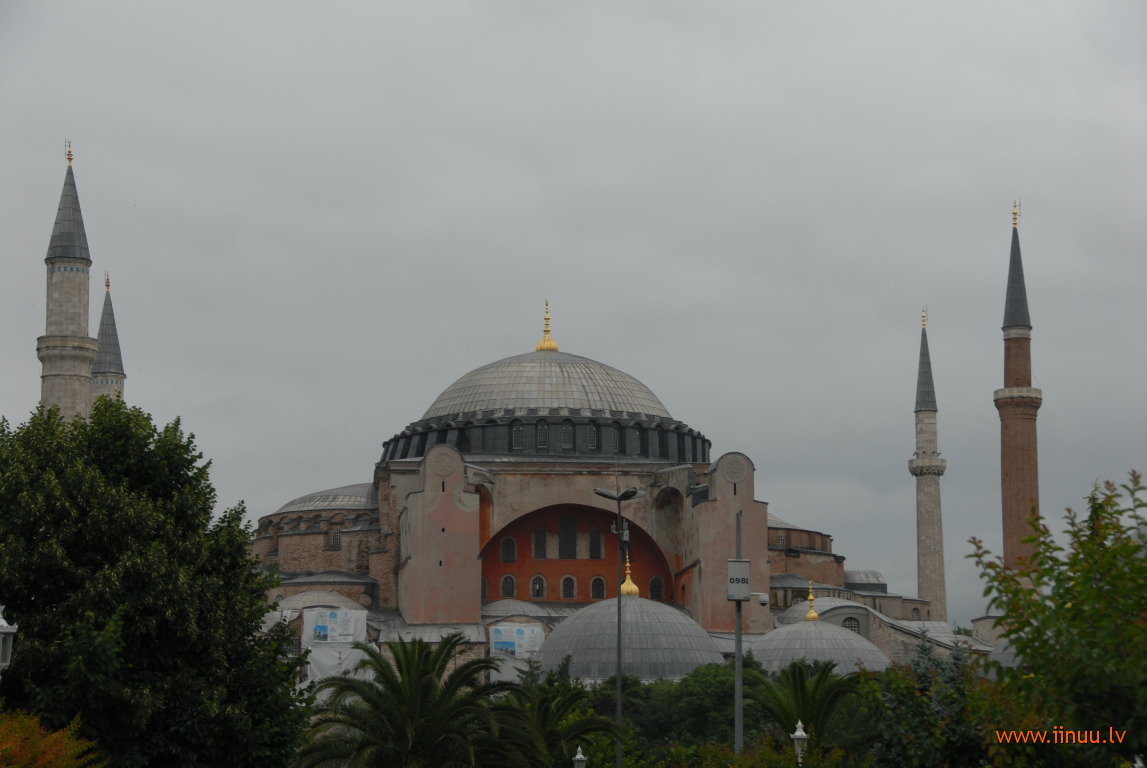
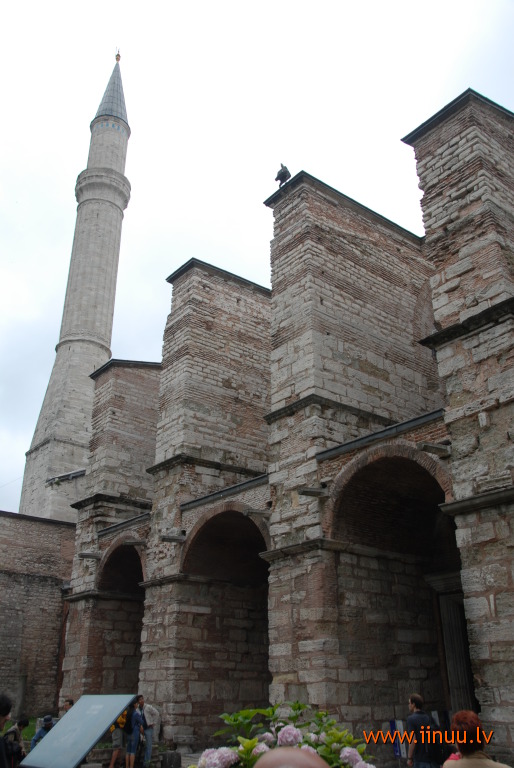
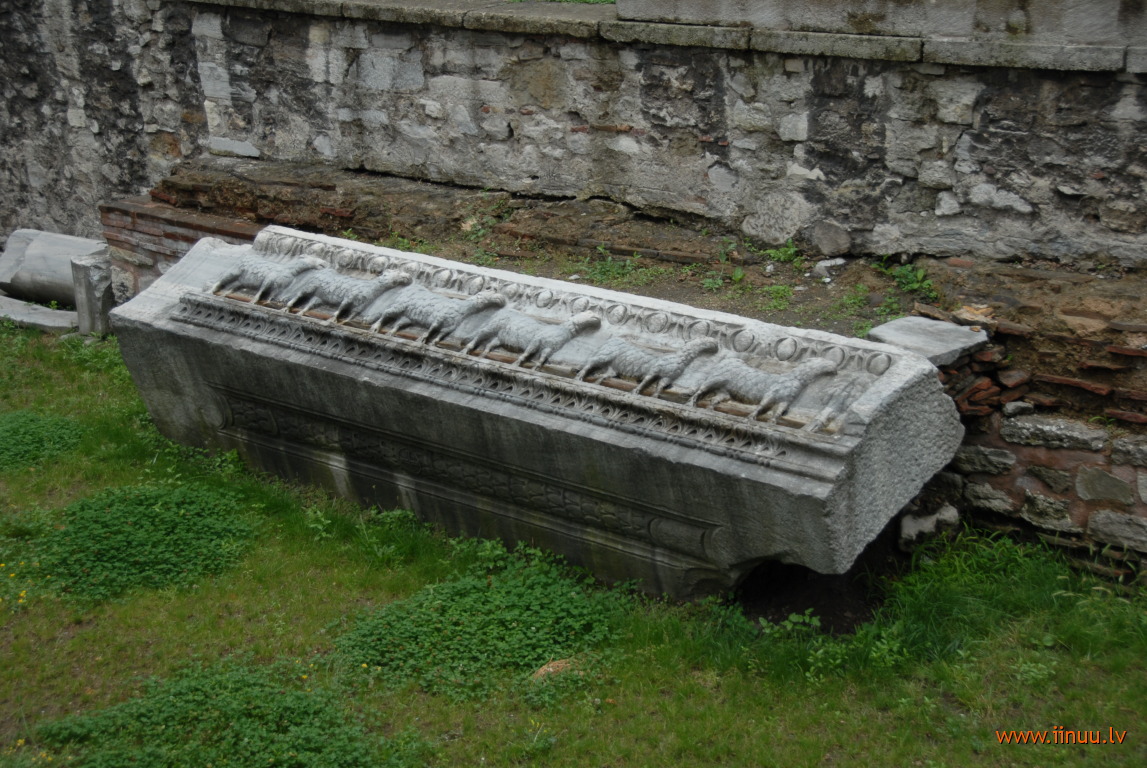
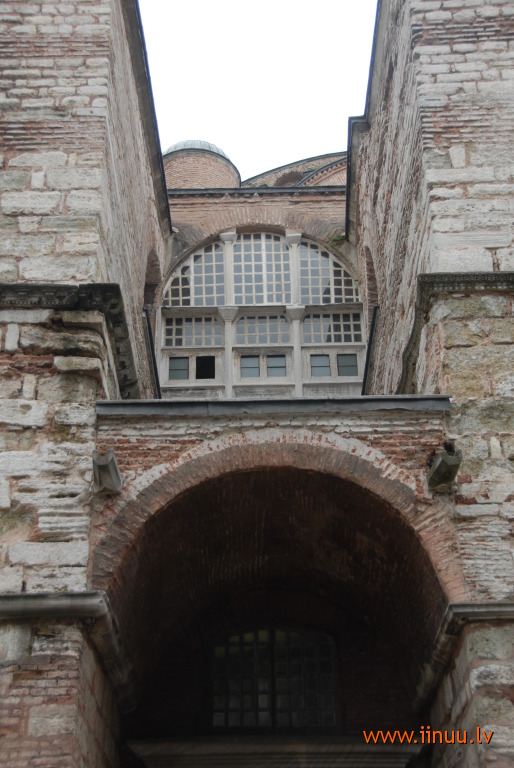
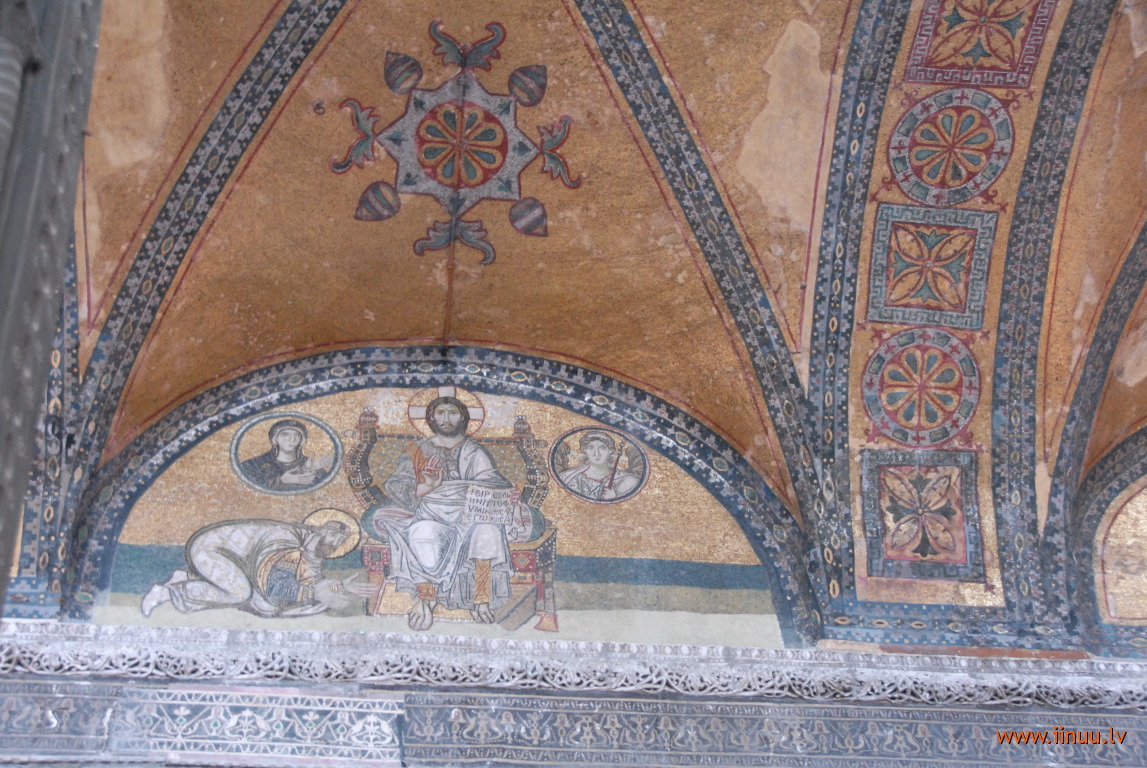
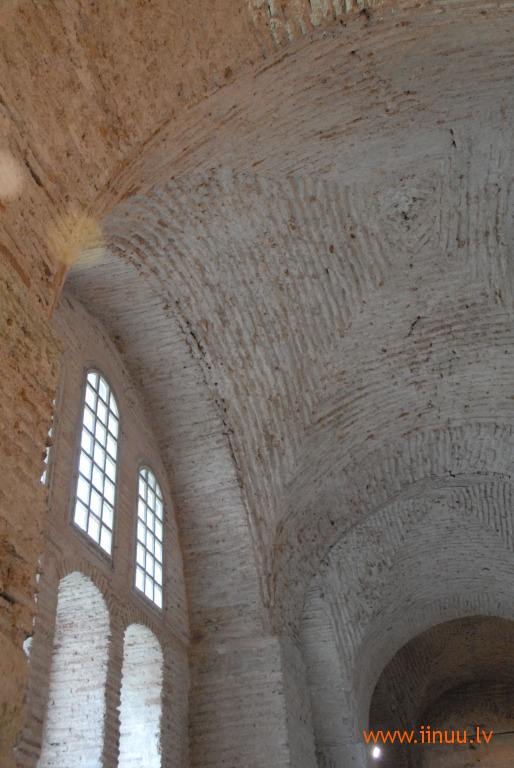
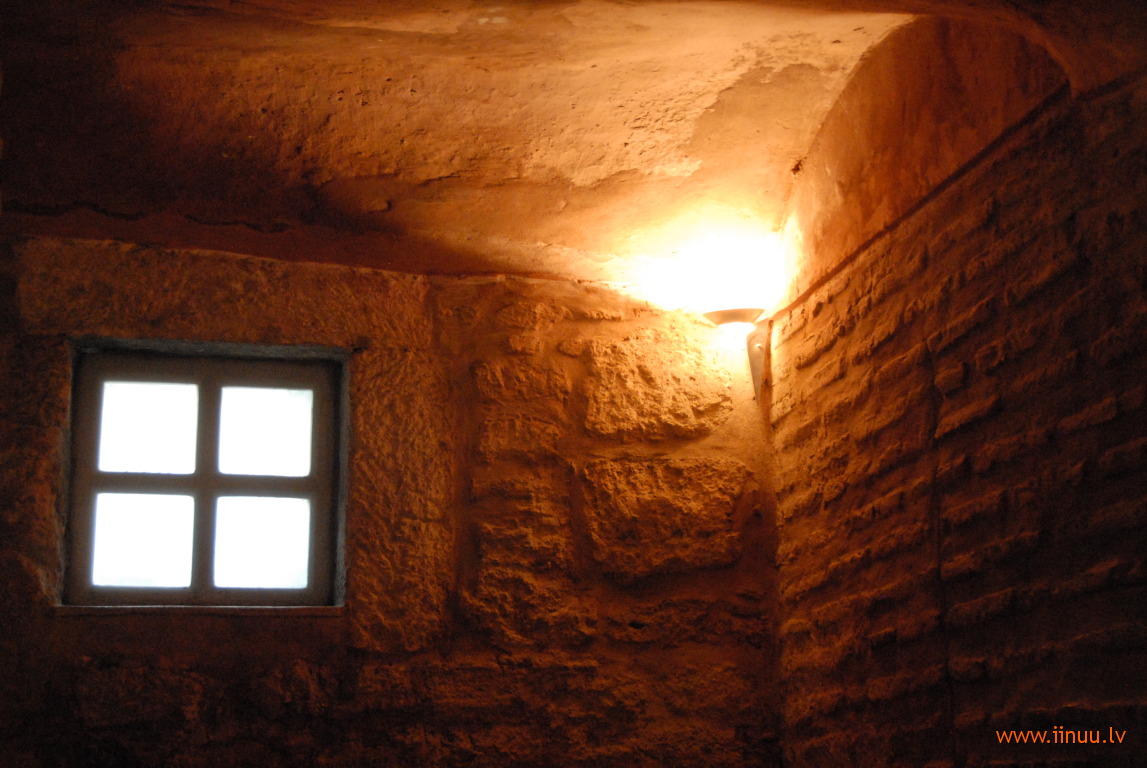
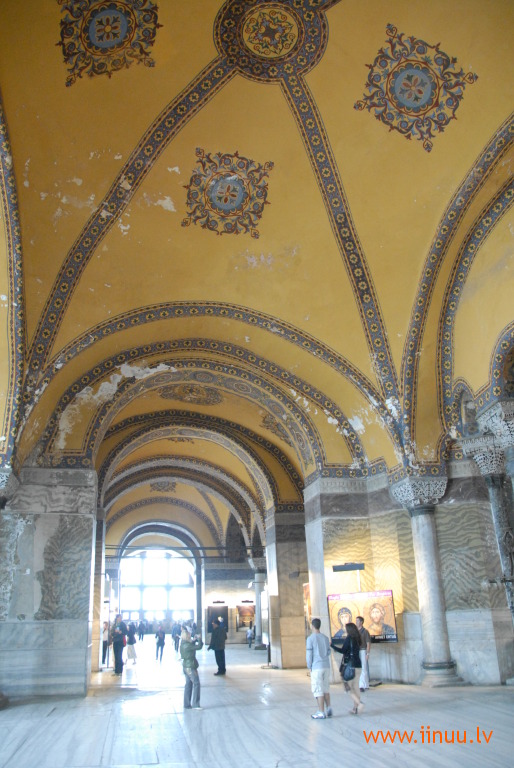
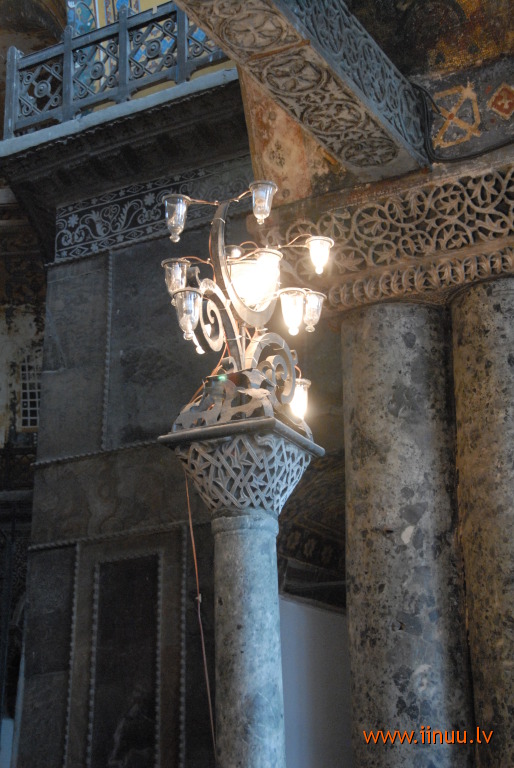
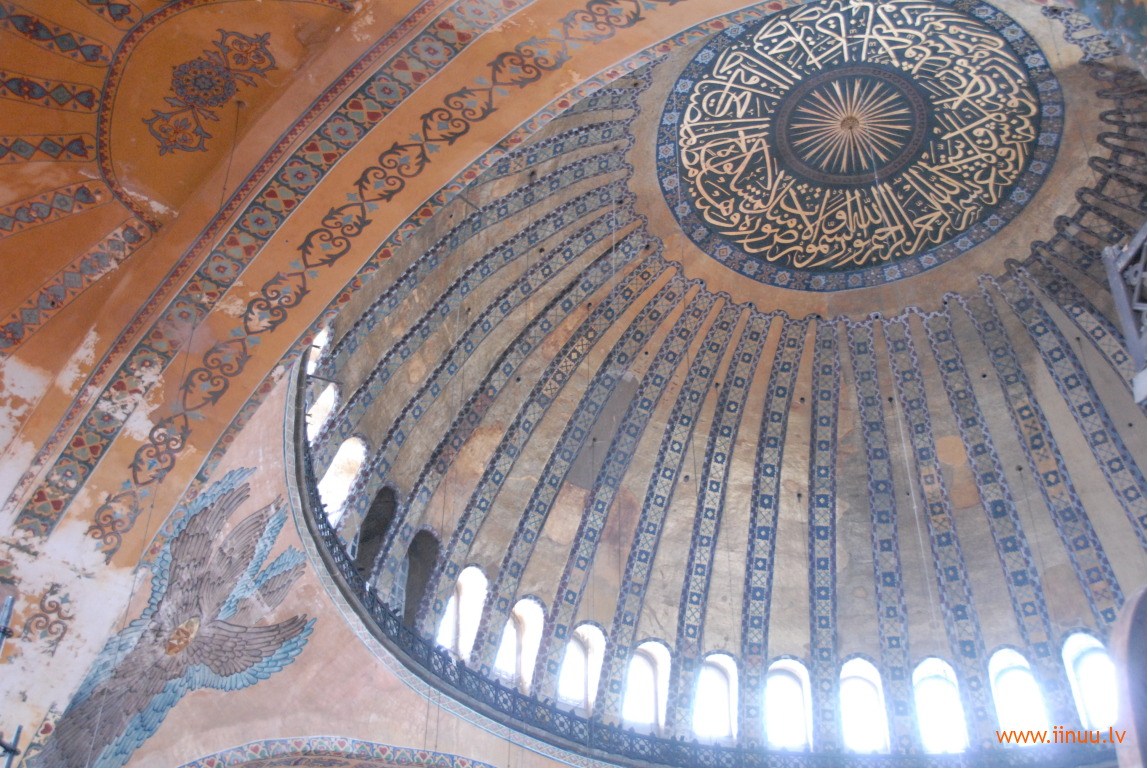
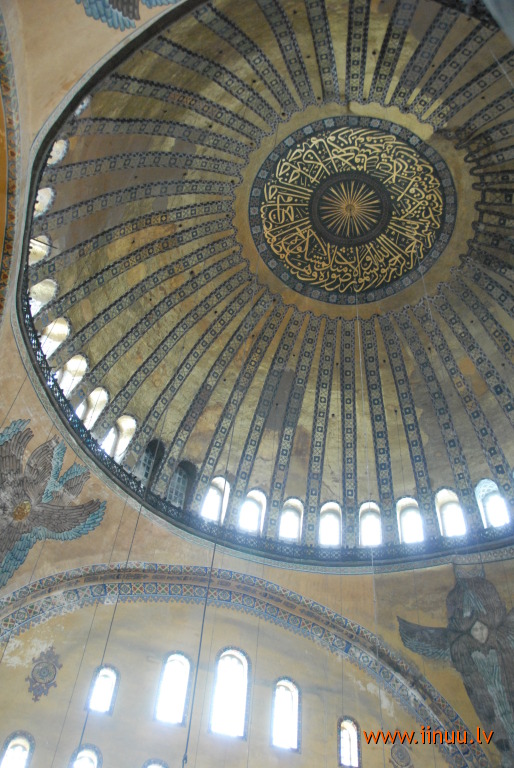
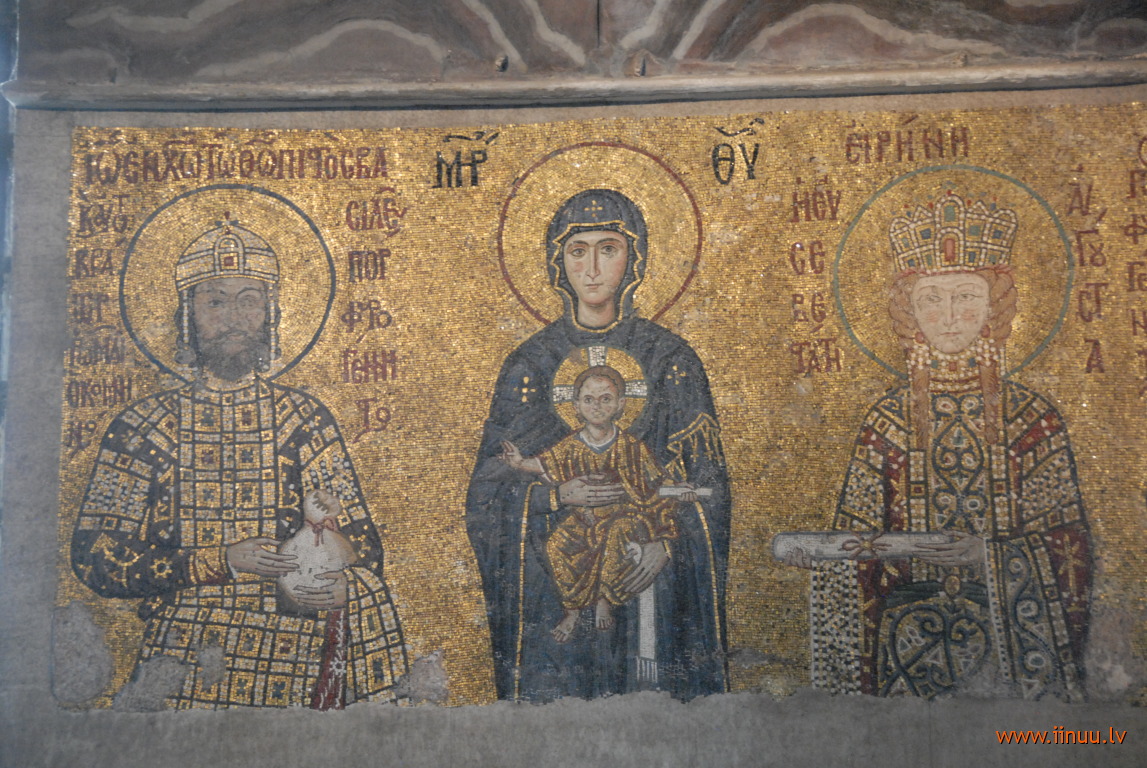
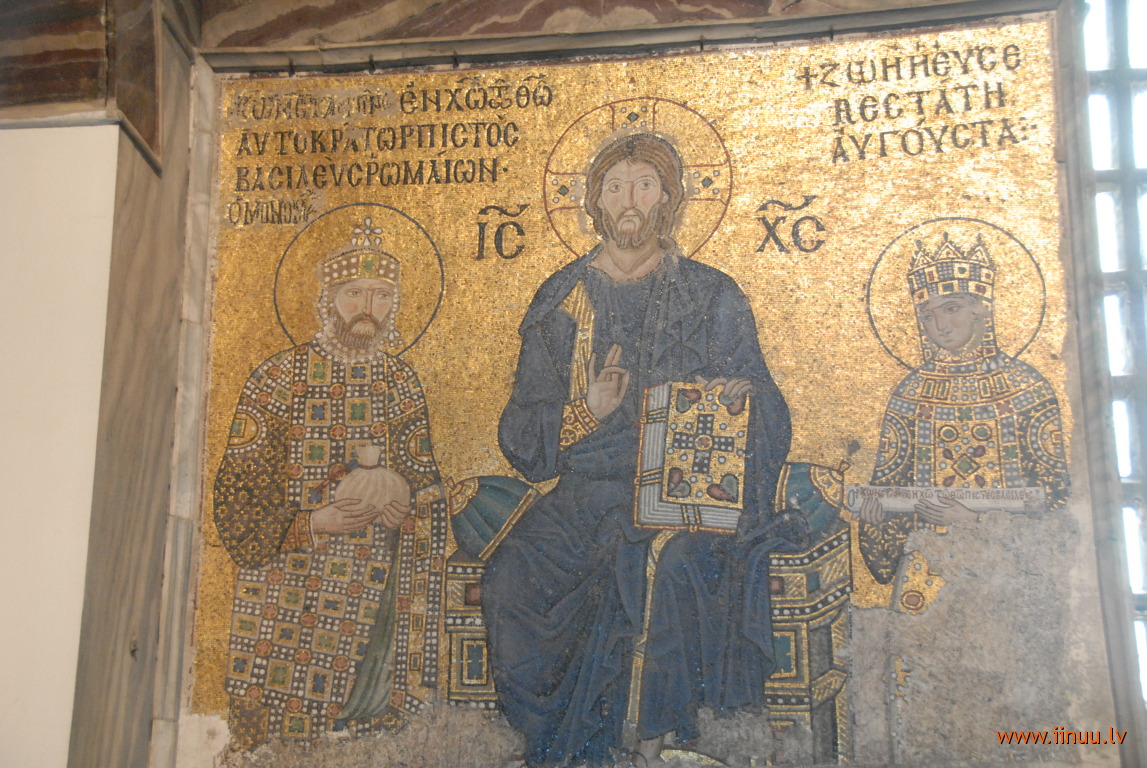
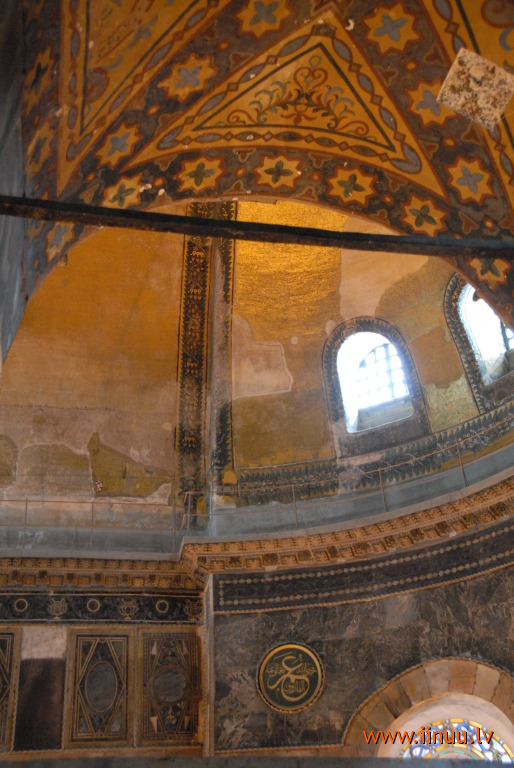
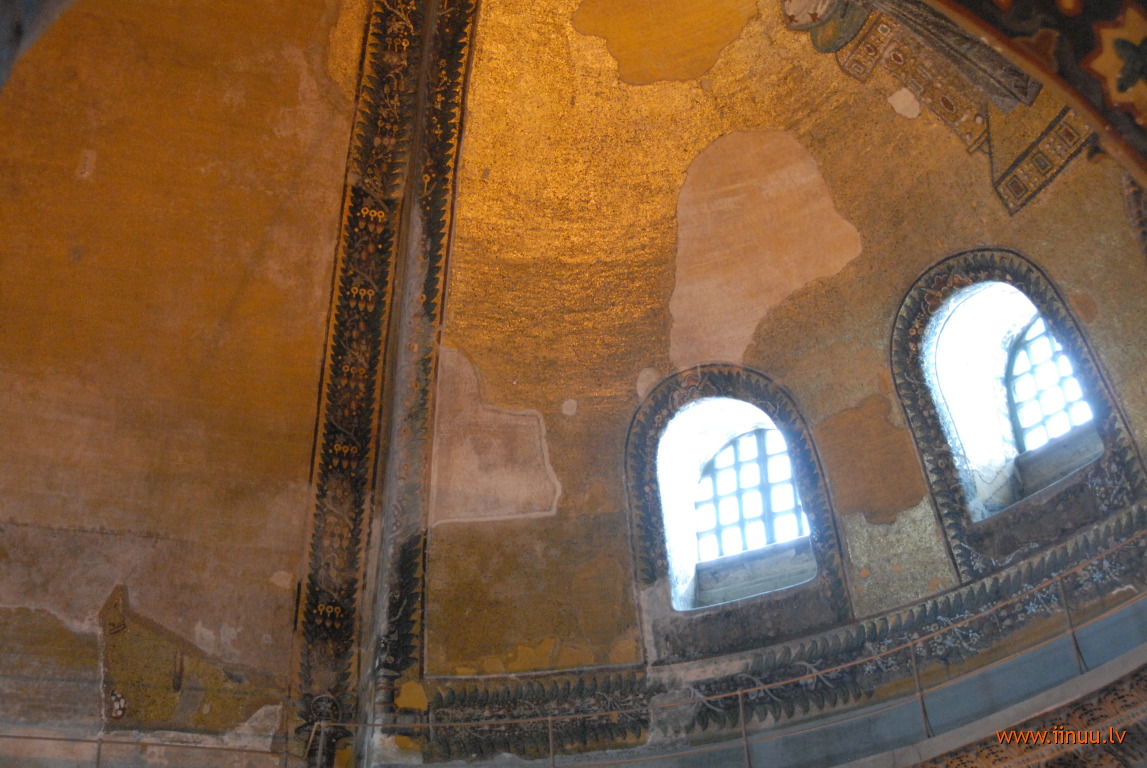
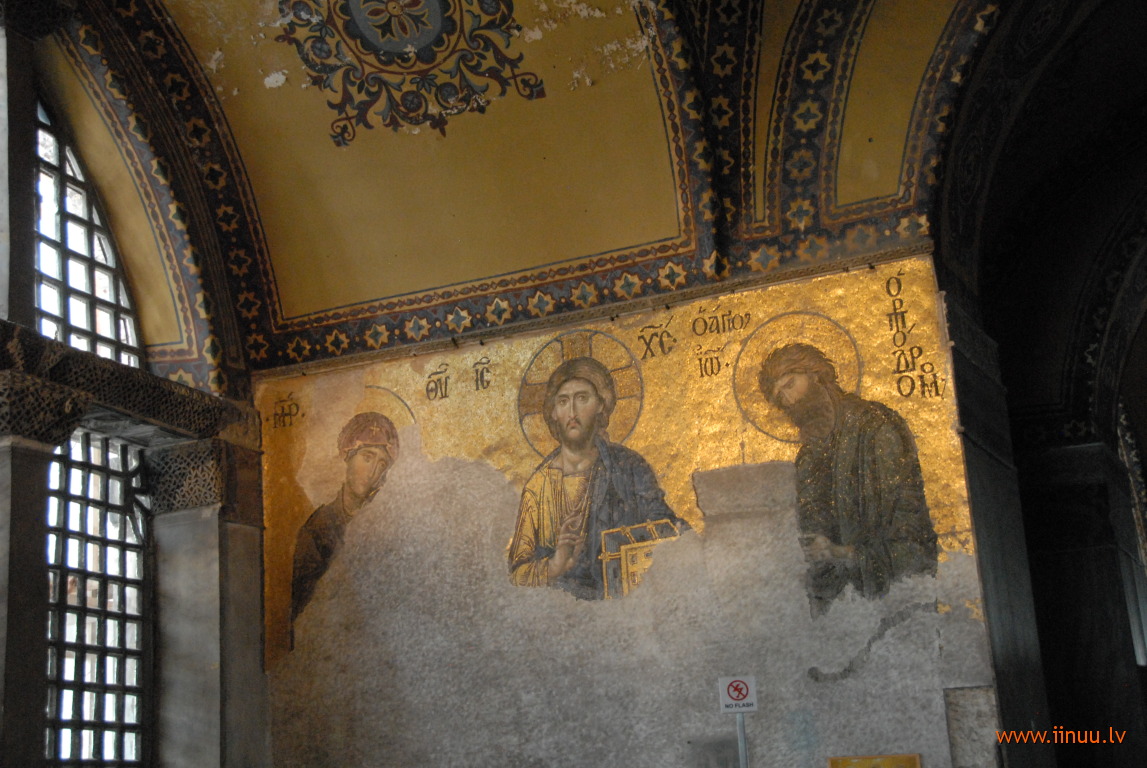
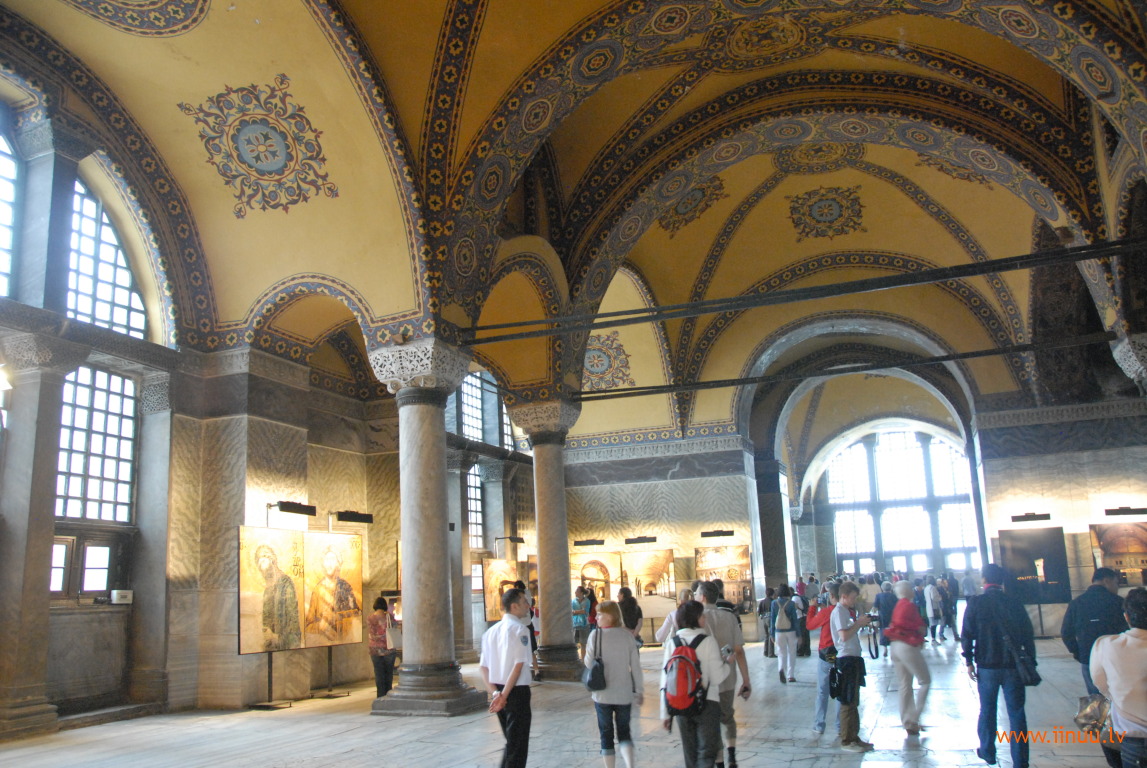
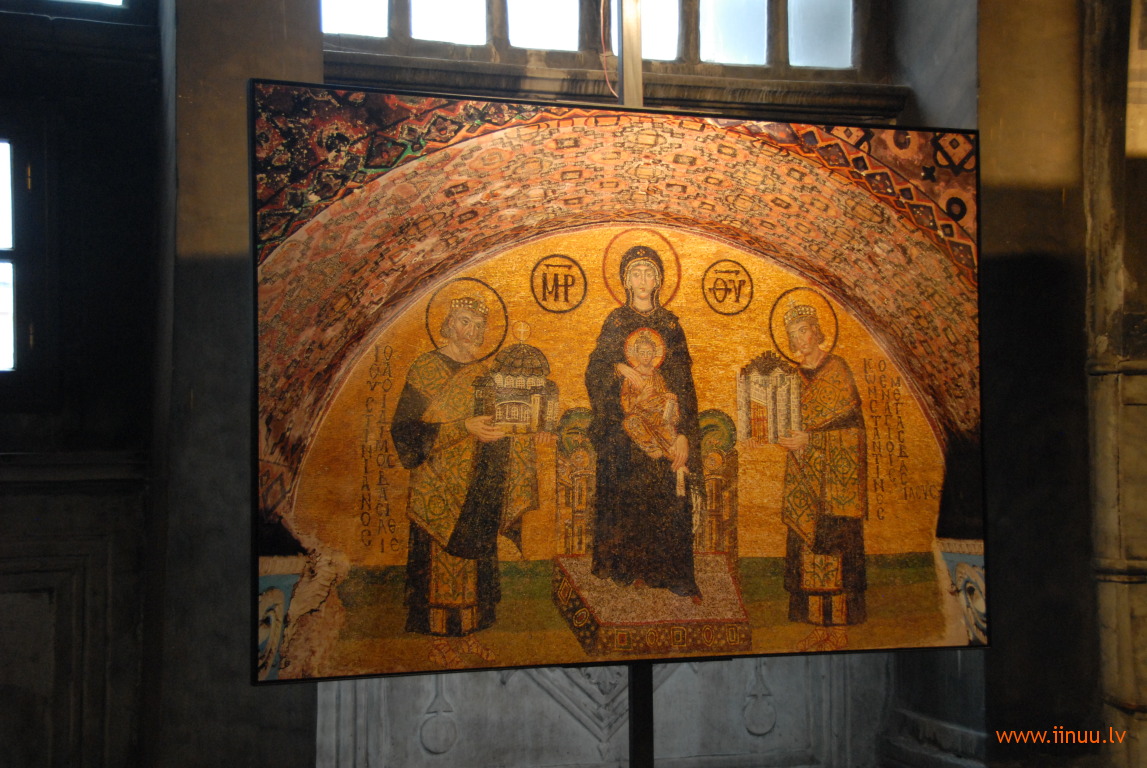
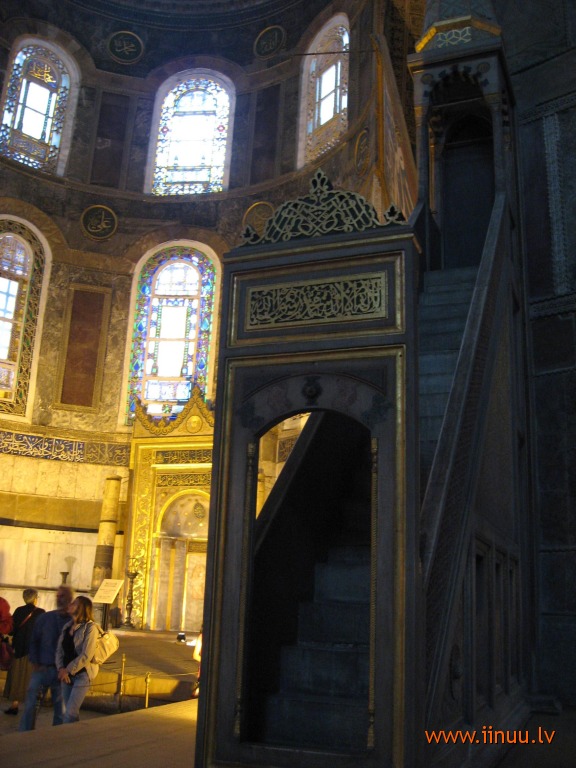
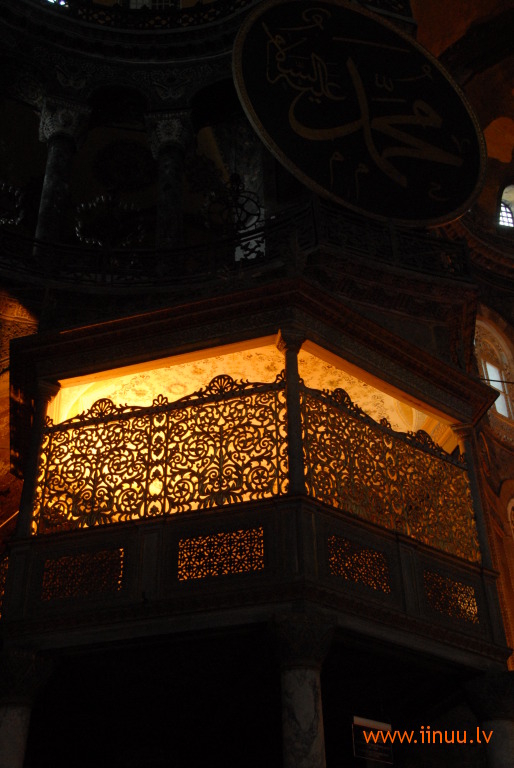
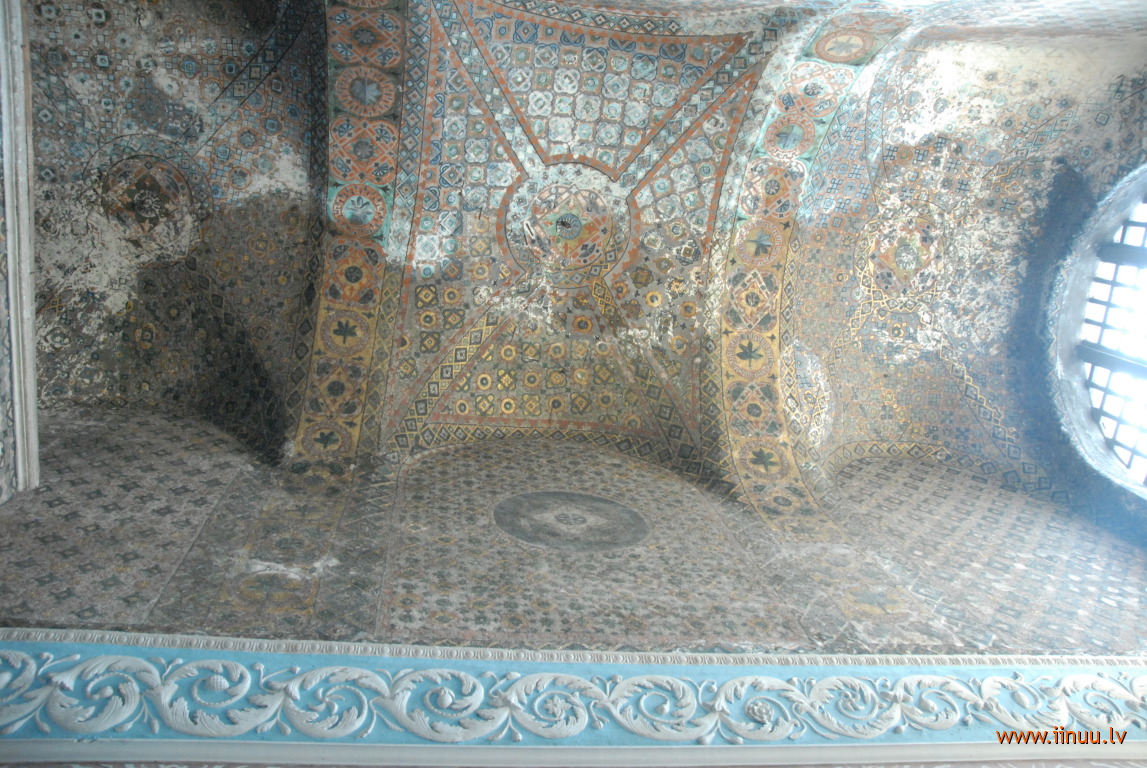
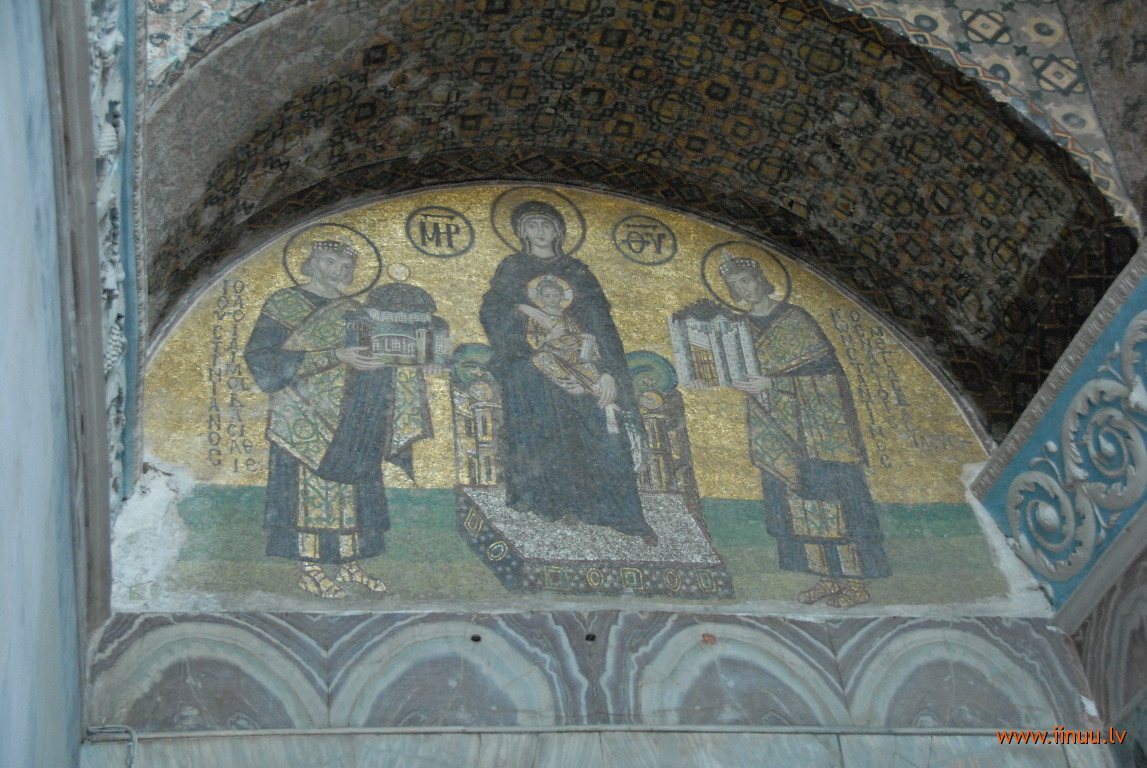
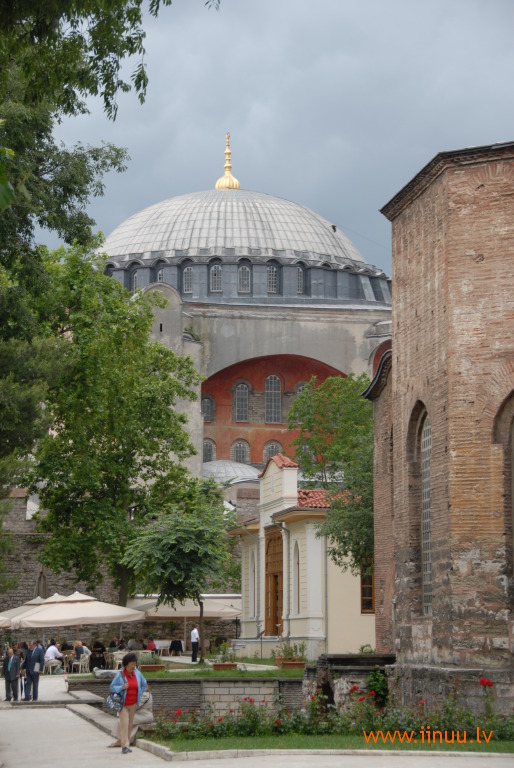
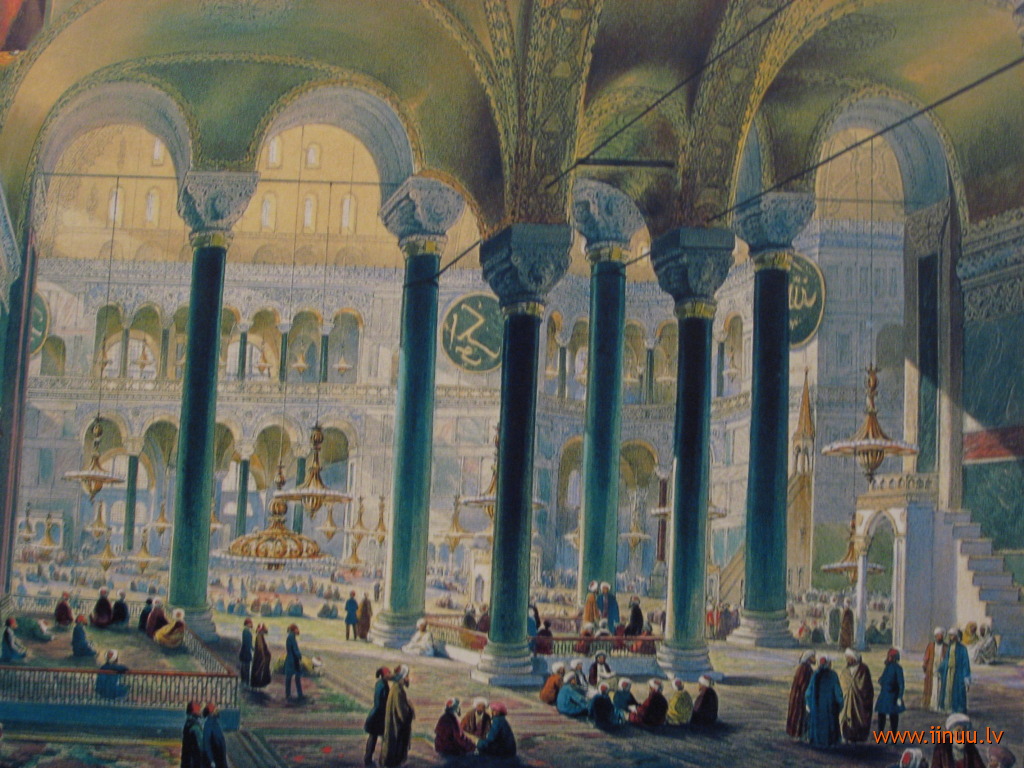
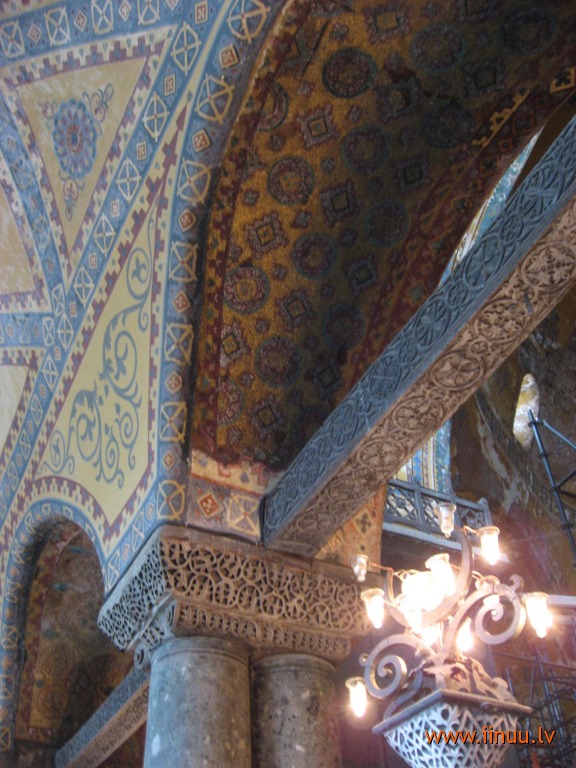
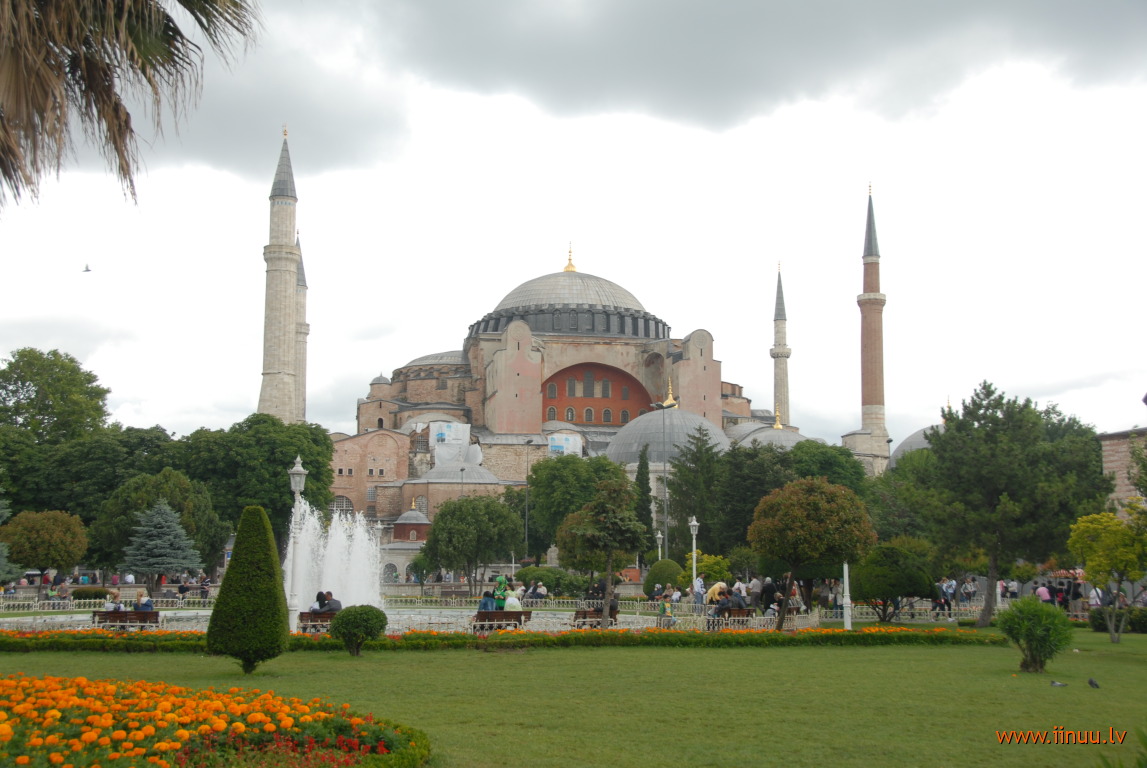
A remarkable structure is Hagia Sophia (photos 38–75), where Byzantine architecture (the church itself was built in 532 AD) and the Ottoman artistic style overlap, since in the 15th century this church was converted into a mosque, with the golden Byzantine mosaics plastered over with a thick layer of render. Nowadays it is a museum only; in many places the plaster has been removed to reveal the older layers for visitors to admire. Here on the exterior one can see a Byzantine frieze with images of sheep, and gold-covered mosaics depicting Christ and Emperor Constantine and his wife Zoë.
Interestingly, at the entrance to both Hagia Sophia and the Topkapi Palace complex there are metal detectors, with bags and visitors scanned separately. Museum entry tickets are beautifully produced with a colour photo, a holographic seal, and a barcode that is scanned at the admission point.
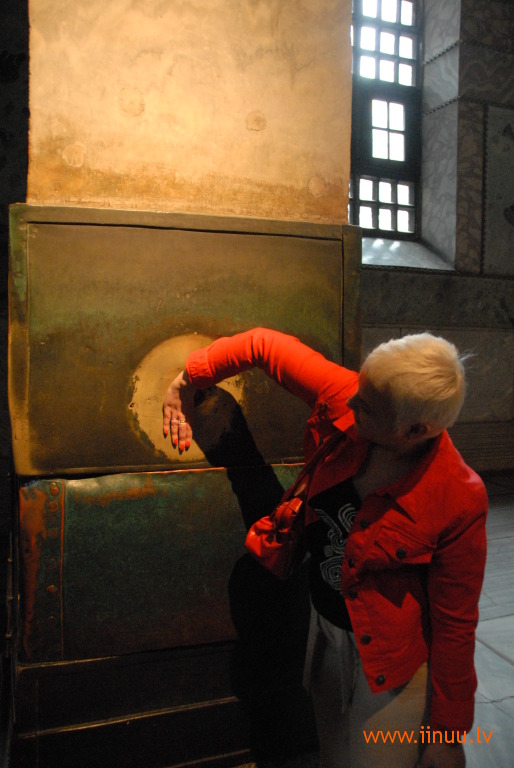
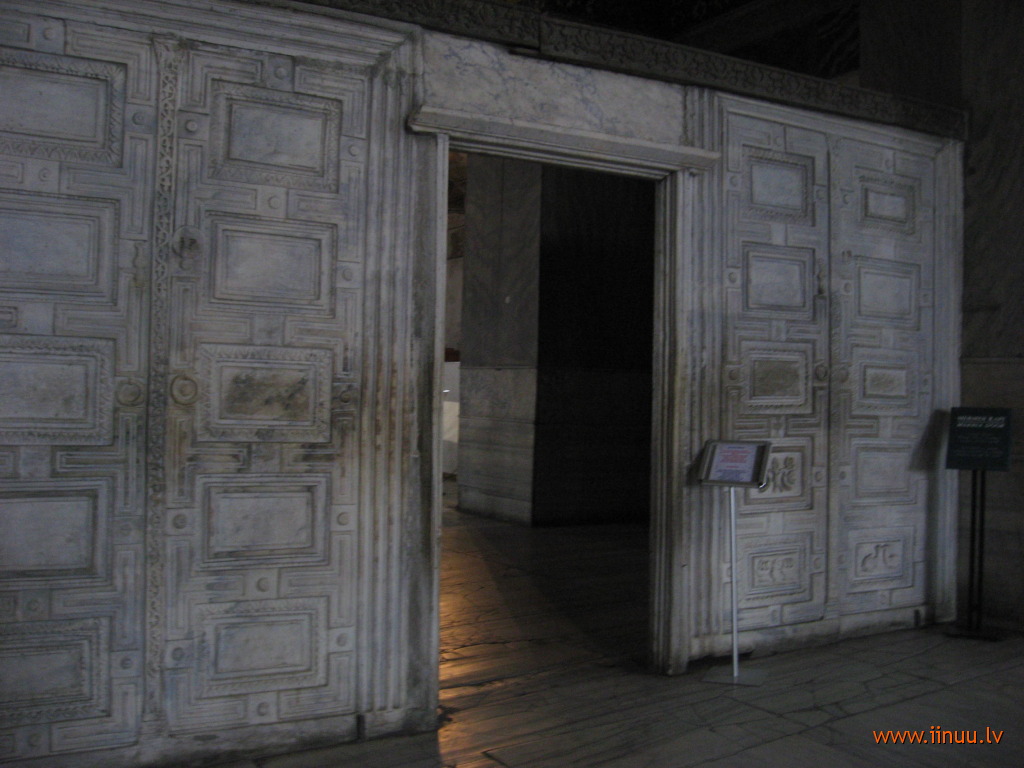
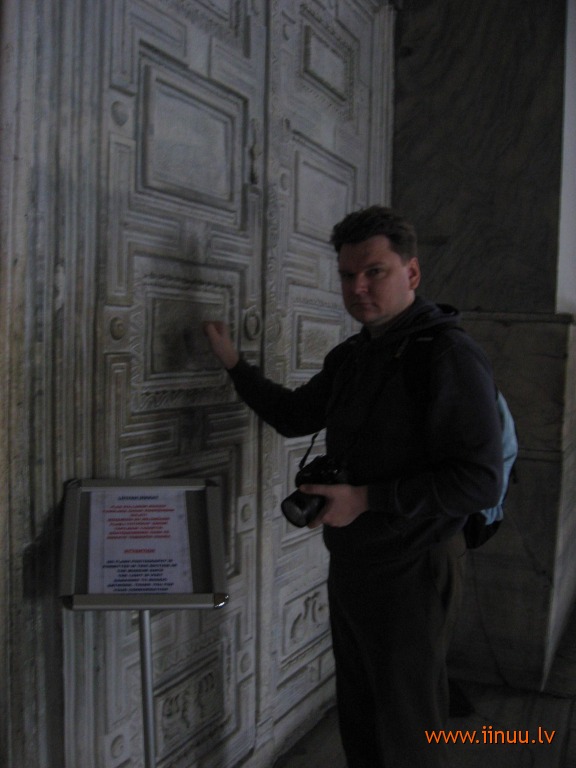
In the cathedral there is a column with a gold-polished hole into which one must insert one's thumb and rotate the palm a full 360 degrees without removing it - then a wished-for desire will be fulfilled. (photo 45) There are also doors here at which one can knock on either the gates of hell or the gates of paradise. (photos 73–74) Ēriks knocked on the right one! :)
comments