The Useful Cork
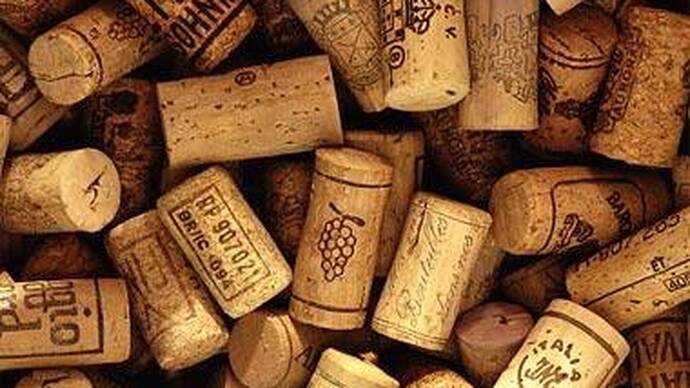
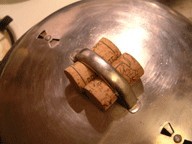
What do you usually do with a cork left over from enjoying wine or champagne? Throw it out immediately, toss it in a kitchen drawer thinking it might come in handy someday - only for it to stay there rolling around for an indefinite period, and so on. Not so long ago it was common to see wine corks stuffed under the handle of an aluminium pot lid, so the hot lid could be lifted from a boiling pot without a towel. Where else can cork be used so that it serves both practical and aesthetic functions in our homes?
 What do you usually do with a cork left over from enjoying wine or champagne? Throw it out immediately, toss it in a kitchen drawer thinking it might come in handy someday - only for it to stay there rolling around for an indefinite period, and so on. Not so long ago it was common to see wine corks stuffed under the handle of an aluminium pot lid, so the hot lid could be lifted from a boiling pot without a towel. Where else can cork be used so that it serves both practical and aesthetic functions in our homes?
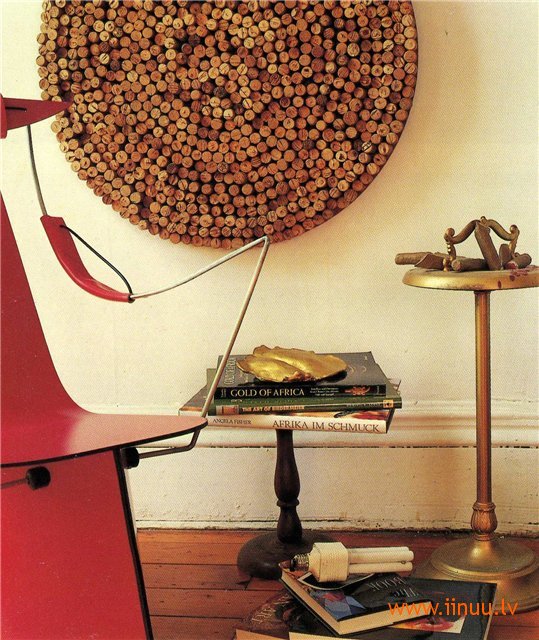
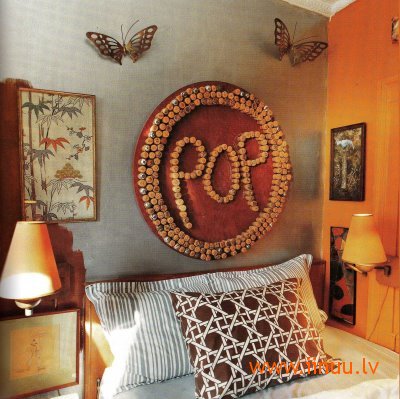
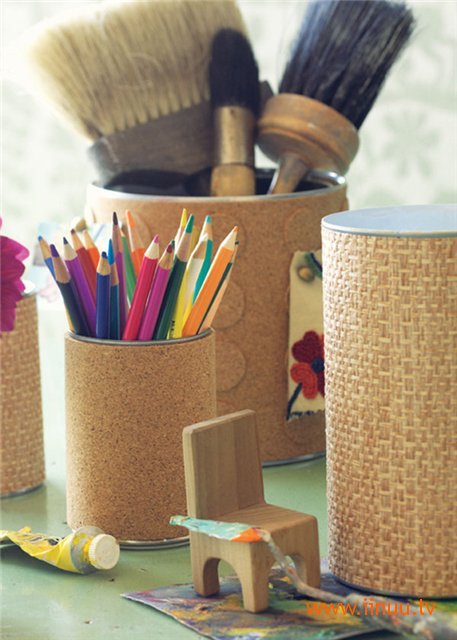
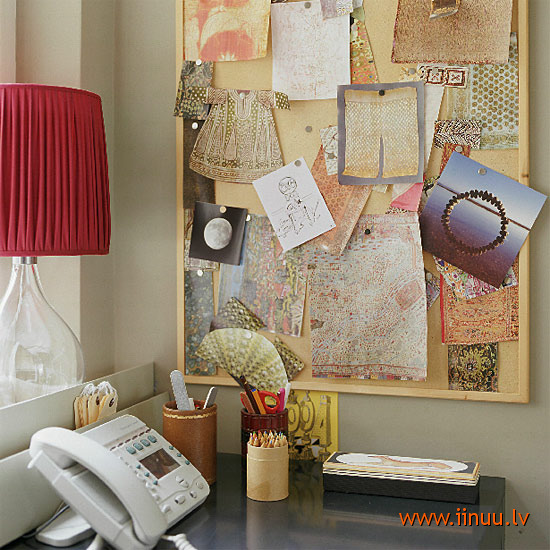
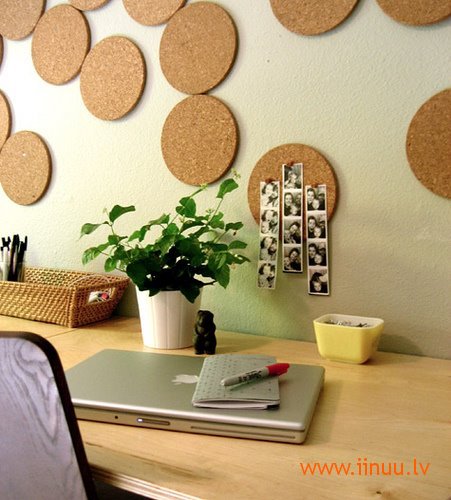
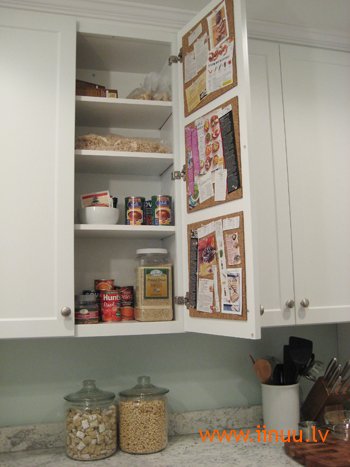
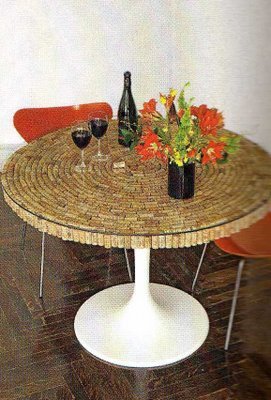
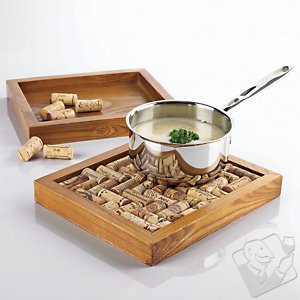
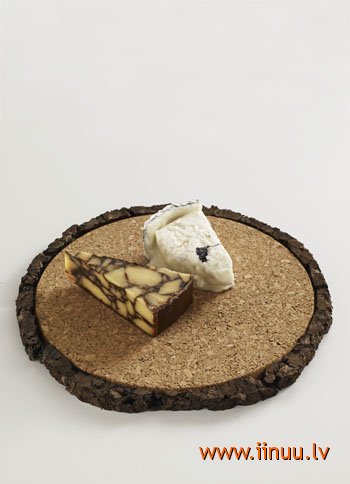
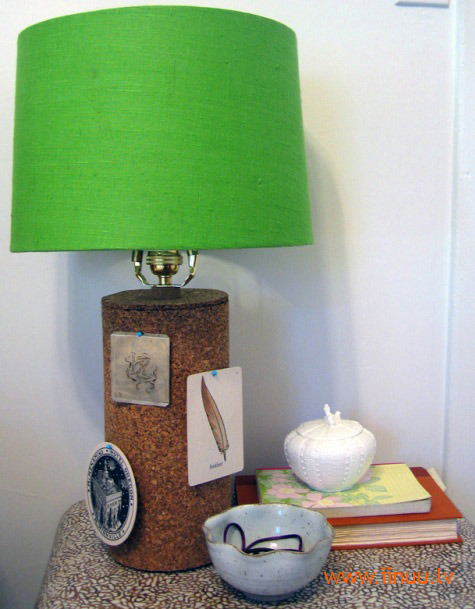
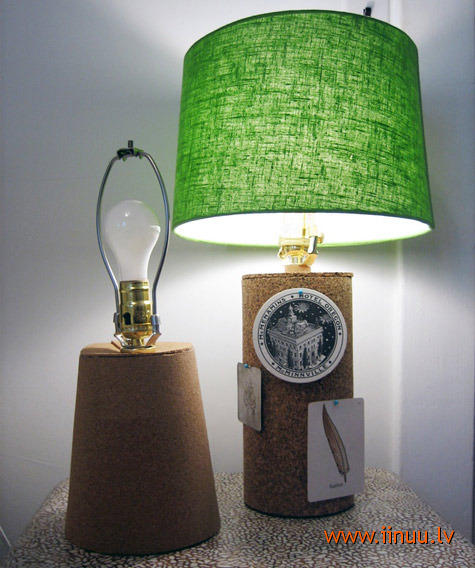
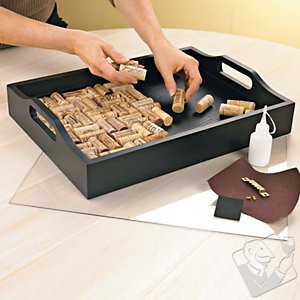
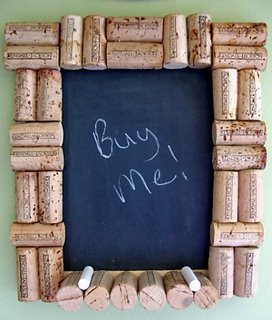
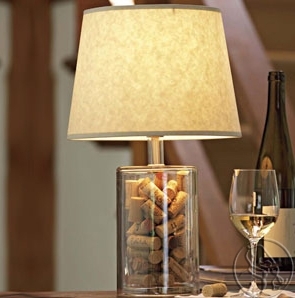
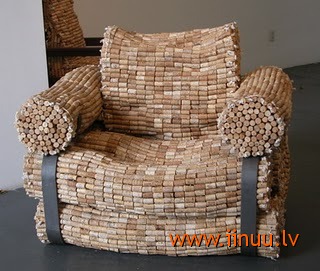
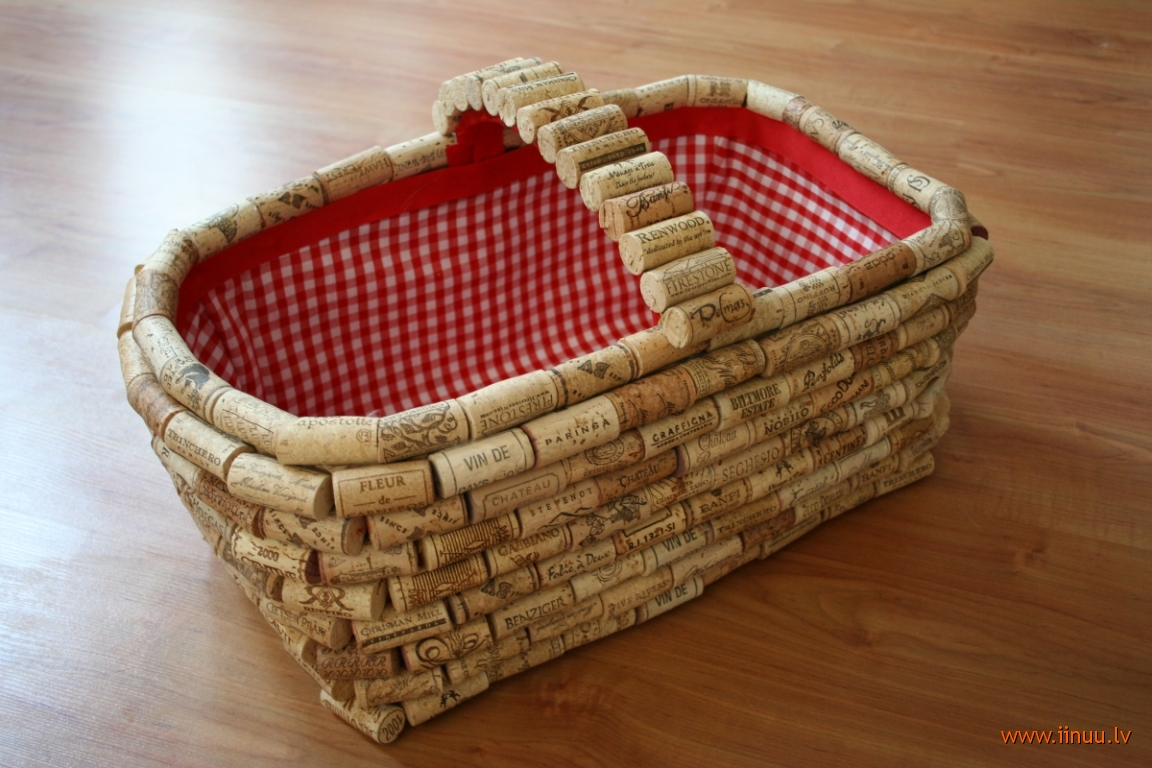
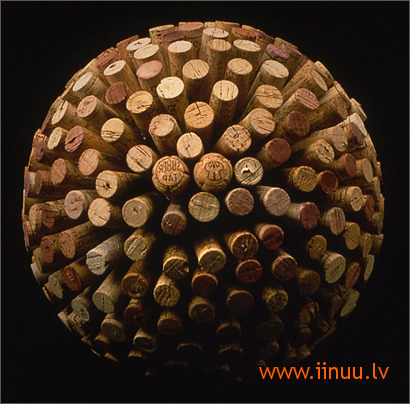
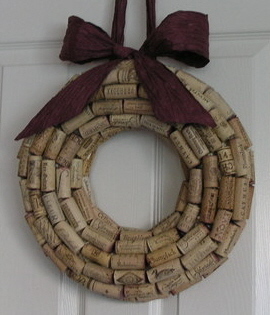
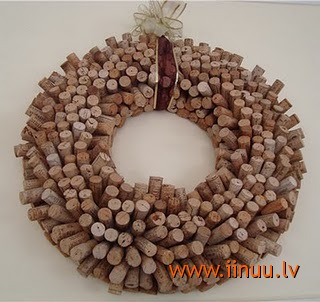
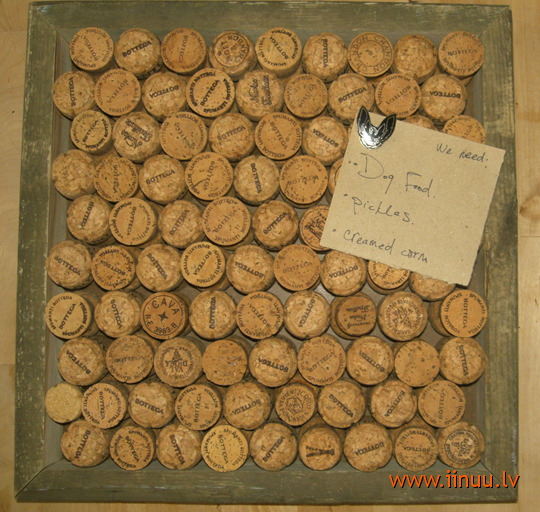
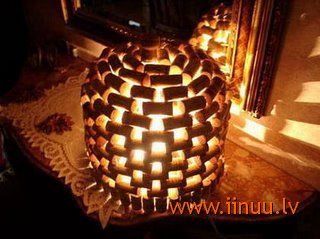
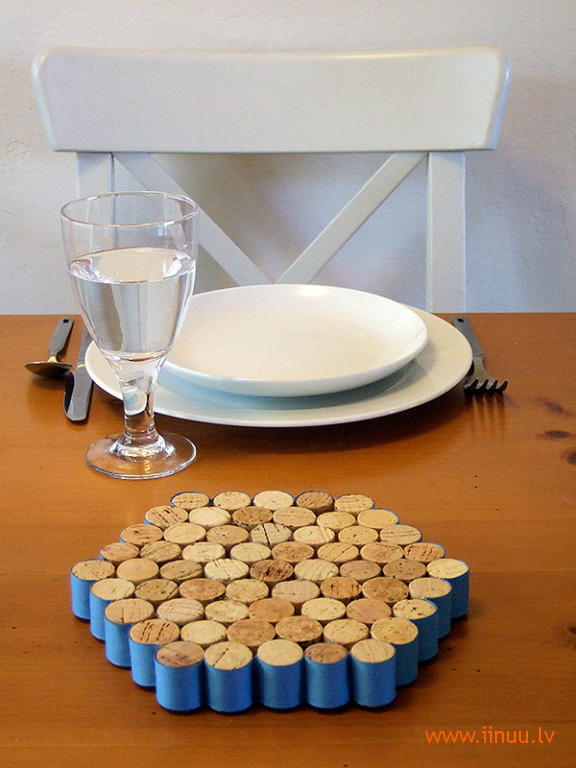
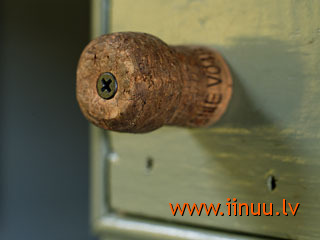
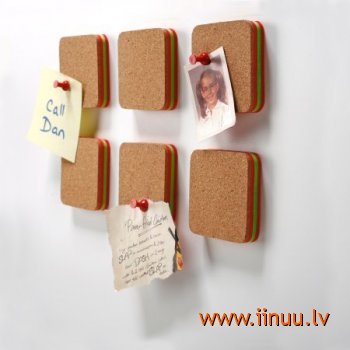
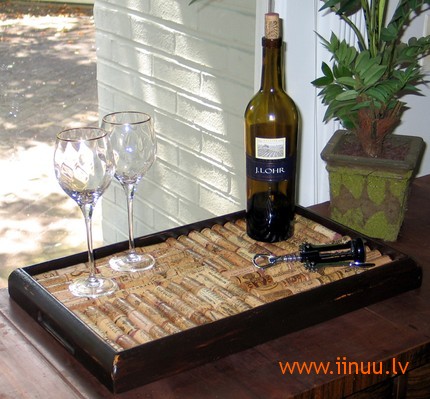
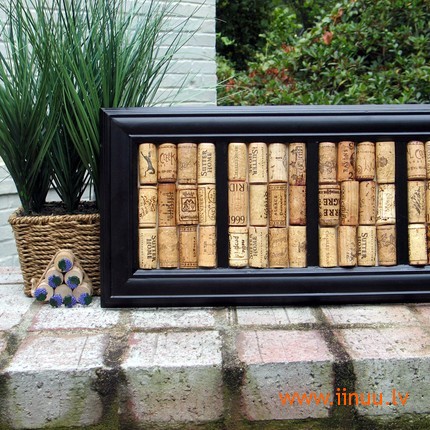
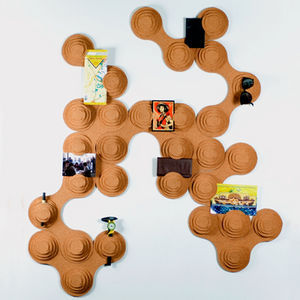
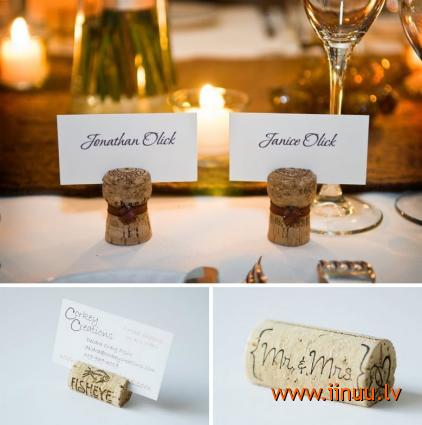
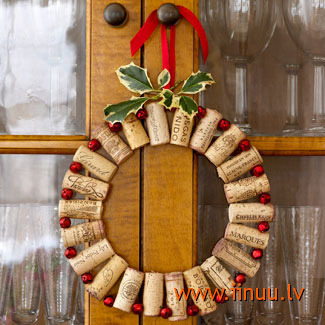
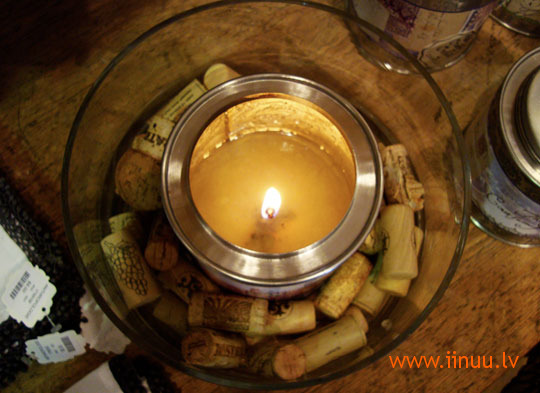
I decided to compile a few ideas for using corks (see the photo gallery below). Some of them are very easy to realise and require no great investment of time or materials. For example, a photo frame with a cork border, a table place card holder, or a coaster for dishes with hot food. But first, a little bit about cork itself.
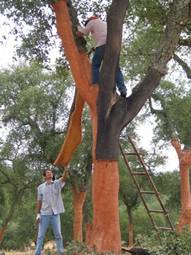
Cork is harvested from the cork oak, which grows mainly in the Mediterranean region - Spain, Portugal, Algeria, Morocco, France and elsewhere. The valuable material is the cork oak's bark, which is stripped from the trunk and larger branches once every 10–12 years. During this time the bark fully regenerates without harming the tree. Once the bark is harvested, it is dried, treated against mould and further matured.
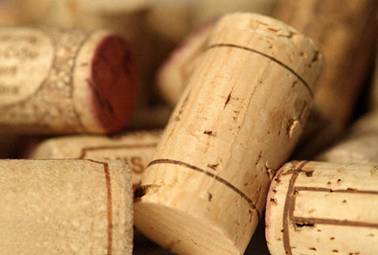
In one square centimetre of cork there are around 40 million tiny cells, whose structure gives cork its unique properties - softness, elasticity, and thermal and acoustic insulation. Cork contains wax and fatty acids, which provide resistance to moisture.
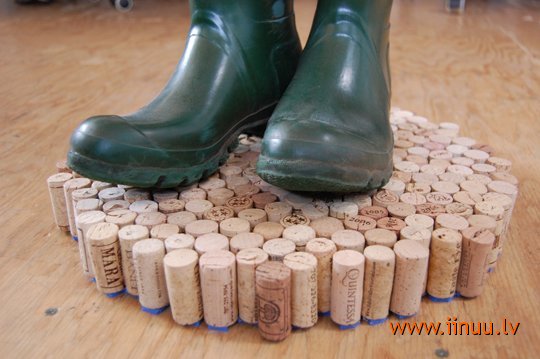
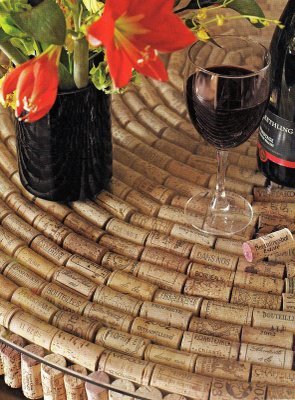
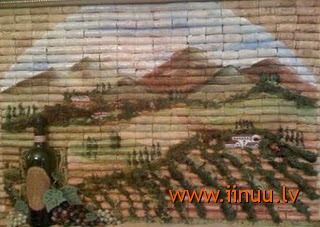
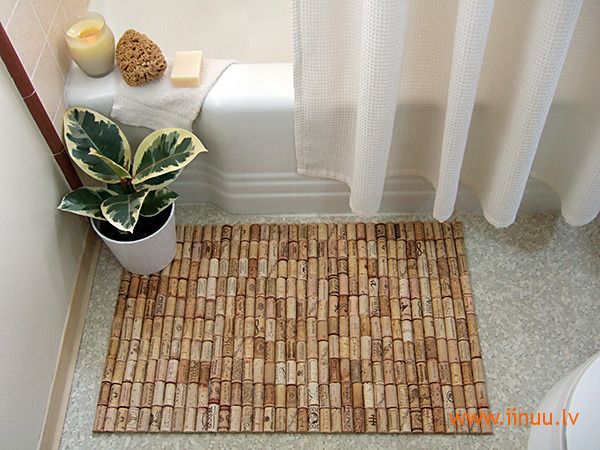
Cork's appearance and structure make it very amenable to easy cutting, gluing or combining with other materials. While gathering ideas for creations from ordinary wine corks, I discovered many surprising variations. Who would have thought that one diligent wine drinker, collecting a couple of dozen corks, could later make an original, waterproof and presumably foot-friendly bathroom rug. An even more diligent cork collector could make a coffee table or an impressive wall decoration. So consider - perhaps one of these ideas will speak to you too and make you treat wine corks more carefully in future! :)
Sources used:
http://www.parketasala.lv/catalogue/id-koris.html
http://en.wikipedia.org/wiki/Cork_material
http://www.liveinternet.ru/users/1280586/post109798881/
comments