The Love of Two Geniuses
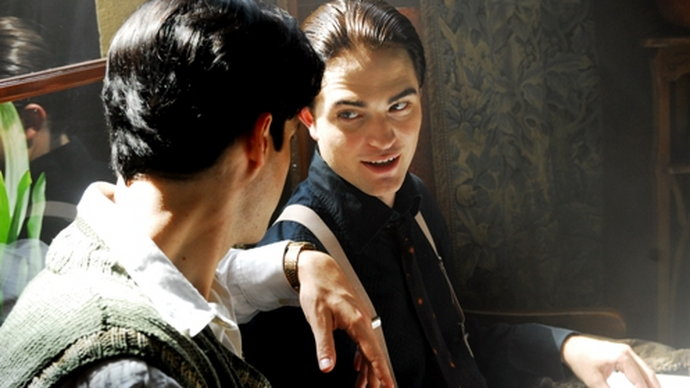
Continuing my interest in the oeuvre and personality of "the divine Dalí," I came across and watched the Spanish-British co-production art film "Little Ashes" (2008), which brilliantly reveals the dual nature of intimate relationships - spiritual closeness and sexuality. These two aspects are not always acceptable to both parties, and this can physically separate those who are close, but it certainly does not prevent mutual enrichment and the enjoyment of each other's presence.
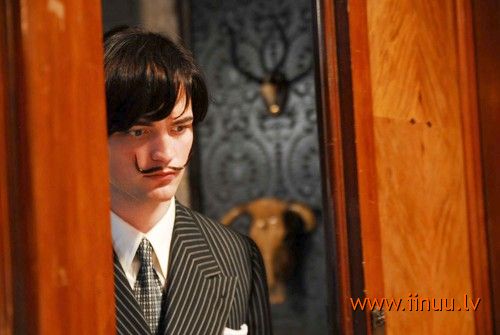
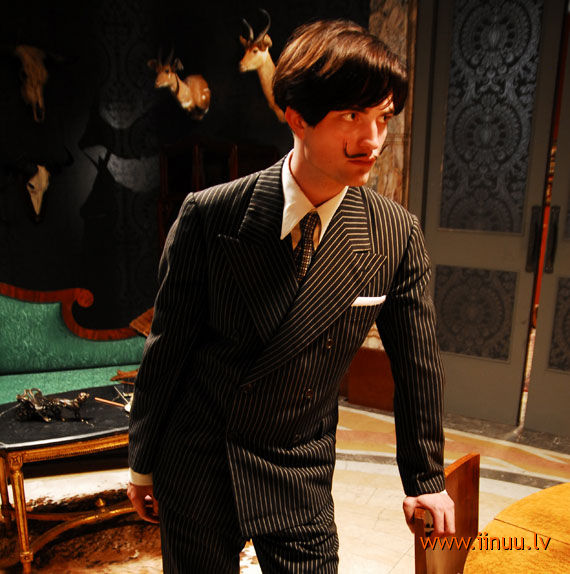
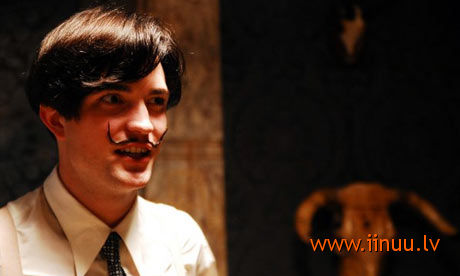
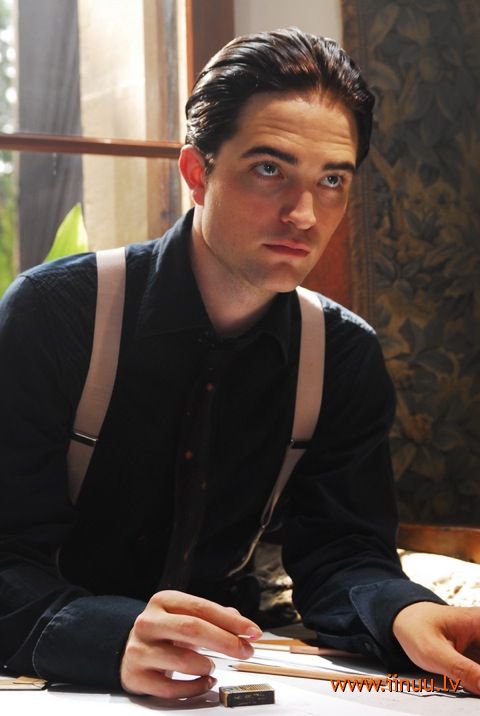
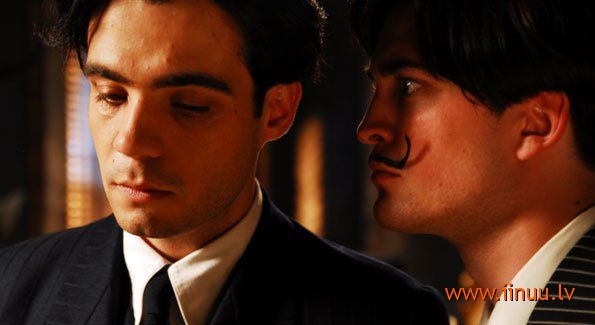
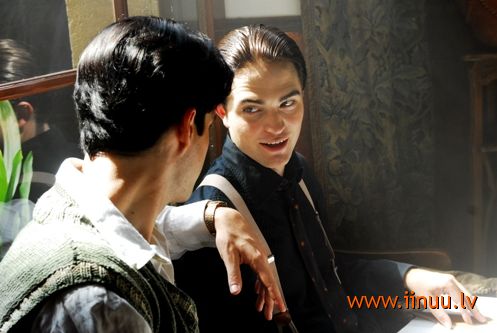
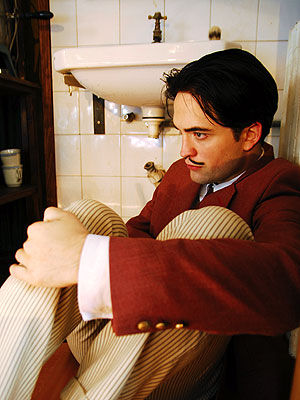
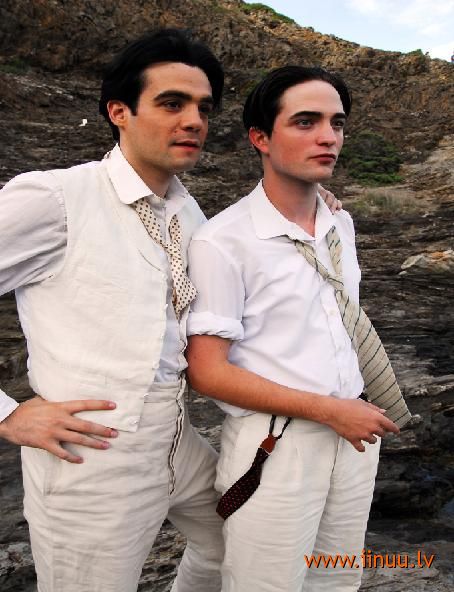
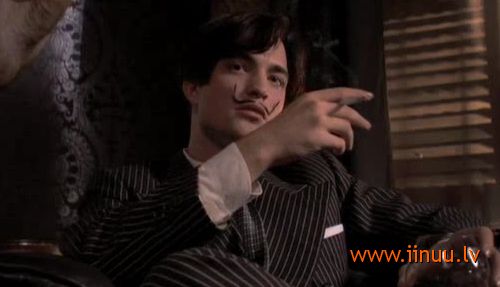
Continuing my interest in the oeuvre and personality of "the divine Dalí," I came across and watched the Spanish-British co-production art film "Little Ashes" (2008), which depicts the relationship between two geniuses - painter Salvador Dalí and poet Federico García Lorca - against the backdrop of Spain in the 1920s–30s. The performances of both actors, Robert Pattinson (Dalí) and Javier Beltrán (Lorca), could not leave one indifferent.
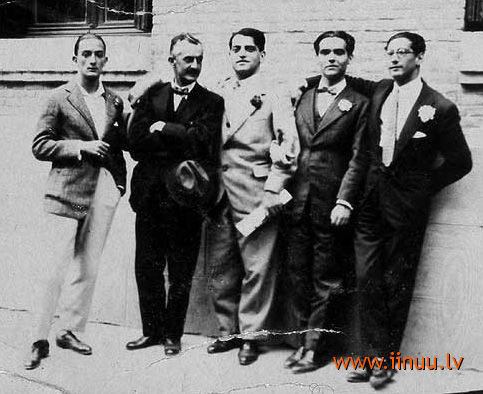
In September 1922, Salvador moved into a Madrid student residence known as the Residencia. In his first weeks of study he avoided the other residents due to his shyness, but gradually friends appeared. One of the closest people at the beginning of his student years was the later famous director Luis Buñuel (1900–1983) - a young man from Aragon who was simultaneously studying in several faculties, keenly engaged in sport, and constantly displaying his rebellious spirit. The two friends together discovered the taverns of Madrid and acquired ever new acquaintances.
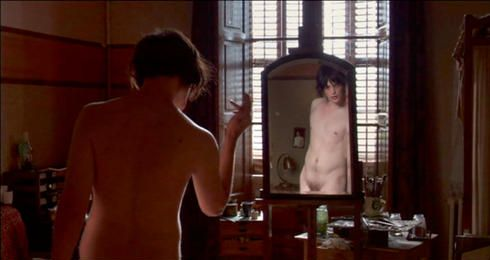
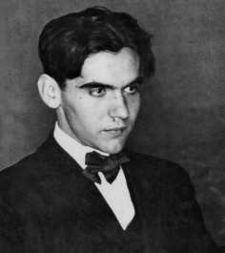
Just as the minds of the other students, Dalí was at the time preoccupied with a notable figure - the most famous resident of the Residencia - Federico García Lorca (1898–1936). He was six years older than Salvador and, by the time they met, had already published his first book of poems. Lorca played the piano well, sang, was an excellent storyteller and draughtsman. However, some fellow students avoided the poet because he was homosexual.

From the outset, F. G. Lorca was convinced that traditional culture must approach popular culture. The poet collected song lyrics - a great many flamenco and Romani songs in particular. Among these songs were found some tonadillas, bulerías, jaleos, seguidillas, which F. G. Lorca recorded in 1931, accompanying the singer La Argentina on piano. Many flamenco singers (Camarón, Enrique Montoya, Carmen Linares, Enrique Morente, Lola Flores, Pata Negra, Pepa Marchena and others) have chosen precisely F. G. Lorca's poetic texts for their songs.
Labyrinths formed by time
turn to dust.
Only the desert remains.
The heart, wellspring of longing,
turns to dust.
The illusions and kisses of dawn
turn to dust.
Only the desert remains.
A rippling desert.
(A fragment of F. G. Lorca's poetry, translated from Spanish into Latvian by K. Skujenieks)
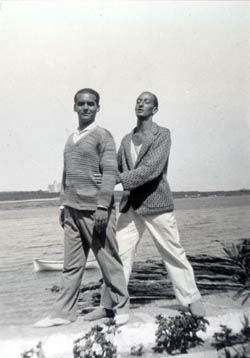
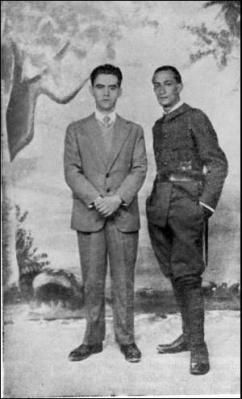
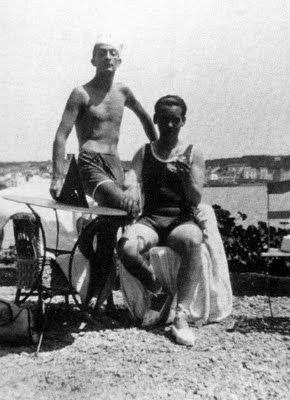
Lorca arrived at the Residencia in early 1923. He and Dalí had much in common - a love of poetry, of all things French, of Spanish folk songs, reflections on the injustice of the world, and difficulties with sexuality. It was a "great friendship," as Dalí himself termed their relationship. With time, this friendship began to show a tendency to become something more.
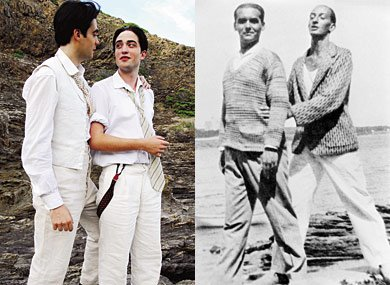
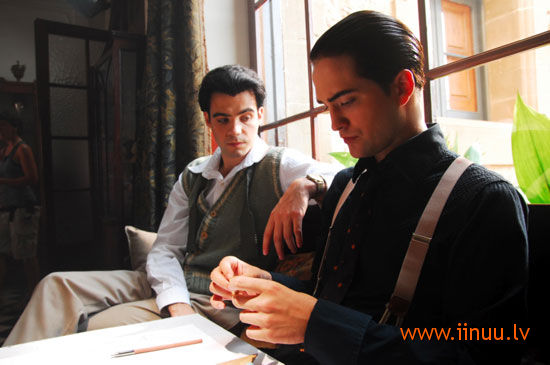
Actors Robert Pattinson and Javier Beltrán, beside a photo of Federico and Salvador
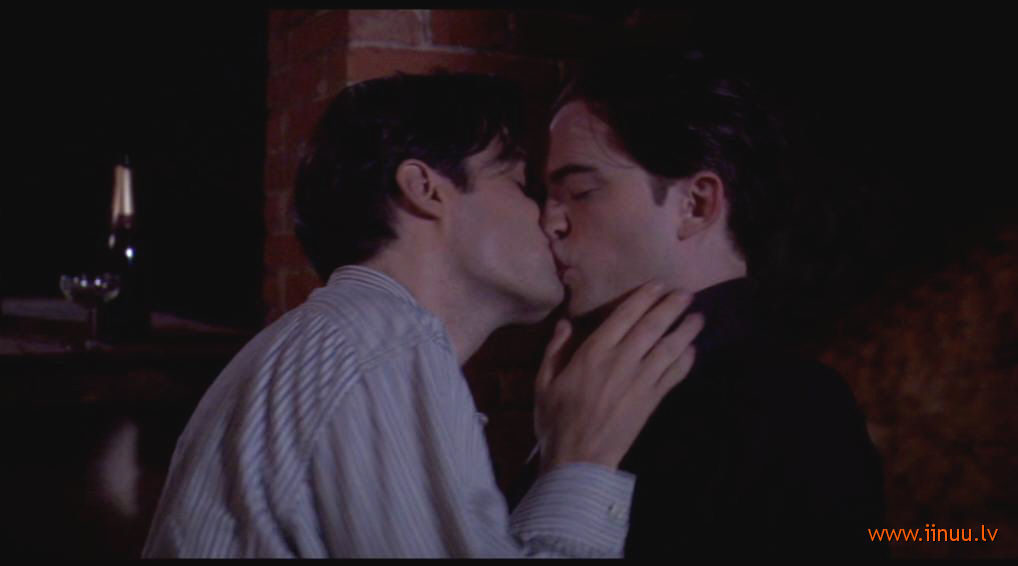
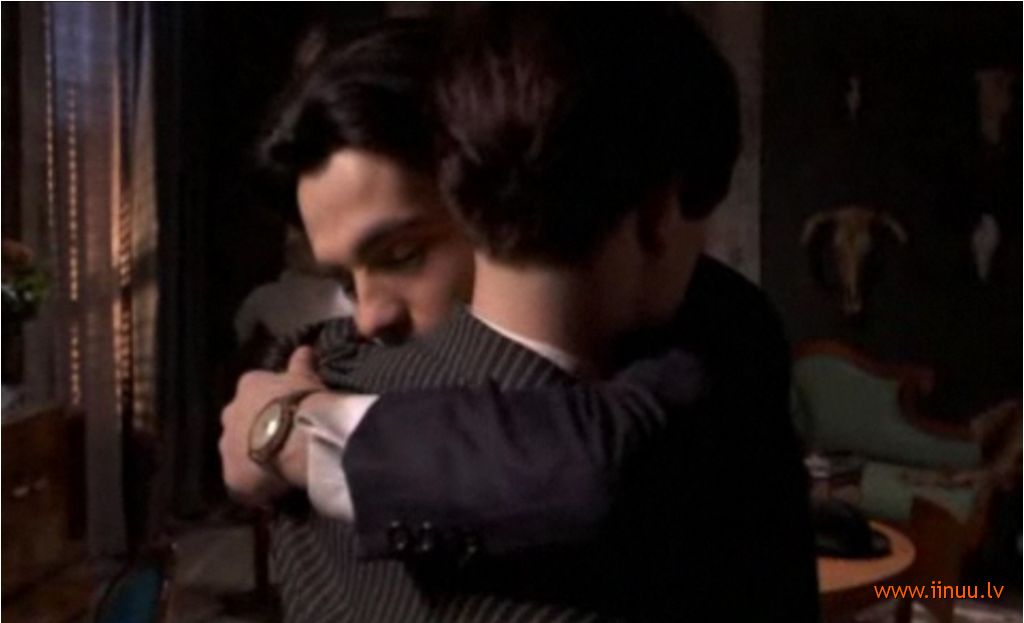
In the film "Little Ashes," scenes are depicted in which Federico confesses his love to Salvador, but an attempt to achieve sexual intimacy between the two proves unsuccessful. Soon afterwards Dalí leaves for Paris. When he returns to Spain, a firm consciousness of his own genius has taken root in him. In the relationship between the friends, a new obstacle arises - Gala and the young poetess Magdalena, who provokes the poet into engaging in sex in Salvador's presence. This scene, in my view, reveals both their differing sexualities and the only mutually acceptable way in which both can simultaneously experience physical pleasure.
In 1926 Lorca published a poem "Ode to Salvador Dalí," which profoundly moved the artist. Not long afterwards, the friend attempted to seduce him, but Dalí was implacable. "I was very moved. Somewhere deep in my soul I felt that he was a great poet and that I owed him a small part of the divine Dalí," the artist wrote later in his memoirs. But nothing happened.
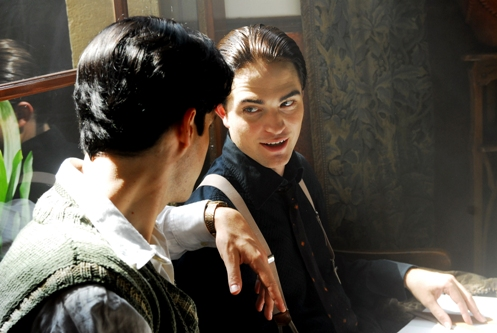
The relationship between Dalí and Lorca troubled Salvador's friend Luis Buñuel. But the friend did not need to intervene - fate separated the poet and the artist, each drawn to his own path. Both continued to correspond and tried to meet whenever possible.
In autumn 1935 Dalí and Lorca met in Barcelona. The poet, upon meeting his friend, was so happy that he behaved completely out of character - he accompanied Dalí to Tarragona, a city on the Mediterranean coast, without warning the people who had gathered for a concert arranged in Lorca's honour. Later in an interview, the poet recounted: "We are kindred spirits. Here is the proof - we had not met for seven years, yet our views still coincide as if we had never broken off the conversation. Dalí is a genius!"
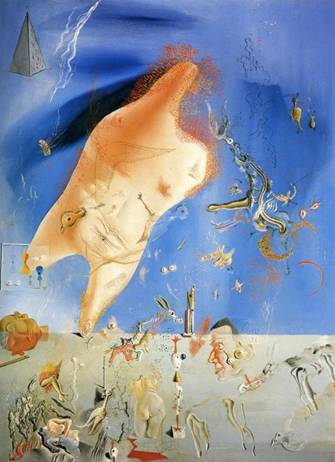
(Salvador Dalí's painting "Little Ashes," 1927)
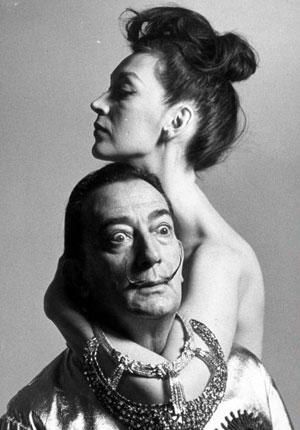
That proved to be Lorca and Dalí's last meeting. Lorca perished during the Spanish Civil War, most likely murdered by a Nationalist militia unit. The poet's grave has never been found. Salvador Dalí, upon learning the news, long could not believe the sad tidings. Federico had been the most important person in Salvador's life - of course, until the moment She appeared: the woman named Gala.
From the cry remains in the wind the shadow of a cypress.
Leave me weeping in this field.
The world has fallen apart.
There is nothing left but silence.
Decomposed bonfires darken the horizon.
I said it: leave me weeping in this field.
(A fragment of F. G. Lorca's poetry, translated from Spanish into Latvian by K. Skujenieks)
I recommend watching the above-mentioned art film, which brilliantly reveals the dual nature of intimate relationships - spiritual closeness and sexuality. These two aspects are not always acceptable to both parties, and this can physically separate those who are close, but it certainly does not prevent mutual enrichment and the enjoyment of each other's presence.
Sources:
http://www.flamencoriga.lv/?p=288
http://www.tvnet.lv/women/parmums/vini/article.php?id=5163914
http://www.littleashes-themovie.com
http://en.wikipedia.org/wiki/Little_Ashes
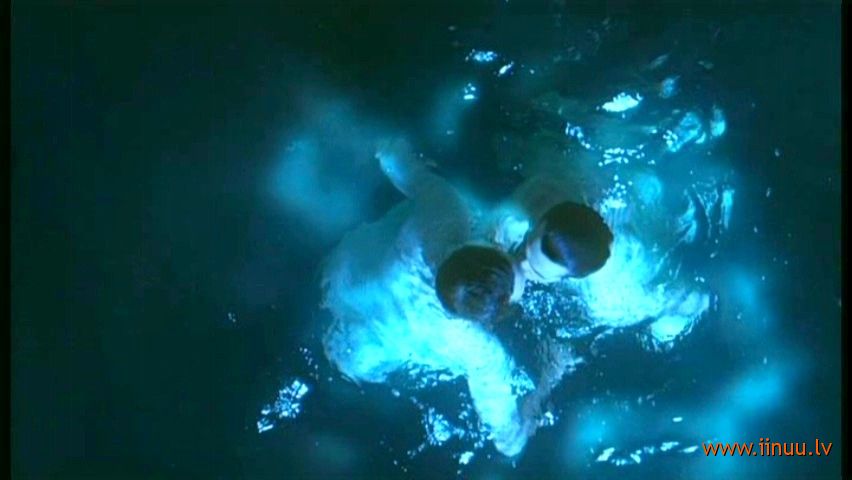
Stills from the film "Little Ashes" and photographs:






comments