November 10th - Mārtiņi (Martinmas)
Mārtiņi in Latvian annual folk customs marks the end of autumn and the beginning of winter. It is also a joyful celebration, as this is when the quiet time of the dead ends and the mummering season begins. In modern urban life we are unlikely to slaughter a cockerel, but we can certainly prepare a roast chicken or goose.
Mārtiņi in Latvian annual folk customs marks the end of autumn and the beginning of winter. Undeniably, the festive days have always been closely linked to the farmers' work cycle, which was governed by the respective season and changes in nature. Mārtiņi essentially concluded a long and arduous period of work that began around Jēkabi with the rye harvest and then continued after Miķeļi, completing the remaining autumn tasks before the ground froze and living creatures went into winter sleep.
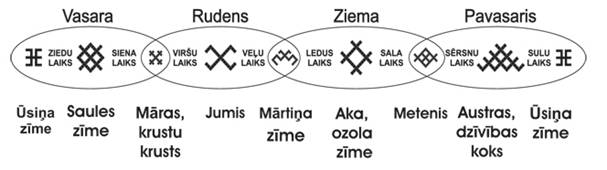
Image from amulets.lv
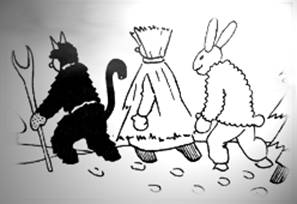
Mārtiņi is also a joyful celebration, as this is when the quiet time of the dead (veļu laiks) ends and the mummering season begins. The most popular costumes are a bear, crane, goat, death, the tall woman, the short man and the gypsy, whose arrival at a farmstead brings fertility and blessing. In earlier times the mummers went singing and dancing from farm to farm and were warmly welcomed at every home. If there was vigorous dancing, singing and joining in games, then Mārtiņš was pleased, and in the coming year the work would go well and the barn would always be full with a plentiful harvest.
The Christian church associates St. Martin's Day with the name of Martin, Bishop of Tours (336–401), who is considered the founder of the oldest monastery in Gaul and was canonised after his death.
Mārtiņi Folk Beliefs
Many folk beliefs also speak of weather observations at Mārtiņi.
• If there is already snow on the rooftops at Mārtiņi, the winter will be long.
• If St. Martin's Day is foggy, the winter will be mild.
• If it freezes on St. Martin's Day, the weather will be warm around Christmas.
• If St. Martin's Day is pleasant and clear, there will be heavy frost in winter.
• If there is hoarfrost on the branches of trees at Mārtiņi, there will be much fruit the following year.
The Mārtiņi Symbol
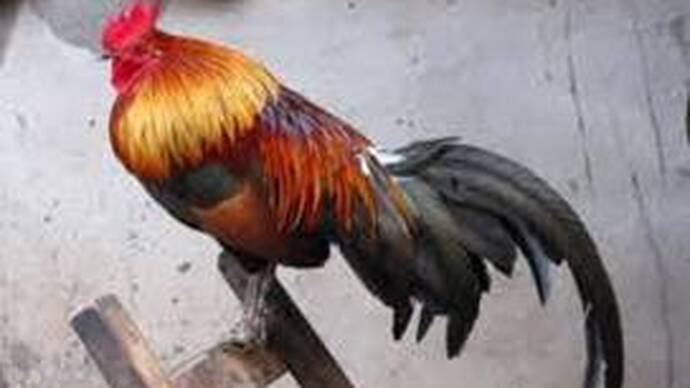
 The Mārtiņi symbol stylistically depicts two cockerels - heralds of light - and is derived from a further-transformed version of the Jumis sign. By curling the ends of the Jumis sign, we obtain the Mārtiņi symbol. In winter the force of life is stored in the roots. This symbol speaks of the power of the earth, which will awaken with spring and bestow wellbeing upon people.
The Mārtiņi Feast
The main dish of Mārtiņi is a roast cockerel or chicken. From the 18th century onward, it was superseded by a stuffed roast goose, which we have borrowed from German cuisine, much like the Easter bunny. In connection with the movement of the Sun, round shapes are preferred - for example, pea pies. White bread, pīrāgi (stuffed pastries) and beer are also obligatory at the table.

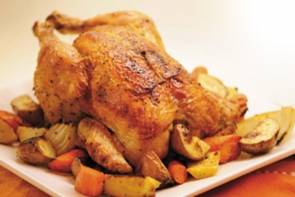
In modern urban life we are unlikely to slaughter a cockerel, but we can certainly prepare a roast chicken or goose.
Roast Goose Recipe
You will need:
1 goose; 1 kg sauerkraut; 2 onions; 8 apples; 6 carrots; 8 potatoes; seasonings - salt, sugar, ground black pepper.
Preparation:
Rub the goose carcass on both sides with salt and black pepper. For the stuffing, chop the onion and sauté together with the sauerkraut. Add sugar, salt and apples cut into 3 pieces. Sauté everything a little longer. Take a greased baking tray and place the goose on it. Fill the goose's belly with the sauerkraut and apple stuffing. Once done, sew the goose shut with thread or tie with kitchen twine. Turn the goose breast-side down, add a little water and place in the oven. Start by roasting at 200 degrees for approximately 2 hours. Shortly before the end of roasting, arrange the remaining chopped apples around the goose. Serve with roast potatoes and carrots.
Mārtiņš Rītiņš prepares Martinmas goose
comments