.jpg?w=690&mode=16x9|crop)
Nutrition in the Ayurvedic Tradition
Prompted by an advertisement, I attended one of the Ayurvedic sessions, which promised to cover meditation and small tips on nutrition in the Ayurvedic tradition. Unfortunately I realised that this is not a lifestyle I would wish to adopt, as I noticed several contradictions and oddities in what was said. However, I noted down a few insights for reflection. Below is a brief summary of the session.
Prompted by an advertisement (see image below), I attended one of the Ayurvedic sessions, which promised to cover meditation and small tips on nutrition in the Ayurvedic tradition. Unfortunately I realised that this is not a lifestyle I would wish to adopt, as I noticed several contradictions and oddities in what was said. However, I noted down a few insights for reflection. Below is a brief summary of the session.
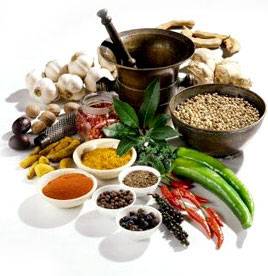 • We receive energy through food, water and correct breathing. It is therefore best to consume plant and dairy products in one's diet, rather than meat. Slaughtered animals contain negative energy - all the pain, hatred and aggression they experienced at the time of killing. By eating meat (including fish and seafood), we consume this negative energy.
• One must not rush when eating. If there is no time to eat in peace, it is better to skip the meal altogether.
• While eating, it is best to be facing the south-east or south.
• One should consider who one eats together with. Avoid unpleasant, energetically negatively charged people at the dining table. Moreover, one should eat in silence - conversation hinders the absorption of energy along with food.
• Food retains its energy only for three hours after preparation. Reheated food is not good.
• There is a belief that each person is allotted a portion of food to be consumed in their lifetime. Therefore one should not rush when eating and should also reduce the amount consumed. For a meal, a person needs only as much as fits in two cupped palms.
• Each mouthful should be chewed 27 times.
• The body needs 6 tastes: salty, spicy, sour, bitter, sweet and astringent. Moreover, each meal should begin with the sweet taste, not - as is customary - dessert after the main course.
• The sweet taste signifies love. If one craves something sweet, it means positive emotions are needed in life. If we do not eat sweet things, we will receive more positivity and love from those around us. This echoes the insight that an obsession with sweets compensates for a lack of love.
• The sour taste signifies envy. To reduce these negative feelings, sour foods should be increased in the diet.
• The salty taste signifies miserliness.
• The spicy taste signifies impatience. Eating spicy foods can reduce impatience.
• The bitter taste signifies loss and sorrow.
• The astringent taste signifies fear. The astringent taste can be experienced when eating greens and plants, with the exception of kiwi and grapes.
• Each dish should consist of 5 tastes, excluding sweet as much as possible.
• Fruit are not a side dish to some other food, but a separate dish. For women, red grapes, avocado, almonds and mango are especially recommended.
• Grain products, peas, beans and various porridges are very good. Ayurveda especially recommends basmati rice, which can be eaten without particular restrictions as it will not contribute to weight gain. In India no meal is complete without rice.
• If you want to lose weight, eat 1 banana before a meal. If you eat the banana after the meal, weight will increase instead.
• Leavened bread and soya beans are not used in the Ayurvedic diet.
• It is advisable not to eat breakfast, but to eat once between 11:00 and 15:00, and twice between 17:00 and 19:00. In the morning one can drink a glass of warm milk with turmeric added.
• Cold food can be eaten only in the summer season; in the other seasons - warm food.
• One should rise before 7:00, as rising later means going against one's own illnesses. Moreover, one should go to bed at 22:00, at the latest 22:30. In other words, rise with the sun and rest when the sun sets. There is even a special ritual - a greeting to the sun.
• In addition to correct diet according to Ayurvedic tradition, yoga with proper breathing exercises should be practised.
• Cleansing courses should be undertaken three times a year, especially after the age of 30. Courses, as well as all beauty treatments, are best begun on the day of the full moon. Recommended months for such cleansing courses are February, June and October.
• One of the cleansing courses is "Purva Karma", lasting 9 days, during which the main food is kitchari (a rice dish with spices). On the evening of day 1 one drinks milk with ghee (clarified butter). Before bedtime, 1 teaspoon of Triphala powder. Throughout the process, drink plenty of tea, especially ginger tea. Day 2: eat kitchari twice daily. In the evening again milk with 3 spoonfuls of ghee and 1 spoonful of Triphala powder. Day 3: the same, but milk with 4 spoonfuls of ghee. Days 4, 5, 6: no milk, only the powder in the evening. Kitchari during the day. In the evenings it is advisable to take a bath and perform self-massage with oils. Day 7 begins with warm tea, then 2 tablespoons of castor oil. Every half hour this is repeated until a natural bowel movement begins. In the evening, eat kitchari. Days 8 and 9: only kitchari and Triphala powder in the evenings.
• Kitchari preparation: melt ghee in a saucepan and fry the spices in it - cumin and mustard seeds. Add cardamom powder and turmeric, a very small amount of ginger. Add equal parts of uncooked basmati rice and lentils. Add water, approximately twice the volume of the dry ingredients. If strongly desired, a little salt may be added.
• Still more draconian cleansing courses, in my view, last 40 days, during which one may eat only grapes or drink only warm milk with turmeric. Of course, tea is never forbidden.

comments