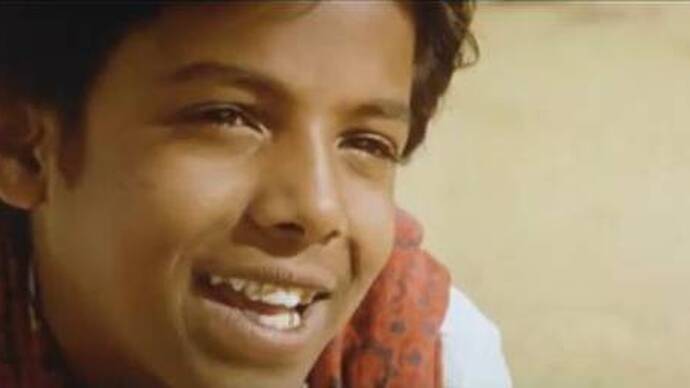
The Romani Road
For those tired of Hollywood glamour and the occasional shallowness of feeling, I recommend watching something from the old pieces. The musical documentary "Latcho Drom" (1993) by French director of Romani origin Tony Gatlif ("Safe Journey" in Romani). It shows the Romani road through different times and seasons, through several countries and cultures, from India to Spain, passing through Egypt, Turkey, Romania, Slovakia, Hungary and France. Each stretch of the road is played out and sung, reflecting the distinctive Romani way of life, traditions, the rhythm of existence, crafts and worldview.
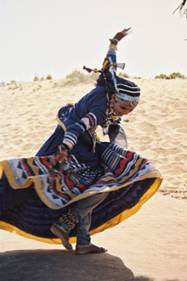
For those tired of Hollywood glamour and the occasional shallowness of feeling, I recommend watching something from the old pieces. The musical documentary "Latcho Drom" (1993) by French director of Romani origin Tony Gatlif ("Safe Journey" in Romani). It shows the Romani road through different times and seasons, through several countries and cultures, from India to Spain, passing through Egypt, Turkey, Romania, Slovakia, Hungary and France. Each stretch of the road is played out and sung, reflecting the distinctive Romani way of life, traditions, the rhythm of existence, crafts and worldview. During the film it is interesting to observe how the particular sound and colours of each land permeate the Romani melodies and dance steps. The landscape, instruments, clothing and destinies change.
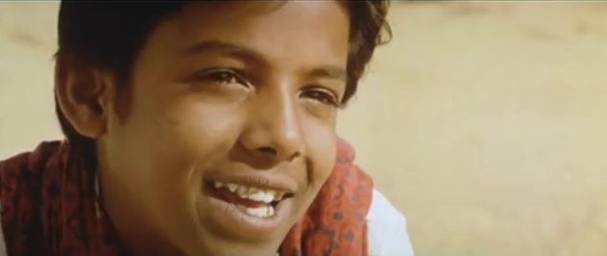
Film still (India)
Not in all lands are the Romani people welcome. The film shows the daily life of Romanian Roma, when they were perched in trees like crows because those were their dwellings. The Romanians had forbidden them from walking their land, threatening retribution and even death. Tragedy also resonates in the song of a Slovak Romani woman, who sings about her husband who perished in Auschwitz - the Nazi concentration camp complex.
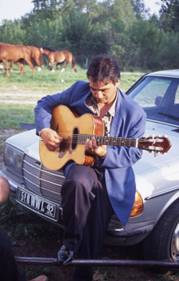
The seemingly endless joy, exuberance and pride of Romani flamenco on Spanish streets, and Romanian wedding celebration songs.
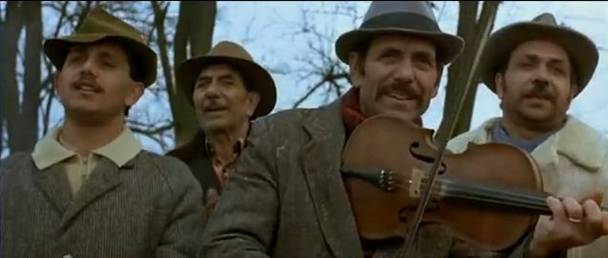
Film still (Hungary)
One needs to know more to understand the Romani relationship with the Black Madonna, whose sculpture they kiss and in whose honour they perform a song. That, and also the restlessness that drives one forward, remained a mystery to me. Oxen, horses, then a train carrying the Romani further and further along their road. The film is threaded through with symbols of Romani culture - water, the wheel, fire, the musical instrument, the coin, the colourful clothing, jewellery, songs and dances.
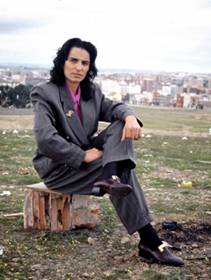
Photos by Denis Mercier
After watching the film, a twofold feeling remained - both a sense of touching something primordial, something coming from time immemorial with an abundance of sound and colour, and a strengthened, stereotype-laden image of the Romani as a people without roots, with all the consequences that entails. I think it will appeal to those close to playing a musical instrument or dancing; it may not appeal to moralists about universal human values. But it must be seen!
comments