
Some Interesting Facts About Chocolate
Chocolate is made from cocoa powder and cocoa butter, with sugar added, and all this supplemented with cream or milk powder, nuts, raisins or other ingredients. Chocolate contains a substance called theobromine, which gives a person pleasure, a sense of happiness and improves mood. Psychologists, for their part, claim that having a bar of chocolate to hand is an excellent means of improving communication.
• Priests of Mexico and Central America offered cocoa beans as tributes to the gods and used the cocoa drink in sacred religious ceremonies. It was often called the food of the gods. This only confirms that the peculiar effect of chocolate on the human body was already discovered in antiquity - approximately 1,500 BC.
• The word "chocolate" derives from the Aztec word "xocolatl" - bitter water - which the Aztecs used to describe the cocoa drink. It must be said that for many centuries, "chocolate" referred specifically to a bitter, dark brown and thick drink, not to sweets or bars.
• The effect of chocolate on the human mind and body has been studied for a long time, and one of the first documented studies was published in France in 1653. It was conducted by Bonaventure D'Aragon, brother of the famous Cardinal Richelieu. He described in detail the effect of chocolate on the human body and revealed its calming, relaxing and digestion-promoting function.
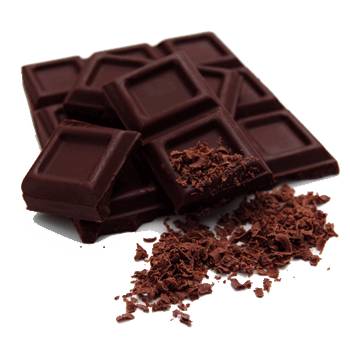 • Initially, the pleasure of chocolate was available only to wealthy people from the upper strata of society, not least because the cocoa powder imported from South America to Spain and later to other European countries came at a considerable price.
• Chocolate contains a substance called theobromine, which gives a person pleasure, a sense of happiness and improves mood.
• In the Middle Ages, representatives of the Christian Church were troubled by this pleasure-enhancing function, and skilled chocolate makers, as well as consumers and taste enthusiasts, were associated with sinful acts and decadence.
• Even today, doctors and scientists recommend chocolate for combating fatigue and improving mood. As is known, a satisfied, happy person is less prone to illness.
• Although eating chocolate is sometimes considered a whimsical indulgence for women, there is a certain basis to this - chocolate helps women overcome premenstrual syndrome, pain and depression.
• In fact, everyone should regularly enjoy dark or bitter chocolate, as eating a little chocolate each day will make your mind work much better. Chocolate helps increase blood flow to the brain. It is not for nothing that it is widely believed students should eat chocolate during exam periods, when it is especially important to reduce stress and sharpen mental acuity.
• A group of Australian researchers, after conducting a series of studies, announced that one bar of chocolate (100 grams) and a glass of red wine (150 ml), when consumed daily, can extend a person's life by a full 6 years.
• Chocolate is made from cocoa powder and cocoa butter, with sugar added, and all this supplemented with cream or milk powder, nuts, raisins or other ingredients. The higher the percentage of cocoa powder in the chocolate, the more bitter it is and, as is known, the more effective.
• However, it must be kept in mind that chocolate is a treat, not a food. It should be savoured slowly, enjoying both the chocolate's unique taste and its simultaneously invigorating and calming effect. Nowadays the range of chocolate products is so wide that it can satisfy the taste buds of even the most discerning gourmet.
• One can also develop an addiction to chocolate - such people are sometimes called chocoholics! Aha, I have noticed this in myself - I prefer to decline a single piece of chocolate, because I know that otherwise there will instantly arise a desire to eat an entire bar or empty a box of assorted chocolates, biting into each one and discovering ever new flavour bouquets.
• Psychologists, for their part, claim that having a bar of chocolate to hand is an excellent means of improving communication. A piece of chocolate offered to one's conversation partner tends to work real wonders. :)
Read more about the history of chocolate:
http://en.wikipedia.org/wiki/Chocolate
http://selfire.com/2008/08/1440/


comments