A Drive Through Zemgale - or What's in the Duke's Pouch?
At the start of August at the weekend we made a detour through Zemgale, stopping to see a few noteworthy places. The route in broad strokes: Rīga – Jelgava – Tērvete – Bauska – Iecava – Rīga. Below, more detail on a few of the stopping points and some interesting facts we learned along the way.
At the start of August at the weekend we made a detour through Zemgale, stopping to see a few noteworthy places. The route in broad strokes: Rīga – Jelgava – Tērvete – Bauska – Iecava – Rīga. Below, more detail on a few of the stopping points and some interesting facts we learned along the way.
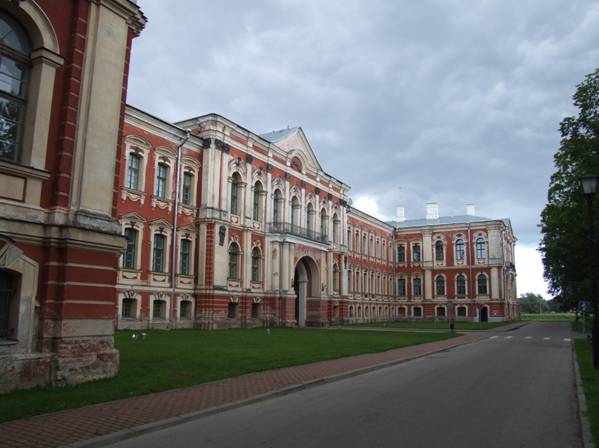
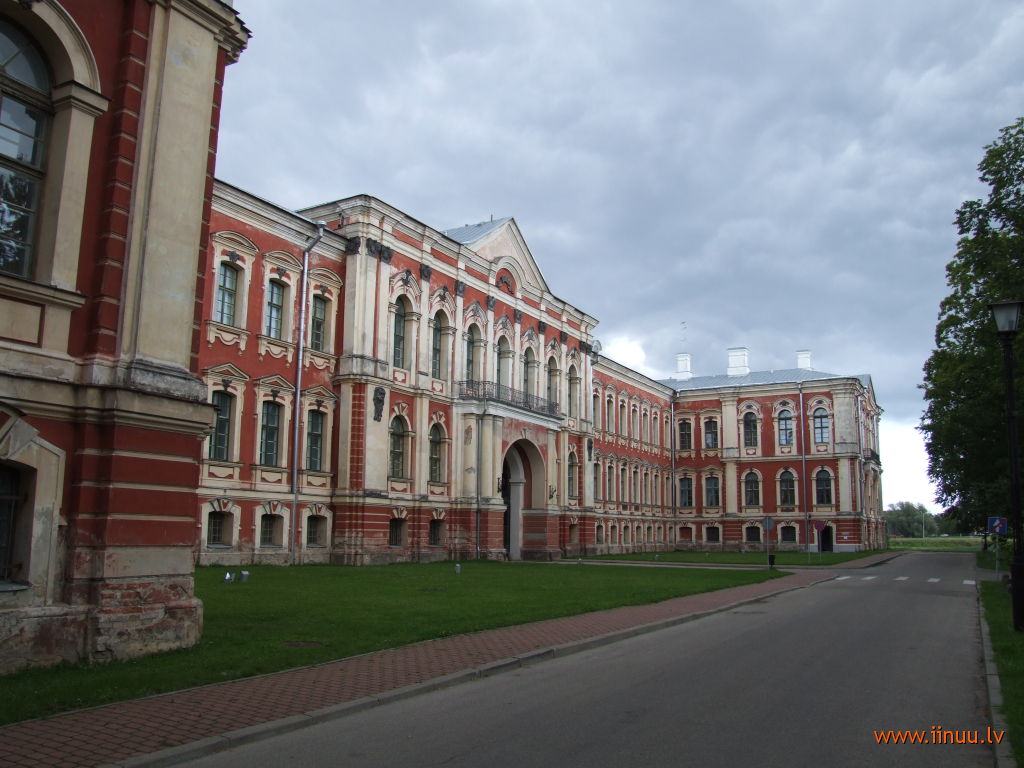
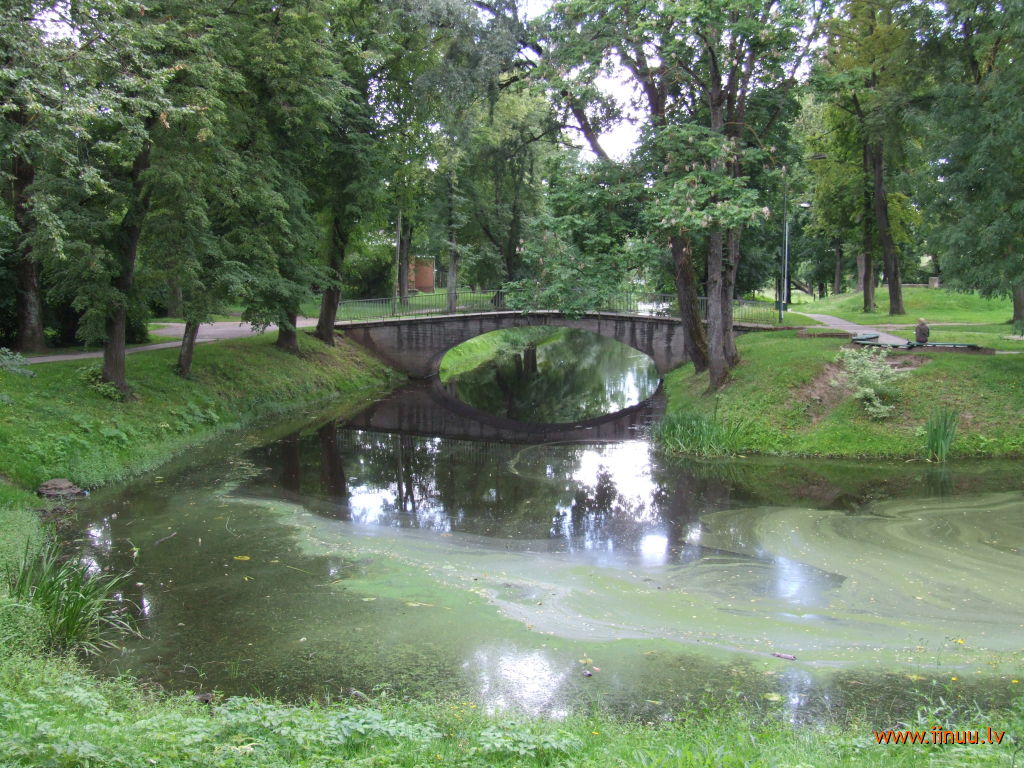
Jelgava. Jelgava Palace, built by the famous Russian court architect Francesco Bartolomeo Rastrelli at the start of the 18th century, now houses the classrooms of LLU (Latvia University of Life Sciences and Technologies). The palace courtyard is closed and visitors can only view it through the massive iron gates. The only open entrance is to the ducal crypt, where representatives of the Kettler and Biron dynasties are buried. But that did not draw us that day - we walked around the palace, admired the reflection of the Pasta Island footbridge in the water, and moved on.
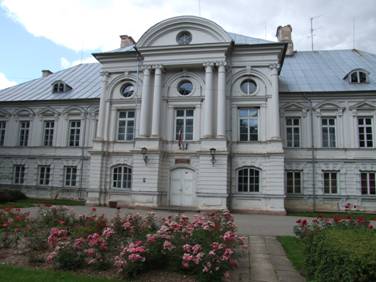
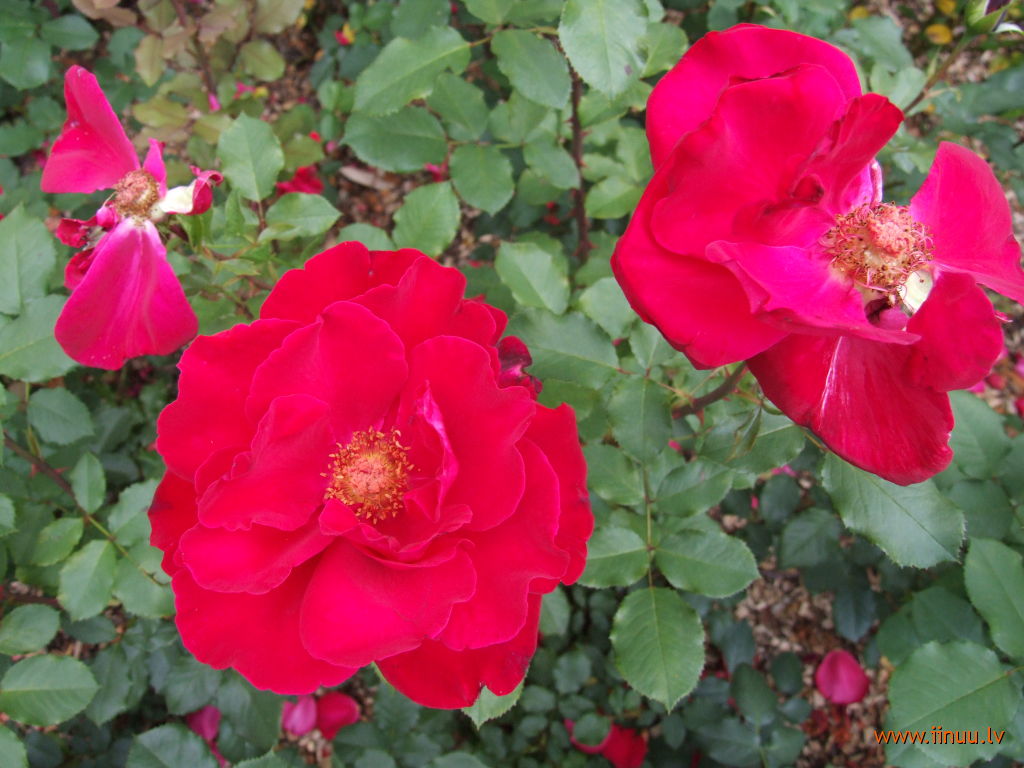
Zaļenieki. The Zaļā Manor ensemble, which also now houses an educational institution - Zaļenieki Vocational Secondary School. What I liked most were the well-tended rose beds in front of the manor building - magnificent rose bushes with pink, blush, and deeply saturated dark red blooms.
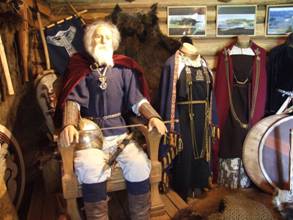
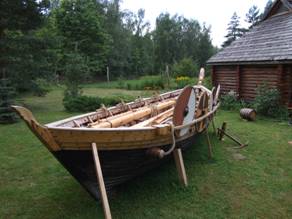
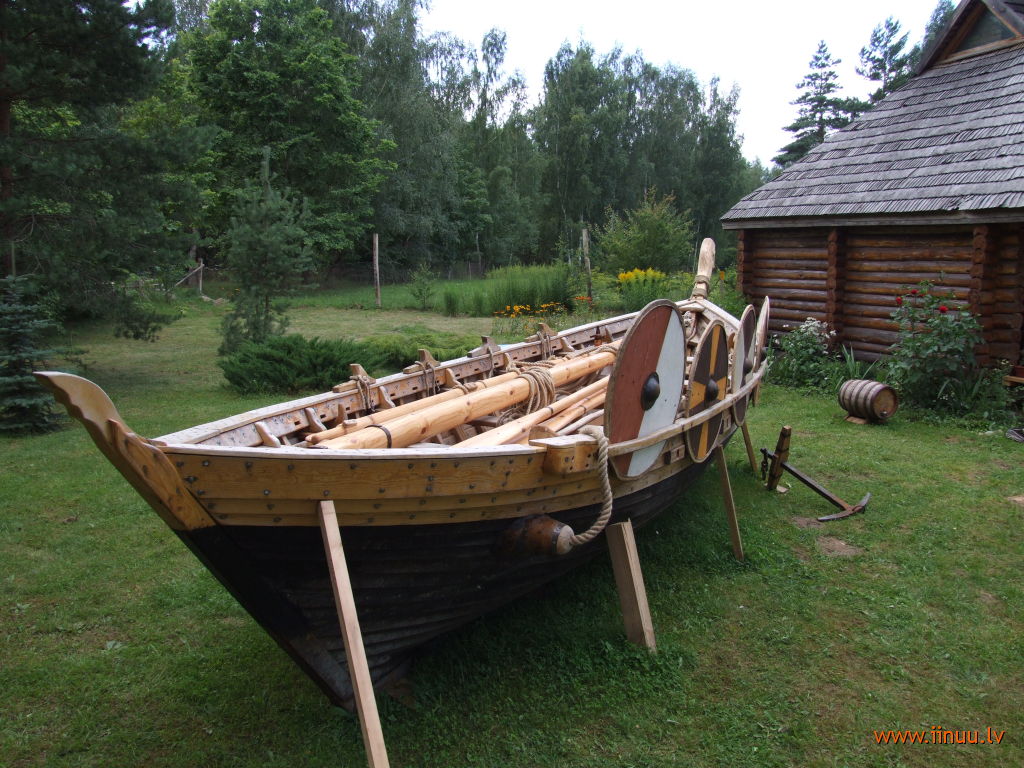
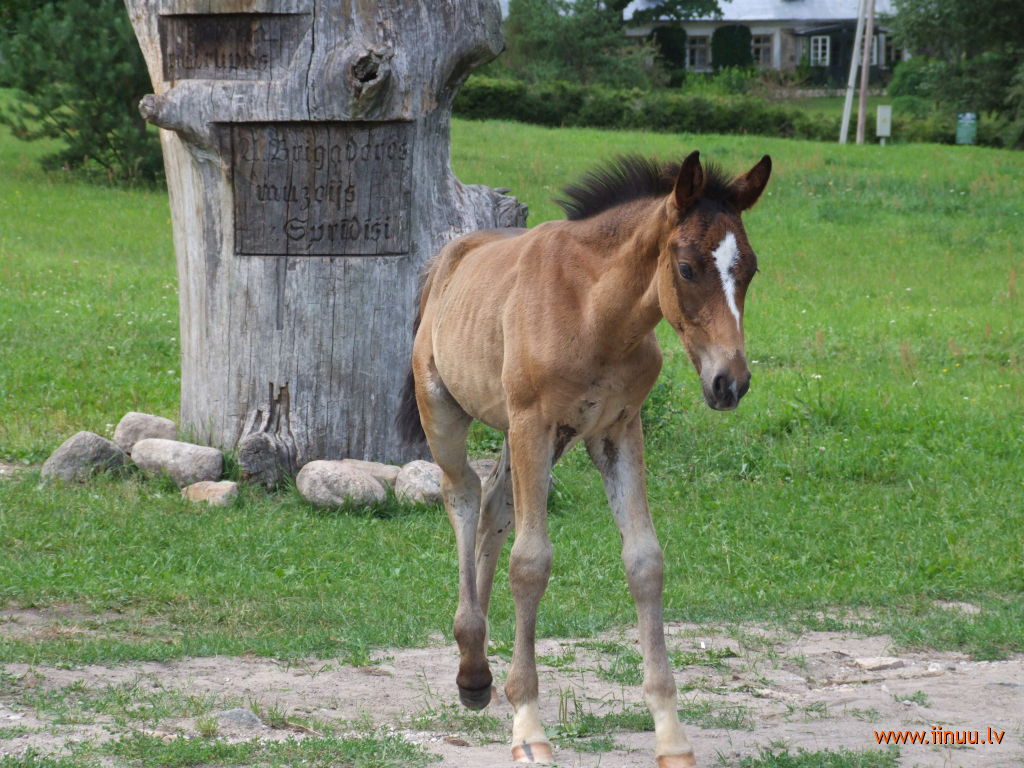
Tērvete. The well-known Tērvete nature trails we did not walk this time; we were content with a loop through Sprīdītis Park next to Anna Brigadere's home. We also visited the Tērvete Ancient History Museum for Ls 0.80 per person - essentially one and a half rooms in a wooden house displaying replicas of Zemgalian ornaments and a few original pieces found in excavations. Greater excitement was prompted by the wooden boat with ancient oars and shields visible in the courtyard.
We stopped for refreshments at the café "Lutausis", located next to the Tērvete Nature Park information centre, pored over mum nature's brochures (on very high quality paper, with quality pictures, but all free of charge), and headed in the direction of Bauska.
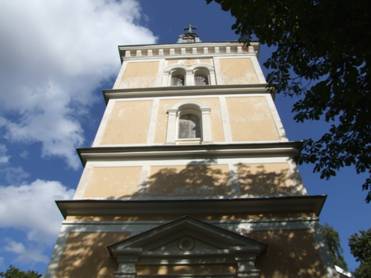
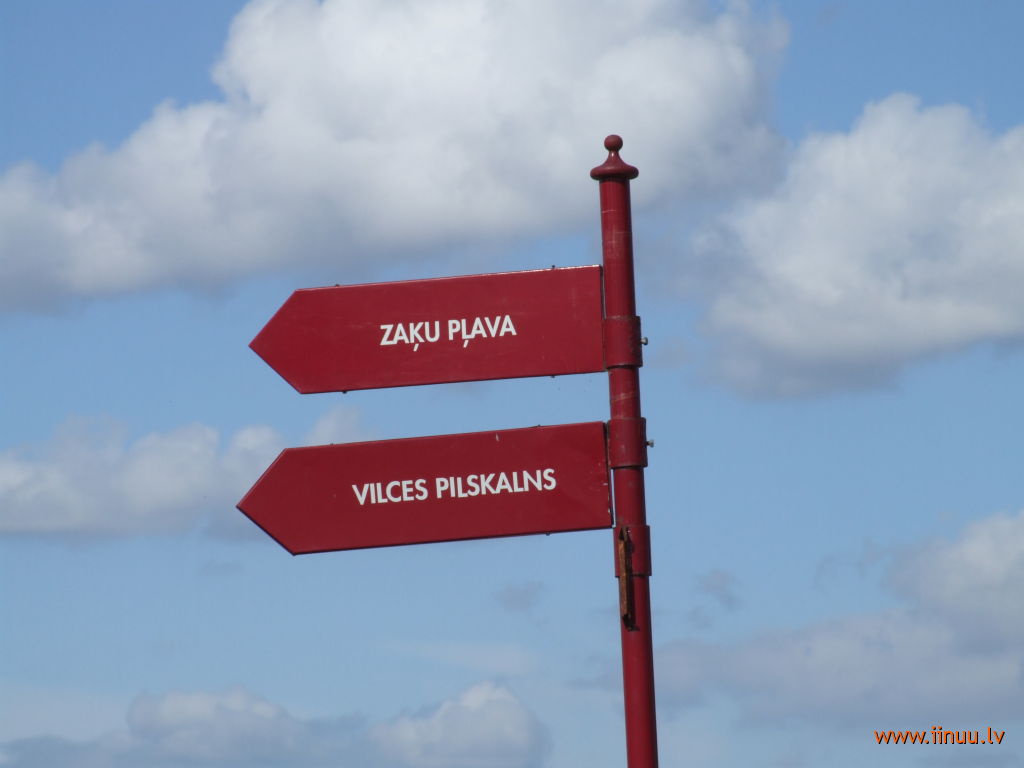
Vilcene. The Vilcene Manor building with a clock on its facade, and somewhere nearby the famous rabbit meadows.
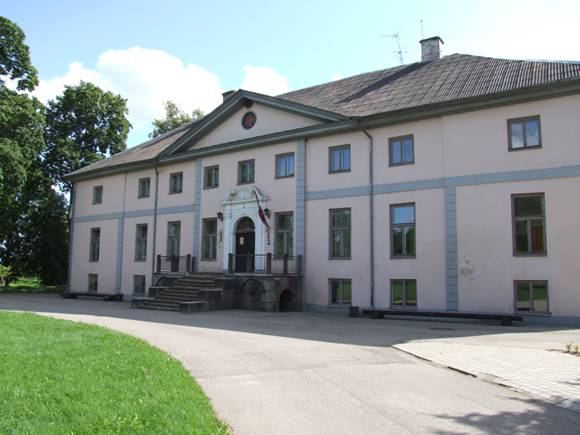
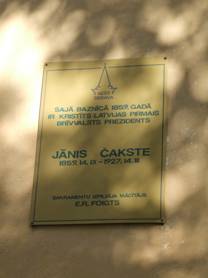
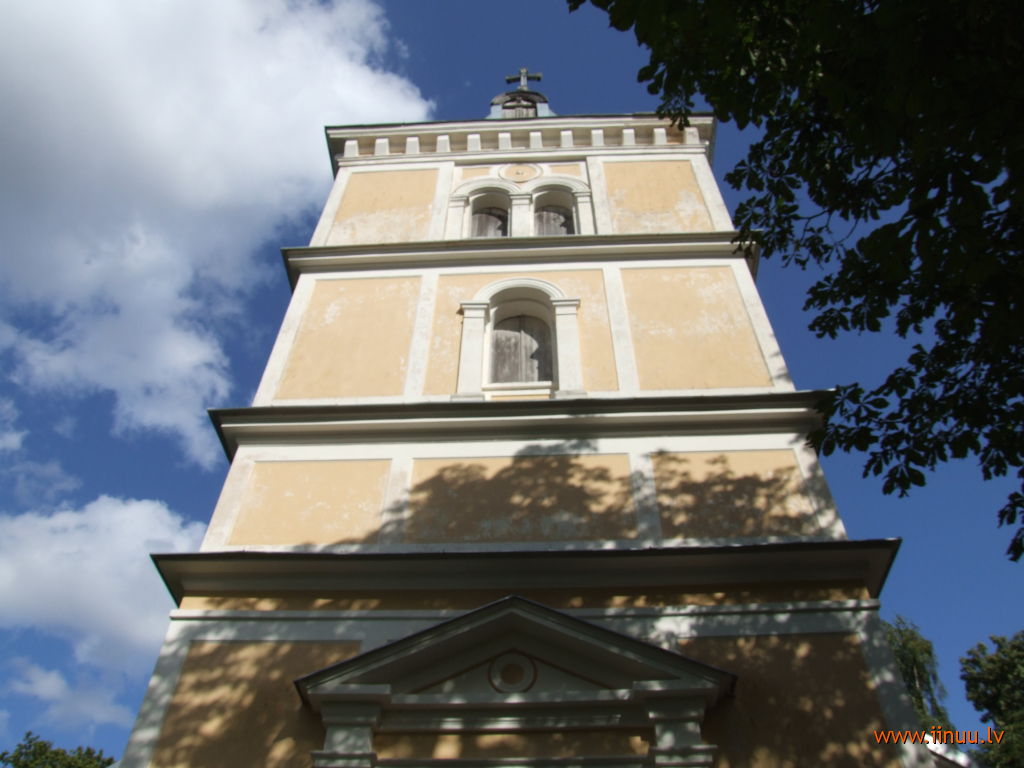
Sesava. A discovery was Sesava Church (1633), where a plaque on the outer wall testified that in 1859 the first President of the Republic of Latvia, Jānis Čakste, was christened here by Pastor Voigt. Otherwise - a smaller settlement would be hard to find; we saw only two old little houses.
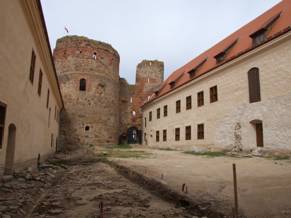
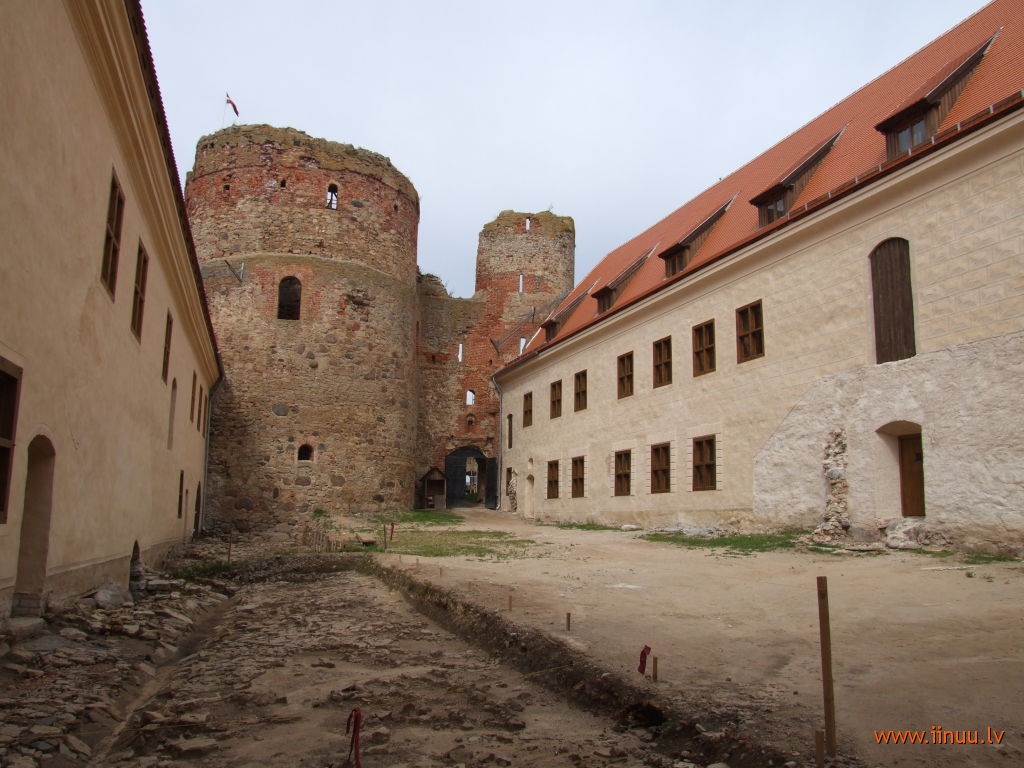
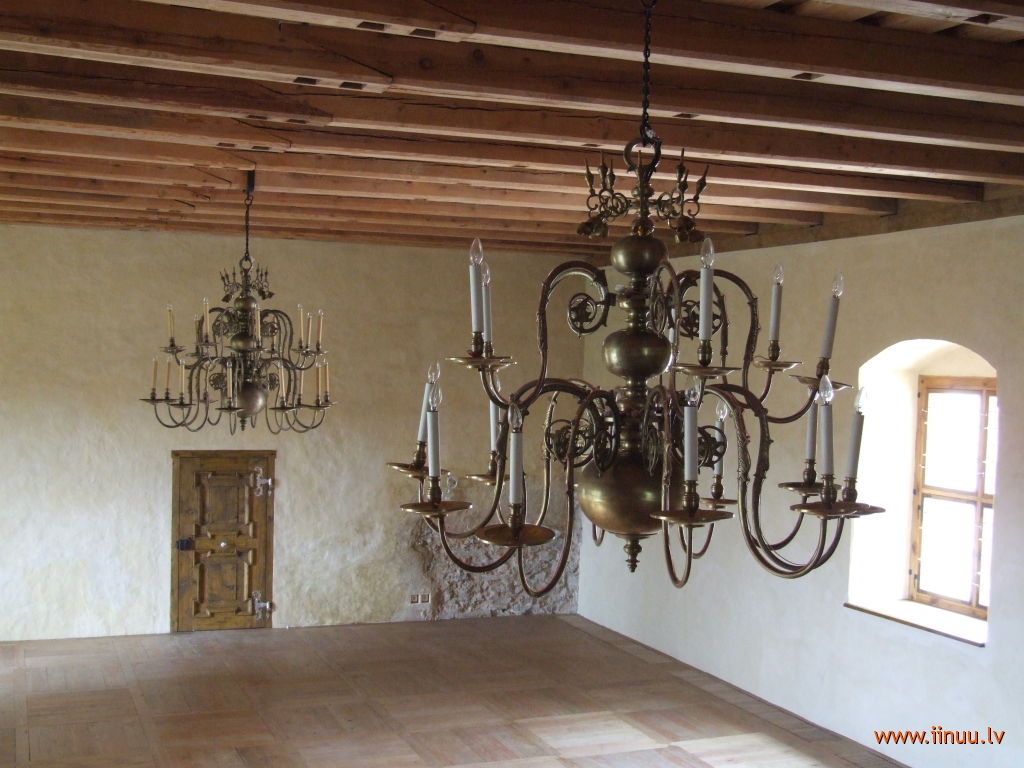
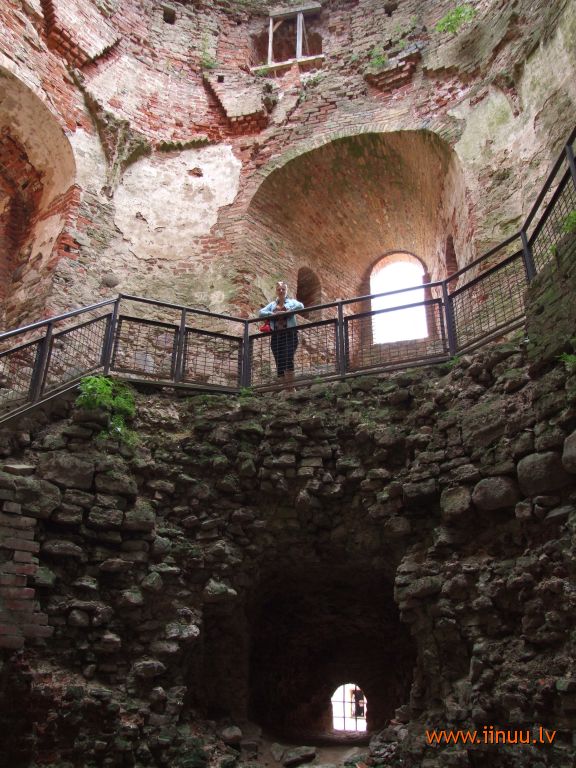
Bauska. Bauska Castle - a 15th-century Livonian Order fortress situated on a peninsula between the confluence of the Mūsa and Mēmele rivers; also the residence of the Duchy of Courland dukes, the Kettlers (1584–1596).
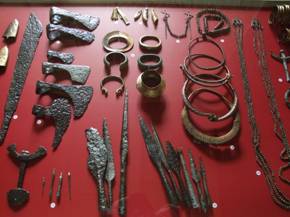
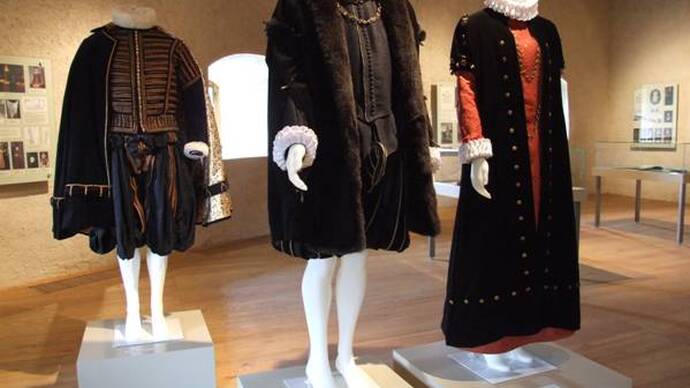
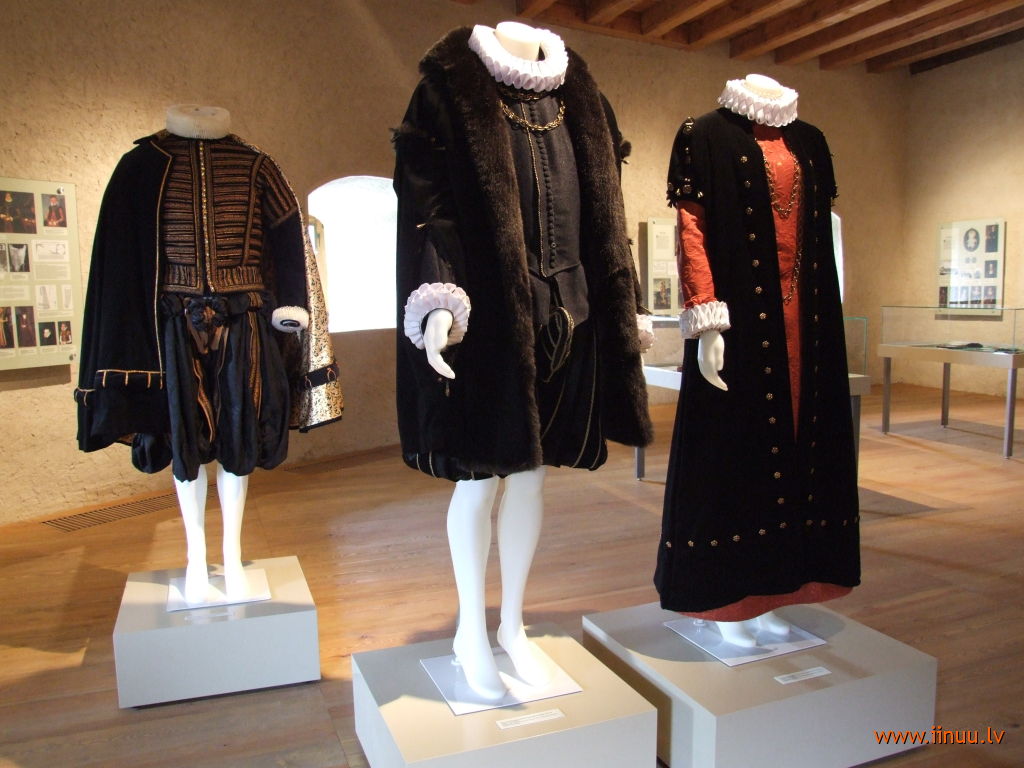
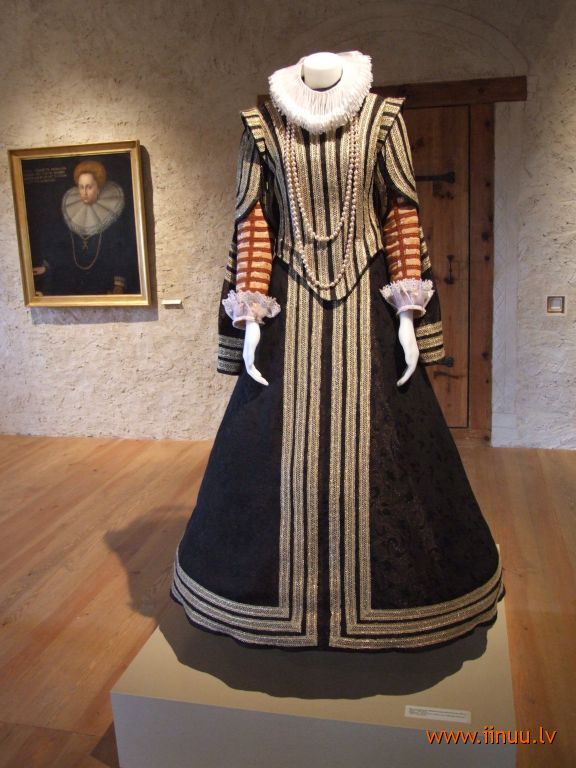
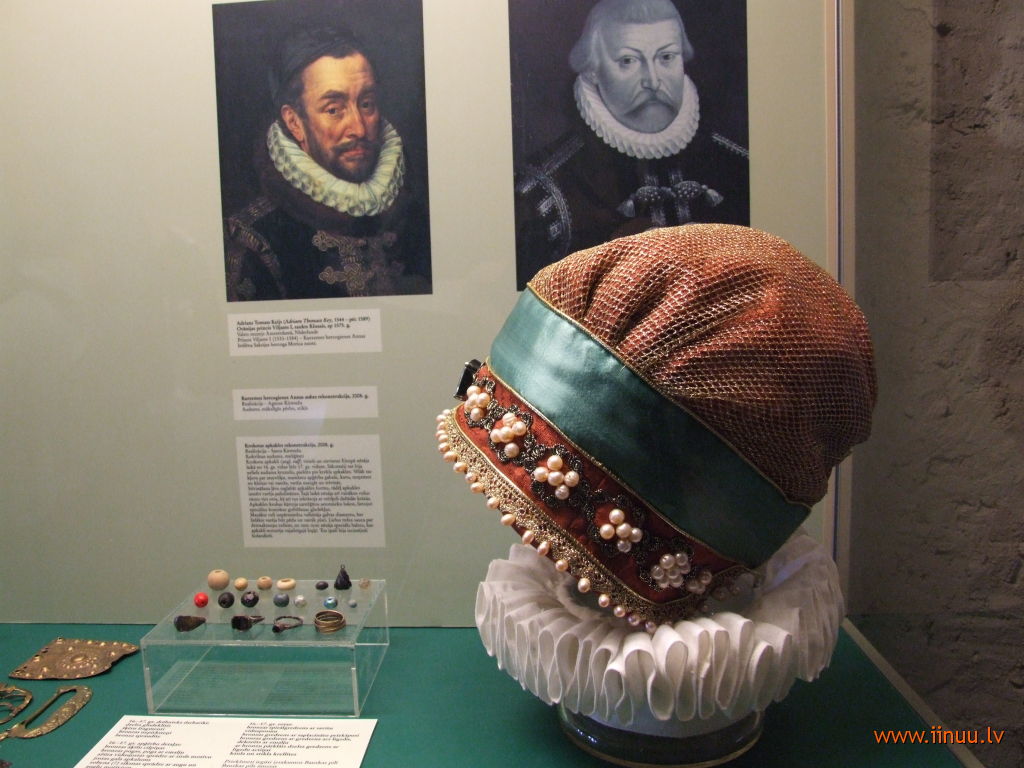
The museum featured an interesting exhibition of historical costumes, jewellery, and accessories from the era of the Duchy of Courland. There I also learned that men's garments had at the front a special padded pouch with various decorations, in which they kept their masculine "wealth." Such conspicuous, prominently upward-pointing protrusions seemed, from a modern-day perspective, quite amusing and somewhat risqué - but the exhibition curator explained that all of this was done to increase the birth rate, which at the time had been very low.
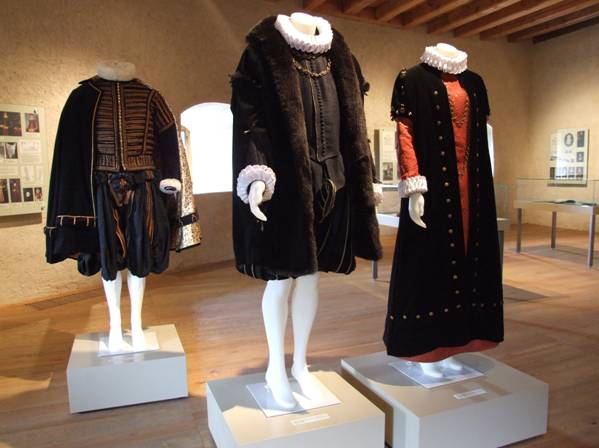
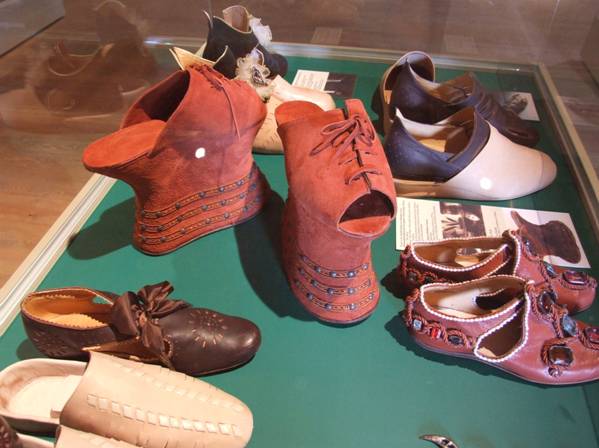
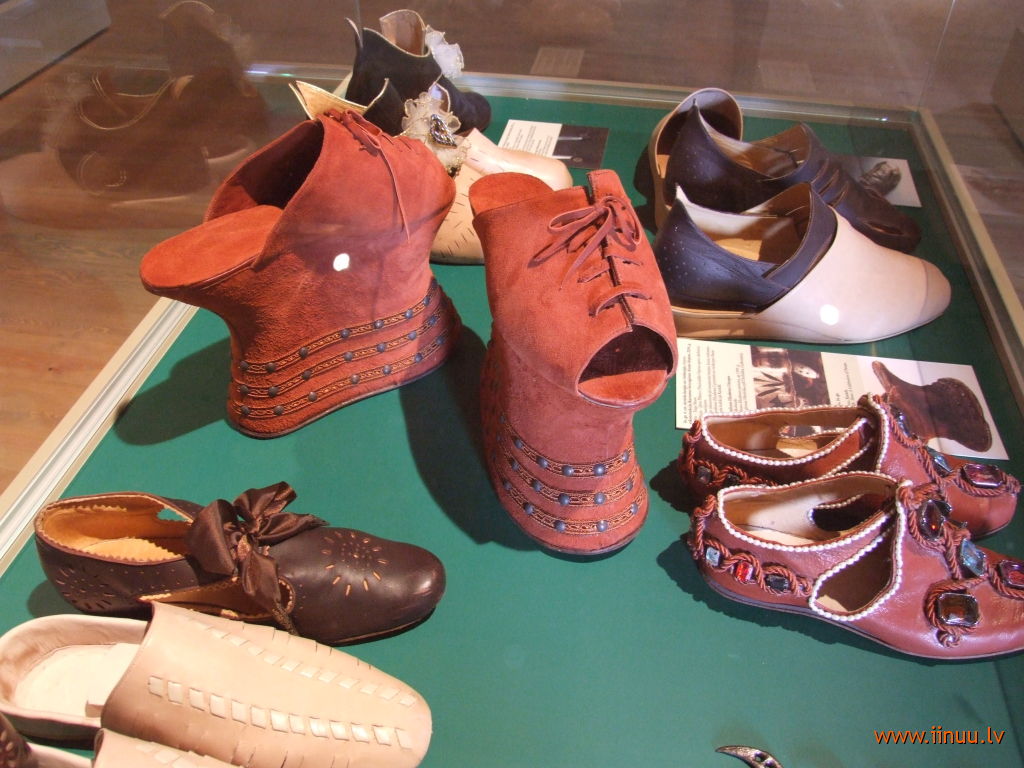
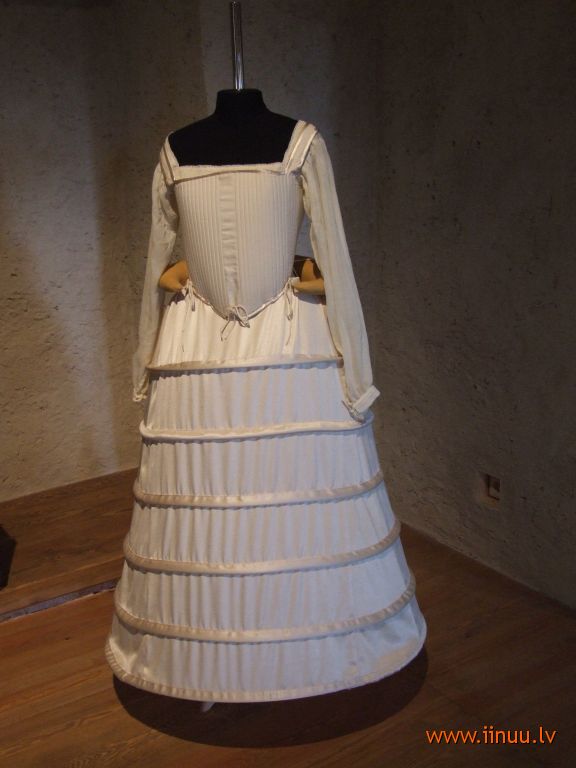
Women in turn had to endure torments of a different kind, connected with excessively narrow waistlines achieved by mercilessly tightening corsets. Ladies not infrequently fainted at balls, and not only from lack of air but also from the weight of their clothing. The many petticoats and layers of skirts could reach a total weight of up to 30–35 kg. Also interesting were the shoes and overshoes of the time (something similar to modern slippers or galoshes). It turns out that platform soles were fashionable even then. :)
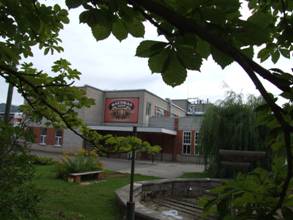
Returning to more modern pleasures, in Bauska we also sought out the two well-known breweries - Bauskas Alus and Lodiņš Alus. Ēriks managed to sample neither, as all the cafés in Bauska (at least the two we visited) sold either Lāčplēsis or Aldaris brew.
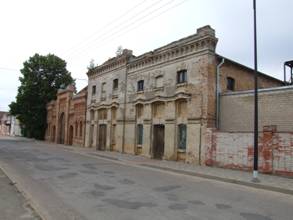
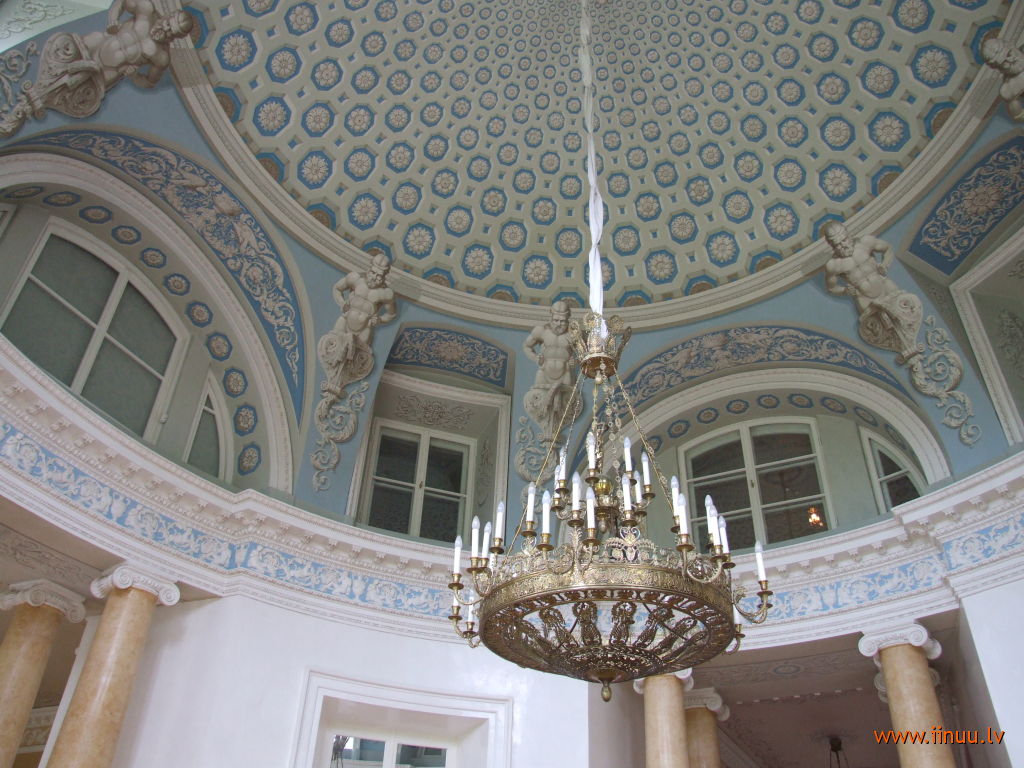
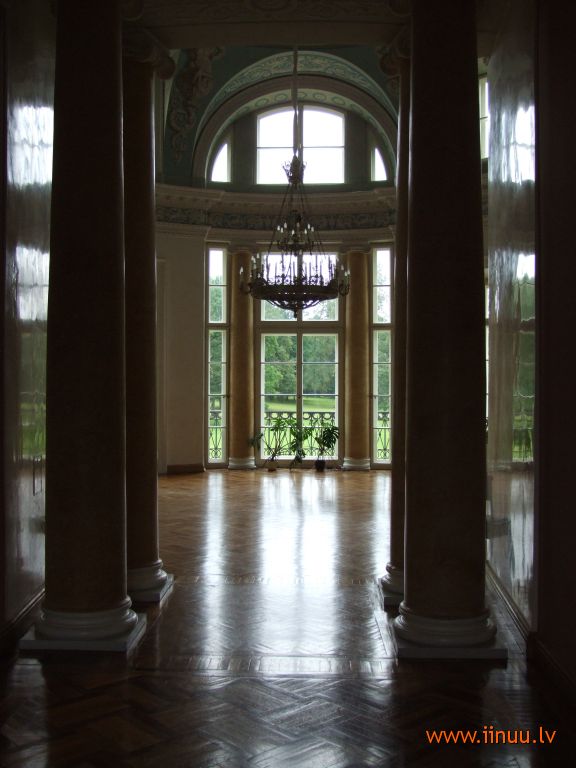
Mežotne. Mežotne Palace, built in the Neoclassical style in the late 18th century, with an English landscape park. The Russian Empress Catherine II granted the Mežotne estate for lifelong use to Charlotte von Lieven, the governess of her grandchildren, who stayed at this palace on only one single occasion, as she was permanently in attendance upon the imperial family.
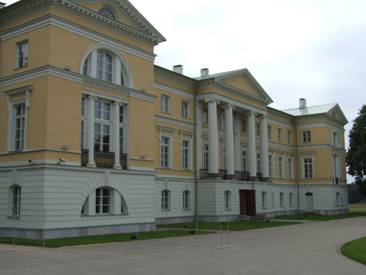
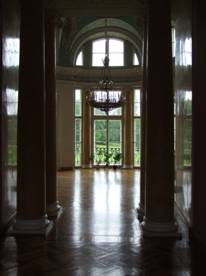
Wine glass ring marks on the white marble windowsills testify to the fact that Mežotne Palace's rooms are frequently used for celebrations and various receptions. That day too the palace restaurant was fully reserved and we did not even manage to drink a coffee in the aristocratic interior.
More about what was seen during the trip - in the photo gallery:
comments