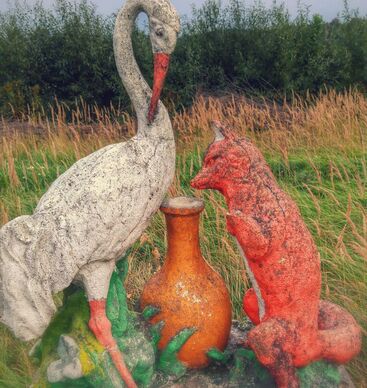
This story for me began in early childhood, when we drove to Riga in father's Zhiguli along the so-called Ostrova highway. When Mum said the turn to Rēzekne was coming up, I would eagerly search the left roadside for a glimpse of the brightly painted sculpture - the fox and the crane. A fair amount of time has passed. The Soviet era can now be read about like a fairy tale with a moral. This autumn we decided to track down this sculpture.
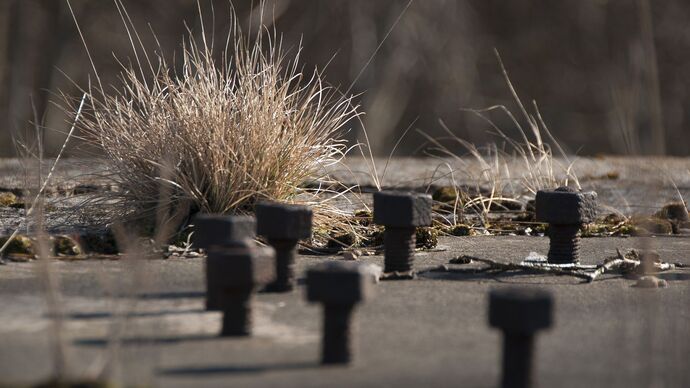
We decided to spend today outdoors in nature. The sun was pleasantly warm, the thermometer climbed to +10°C at midday, and not a trace of snow. Although at Pier A at Mangaļsala we did find a few relics - melting chunks of ice. Since the vegetation had not yet grown dense enough to obstruct us, and we could see where we put our feet, we explored the coastal defence artillery casemates and viewed the artillery shell vaults.
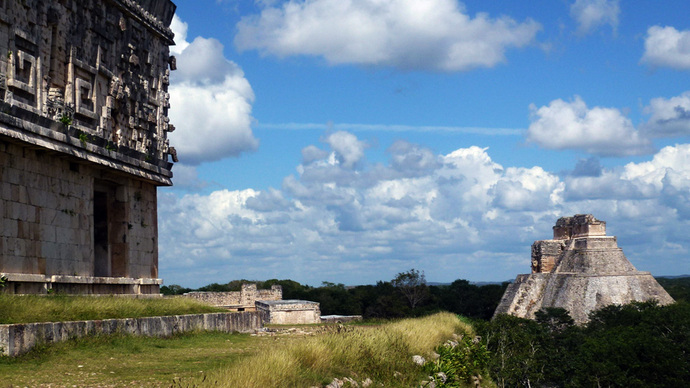
I have once again received an email from Silvija, and thanks to the photographs she sent, I continue to explore Mexico from afar. This time we can take a look at the south-east of Mexico - Yucatán.
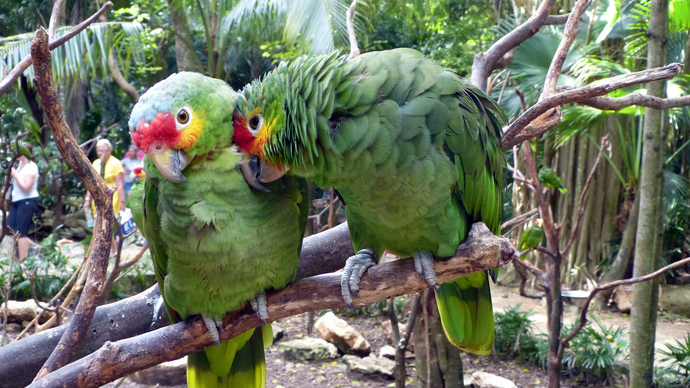
On my name day I received warm and affectionate greetings from Silvija. This time the email attachment was filled with and warmed by the Mexican sun. It turns out Silvija is currently working in the Mexican city of Cancún as a tour guide. The photographs come from Xcaret Mexico Park.
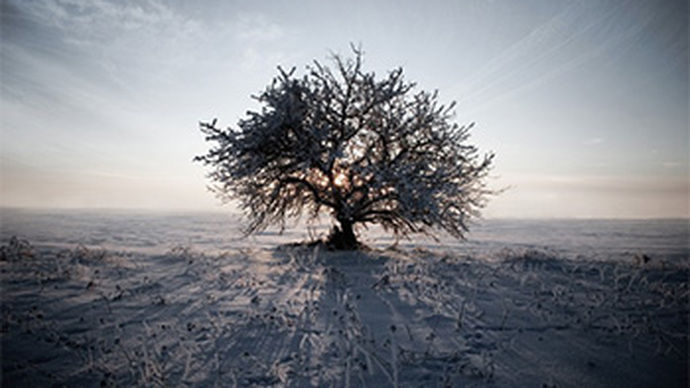
National Geographic appears to have got really fired up this year and, in the form of its TV channel, has put on yet another exhibition featuring works by Latvian photographers - "My Amazing Latvia". Overall, from the broad concept of "nature", the authors chose to depict only flora in their photographs, with rare exceptions where the dominant subject of the composition was either a person or an animal.
"Nature enters the shopping centre" - that is how one might describe the "National Geographic" magazine photo exhibition "NG Icons" at the Domina shopping centre. On view is Steve McCurry's "Afghan Girl", and there was a certain fascination in seeing Jim Brandenburg's "White Wolf Leaping" from 1986 in person.
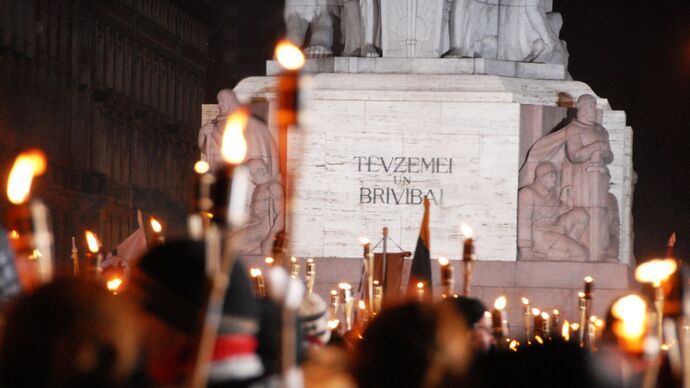
Latvia's 94th birthday and the Staro Rīga light festival went hand in hand this year. People who wandered through Riga's streets, squares, and parks on this Sunday, popped into cafés or warmed themselves with a glass of mulled wine among the craftsmen's stalls, were equally participants in both joyful events.
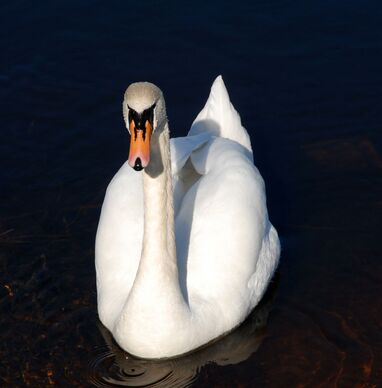
Between the last patches of snow, green shoots push their way through; snowdrops are in full bloom, and the skies are endlessly blue above the still-frozen Little and Great Ludza lakes, above the ancient hill fort, the white Catholic church towers, and us. And by the bridge connecting the two lakes, in whose nook lies Ļucina, a pair of white swans busily goes about its business.
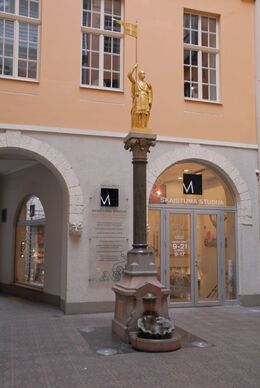
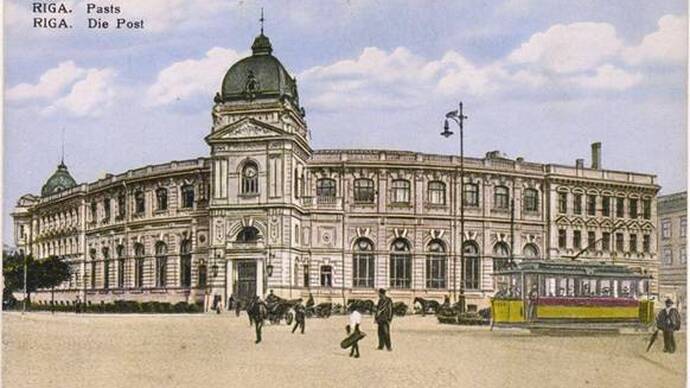
This time, for real. I have selected ten photographs of various Riga locations - buildings and monuments. Each of them has its own history and significance in the city's landscape. Attention - a competition! Look at the photos and write in the comments: what is it or was it, and where is it? The most accurate and knowledgeable respondent wins a little something from iinuu.lv.
I have always been fascinated, if not by time travel exactly, then at least by imagining how a particular place looked a century or two ago and how it might look in the future. One day I simply picked up a camera and walked around the city centre to capture several Riga streets, buildings, and squares, and later compare them with past photographs found in the Letonika database. I must say, I discovered many interesting details.