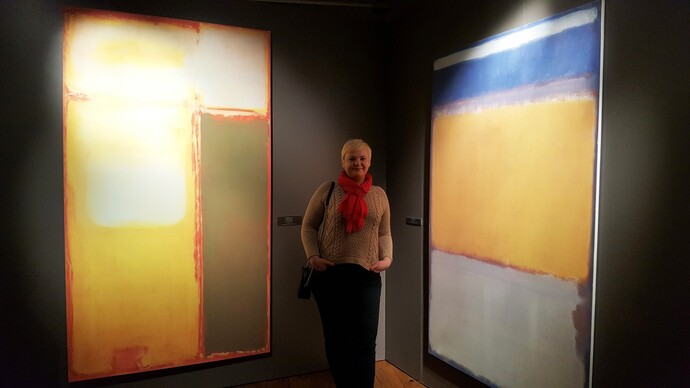
A Visit to the Mark Rothko Art Centre
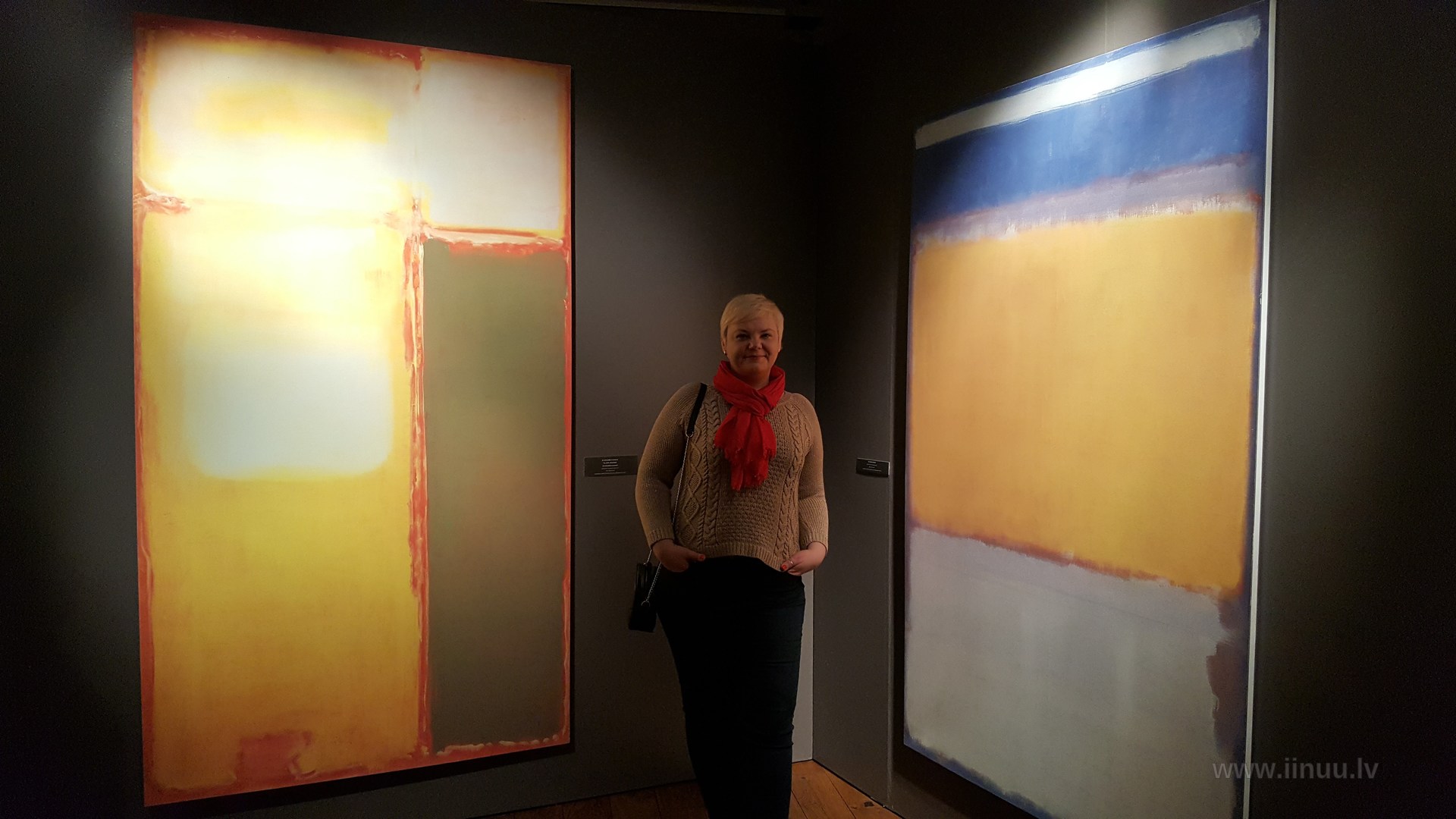
We tried to lighten the grey and subdued mood of the rainy Easter holidays by going to Daugavpils and enjoying the large, colour-rich works of Mark Rothko, which art critics and the artist himself compared to the walls of a temple or portals to another parallel reality.
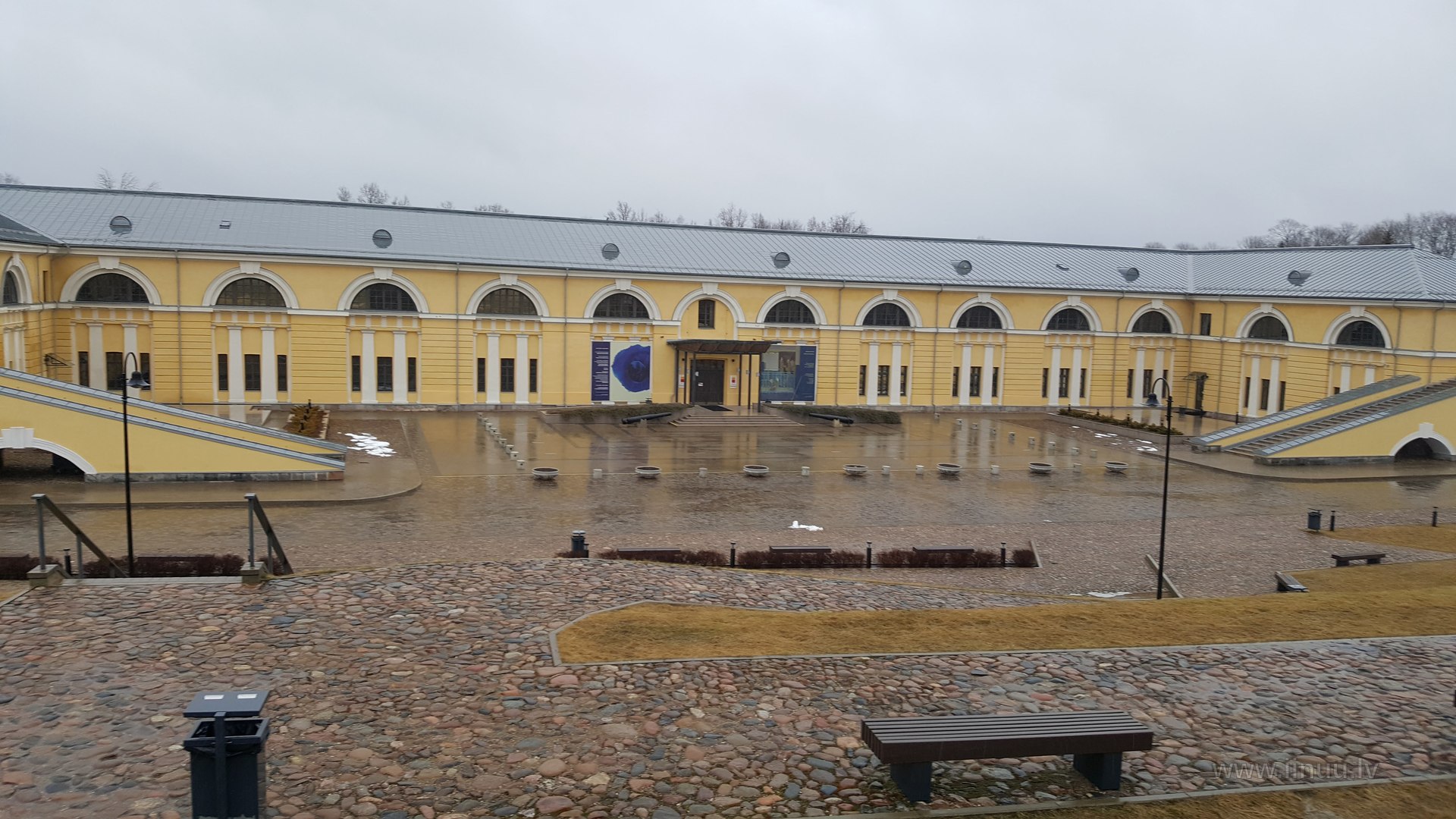
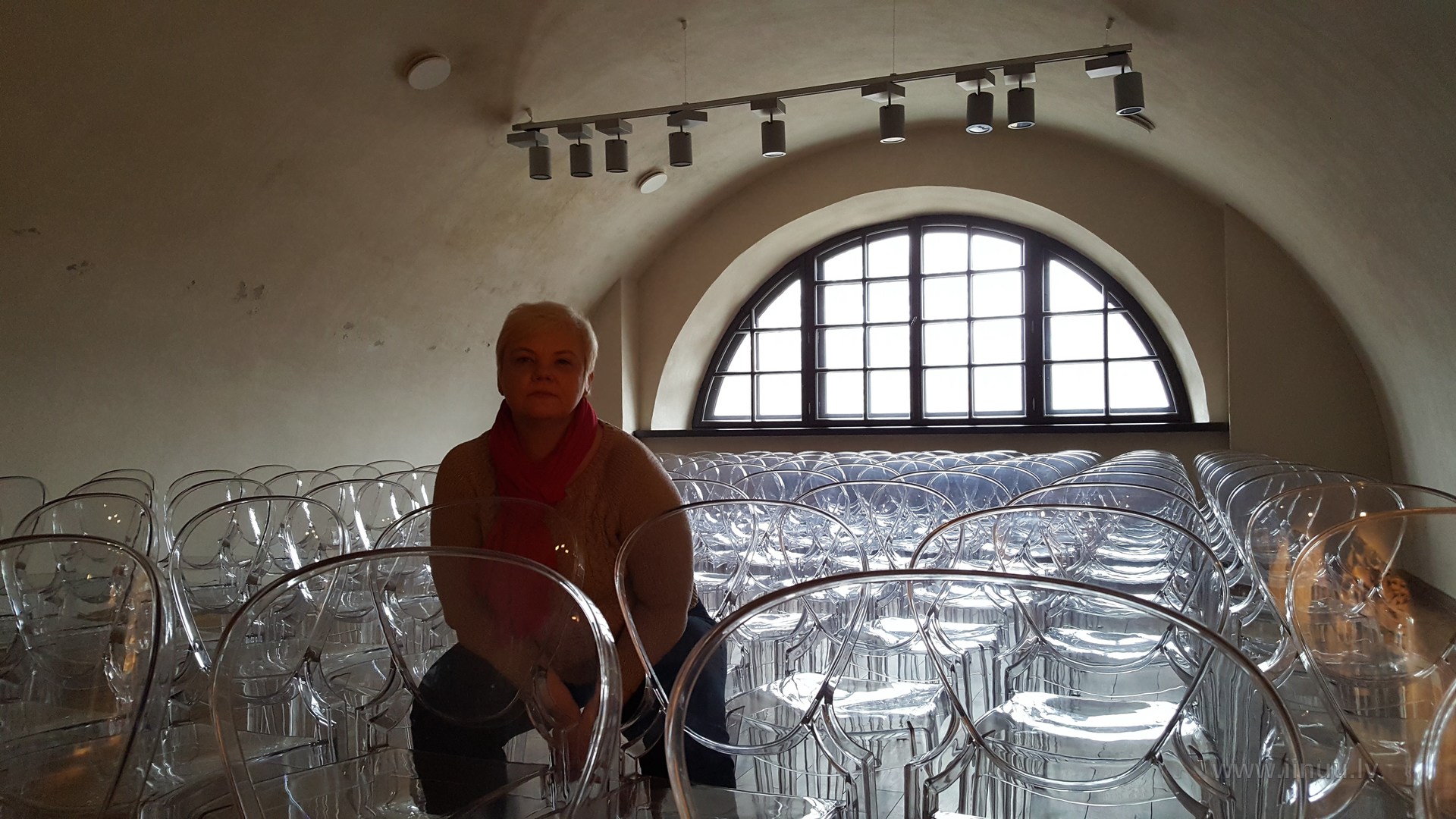
The art centre is located within the ramparts of Daugavpils Fortress, in an old and solid early 19th-century brick building, modernly fitted out and excellently adapted for displaying works of art. It should be said, however, that we saw only a few of the artist's own works. Only one of the two-floor wings is devoted to exhibiting the artist's own work; the remaining three spaces house other exhibitions.
On entering the Rothko hall one must pass through a metal detector, and filming or photography is strictly forbidden - testament to the fact that the works displayed in that particular room are financially highly valued. Works by other artists, on the other hand, could be freely captured on cameras and devices brought along. The supervision was also less strict, both in terms of cameras and live attendants. One sees what a Name with a capital N truly means.
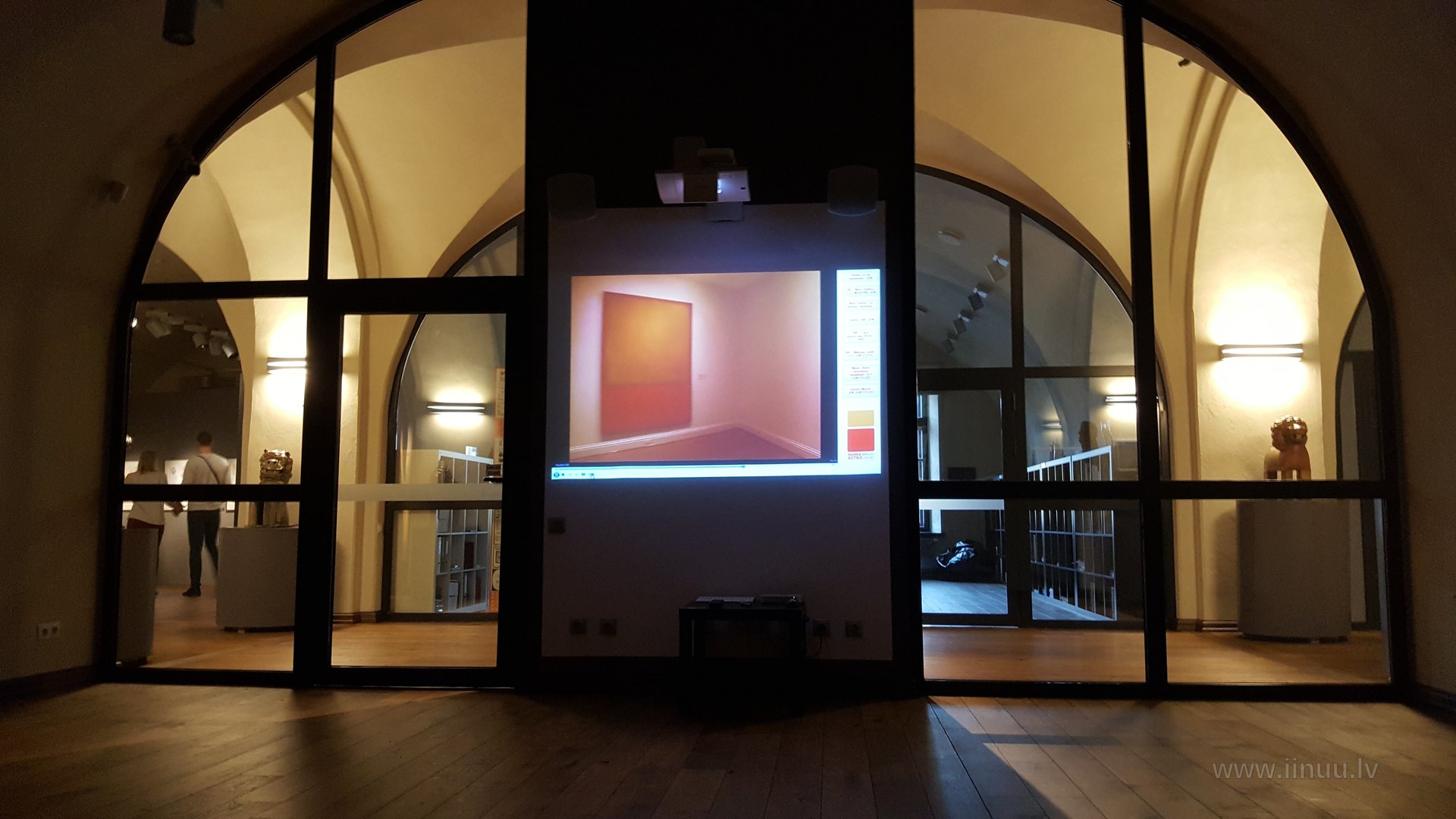
As we had not known a great deal beforehand about the artist's life and work, we took the opportunity to watch an approximately one-hour-long documentary film in the centre's cinema room. From it I drew several conclusions - things one only thinks about at a certain age:
- For some reason one's birthplace is considered an important reference point in a person's life, even though in most cases very little time in terms of years is actually spent there and, to be fair, the influence of that environment on the formation of a person's personality or genius is relatively small. Rothko (born Marcus Rothkowitz) too left Daugavpils at the age of ten and never returned there until the very last hour of his life. His entire life of education, work, and creative process, as well as the people around him, his useful contacts, and his opportunities - all came from the USA, where he lived his whole life.
- You might be 32, 42, or 52 years old - your works are still not being bought, you have to work a day job and create only in your free time, you are still not particularly recognised among professionals. And then suddenly the sea or the sky parts and world recognition pours down like a golden rain. But by then you have lived through everything, suffered through everything, loved through everything - and the only choice remaining is... depression and suicide in your now private painting studio.
- Whatever you do, be the first to do it in a way others do not or cannot. Could any reasonably gifted art student not apply layers of paint one over another, generously diluting them with turpentine (such was Rothko's painting technique), until achieving large expanses of colour pleasing to the eye? Of course they could. But had anyone before Rothko done it in this way and imbued it with meaning, story, and significance - these so-called portraits of states of the soul? No. And there, you see, is genius!
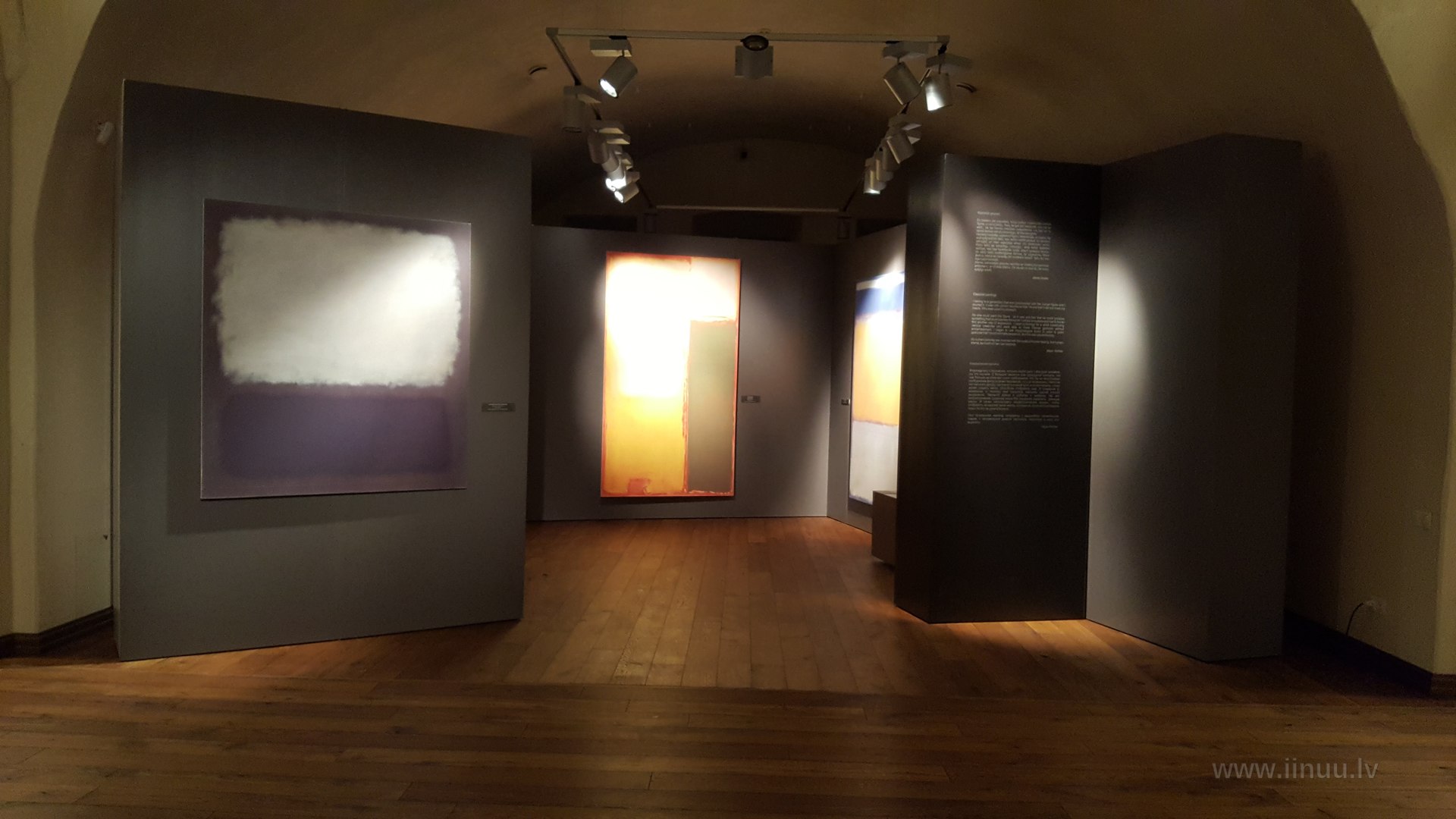
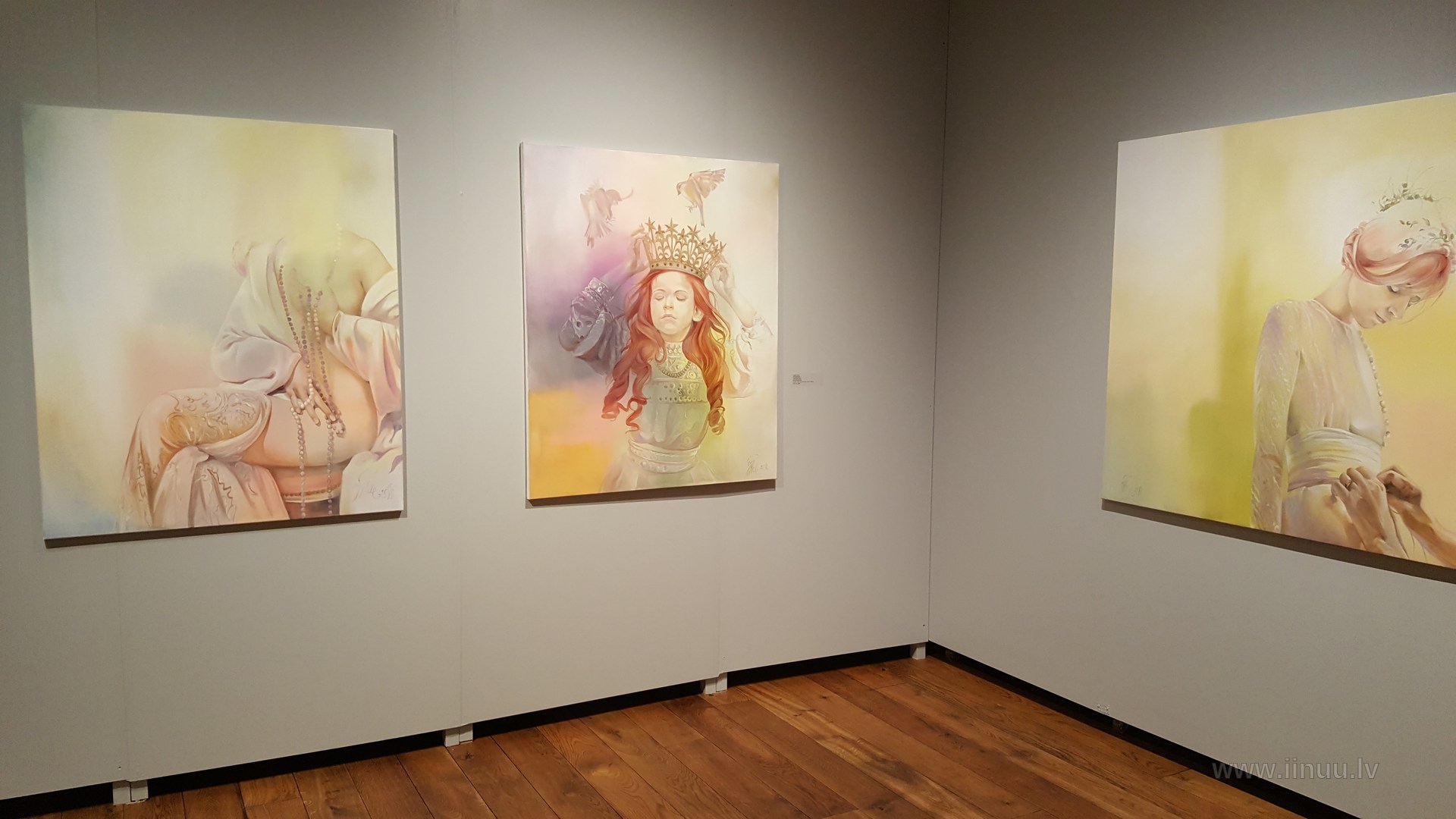
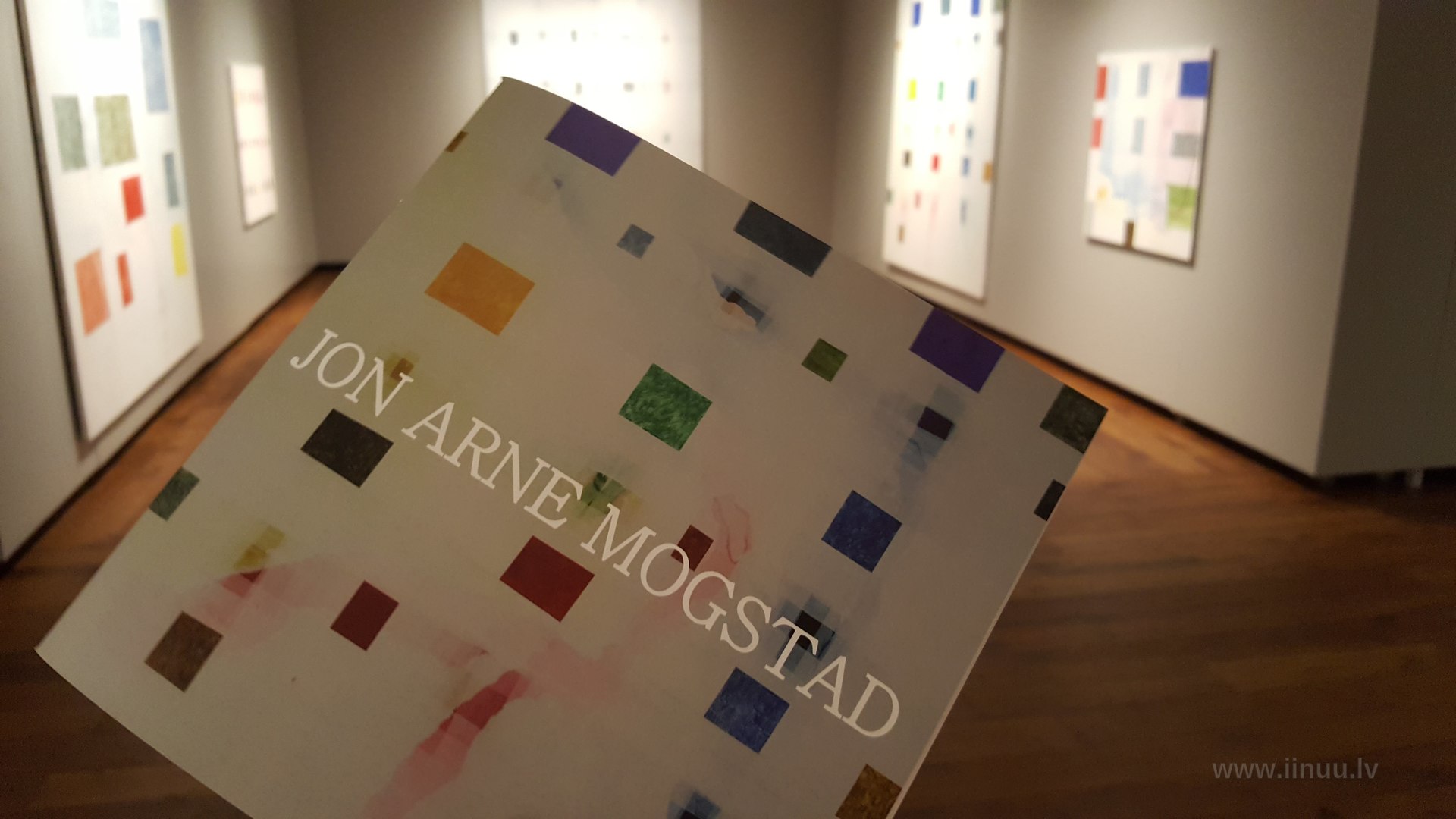
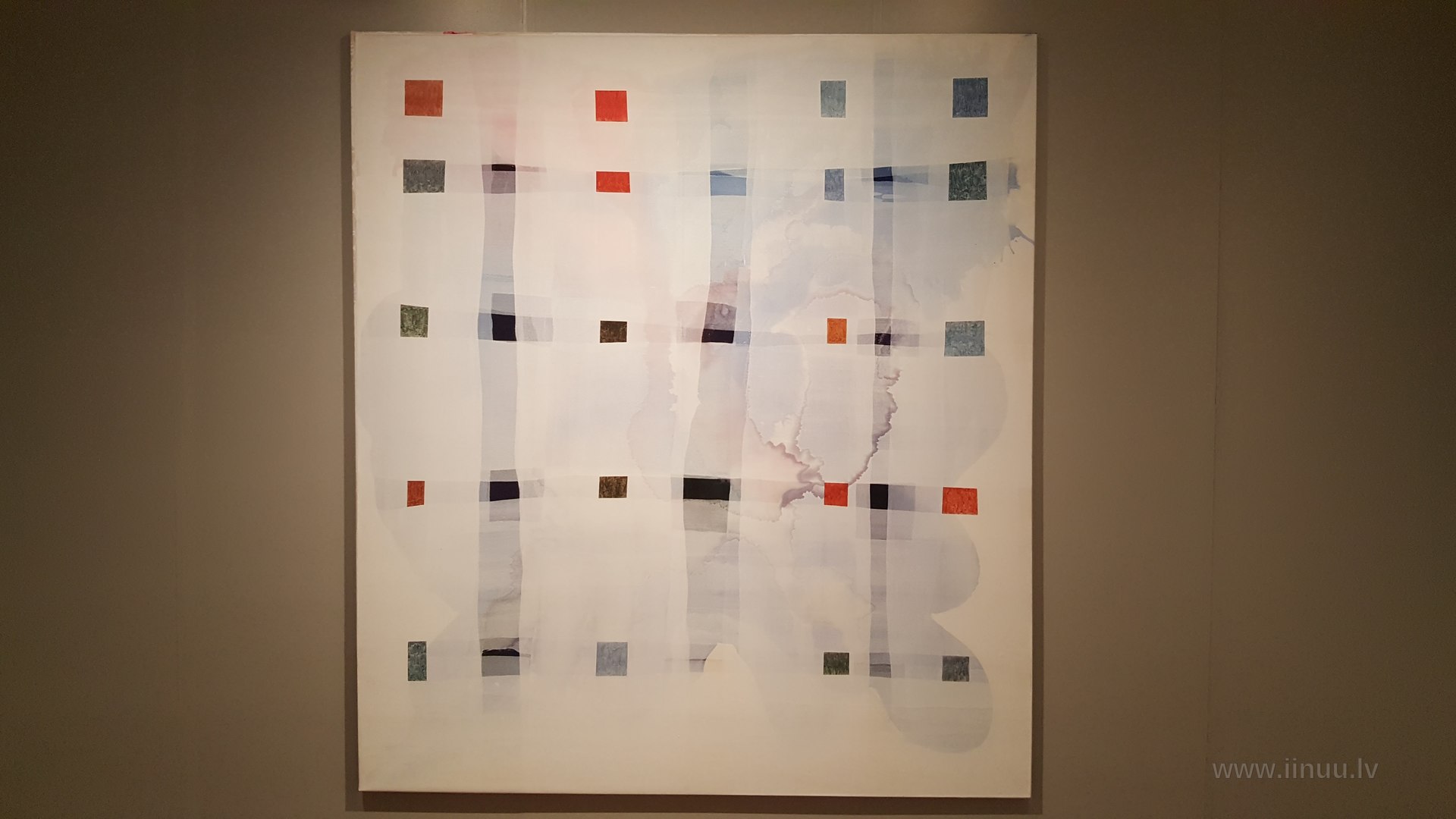
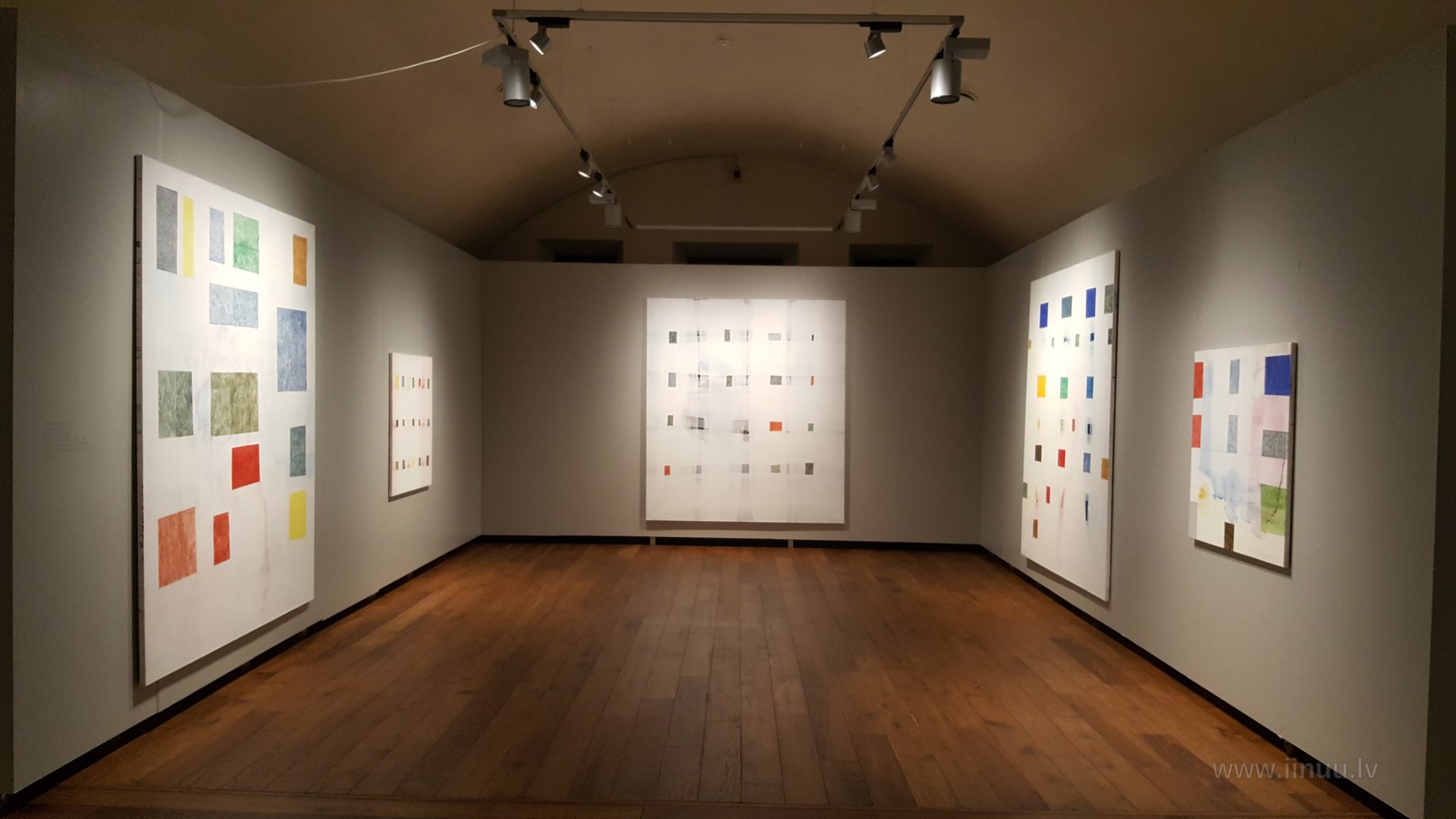
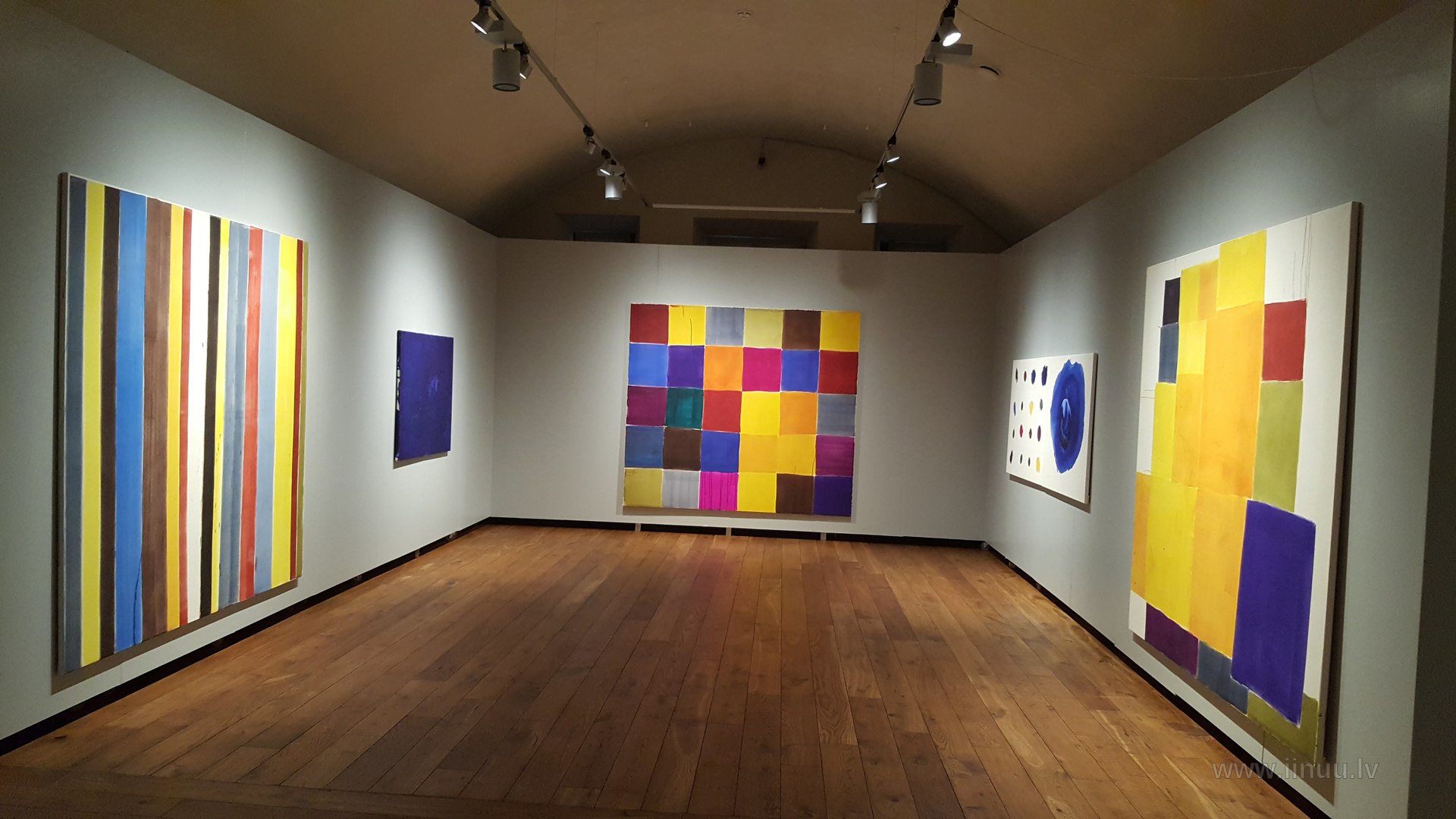
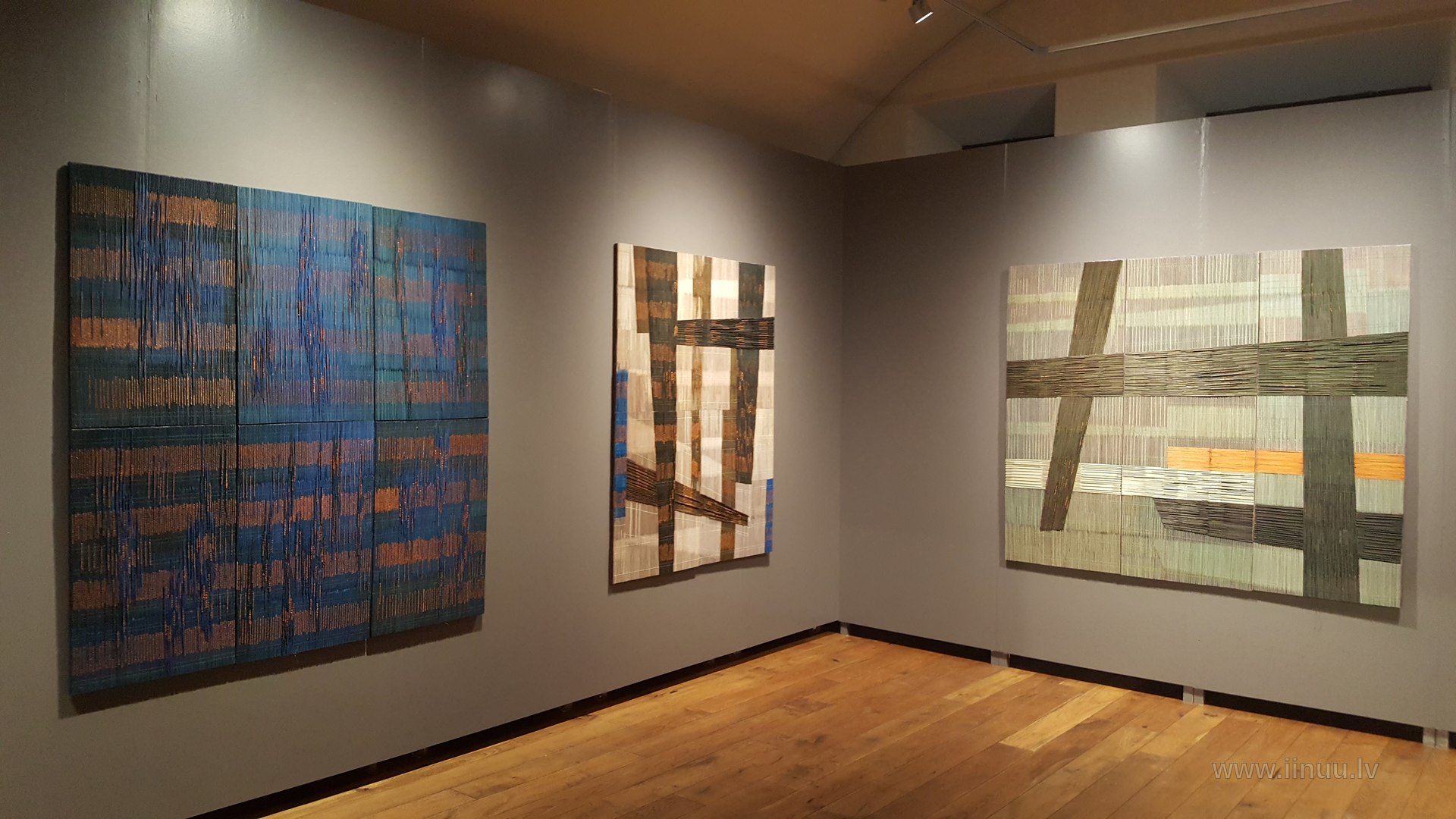
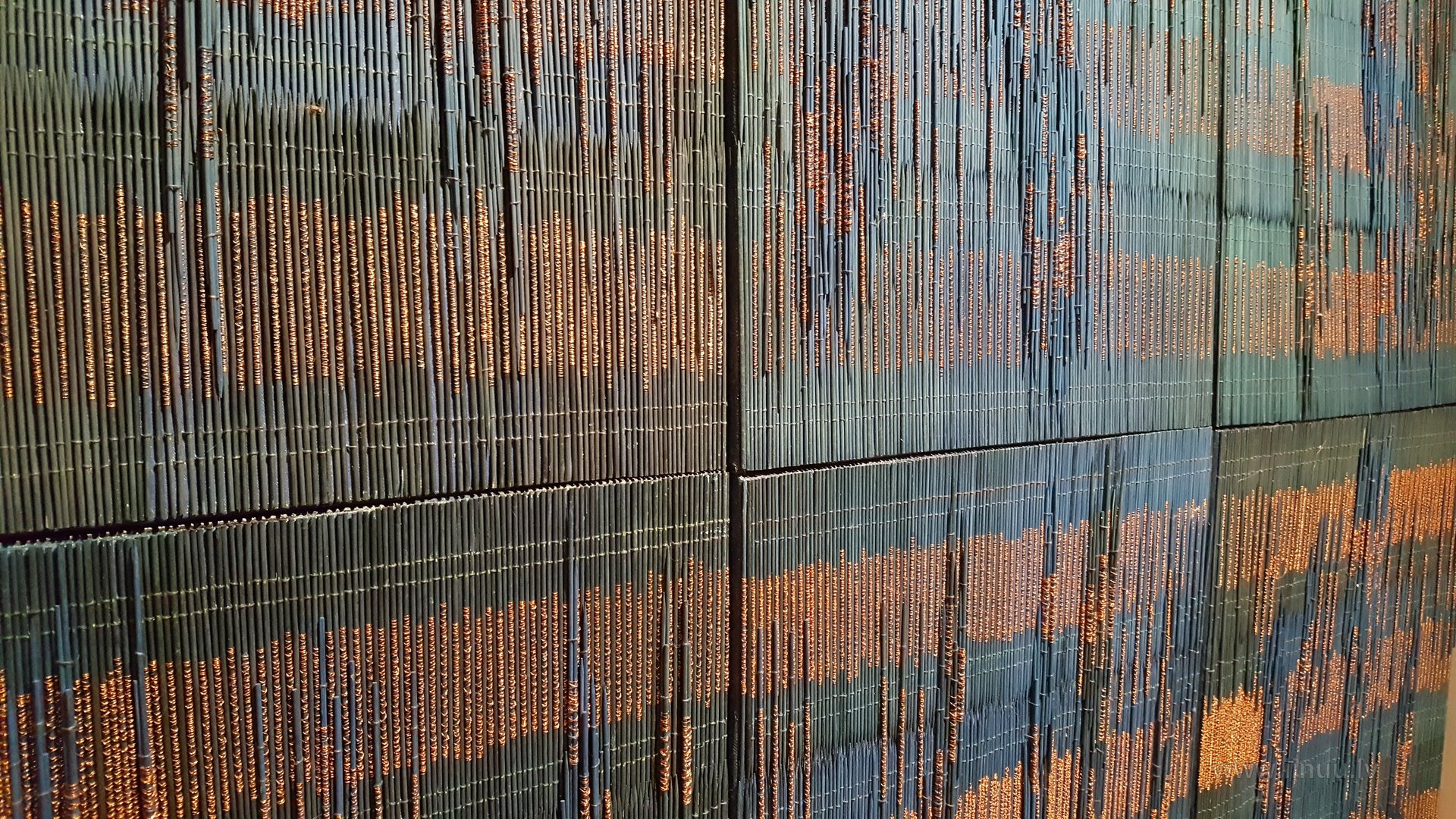
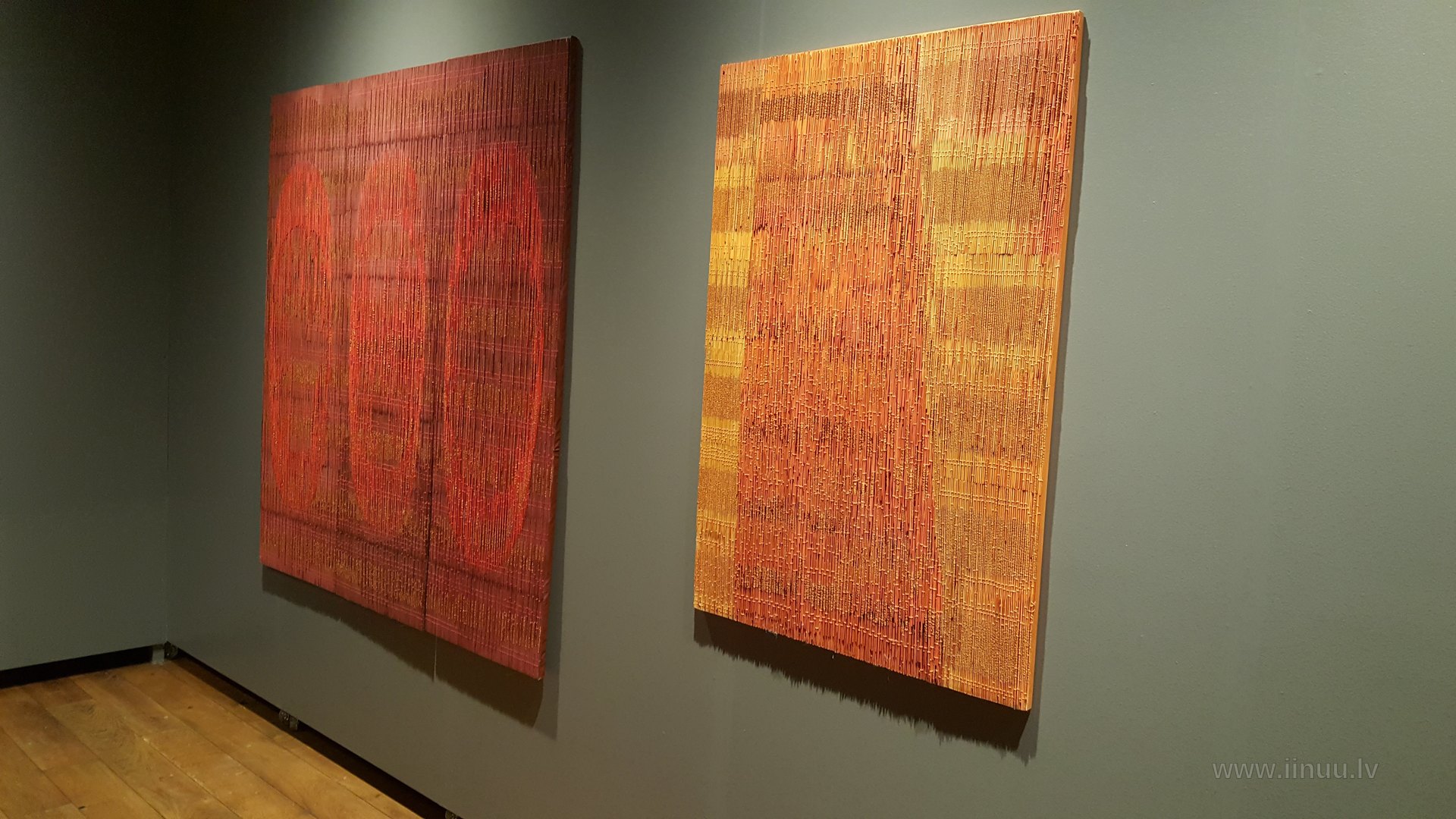
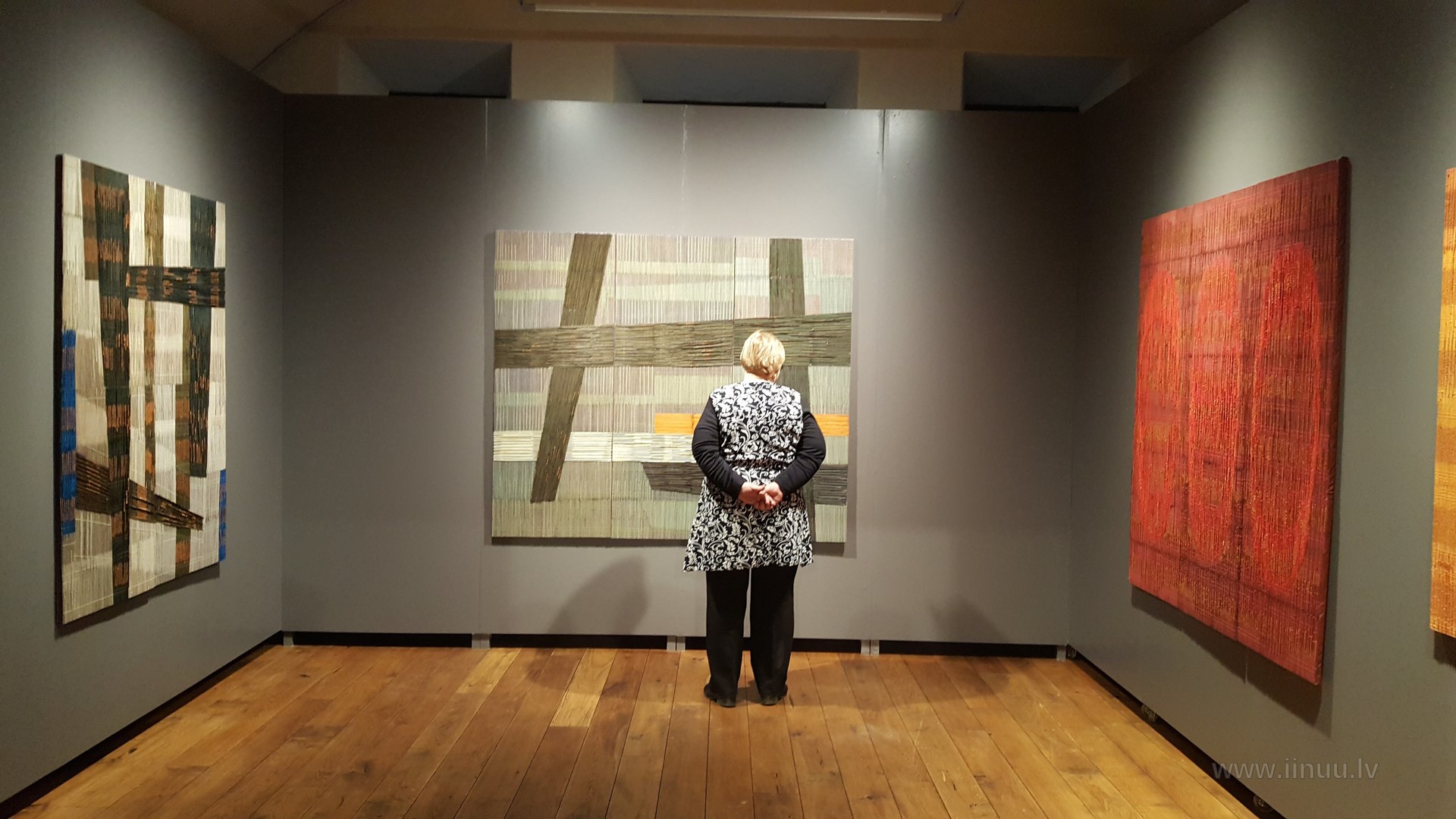
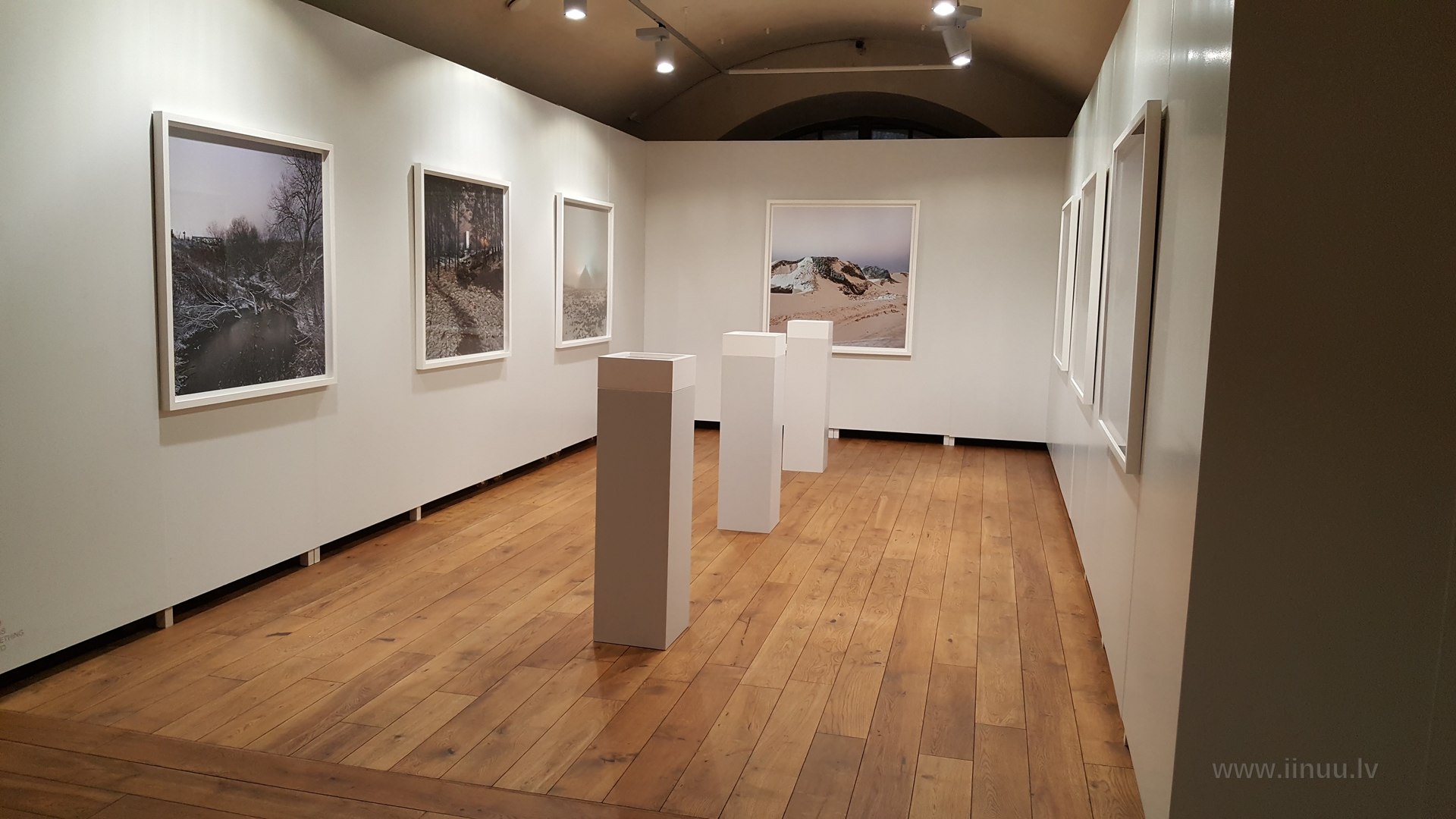
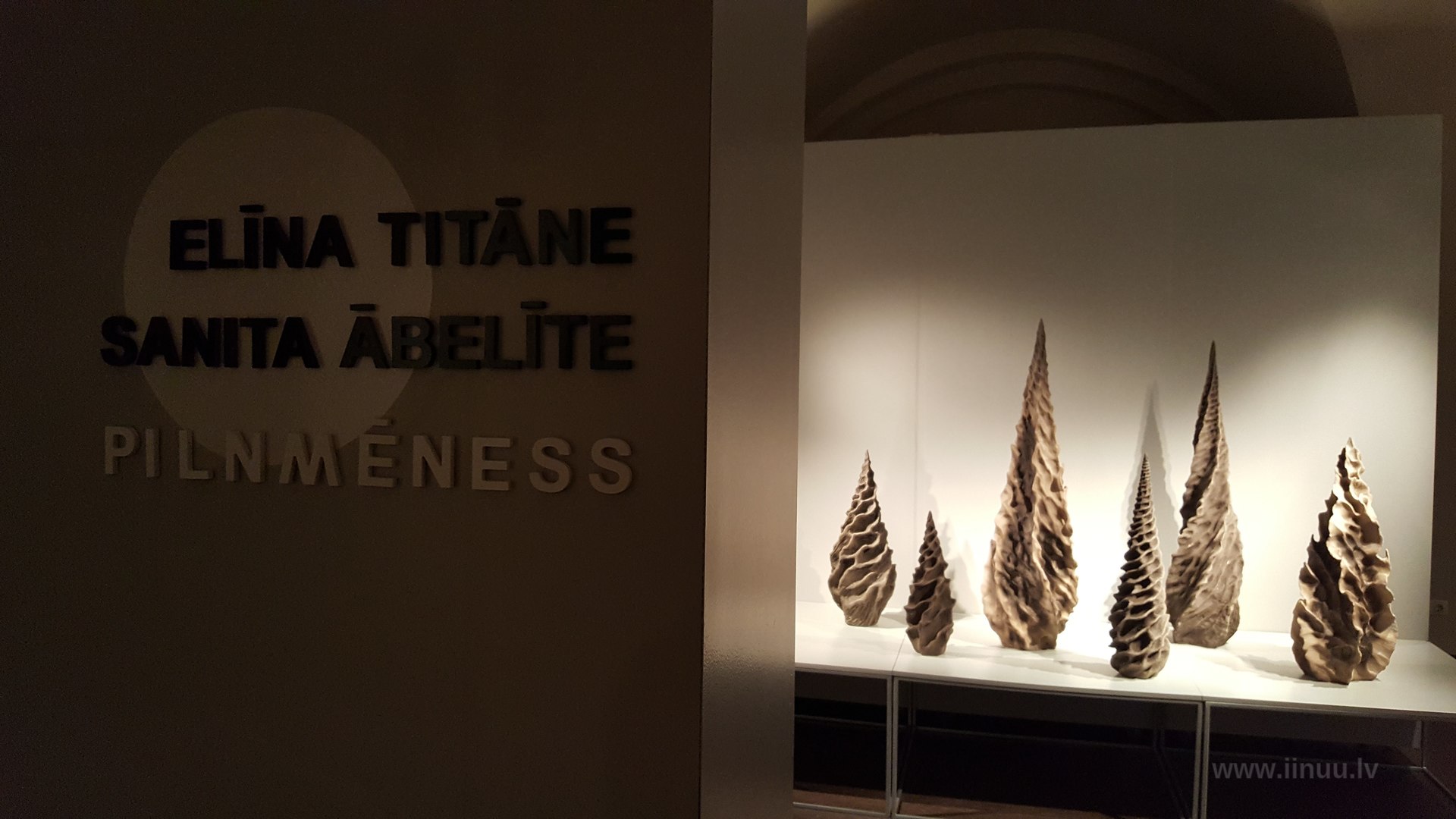
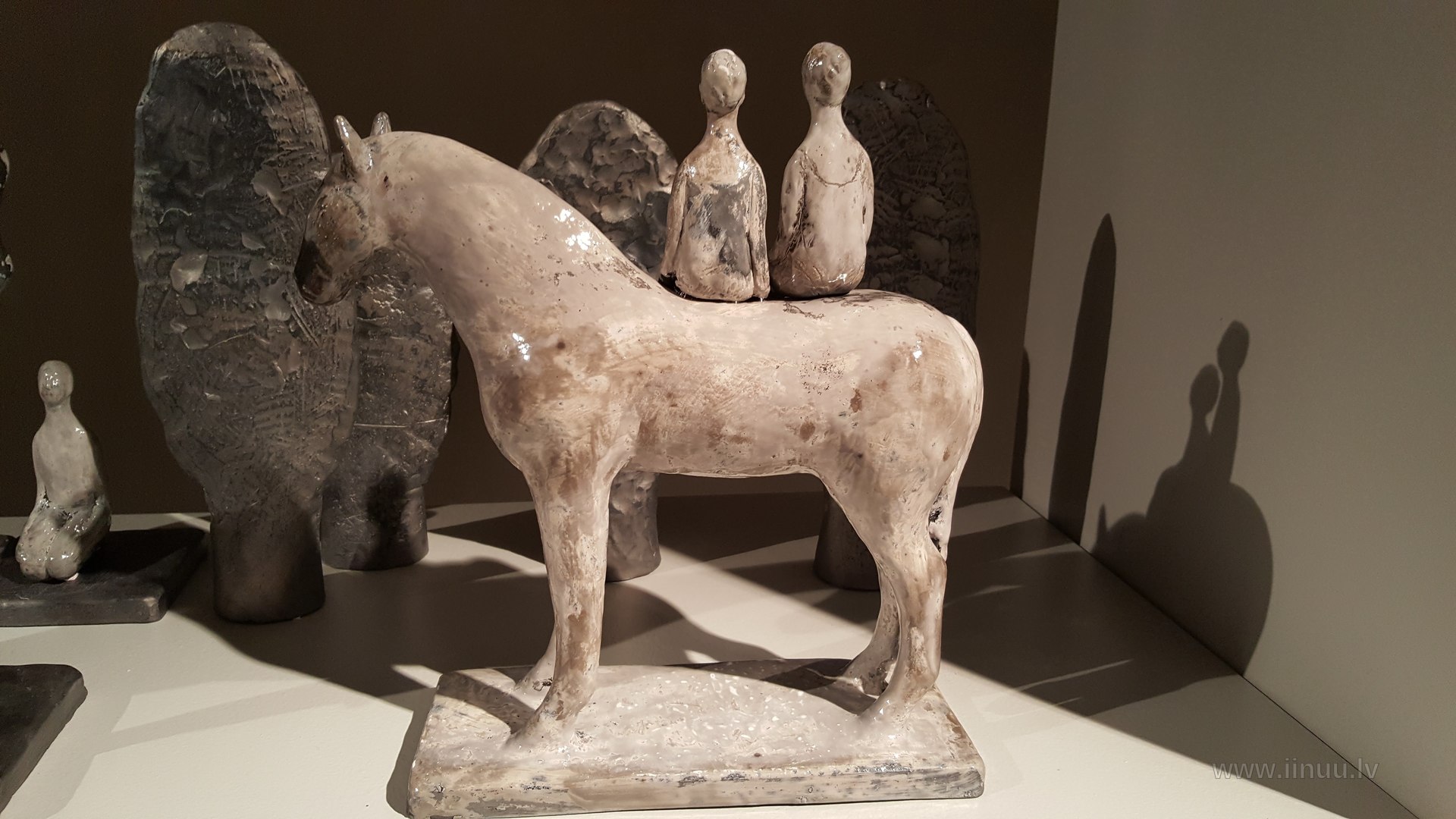
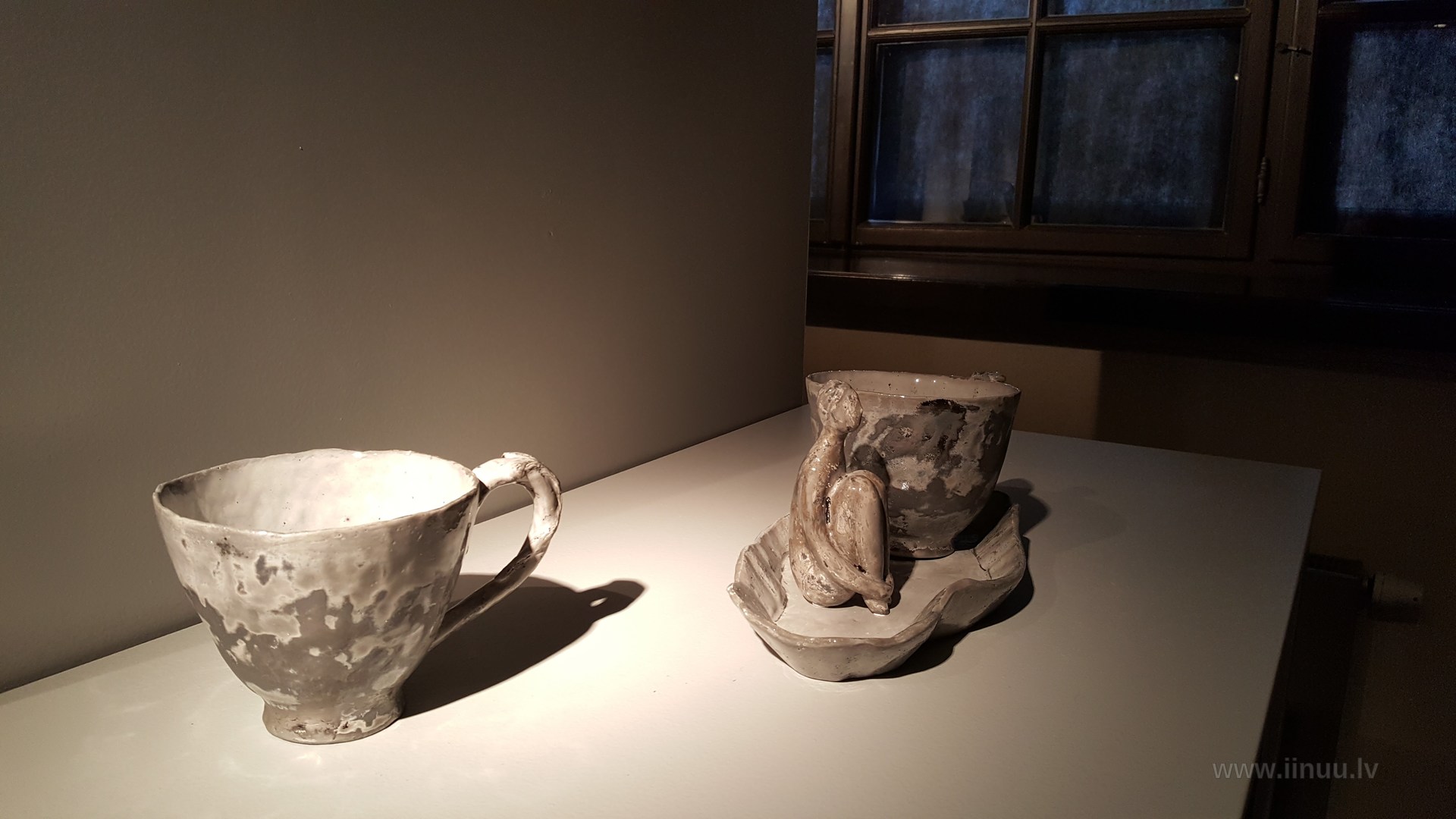
That covers Rothko, but that day the eyes were also delighted by Jolanta Ābele's delicate and femininely sinuous paintings; Norwegian artist Jon Arne Mogstad's play with muted tones and vivid, rich expanses of colour; textile artist Lija Rage's meticulous and labour-intensive works made from painted bamboo sticks wrapped in copper wire and thread; and the ceramic sculptures of Elīna Titāne and Sanita Ābelīte - seemingly lit by moonlight, fragile, sinuous, ascetic, yet each with its own story. See the photo gallery.
comments