A Weekend in Tallinn - Day 1
What was once a major undertaking - travelling to another country's capital - is today no different from a trip to any moderately close city. So on Friday evening, after work, we got in the car and by midnight were already in Tallinn. About 310 km and 4.5 hours on the road. The next day: Lennusadam - the Estonian Maritime Museum, Olde Hansa, and the Medieval Torture Instruments Museum.
What was once a major undertaking - travelling to another country's capital - is today no different from a trip to any moderately close city. So on Friday evening, after work, we got in the car and by midnight were already in Tallinn. About 310 km and 4.5 hours on the road.
Lennusadam - the Estonian Maritime Museum
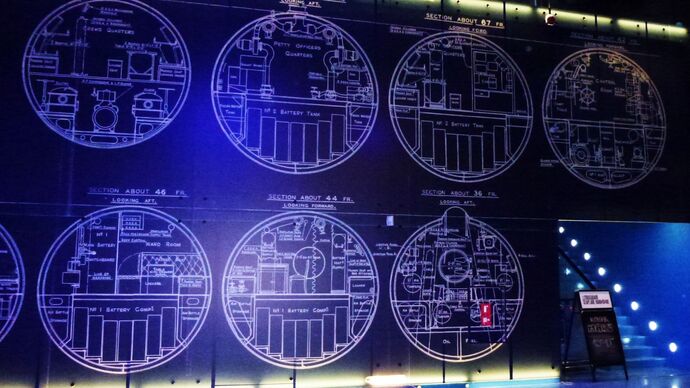
The next morning we set off to the attraction we had planned to visit - Lennusadam (the Estonian Maritime Museum). Our interest had been piqued by reports in the media that this maritime museum, which opened in Tallinn in May of this year, is the most modern maritime museum in Europe. And it is no exaggeration. The museum is genuinely impressive. One can easily spend the better part of a day there.
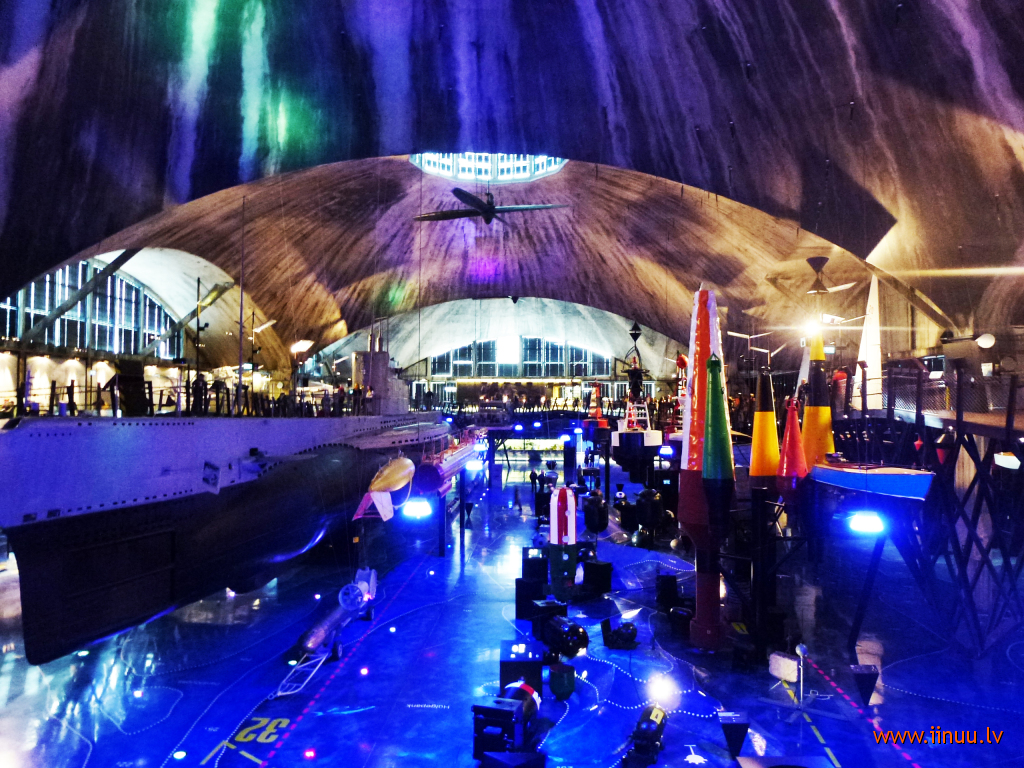
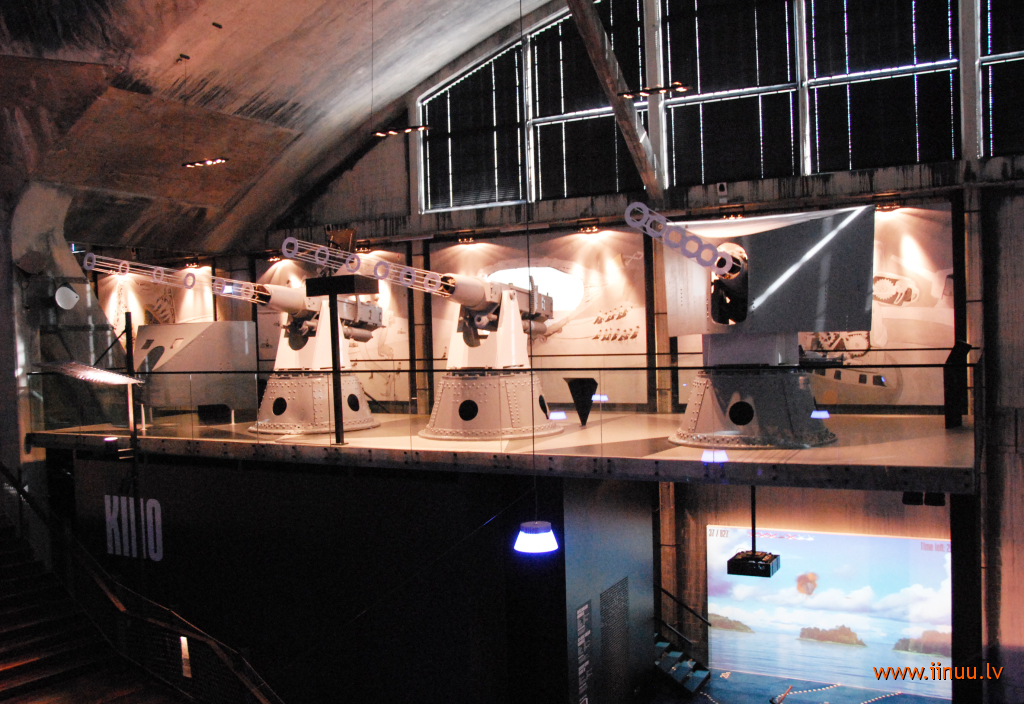
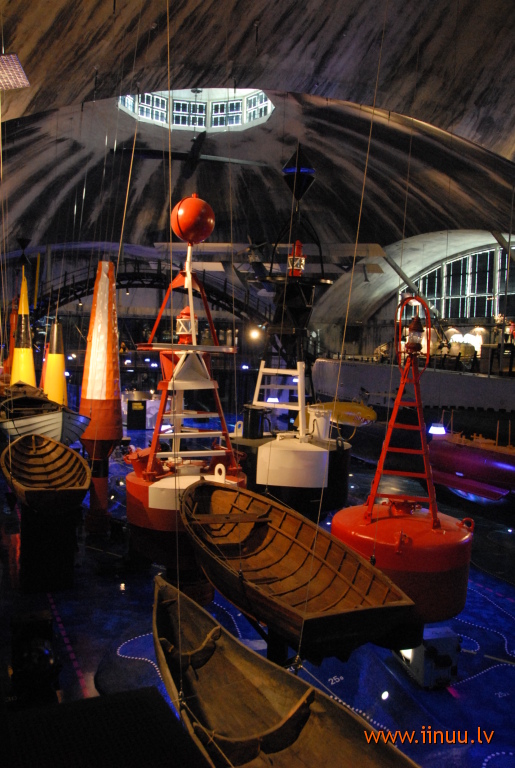
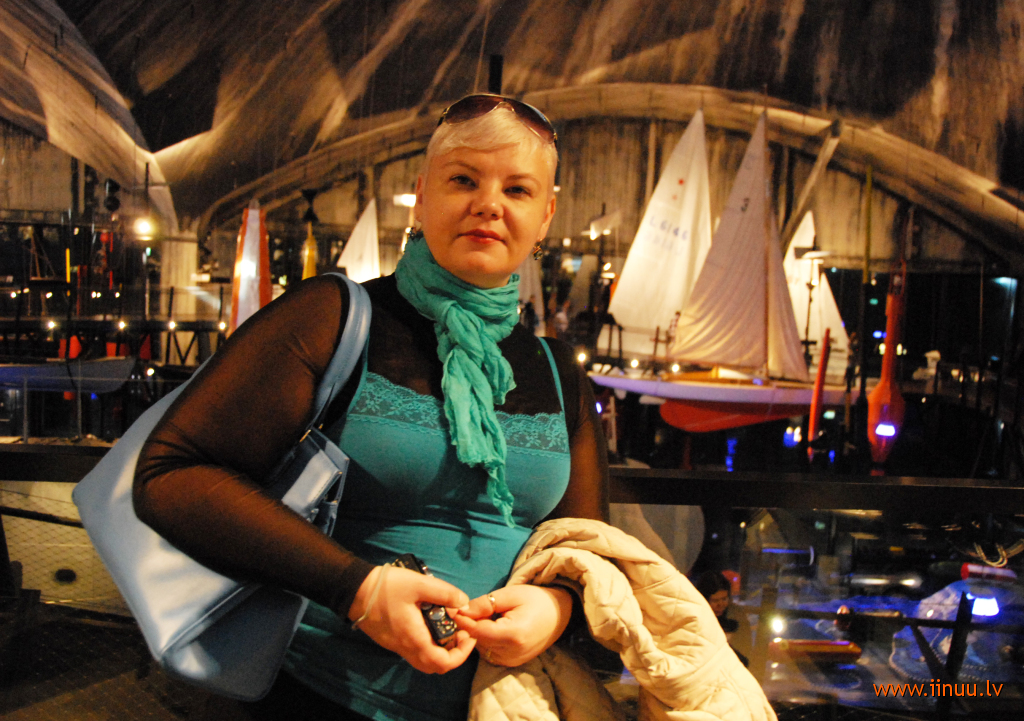
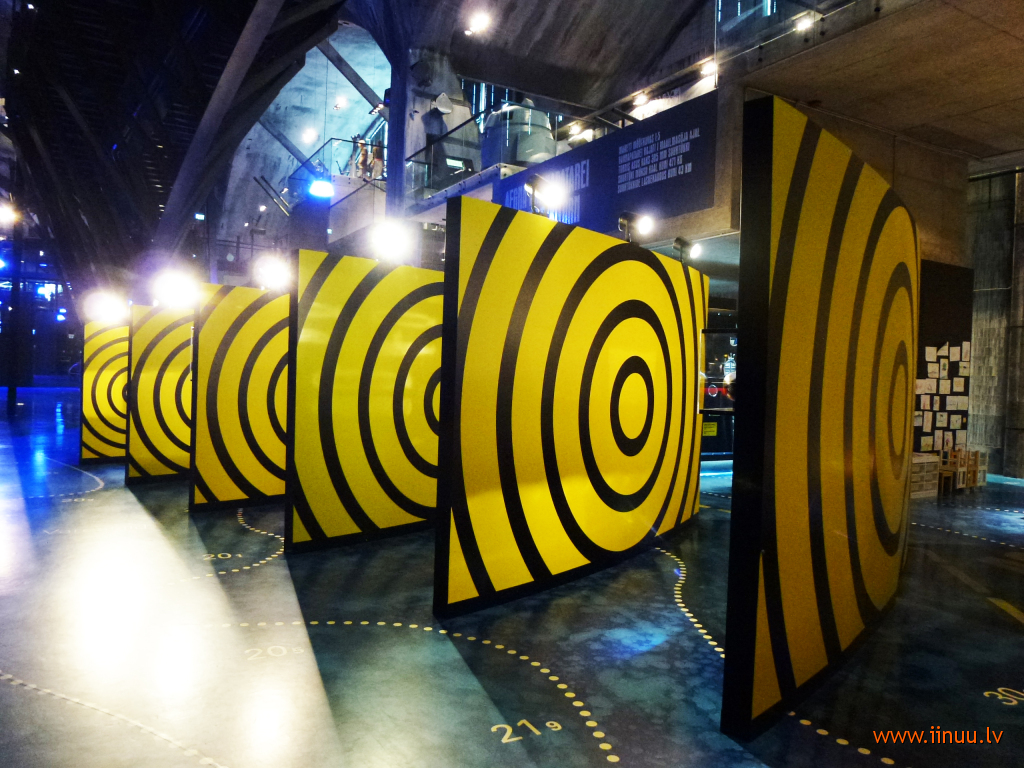
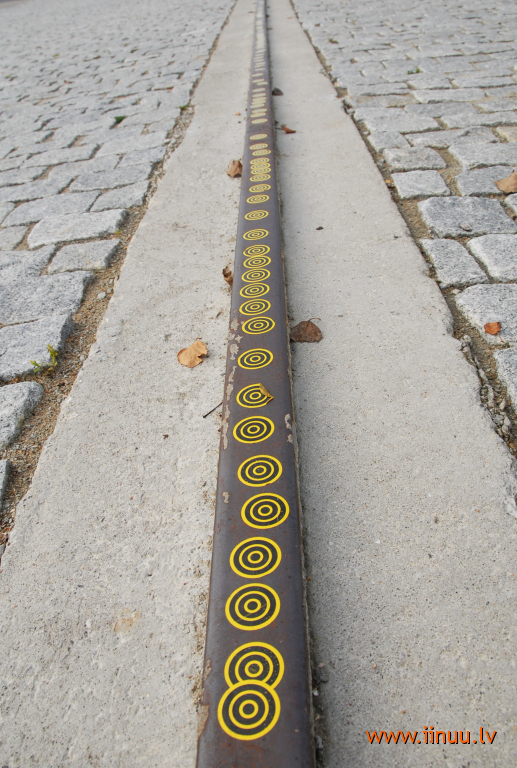
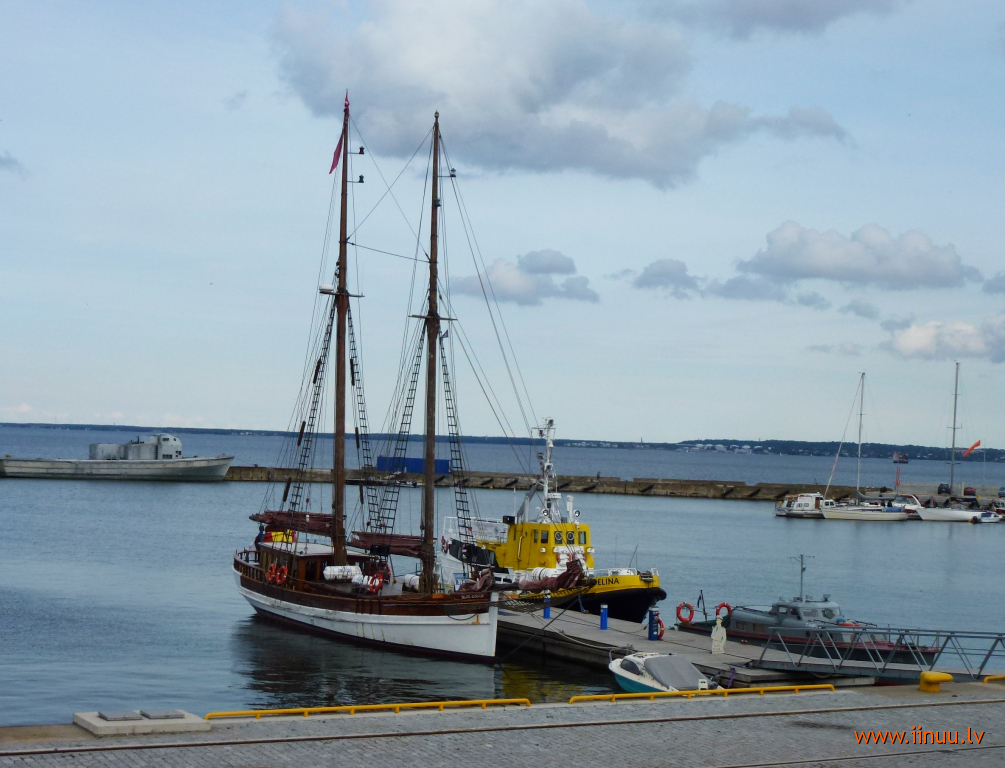
The main exhibition is housed in a large seaplane hangar (at Kiti iela 17a, Tallinn) on the seashore, where small boats and yachts are moored. Next to the hangar is a car park where one can leave the car free of charge. At the information point one can purchase tickets both for the hangar and outdoor exhibition (10 EUR per adult) and for the maritime history museum in the old town (12 EUR combined). We chose only the first option. Each visitor is given an electronic card that must be held against a card reader to move freely around the hangar spaces - the exhibition, the café, the shop. Stickers are also issued - yellow-black bullseye targets - a motif that recurs throughout the museum's design and souvenirs.
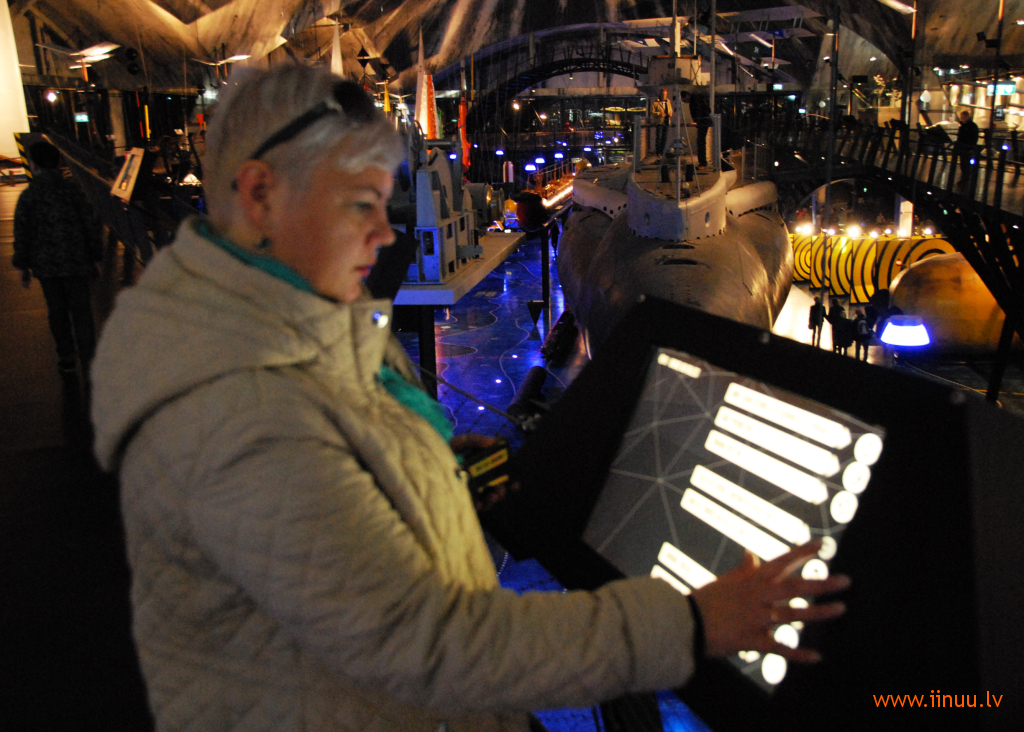
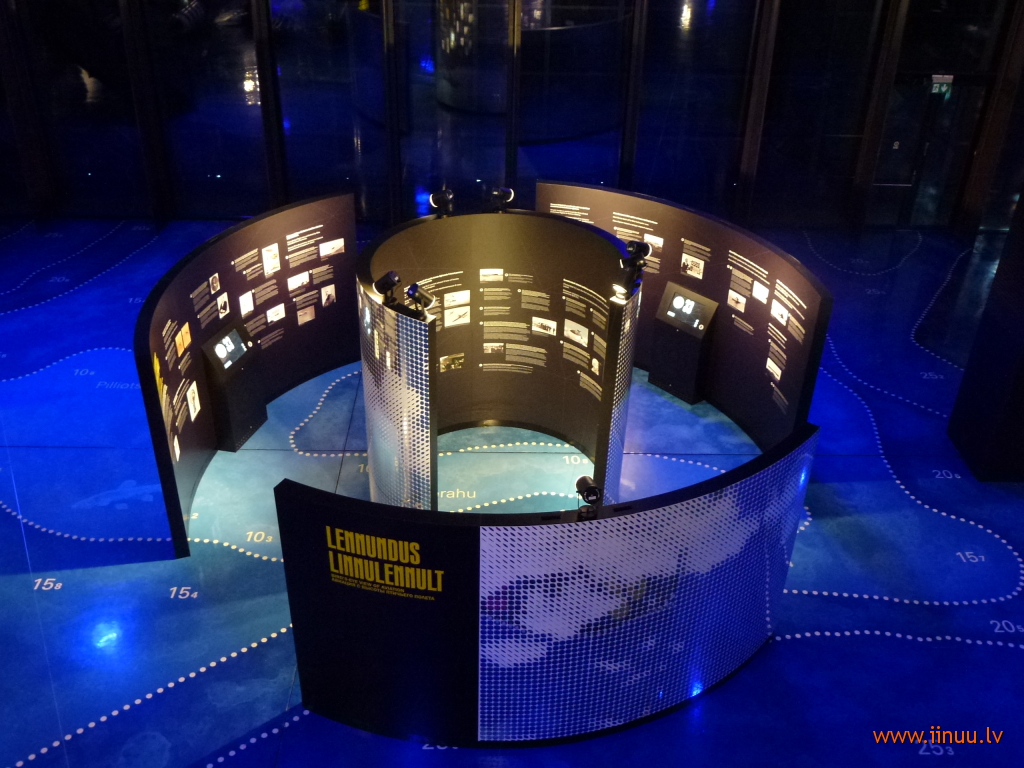
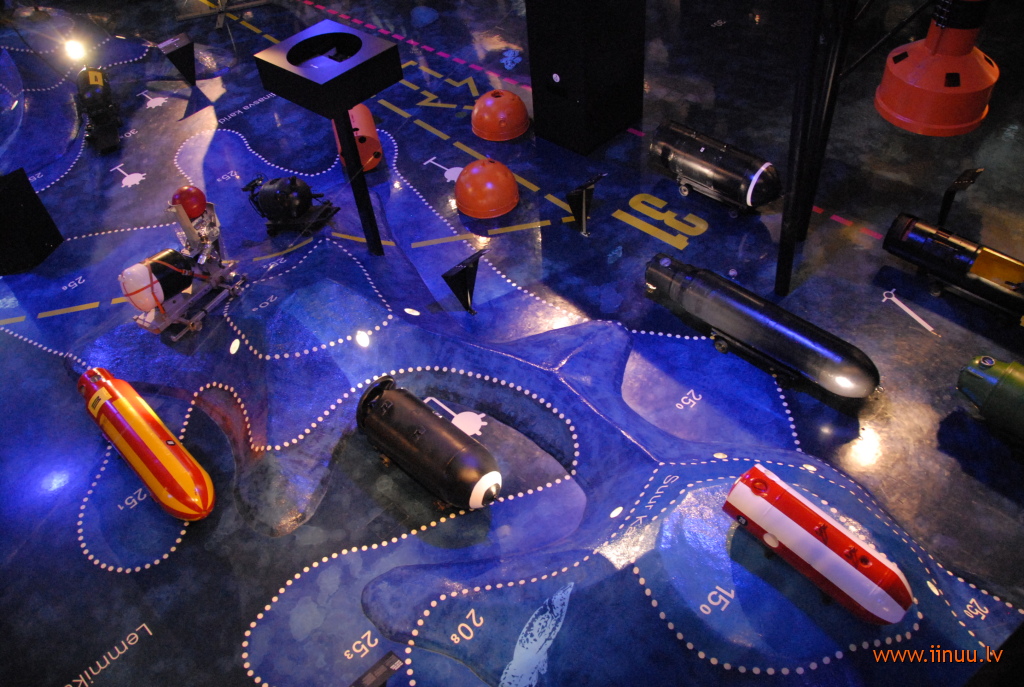
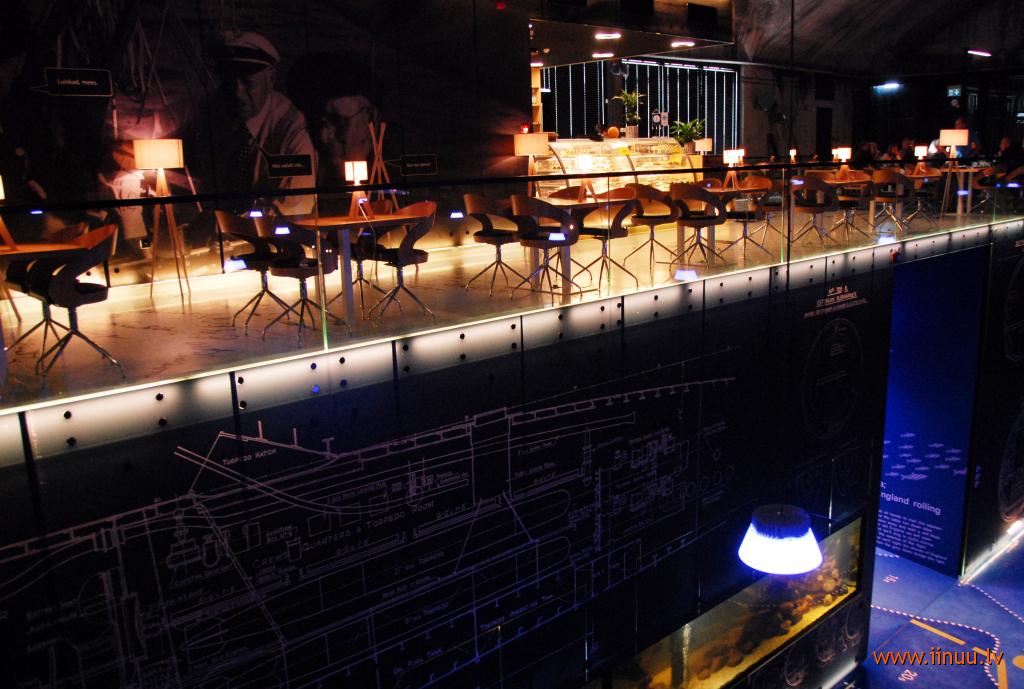
The exhibition begins on the 2nd floor, where you enter the vast hangar space and walk along a sky bridge, looking down at the blue floor that symbolically depicts water and the ocean depths with all the wonders hidden within, including the little black insects - sea mines. Ships and boats of various sizes and from various centuries "sail" through the air, while large fan blades rotate overhead. Touchscreens are arranged along the sides of the bridge, displaying information about maritime history in three languages, along with photographs and short videos.
What to do at the museum?
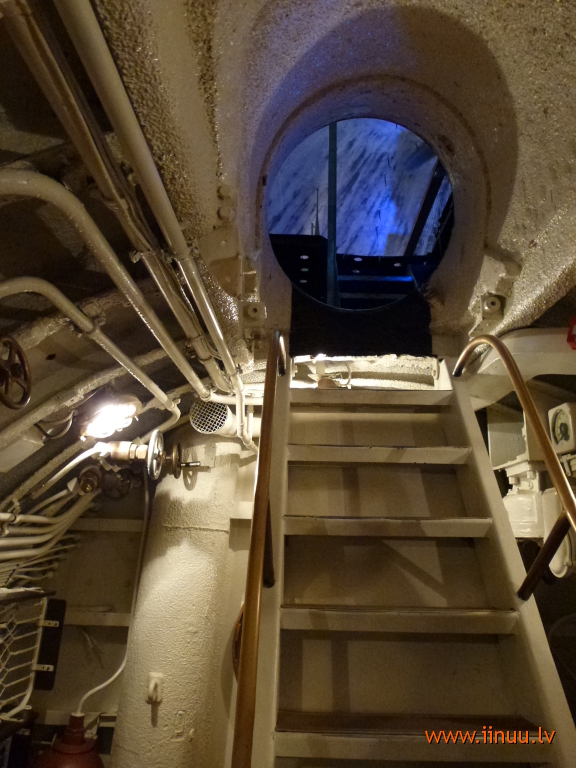
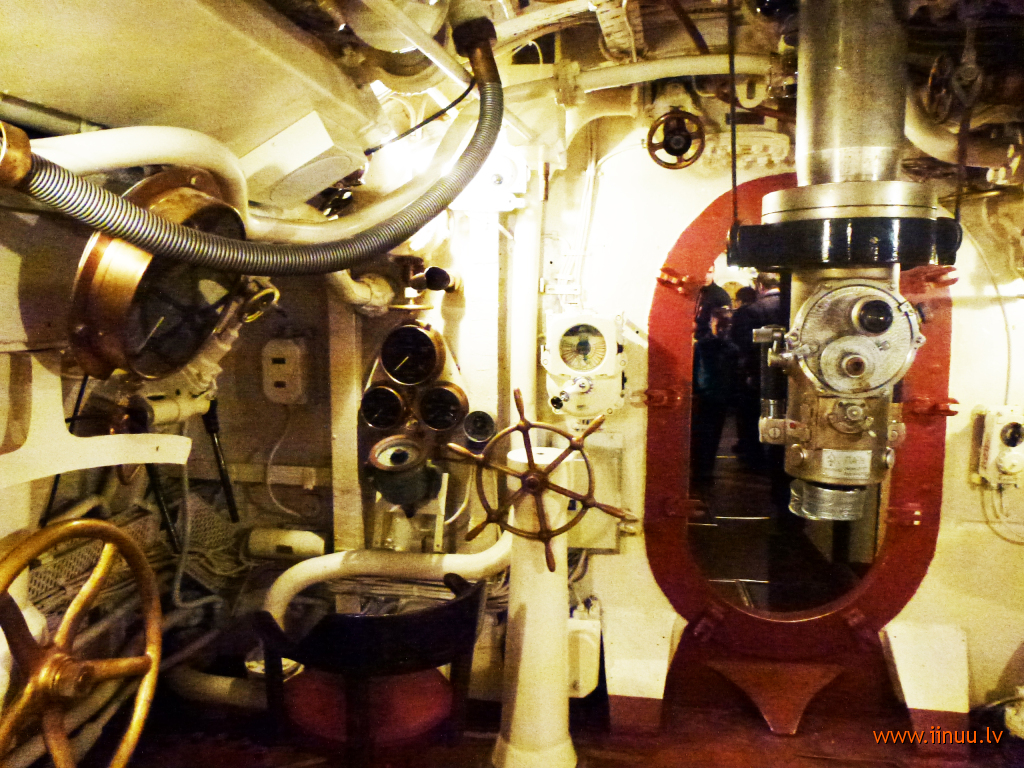
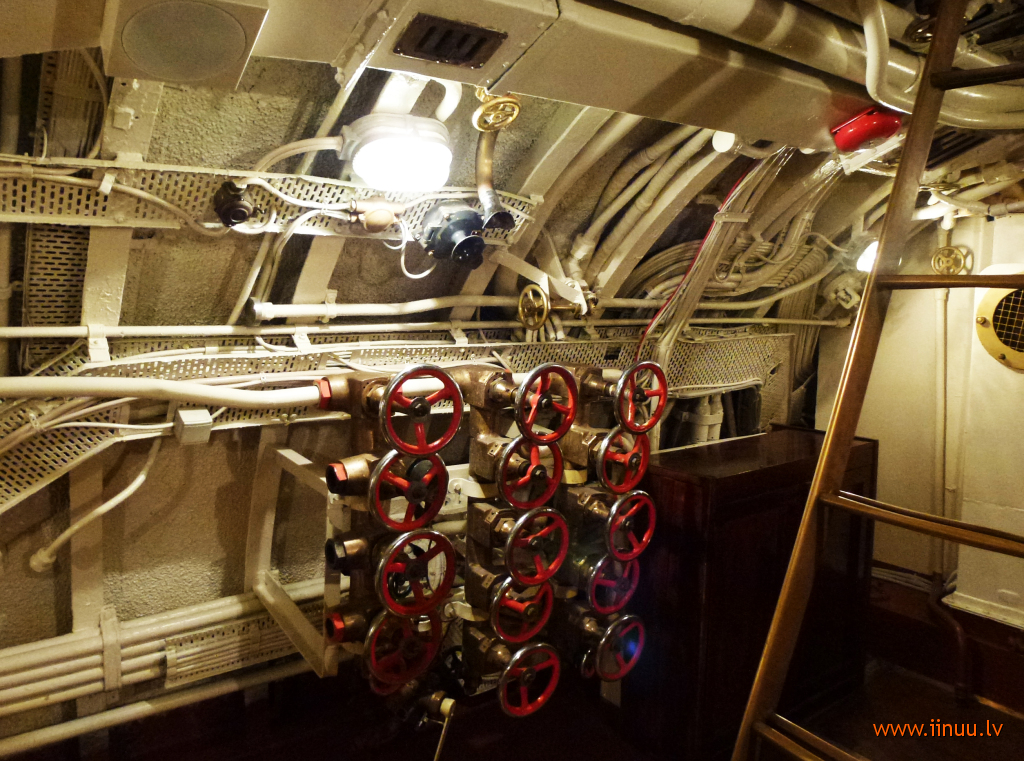
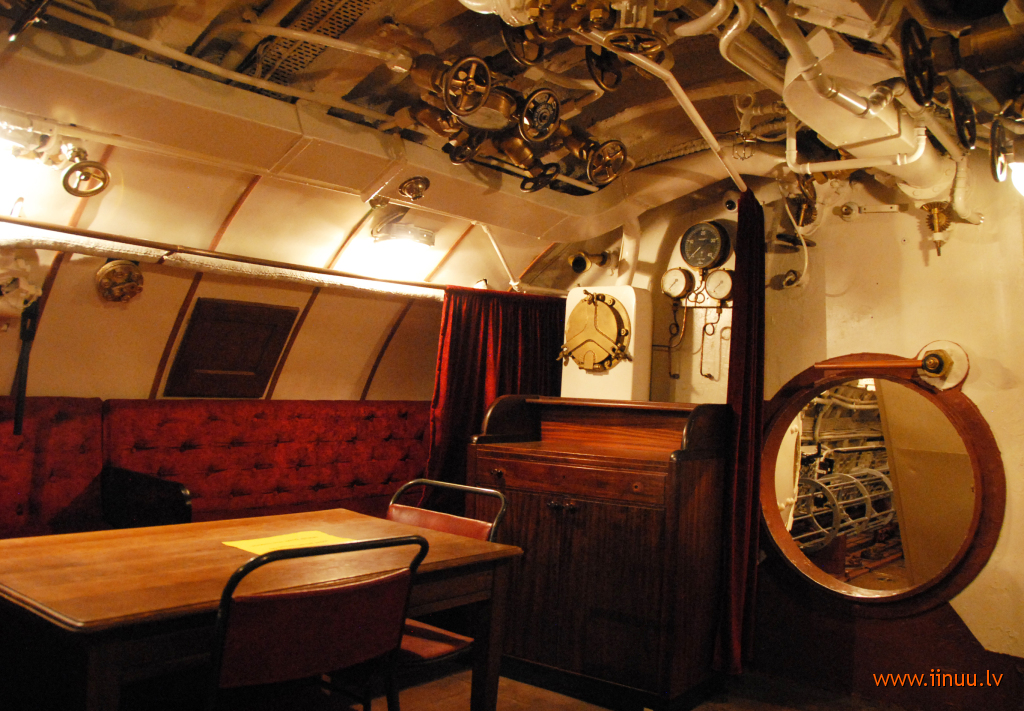
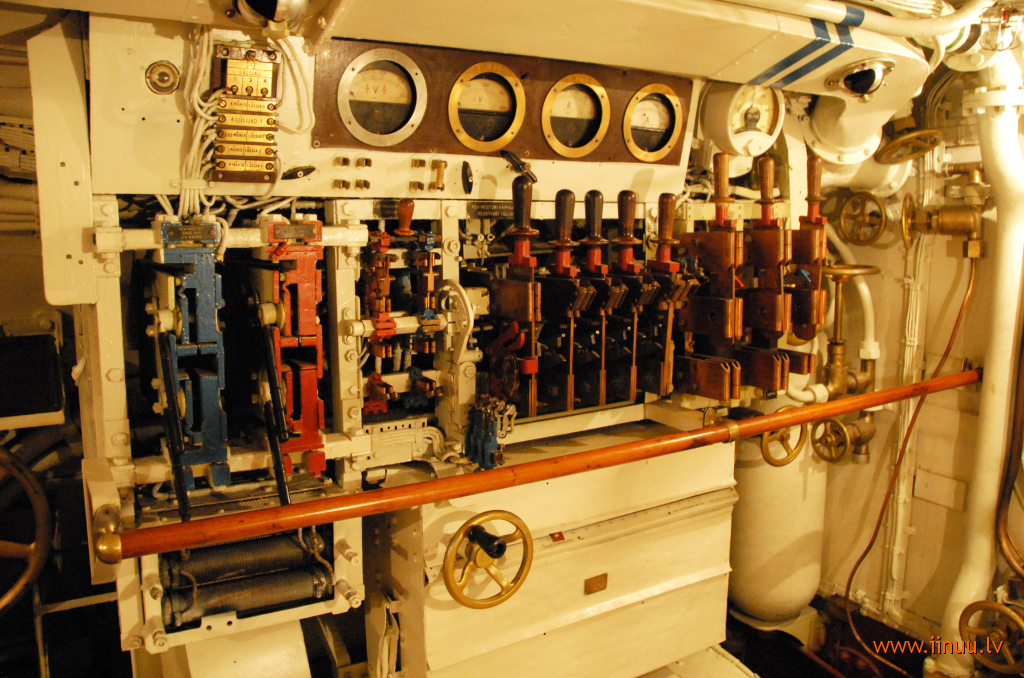
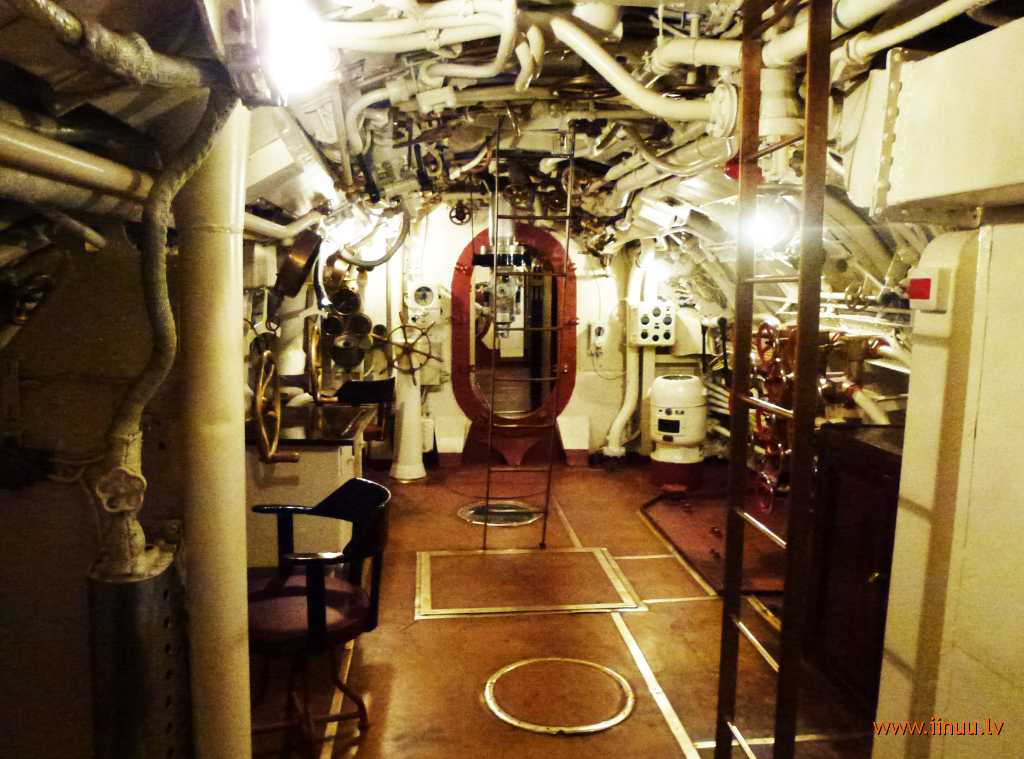
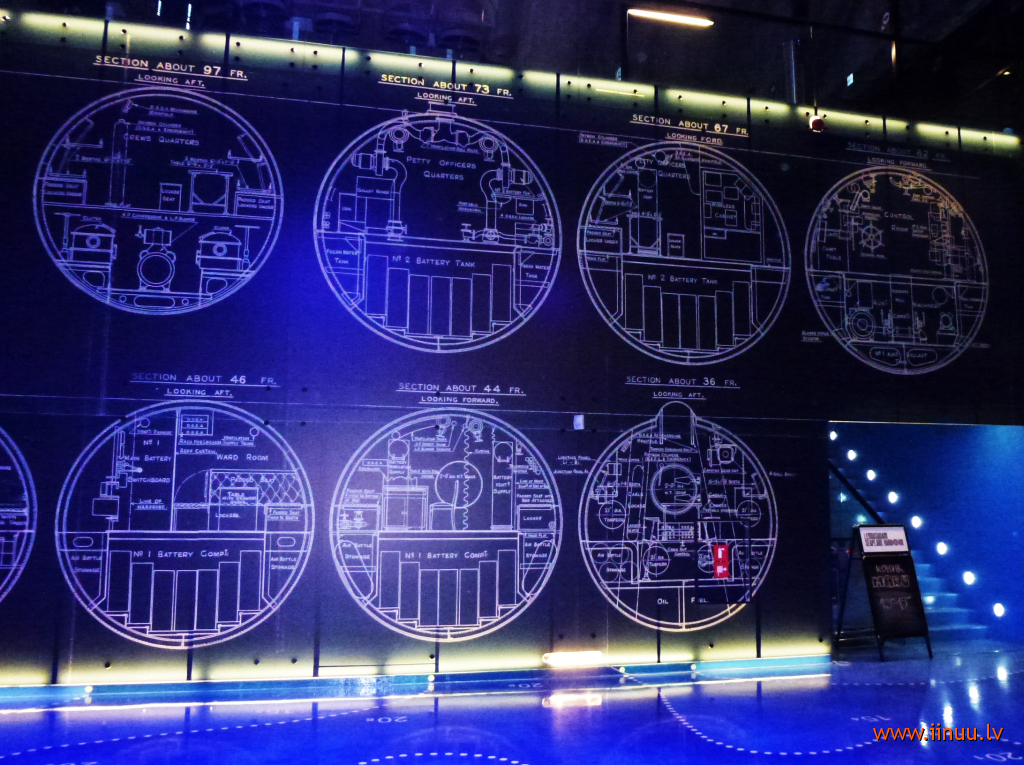
· Explore the museum's pride - a real submarine, the Lembit, built in England in 1934 and which served in the Estonian naval forces before being taken over by the Soviet Baltic Fleet, seeing action in the Second World War battles and later used as a training submarine. It was raised from the waters only shortly before the museum opened.
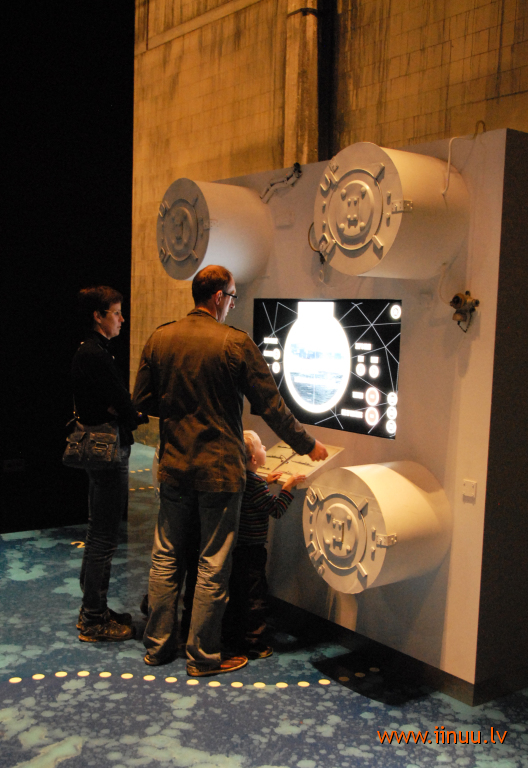
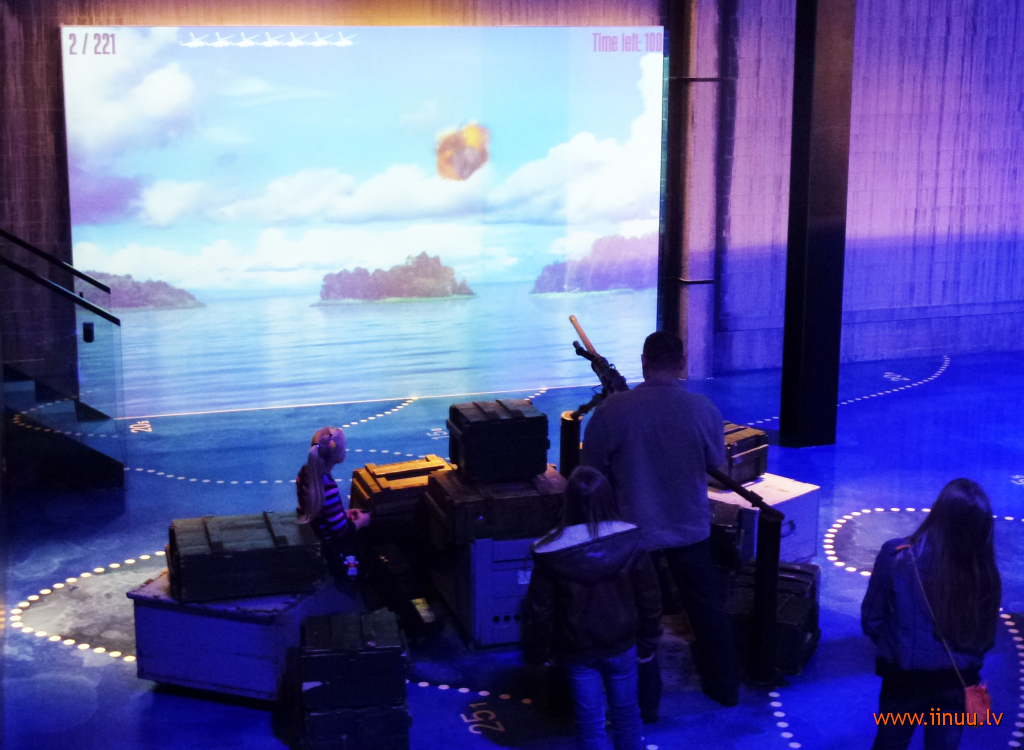
· Play naval warfare on large screens - sinking ships with torpedoes or shooting down aircraft from a ship's deck.
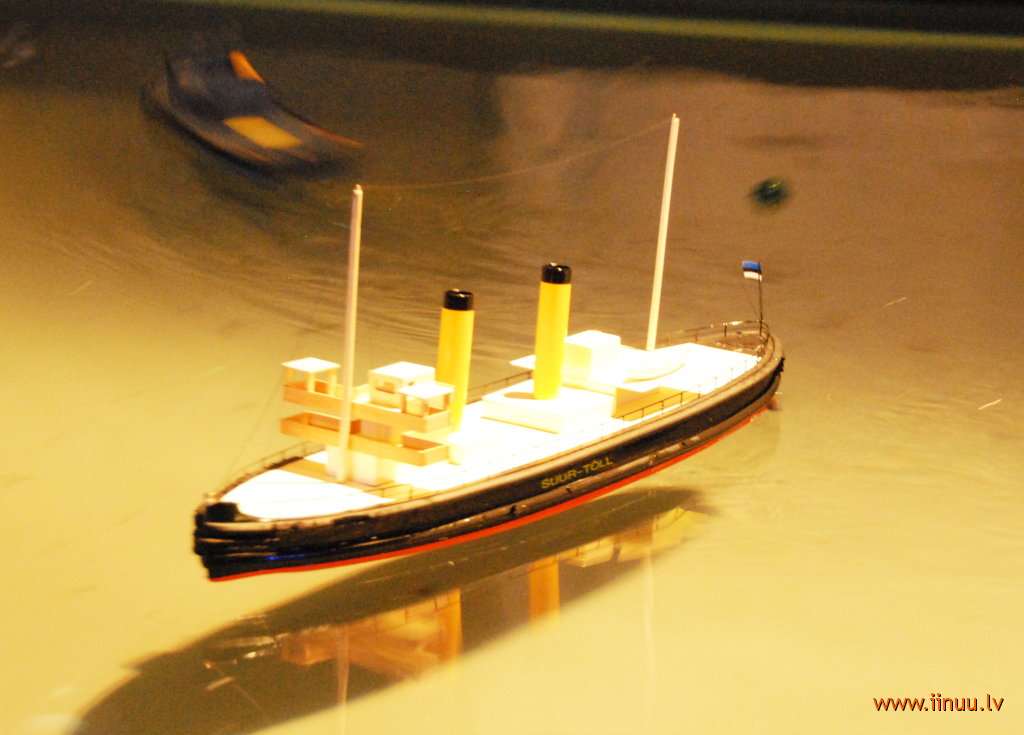
· Pilot remote-controlled boats on a makeshift sea - a pool.
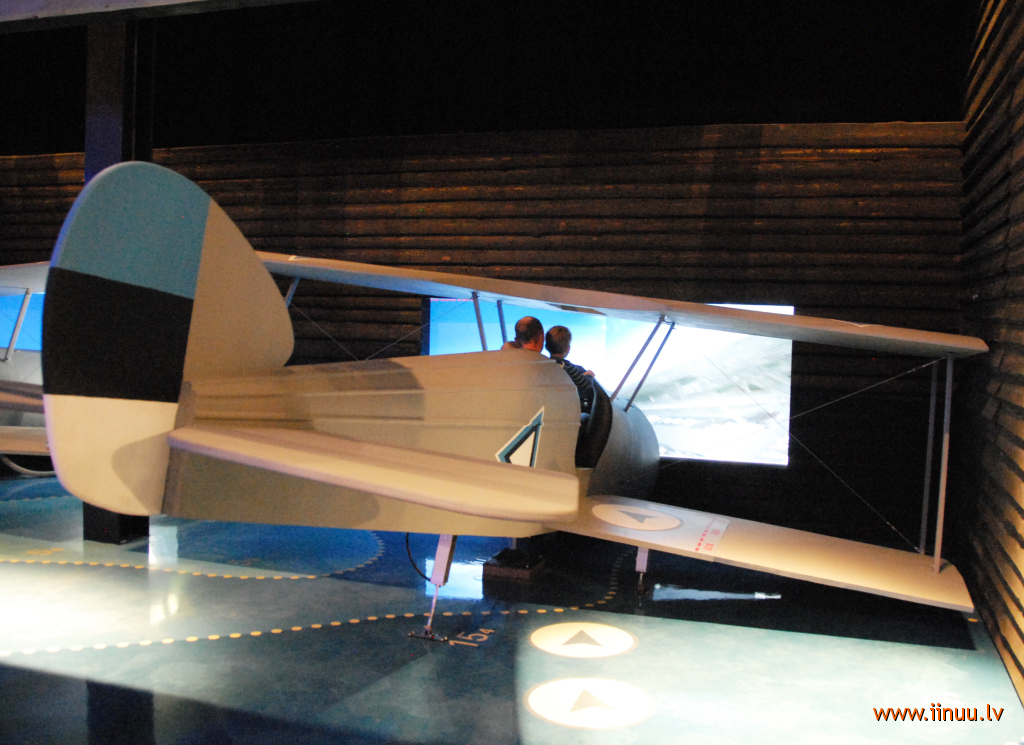
· Fly a seaplane over the Estonian countryside in a simulator.
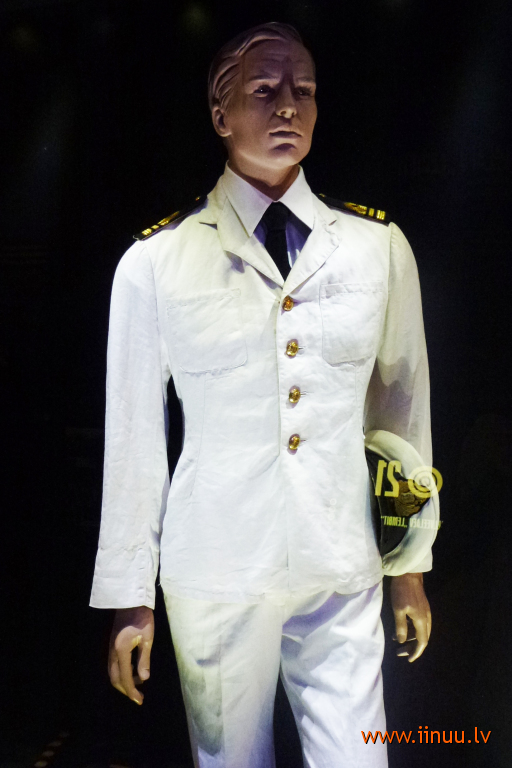
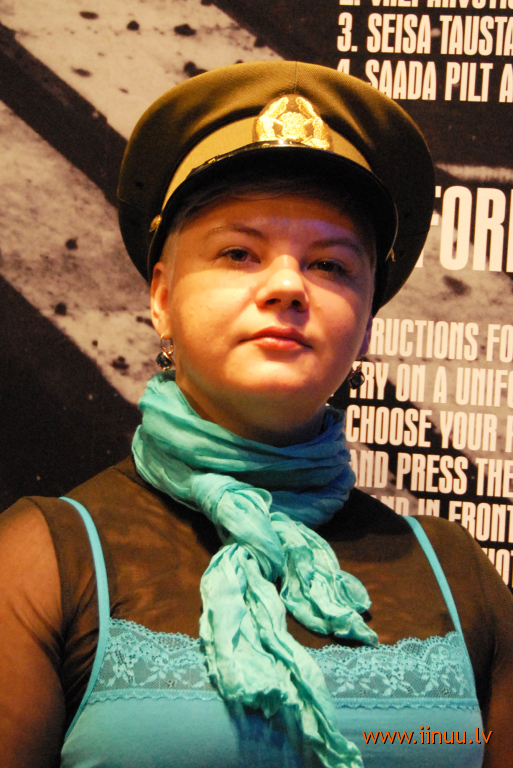
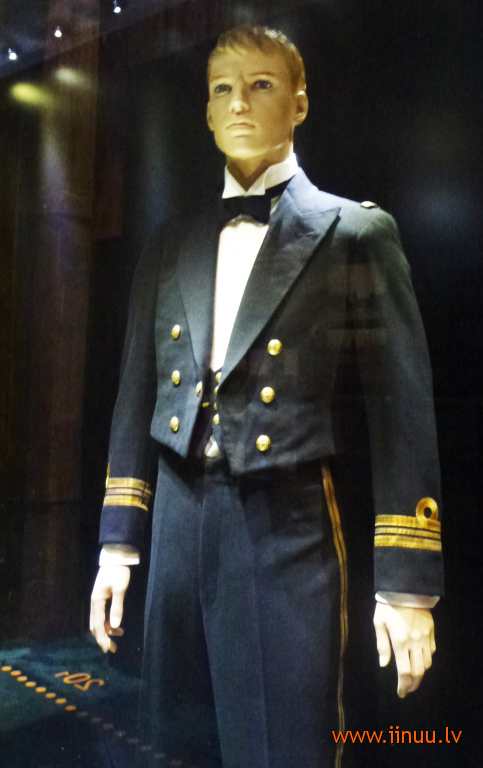
· Dress up as a sailor or commander and be photographed against a ship backdrop.
· Watch fish in a large aquarium that runs along the full length of a museum wall.
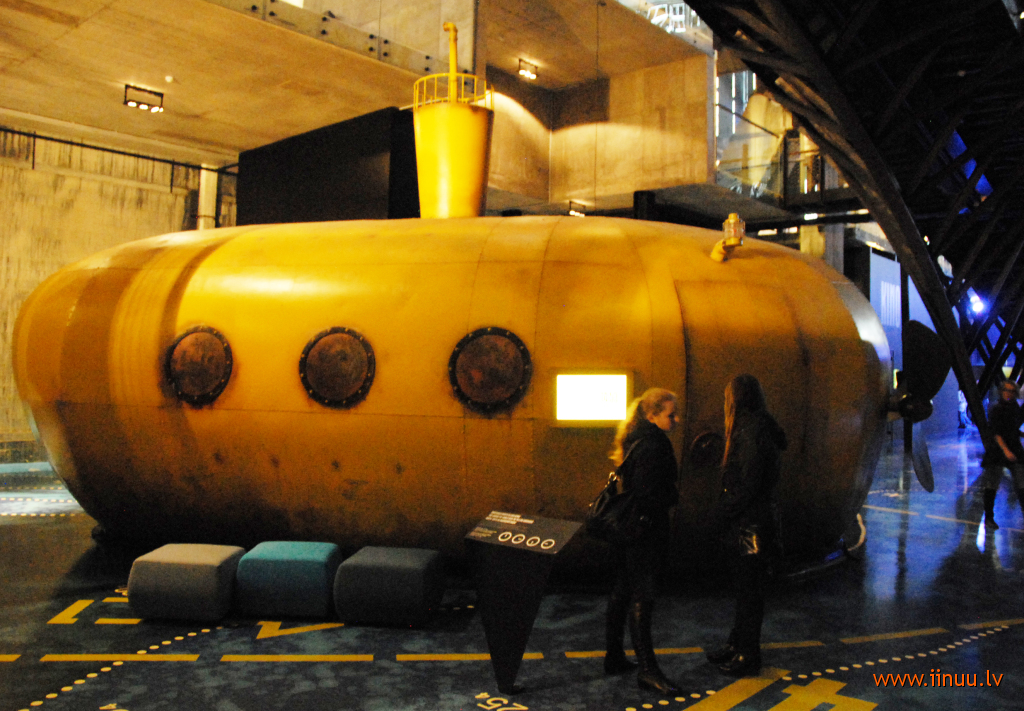
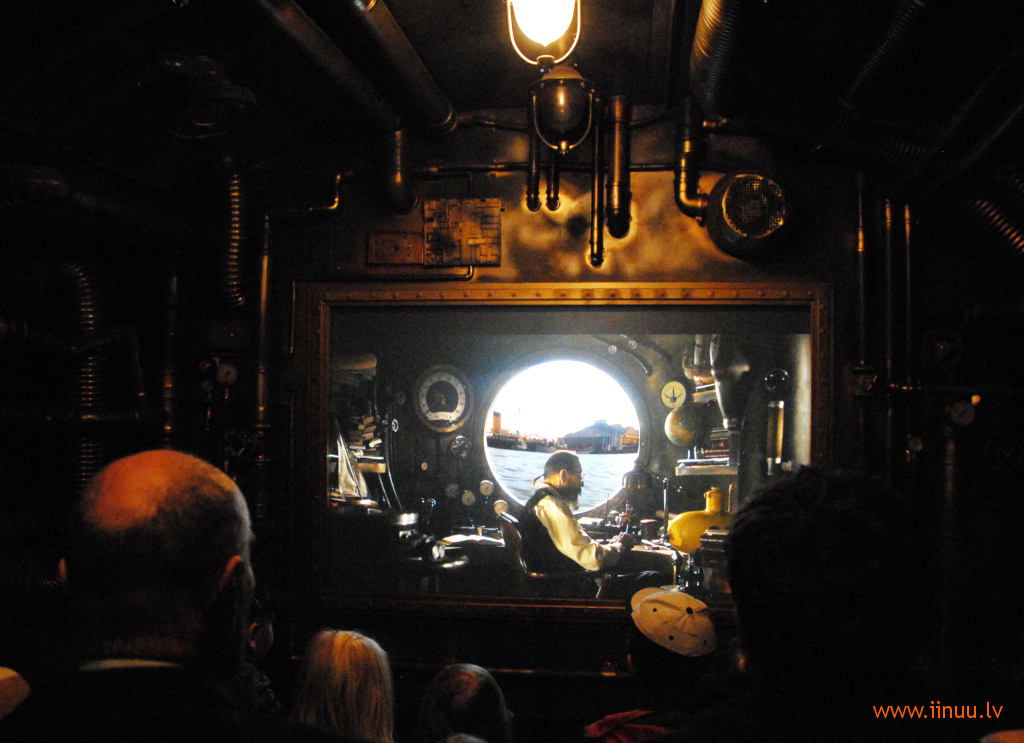
· Board the yellow submarine immortalised by The Beatles, whose captain will "lead" you on a journey around the globe. In 15 minutes you visit the Mariana Trench, evade a pirate attack, and observe the underwater world.
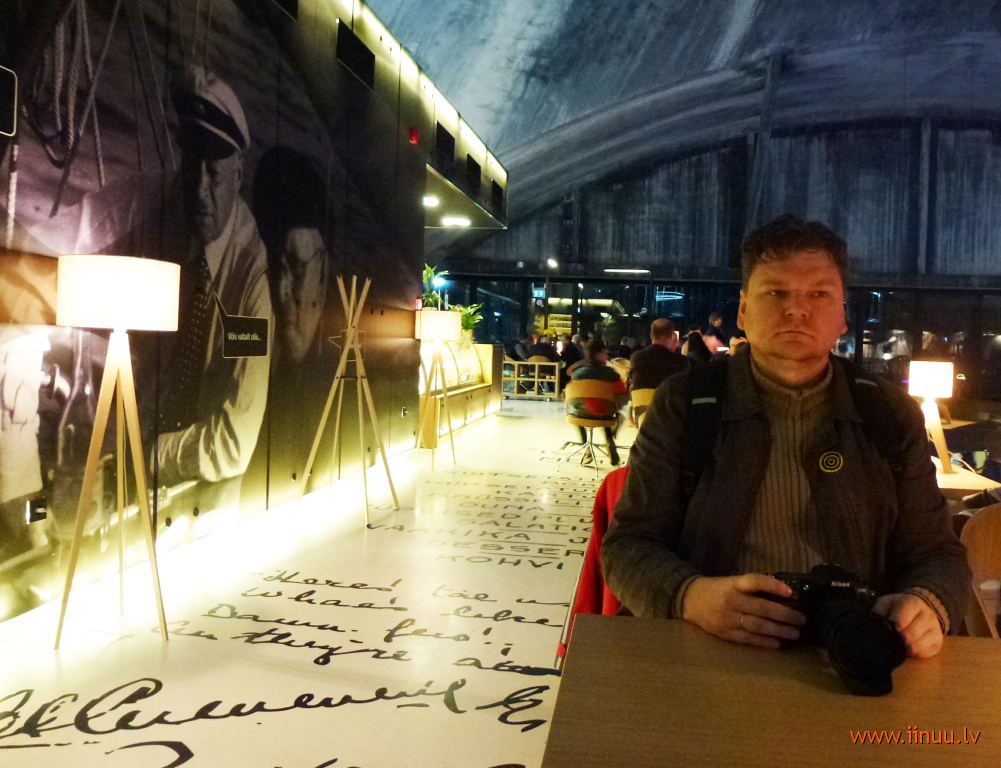
· Rest your feet and have a coffee at the café "Maru".
· Buy a souvenir to take home.
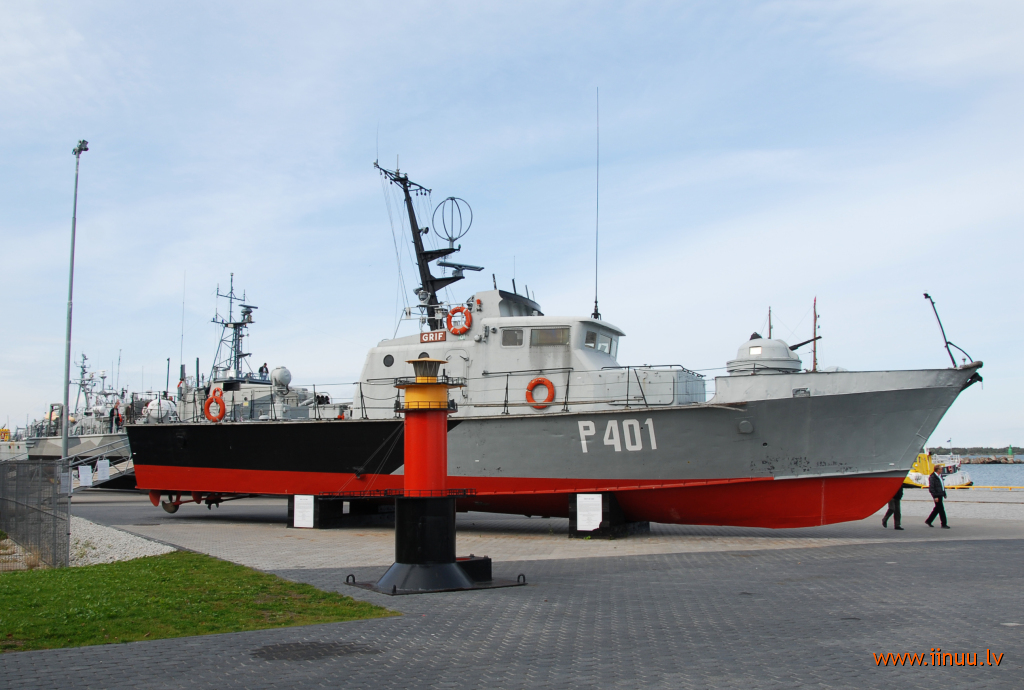
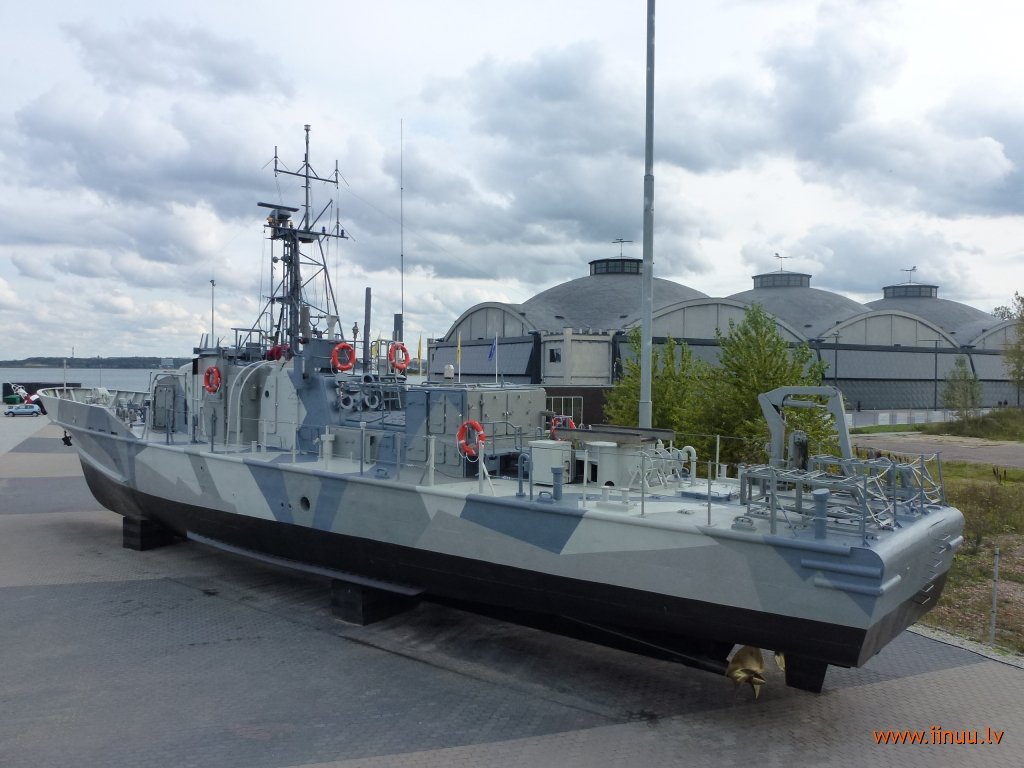
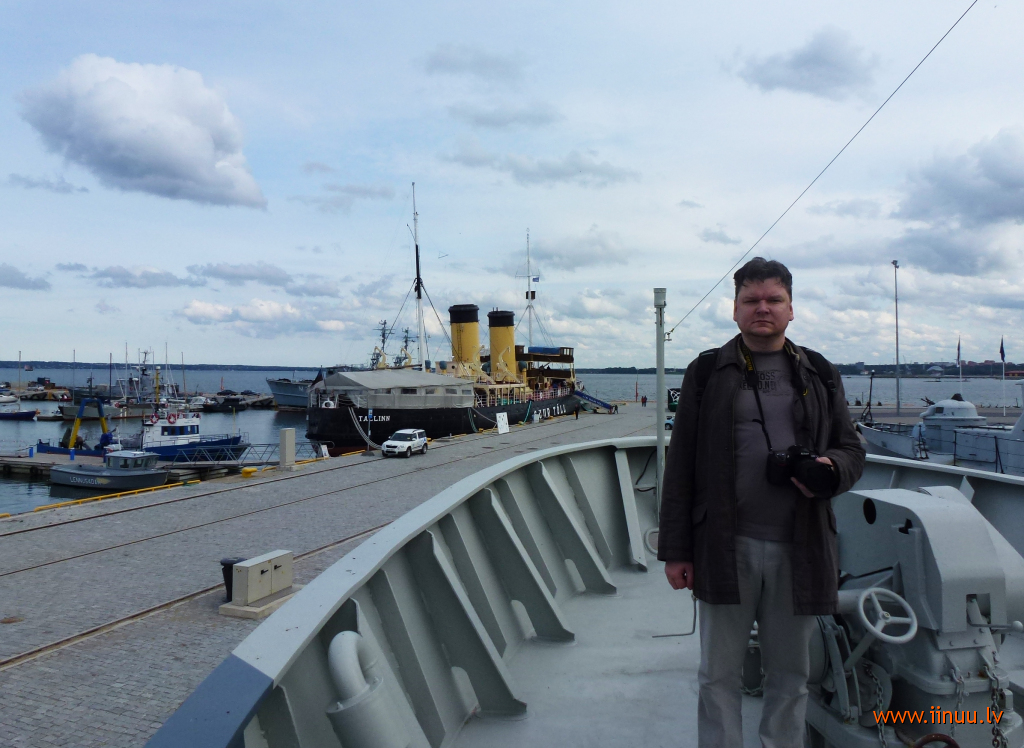
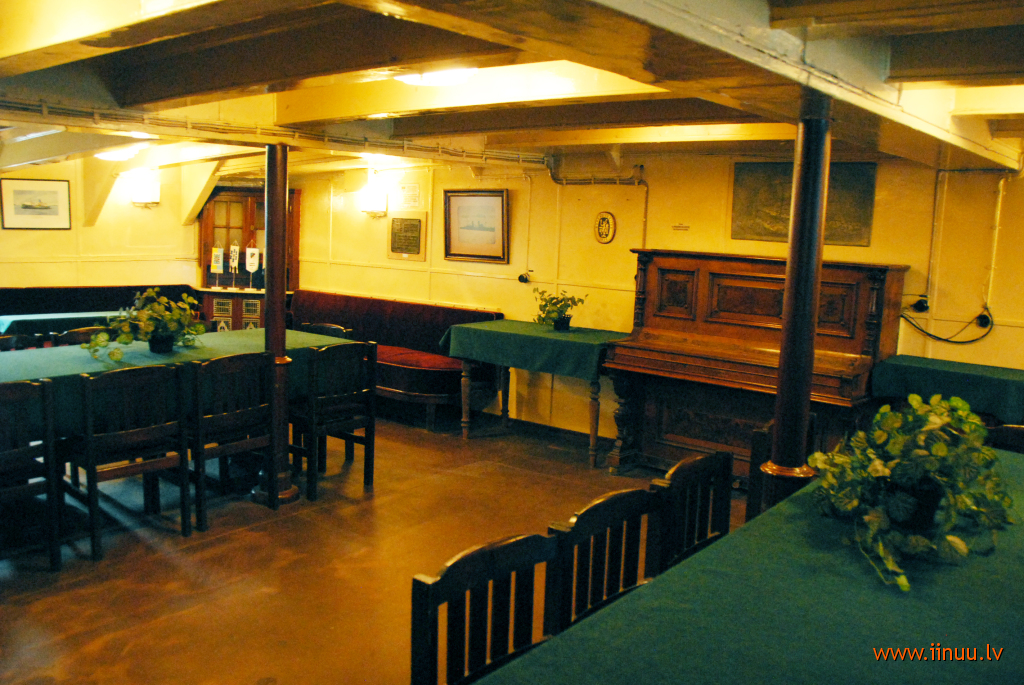
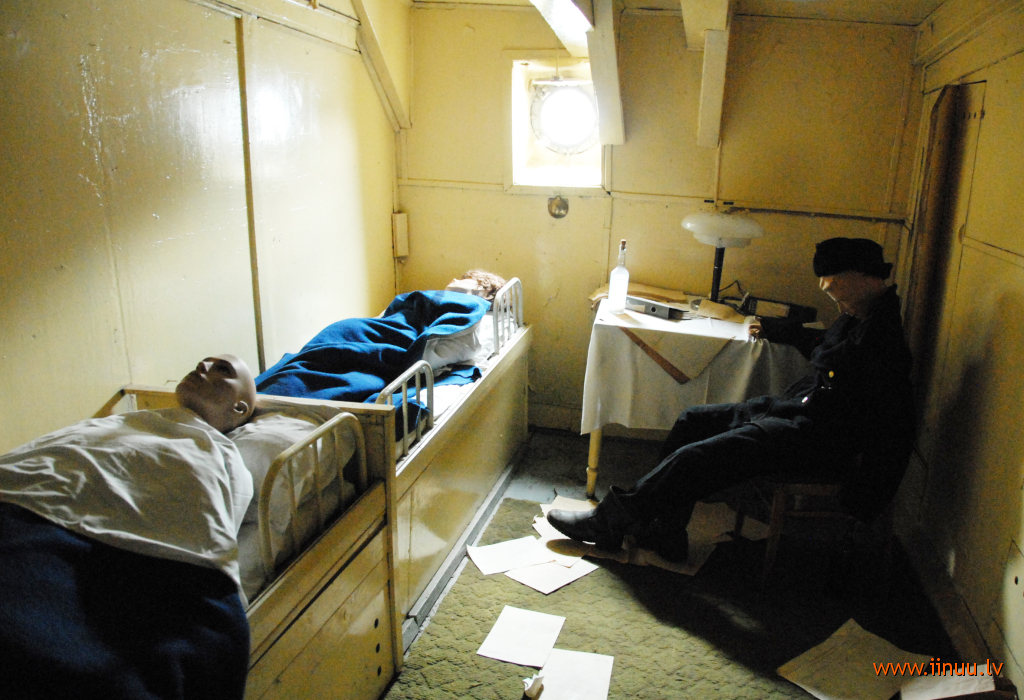
But that is not all. Outside there is the opportunity to board at least 5 ships that are placed either on land or moored permanently at the shore. One of the ships involuntarily calls to mind a small Titanic, where you can walk through the cabins, peer into the engine room, the dining room, and the captain's cabin.
The Medieval Restaurant Olde Hansa
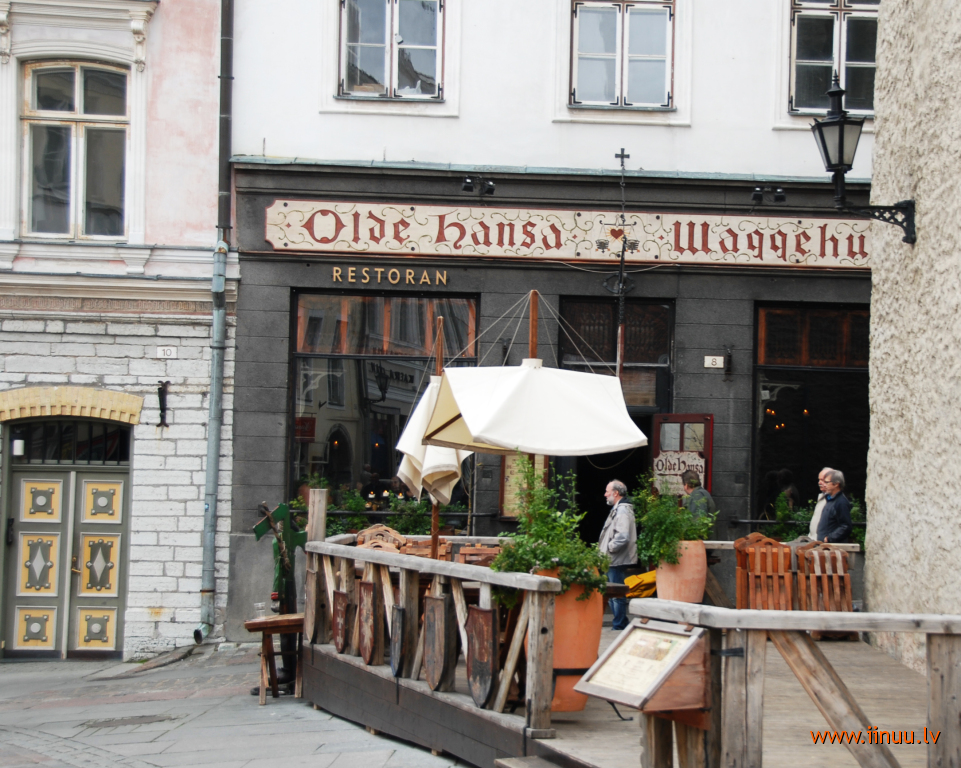
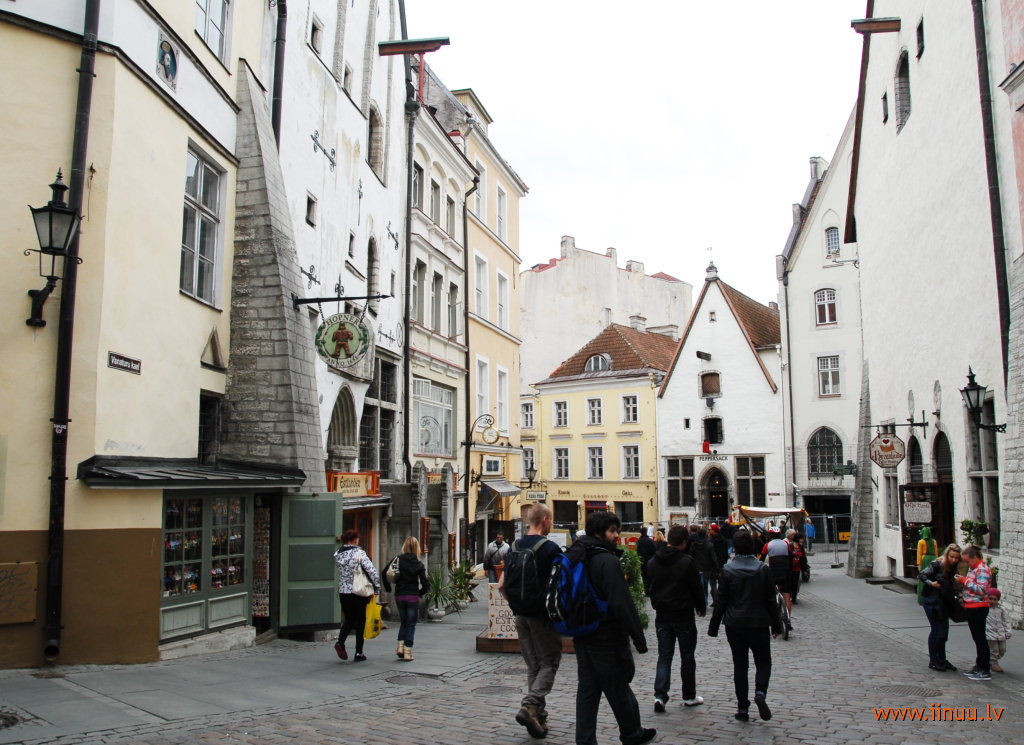
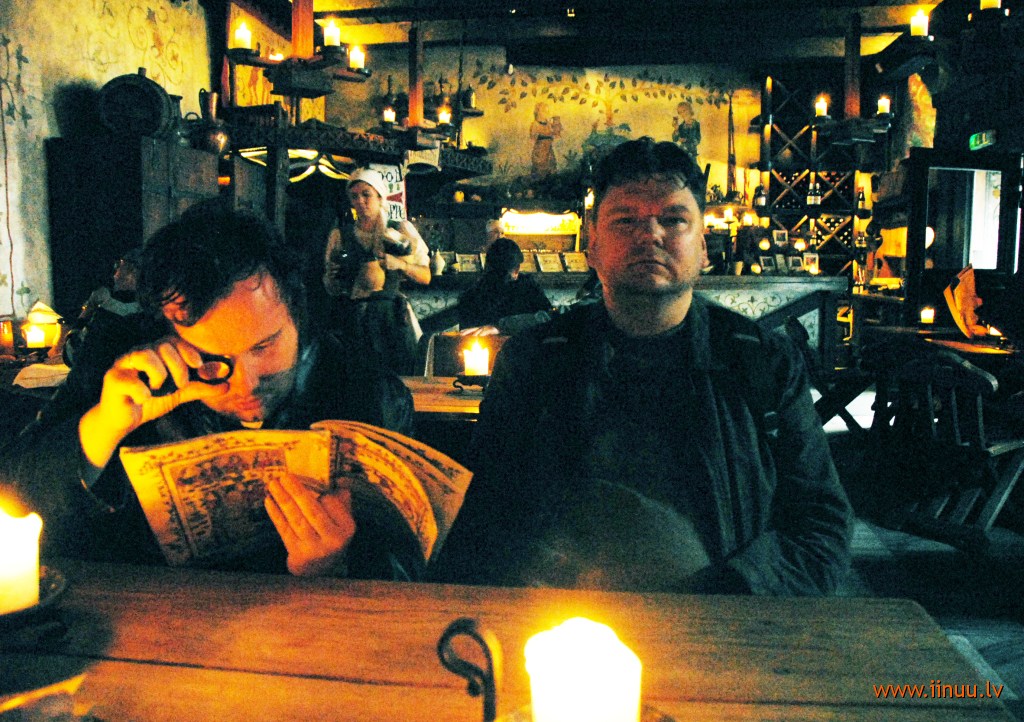
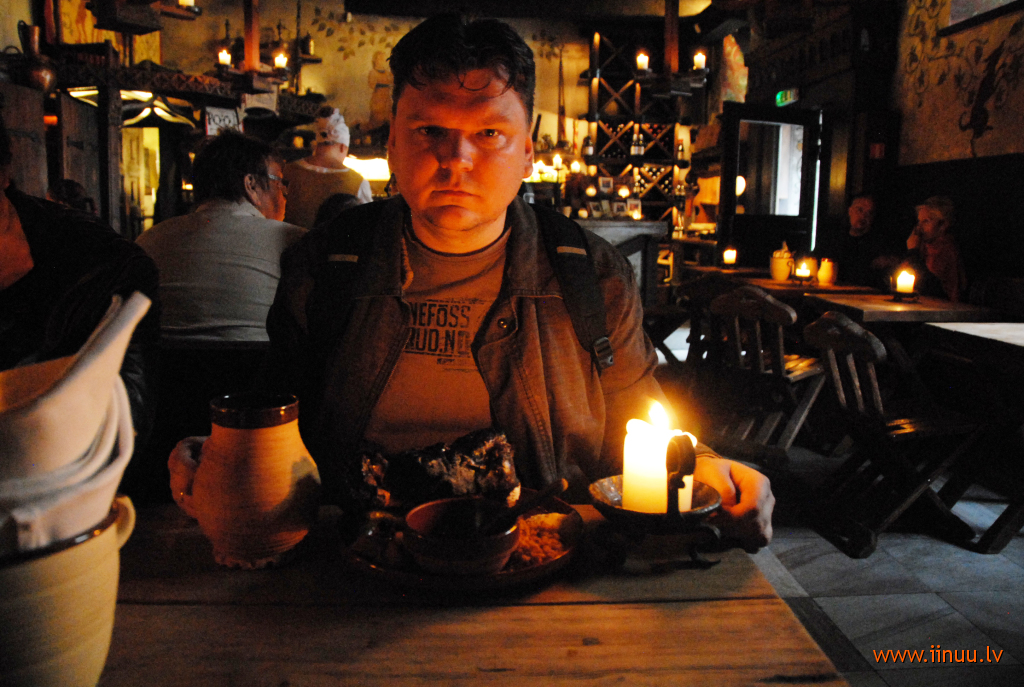
As the day was well past its halfway point, we looked for somewhere to have a proper meal with some "character." We headed to the very heart of the old town, next to the central square, where the authentic medieval restaurant Olde Hansa is situated (Vana turg 1).
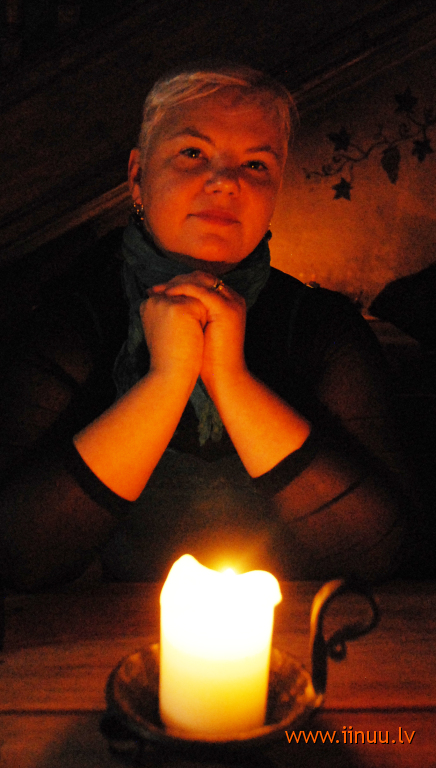
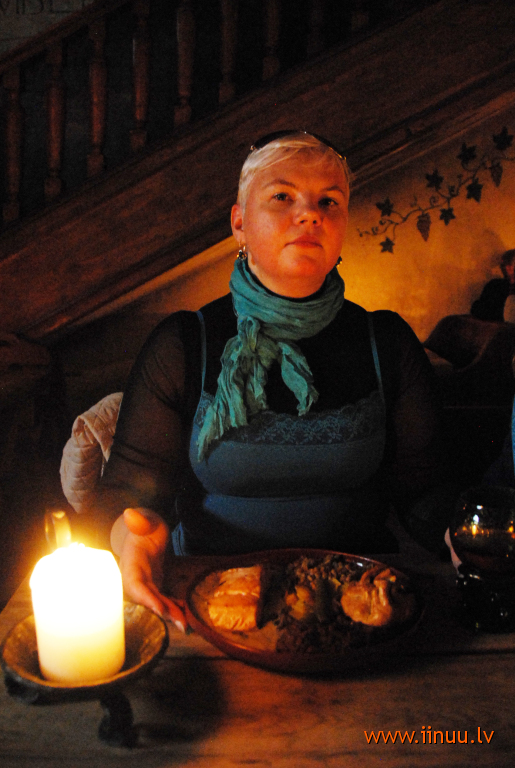
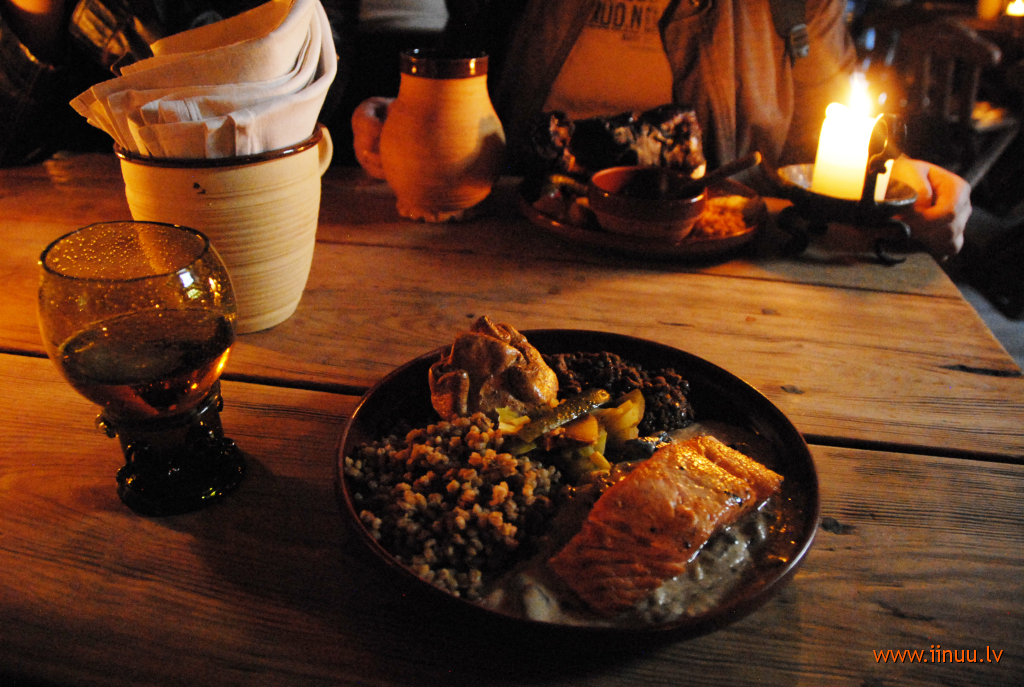
By candlelight we savoured (the total for two came to around 40 EUR):
· grilled salmon with mushroom sauce and generous accompaniments - boiled pearl barley, braised vegetables, mashed peas, beans, and a homemade bread "pouch";
· accompanied by apple cider;
· a proper piece of pork with similar accompaniments and lingonberry sauce;
· accompanied by dark ale.
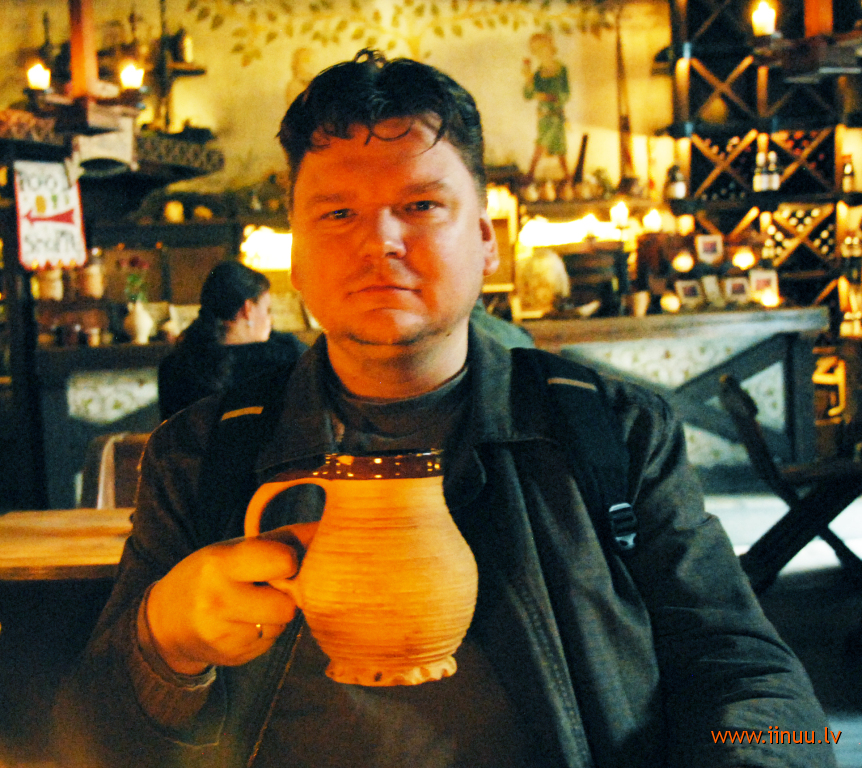
The food was served in clay vessels, the ale in a clay mug, and the cider in a blown-glass goblet with an uneven, jagged rim and tiny air bubbles. I had fallen in love with this design a couple of years earlier, so seizing the opportunity, in the large shop adjacent to the restaurant I purchased two of the greenish glasses (9 EUR each).
At Olde Hansa the portions are large and the main course so filling that dessert is simply out of the question. For those who do fancy a treat, outside one can buy a cone of sugar-roasted almonds.
The Medieval Torture Instruments Museum
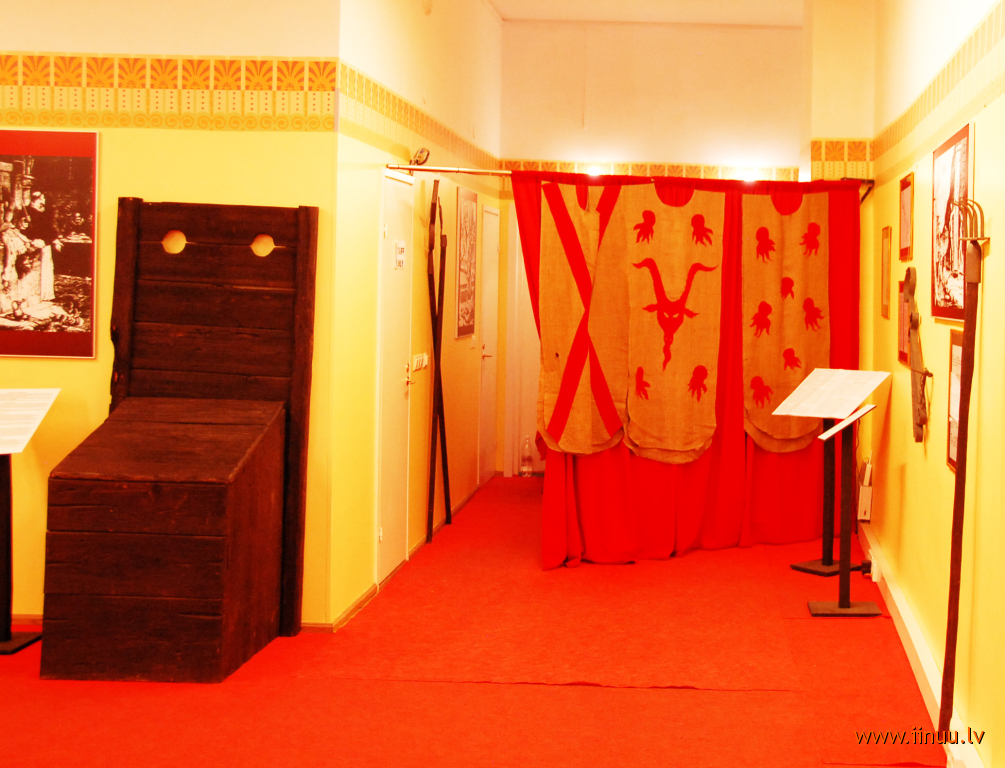
Continuing the medieval theme, we hesitated for a moment but then let ourselves be talked into entering by the street hawkers and visited the Medieval Torture Instruments Museum (Viru 3, open every day 10:00–20:00, entry ticket 6 EUR). It is fair to say it was fortunate we had eaten beforehand, because after visiting this museum our stomachs were almost in knots.
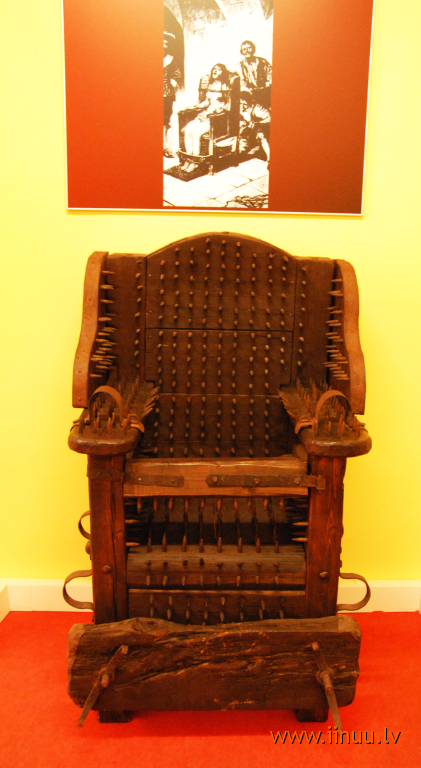
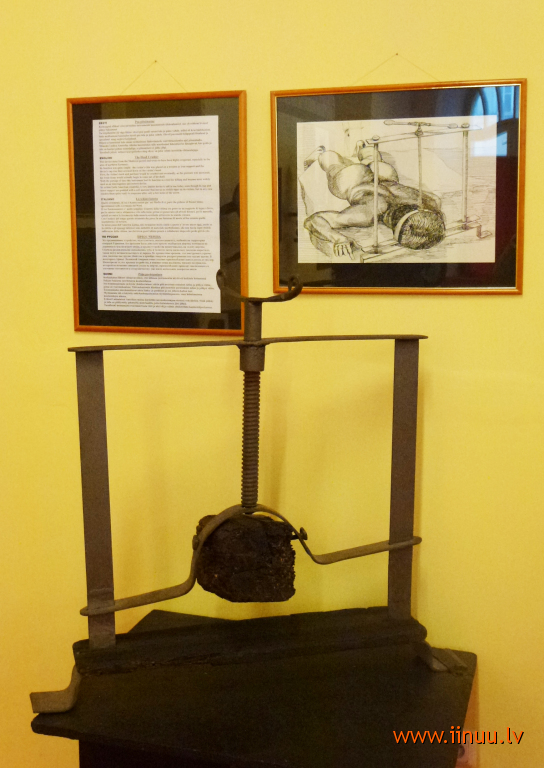
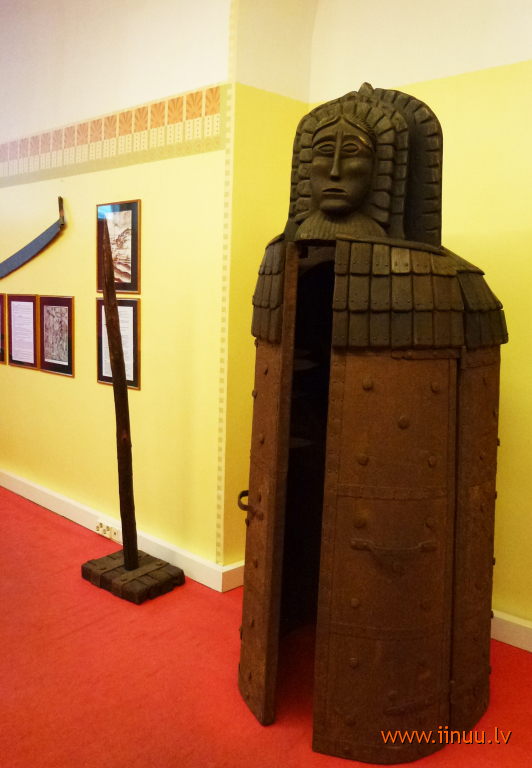
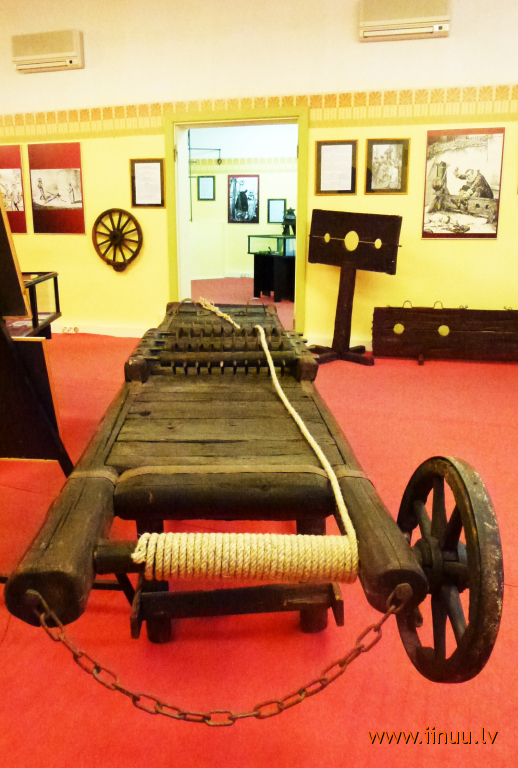
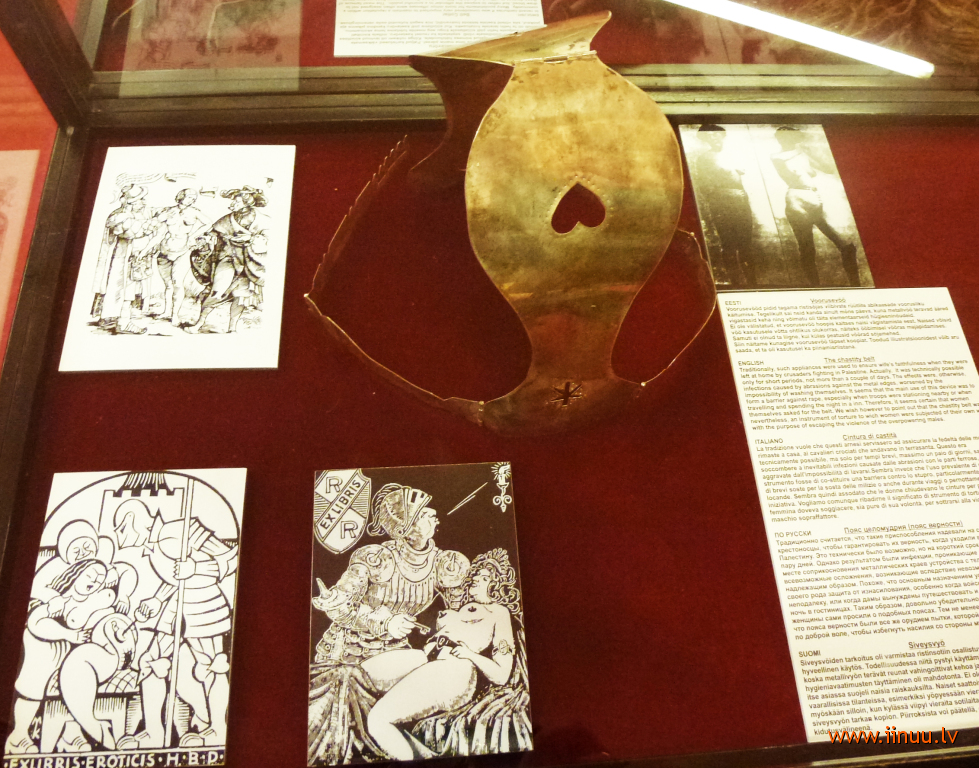
Two rooms house more than 50 torture instruments from across Europe, ranging from flaying tools to the rack, the Iron Maiden, the torture chair, and the like. By each instrument is a detailed description of its use and black-and-white illustrations from medieval engravings. Interestingly, many of the instruments came from Nuremberg, Germany.
In general it is horrifying and emotionally oppressive, when one contemplates what evil can reside in people - that they were prepared to tear living flesh apart, break bones, or pierce the most sensitive parts of the body. The torture chair with its wooden spikes and leather straps, depicted on the advertising poster, was last used comparatively recently - in the mid-19th century.
For a long time afterwards we reflected that the evil in people has not gone anywhere - it has merely transformed into different forms in the modern age. Moreover, if one believes that all the exhibits in the collection are authentic, then assembling and preserving such a collection is quite a challenge. And such a great labour can only be undertaken with a genuine fondness for the subject matter on display. Brrr…
comments