Gotland - North of Visby ...
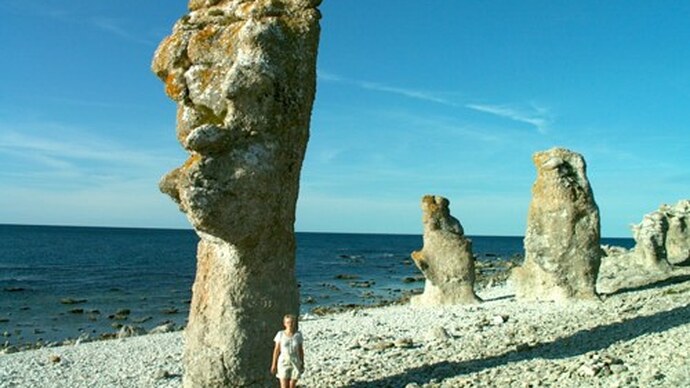
Yet the greatest splendour of FARÖ island is the stone wonders shaped by nature. Stone pillars created by wind and seawater, standing four times the height of a person.
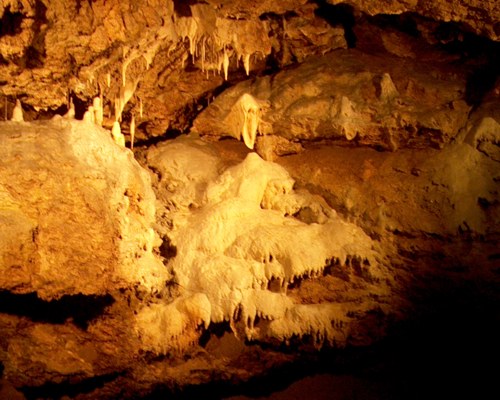
If the south of Gotland surprised with powerful gusts of wind, the north amazed with remarkable rock formations. One such place is LUMMELUNDAGROTTAN - a 4 km long cave with stalactites. This cave was accidentally discovered by two Swedish boys in 1955. According to the guide the cave is relatively young, at only about 100,000 years old. The temperature in the cave never exceeds 8 degrees Celsius. Our excursion unfortunately lasted only about a 200 m walk through the cave, the guide's commentary, and slides about the remaining, water-flooded part of the cave. We did, however, have the honour of seeing the "dragon's tooth" - the cave's most beautiful stalactite (see image).
This cave visit cost us 200 SEK (Swedish kronor). It was one of the examples of how Gotlanders know how to make something out of nothing. We were later convinced of this also while travelling through central Gotland, visiting the railway museum (1 carriage and a room with exhibits) at BLÄSE and an artists' studio-museum in the small town of ROMA in the half-abandoned manor buildings.
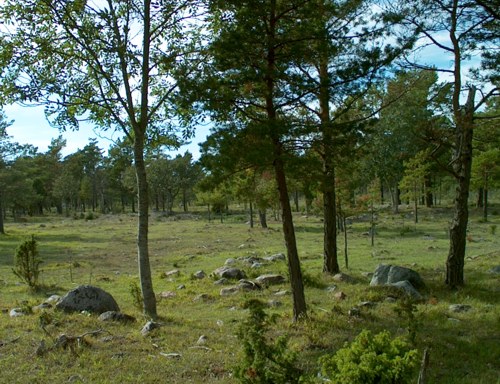
Further on the road leads through a national park, juniper groves, low pine woodlands, and stone meadows. Every now and then along the roadside there are signs about protected plants, their Latin names, and descriptions in Swedish.
 |
 |
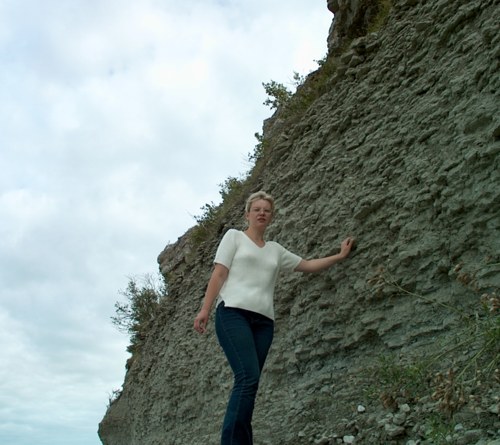
When in the northern part of Gotland, I would recommend visiting a spot difficult to spot on the map - BLÄSE. There the seashore resembles a piece of desert, except that instead of sand there are grey stone chips. Clusters of juniper like small oases.
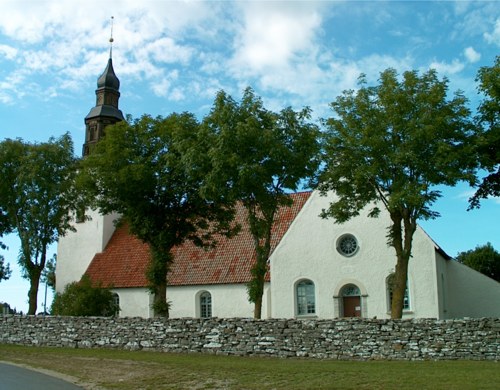
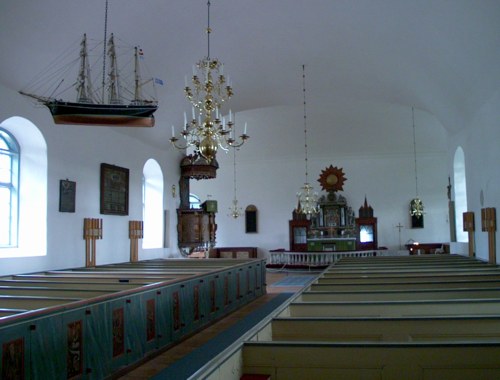
Further on from the Gotland town of FÅRÖSUND, by a free ferry that runs every half hour, we crossed over to the small island of FARÖ. At its centre there is a church that architecturally differs from the other Gotlandic places of worship - instead of greyish wooden roofs there is a reddish tiled roof, inside a cruciform layout, maritime symbolism, and ancient runic stones.
 |
 |
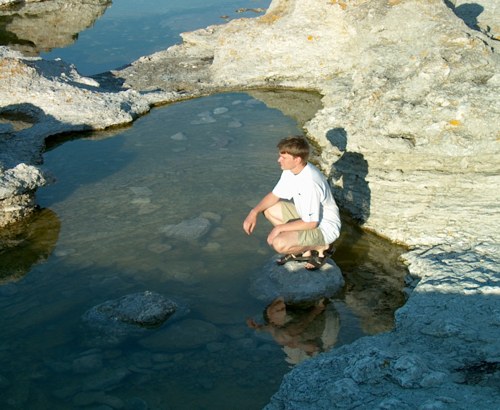
Yet the greatest splendour of FARÖ island is the stone wonders shaped by nature. Stone pillars created by wind and seawater, standing four times the height of a person.
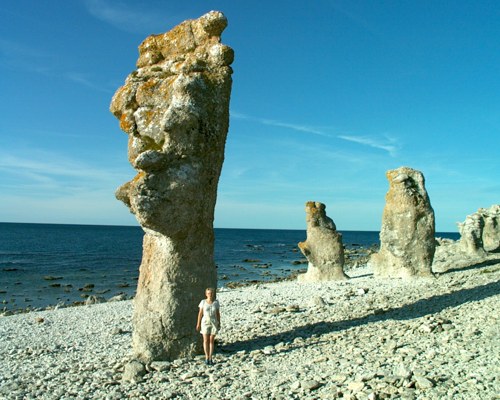
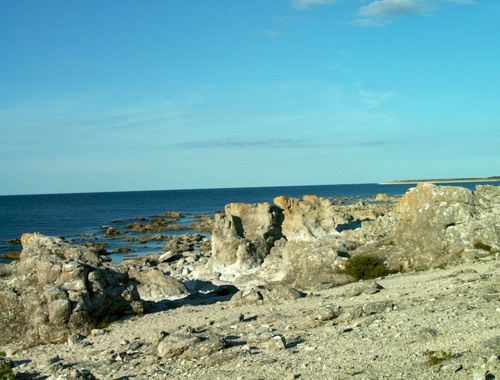
Such rock formations can be viewed along the island's entire northern coastline at the sites LANGHAMMARS, DIGERHUVUD, and GAMLEHAMN.
 |
 |
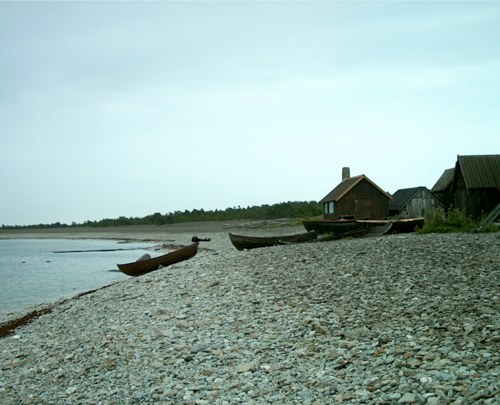
Along the shore, grey fishermen's huts, boats, fishing nets. Once the locals would set out to sea here for a catch; now the window panes of the houses are dark and empty, without life.
comments