Ideas for a Lazy Holiday in Vilnius
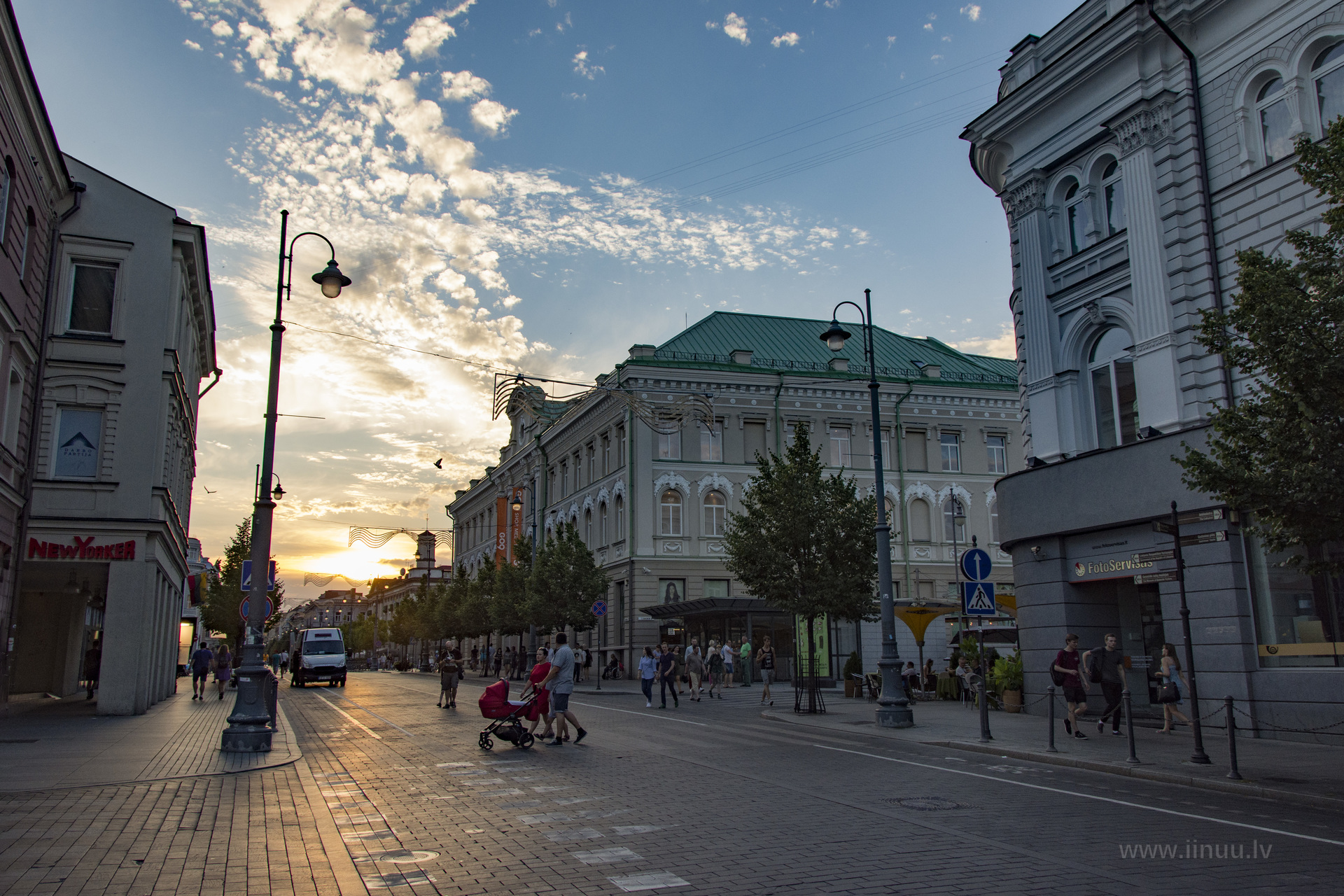
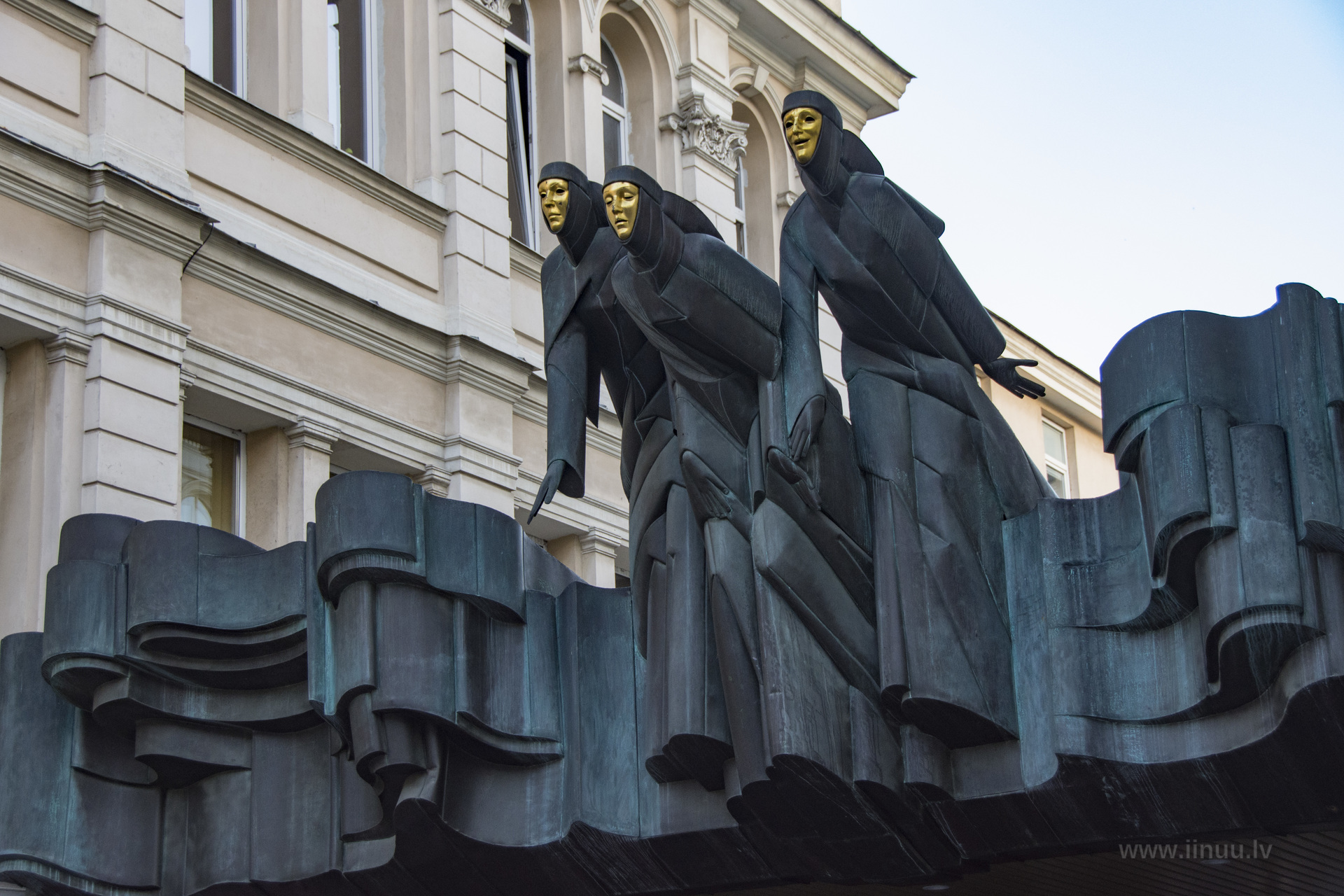
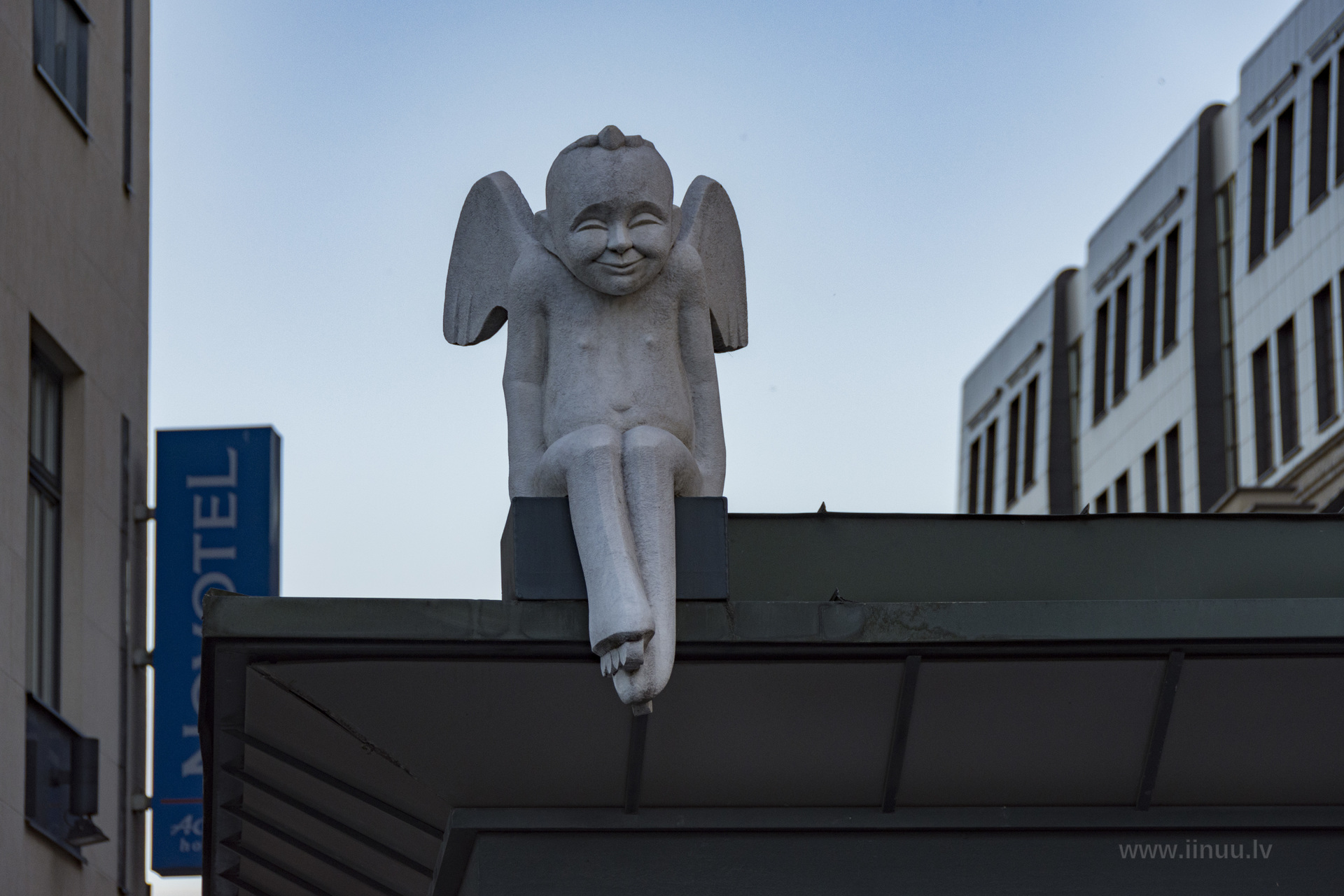
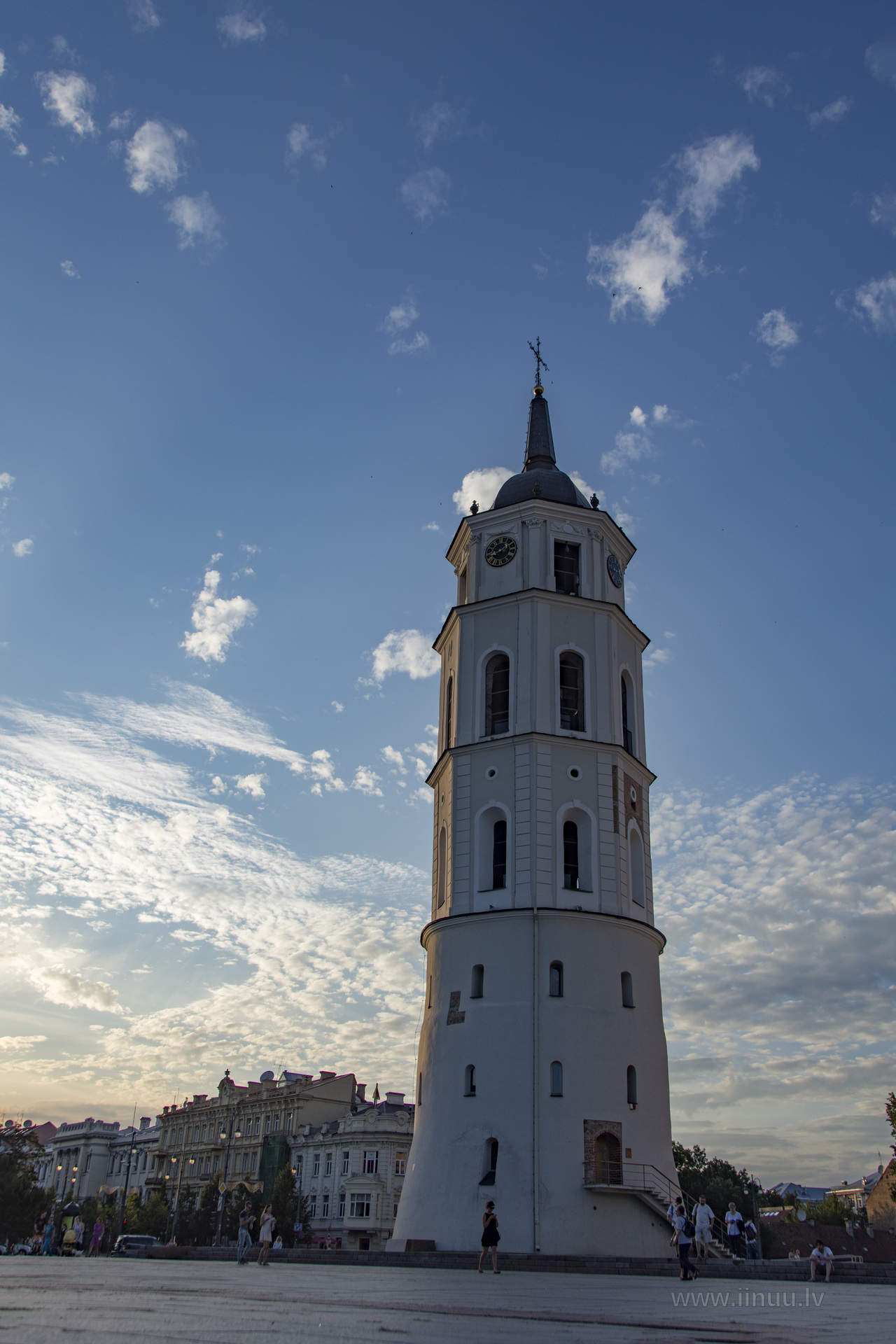
This time I will not go into detail about each attraction, its artistic or architectural value - you can enjoy those visually in the photo gallery below. I will gather a few ideas: where to stay, how to get around, where to eat and shop, what to see and enjoy.
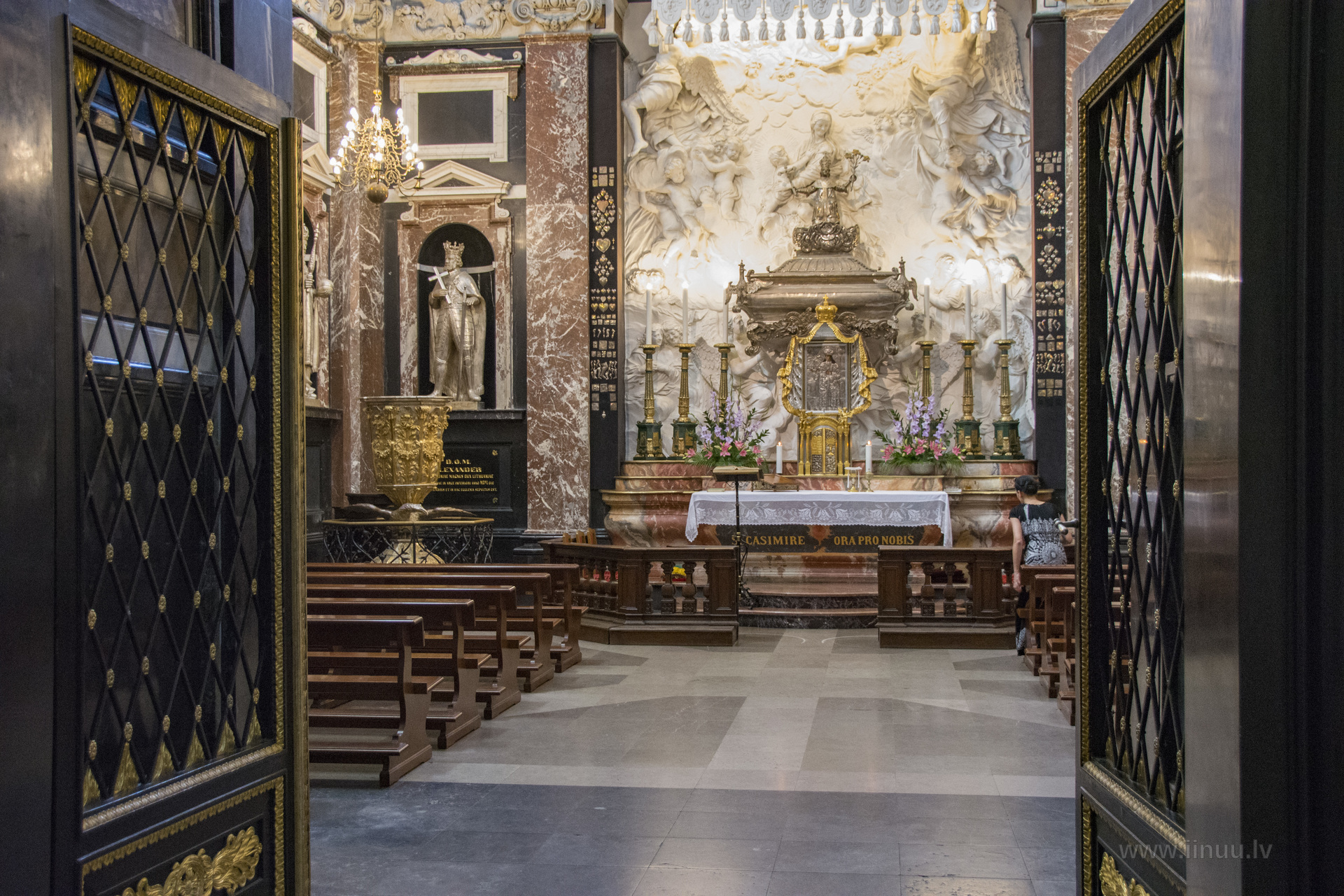
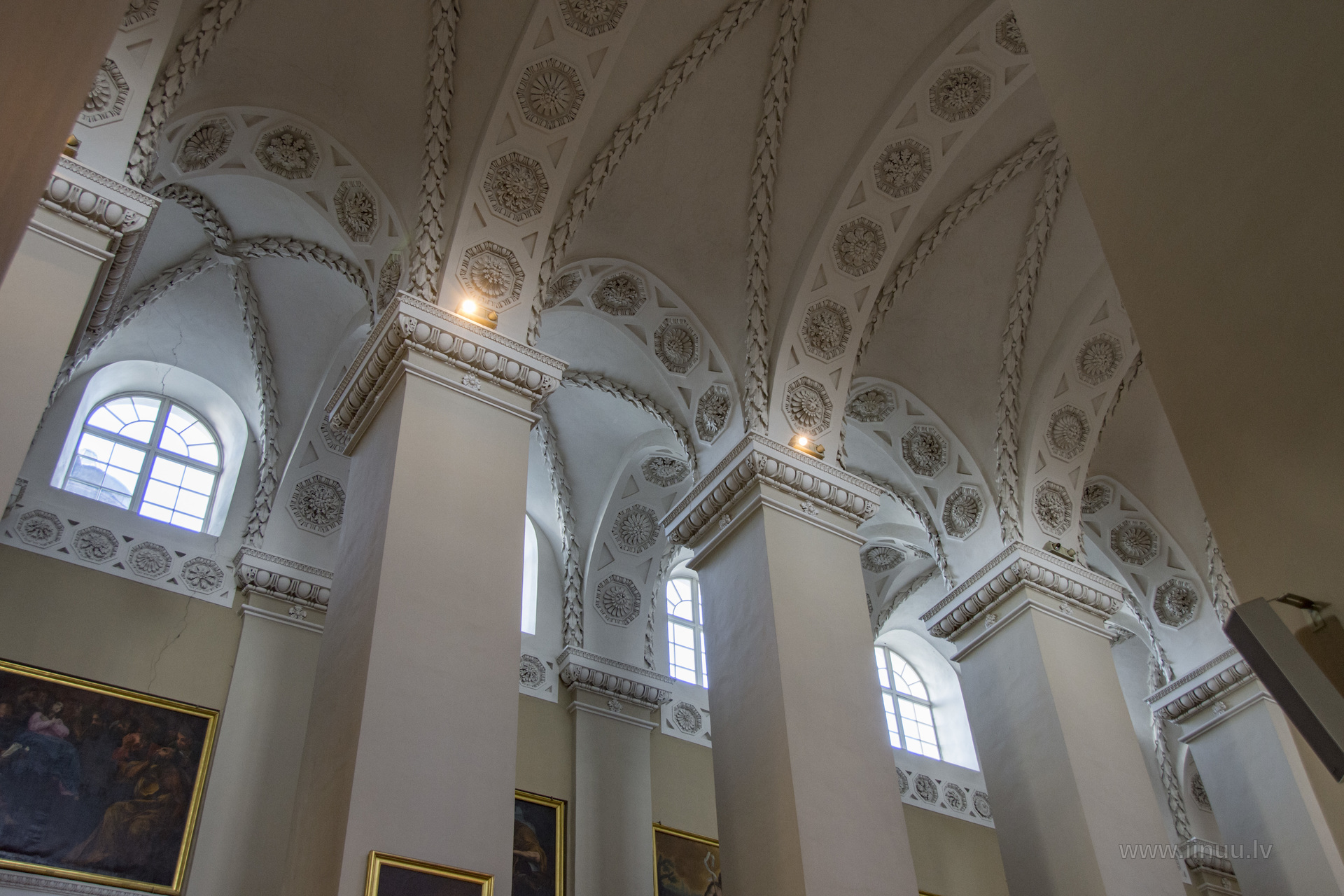
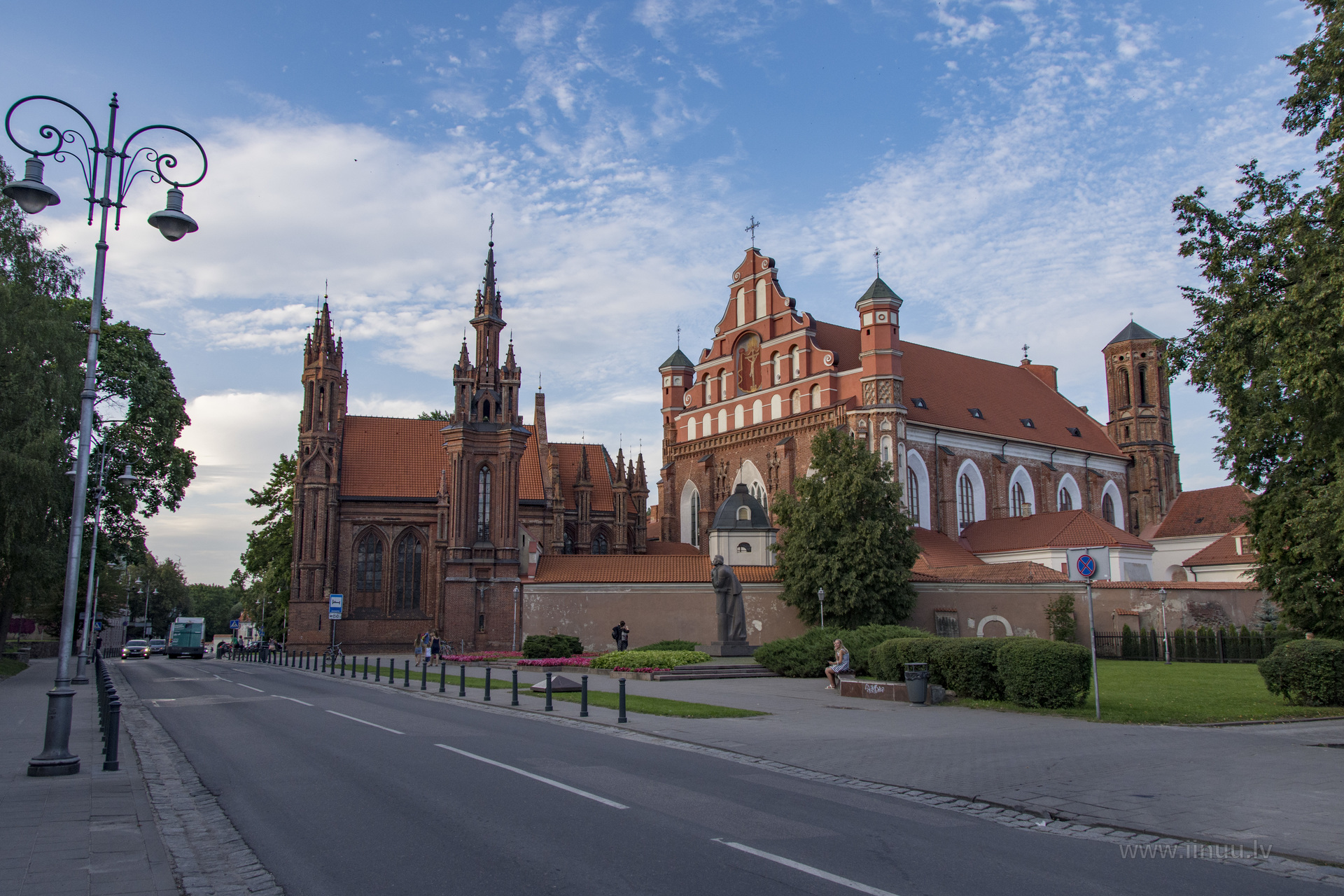
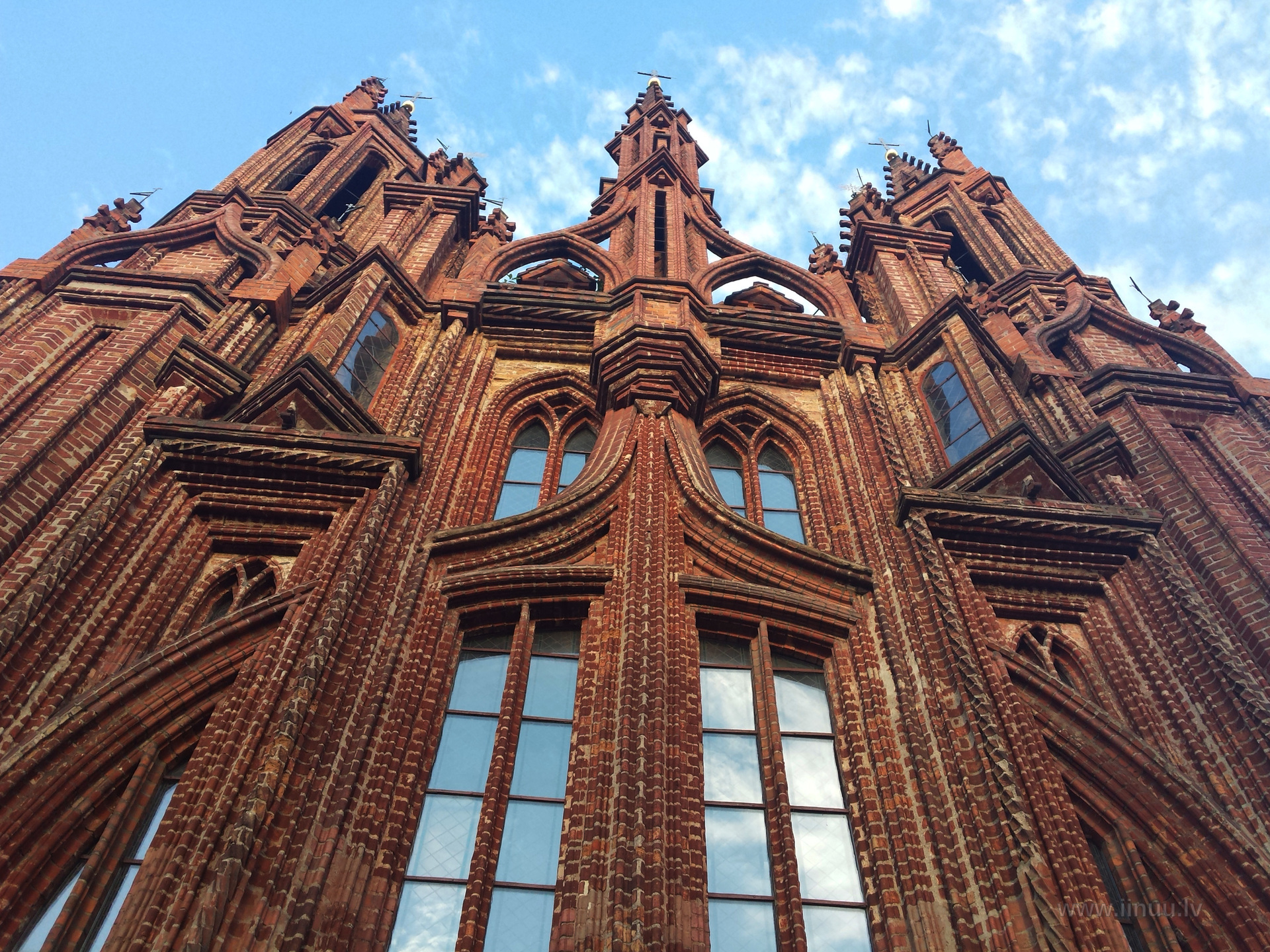
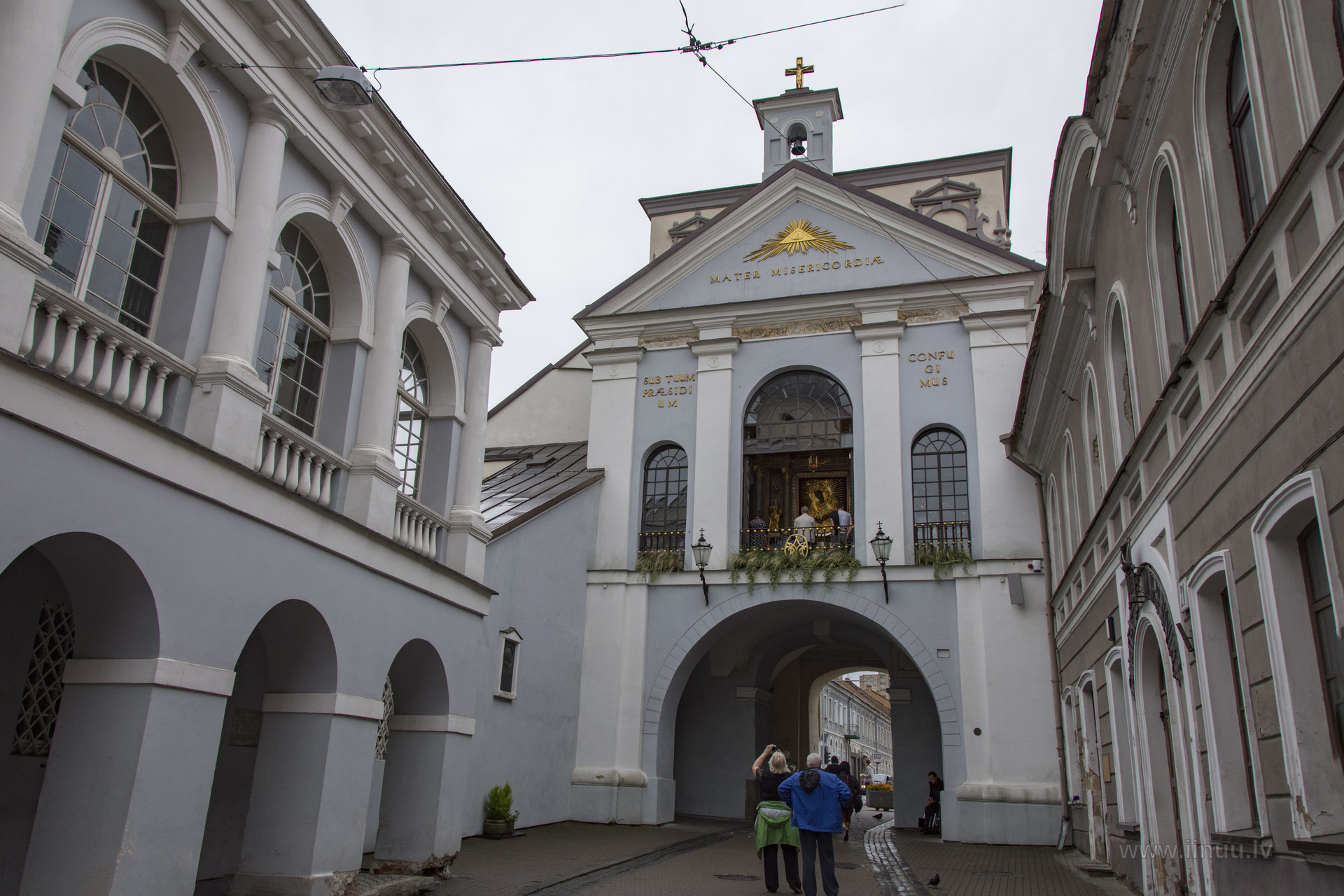
First of all, what do I mean by a lazy holiday? Firstly, going somewhere under one's own steam and initiative, with minimal advance planning. The hardest part was probably freeing up three completely free days. Secondly, being away from the familiar environment, the computer, and replying to emails. Thirdly, going wherever one's eyes lead and enjoying attractions found intentionally or by chance, which in the case of Vilnius were many and varied churches of different architectural styles and denominations.
Where to Stay in Vilnius
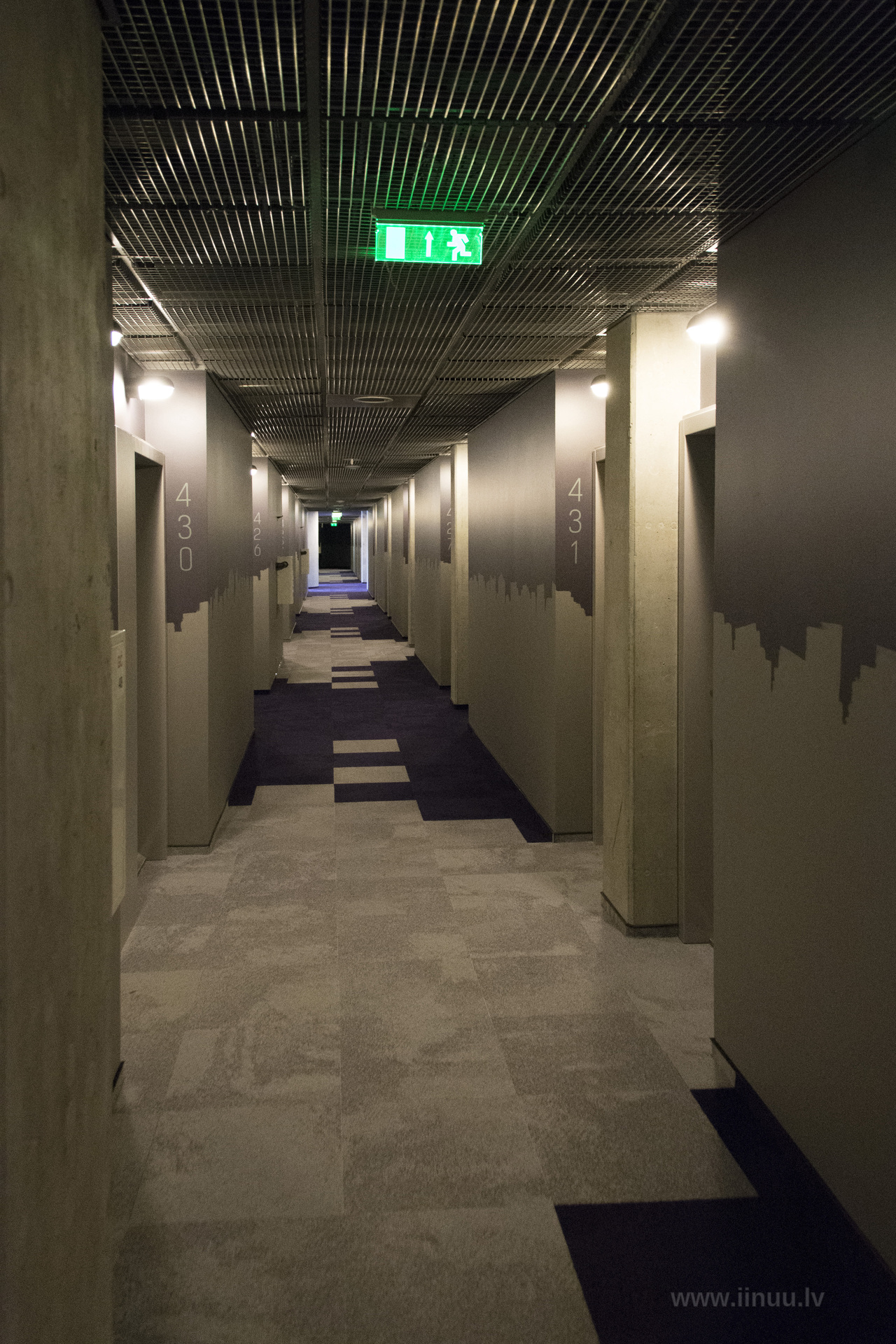
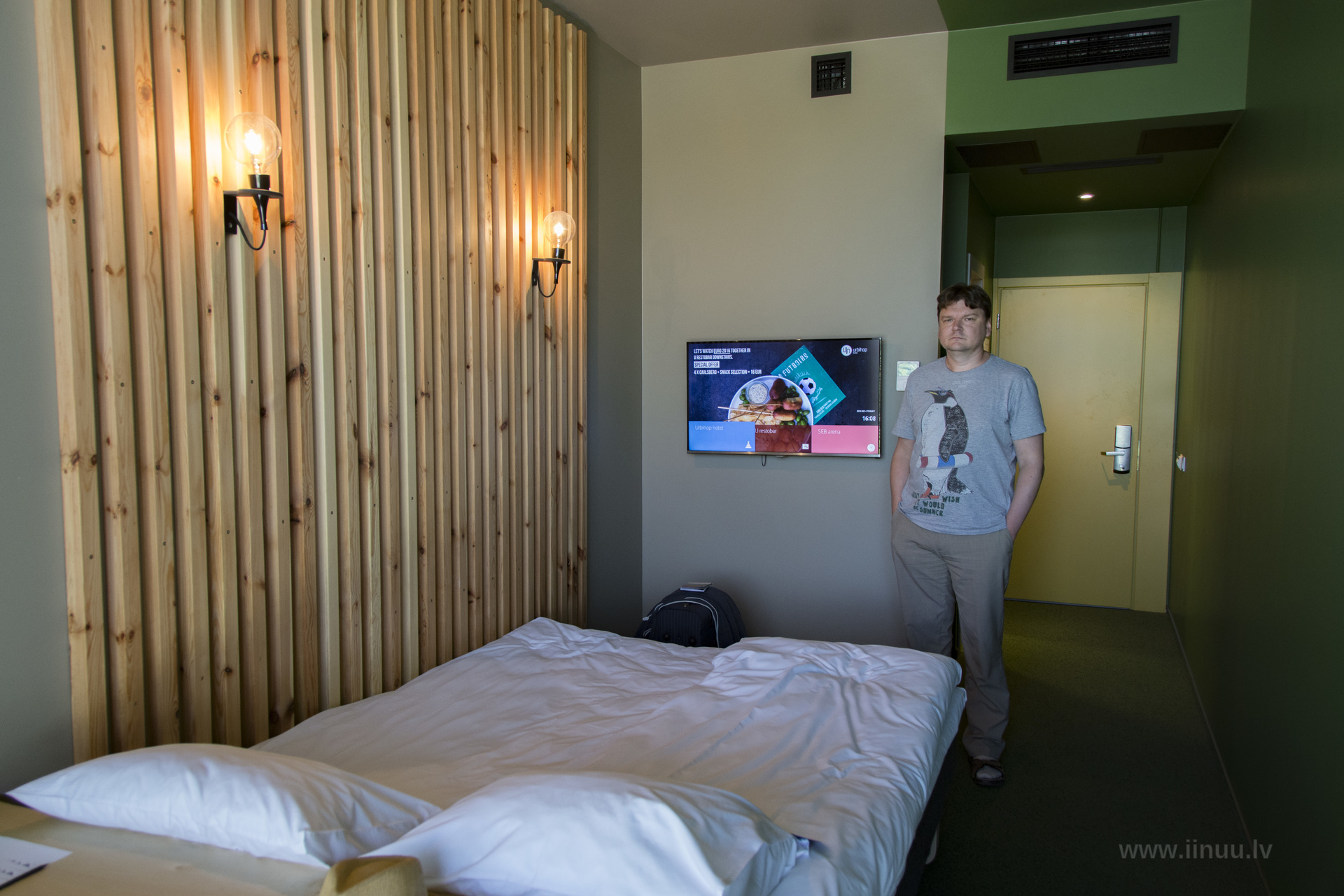
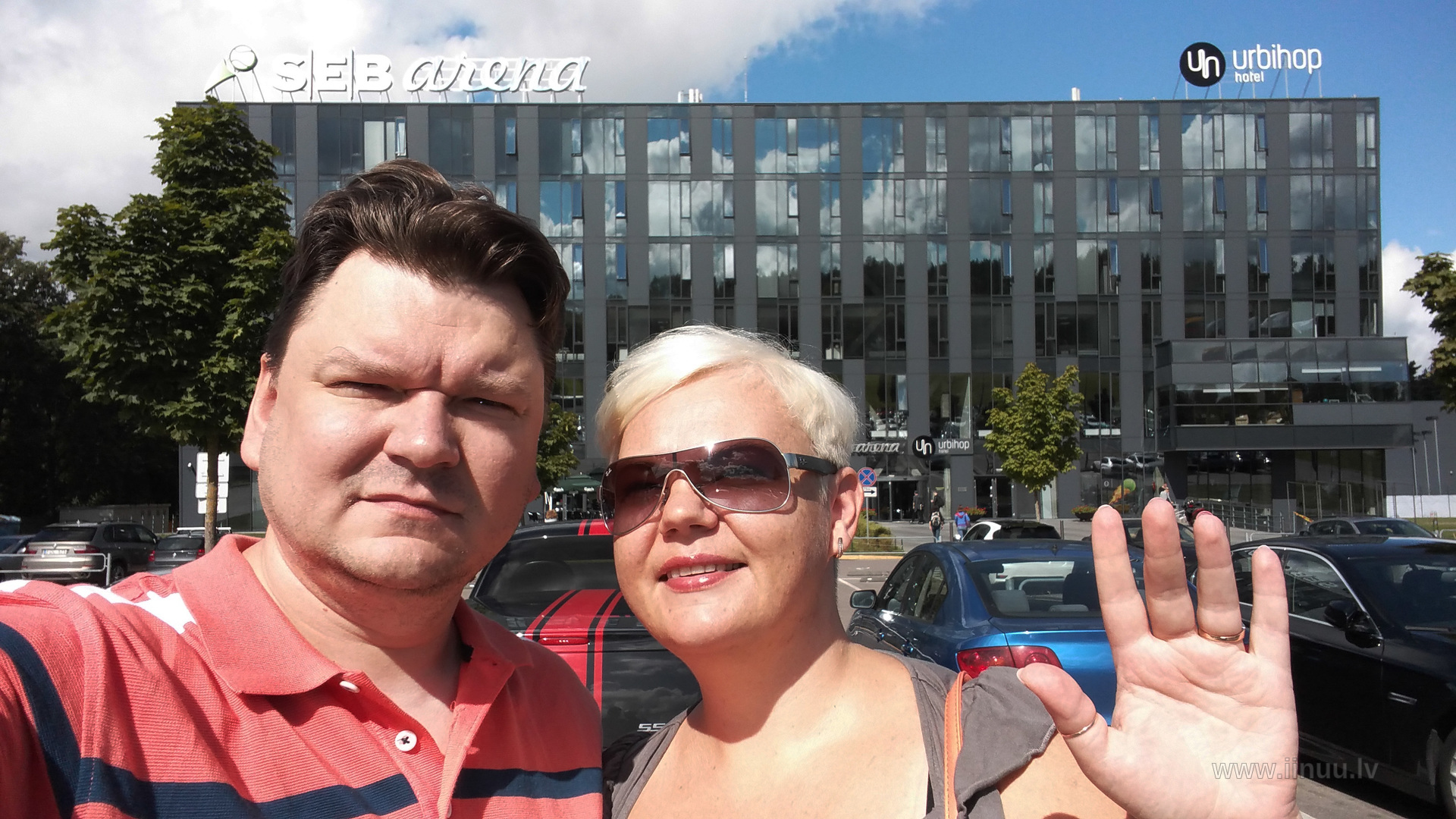
For a couple of nights we stayed at UrbiHop Hotel (Ąžuolyno g. 7, Vilnius). I chose this hotel on Booking.com some two weeks earlier on account of its unusual interior. Absolute minimalism - greyish concrete walls with an apparently casual half-height coat of paint, a different-coloured soft floor covering on each floor, lampshades-less lamps, two bean bags in the room, a bed without a bedspread, coat hooks, a small stool for a bag, a wall-mounted TV. Nothing superfluous - clean forms, economical materials, yet a unified, consistent style. Little of everything, yet enough of everything; nothing is missing.
The hotel has a very large free car park. The view from the window - rather fateful. The hotel is surrounded by a sizeable cemetery. On the plus side, pleasantly peaceful and quiet at night. Free Wi-Fi in the room and restaurant for the internet-dependent.
Next door is the massive SEB Arena sports hall. On the ground floor there is a bar and restaurant with a health-conscious menu - no sauces, ketchup, or mayonnaise, no cakes or fatty pork ribs. Breakfast is simple but sufficient and good. Price for a double room for two nights: 96 EUR.
How to Get Around
Despite having arrived by our own car, we had no desire to strain ourselves hunting for free parking in the city centre. So we downloaded the Taxify app and were pleasantly surprised by the convenience of choosing a car, tracking its approach, and the fares - reasonable and agreeable prices per trip. Over three days we travelled several times from the hotel to the central Cathedral Square or to a specific district; the price range was 2.50–4.50 EUR per trip, regardless of the time of day.
Where to Eat in Vilnius
On the first day we deliberately chose to dine outside the old town due to the inflated prices there. However, a different problem arose - in the rest of the city there were mainly fast food establishments (burger joints and kebab shops), pizzerias, eastern sushi bars, and cake cafés. It was difficult to find a "normal" dining spot, as we are not fans of the aforementioned establishments at all.
Another challenge for a couple in which one drinks only craft beer and the other does not drink beer at all, and in which for one person coffee is simply a drink with sugar while for the other a good white coffee without sweeteners is one of life's pleasures - finding a place where both beverages are represented in equally good quality. But we did find a few such spots outside the old town.
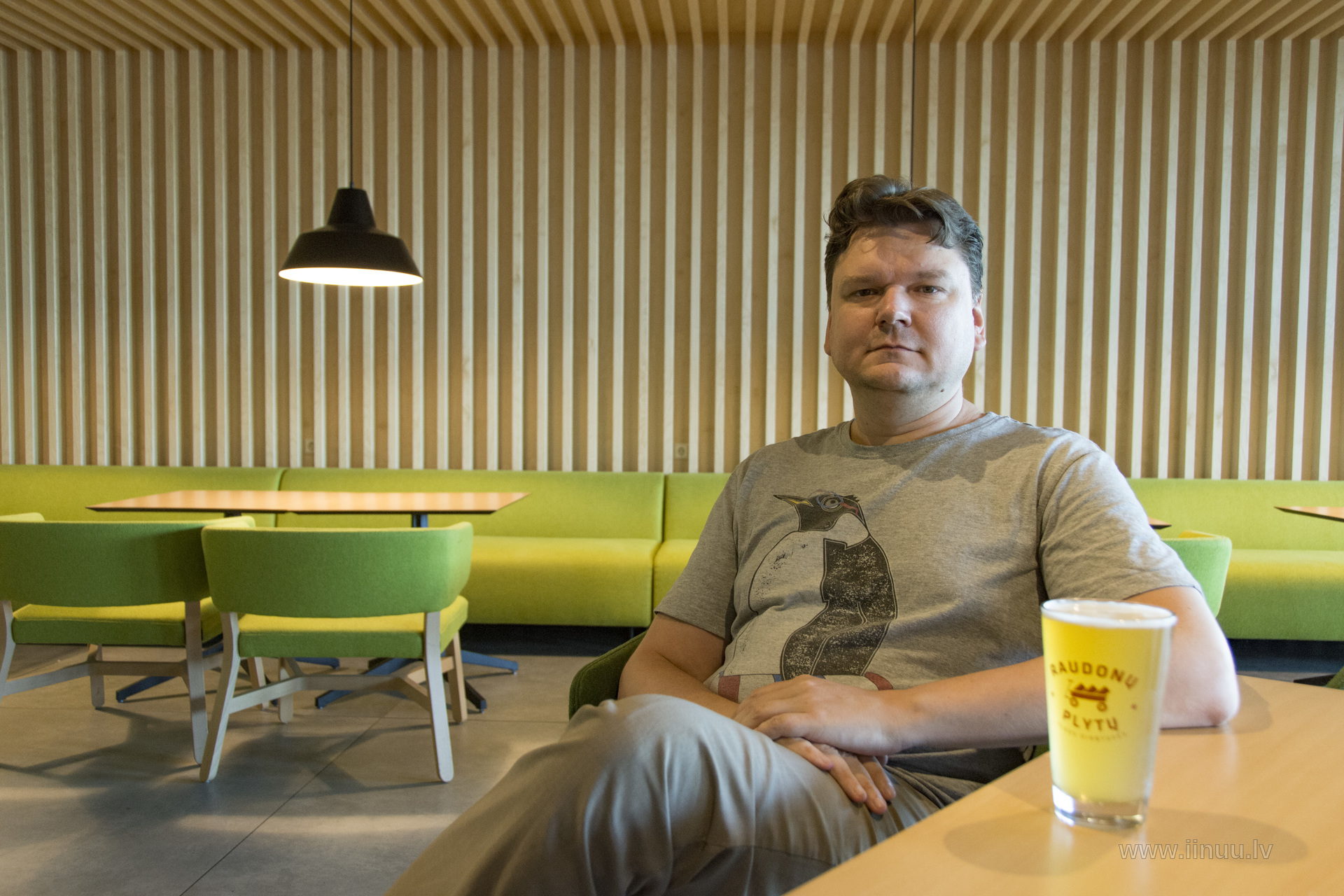
Restaurant ESSE (Gedimino pr. 50/2), where we tried the Šiltos jūrų gėrybių salotos (Warm seafood salad, 8 EUR), Kreминė miško grybų sriuba (Cream of forest mushroom soup, 6 EUR), the local brewery draught ale Raudonų plytų pilstomas (4 EUR per 400 ml), and Gira (kvass, 1.50 EUR). Judging by our Swarm check-in, we wandered in there on a late afternoon - around 22:00.
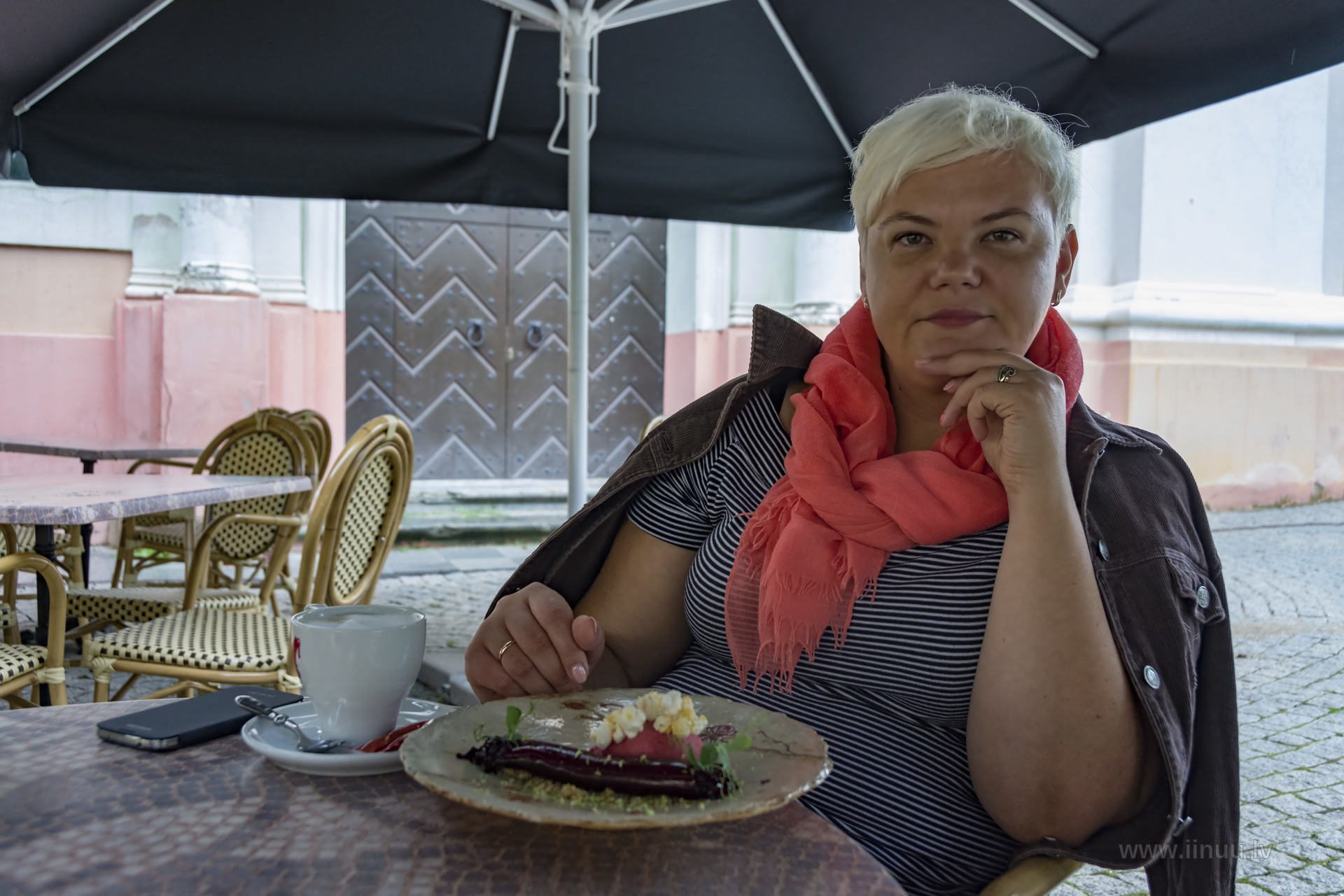
On the second day we did find a good place for lunch in the old town - Restaurant Trinity (Vilniaus g. 30, Vilnius), set in a 17th-century monastery building. Despite the rainy yet fairly warm weather, we enjoyed our food and drinks on the terrace in the shade of the Church of St. Catherine. I know nothing about the beer, but the coffee was excellent and the dessert was fantastic and unusual - both in its presentation and its many flavours (not heavy, not sweet, exactly as a true work of culinary art should be; the ingredients were hard to guess - apparently fresh cheese piped into a beetroot juice tuile, a wild berry sorbet, praline).
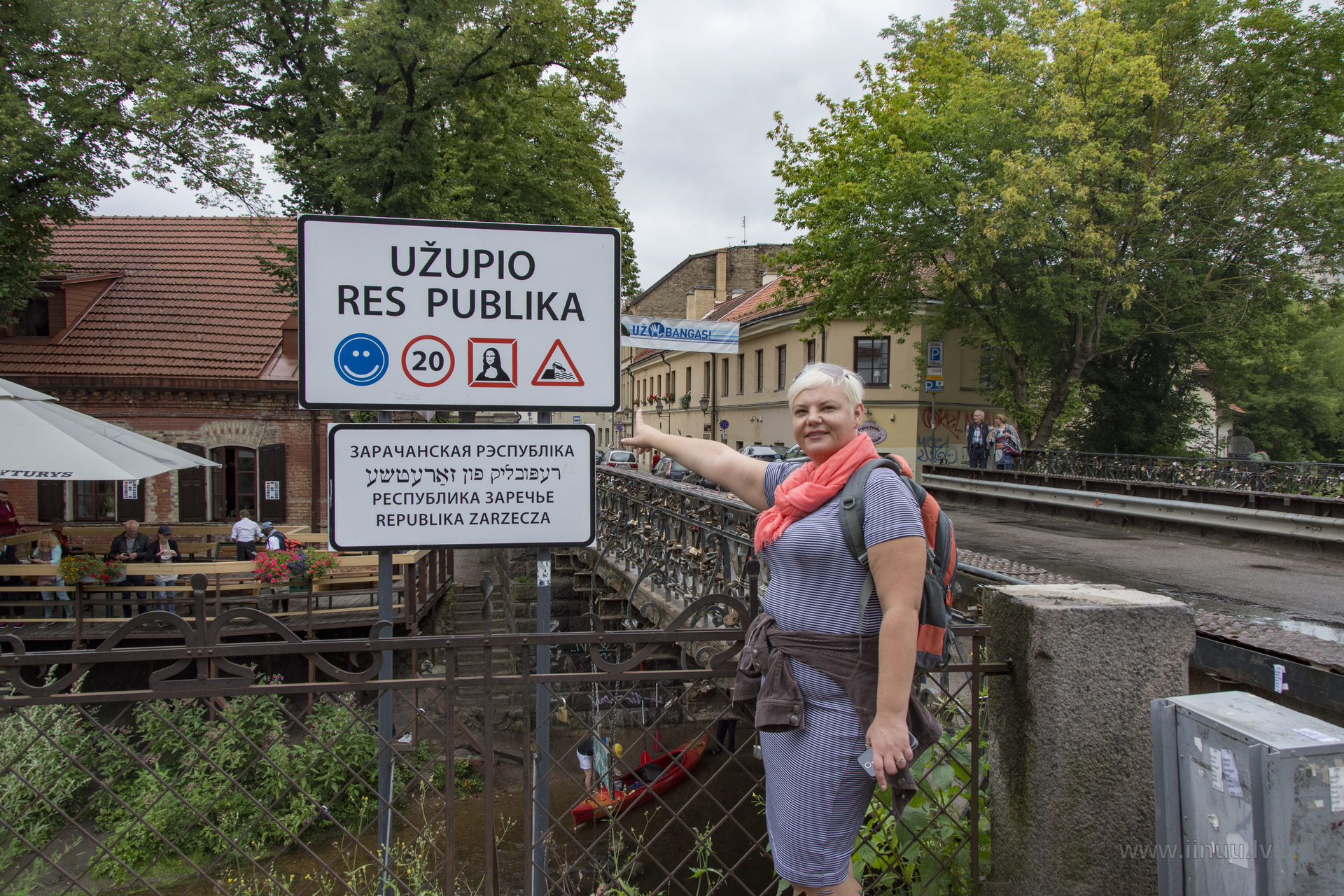
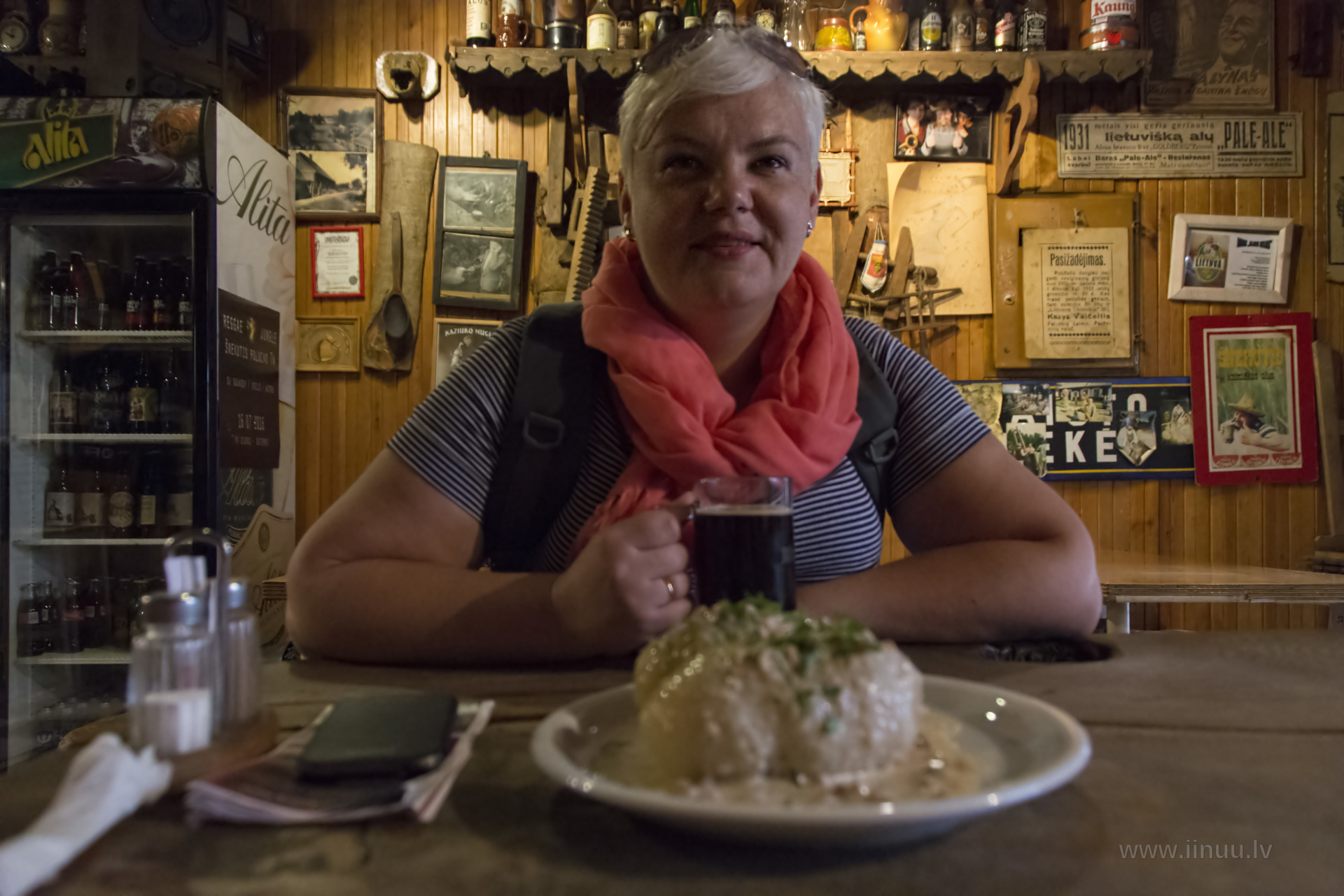
We also visited the unique inn in the Užupis Republic (a district in the middle of the city, nominally separated by a small river from the rest of town and considered a meeting place for artists and free thinkers - actually quite a "trendy" neighbourhood): Šnekutis (Polocko g. 7A, Vilnius). There, of course, a portion of traditional cepelinai (or didžkukulis su mėsa, as you'll find it called away from the centre) was unavoidable - and it was so large and filling that one portion sufficed for two. The place is quirky and nondescript from the outside; had we not encountered an extraordinarily talkative and slightly inebriated young man who was determined to have a chat with his Latvian brothers, we would most likely have walked straight past. Well, we are grateful to have been lured in. Sometimes the lure-you-in-and-push-you-out-at-the-door approach is the foundation of a successful business :)
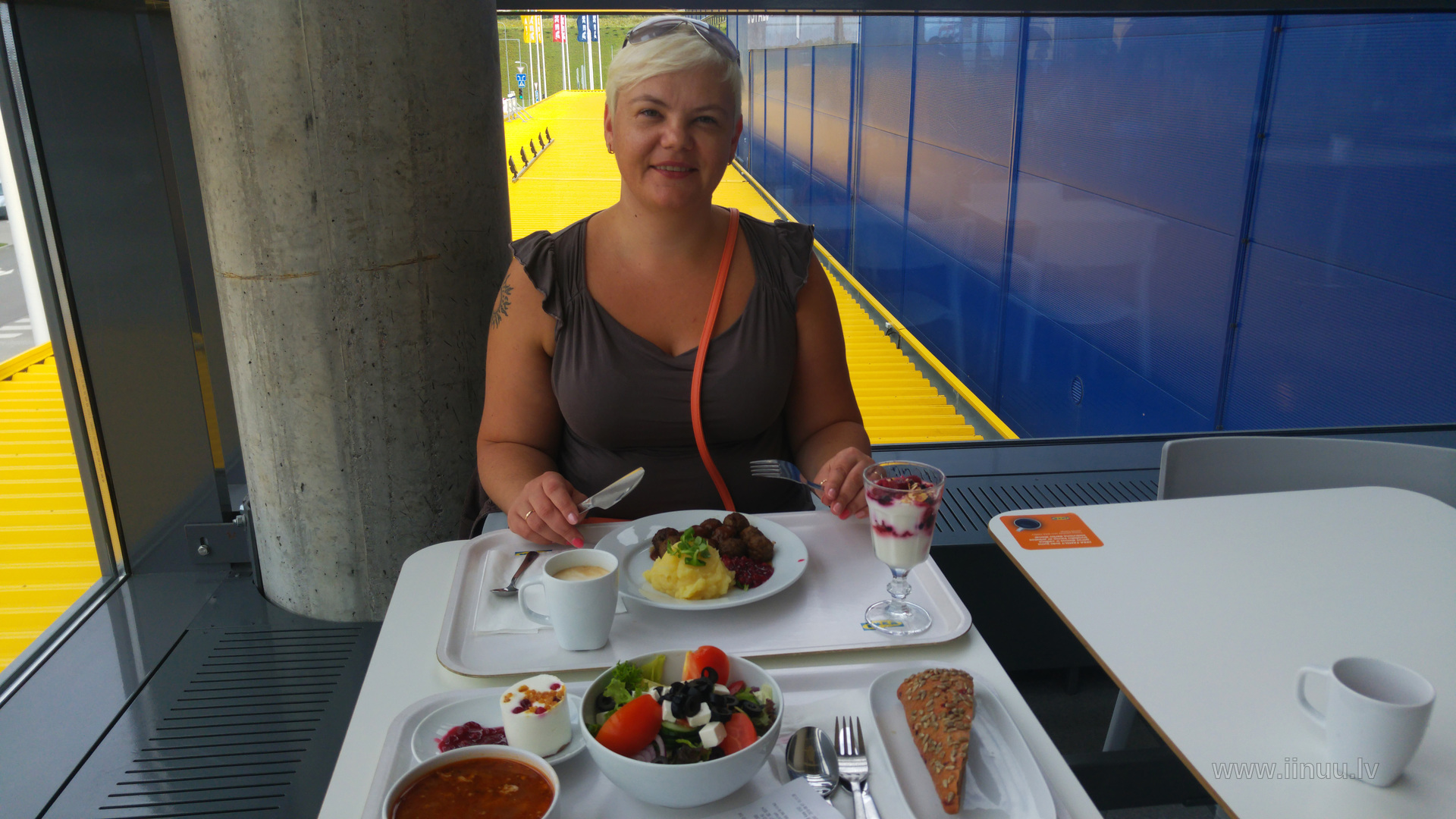
On the last day we were again pleasantly surprised by the IKEA restaurant (Vikingų g. 1, Vilnius) on the second floor of the building. There we finally had the chance to enjoy the famous Swedish meatballs and everything else in which lingonberries played an inseparable part (even the bread came with lingonberries). Two people eating, without being particularly stingy with their choices, can have a meal for 10–11 EUR. Moreover, coffee and tea can be drunk as much as one likes with a mug purchased and paid for in advance.
Quirks to Bear in Mind
Incidentally - cepelinai is a designation imported by Slavic tourists. If you venture away from the centre, you will almost certainly see didžkukulis su mėsa on the menu instead of cepelinai.
Get used to the fact that in Vilnius all signage is exclusively in Lithuanian - plaques at attractions, menus especially, product names (do not expect anything in English, let alone Russian). Now that is what I understand by elevated national self-awareness. Thank goodness that during my studies I learned a little Lithuanian as well, so something could be understood.
In off-licence shops, beer is available in bottles of up to 1 litre, no larger. Moreover, alcohol is not sold at petrol stations at all. On the other hand, there are quite a few LPG (autogas) filling stations.
Also for drivers: if a traffic light at an intersection shows red but there is a green arrow on the post pointing right, you may turn right even on red, provided you are in the right-hand lane.
If a café has an outdoor terrace, the smoking zone is most likely not separated. Lithuanians regard a terrace as such to be a smoking zone by default.
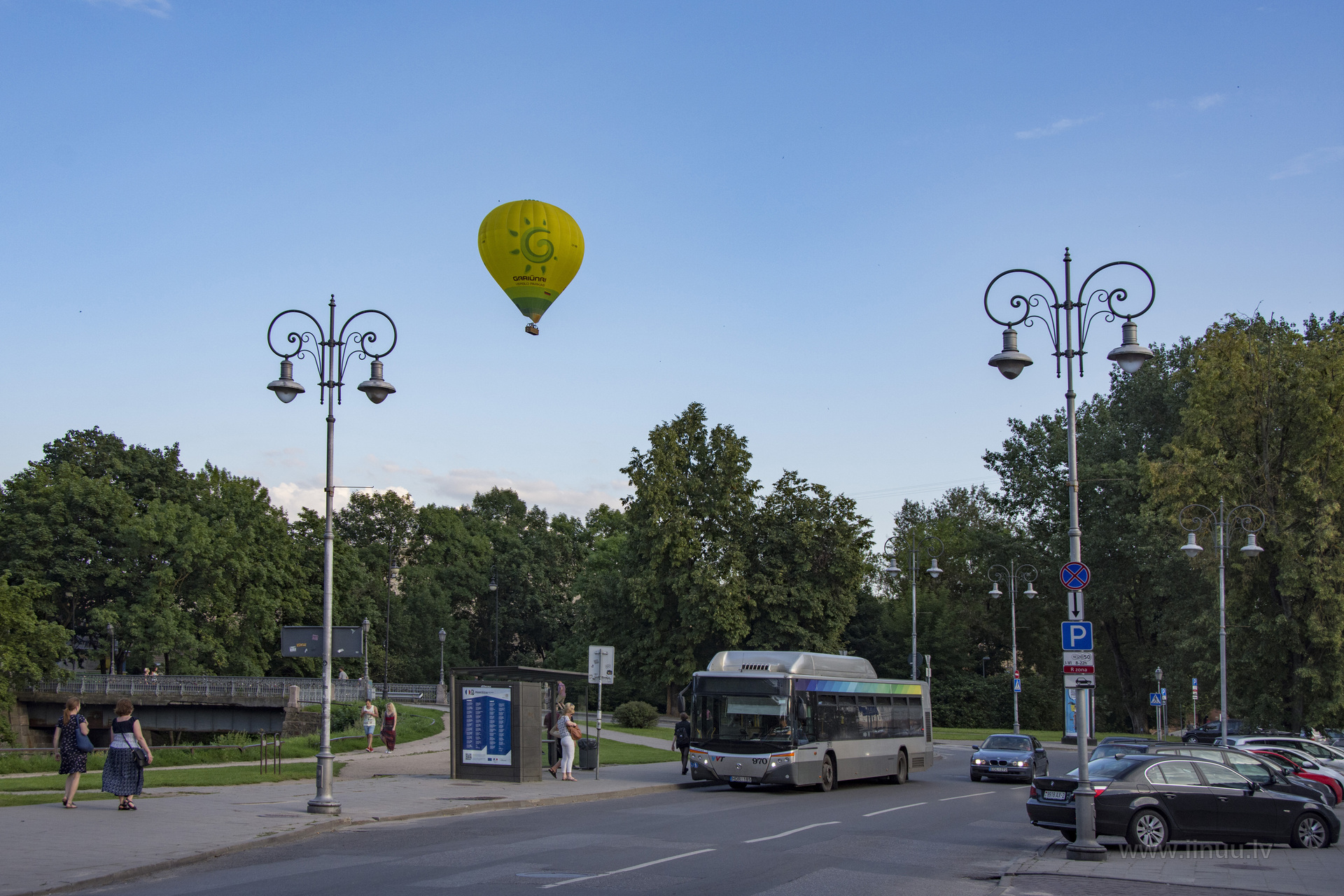
On public transport a single ticket for ordinary mortals costs only 1 EUR (in Rīga, 2 EUR). At several stops we noticed real-time information boards showing the nearest arrival times of buses and trolleybuses. The trolleybuses do look rather aged - they have not been "updated" since the last century.
Where to Shop in Vilnius
We visited four of Vilnius's largest shopping centres - Akropolis (the same brand stores as in Latvia - large and uninteresting); VCUP (the smallest of the shopping centres, but it houses local boutiques); Nordika (with a Rimi inside - a rarity in Lithuania, where Maxima dominates - and a large furniture and household goods store, Senukai); and IKEA - currently the only one in the Baltic states.
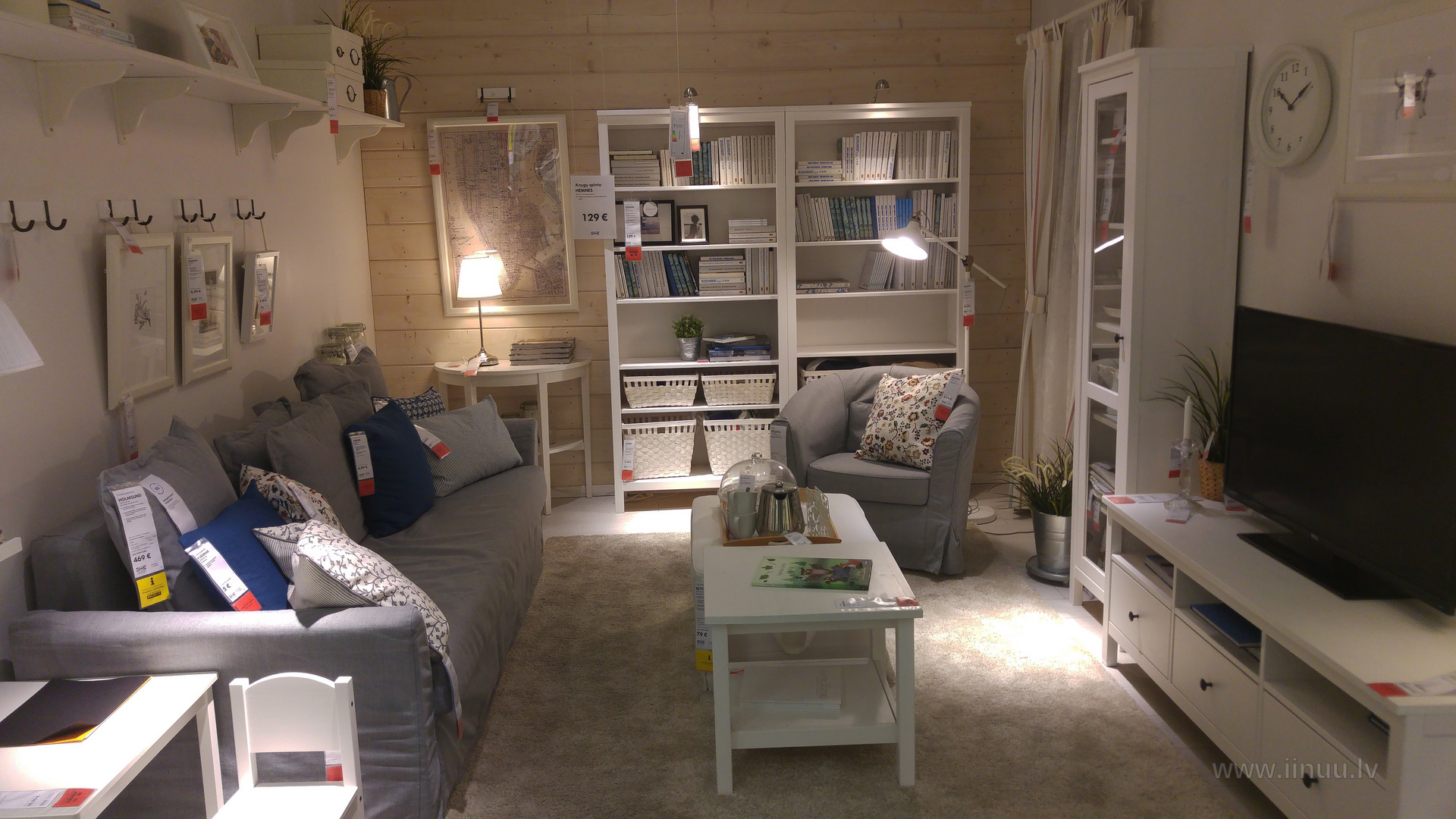
The latter is genuinely worth visiting, if only for the second-floor exhibition, where mini rooms are arranged - everything fitted out with IKEA products, from furniture to a picture frame or a mug. Beautiful! Strolling around, one can pick up IKEA pencils and a specially prepared notepad (in Lithuanian), as well as a disposable measuring tape to jot down ideas for purchases. Going one floor down, the real shopping begins.
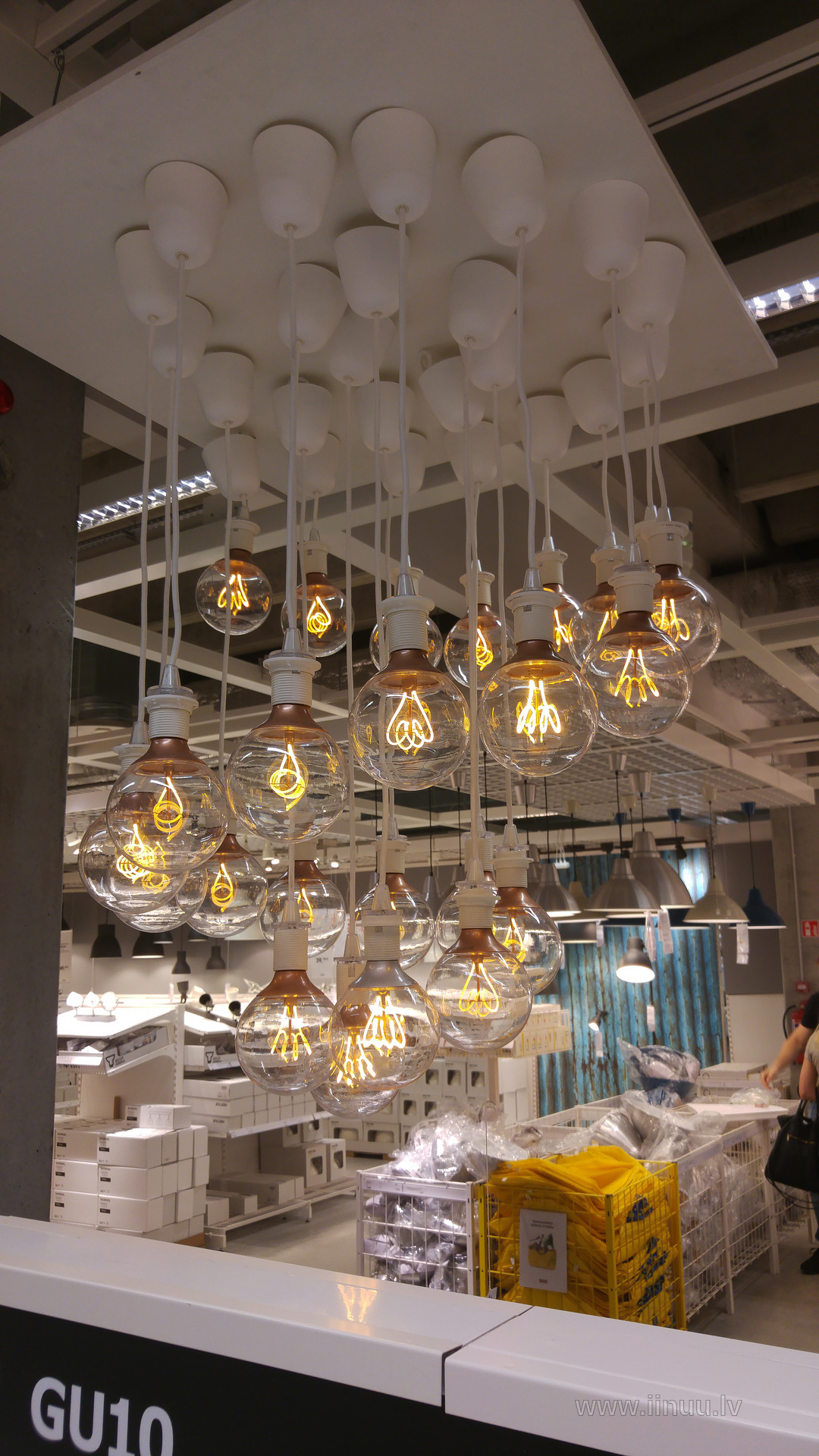
What isn't there - everything, it seems, is so Scandinavian in design: refined and restrained, and the prices "don't bite" either - candleholders, crockery, napkins, cushions, covers, blankets, lamps, furniture, and hundreds of other small and large things. At the information centre one can sign up for a free IKEA Family card, which on the next shopping trip will allow one to hunt for items with discounts. And of course regularly receive the latest information by email - in Lithuanian.
What to See and Enjoy in Vilnius
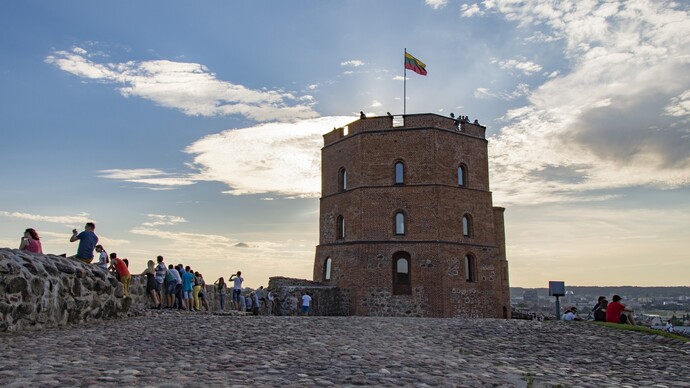
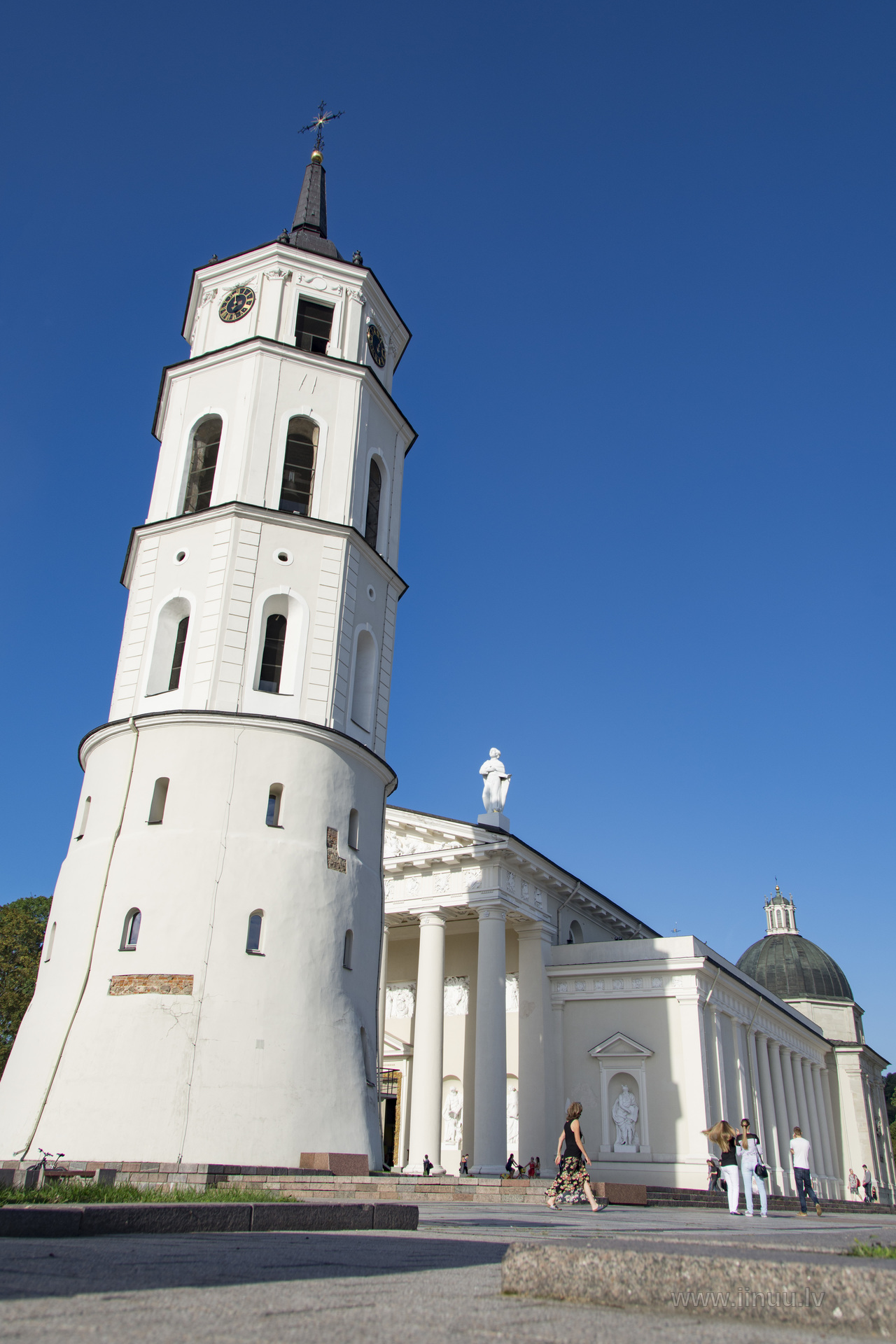
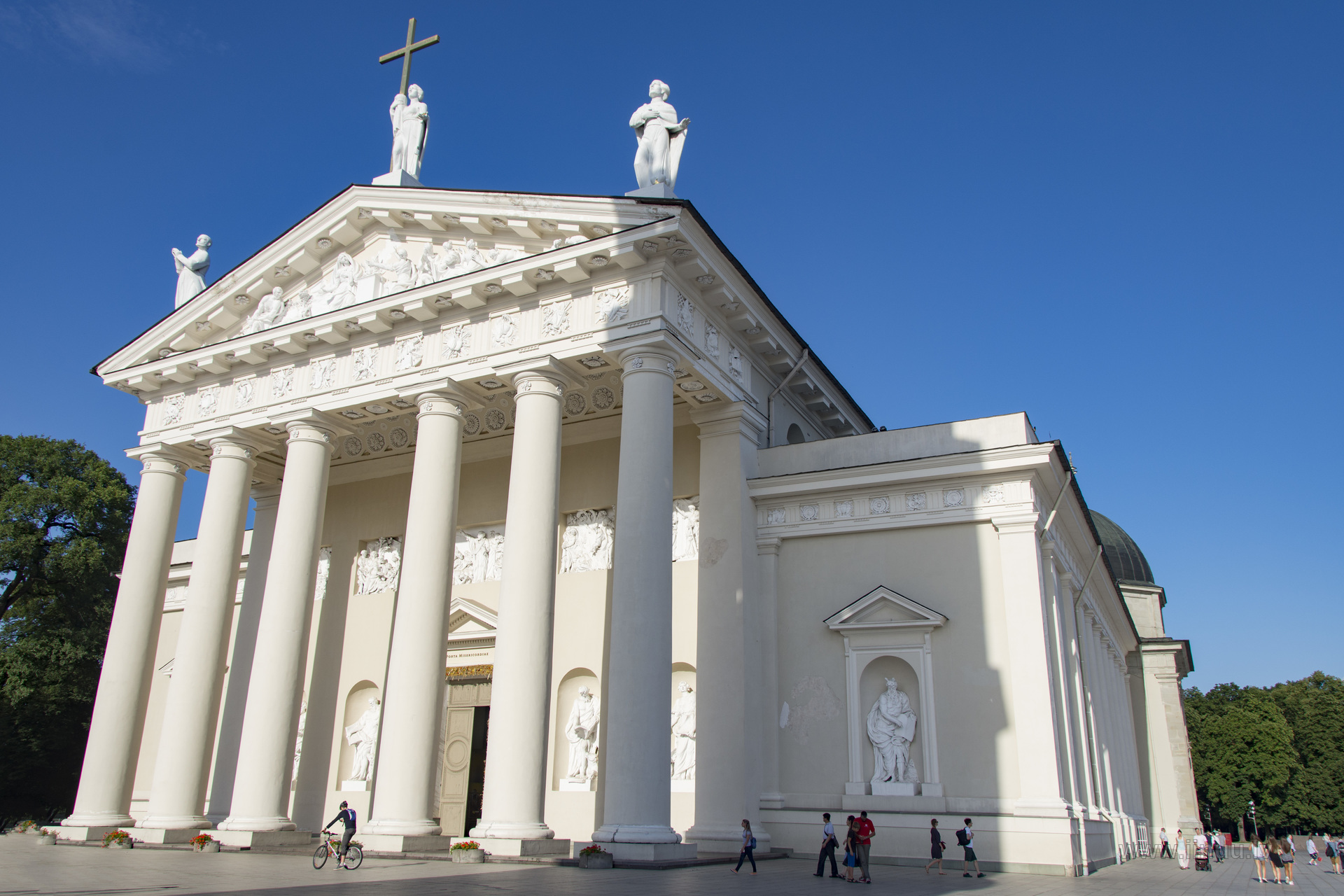
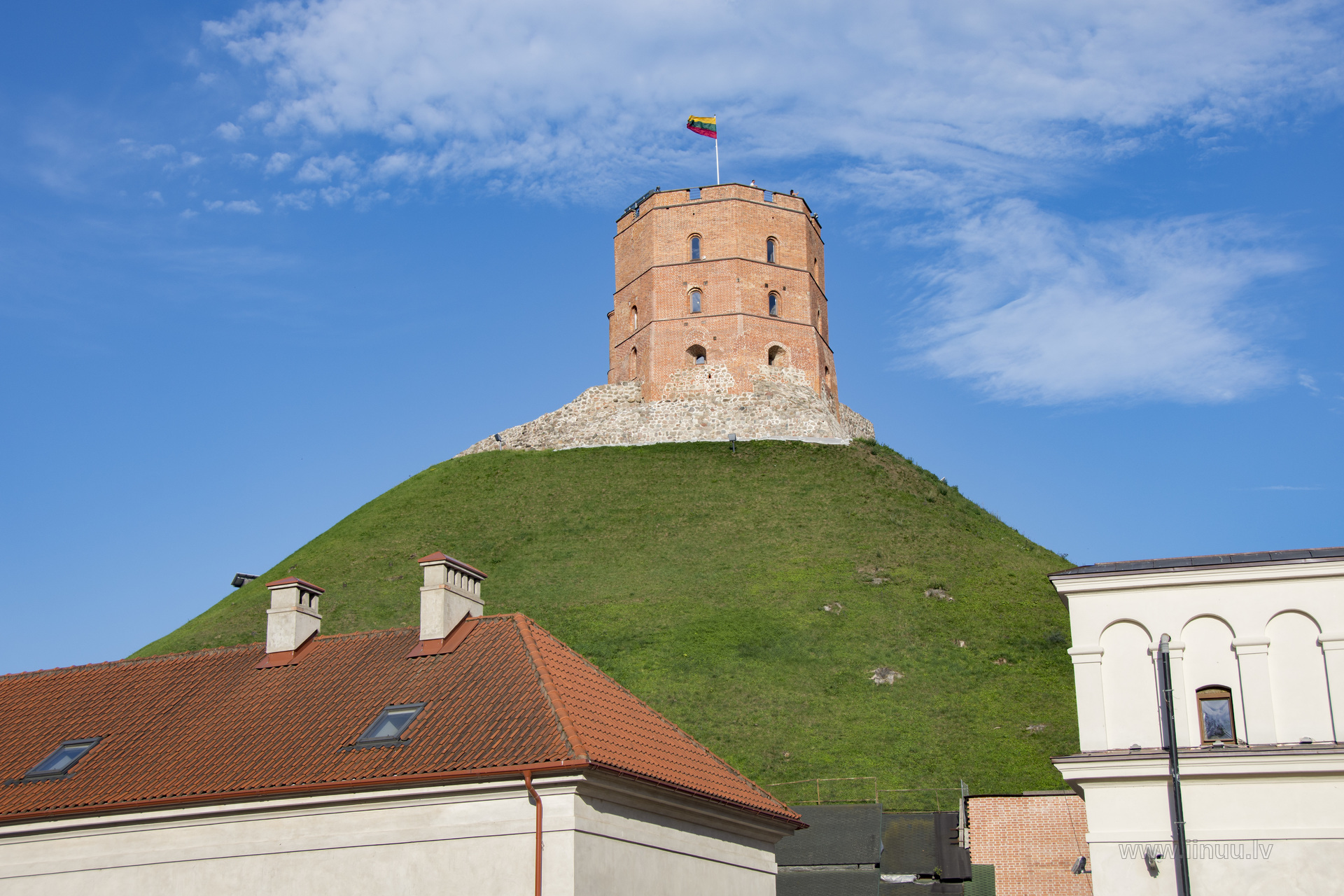
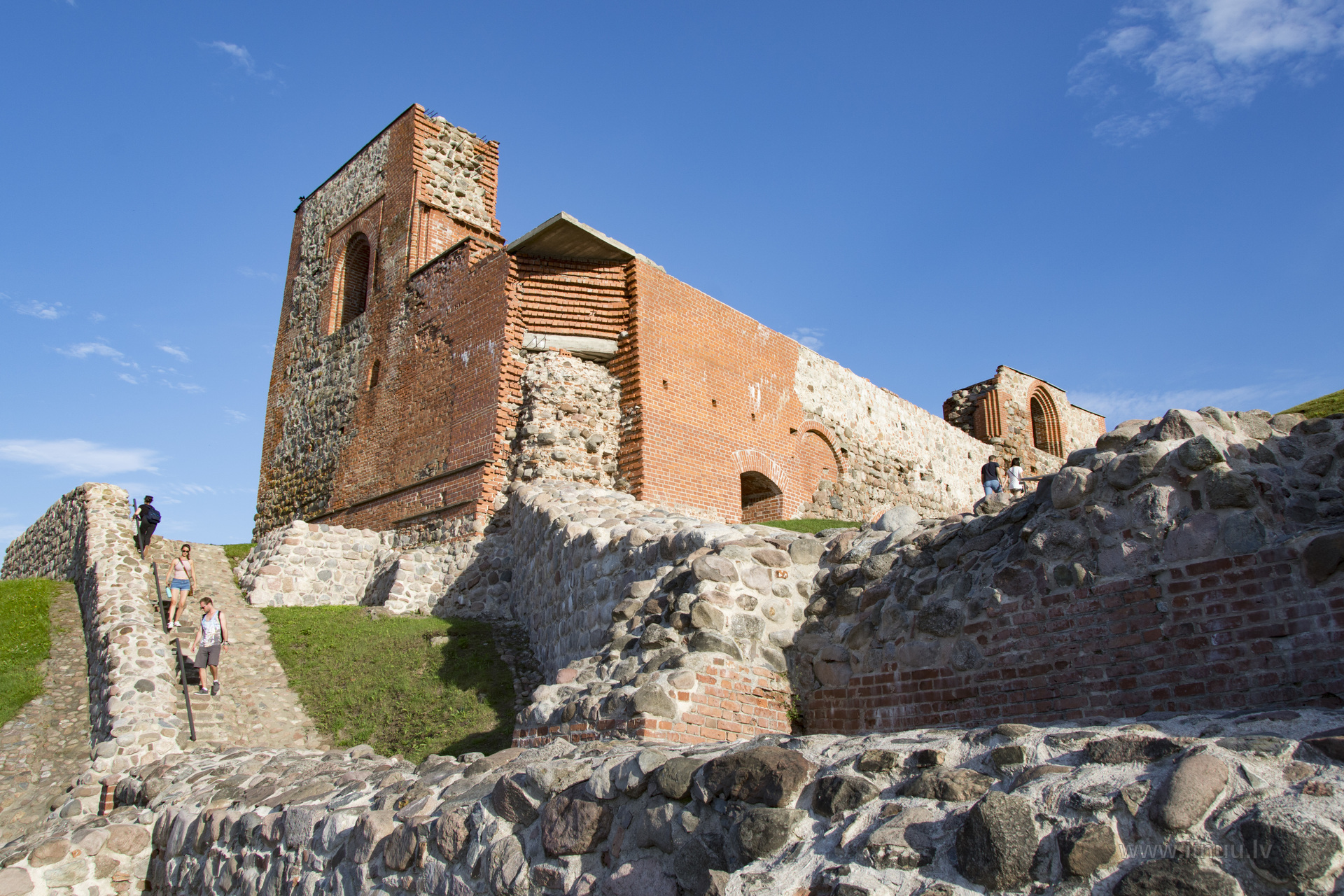
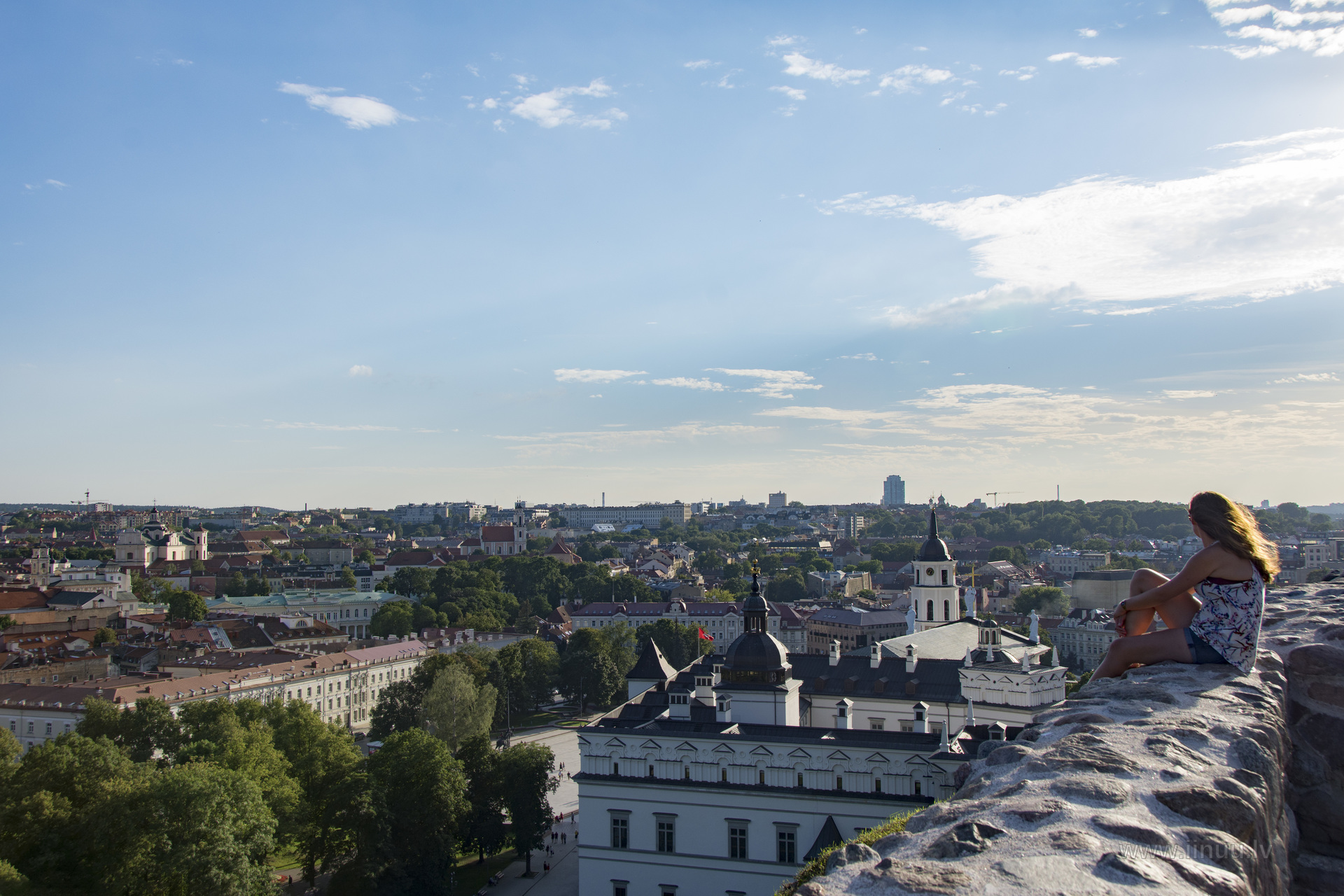
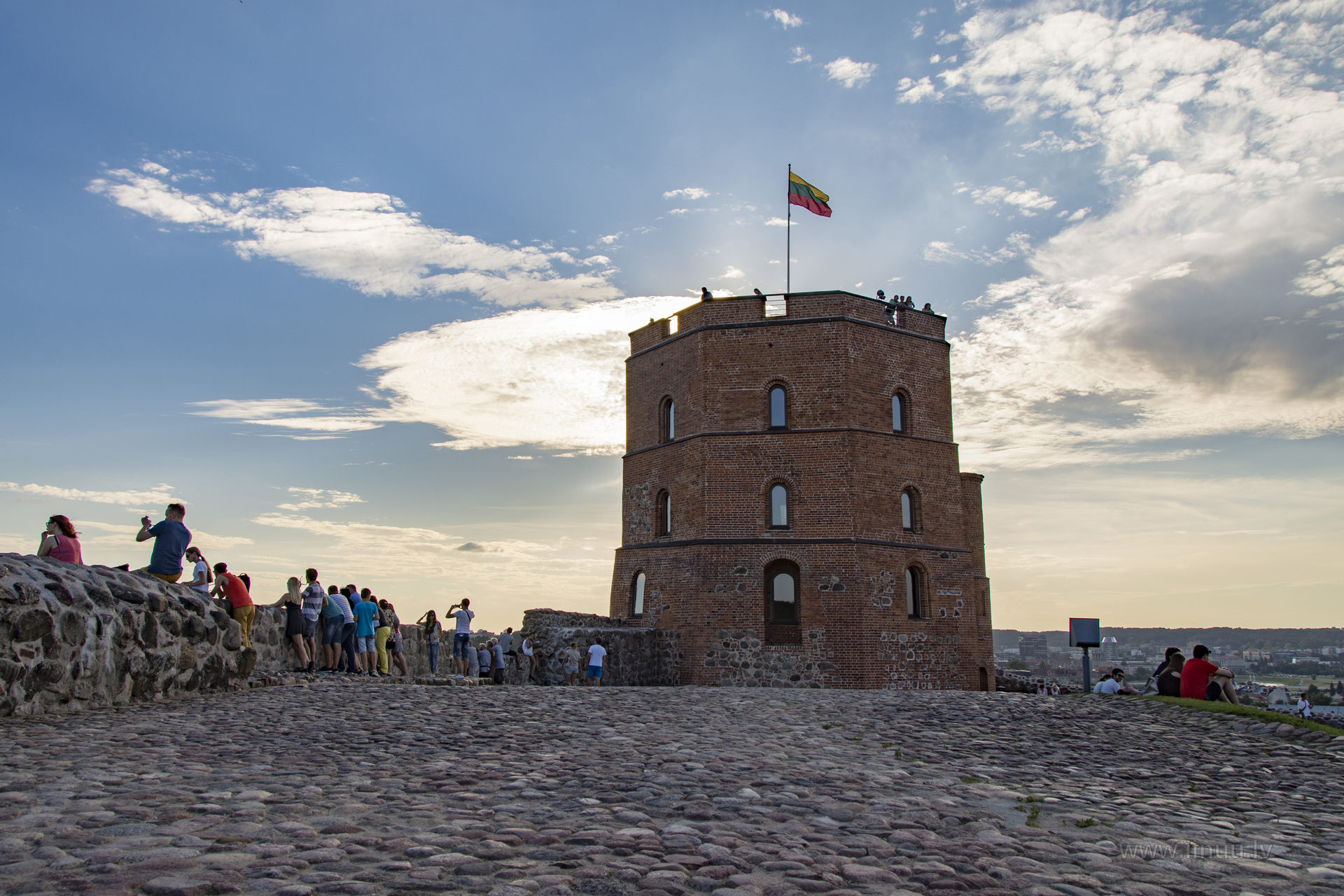
Traditionally, one should certainly start with the central Cathedral Square and a visit to the cathedral itself. I recommend climbing Gediminas Hill, on which stands the tower bearing the Lithuanian flag. The one thing ladies must reckon with is that the path is uneven and stony - if a seasoned woman can still manage the ascent in platform shoes or stilettos, the descent in them is genuinely life-threatening. We had to come down the hill over the stones in bare feet.
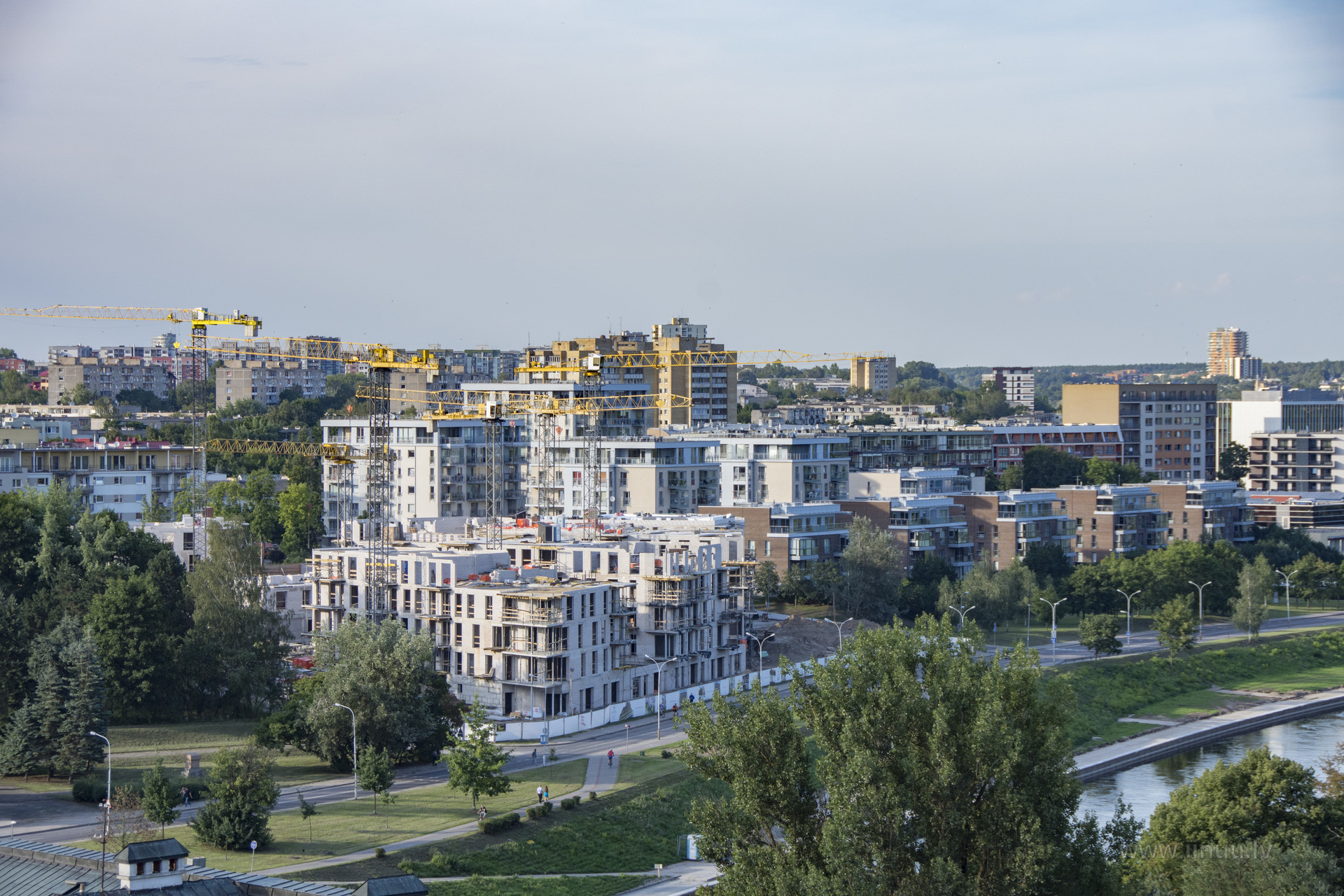
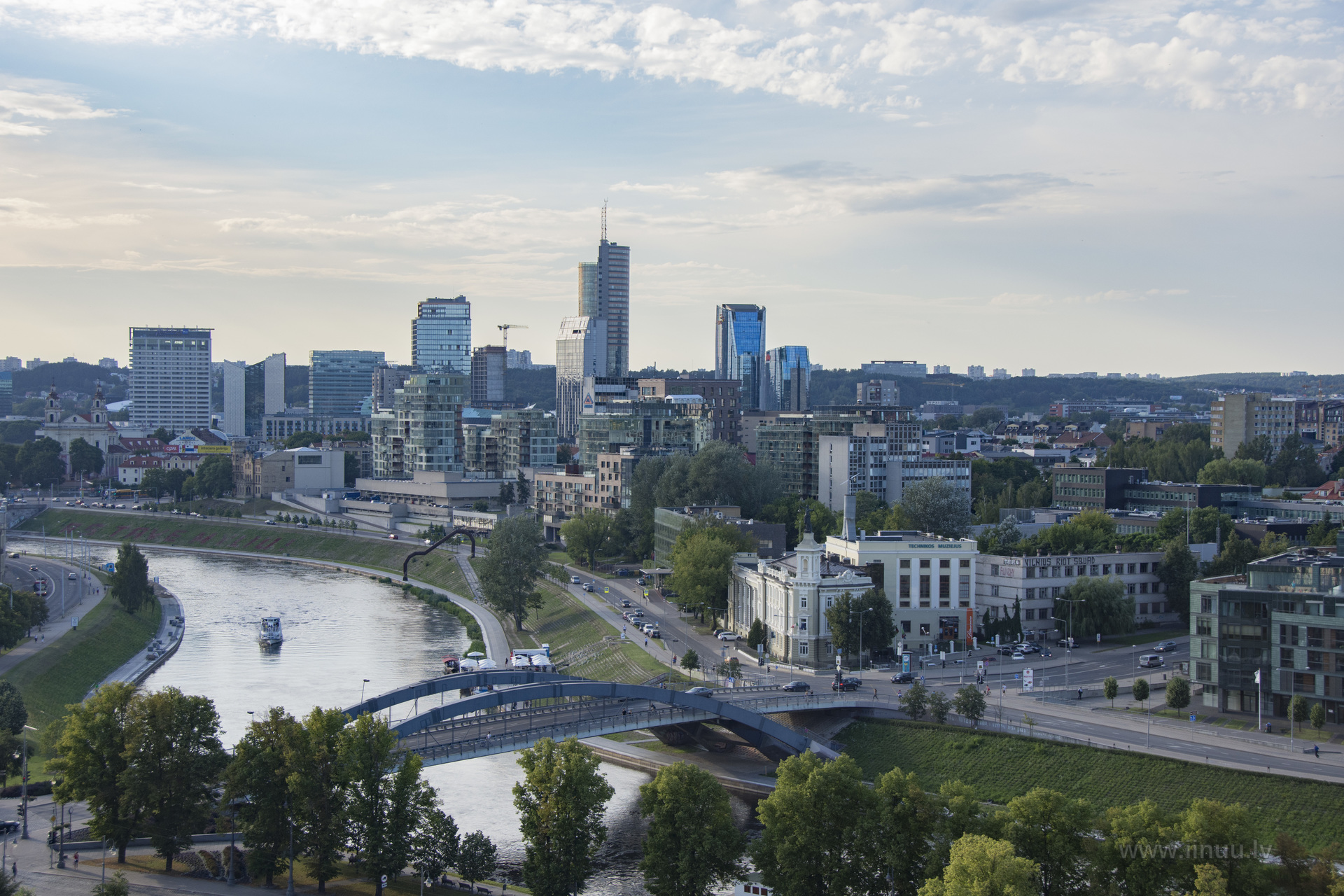
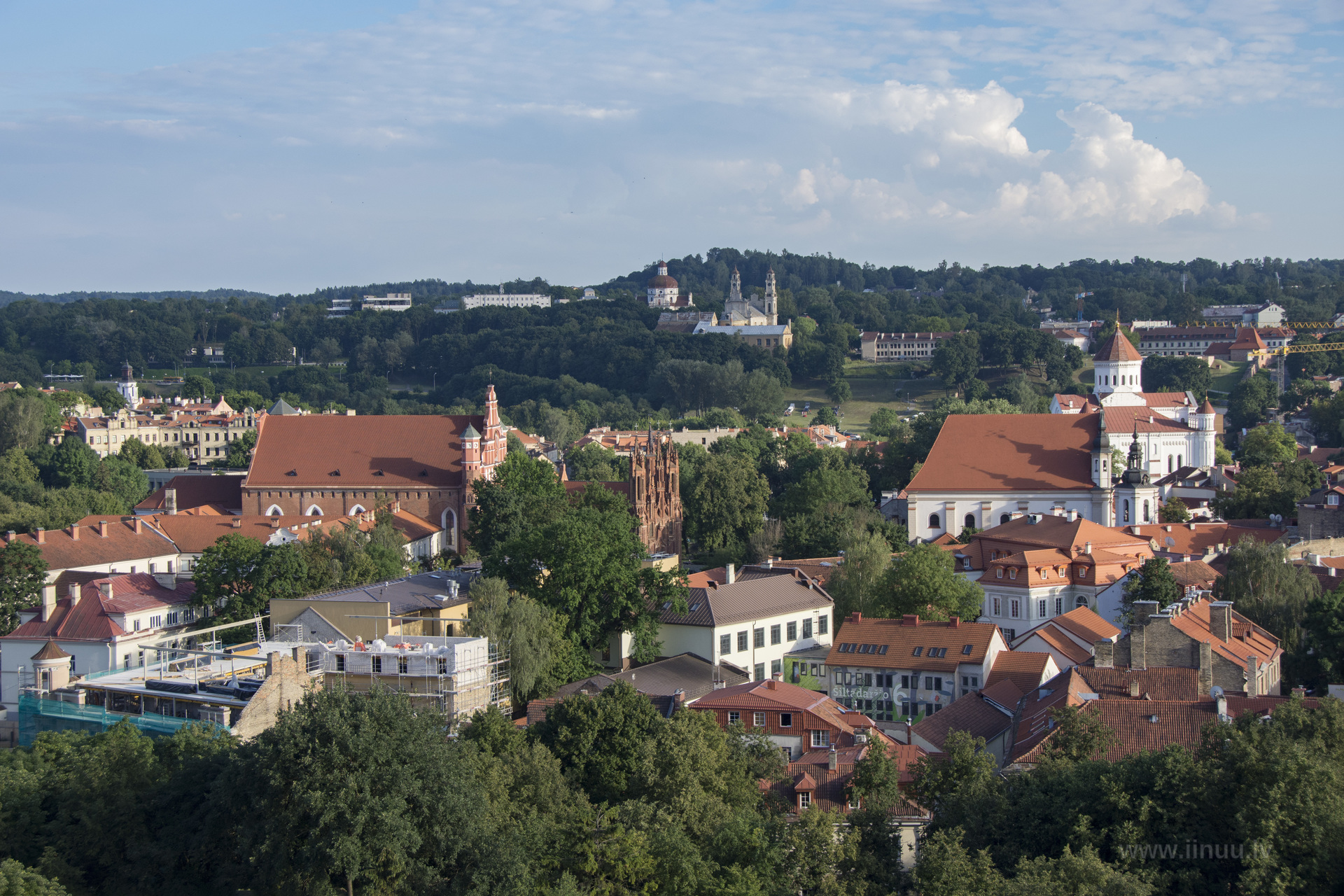
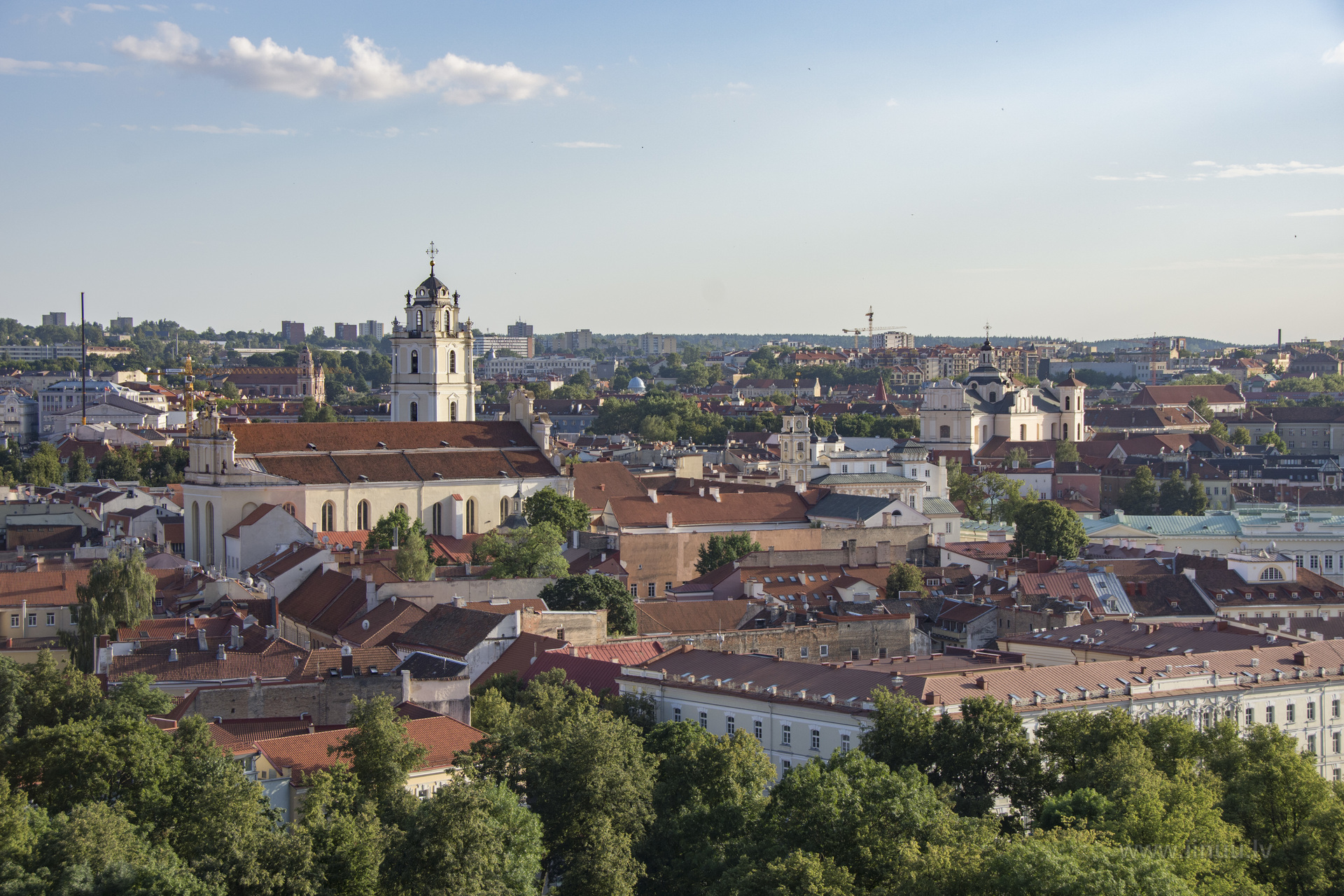
There is also the lazy option - to ride up and down by funicular (2 EUR return). But believe me, the satisfaction from what you see will diminish by at least half. From the hill a magnificent view opens over the entire city - the old and new districts alike. Worth a selfie. For those who want to go even higher, one can also climb the tower for 4 EUR.
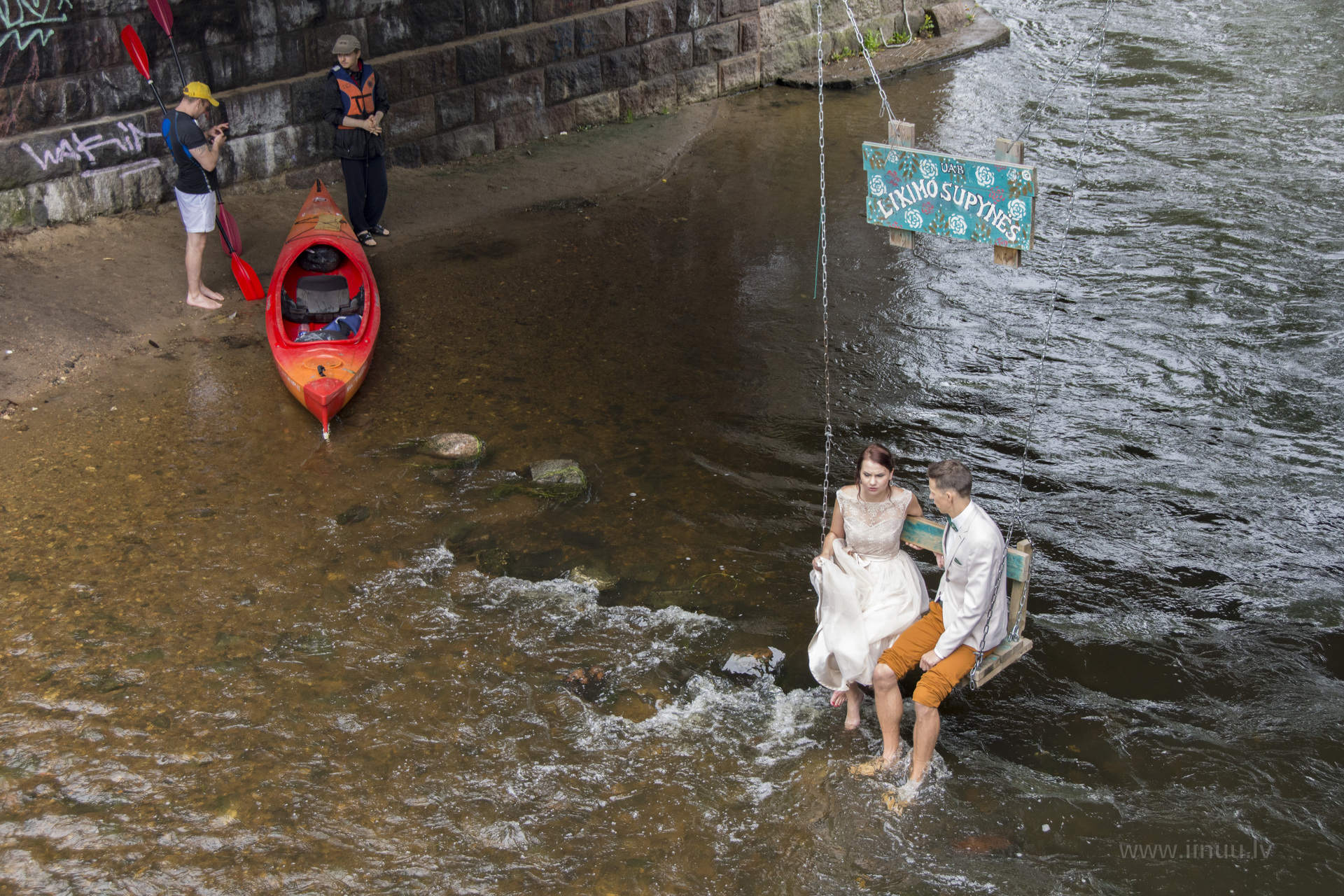
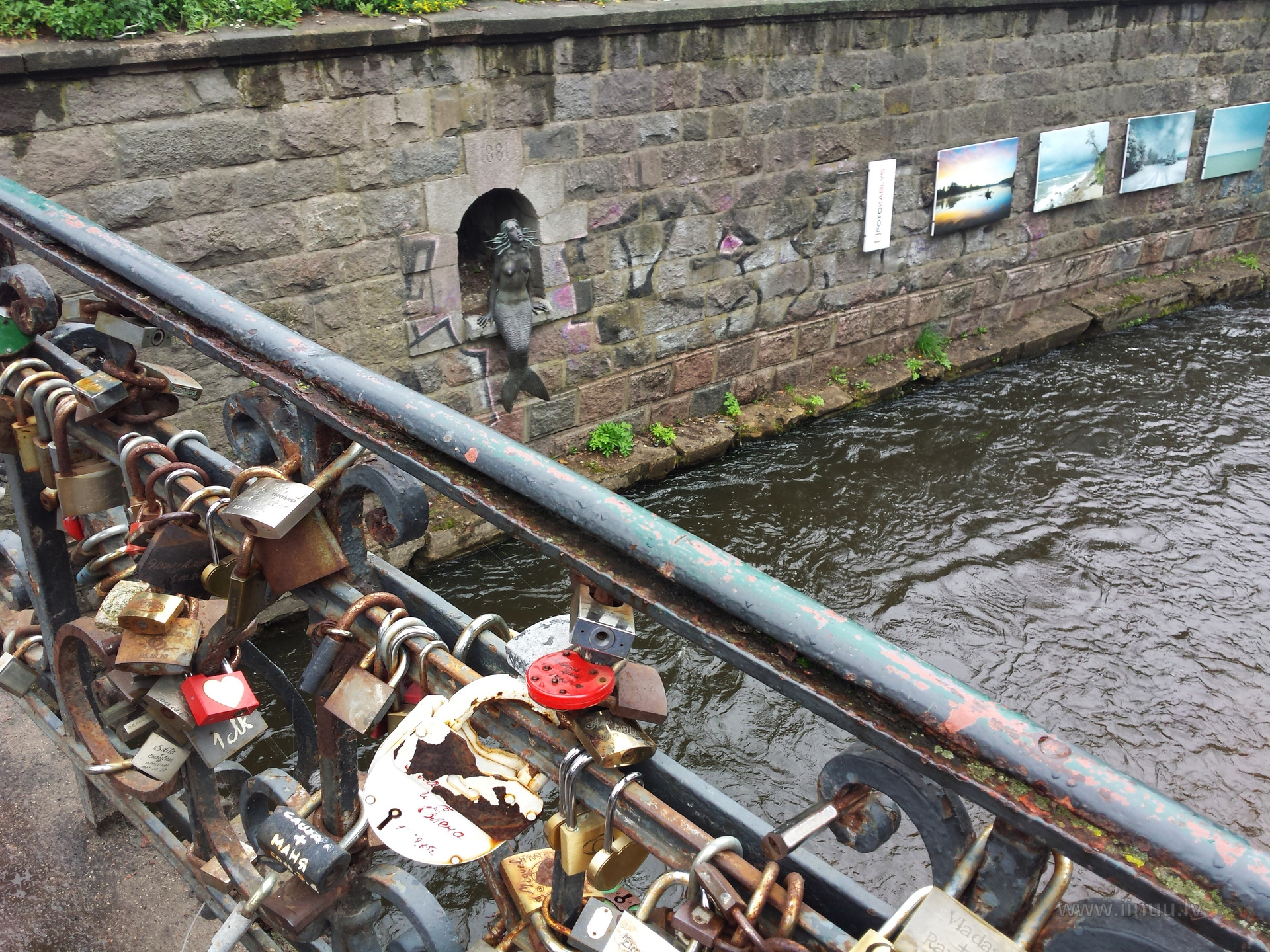
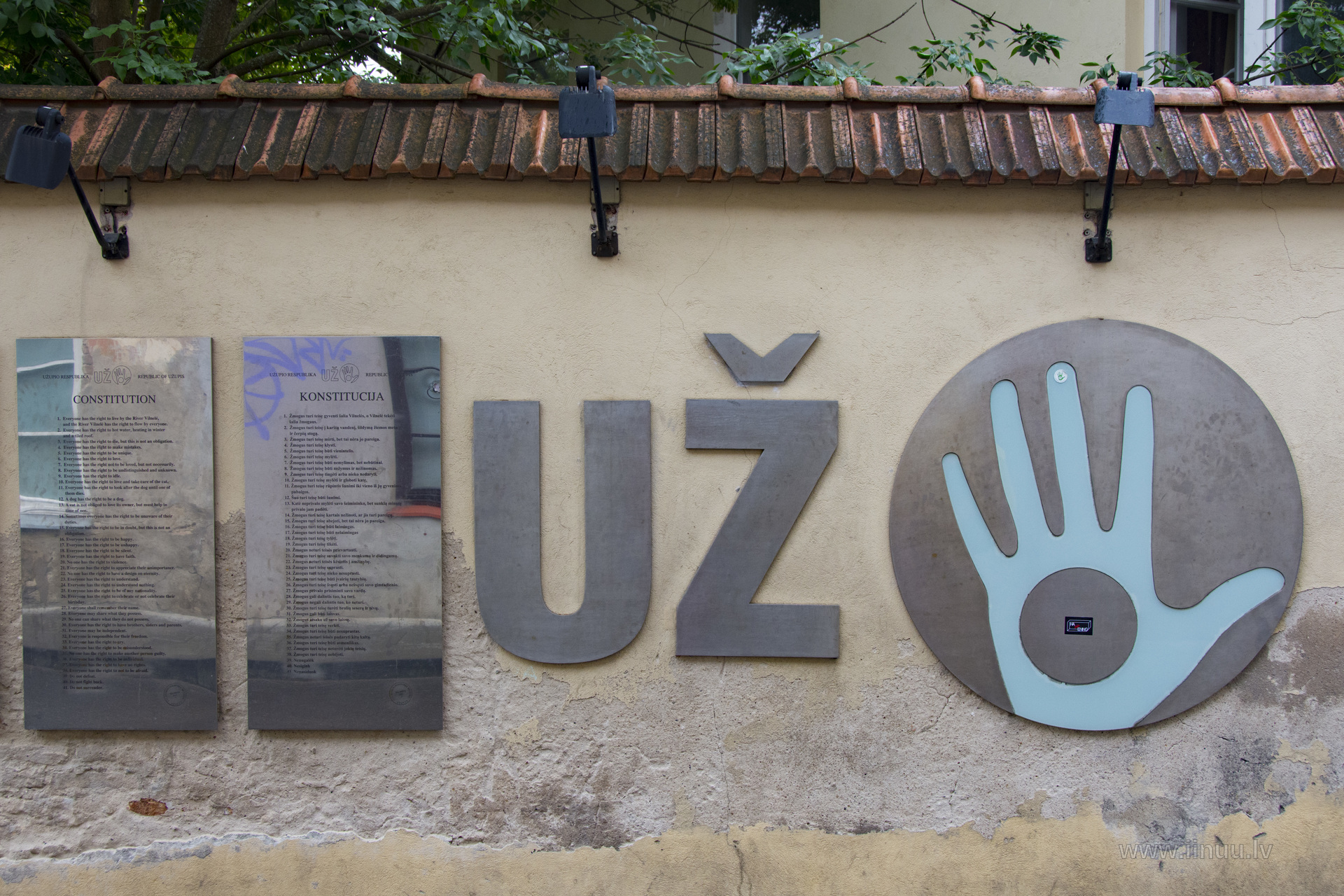
Visit the Užupis Republic, if only to read its constitution, which is published in several languages (including Latvian). Here are a few articles from it (41 in total):
- A person has the right to die, but this is not their duty.
- A person has the right to be unloved, but this is not obligatory.
- A dog has the right to be a dog.
- A person has the right to believe.
- A person has a duty not to forget their name.
- A person is responsible for their own freedom.
- A person has the right not to exercise their rights.
- A person has the right to live without fear.
- Do not win.
- Do not defend yourself.
- Do not give up.
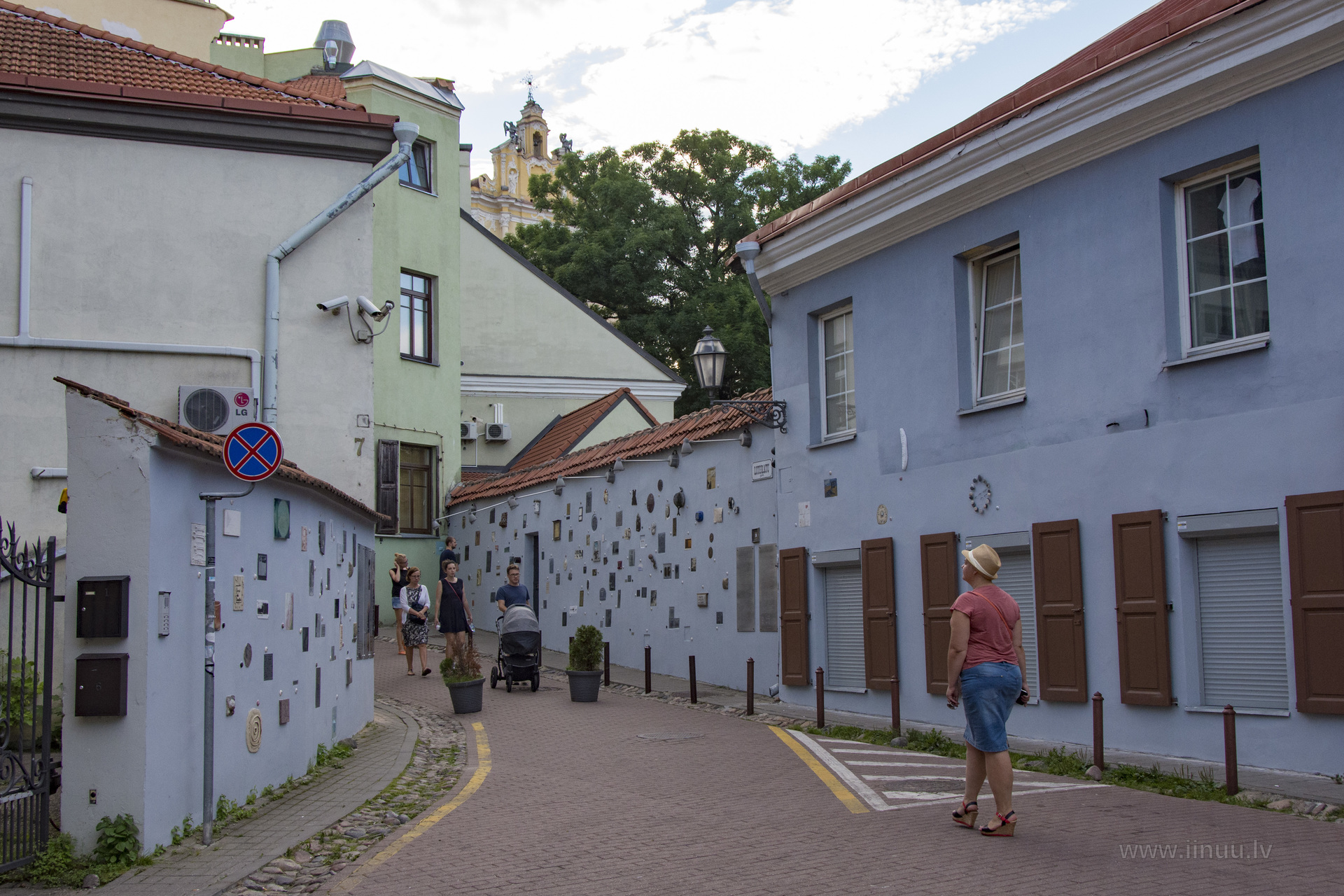
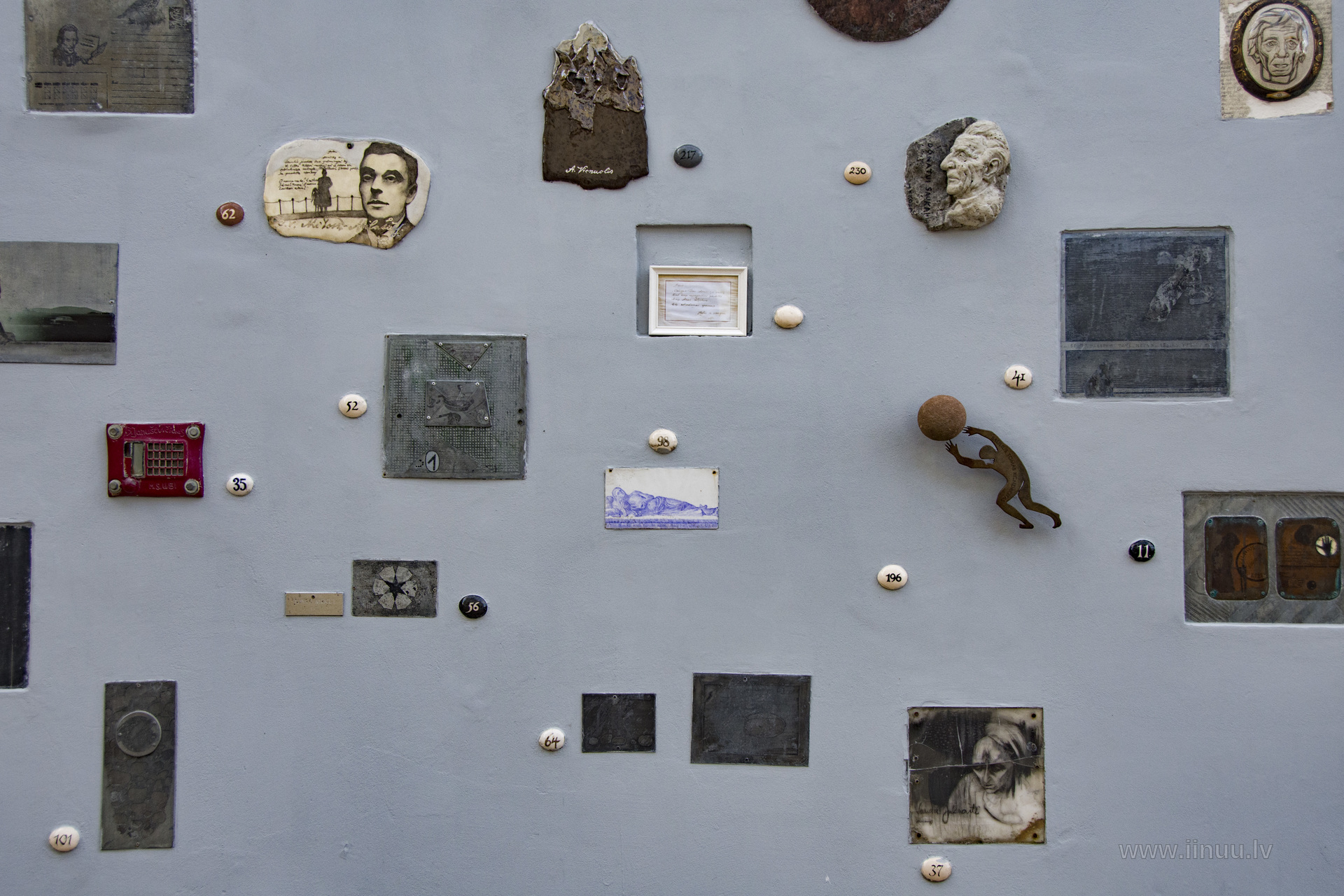
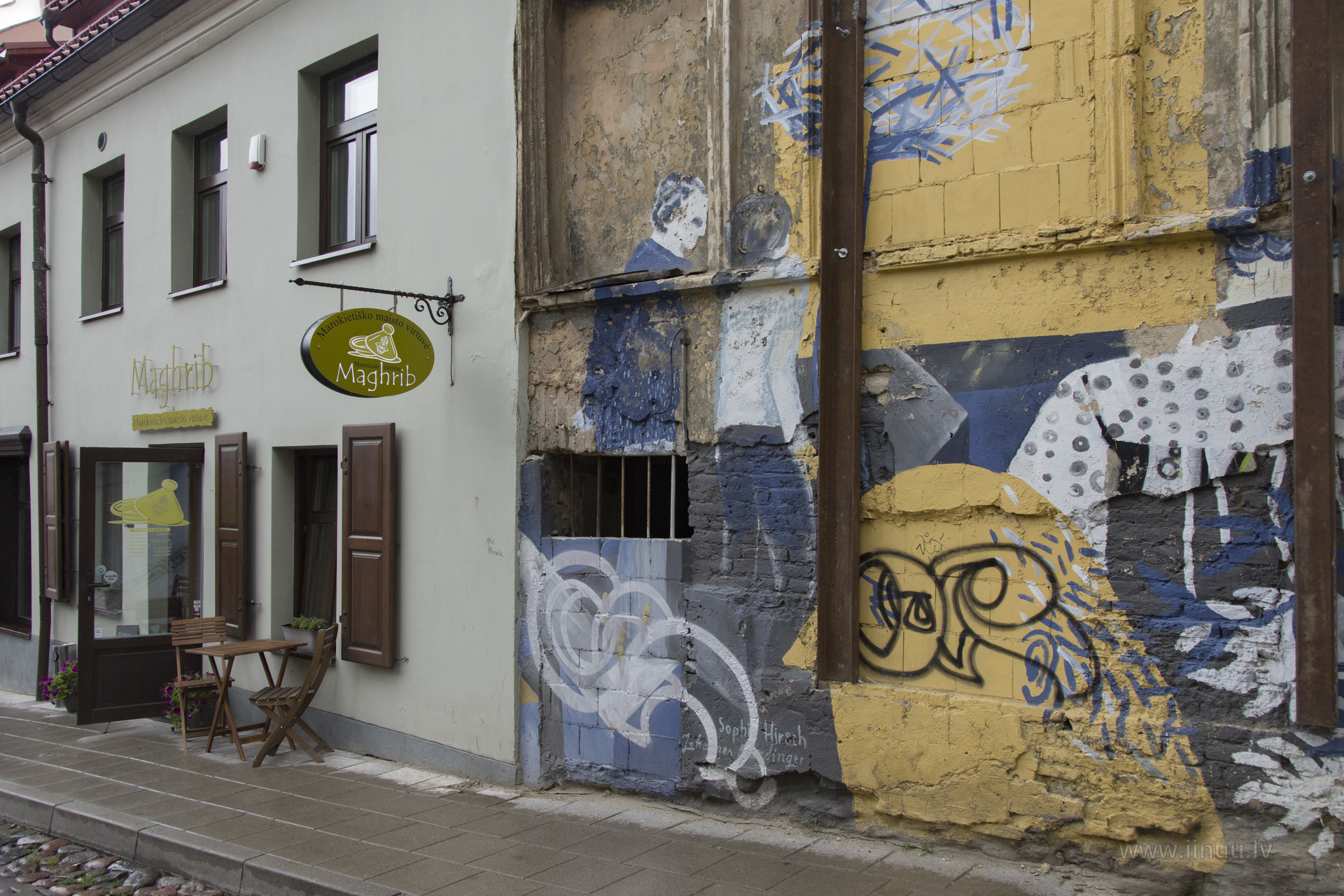
Explore the walls of Literatų gatvė (Literati Street), where the likenesses of 224 poets and writers are depicted, so to speak. Among them, it turns out, is that of Latvian poet Knuts Skujenieks (no. 210). An interesting project on one quiet old-town alleyway.
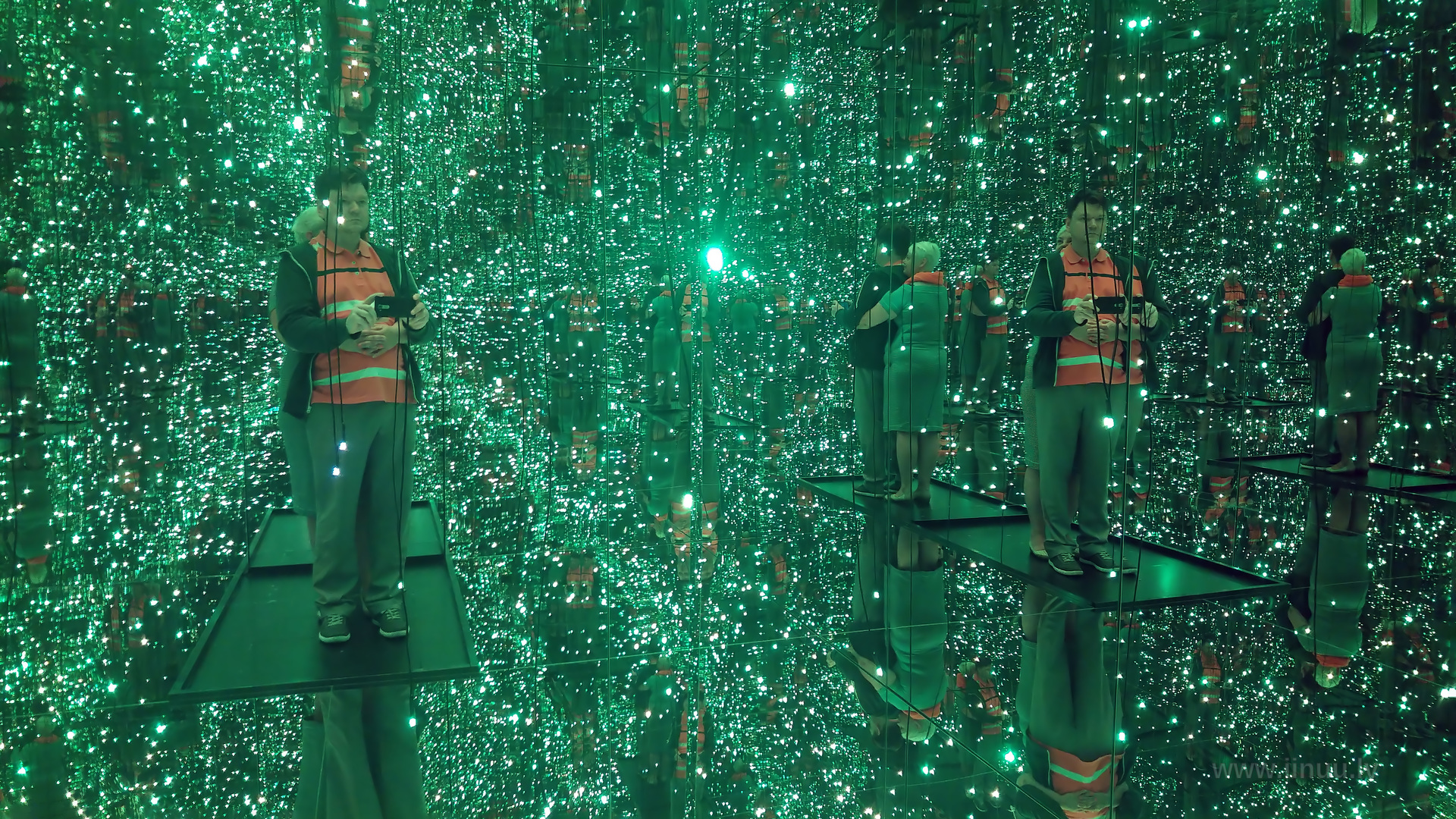
I am not sure whether to recommend it, but if you don't mind spending 3 EUR, you can stop in at COSMOS Paukščių takas, though I should warn you that this attraction is not worth that sum. At the top floor of VCUP shopping centre there is a mirror room (2×2 m) into which you are led for 4 minutes, during which various coloured lights are switched on and you feel as if you are in outer space - or in the Milky Way as advertised. In other words, you see your own n-fold reflections in the infinite Universe (if you approach the thing philosophically).
One conclusion: it is worth visiting near and distant cities and countries, if only for the change of surroundings. On all our travels we have always sought out what is different and found joy in it. There is no need to seek out what is the same or similar. Beauty lies in diversity.
comments