If Your Holiday is Just 2 Days... Part III
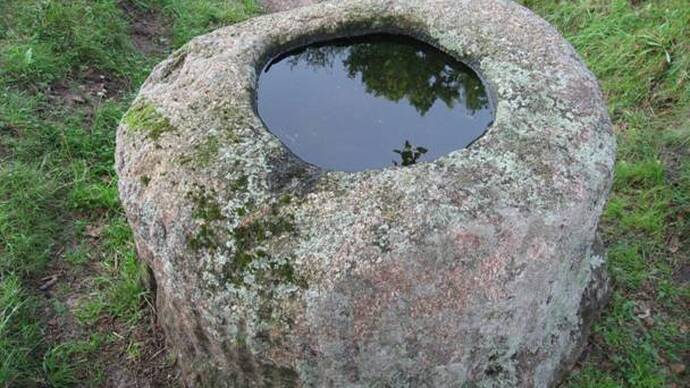
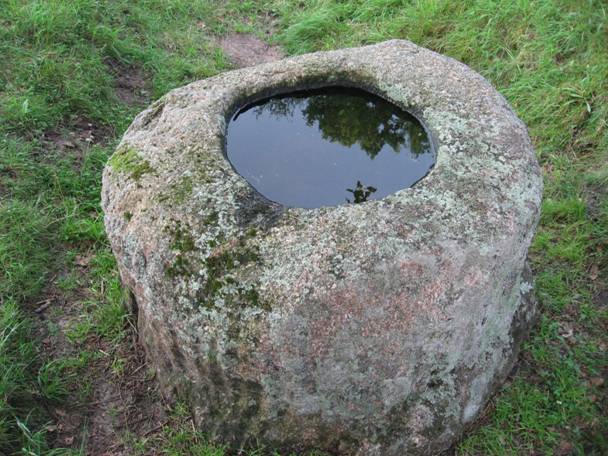
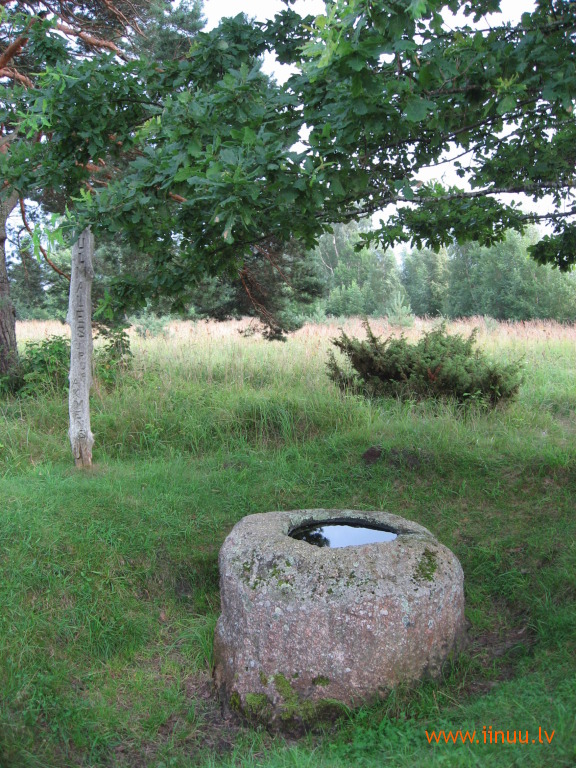
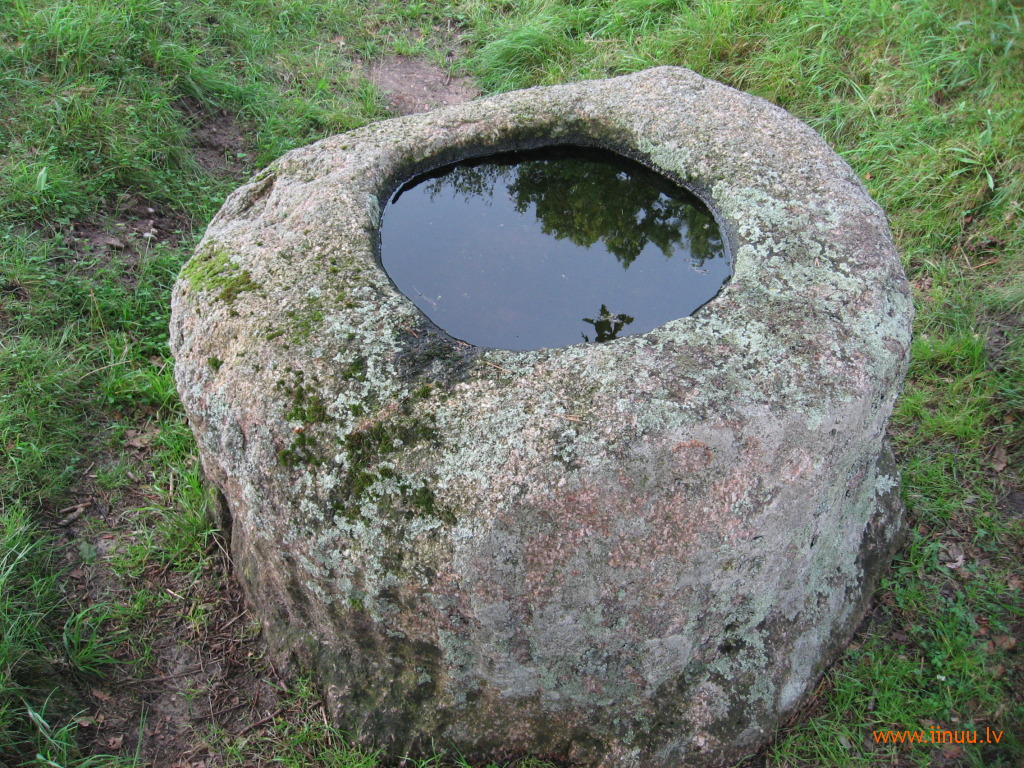
We discovered the Ulmale (Pinni) Sacrificial Stone, at which the ancestors once gathered. A place not easy to find, and not so much mystical itself as the stone with its bowl-shaped hollow of about 60 cm in diameter. The accumulated water looked a menacing black. Although there is a belief that it heals, instinctively there was no desire to dip one's hands in it.
Traditionally on one of the summer weekends we set off on a two-day excursion along the coast. This year also through Kurzeme, but this time along the western shore. The route (for following on a map): Rīga – Usma – Ugāle – Ventspils – Užava – Jūrkalne – Pāvilosta – Grobiņa – Rīga. Despite the meteorologists' promised +37°C, the weather was sultry but overcast, and Sunday turned out thoroughly rainy - by evening only +20°C, which in this year's summer already counts as cold. But everything in order.
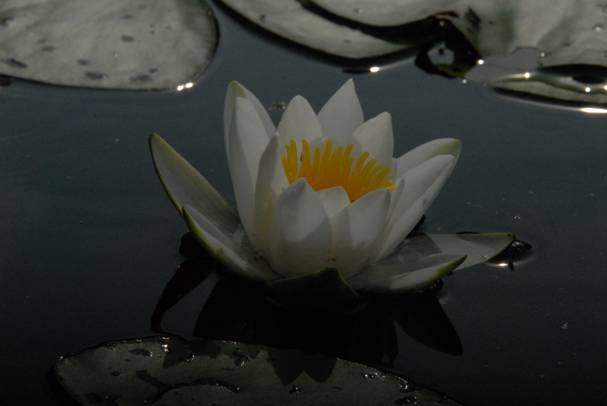
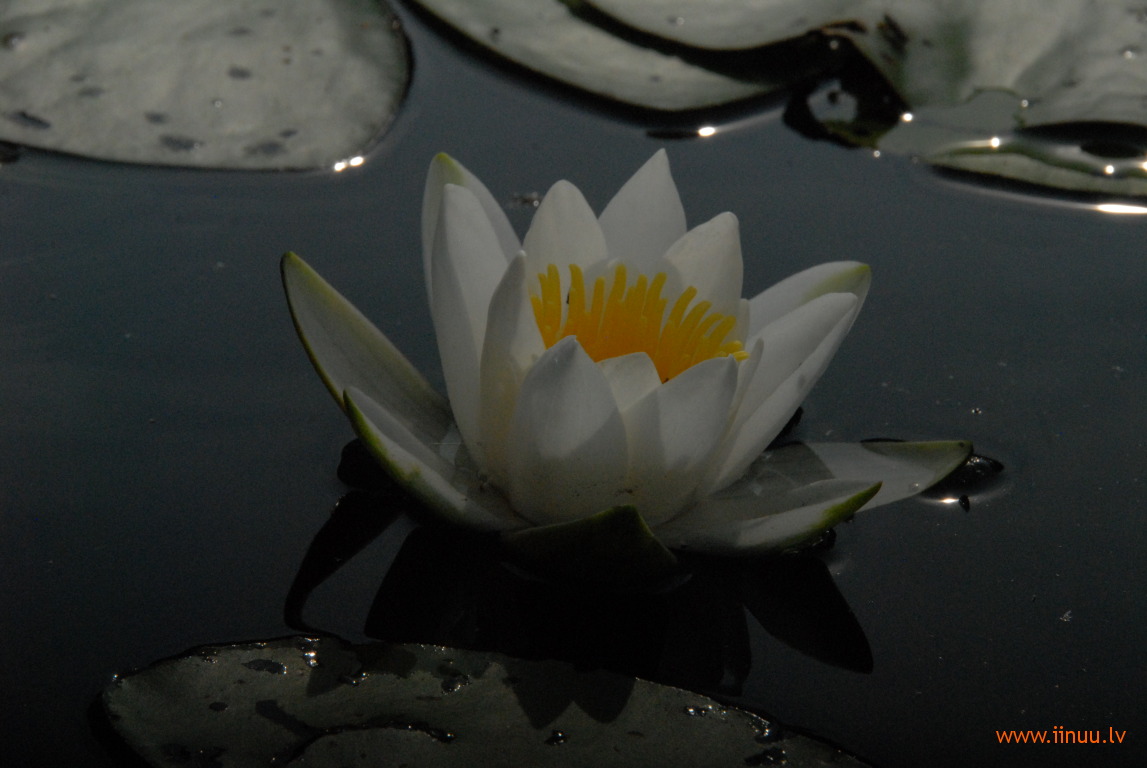
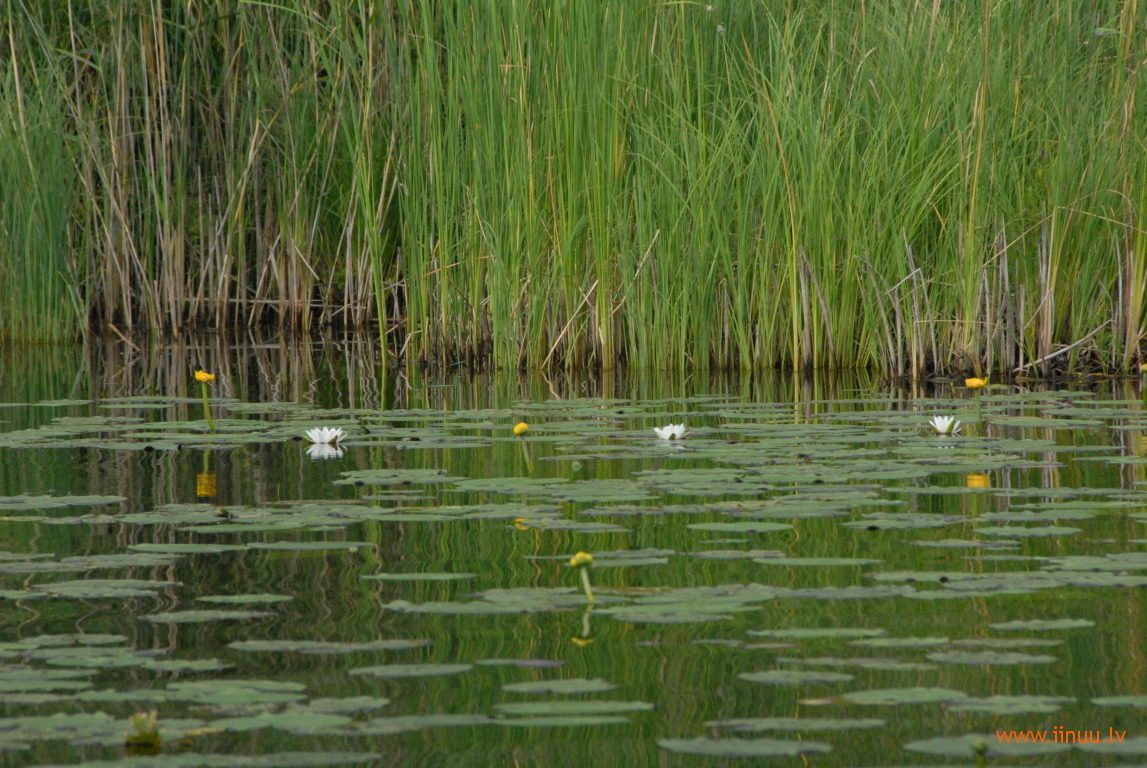
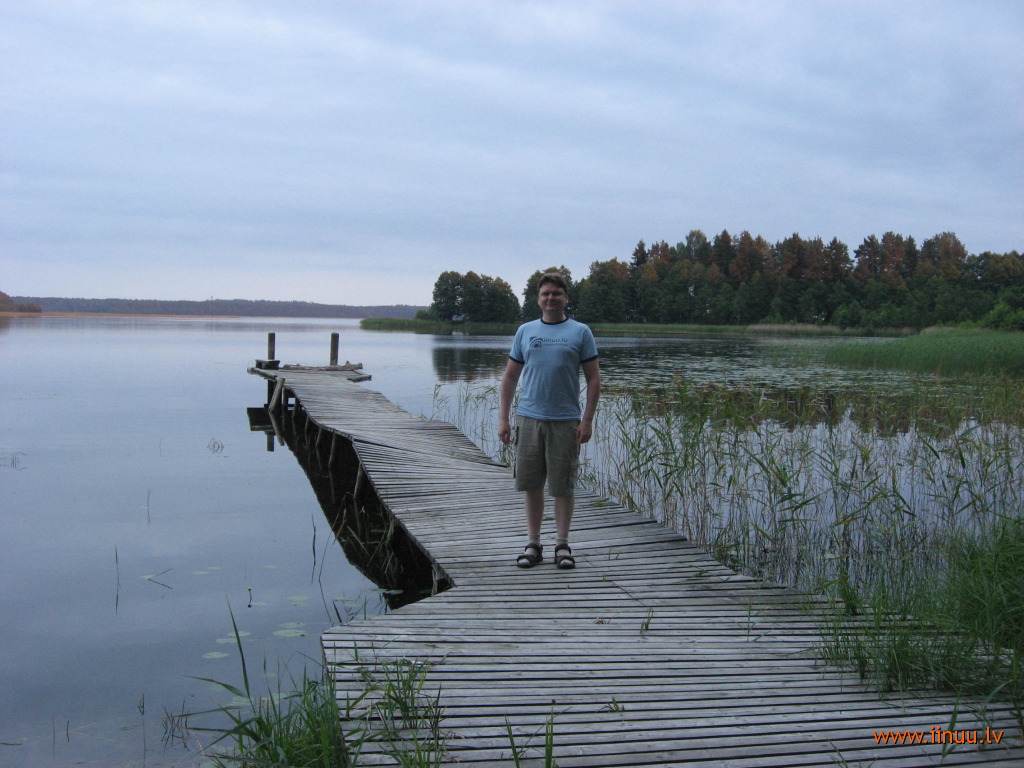
On Friday evening, together with the slow-flowing stream of cars in the direction of Jūrmala, we left Rīga to stop at Lake Usma, swim, and spend the night. Lake Usma is the fifth largest lake in Latvia by area and the second largest by volume. In the middle lies Moricsala, known to all - if nothing else, from the song "Lūgums" (Take Me to Moricsala) performed by M. Zīvere. The lake shores are full of blooming yellow and white water lilies.
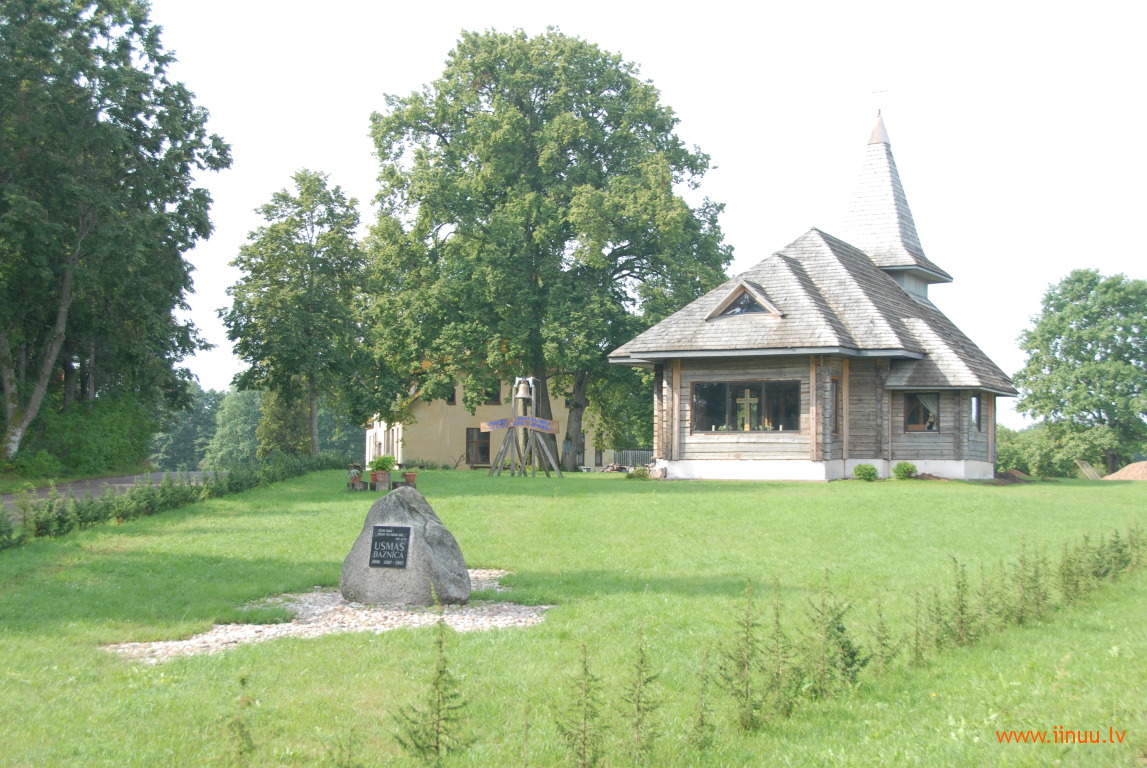
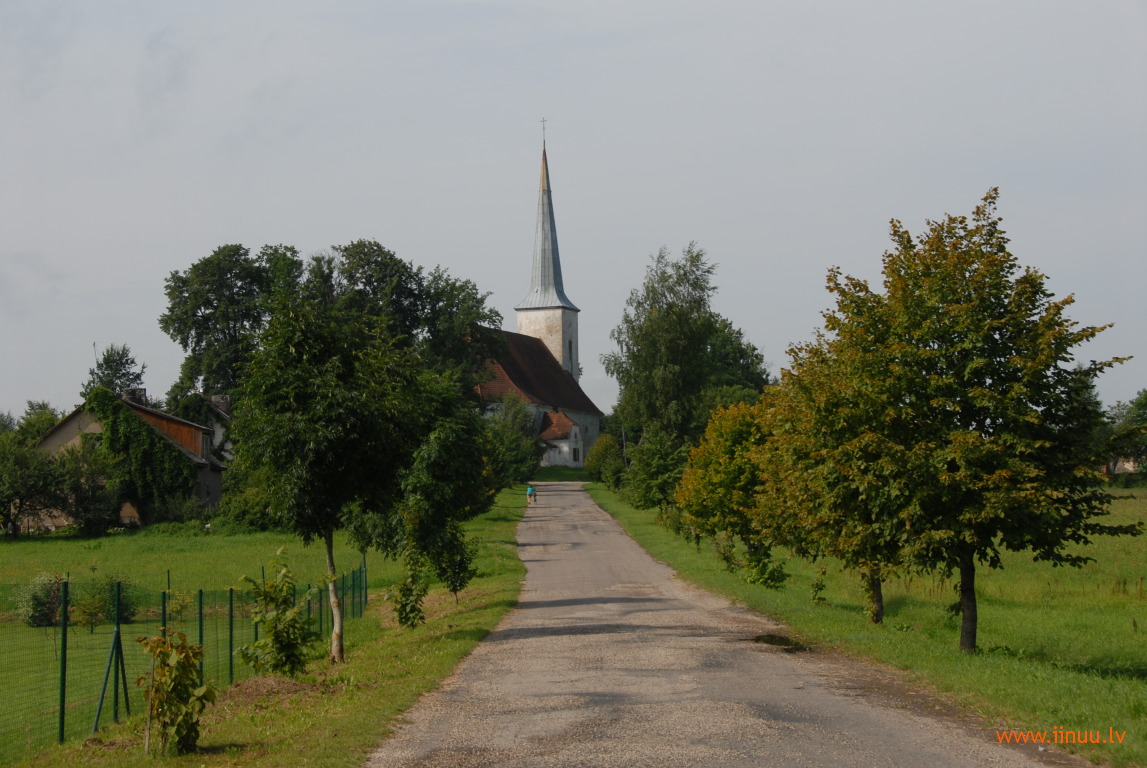
On Saturday morning, having had breakfast and taken a loop around Lake Usma by catamaran, we drove to the small town of Usma, 5 km from the Ventspils highway. We discovered a newly built Usma Church (1997–2007) (photo 60) - such an atypical log-constructed building with a shingle roof that involuntarily called to mind not Lutheranism but the Latvian dievturi neo-pagans. Outside the church a large bell and a welcoming poster that you are expected here. Unfortunately the doors were closed.
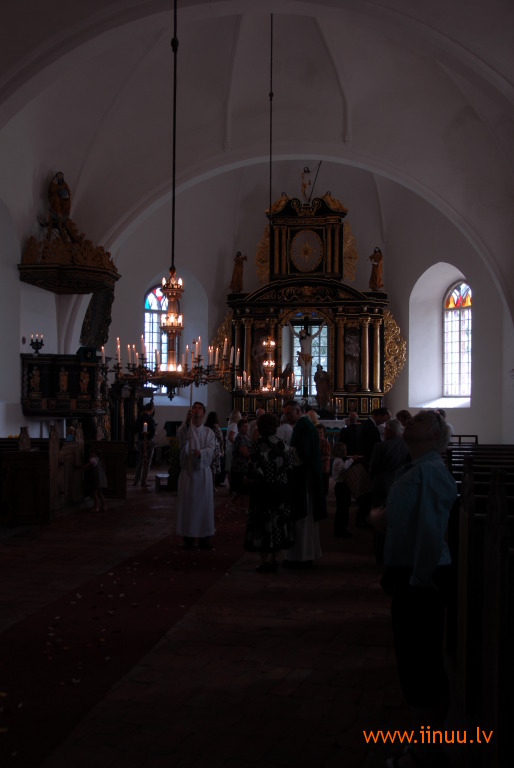
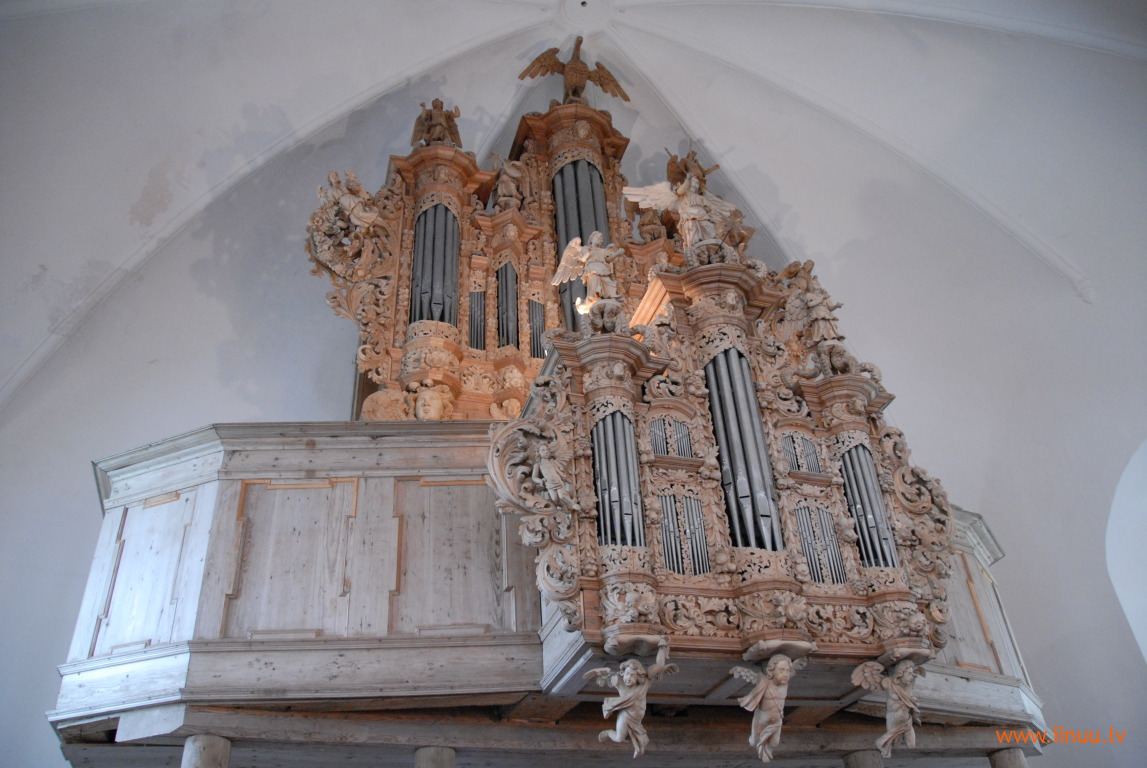
On the road to Ventspils we stopped in Ugāle, where we entered Ugāle Church to see the oldest pipe organ in Latvia (photo 62), crafted with intricate wood carvings (1699–1701). Unfortunately we did not get to hear it. Very nearby is the Ugāle organ-building workshop itself, where organs are now manufactured in Latvia.
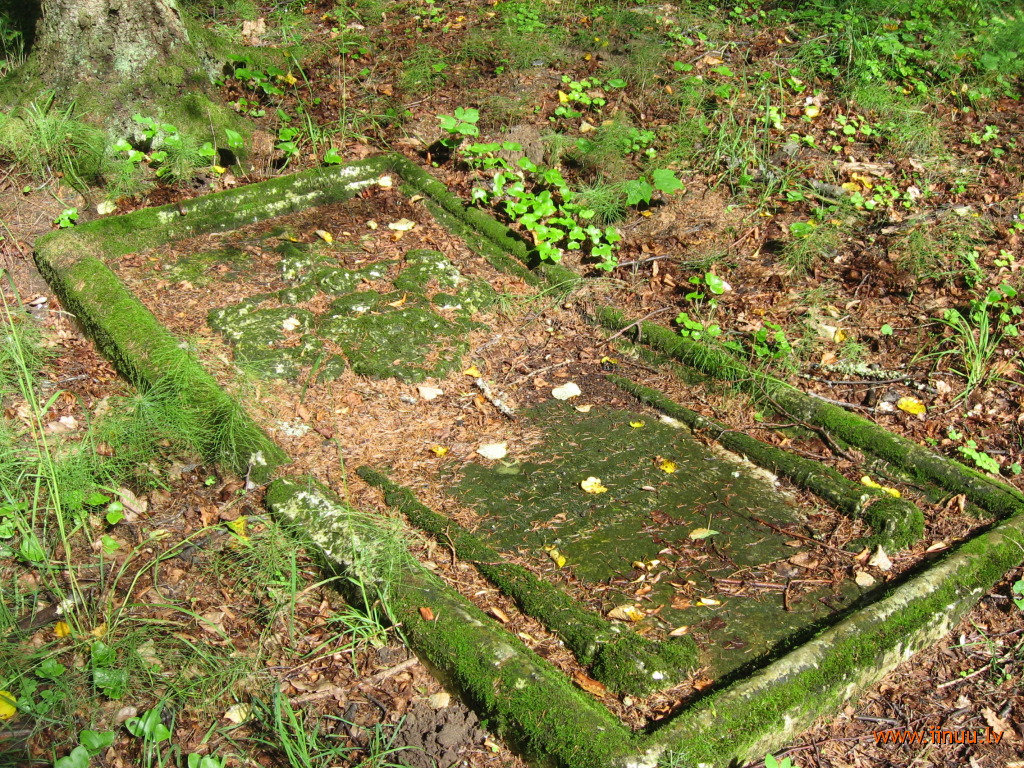
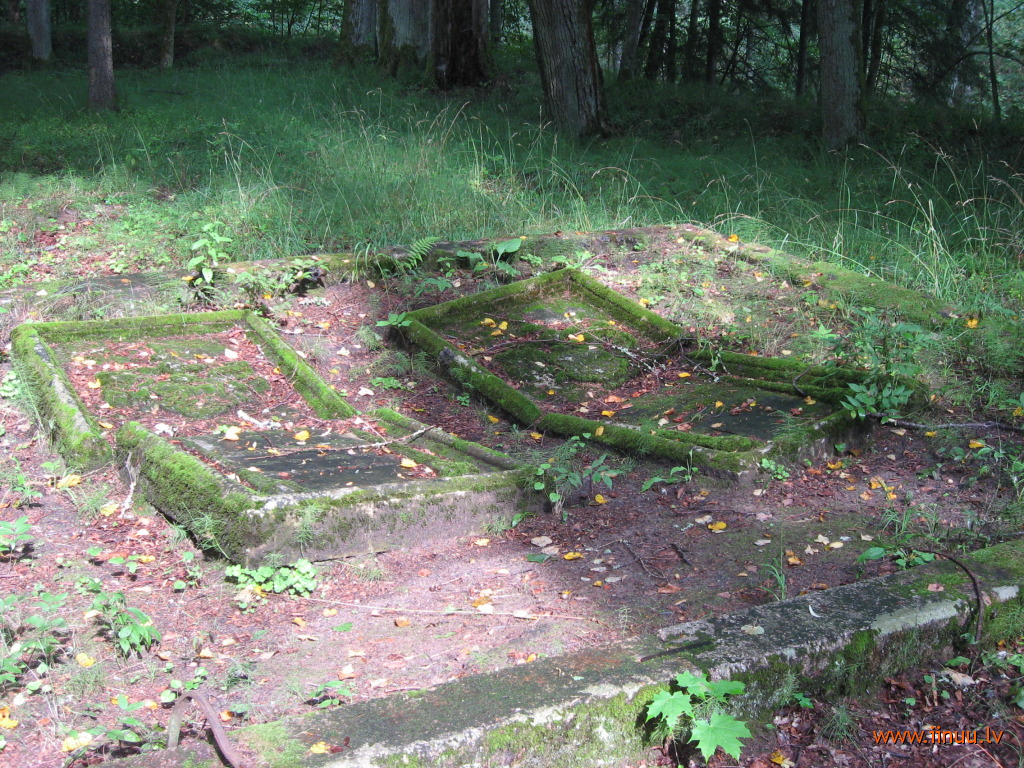
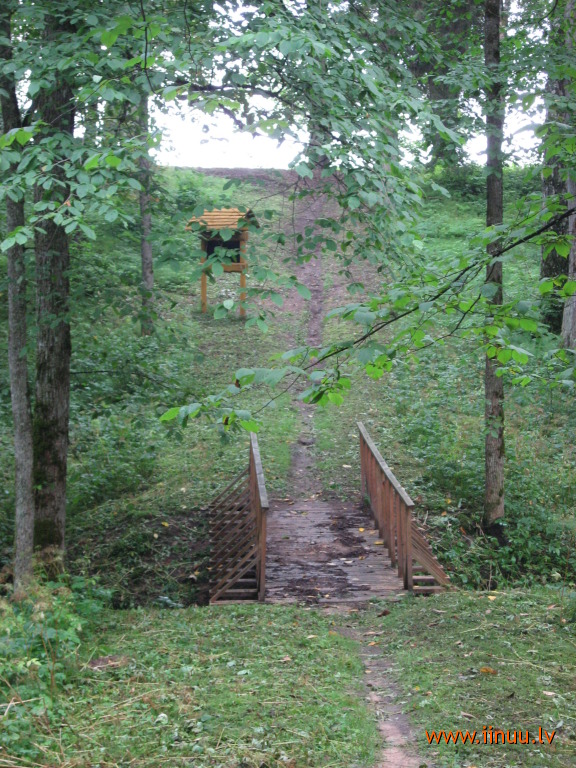
A short way ahead along a forest path going uphill one can climb Ugāle Hill Fort (photos 65–72) - a 12th-century Curonian settlement. Despite this, the very name Ugāle comes from the Livonian language and means "a place where it rushes." In the mid-19th century, at the wish of the baroness von Beer of Ugāle Manor, the hill fort was made into a family resting place for the baron's family. Today one can still make out three moss-covered grave slabs on which family coats of arms are faintly discernible.
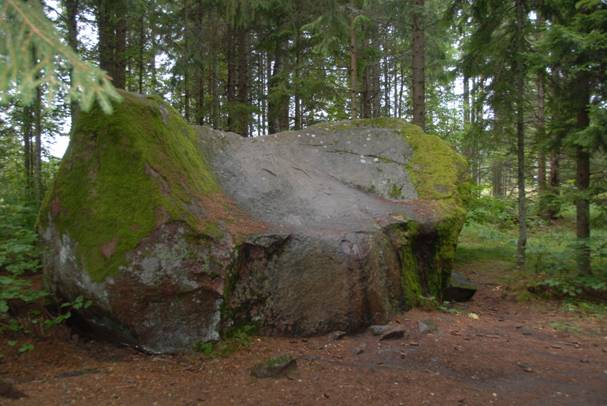
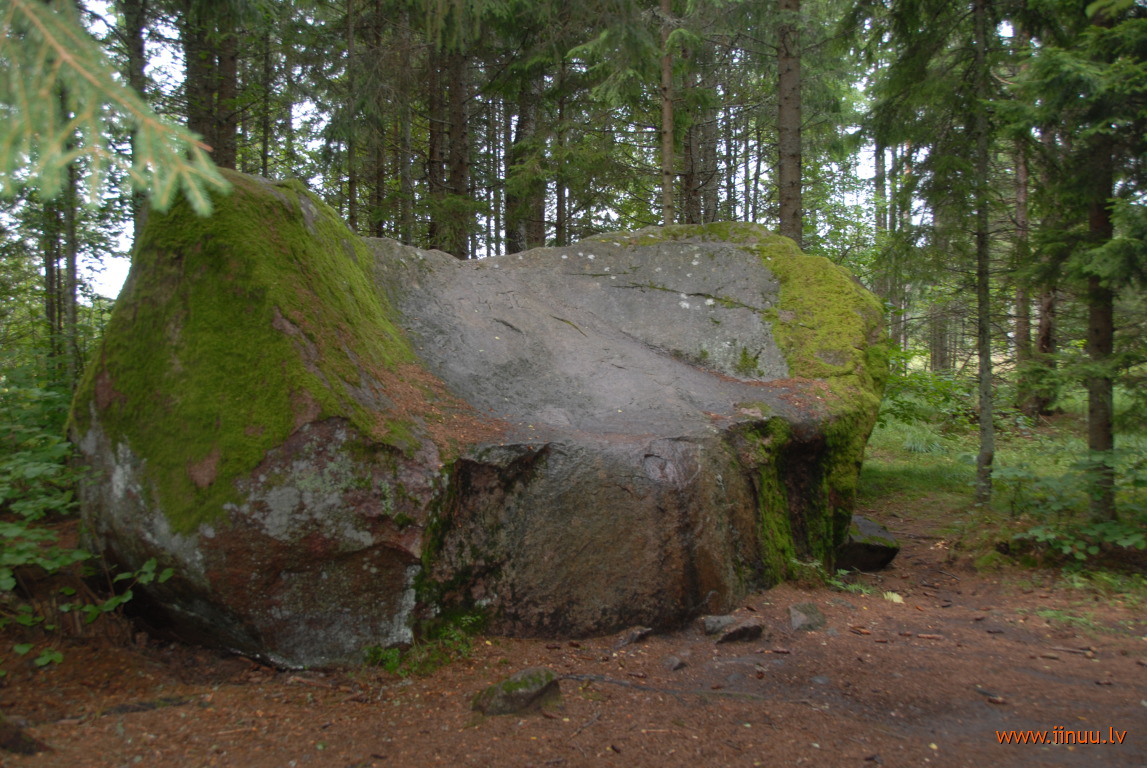
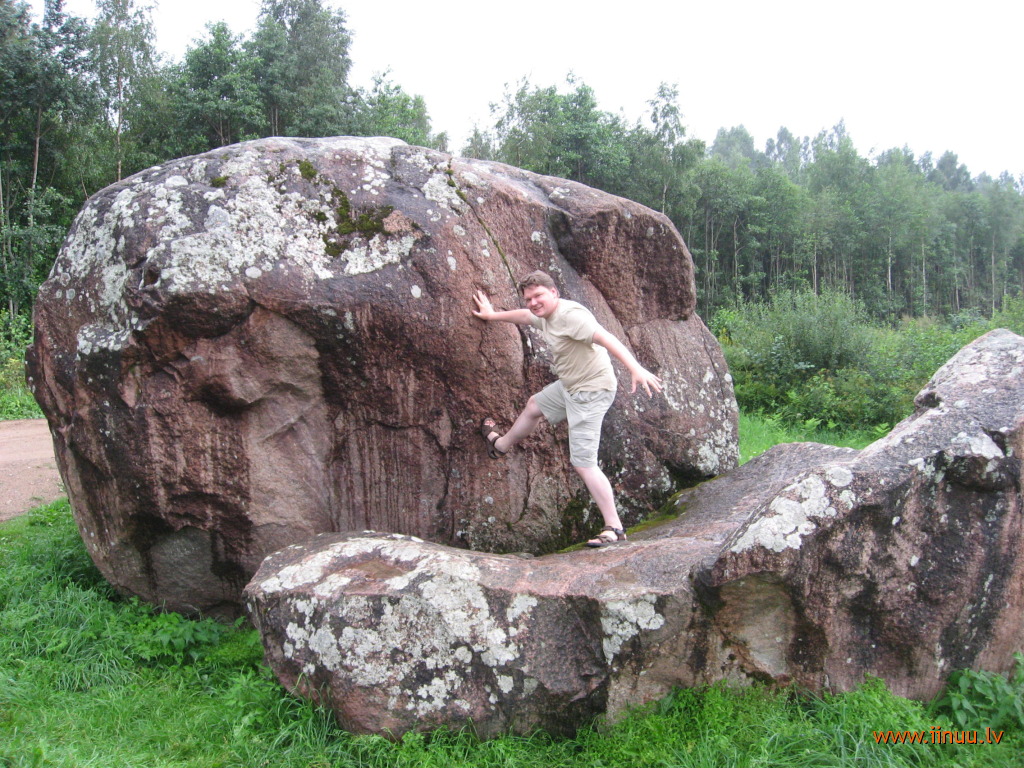
I must honestly say that before this we had not planned these sights and were guided by happy coincidence, as well as by the brown road signs that mark places of note in Latvia. This time too intuition and the signs did not fail us. On the road to Ventspils we turned at one such sign in the forest and drove along a winding dirt road to "The Devil's Bench" - the Grīži Boulder. It turns out this was once a boundary stone between the Curonian and Livonian territories. Legend has it that the devil sat there with a whip in his hand and kept watch to ensure the Curonians and Livonians did not fight over the land. The stone is truly grandiose (3 m high, about 6 m long) with a hollow in the middle. The devil must have had quite the backside. :)
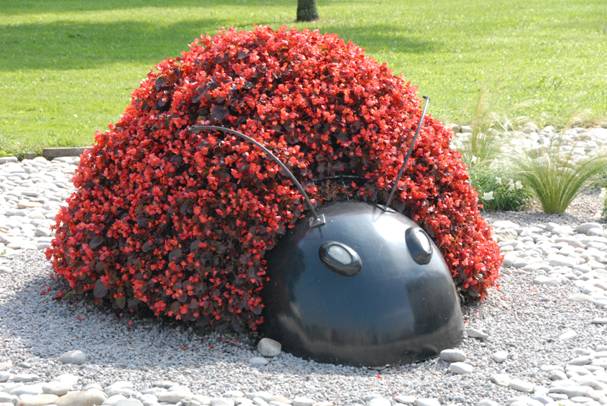
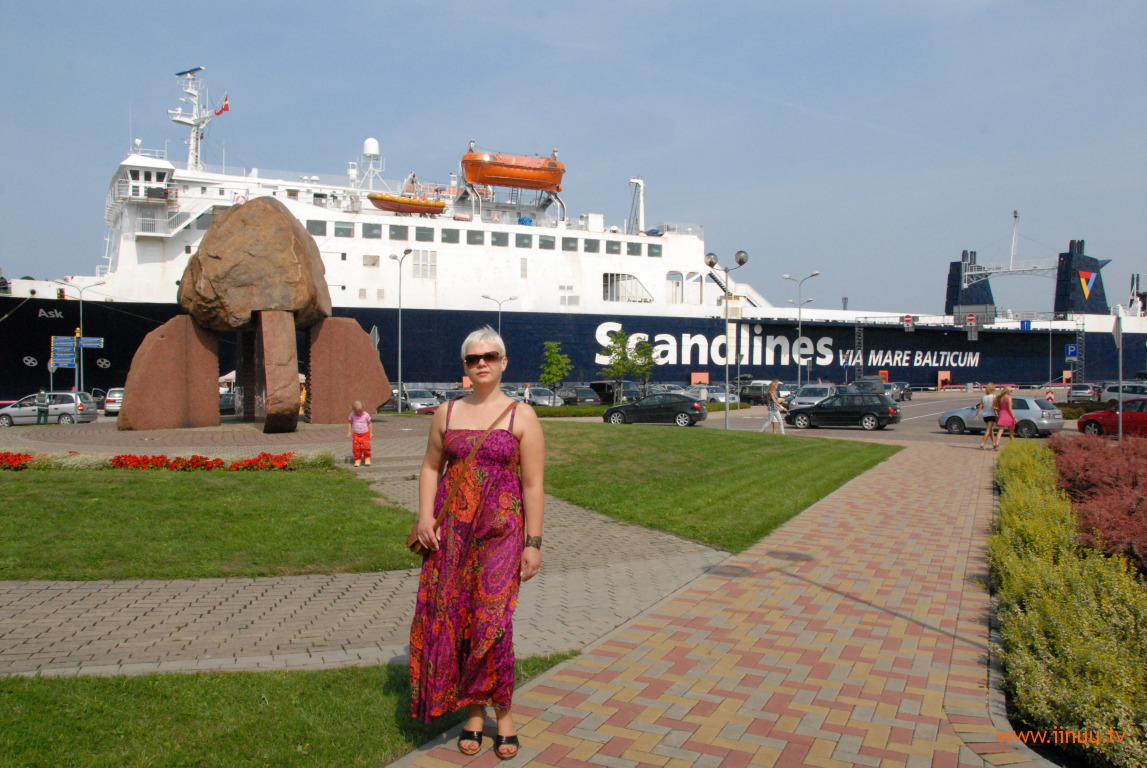
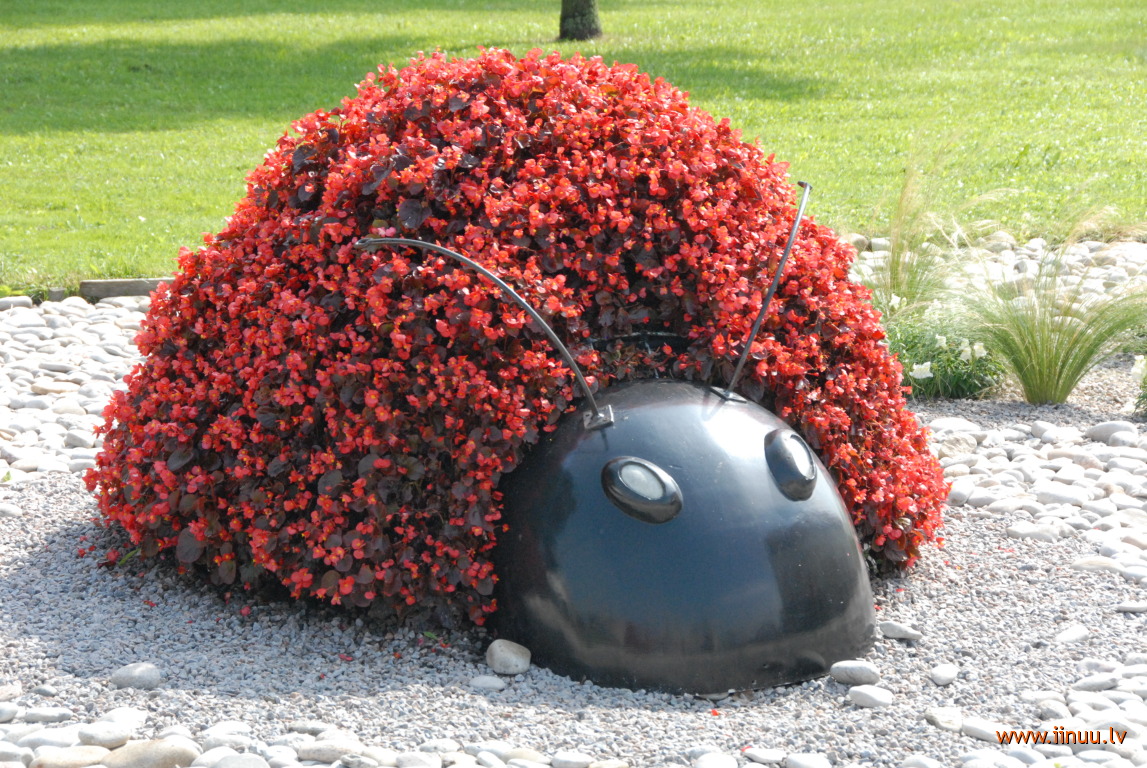
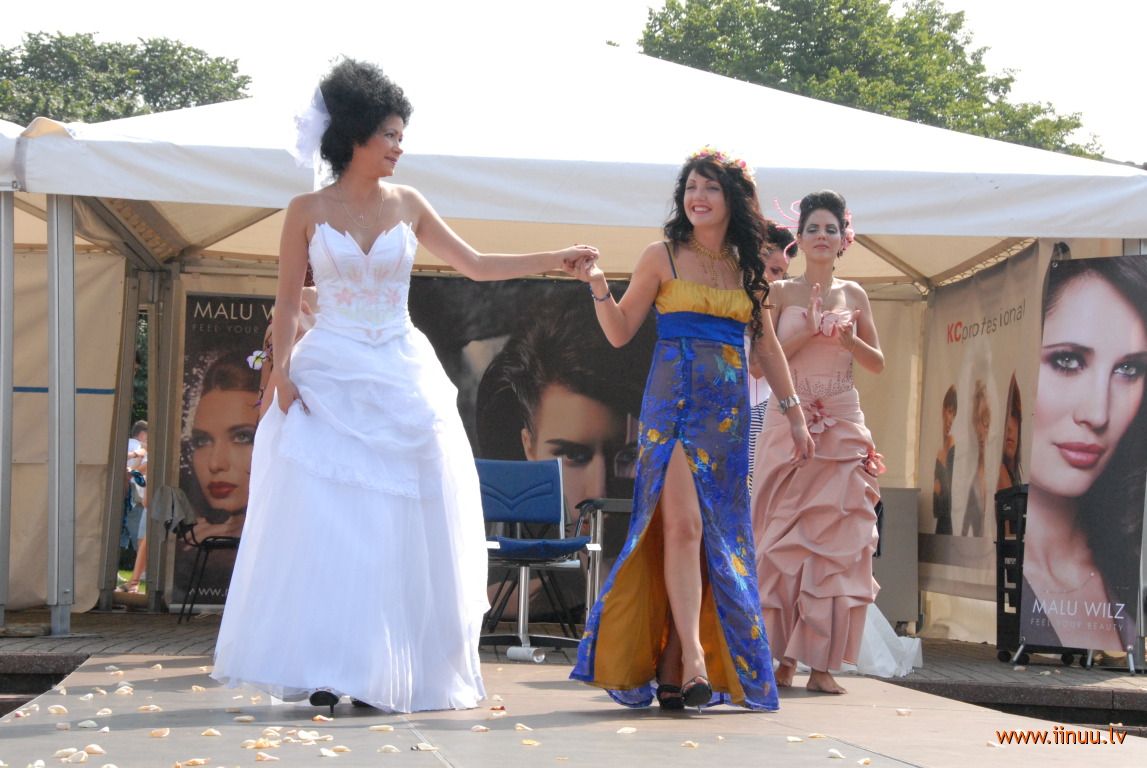
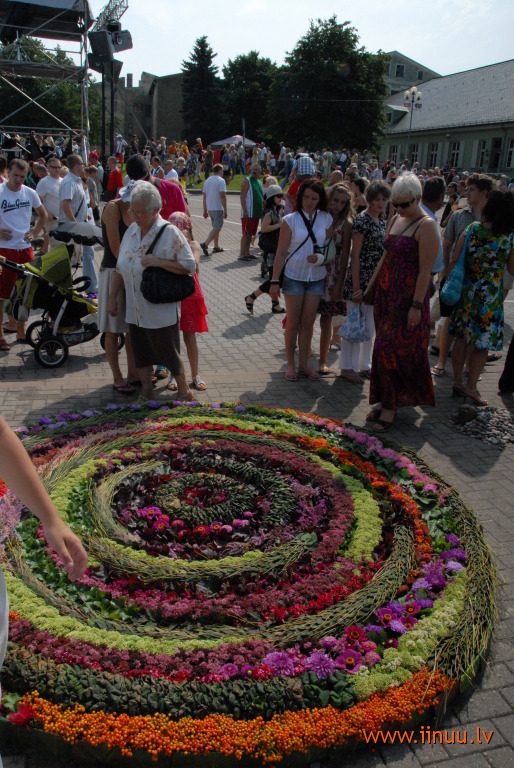
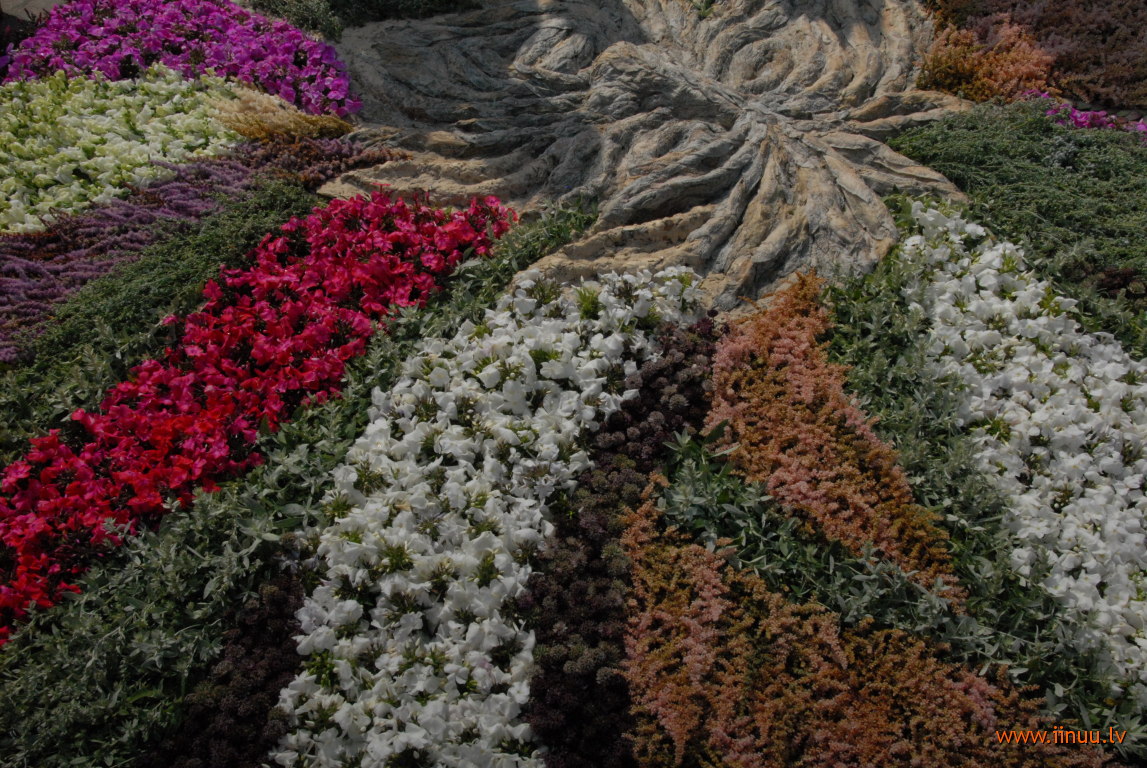
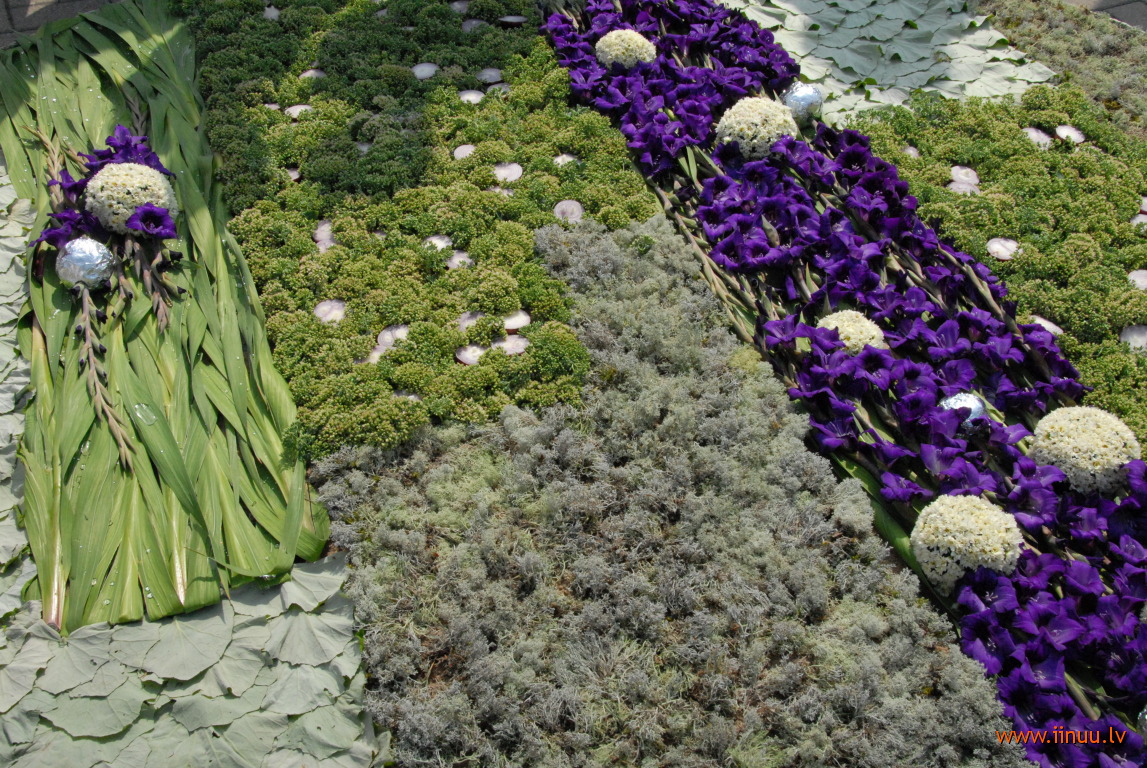
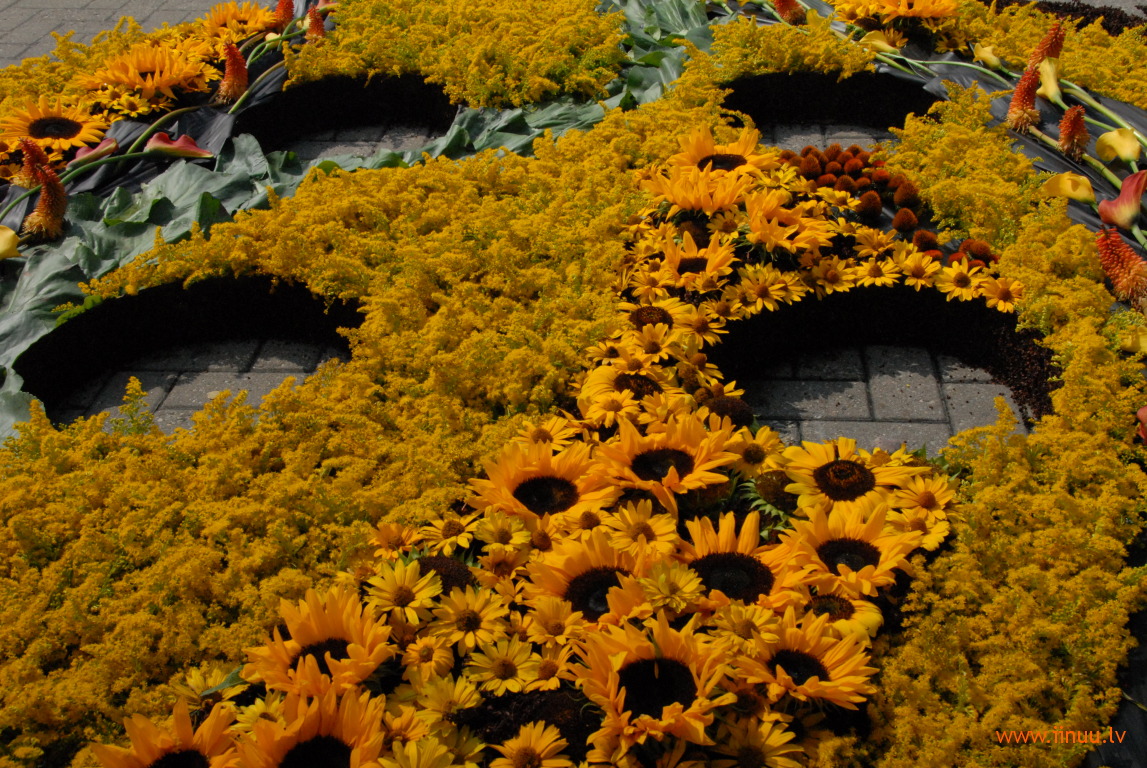
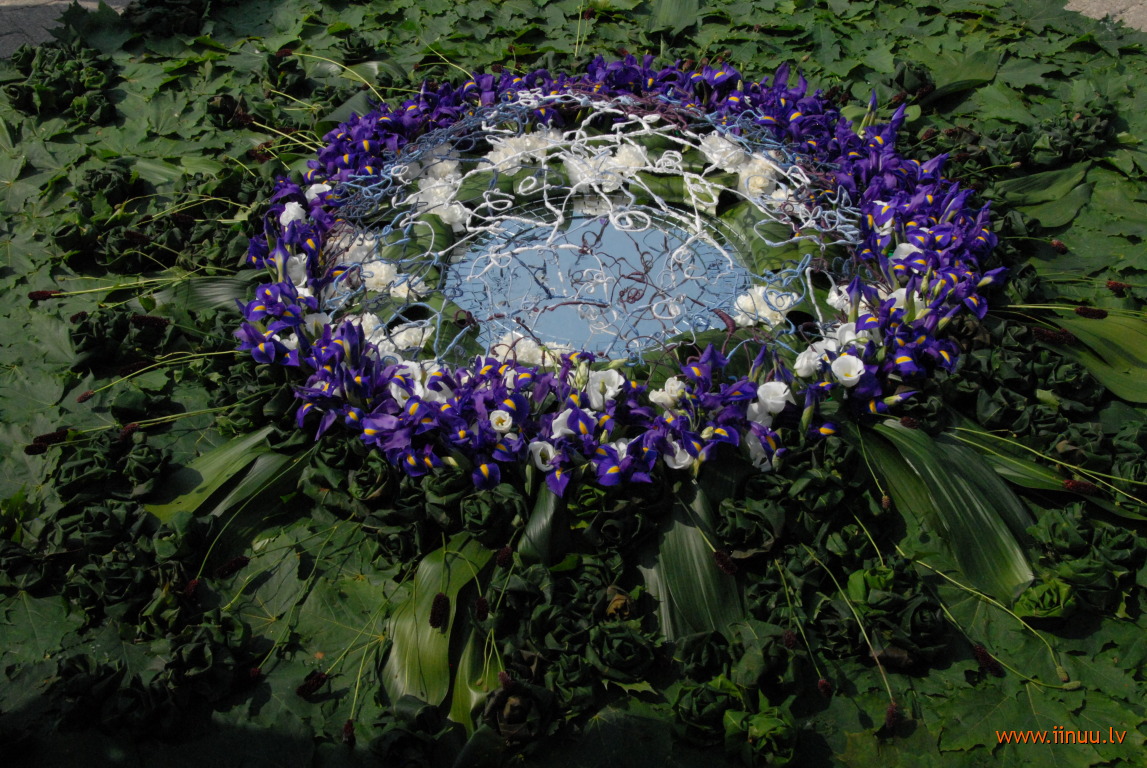
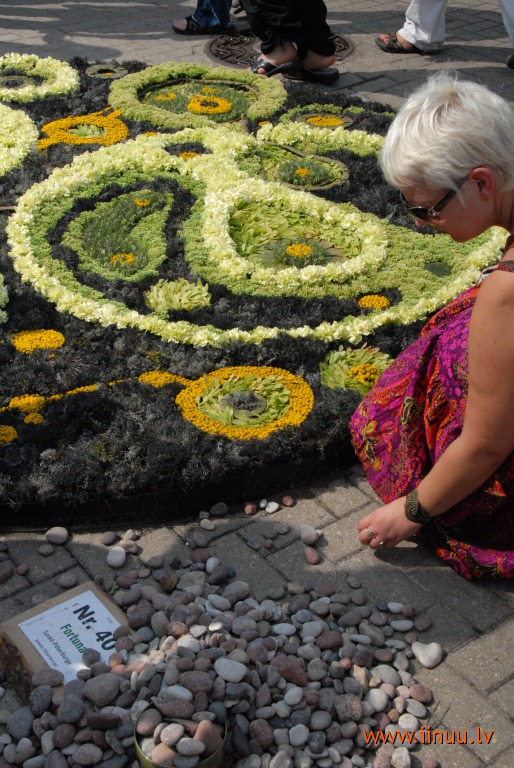
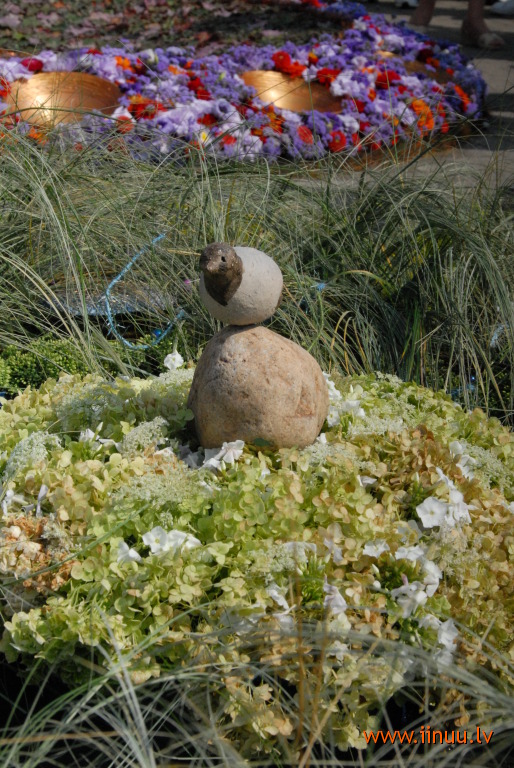
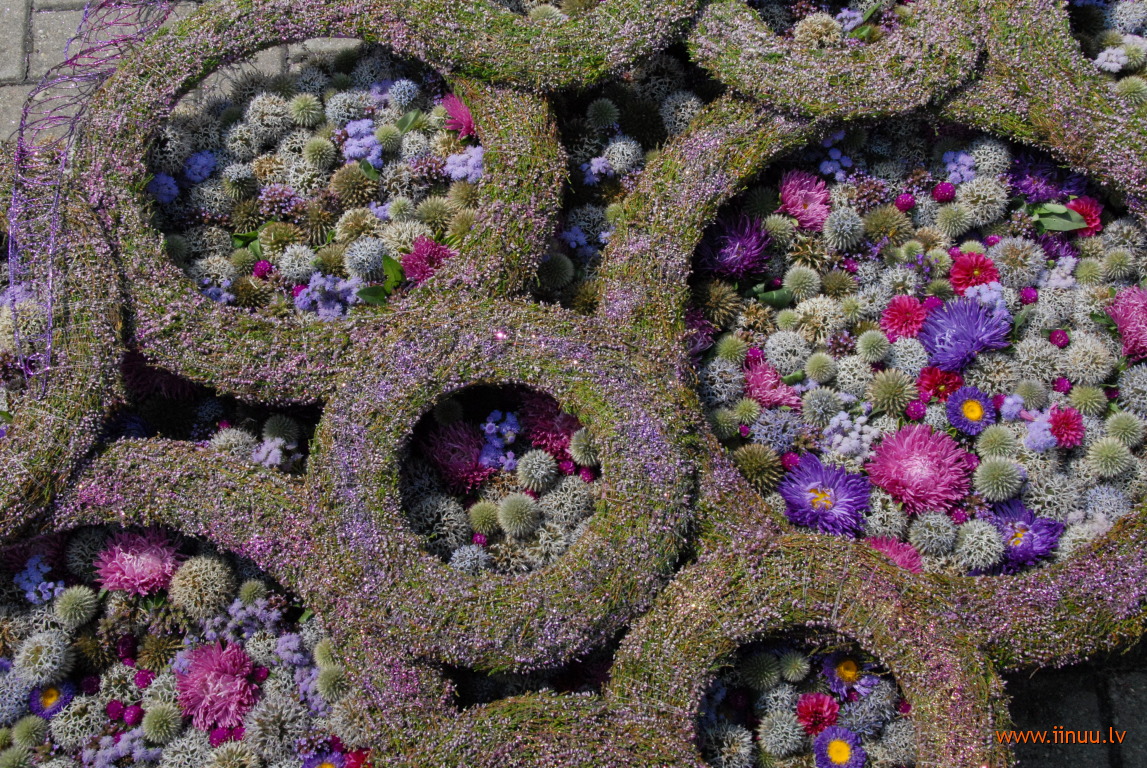
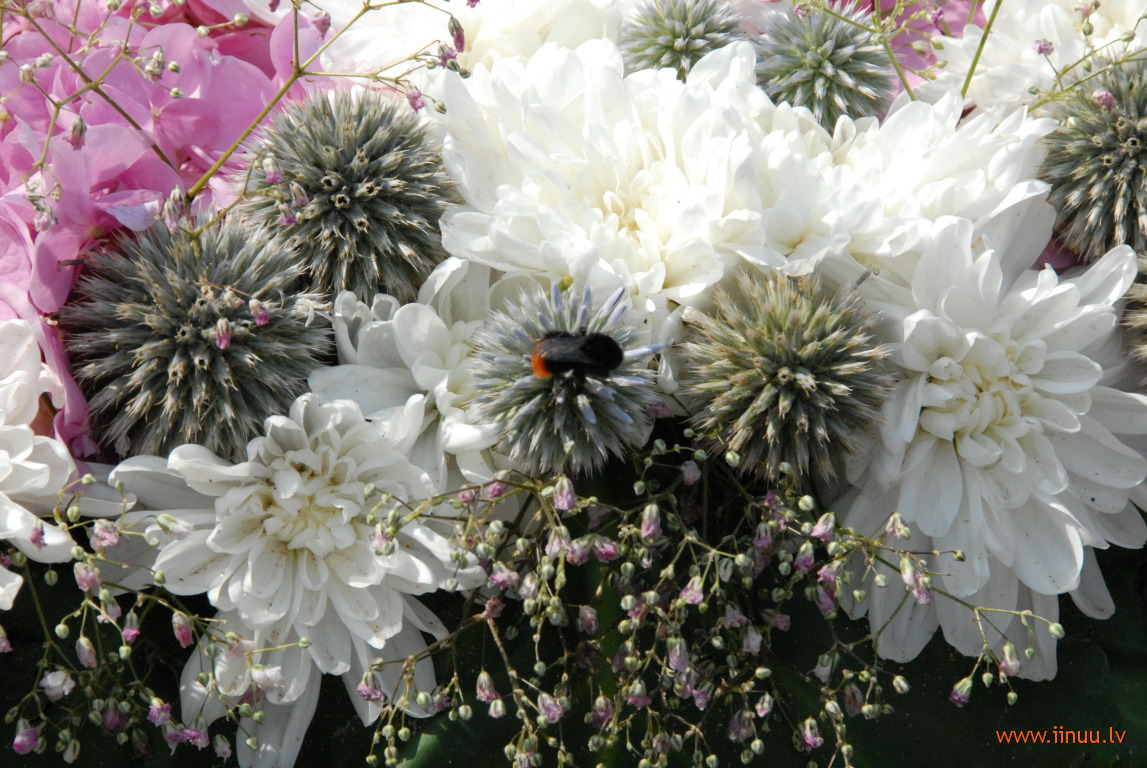
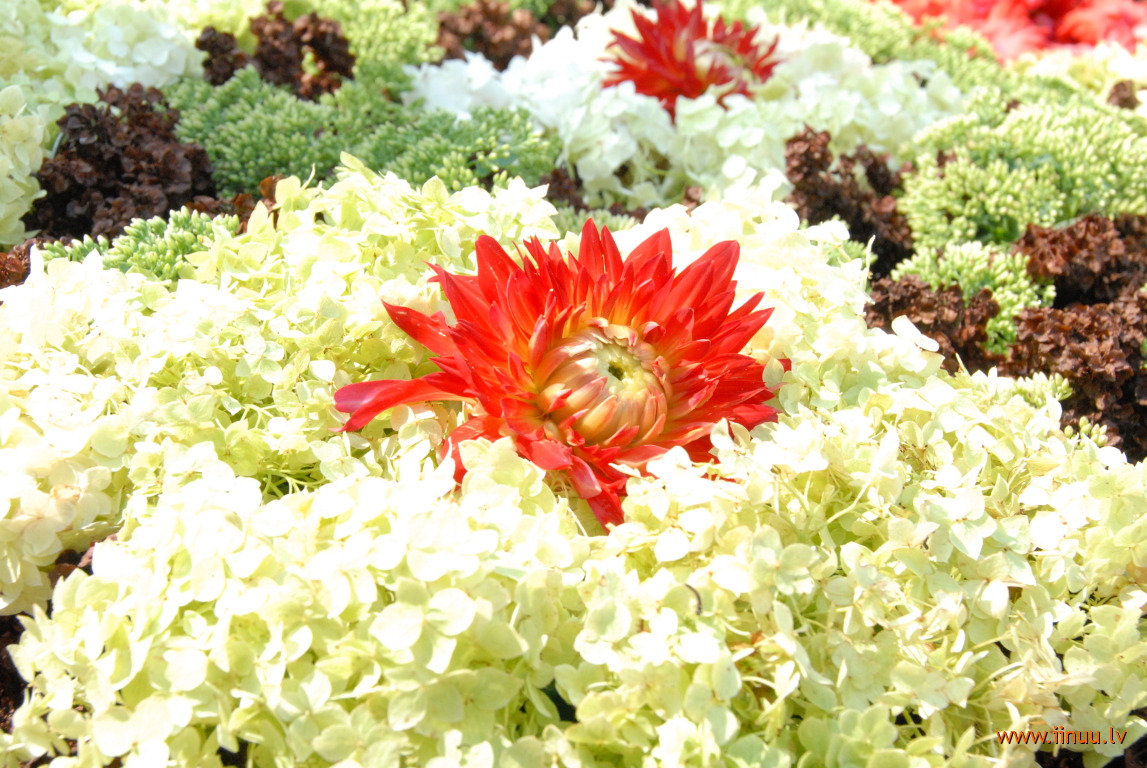
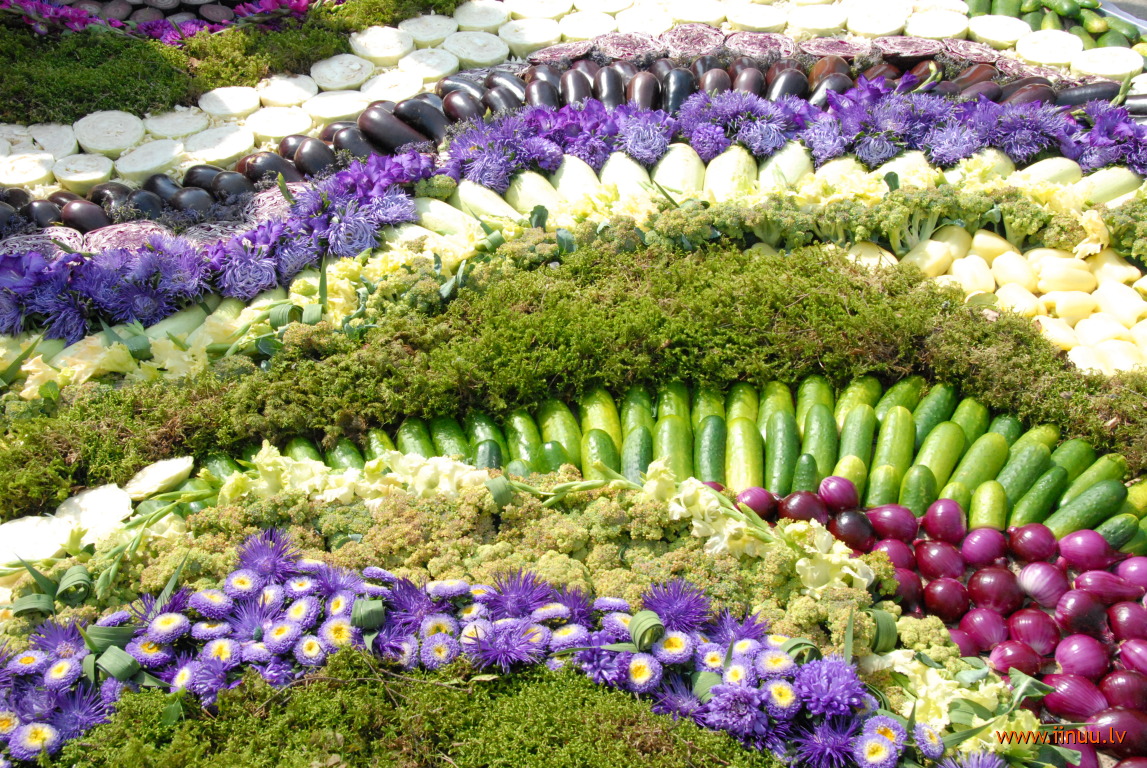
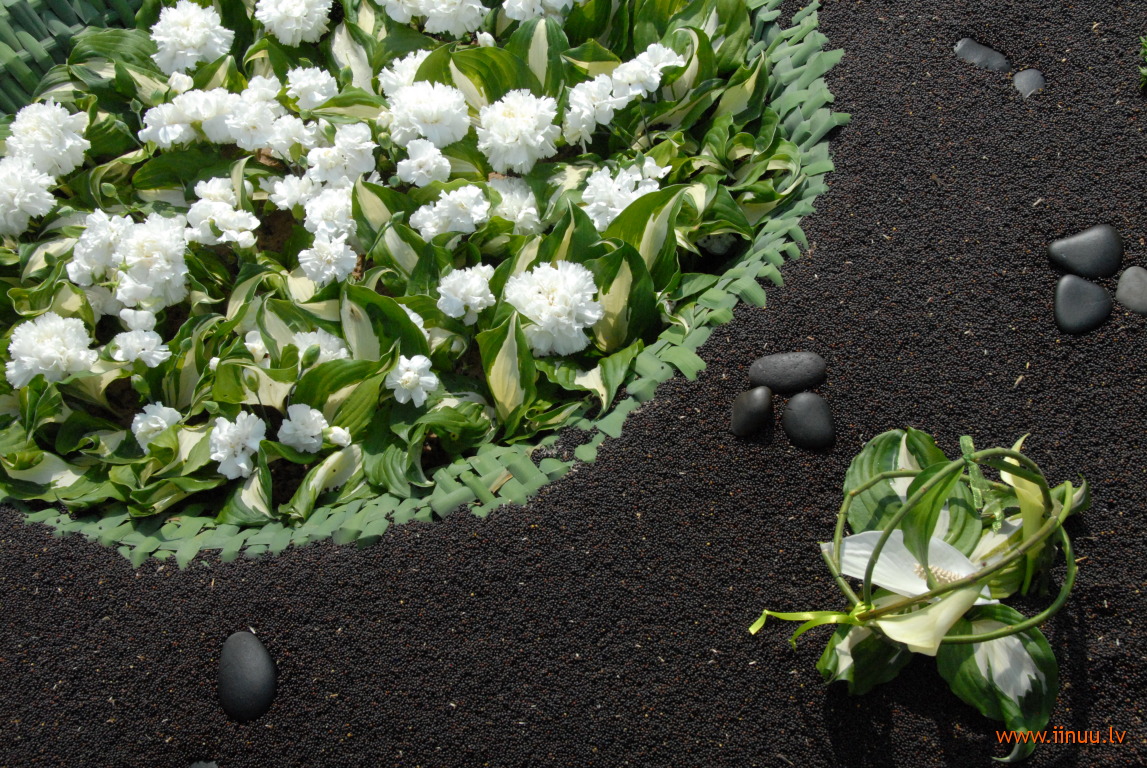
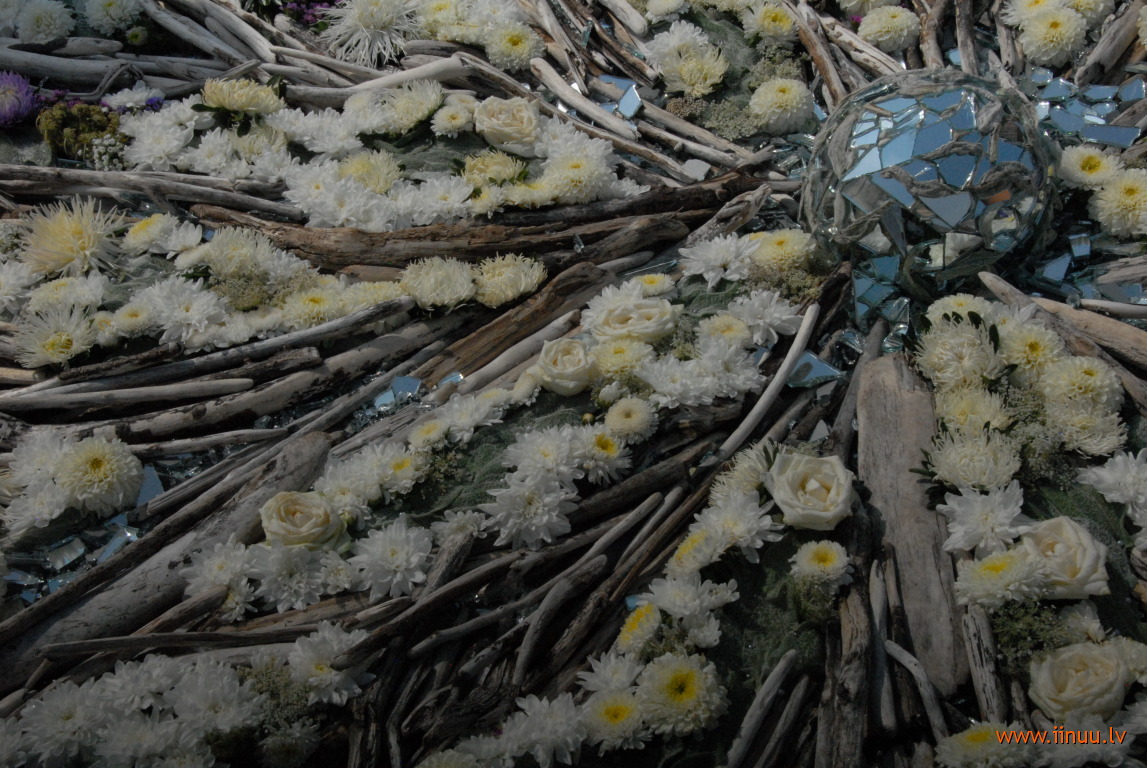
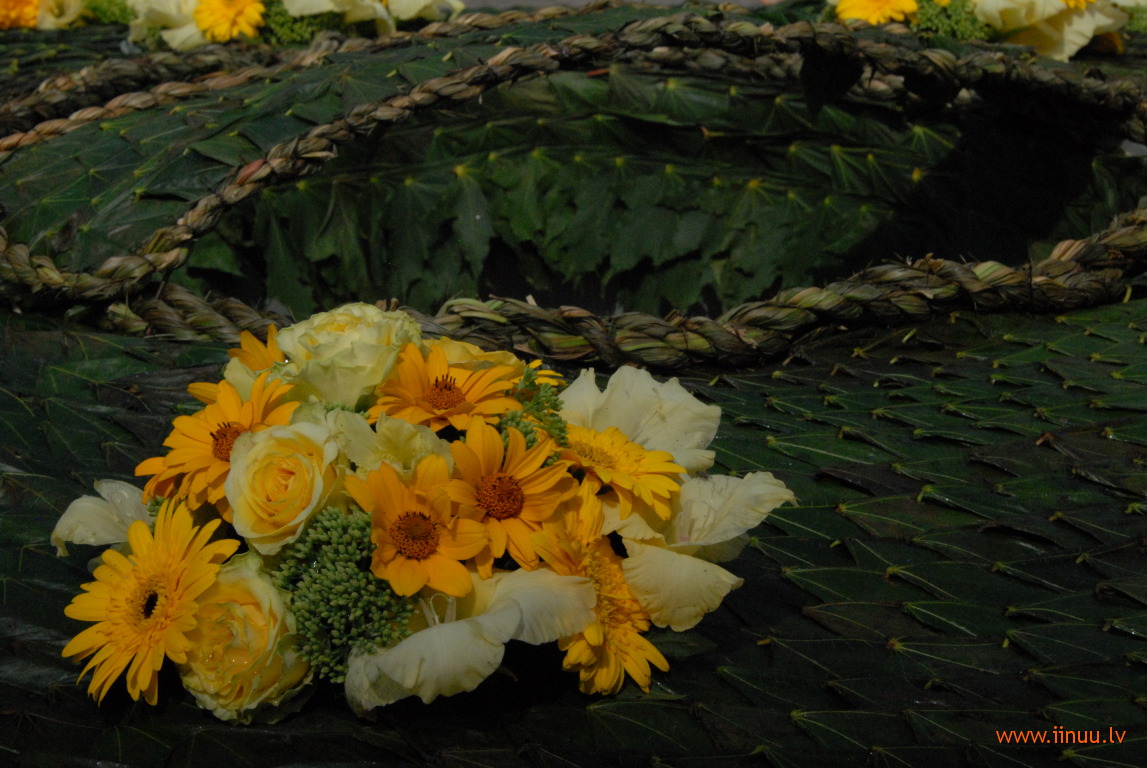
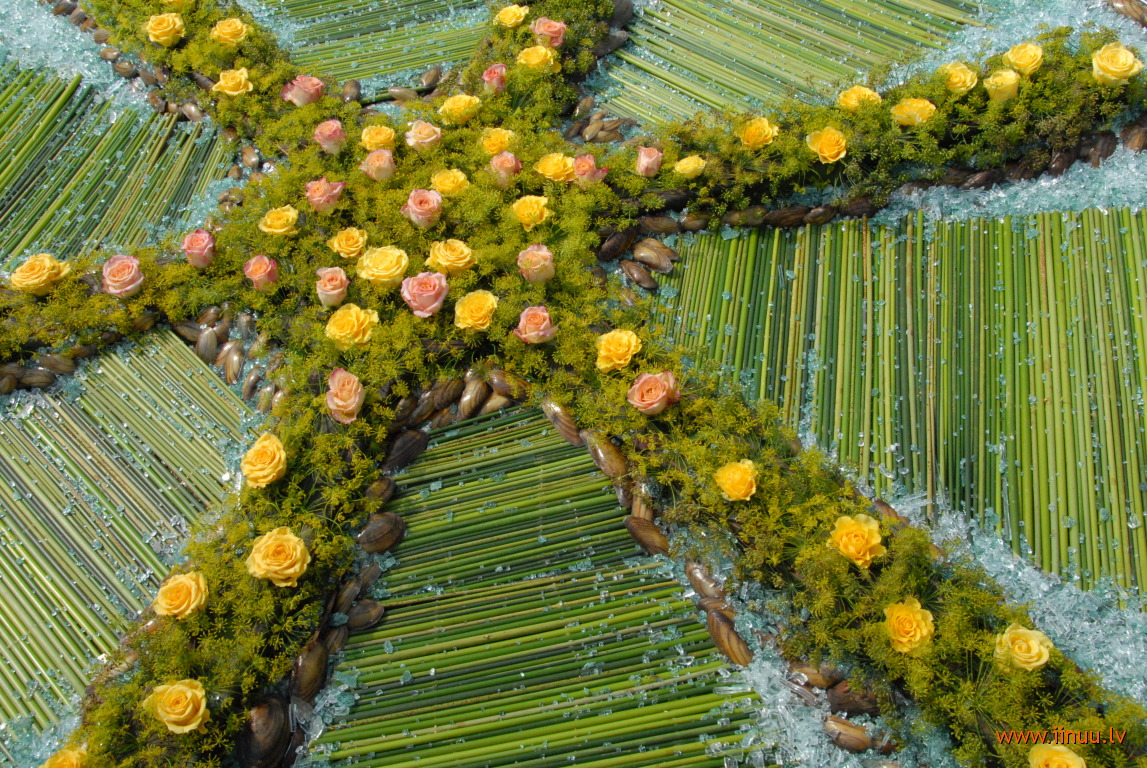
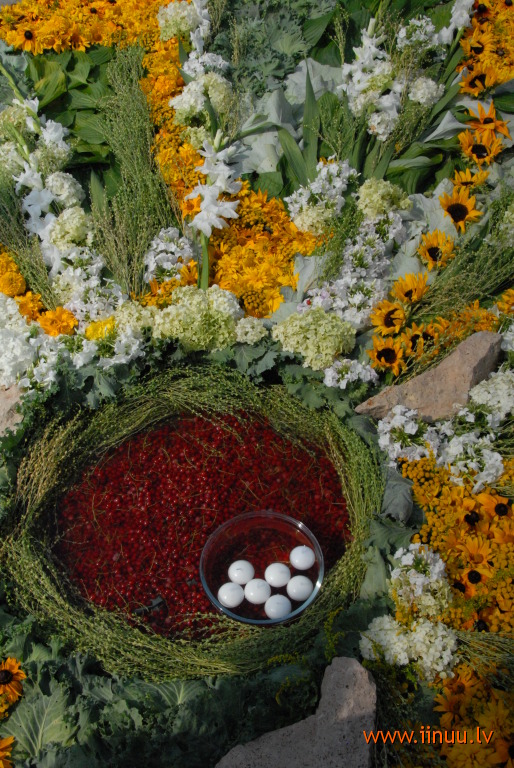
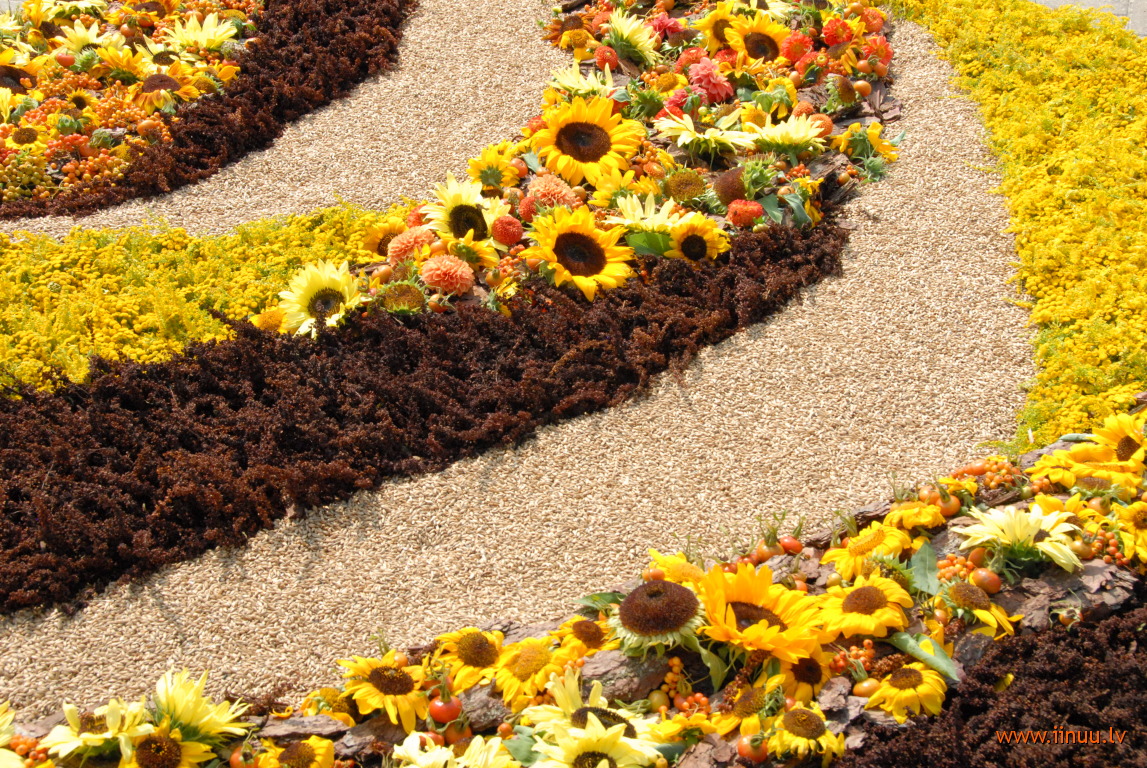
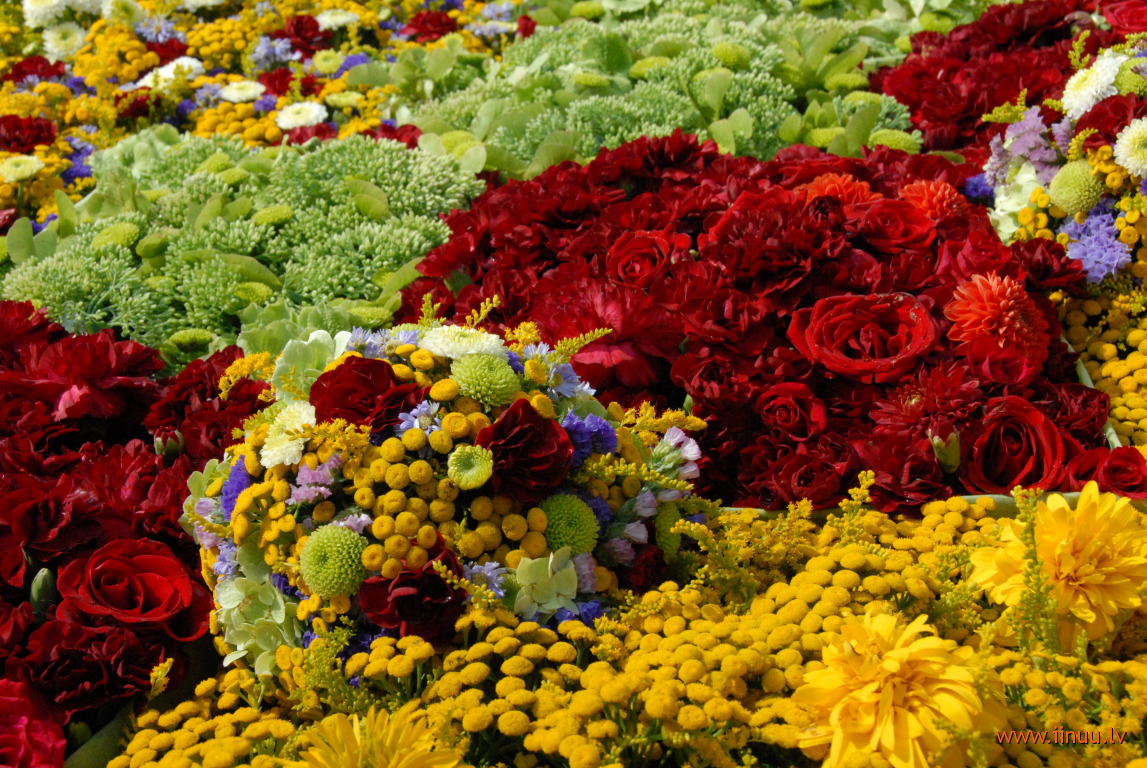
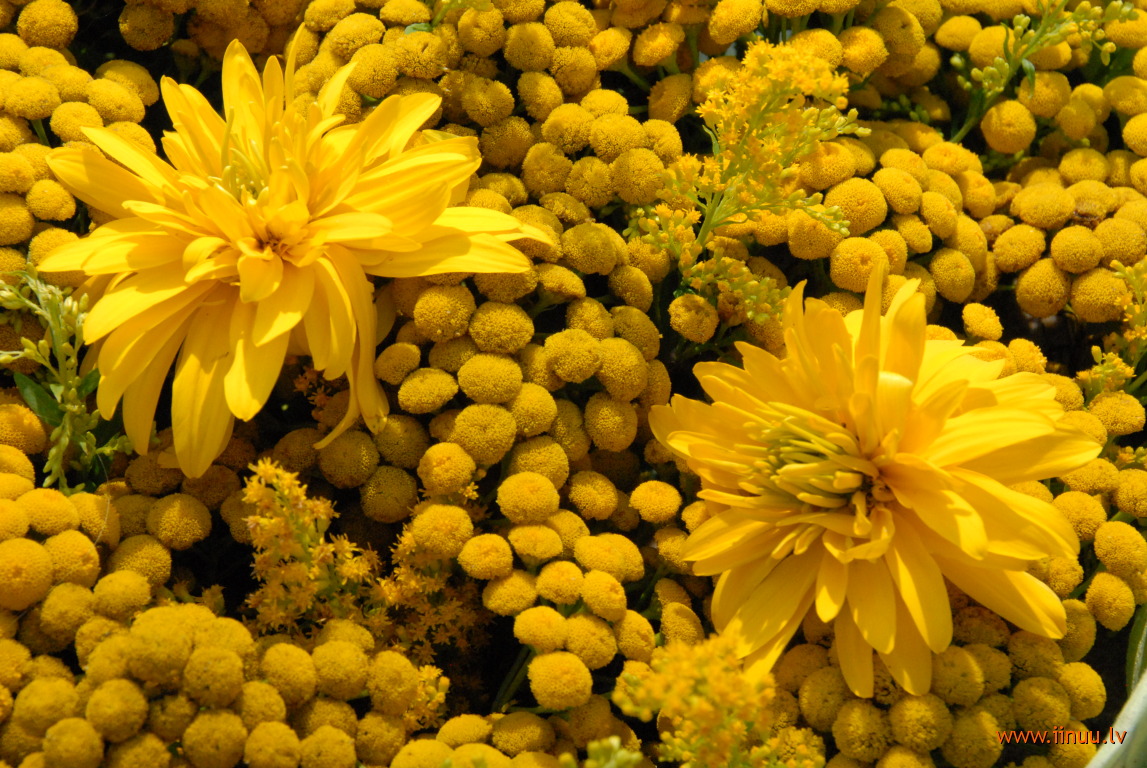
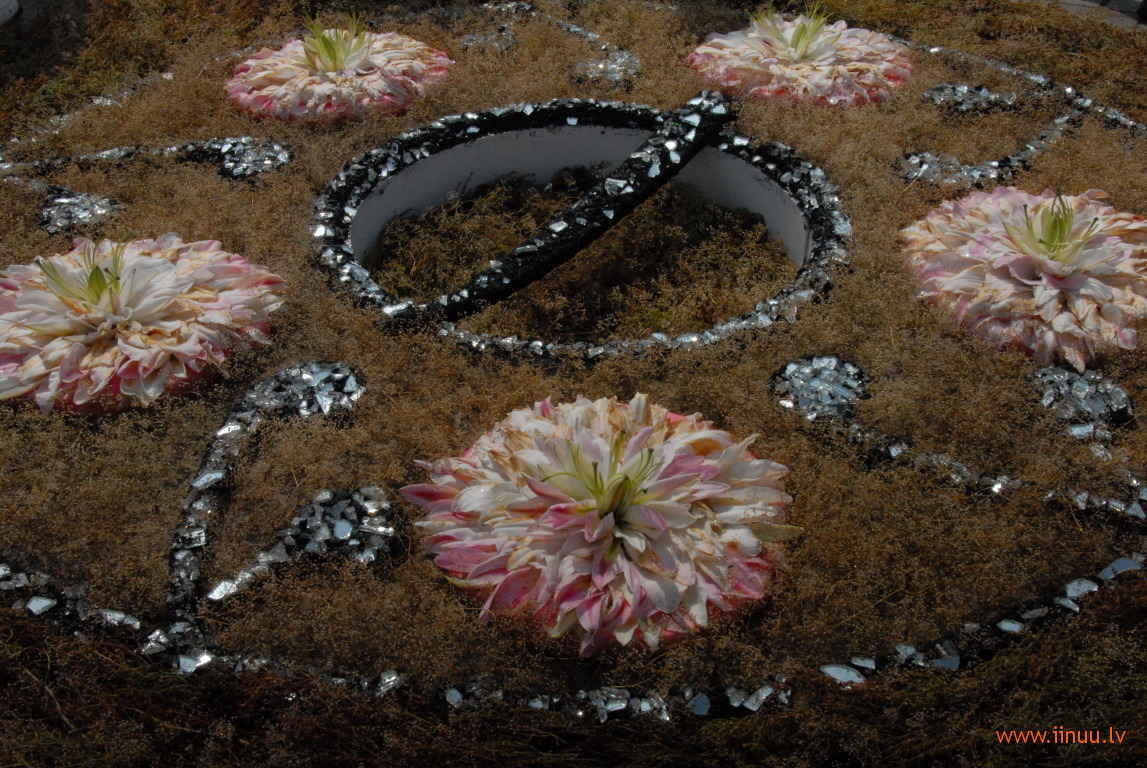
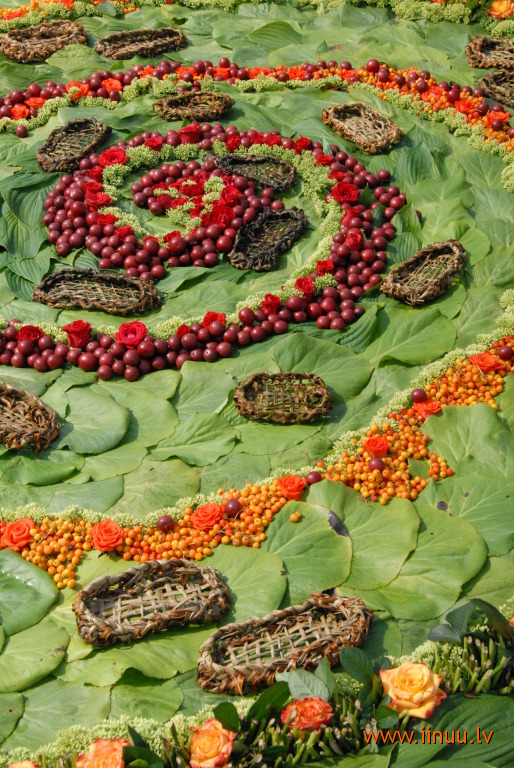
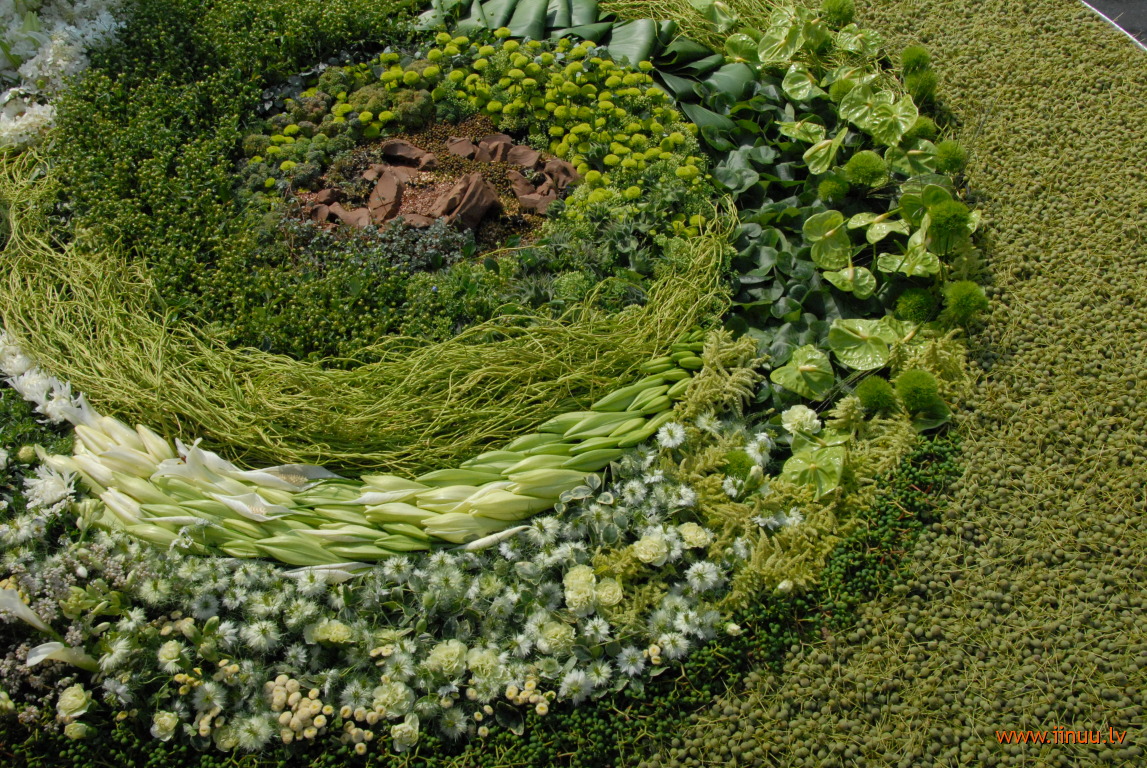
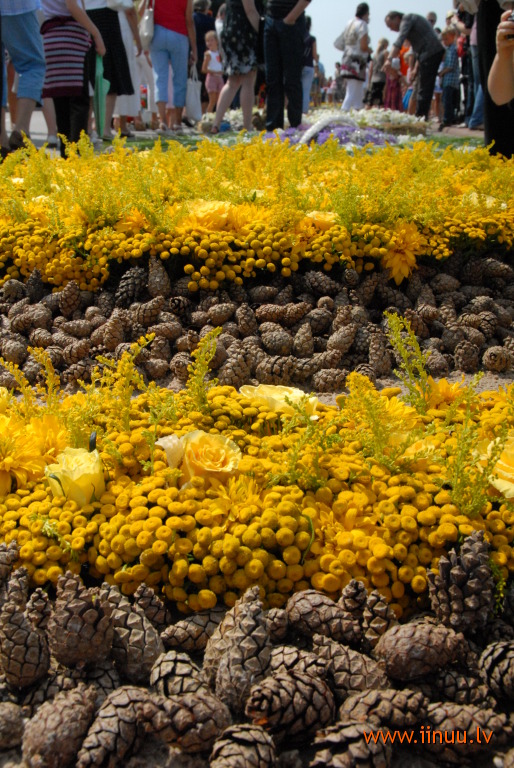
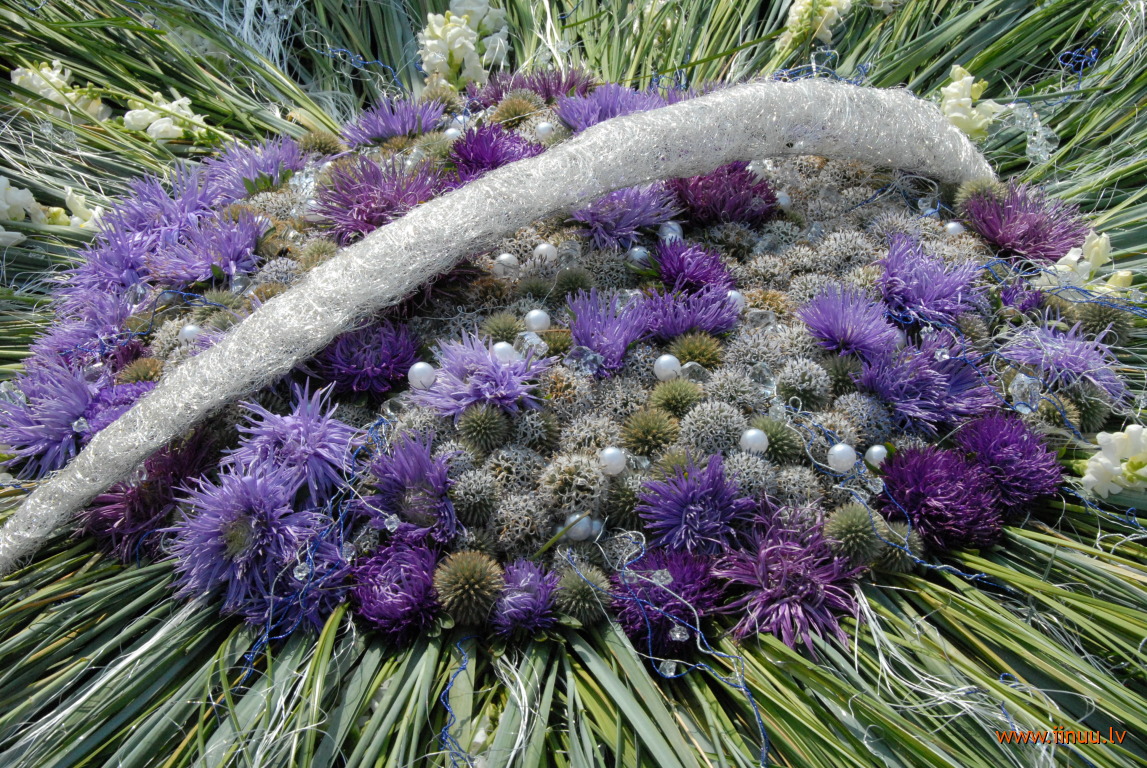
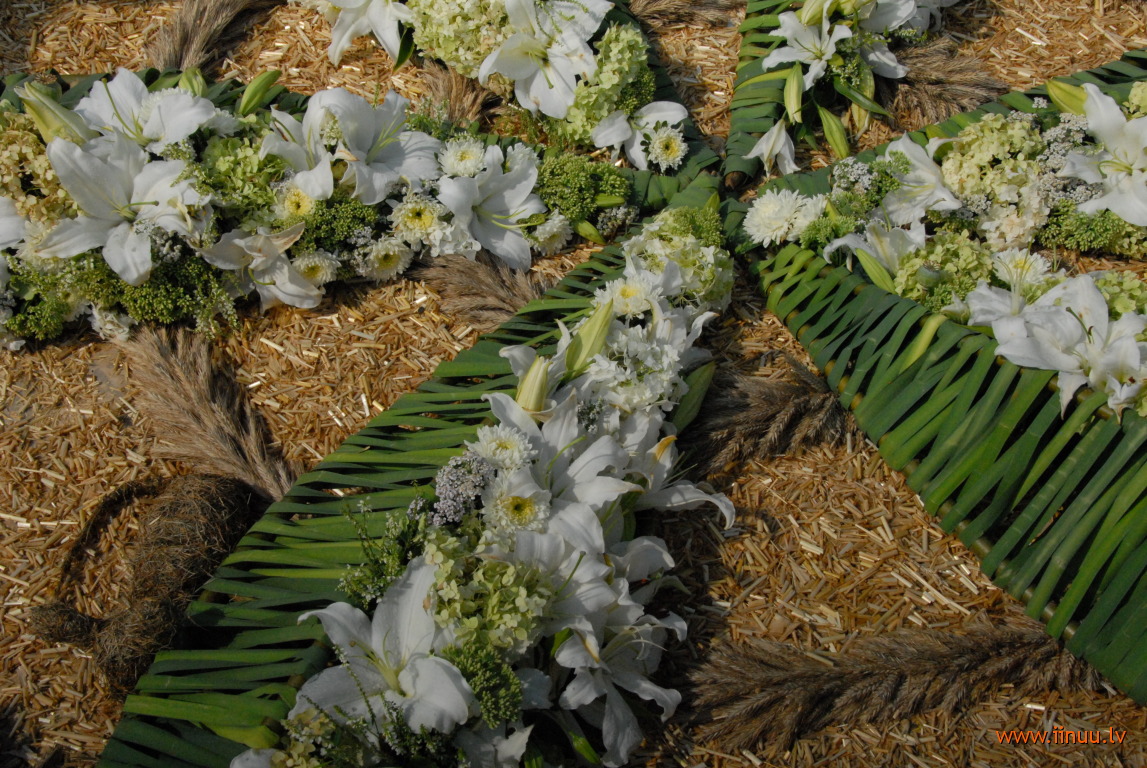
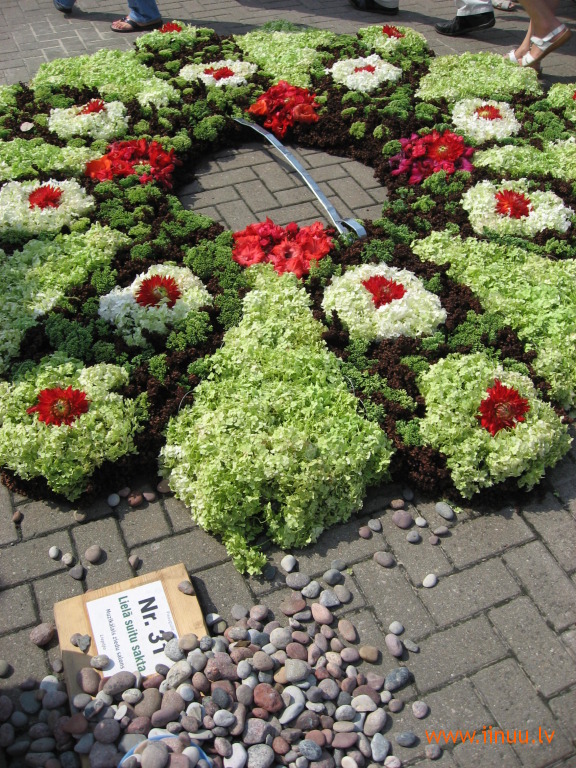
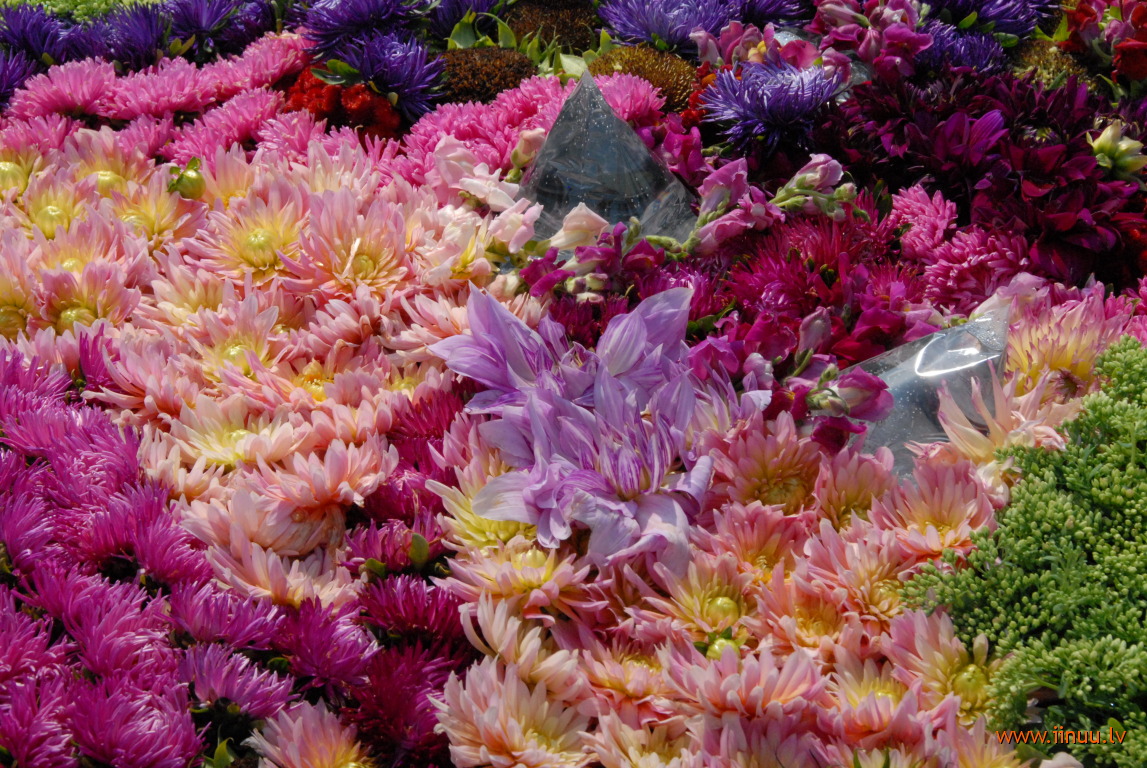
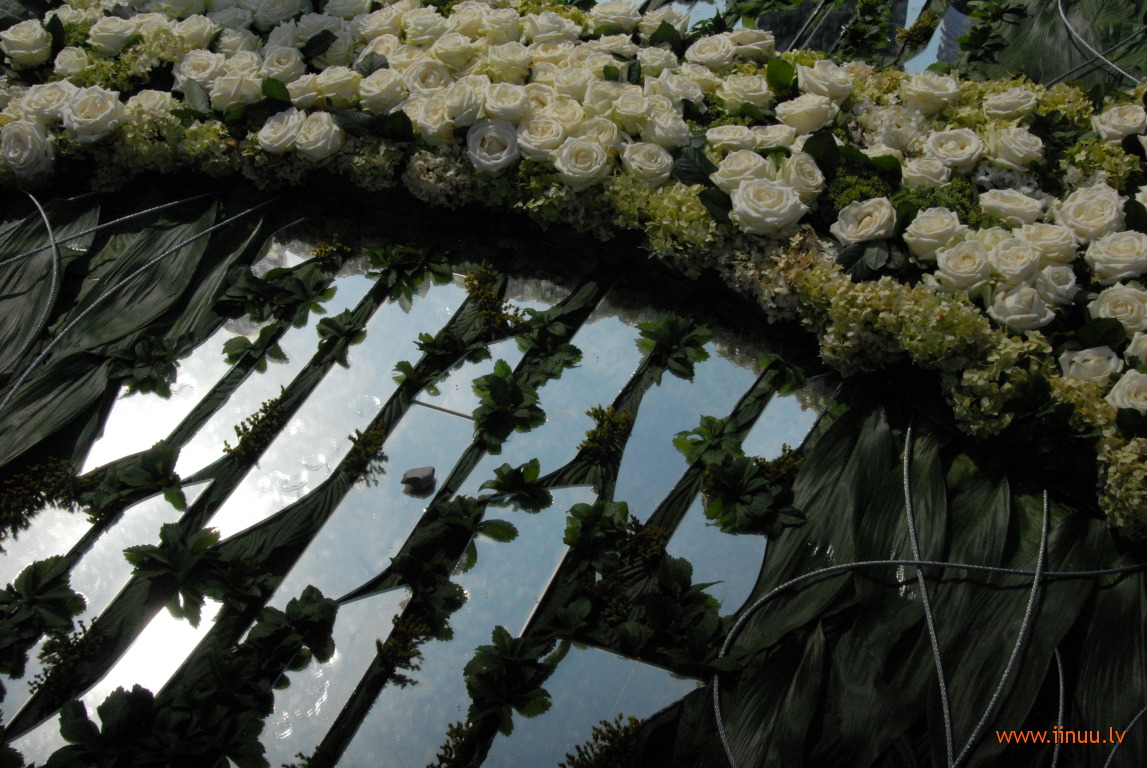
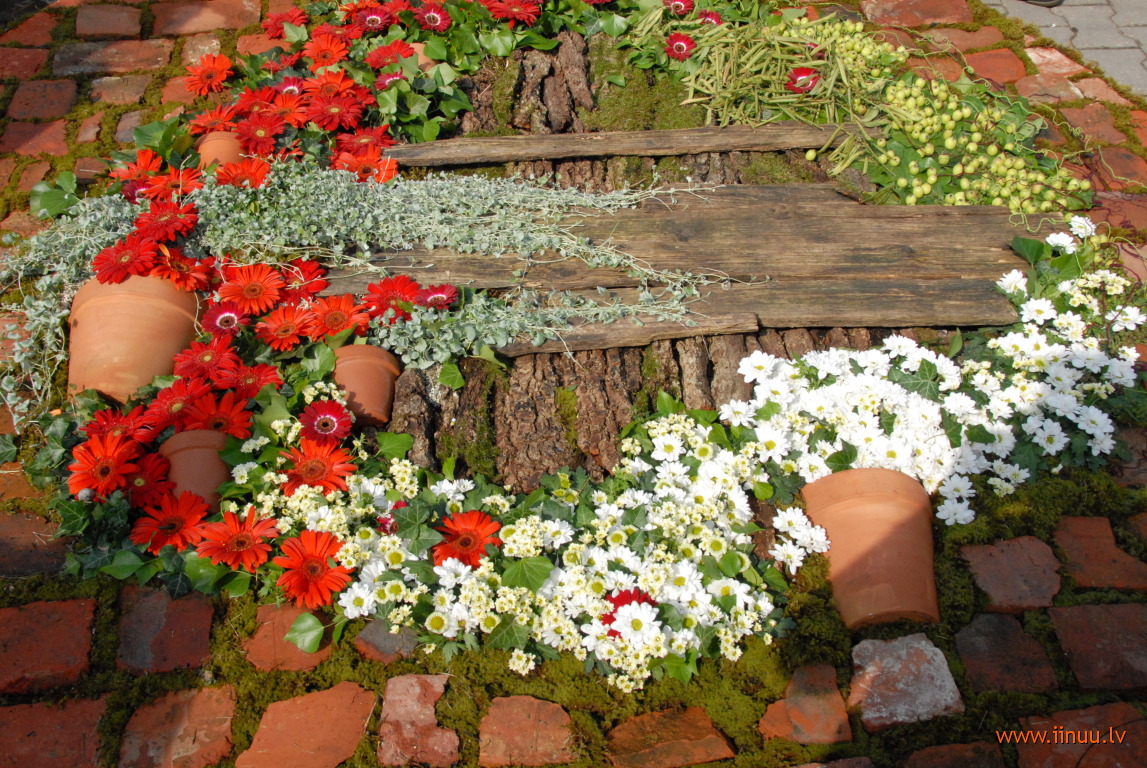
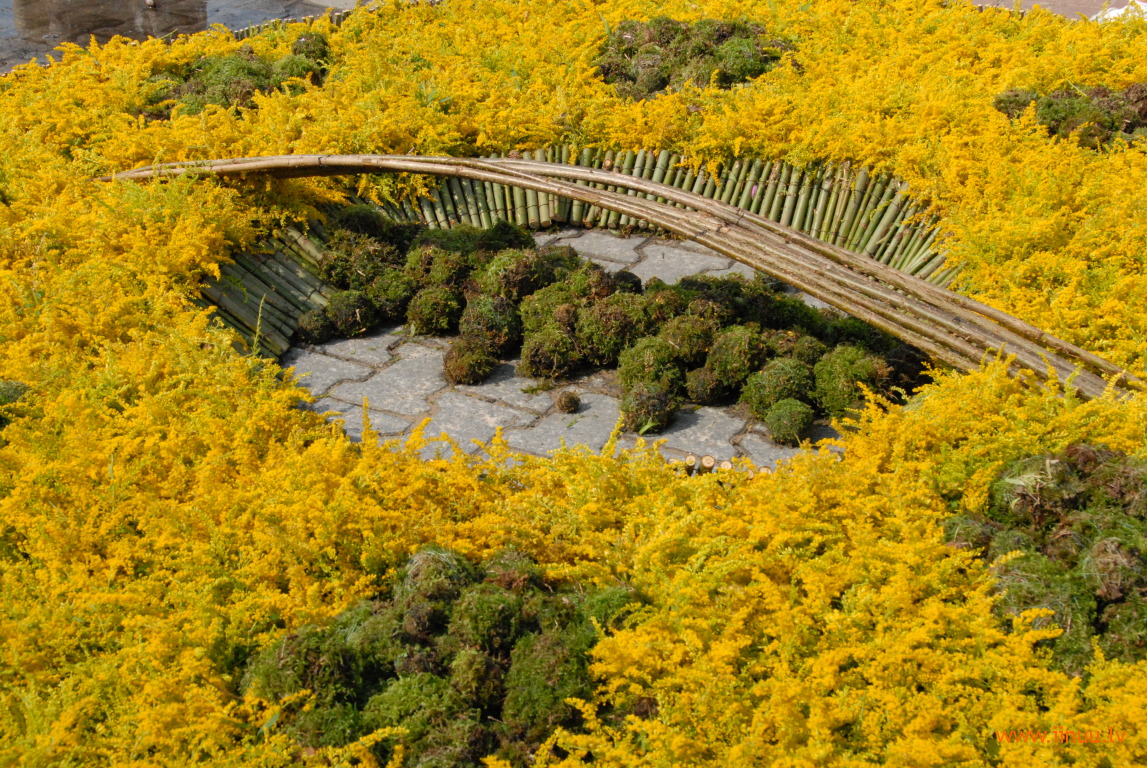
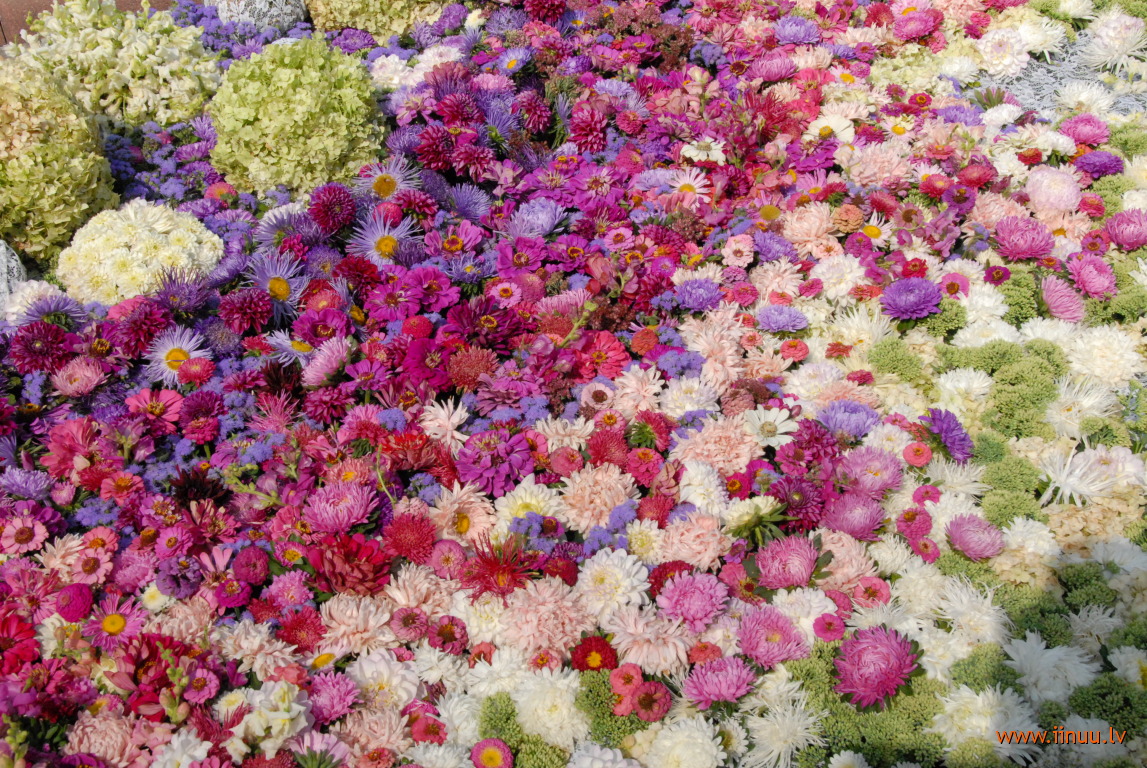
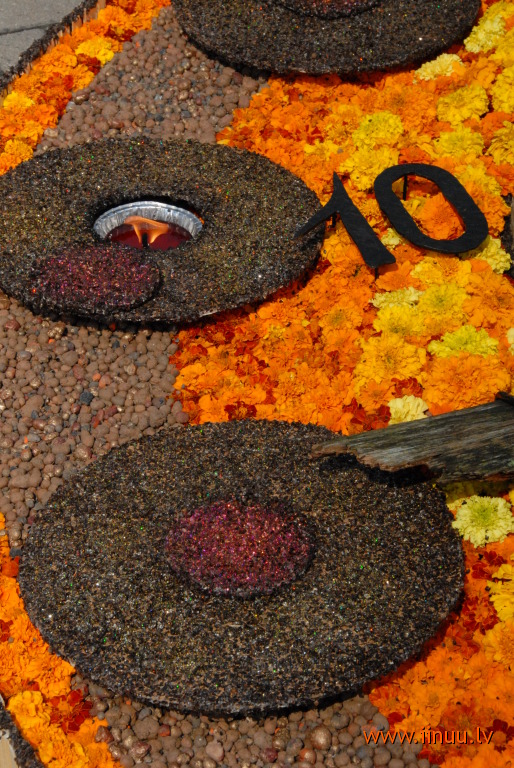
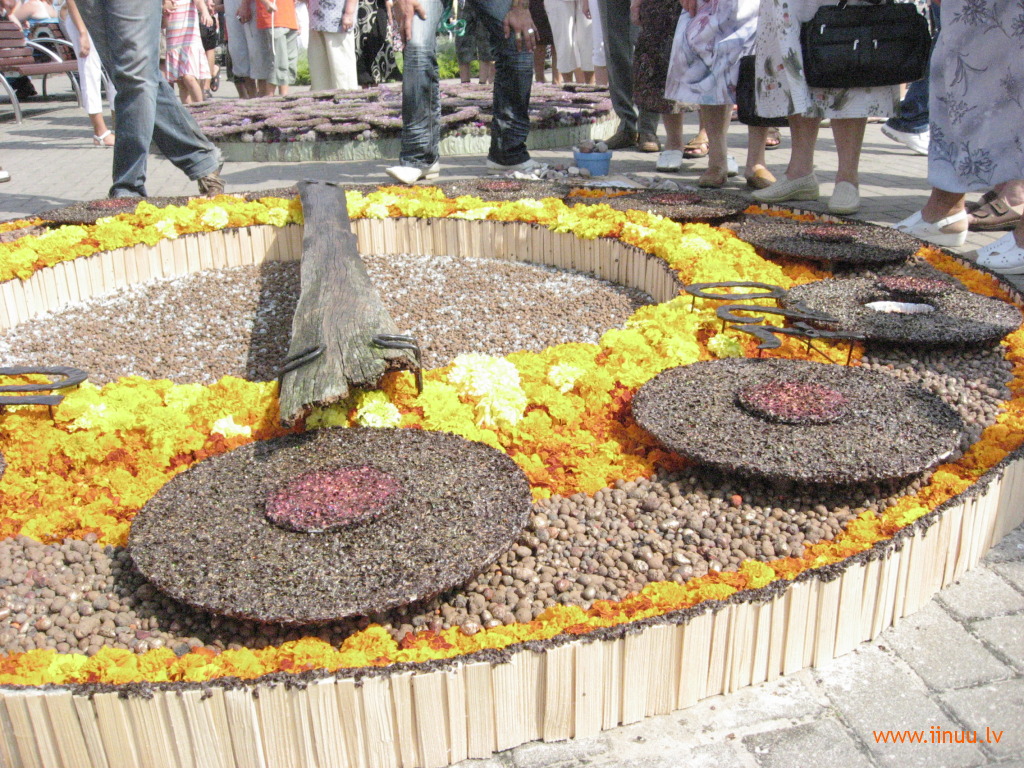
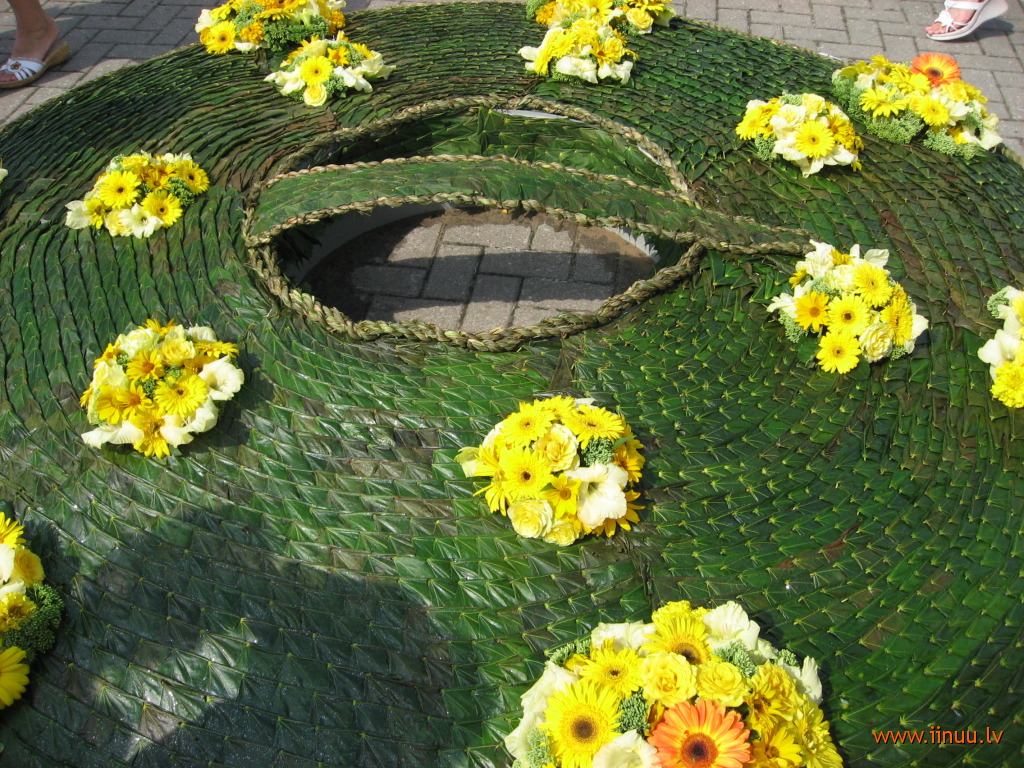
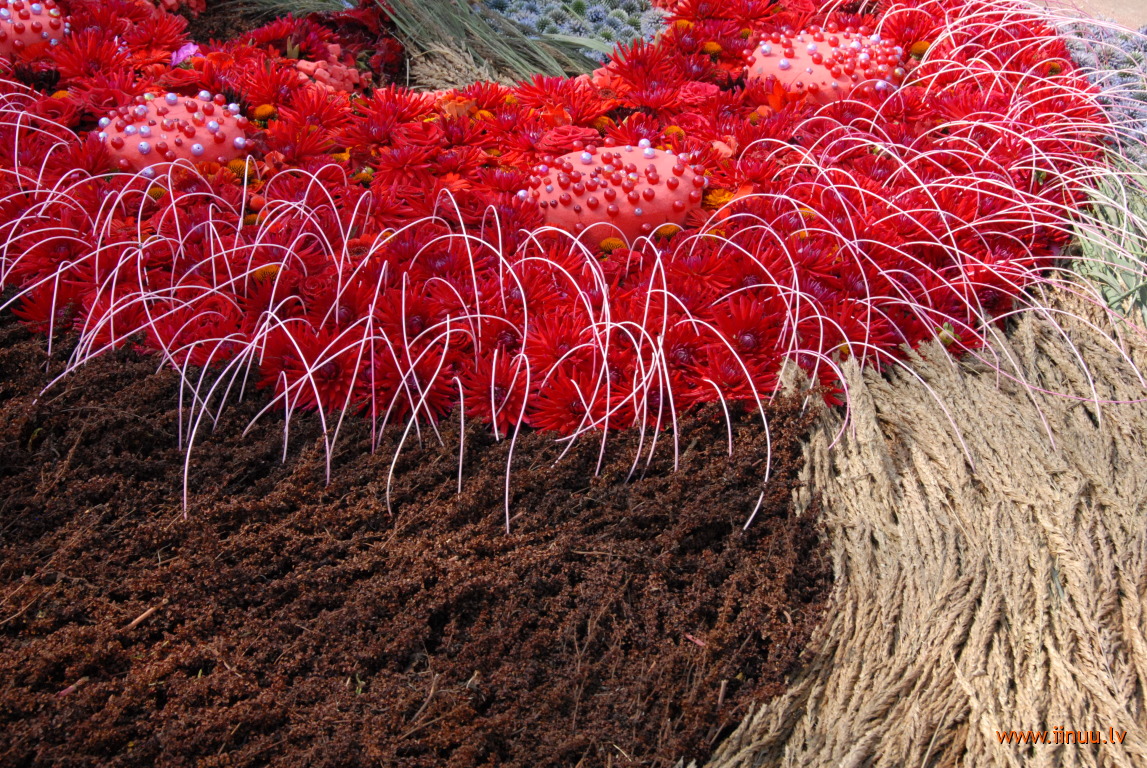
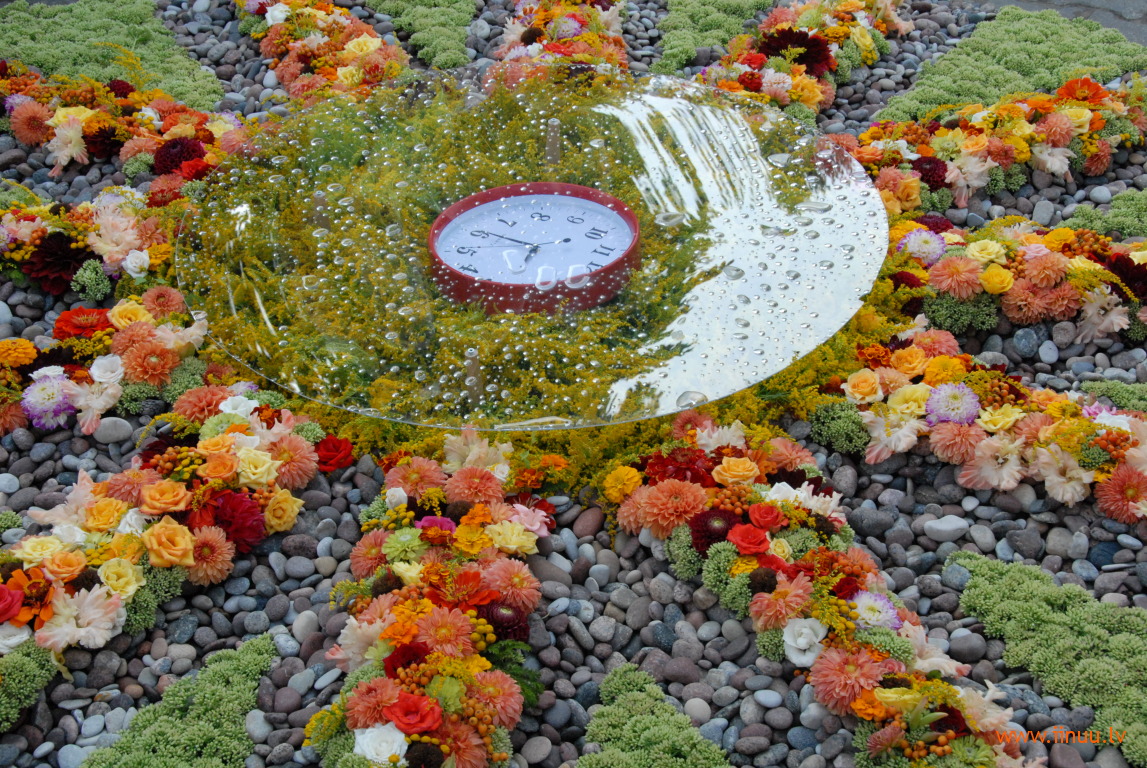
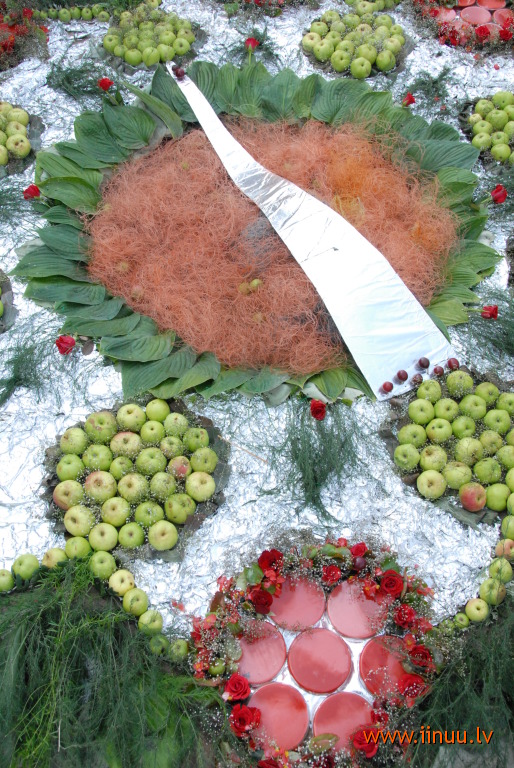
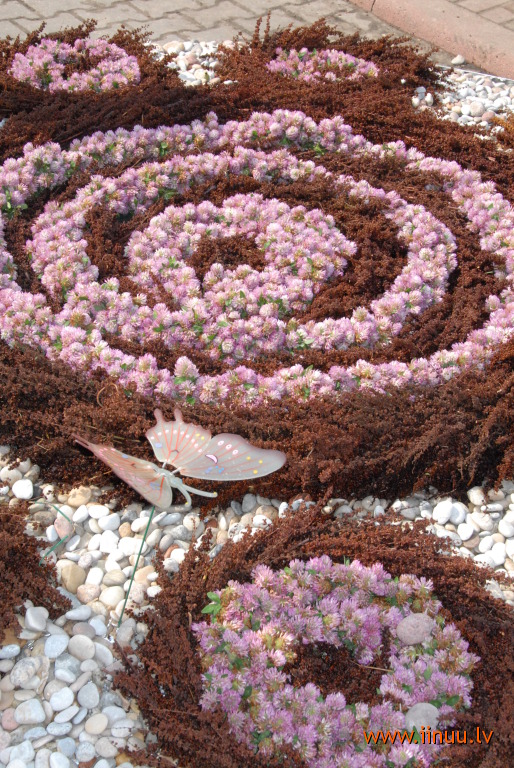
The main destination of that day was, of course, Ventspils, celebrating its 720th anniversary. Whenever I am in this city I am always pleasantly surprised by the tidiness that reigns all around and the many flower beds. Yes, flowers were not lacking that day - the entire Ostas iela promenade was full of them. Florists from Latvia and the Baltic states competed in the variety of their floral arrangements. There was truly a feast for the eyes! Spectators voted for their favourite flower composition by placing pebbles into a box beside the placard with the artwork's title and the author's name. The compositions were each more beautiful than the last, so the voting containers with pebbles were full to the brim and overflowing.
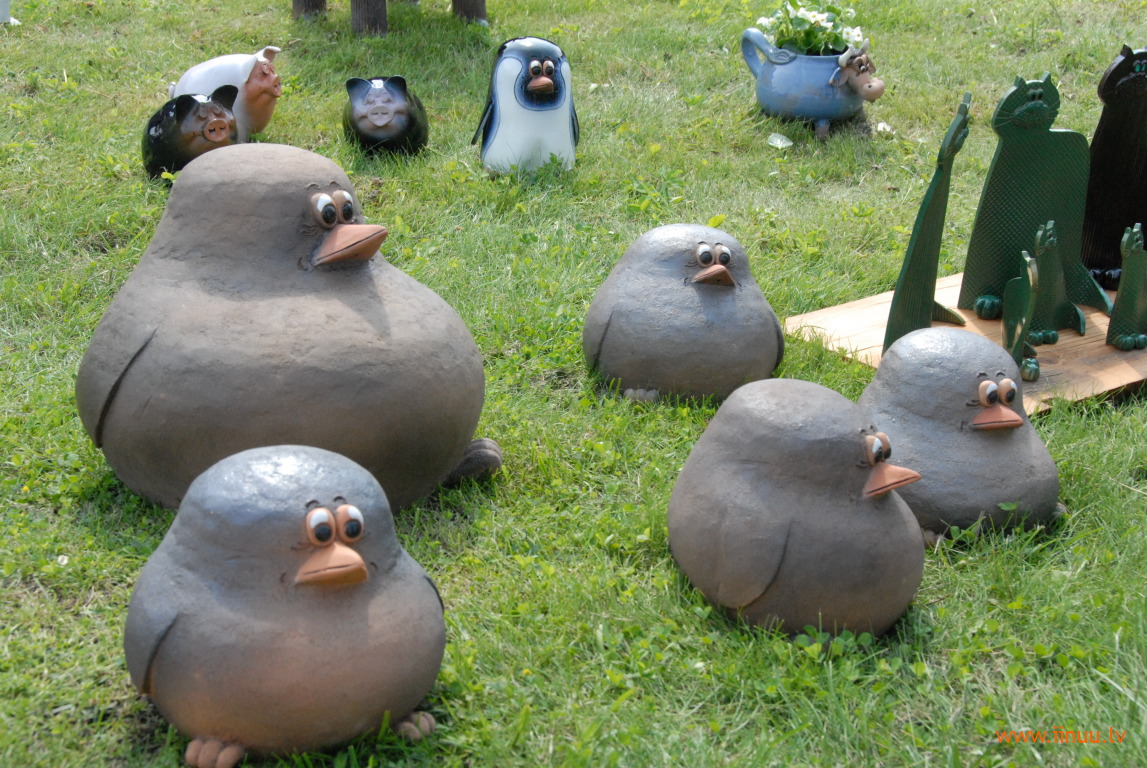
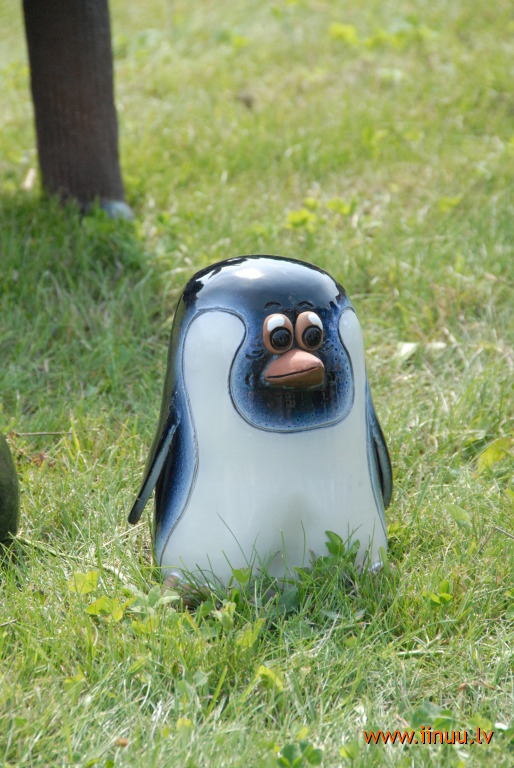
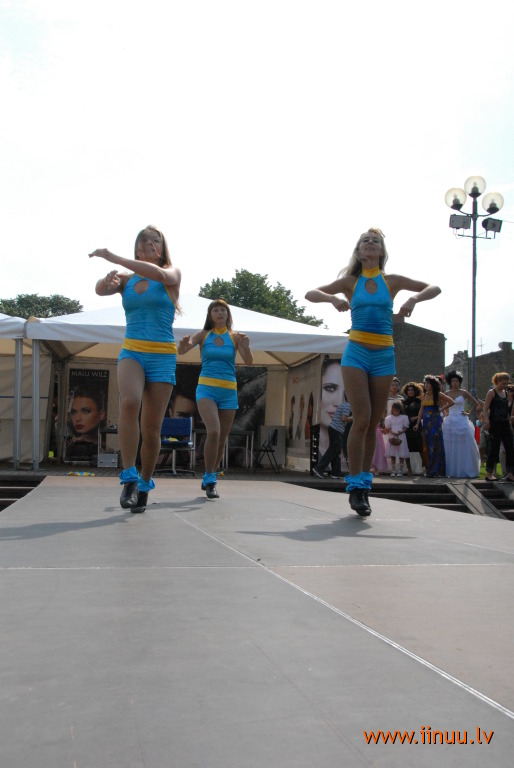
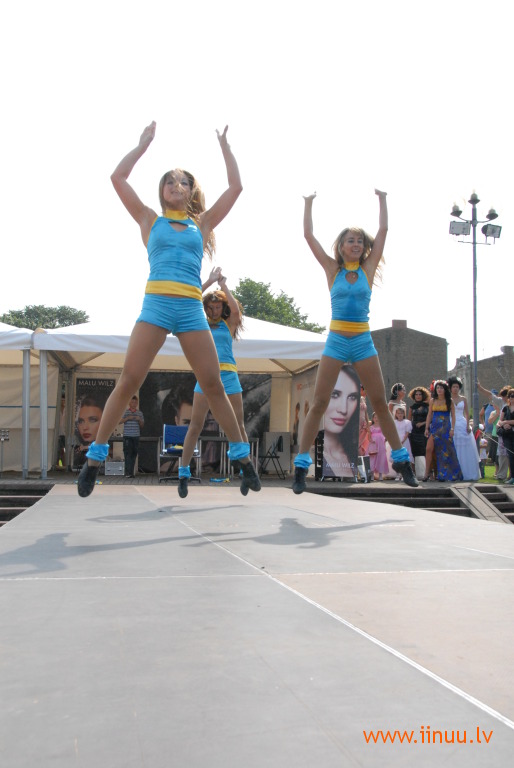
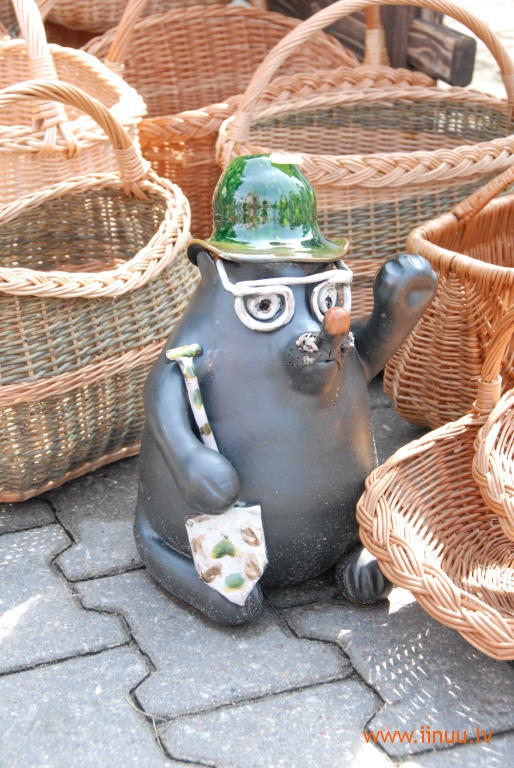
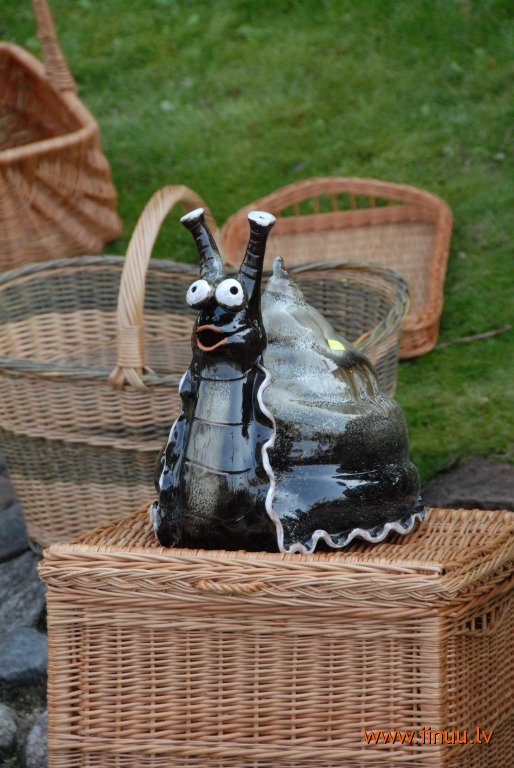
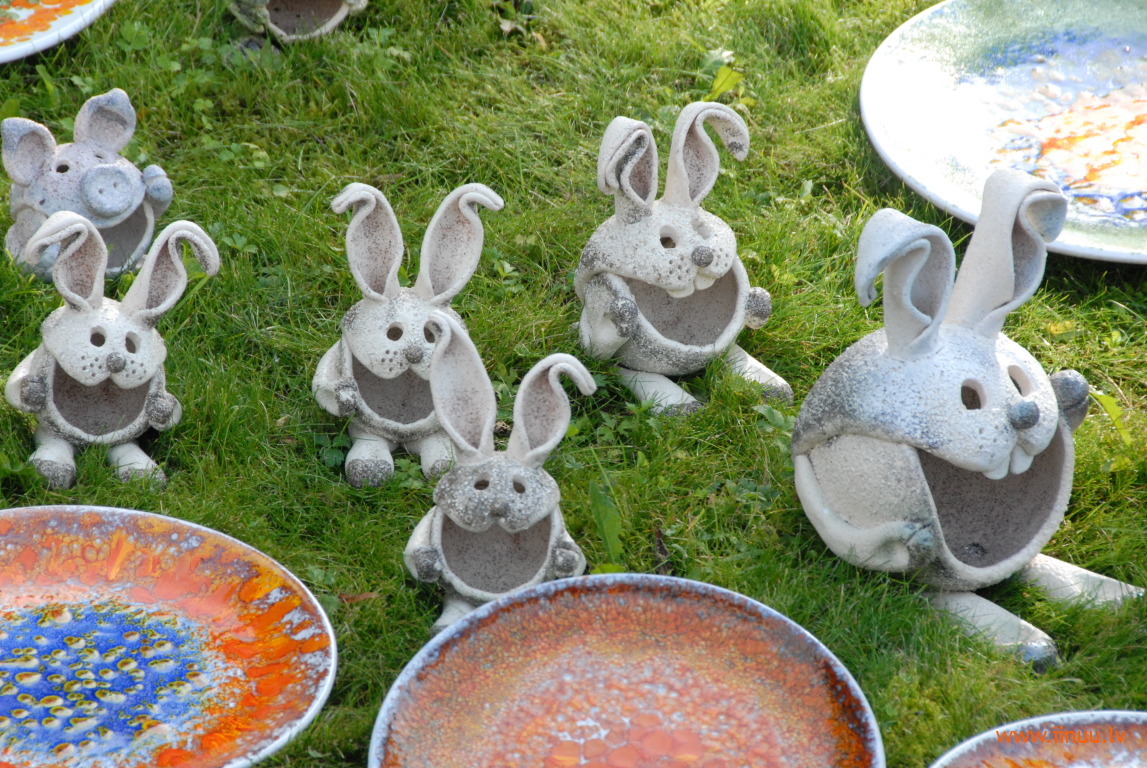
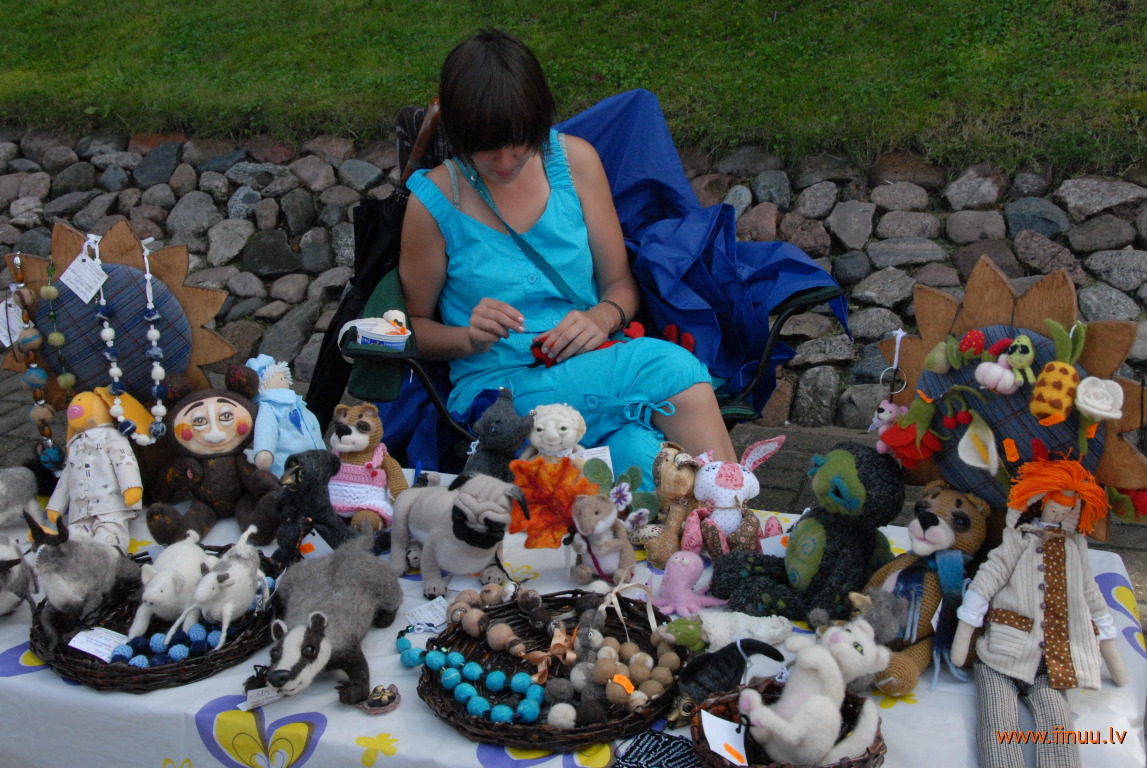
As at every city festival, there was a craftsmen's market, stages on which singers, dancers, and local and guest performers appeared. Bergmanis was in full swing hosting a strongman competition. There was no doing without purchasing a penguin figurine for our collection from a glass blower. The heat during the day was considerable, but by evening storm clouds were already gathering.
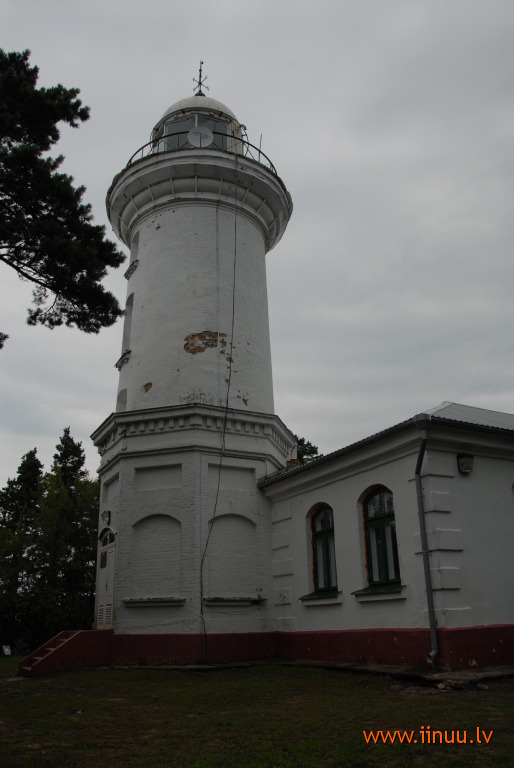
On Sunday the road led beyond Ventspils towards Užava, where we finally found the Užava Lighthouse we had been searching for a couple of years ago. Well of course - it had hidden itself behind a pine forest, about 3 km from Užava itself, in an uninhabited spot. The lighthouse was built in 1879; its lantern is at a height of 19 m.
Descending from the fairly steep shore, we discovered a secluded but popular recreation spot which, unlike all the others, is free of charge and, as they say, "at nature's bosom." The tent dwellers who had set up camp were conversing in both Latvian and Lithuanian. The shore was strewn with pebbles of various colours, shapes, and sizes. I could not resist the temptation to take a few home. I am fond of stones from places so full of nature's vitality - as though with the stone one carries away the strength of the earth and sea and their inexhaustible energy.
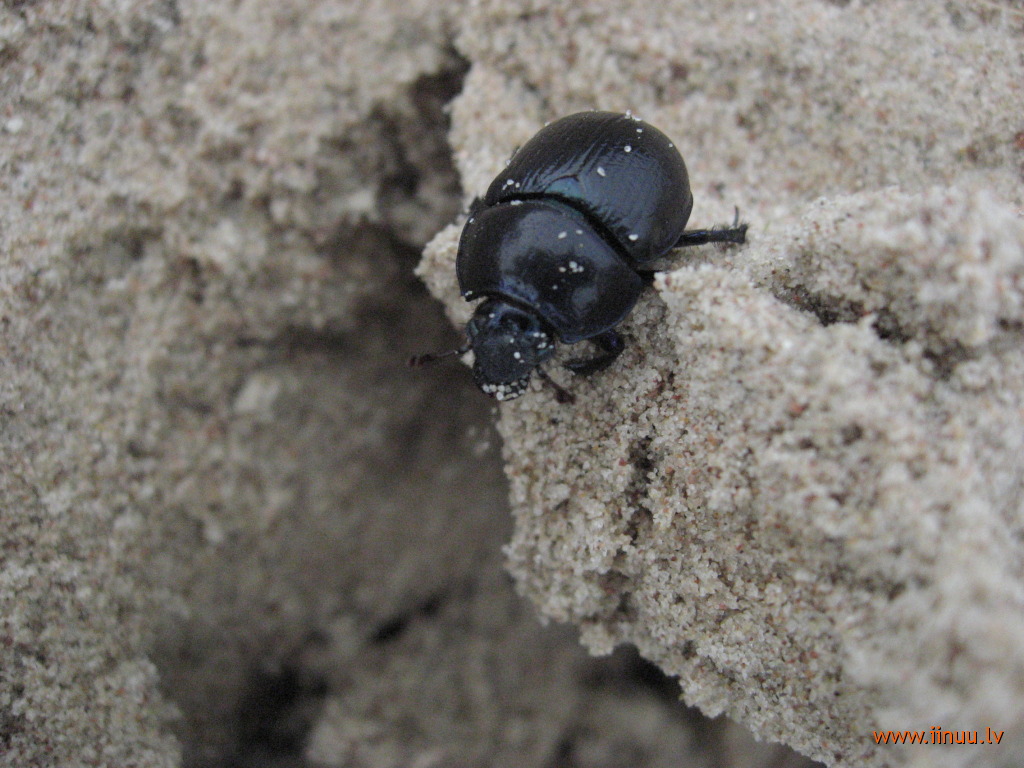
In the sand we encountered a local resident of the Užava Nature Reserve - a rose chafer beetle, which waited quite patiently to be photographed.
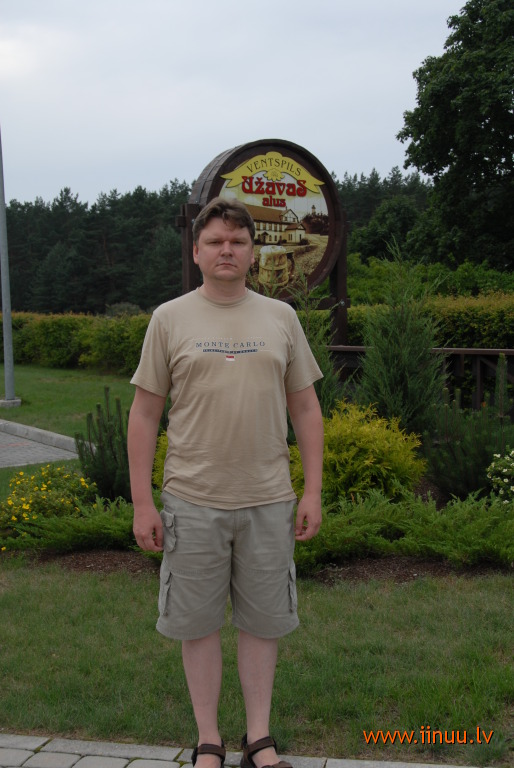
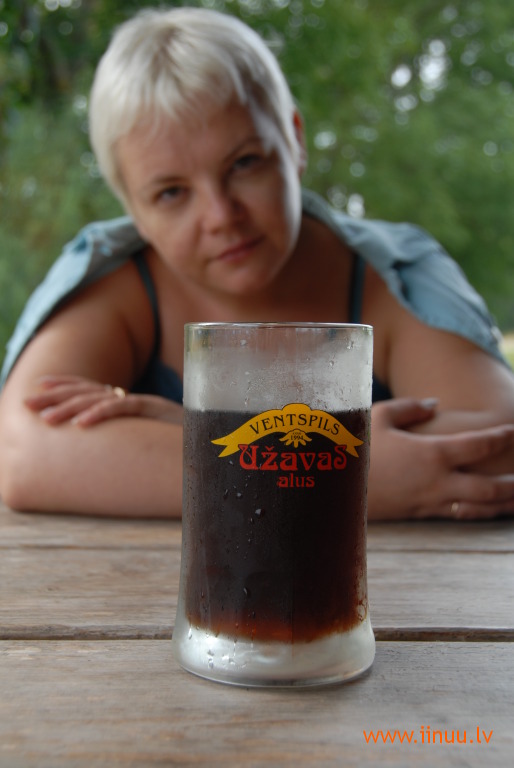
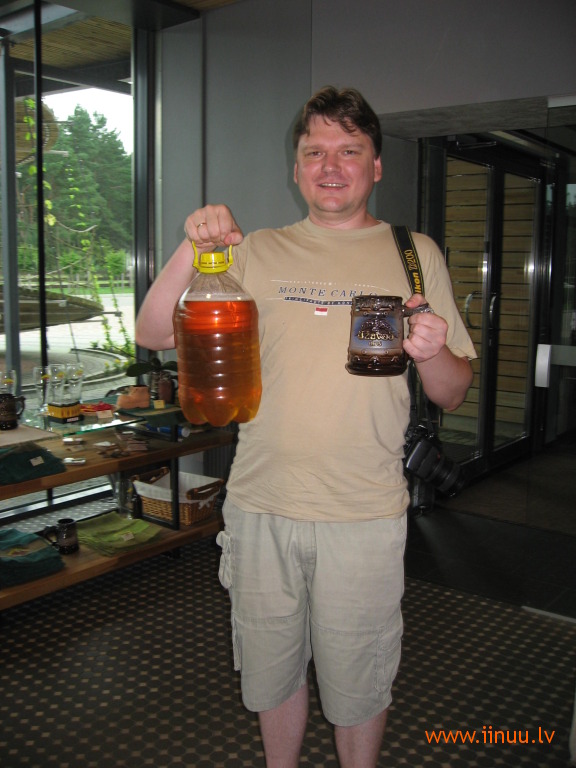
One could not drive past a place so notable for beer enthusiasts as Užava Brewery, where a shop has only been opened this year. There one can buy various souvenirs and beer mugs, as well as the beer itself at very democratic prices - a 5-litre bottle also cost only five lats. More than one person felt like a small tear that had landed in a lake of beer. :)
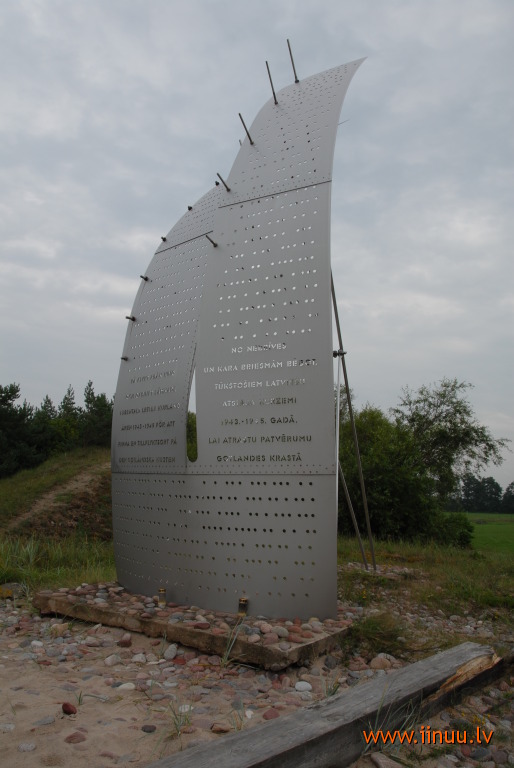
Turning into Jūrkalne to enjoy the steep cliffs was prevented by rain that suddenly came on. However, a few kilometres beyond Jūrkalne we turned towards the sea to visit the place from which dozens of boats carrying Latvian refugees in 1944–1945 set off for the Swedish island of Gotland to escape the Soviet occupation regime. The distance of 170 km is by no means small for an ordinary boat to dare venture out to sea. Evidently the desperation and fear for one's own life and the lives of loved ones were greater. Today an iron sail sculpture stands here (sculptor Ģirts Burvis) with a memorial inscription in Latvian and Swedish.
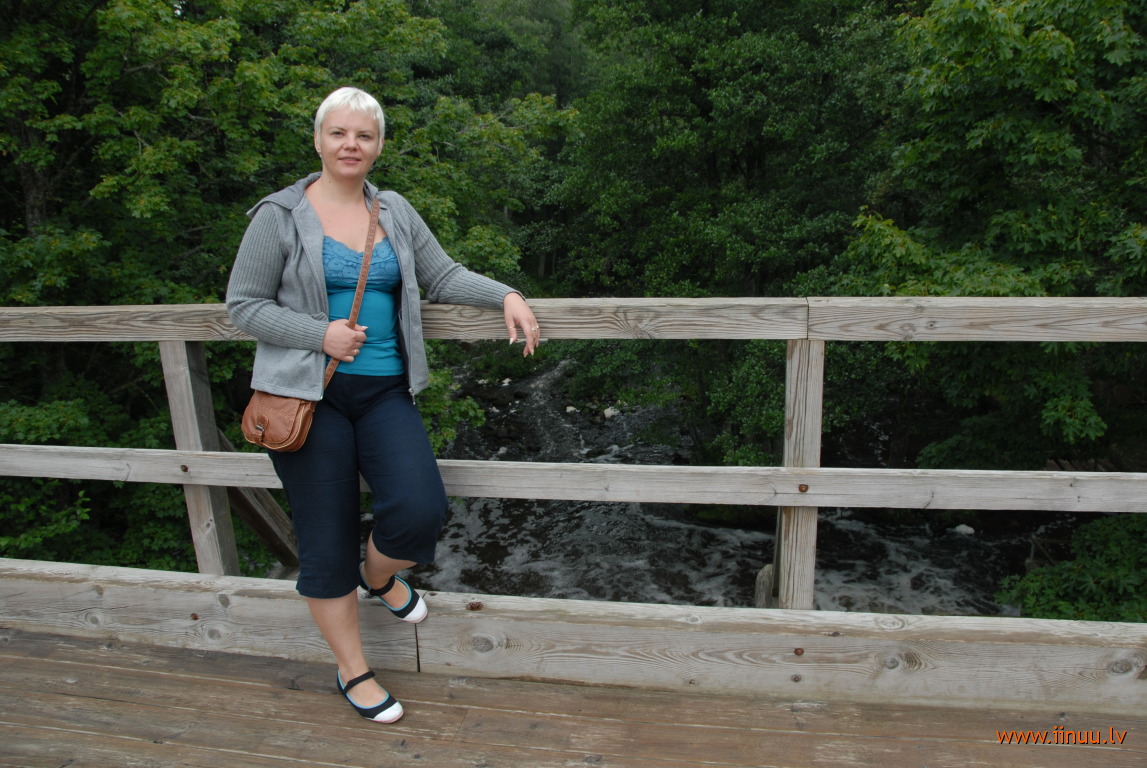
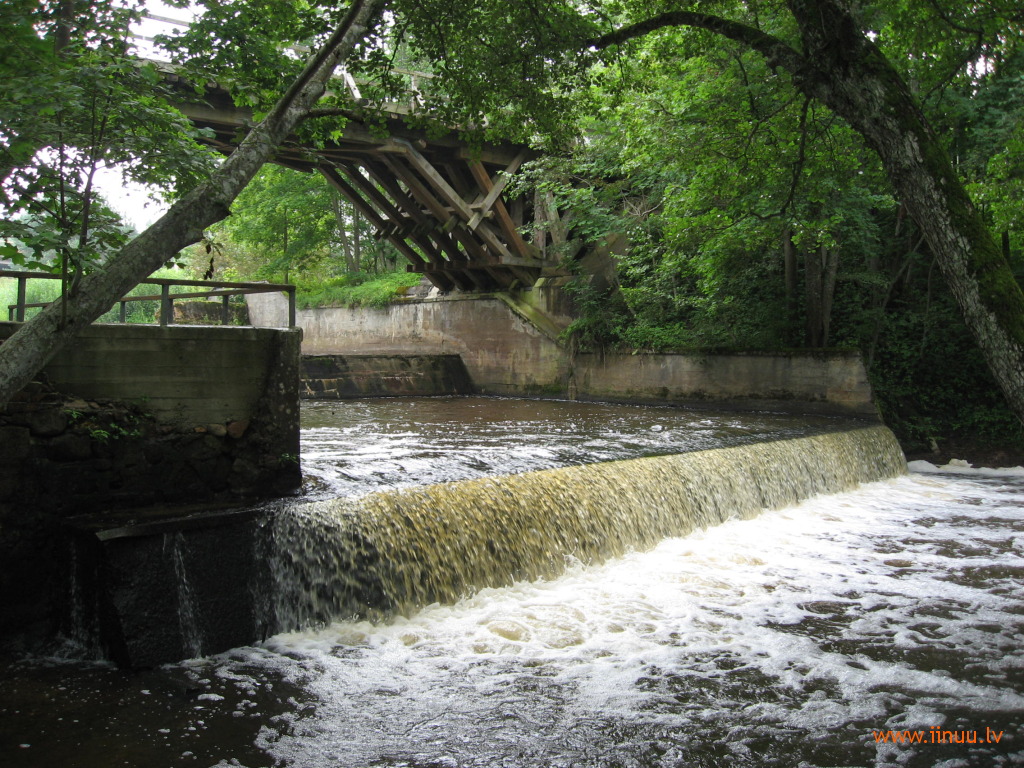
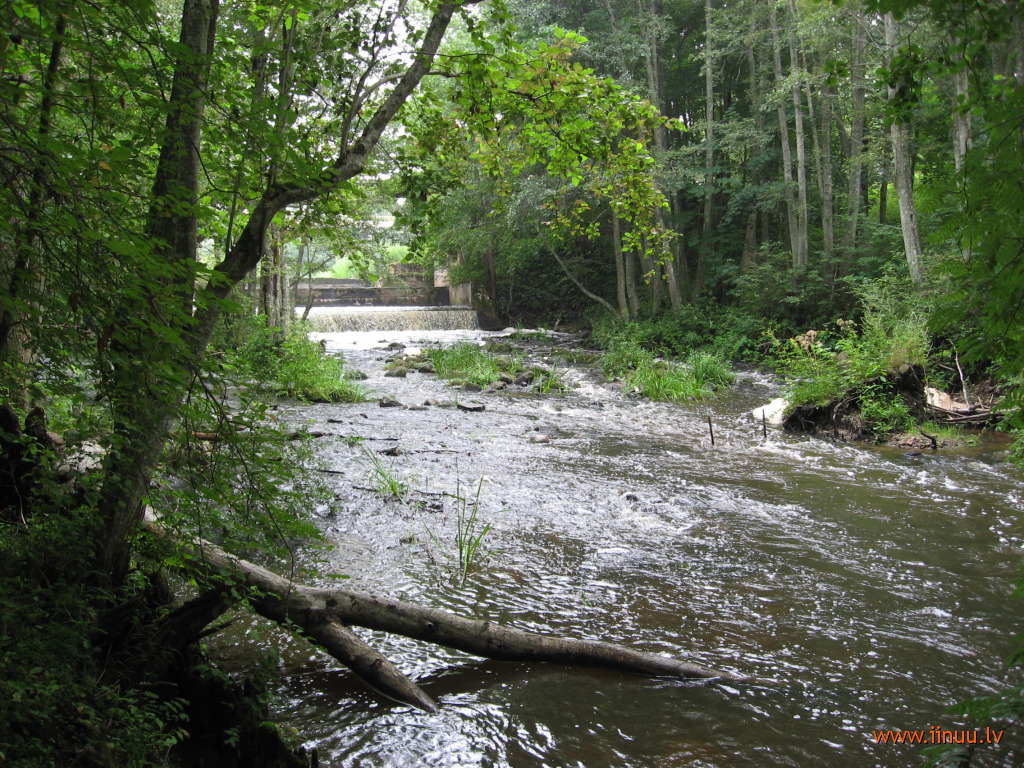
We stopped to cross a unique wooden bridge - the Rīva River wooden bridge. As is known, when crossing a bridge for the first time one must remain silent and secretly make a wish - then it will certainly come true.
We drove further and discovered the Ulmale (Pinni) Sacrificial Stone, at which the ancestors once gathered. A place not easy to find, and not so much mystical itself as the stone with its bowl-shaped hollow of about 60 cm in diameter. The accumulated water looked a menacing black. Although there is a belief that it heals, instinctively there was no desire to dip one's hands in it.
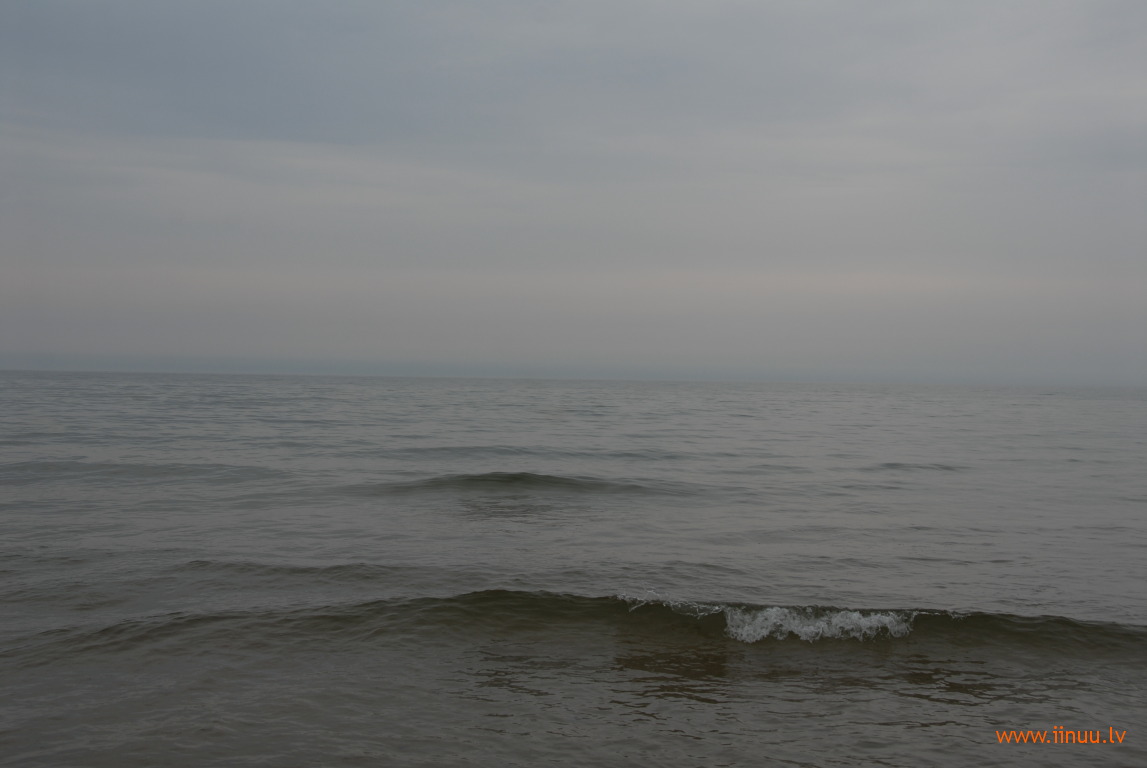
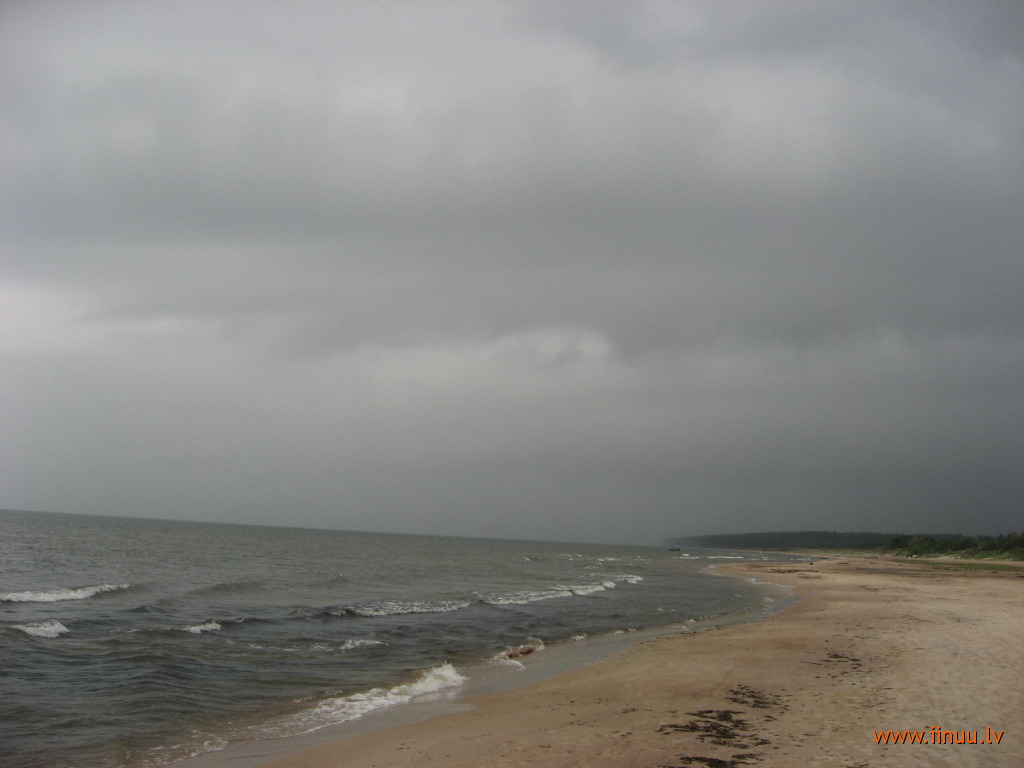
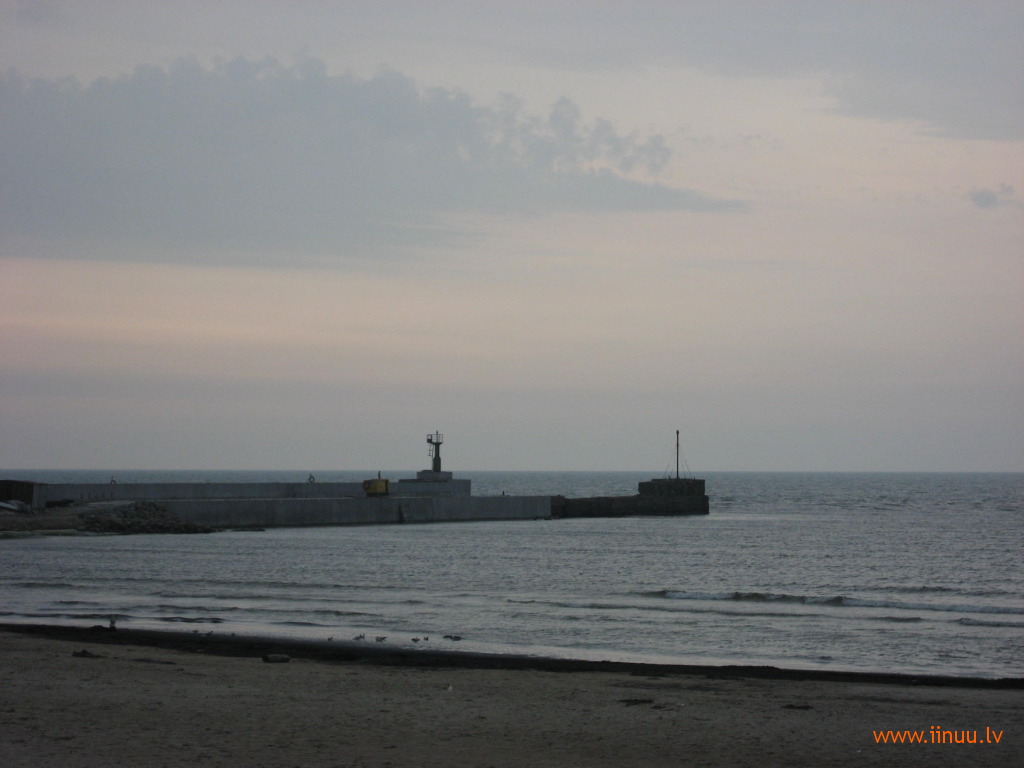
In Pāvilosta a proper thunderstorm with thunder and lightning awaited us. The sea was an unusually grey colour. For some reason I had always imagined Pāvilosta as exactly like this - battered by a harsh wind - although this year was in fact the first time I had been here.
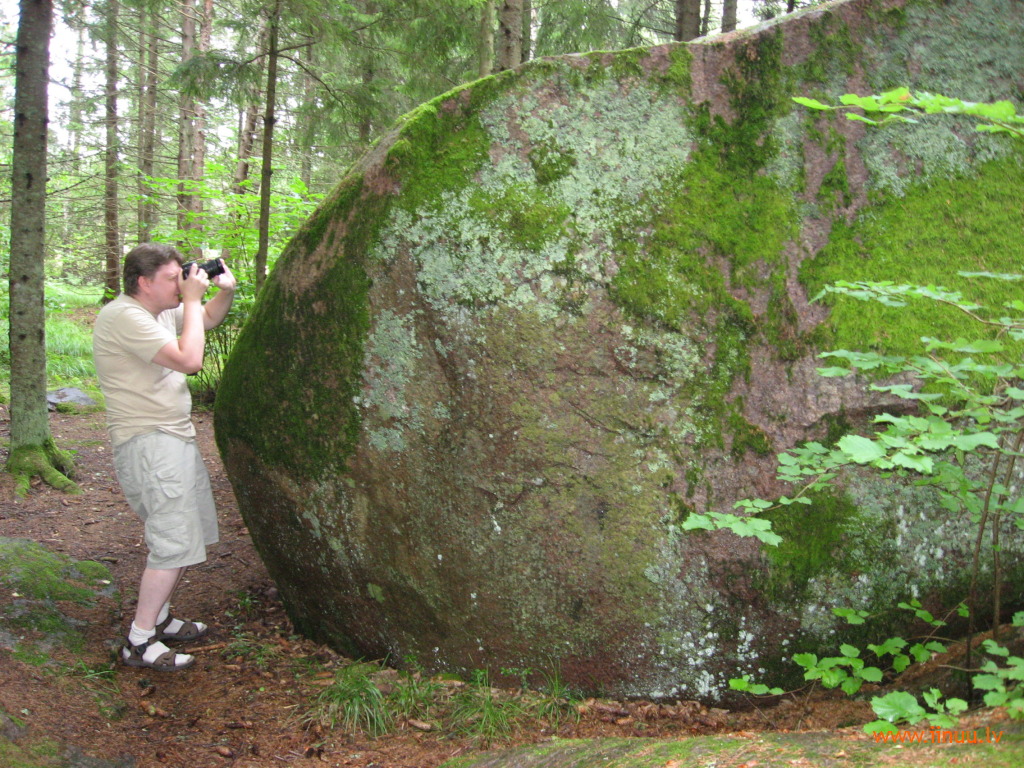
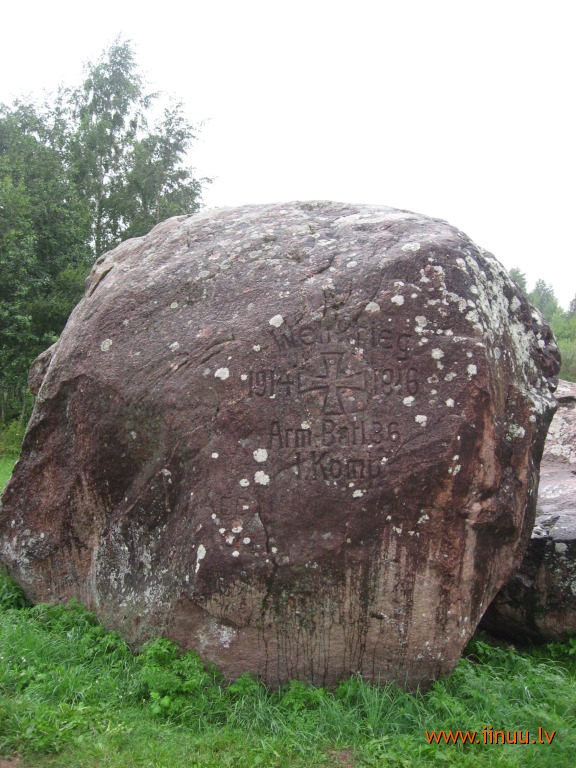
Before Grobiņa we visited Latvia's tallest (4.3 m) erratic boulder - the Kapsēde Boulder. The stone is split in two parts. During the First World War, German soldiers carved an inscription into it: "Weltkrieg 1914 – 1916."
It was already growing dark, so we headed home to Rīga. Although the thunderstorm prevented us from fully enjoying all the pleasures of the sea - we managed only a brief paddle - on the whole the trip had been a success, for now we know even more.
comments