If Your Holiday Is Only 2 Days... Part I
If you lack the time and energy to plan a long-distance holiday and you want to break away from your familiar surroundings, the hustle of the city, and not think about anything at all, the best thing is to throw the minimum of clothing, toiletries, and food into a travel bag and set off along the Baltic Sea coast right here at home.
Route 1, travelled in June 2008
If you lack the time and energy to plan a long-distance holiday and you want to break away from your familiar surroundings, the hustle of the city, and not think about anything at all, the best thing is to throw the minimum of clothing, toiletries, and food into a travel bag and set off along the Baltic Sea coast right here at home. We have tried this kind of trip twice and rested with a full heart.
This year's route (to follow on a map): Riga – Engure – Mērsrags – Roja – Kolka – Miķeļbāka – Ventspils – Užava – Jūrkalne – Alsunga – Ēdole – Kuldīga – Sabile – Kandava – Riga.
More detail on each stopping point below.
We set out from Riga somewhere around 10:00 on Saturday morning, along the Jūrmala highway, then around through Jaunķemeri, past the popular freshly smoked fish trading spots - Lapmežciems and Ragaciems - to Engure.
Engure turns out to mean "eel" when translated from the Livonian language. Here there is an old church with a cemetery around it, and all of this right on the seashore. In the distance, flocks of white swans in the blue sea. A jetty in the fishing boat area.
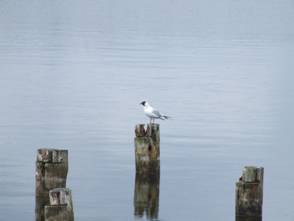
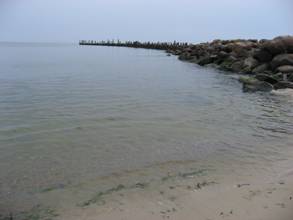
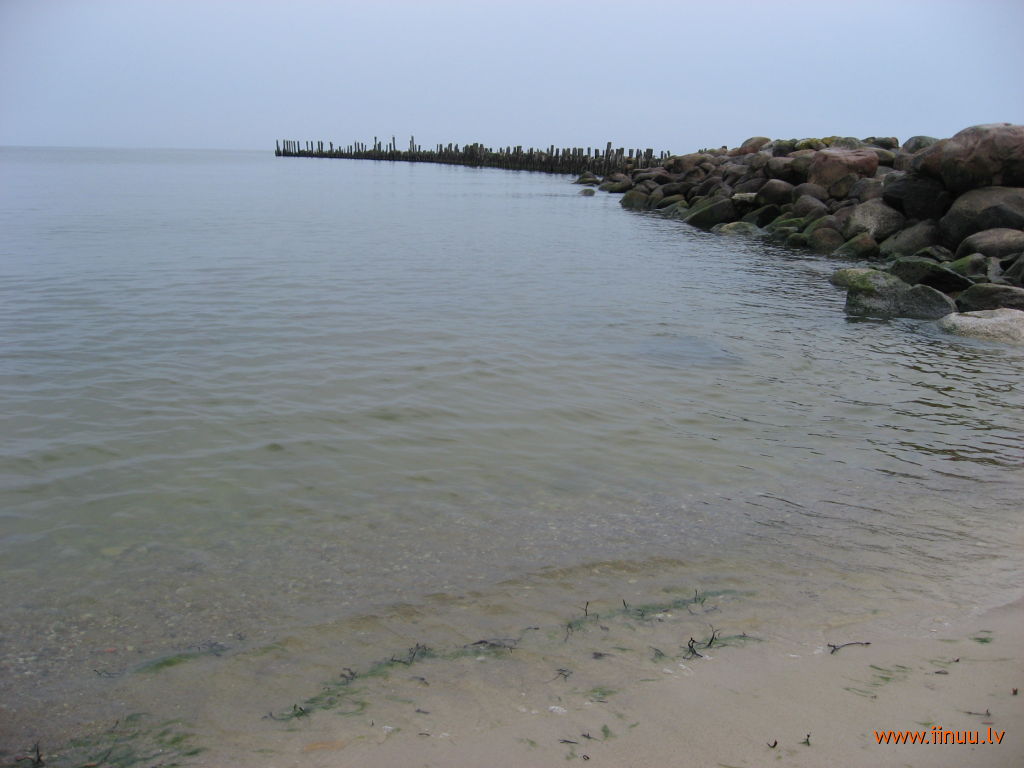
Today the sea is remarkably calm. Despite it being only +18°C and the sky half overcast, it is pleasantly warm.
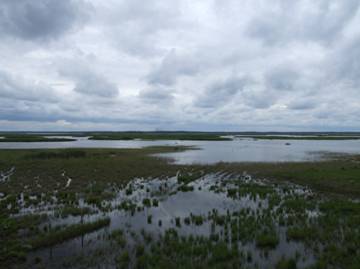
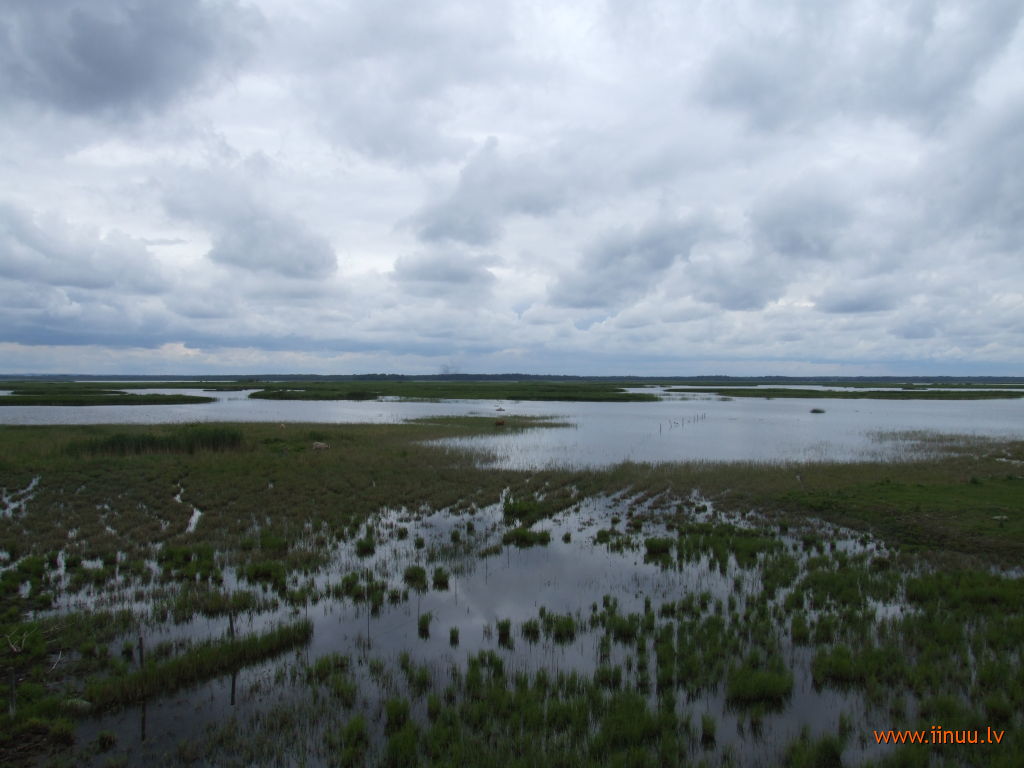
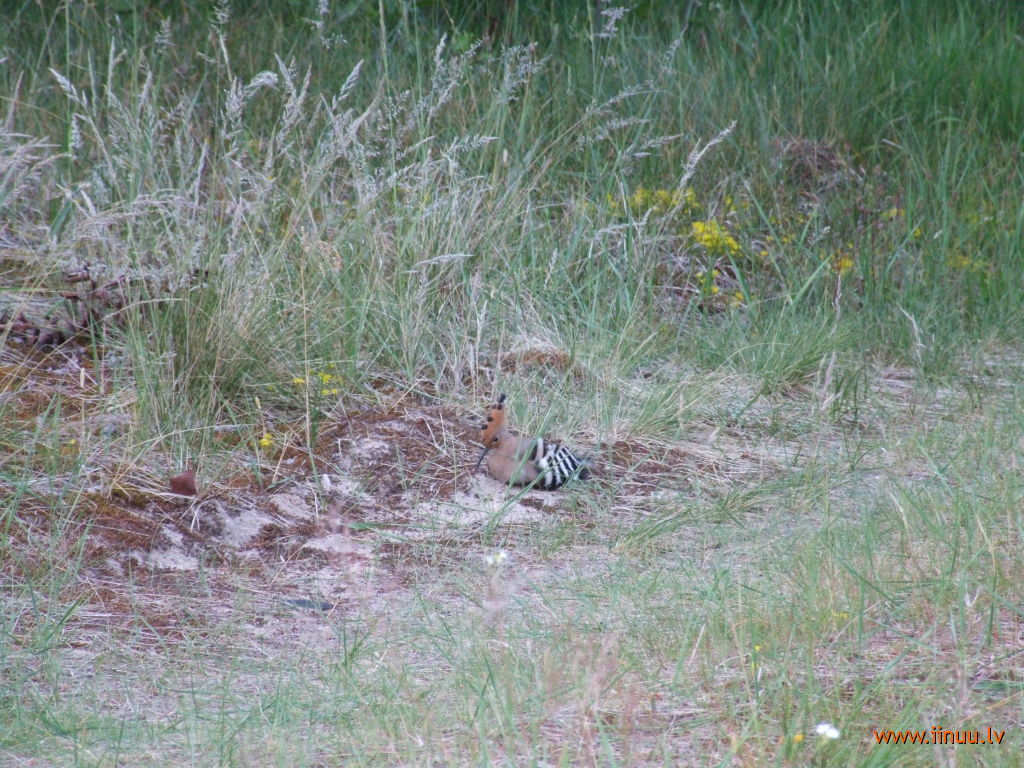
Continuing along the P131, on the left one can turn off onto a forest road that leads to Lake Engure and the Engure Ornithological Research Centre. Here one can see wild horse grazing grounds and climb a bird-watching tower.
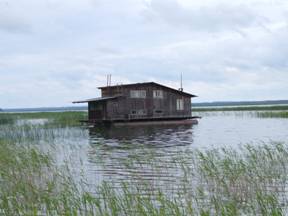
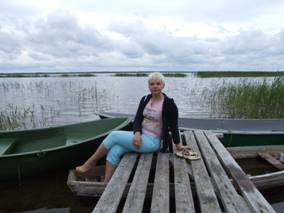
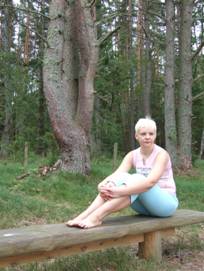
A thoroughly pleasant barefoot walk through the forest along the lakeshore, approximately 3 km in one direction and the same back. Peace and the trilling of birds somewhere in the pine branches.
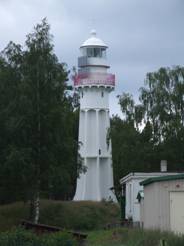
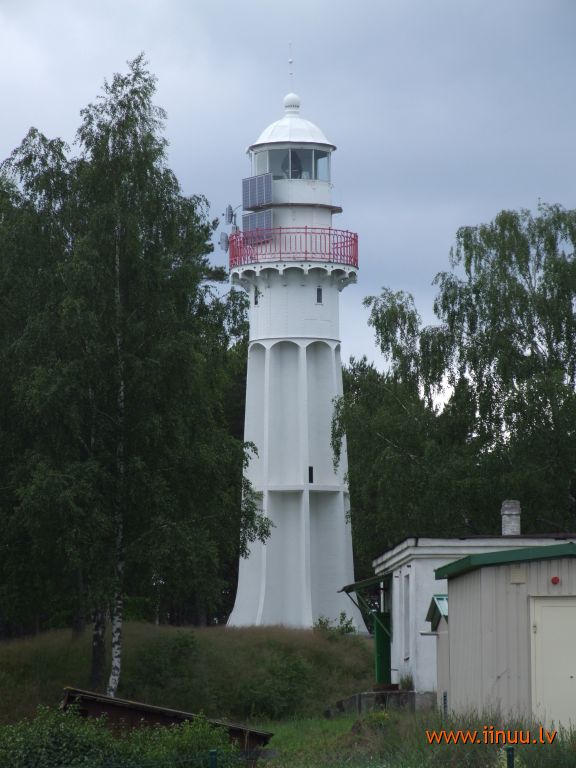
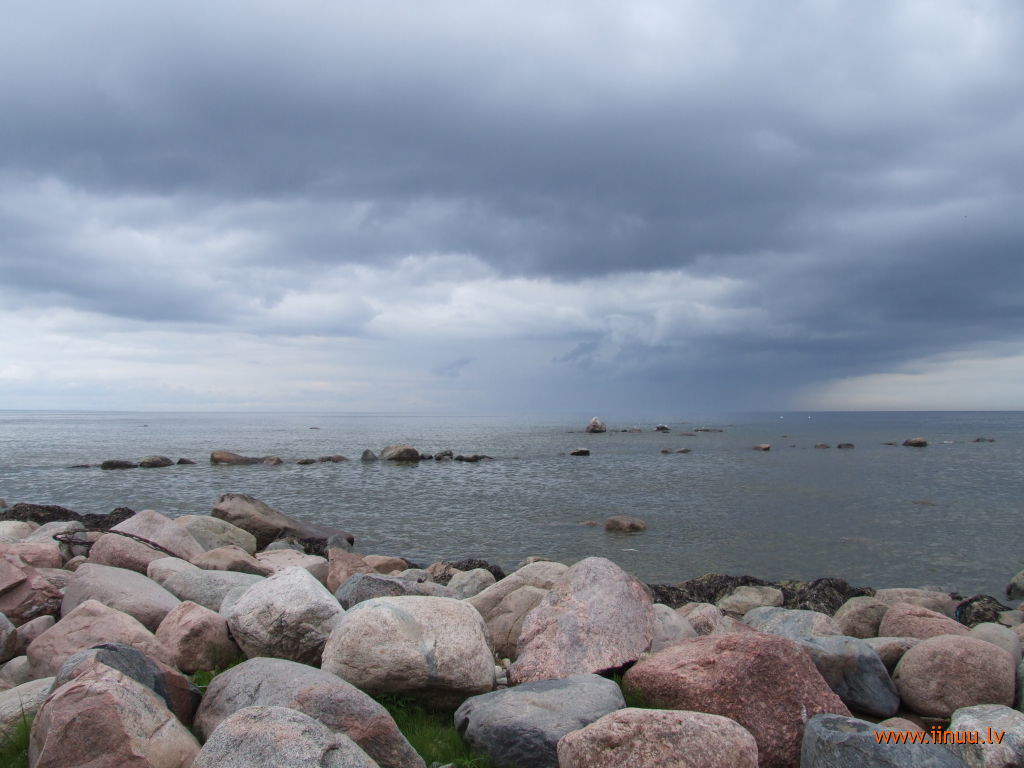
Then on to Mērsrags. A beautiful, rocky seashore, Mērsrags lighthouse, and the large Devil's Stone.
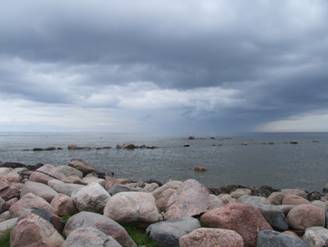
On the way to Roja it is worth stopping to see the Kaltene Lutheran church and the rocky Kaltene coastline as well. We did not linger there this time, as we had explored it two years ago.
Beyond Roja, on the way to Kolka, I would definitely recommend stopping and walking the Pūrciems White Dune. Majestic, magnificent, and always a reminder of the brevity of time and a human lifetime. Seven thousand years ago this was sea, then ancient settlements, and now a sand hill.
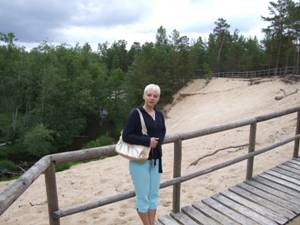
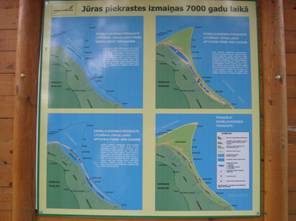
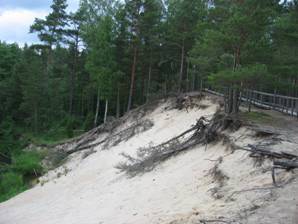
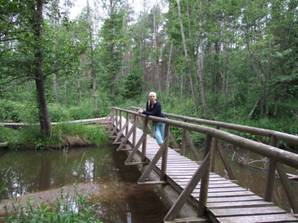
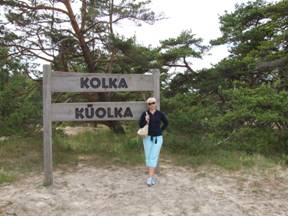
And of course, Kolka - the most pronounced and furthest-reaching cape jutting into the sea. A real place for commerce - parking Ls 1.00 per hour, printed mugs, t-shirts; and for photo sessions - especially the calm side of the cape facing the Gulf of Riga.
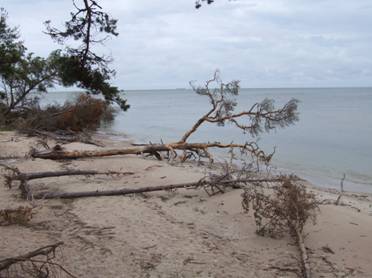
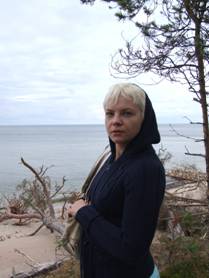
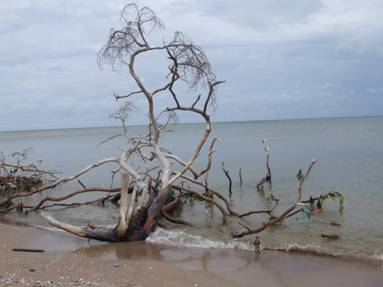
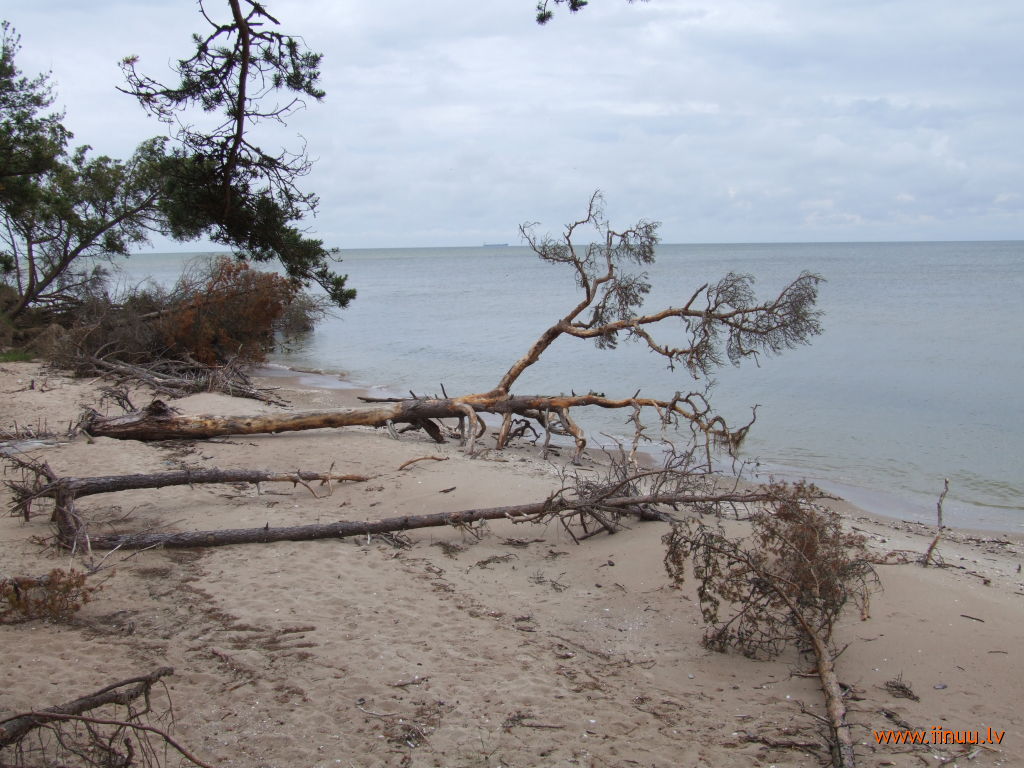
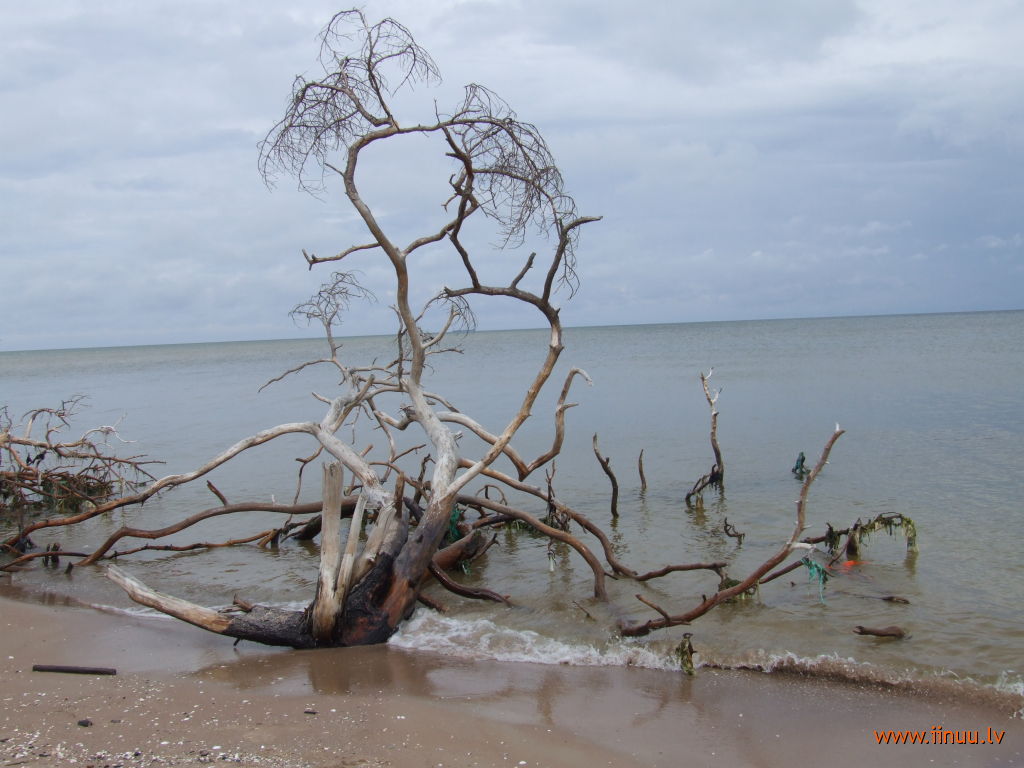
Trees uprooted and toppled, white sand and an unusually blue-green water, more characteristic of southern seas than our own - cool and serene.
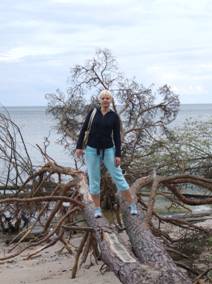
Interestingly, mobile phones received notifications from the Estonian roaming operator EMT. So almost in terms of call charges we had been to Estonia. :)
The Livonian Fishermen's Coast marked on the map brought some disappointment. Impenetrable forests, poorly surfaced roads, a Boat Cemetery at Mazirbe indicated on the map but nowhere to be found in reality, and the like.
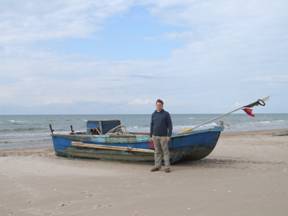
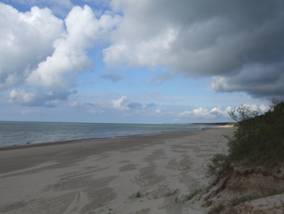
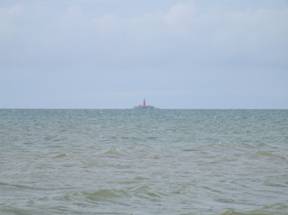
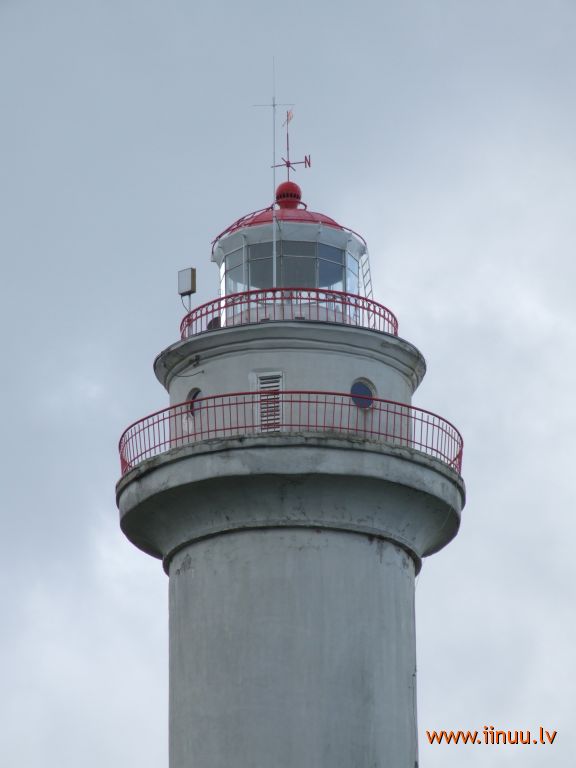
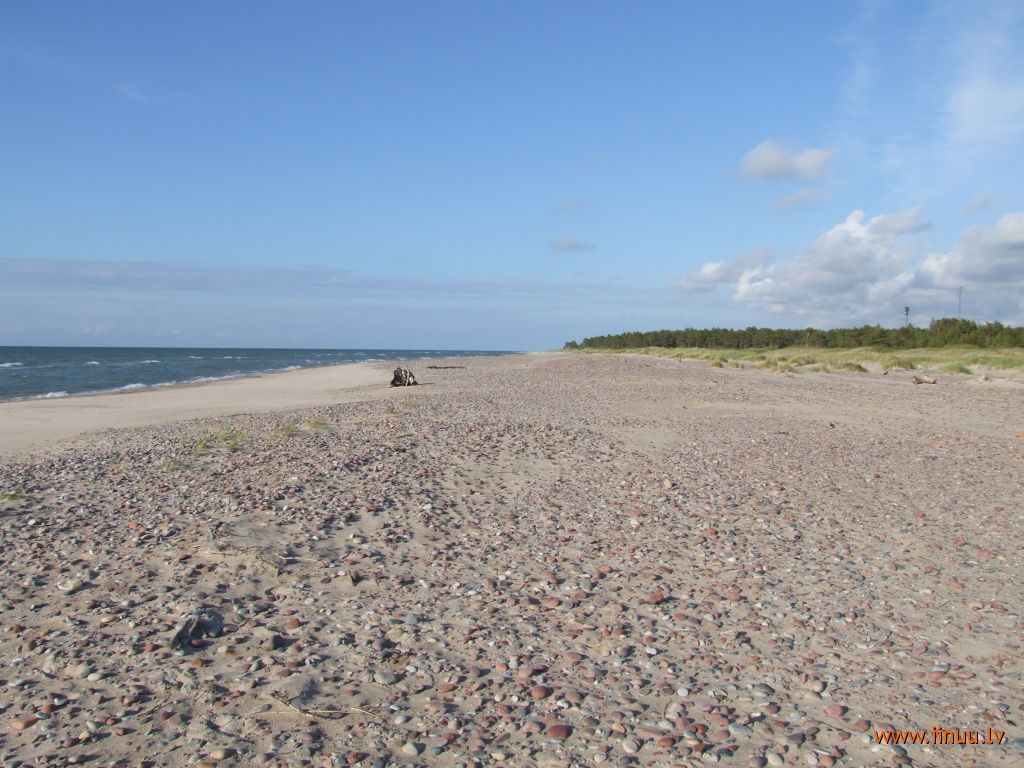
The sea here, as expected outside the gulf, is rougher, the wind stronger and sharper. Open shores with many pebbles and seashells. Miķeļbāka - the tallest in Latvia, situated 55.6 m above sea level. The first lighthouse here was established in 1884, but the current one has stood since 1957.
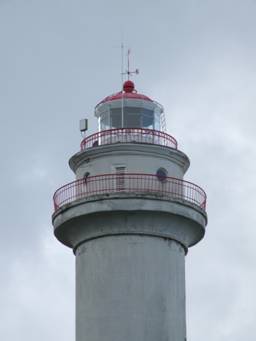
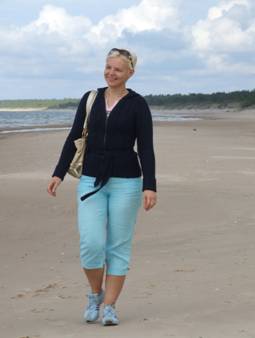
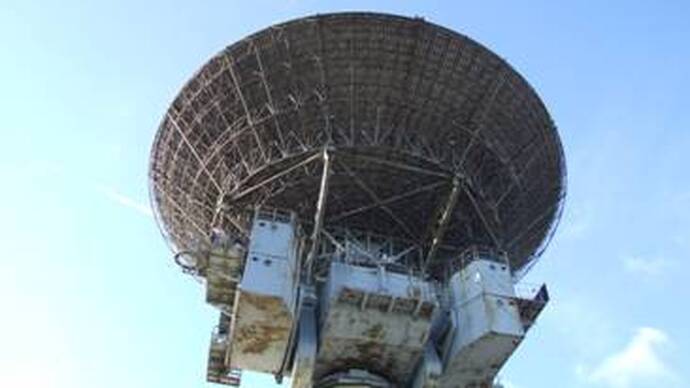
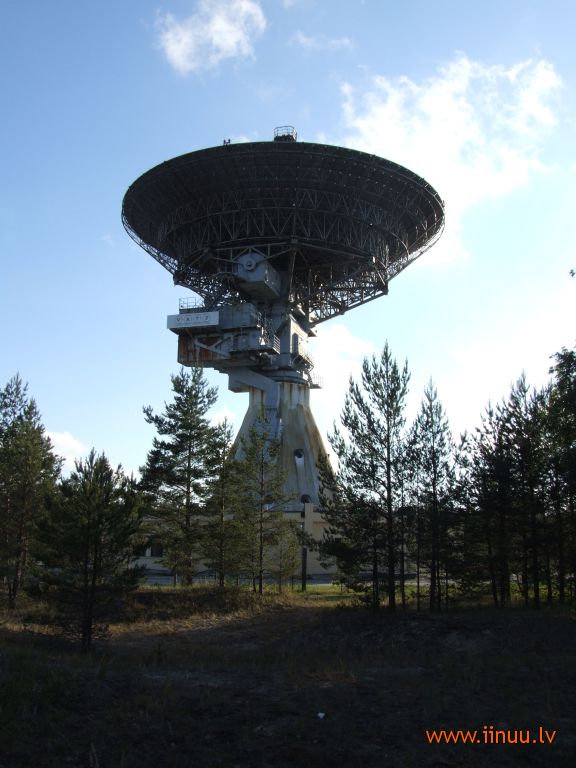
An interesting discovery, not signposted by road signs at all, is the Irbene Radio Telescope. Located on the territory of a former Soviet military base. Now abandoned, with an eerie ghost village atmosphere.
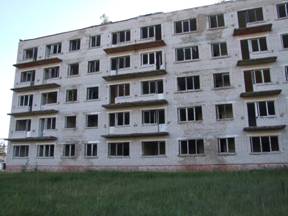
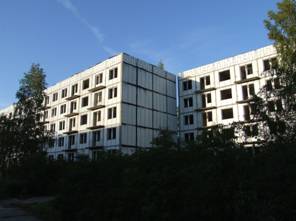
A concrete road leads through the forest to the impressive radio telescope.
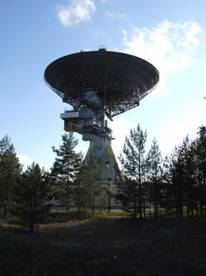
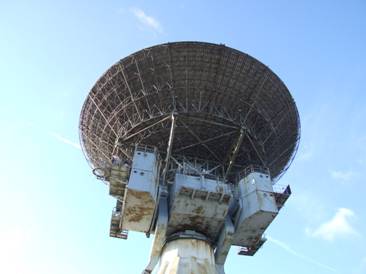
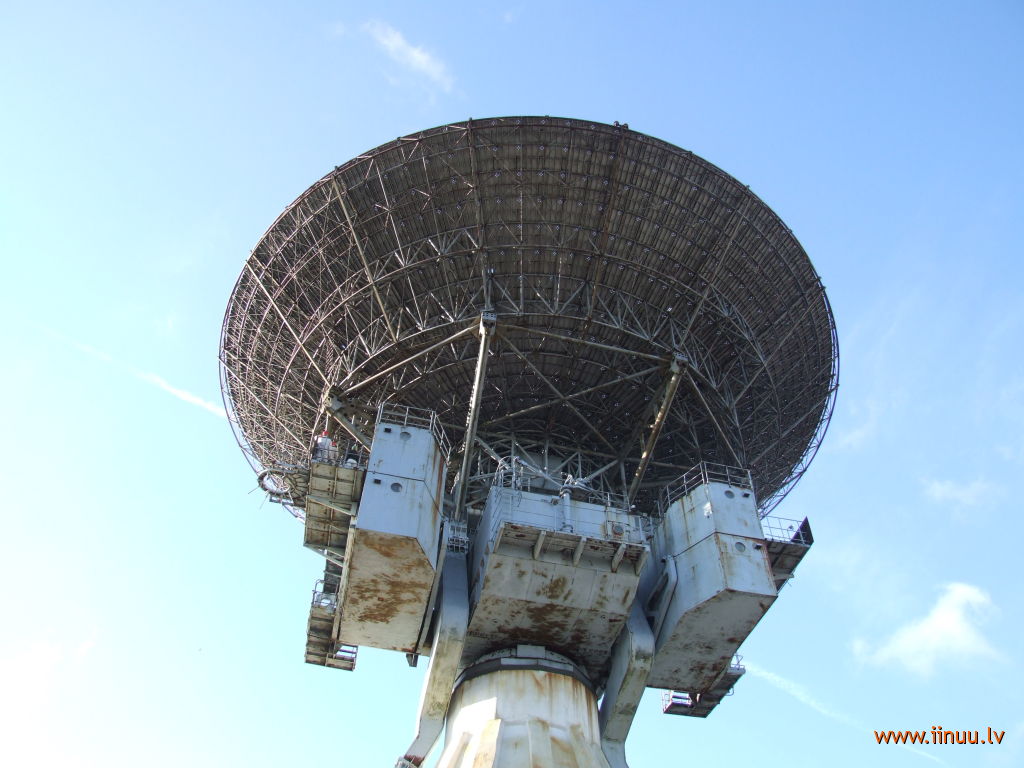
The antenna diameter is 32 m, the structure's height - 47 m. During the Soviet era the radio telescope operated as a secret counter-military intelligence centre used to intercept all manner of information from satellites. It turns out to be the 8th largest in the world.
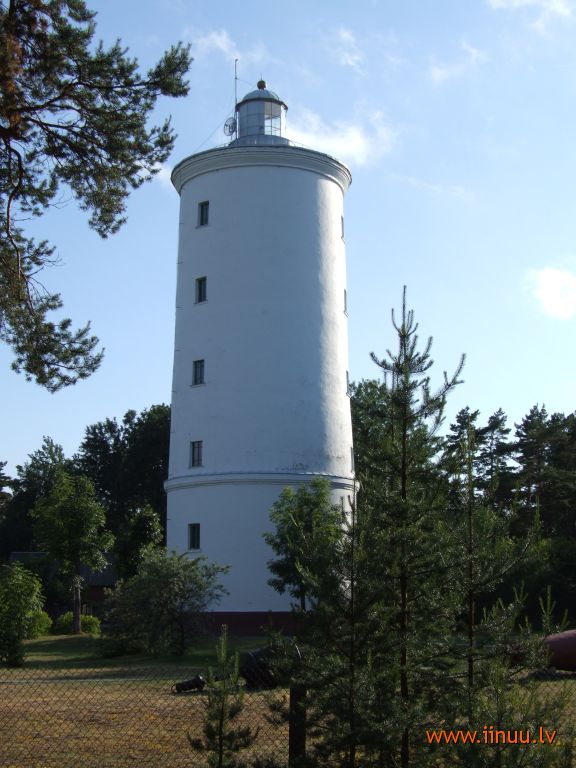
No less interesting, but short and stout, is Ovīši Lighthouse. The oldest functioning lighthouse in Latvia, in operation since 1814. 38 metres tall, snow-white, but invisible from the shore behind the tall pine crowns.
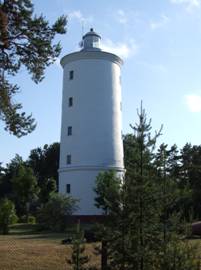
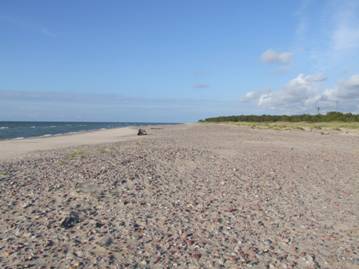
This year we chose the Ovīši shore itself as our overnight spot, rather than a warm and cosy seaside hotel.
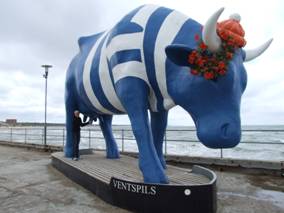
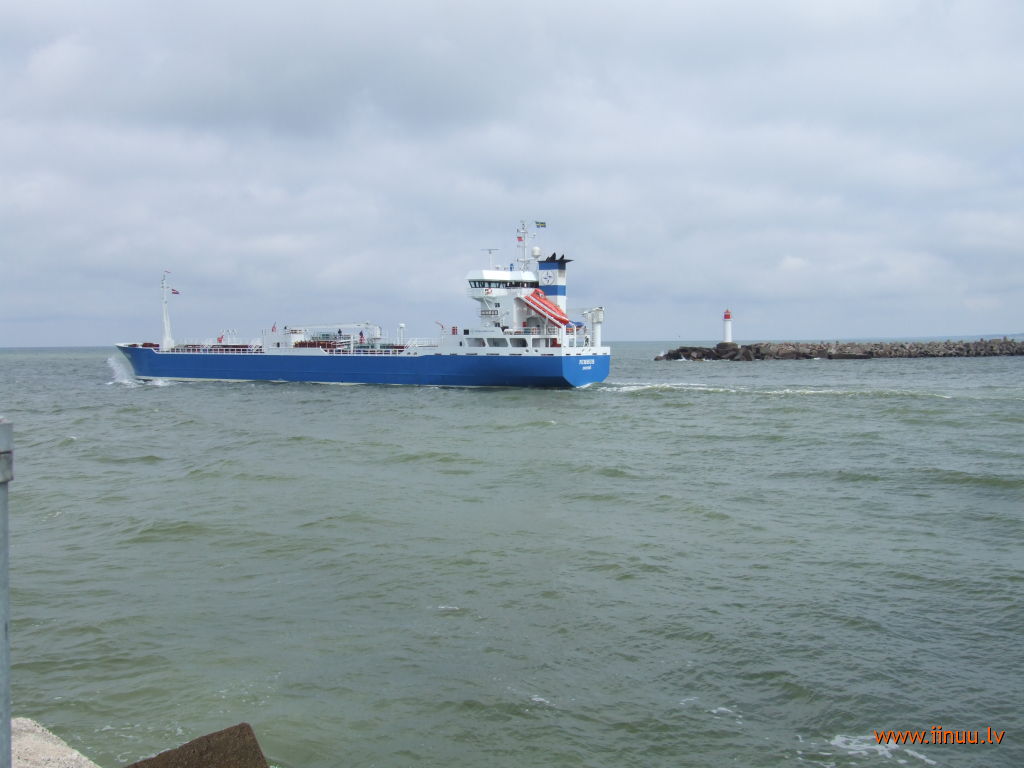
On the morning of the second day we headed to Ventspils, to have our morning coffee and walk along the South Pier.
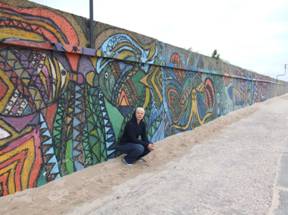
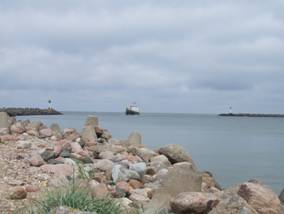
It is a pleasure that Latvia has such a well-ordered city - open, interesting, accessible.
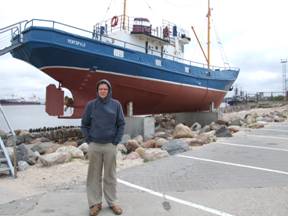
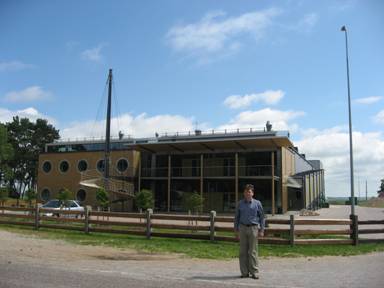
Passing through Užava, one can also view one of the popular breweries, "Užavas Alus". New, modern buildings.
We had lunch at a lovely spot, "Zaķu krogs" (Hare's Inn), by the P111 highway. Then in Jūrkalne we went to the Baltic Sea cliff.
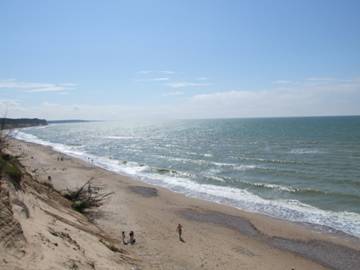
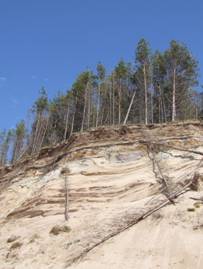
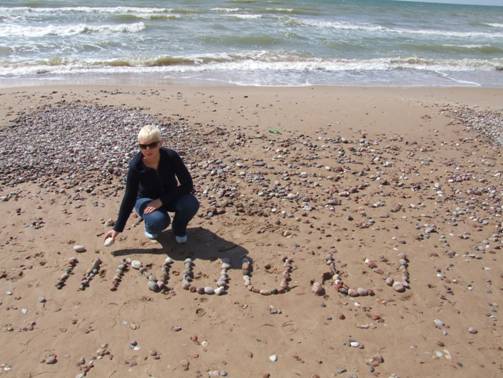
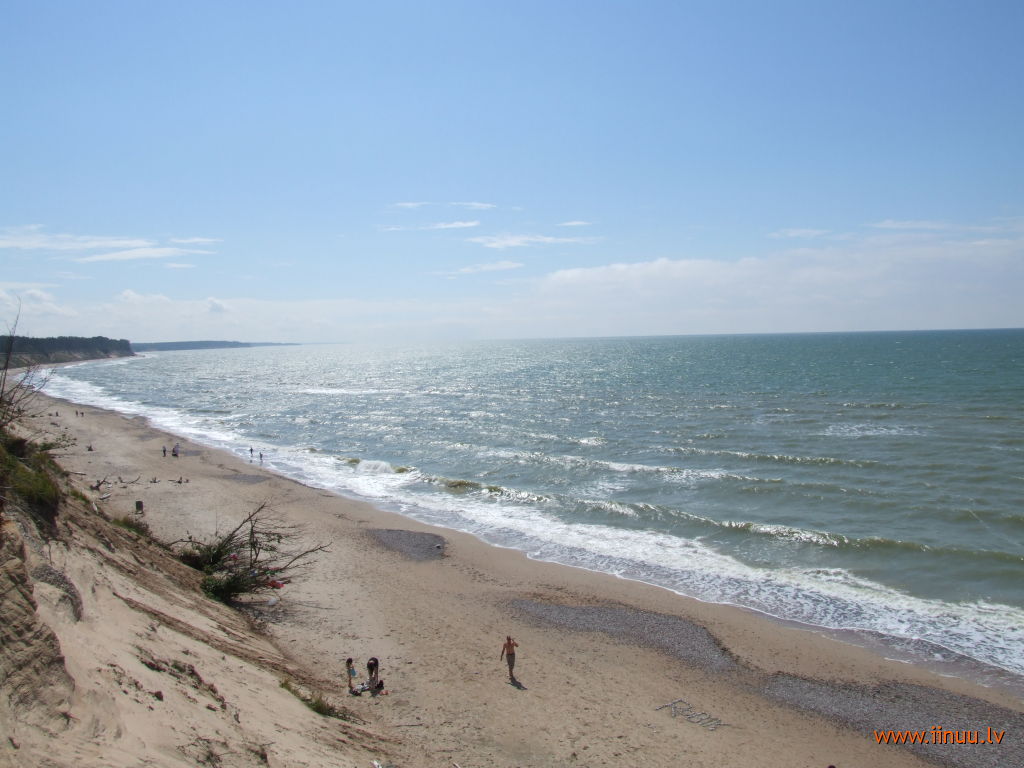
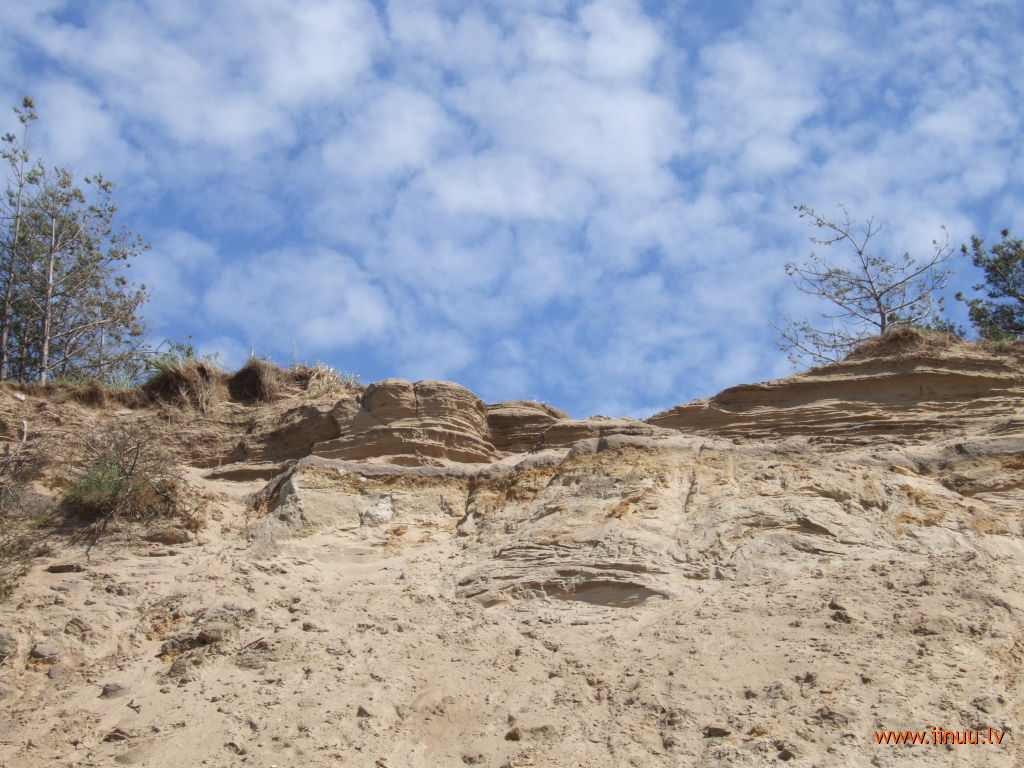
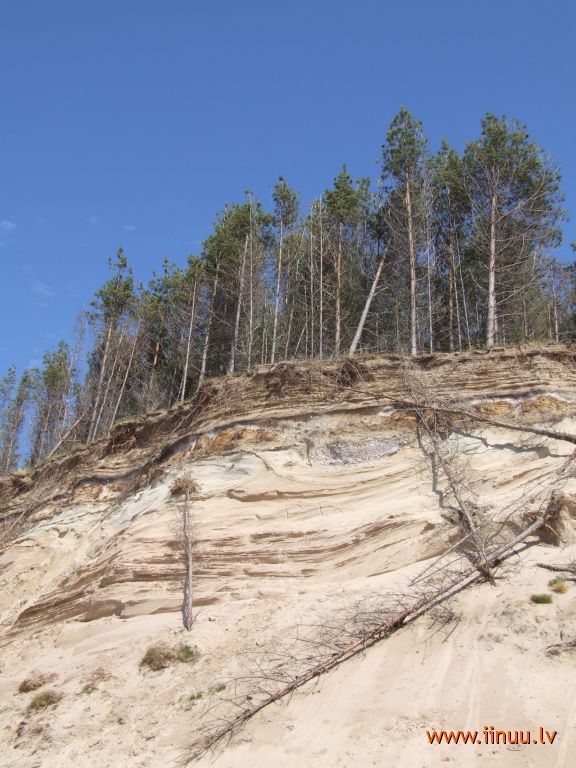
Up to 16 m of sandy cliff with a smooth, pebble-strewn beach below.
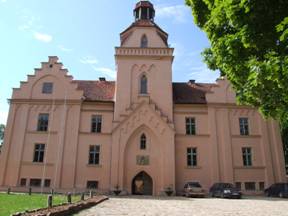
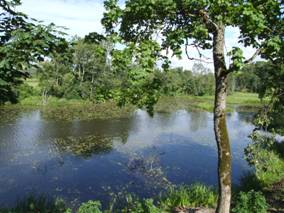
Continuing on, moving away from the seashore into the Latvian interior, we visited Ēdole Castle and its surroundings.
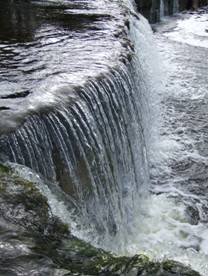
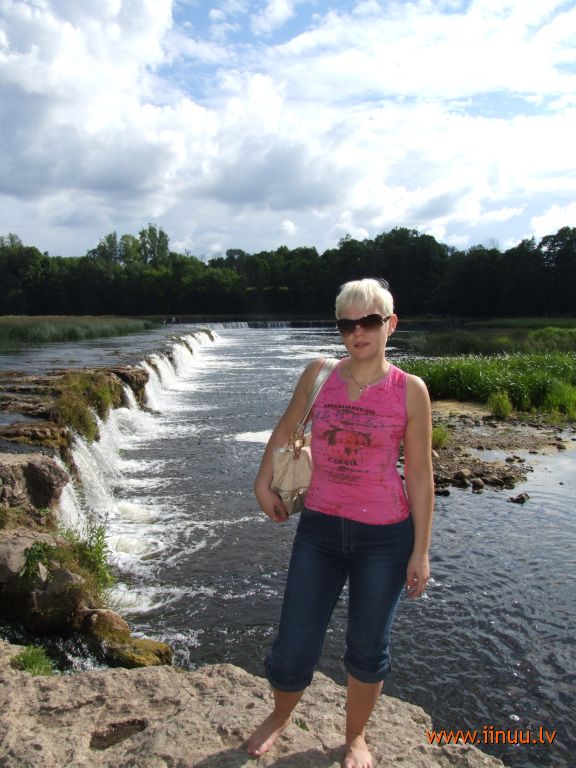
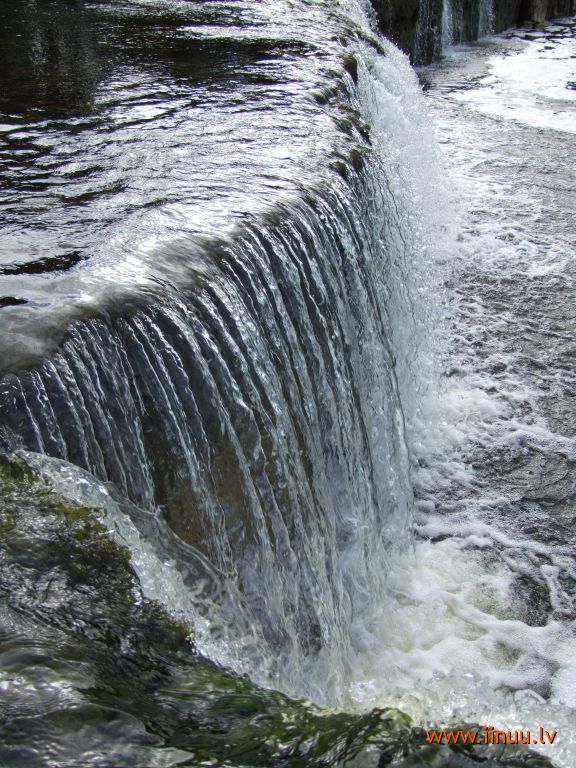
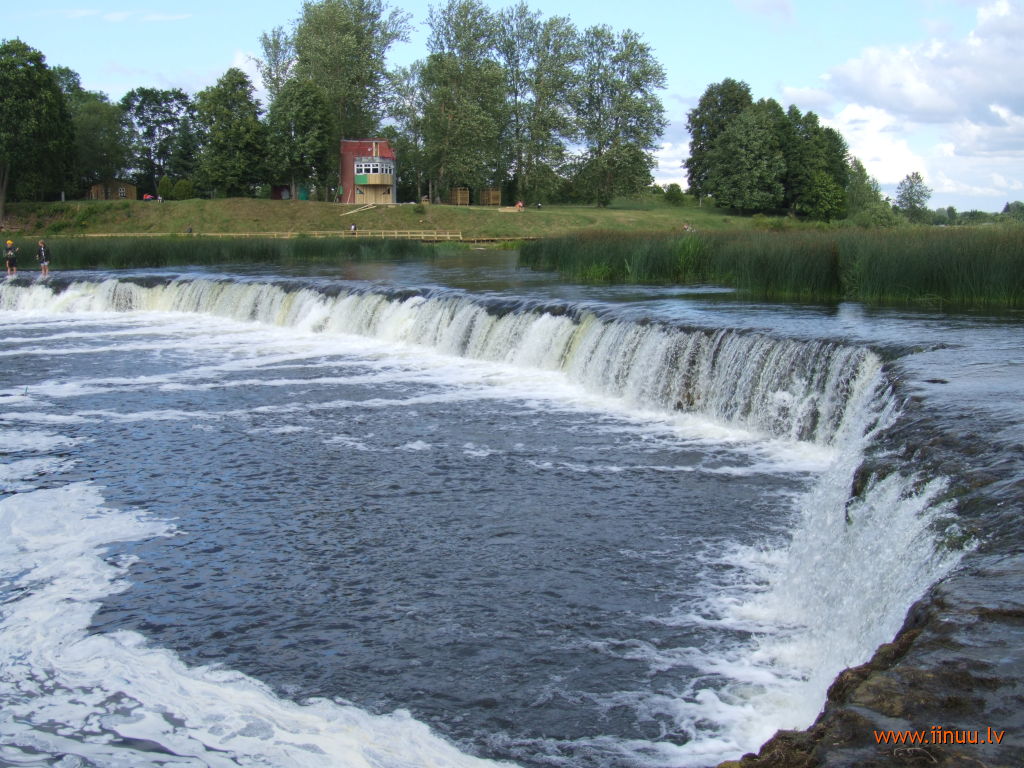
The longest but nonetheless most invigorating walk was through Kuldīga and also across the famous Ventas Rumba. The widest waterfall in Europe, 249 m wide and approximately 2 m high.
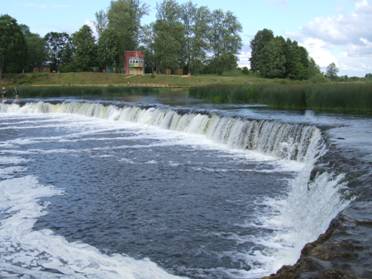
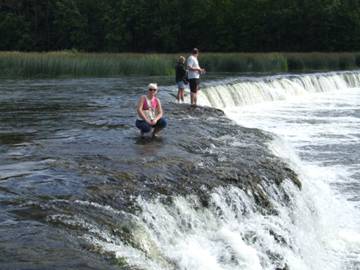
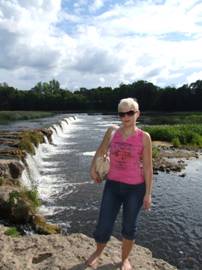
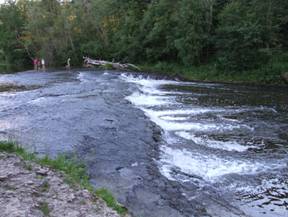
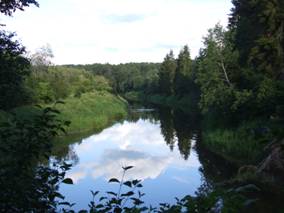
Between Renda and Sabile we visited two more natural formations. This time connected with the Abava river - Māra's Chamber and the Abava Rumba.
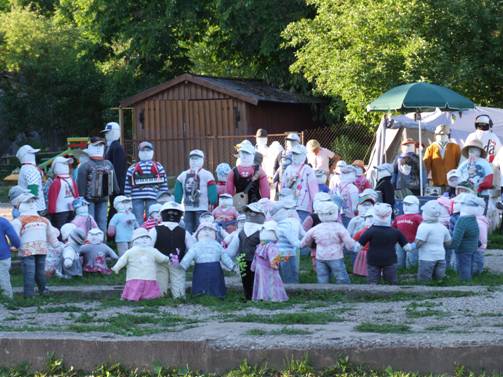
Finally, on the way home we were accompanied by a quirky collection of little human figures - dolls near a house in Sabile.
comments