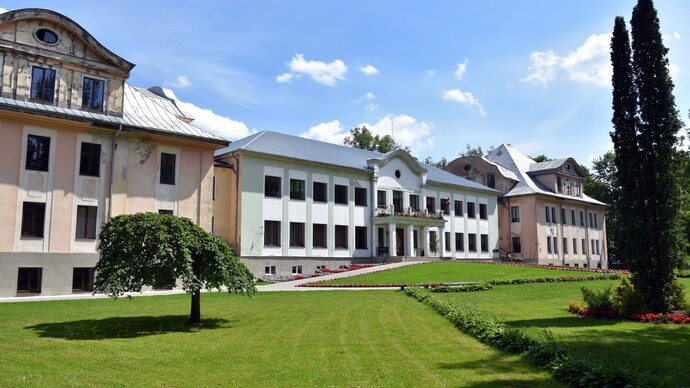
Malnava Manor, the Park, Šmakovka, Bunkers, and Hitler
During the Midsummer holidays we stopped in at Malnava, in the Kārsava municipality, to walk through the old Malnava Manor park, find Hitler's bunkers, and take a look at the recently opened Latgale Šmakovka Distillery. Almost no one was to be seen - evidently owing to the hot, muggy weather, as it was Midsummer Friday and the more avid revellers were still recovering.
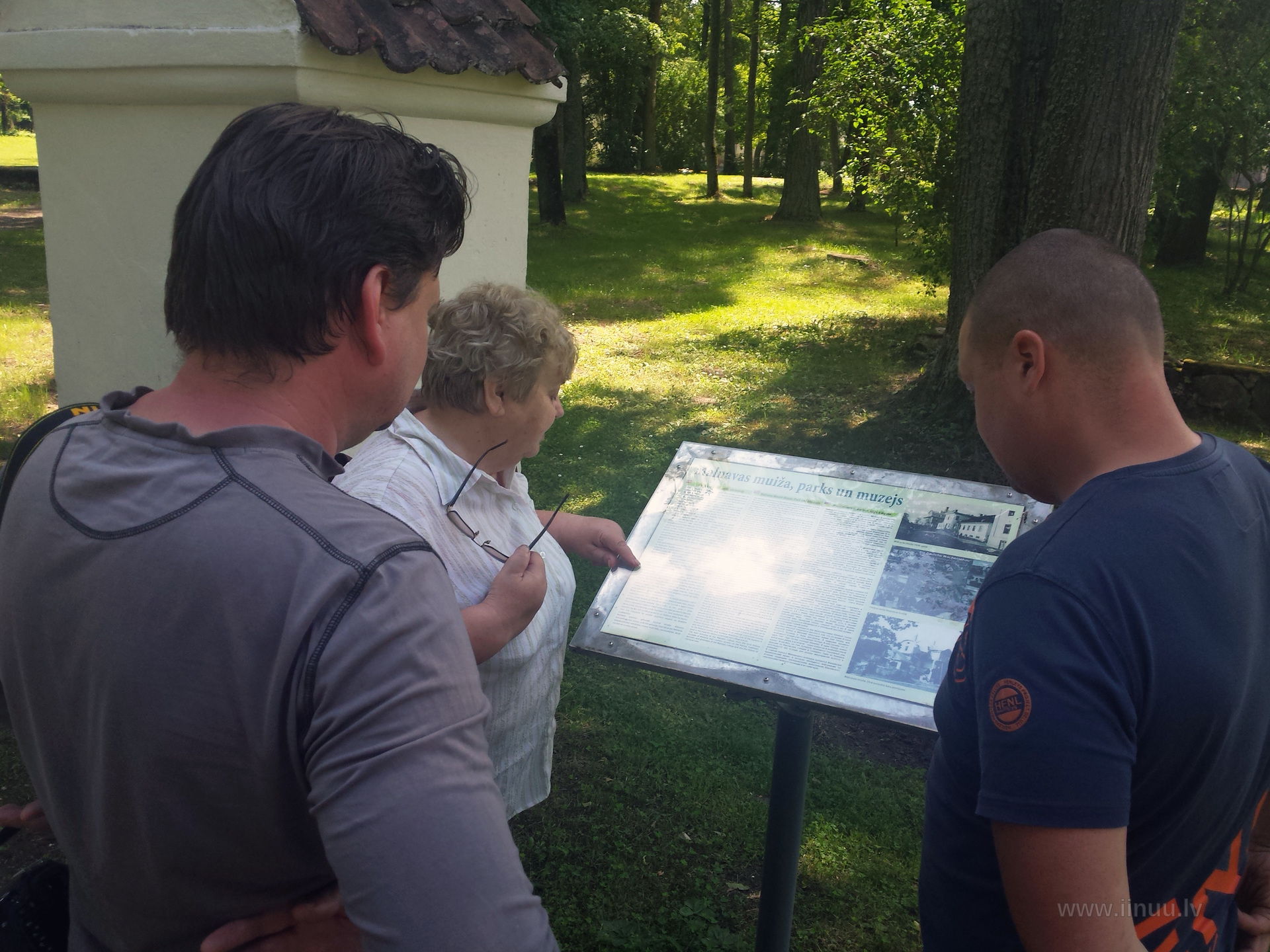
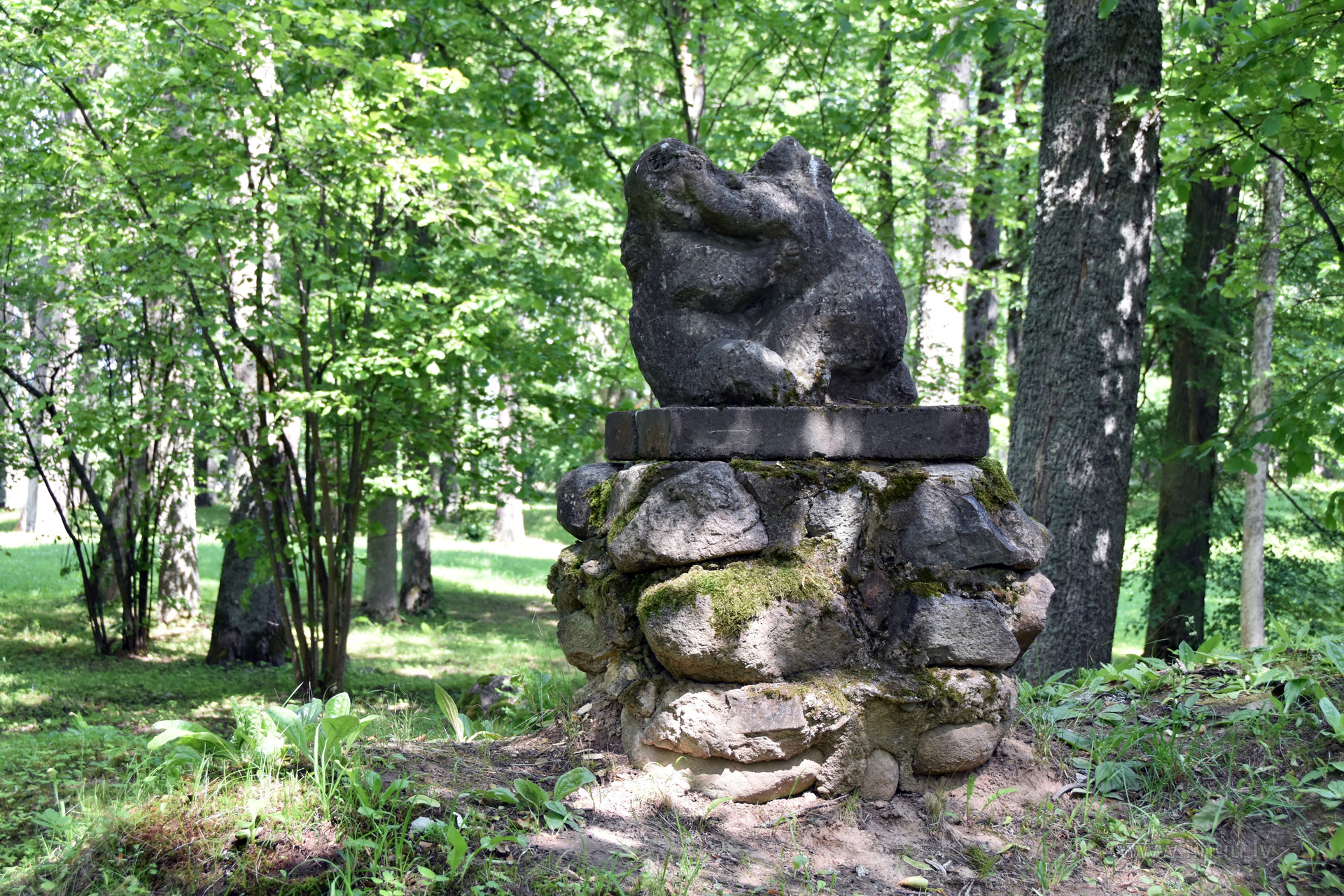
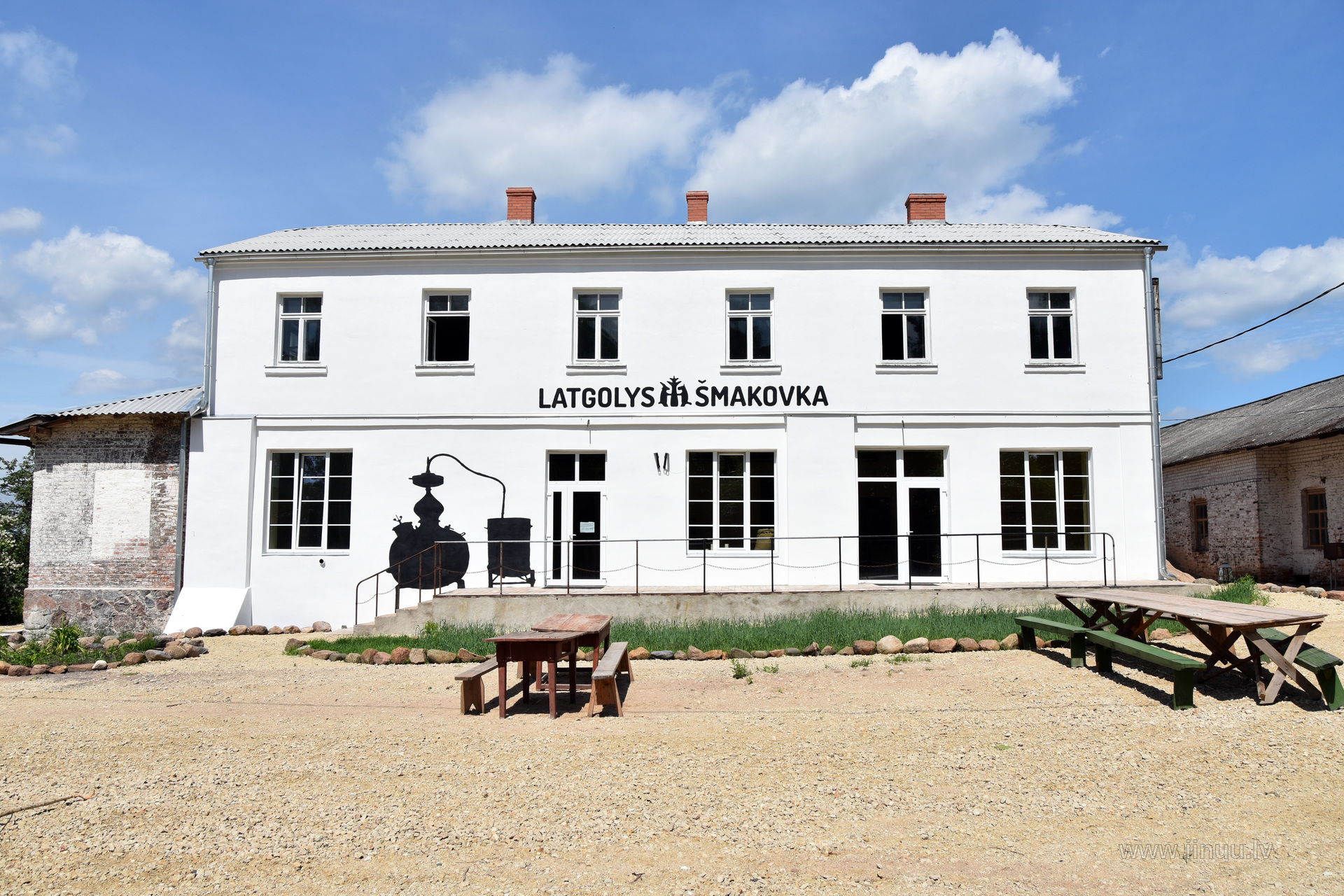
The Latgale Šmakovka Distillery doors were also closed. We could only admire the renovated façade, the tables in the shade of the trees in keeping with the theme, and a number of overturned chairs - as befits the place after celebrations. Instead, we read the history of the site on the information board, walked through the manor park, found a little hillock called the Hill of Love (we speculated that there may once have been a manor pavilion here), and came across a small sculpture called Lācīši (Little Bears).
Malnava Manor and the Szadurski Family
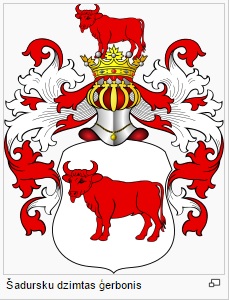
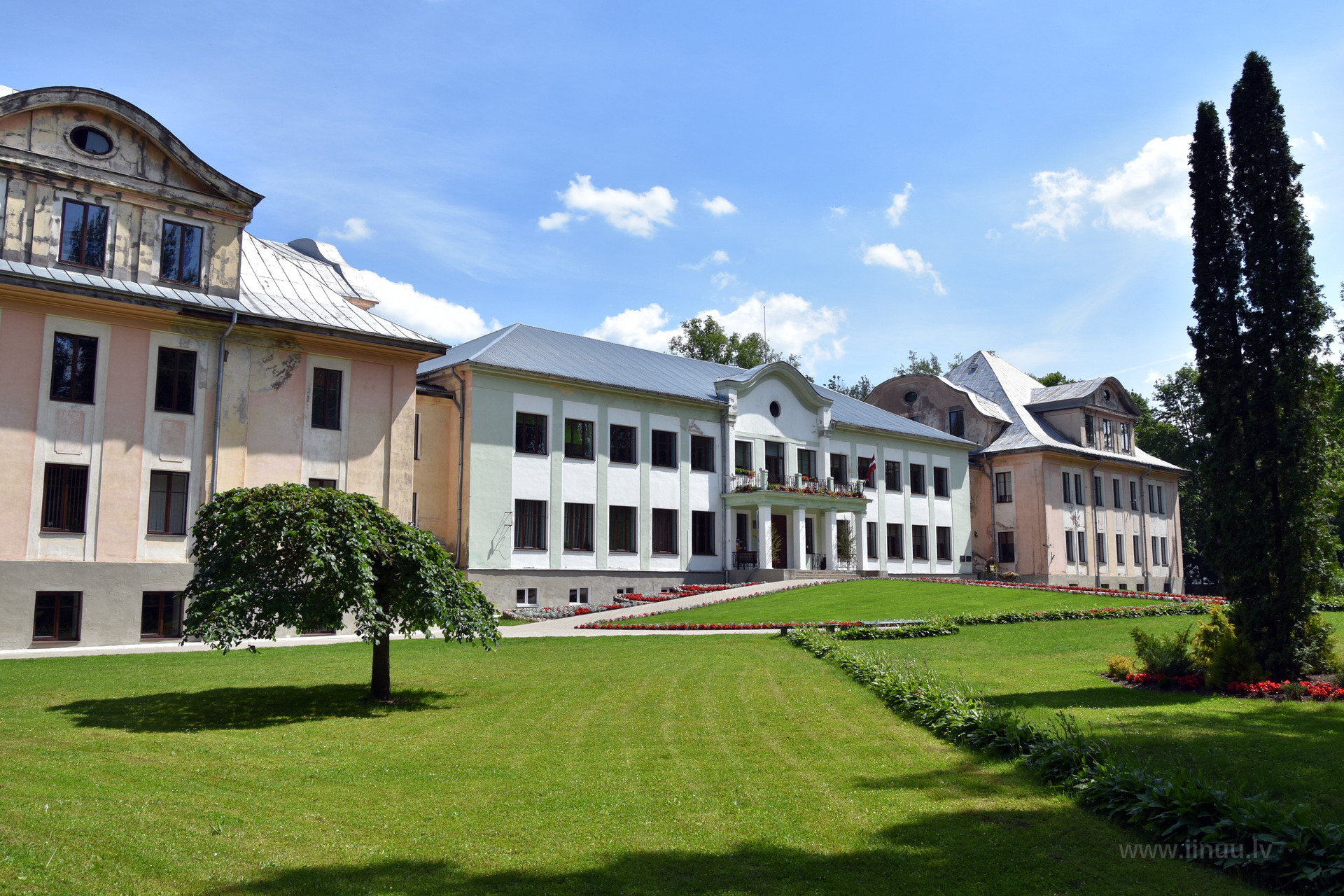
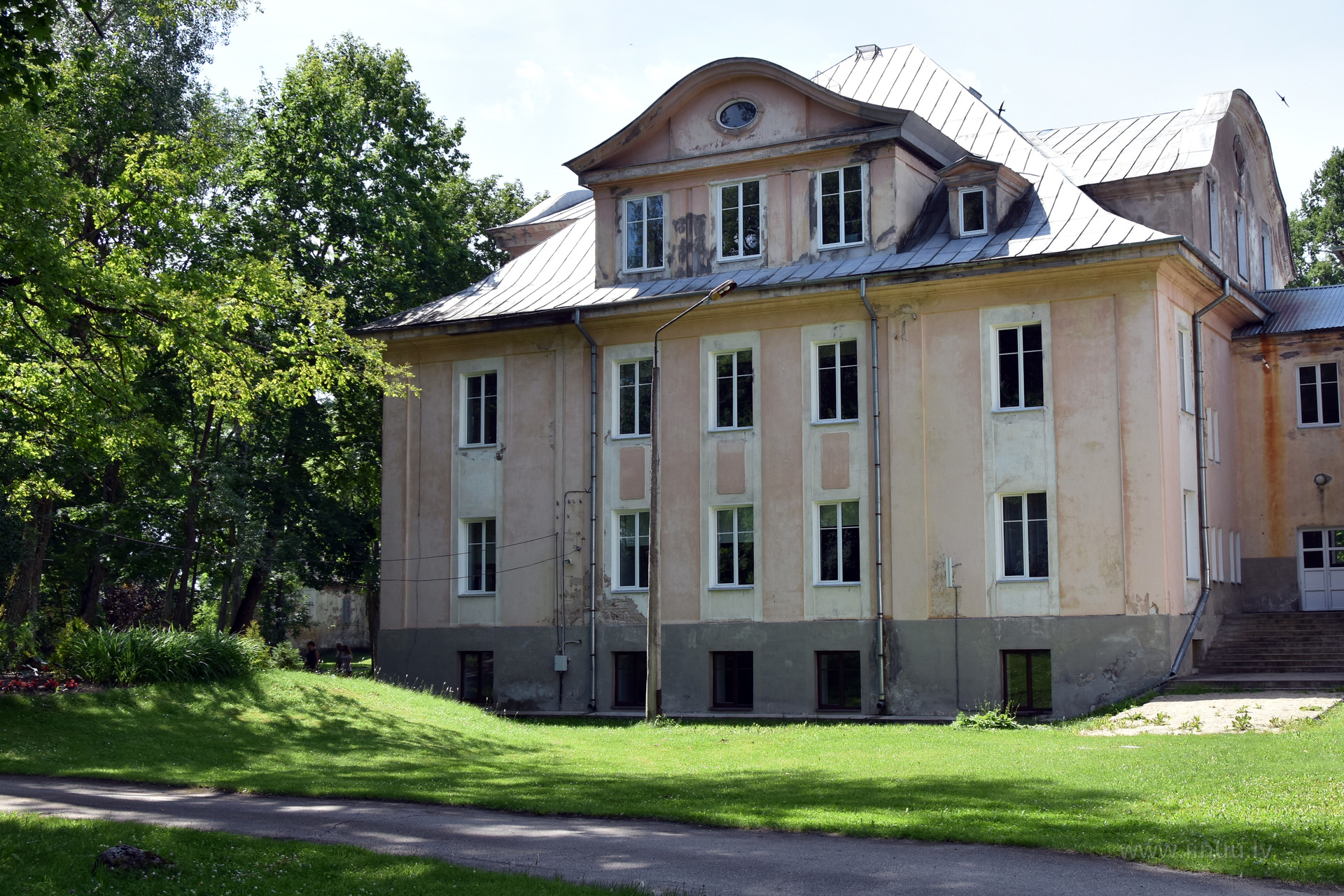
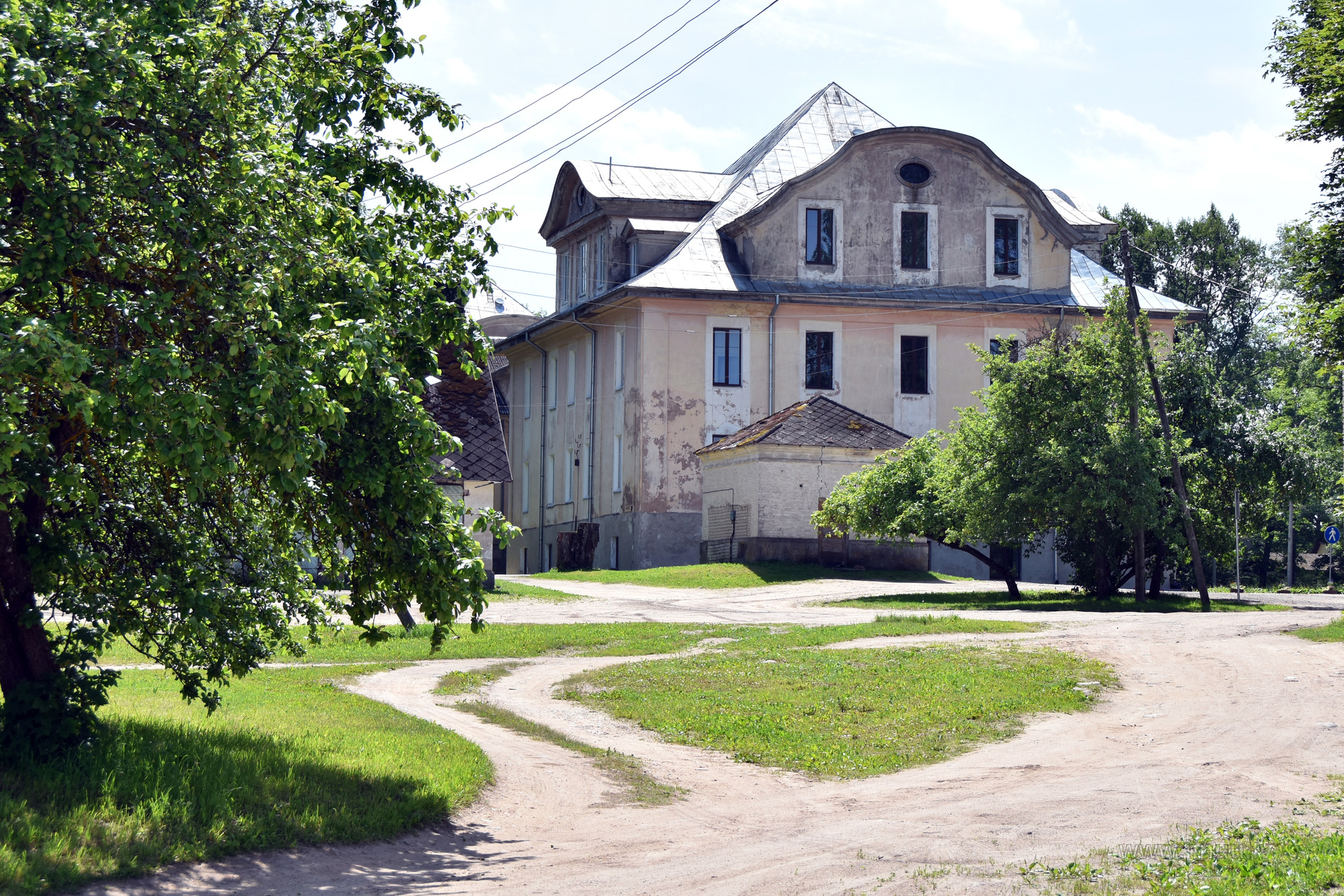
Malnava Manor is first mentioned in written sources in 1774, though it is known that since 1724 it belonged to the Baltic German von Hitzen family, who had arrived in Latvia in the 13th century and later became polonised. In the 18th century, when a von Hitzen daughter married Jan Szadurski, Malnava Manor passed into the ownership of the Szadurski family.
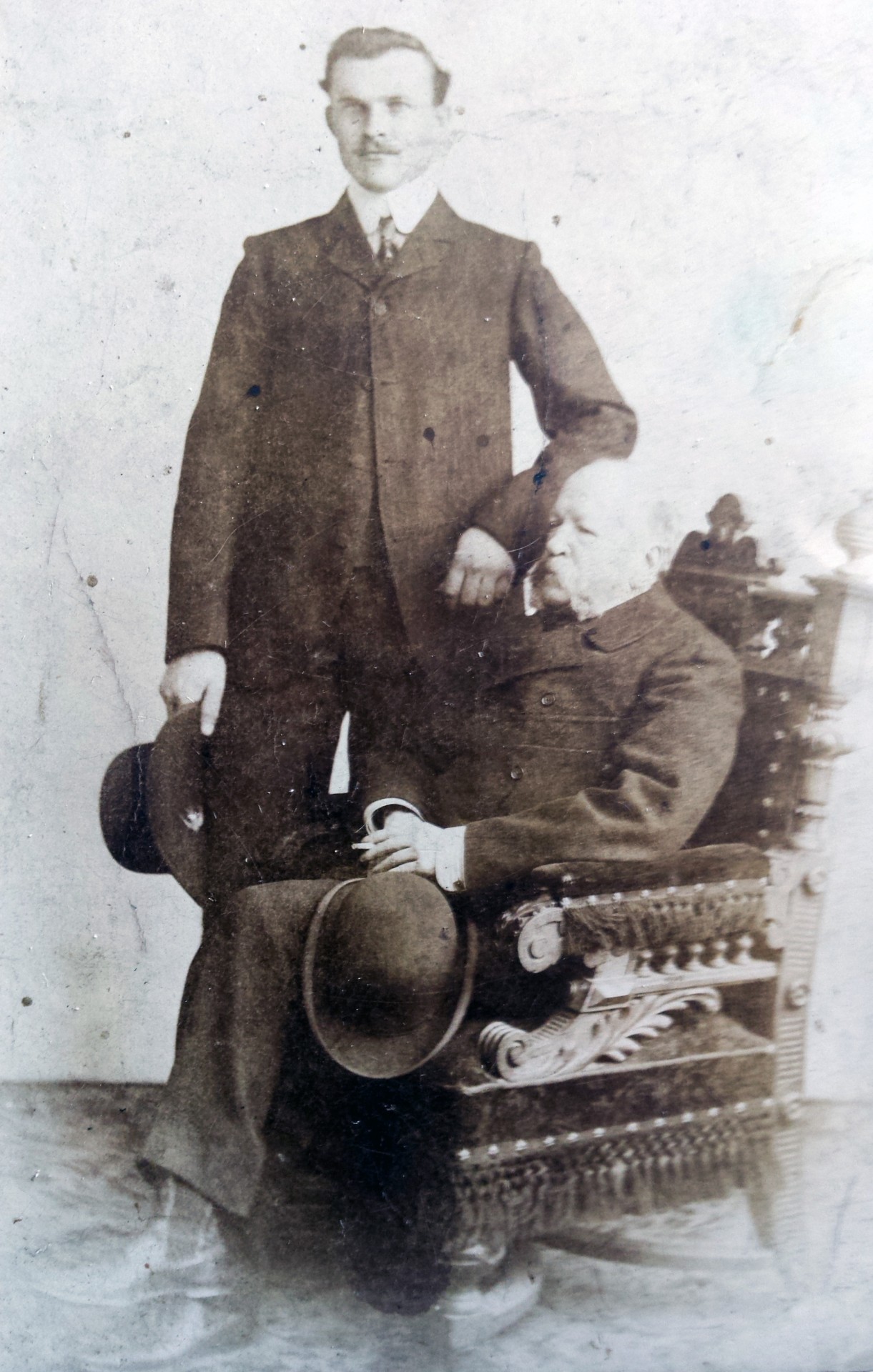
The name of the nobleman Szadurski is not unfamiliar to me - it was heard in my grandparents' home as well, for my great-grandfather's father Vikentijs Svōpuļs was the nobleman's assistant and secretary (see the photograph below from my grandfather's personal album). The latter, by all accounts, was quite tall, handsome, and distinguished-looking, so that on longer trips to Poland and France, in cafés and hotels, the two were sometimes confused. My great-great-grandfather was occasionally addressed as the nobleman, and Szadurski himself as the assistant, for he in turn was of slight build and less imposing. Well, as the saying goes - don't judge a man by his hat!
Malnava Manor in the Period of Latvia's First Independence
In 1920 the manor buildings, park, and 12,402 ha of land were nationalised and, as one of the more distinguished manors, included in the State Land Fund. In 1928 the building was rebuilt and adapted for the needs of an Agricultural School. An Agricultural College continues to be housed in the building to this day.
Hitler's Visit to Malnava
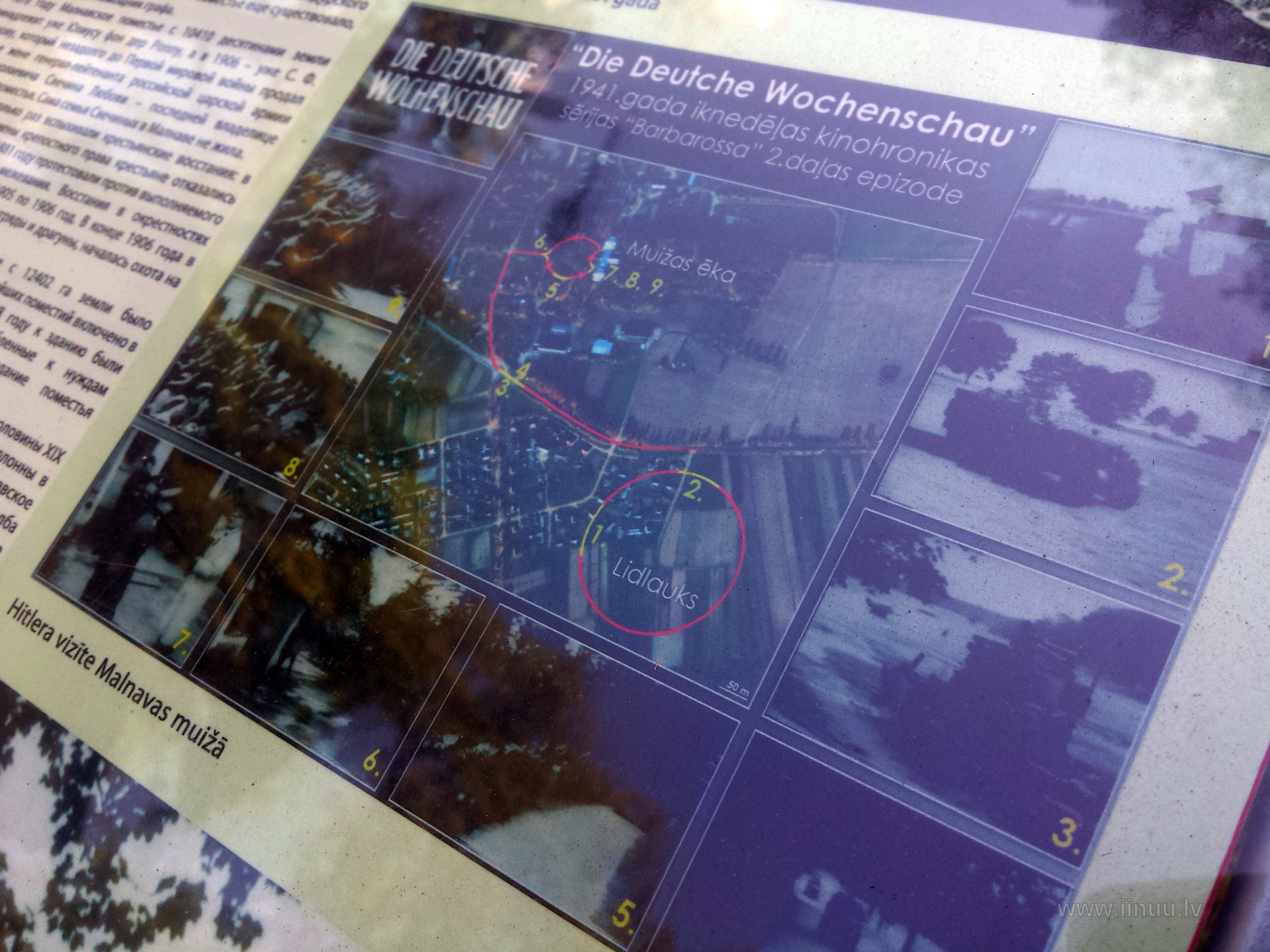
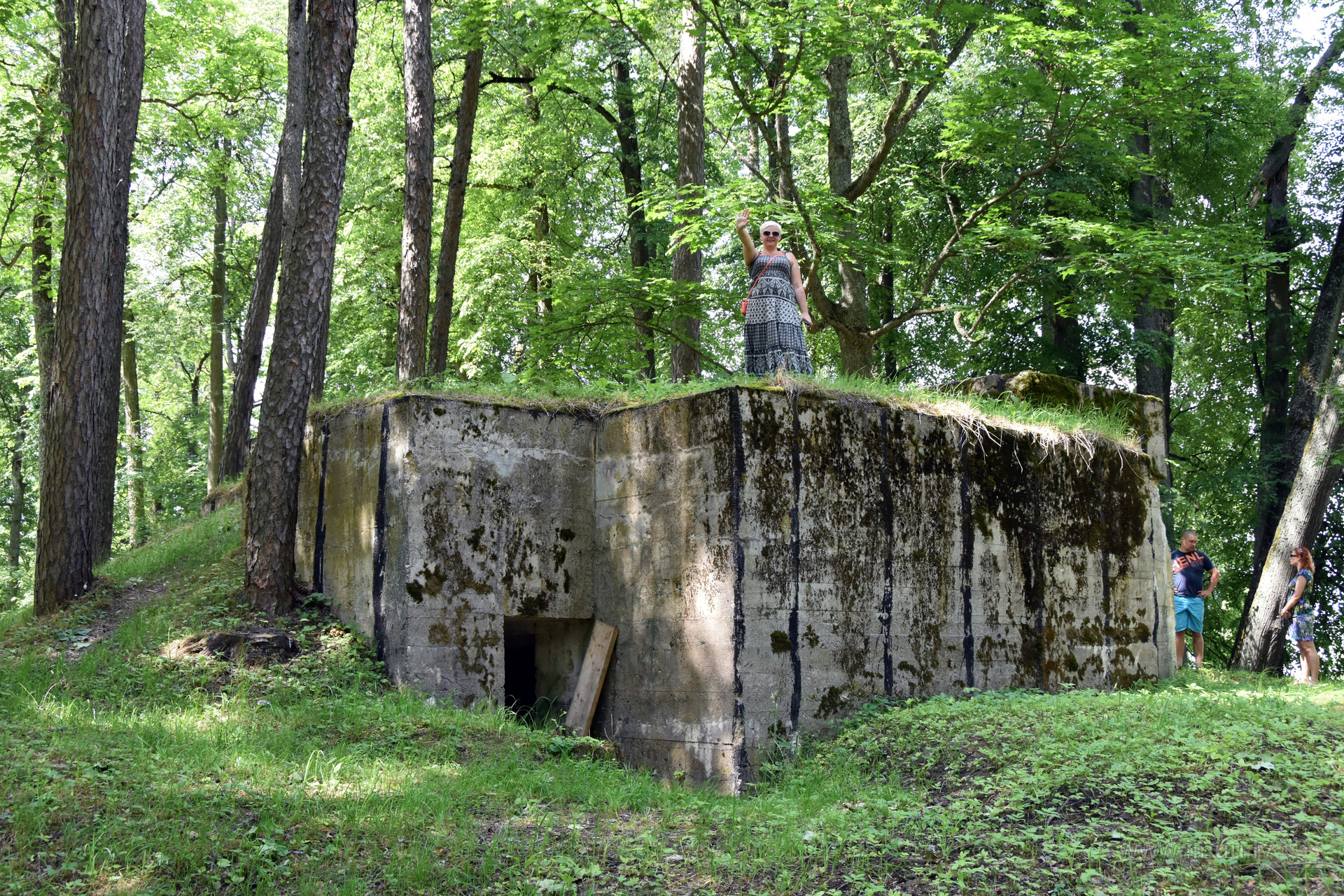
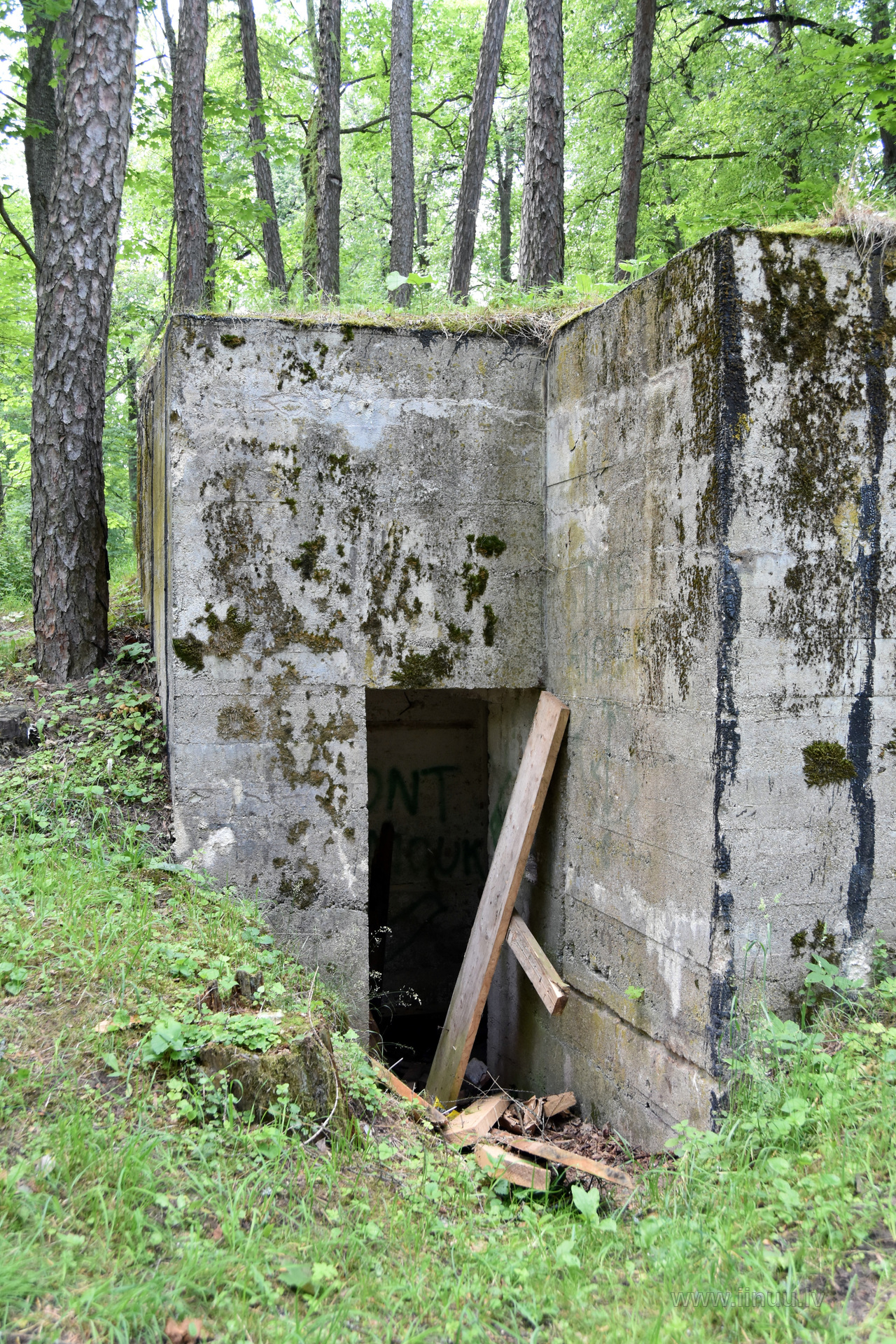
Two reinforced concrete bunkers have been preserved in the manor park. Testimony has also survived that during the Second World War, Malnava was the one place in Latvia visited by the Führer. While in Latvia there are only the timid whispered accounts of a few elderly people and more of a silence in the historical record, the German chronicles record this fact very precisely - on 21 July 1941, Hitler arrived in Malnava to deliver an encouraging speech to German soldiers and to hold a conference at the Wehrmacht Army Group North headquarters, which was stationed in the manor at the time.
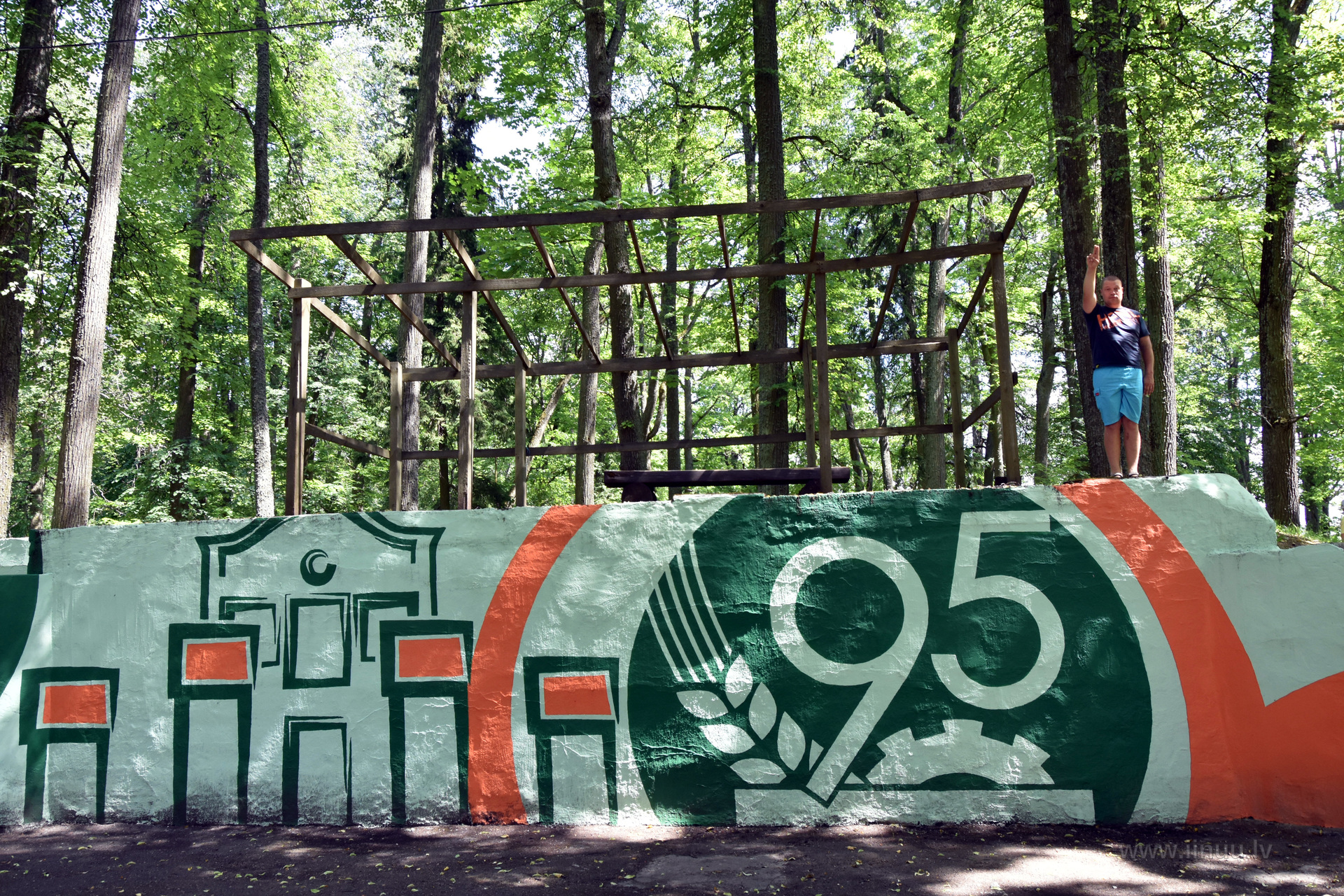
And security must be provided - hence a full two bunkers. One can be entered through a door, the other through a hatch in the reinforced concrete roof. Naturally, on that day both entrances were closed, lest some inquisitive explorer, crawling in on their own initiative, break their neck. It is said that from the bunkers a long underground passage runs to Kārsava station and Goliševo. One of the bunkers is currently brightly painted and used as a stage for local events.
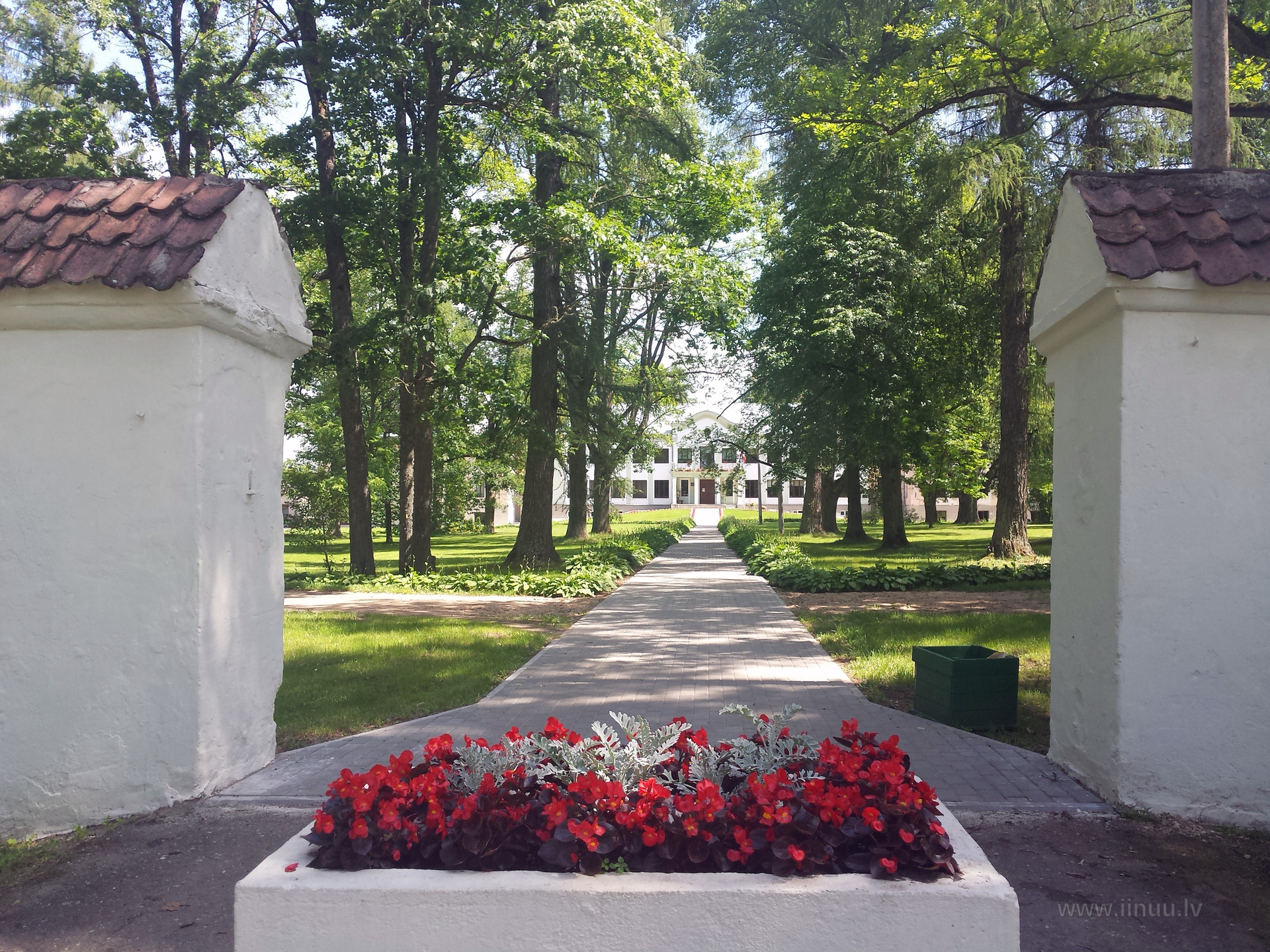
It is noteworthy that the road to Malnava Manor passes through white gates - four white-painted masonry posts with tiled roofs. Identical gate posts flash past in a wartime German newsreel film. Hmm - could this really be such an unambiguous piece of evidence?!
Malnava Manor Park
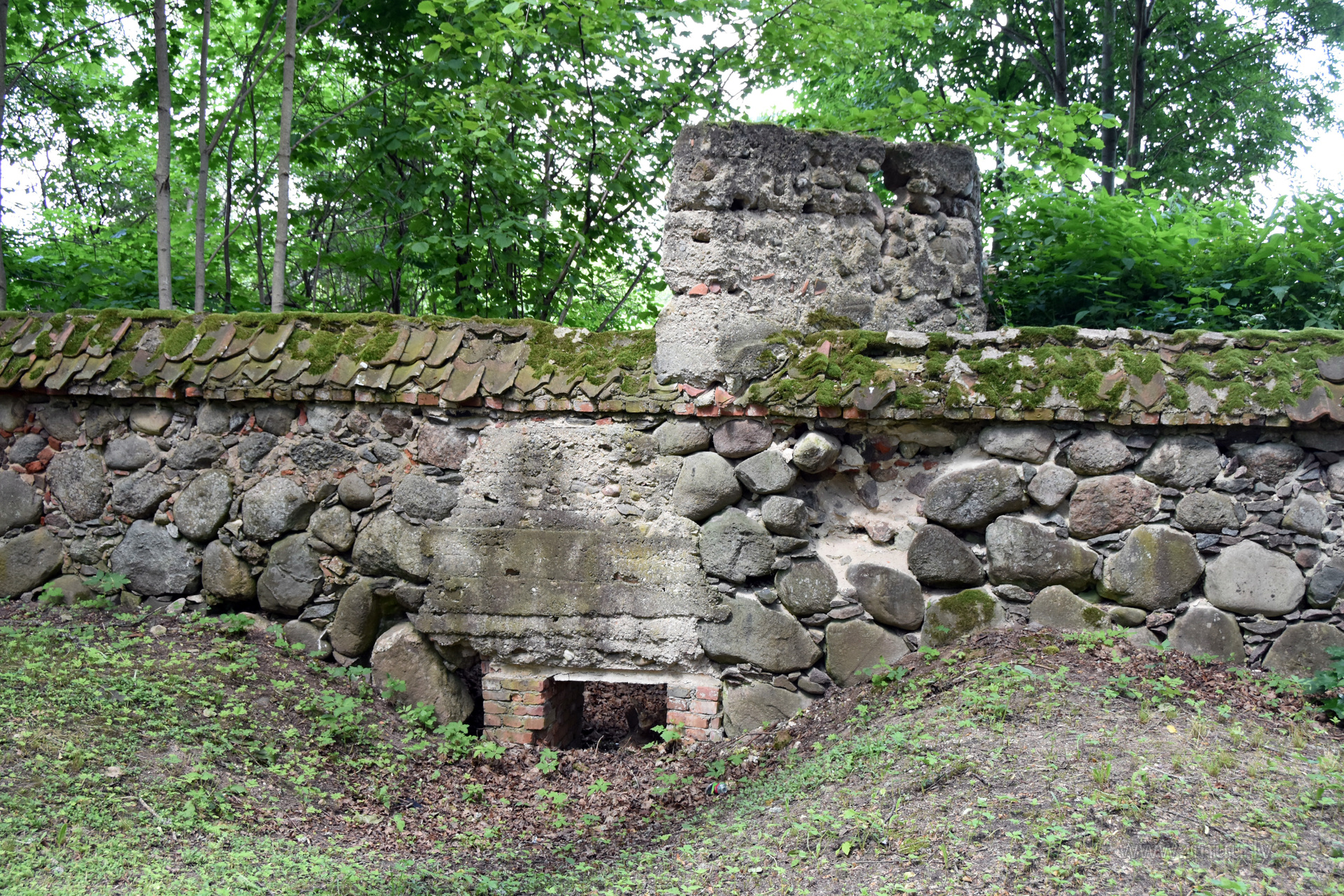
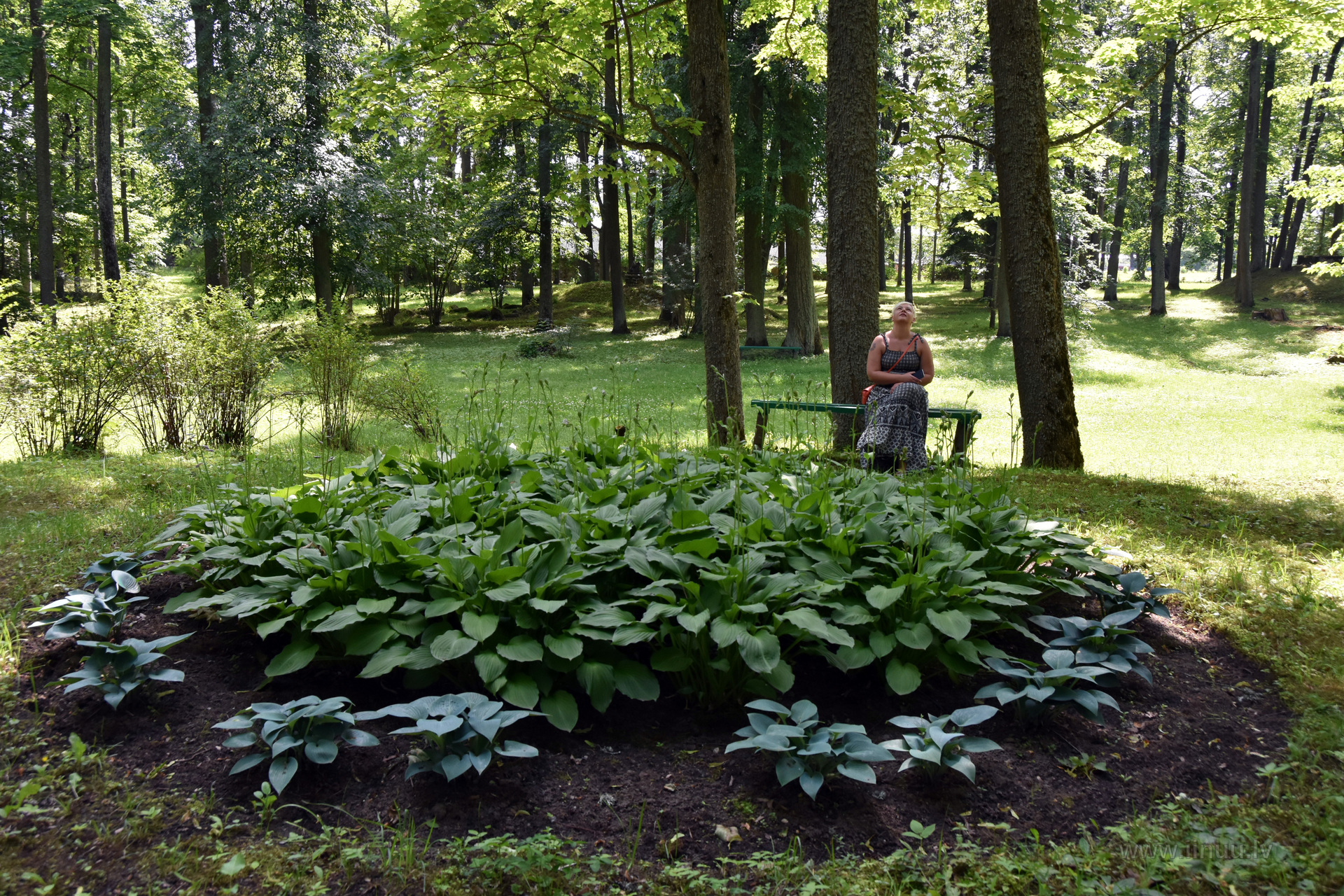
One of the oldest parks in Latvia, planted during the time of Count Szadurski around 1830. The park is still partially enclosed by a preserved stone wall. The park covers a total area of 18 ha.
The nobleman himself was greatly fond of nature, had an interest in horticulture, and was particularly keen on exotic trees and shrubs. Among the native tree species - maples and ash trees - one finds white fir, arborvitae, tree of heaven, Tatar maple, balsam poplar, walnut, and others.
comments