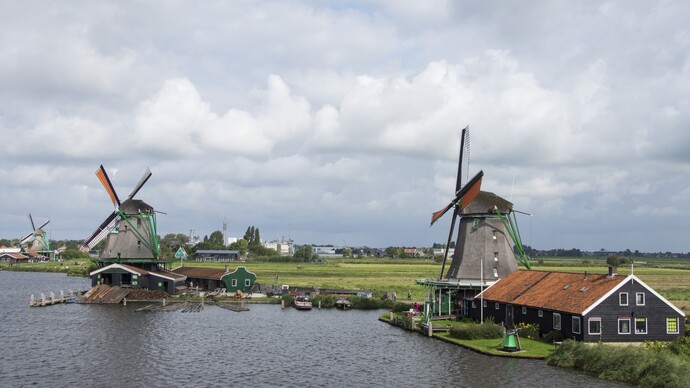
Zaanse Schans - Traditional Netherlands
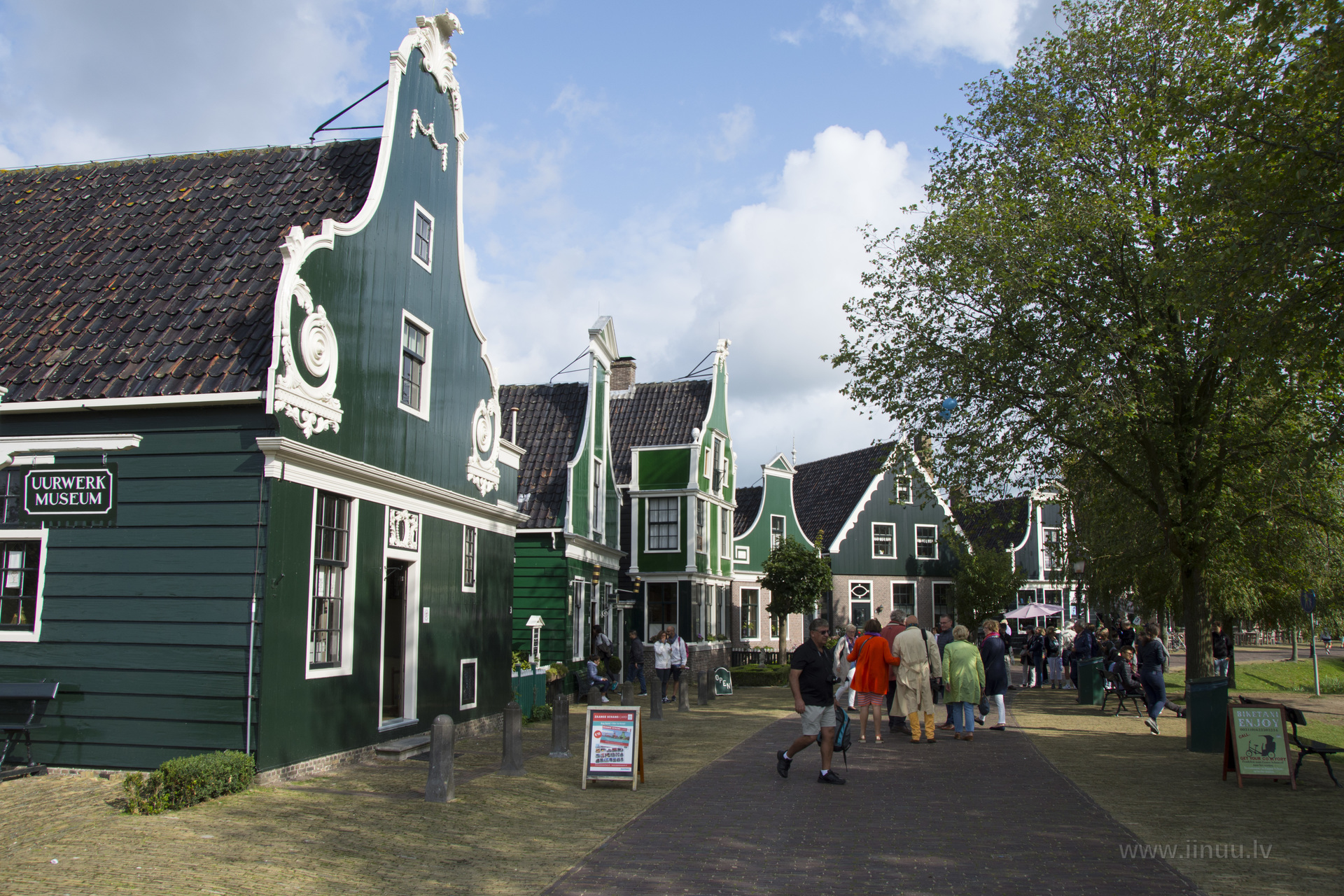
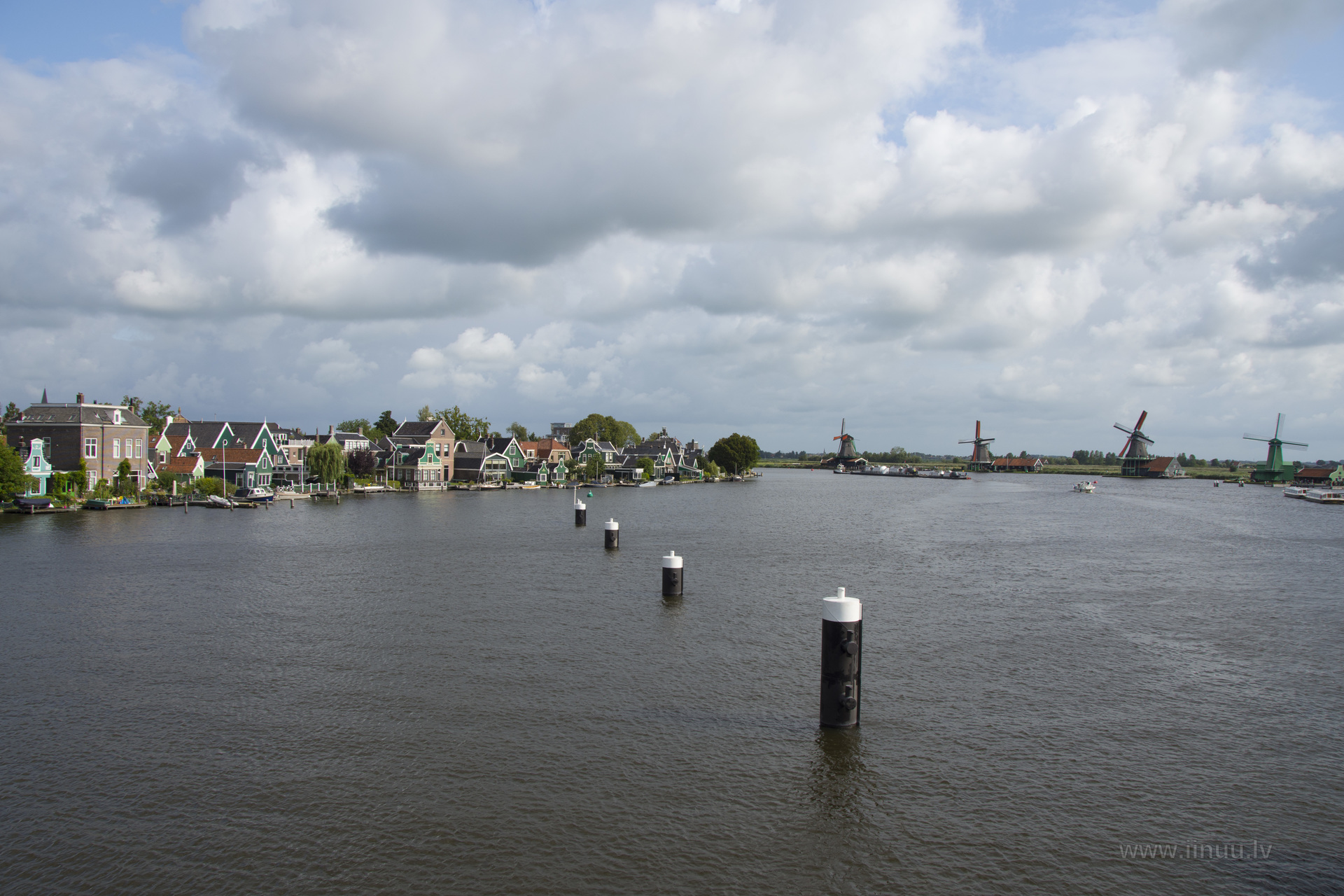
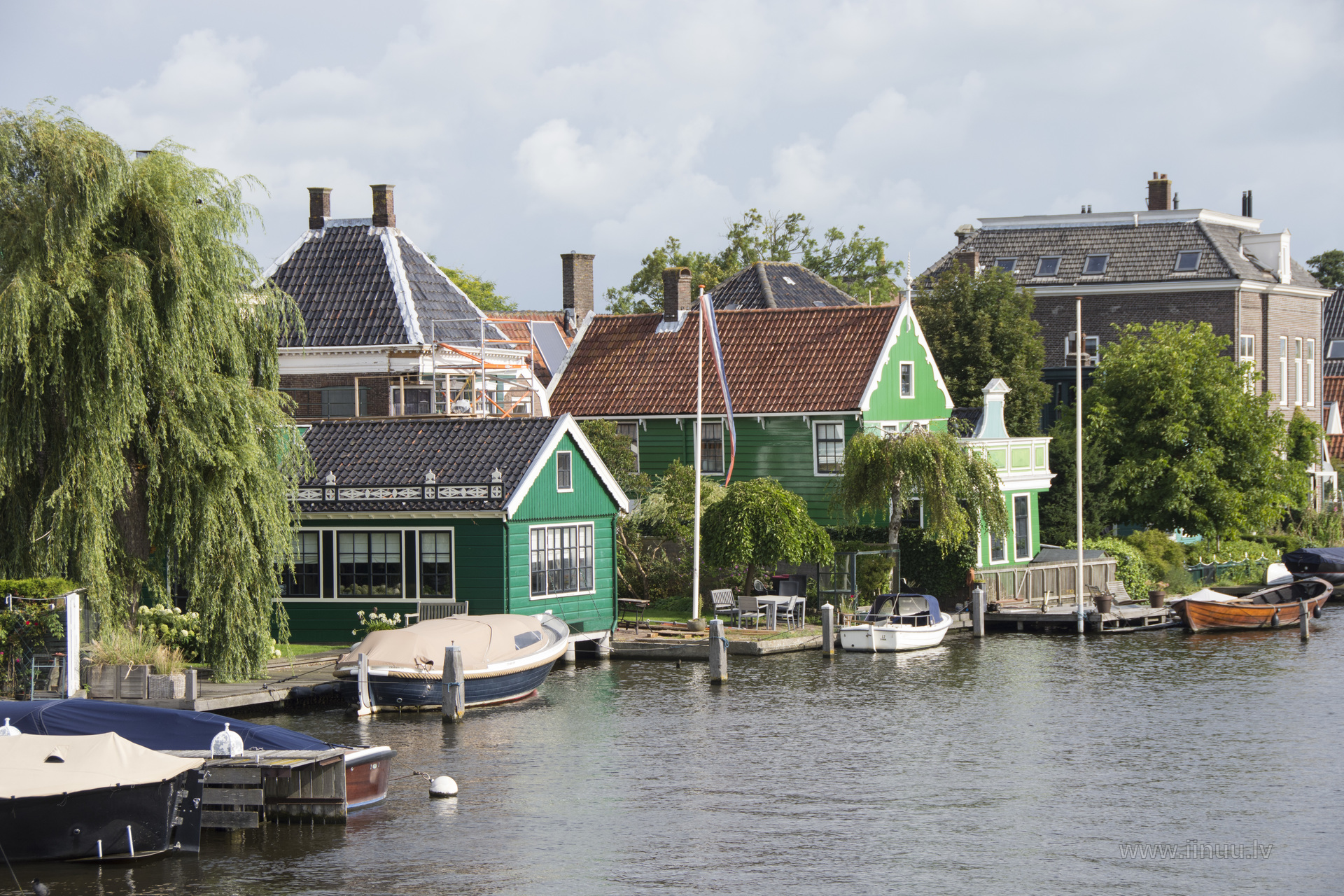
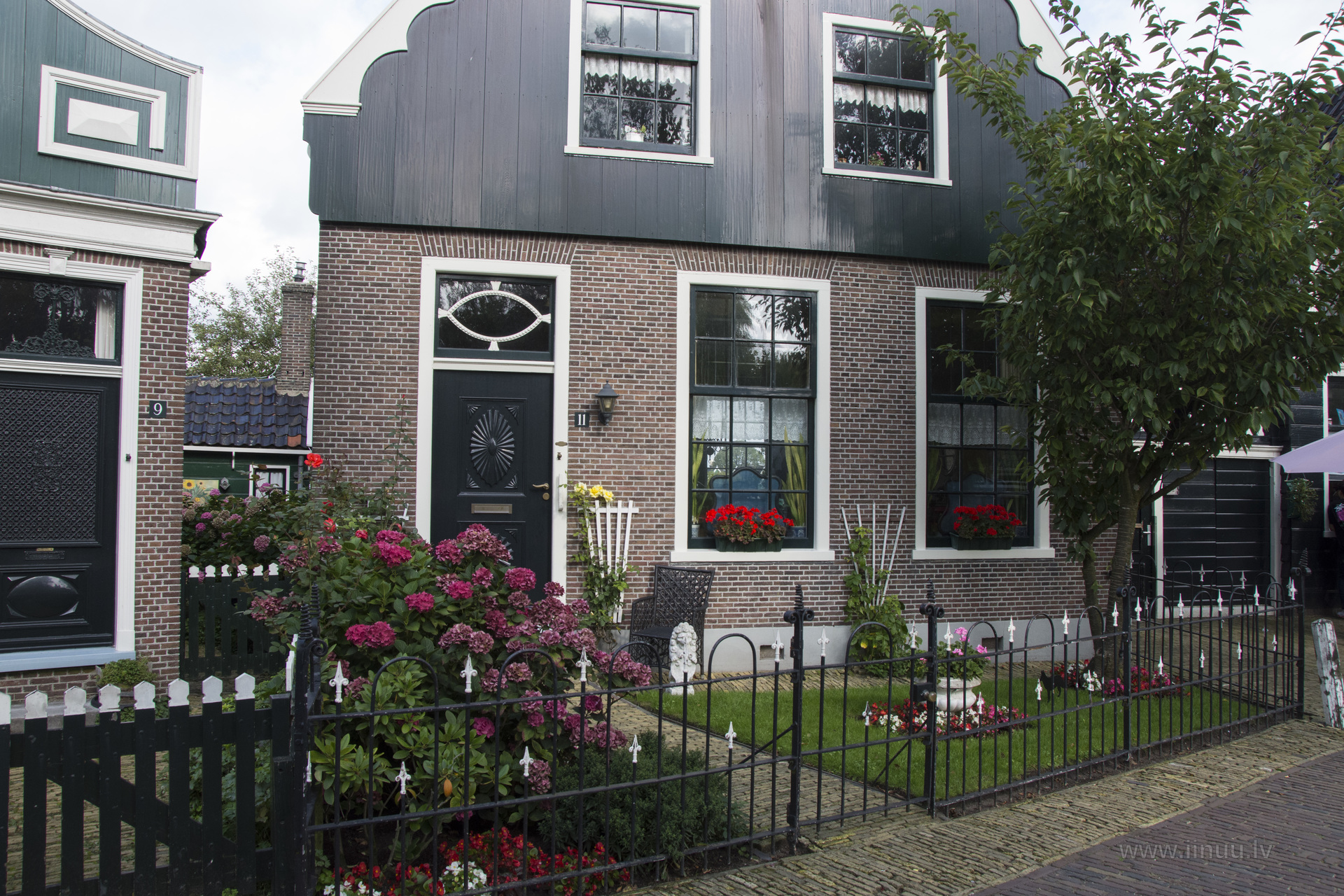
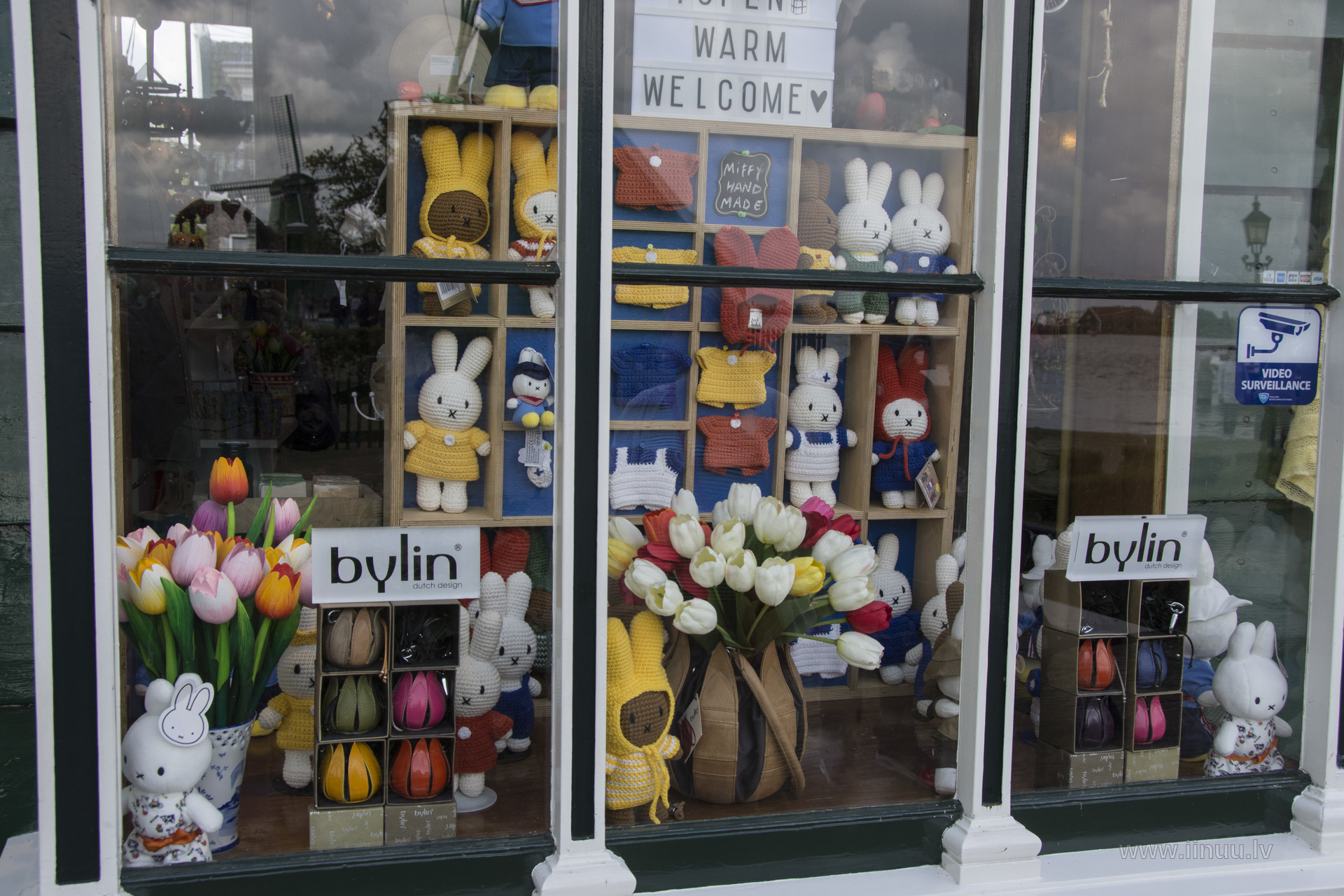
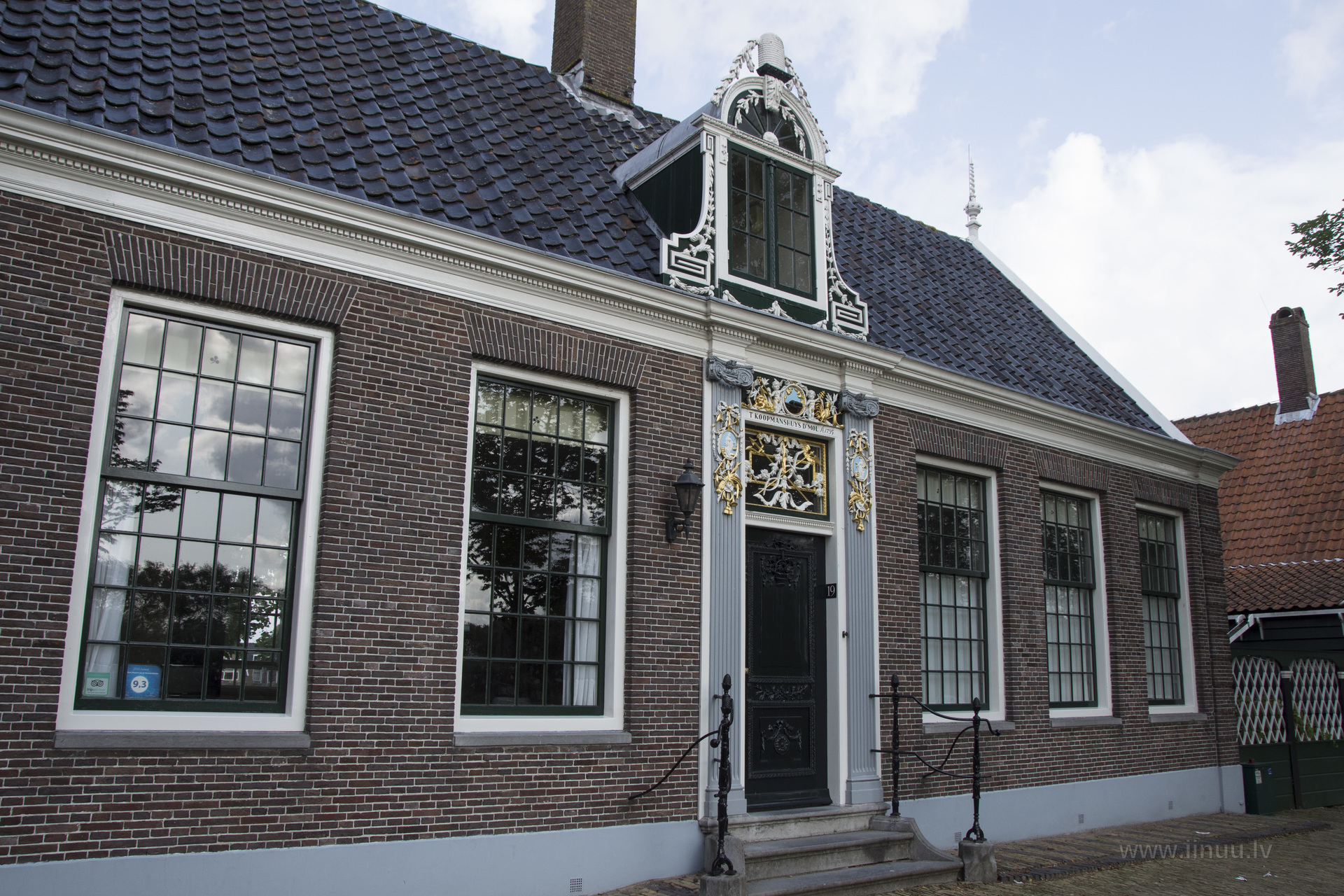
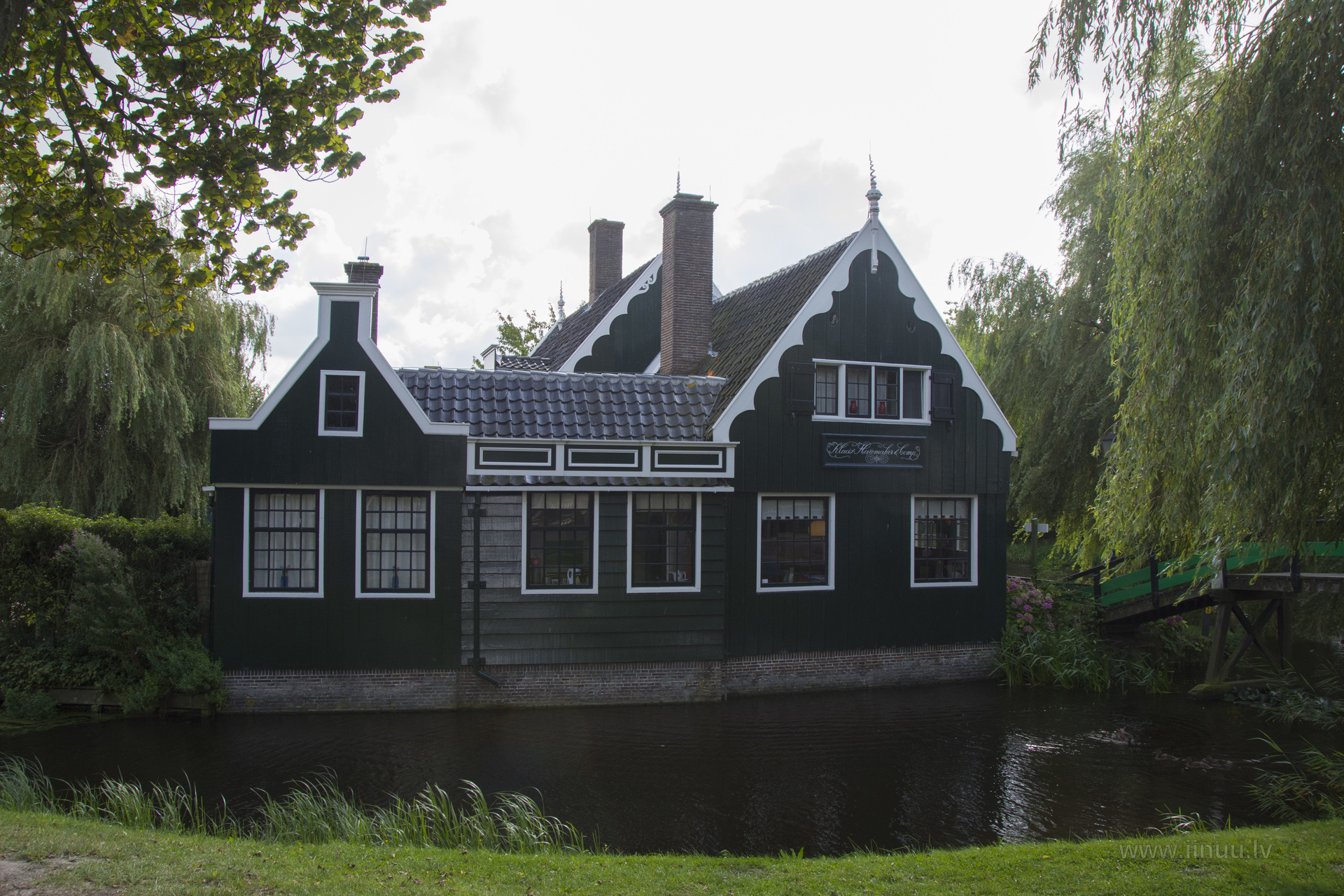
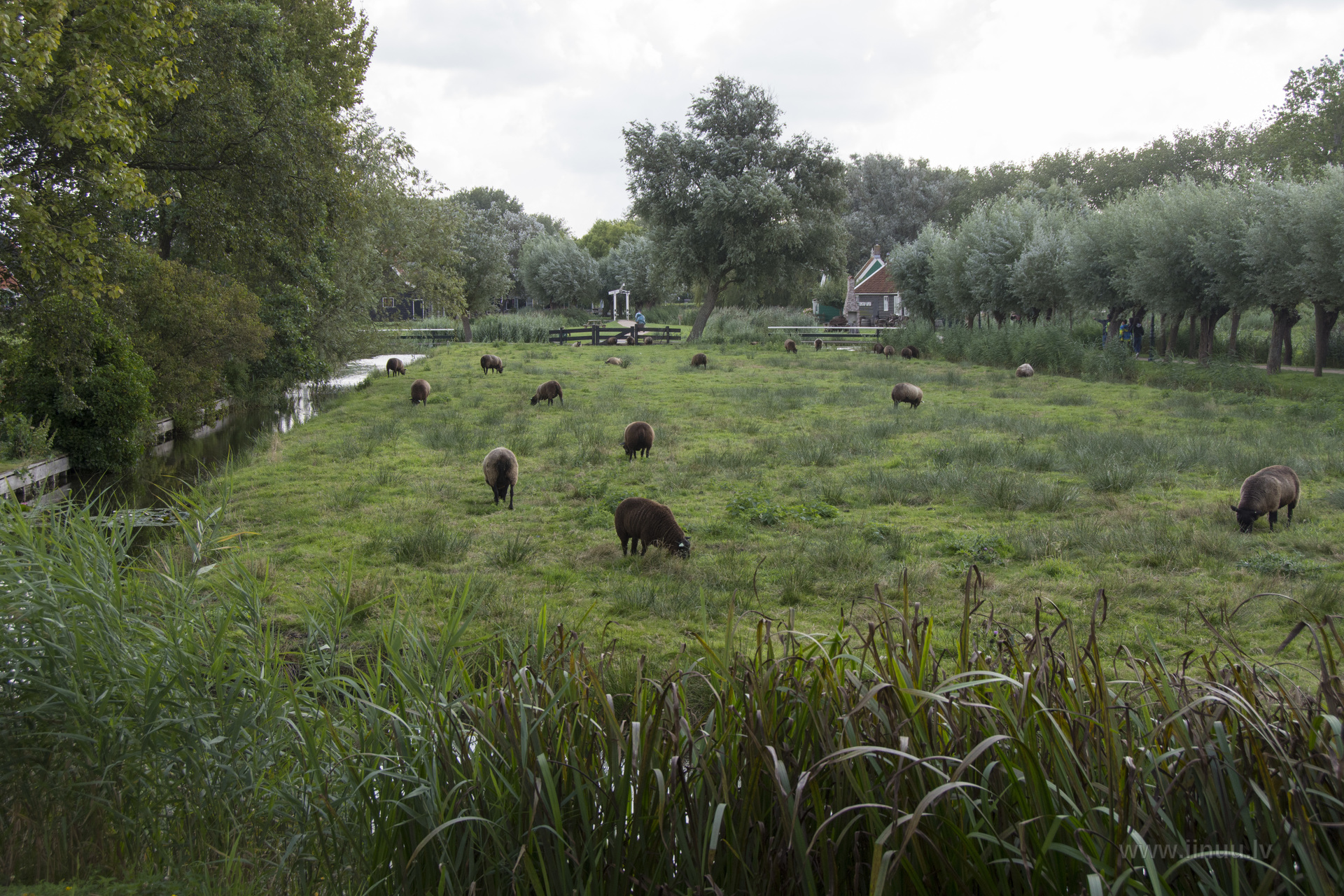
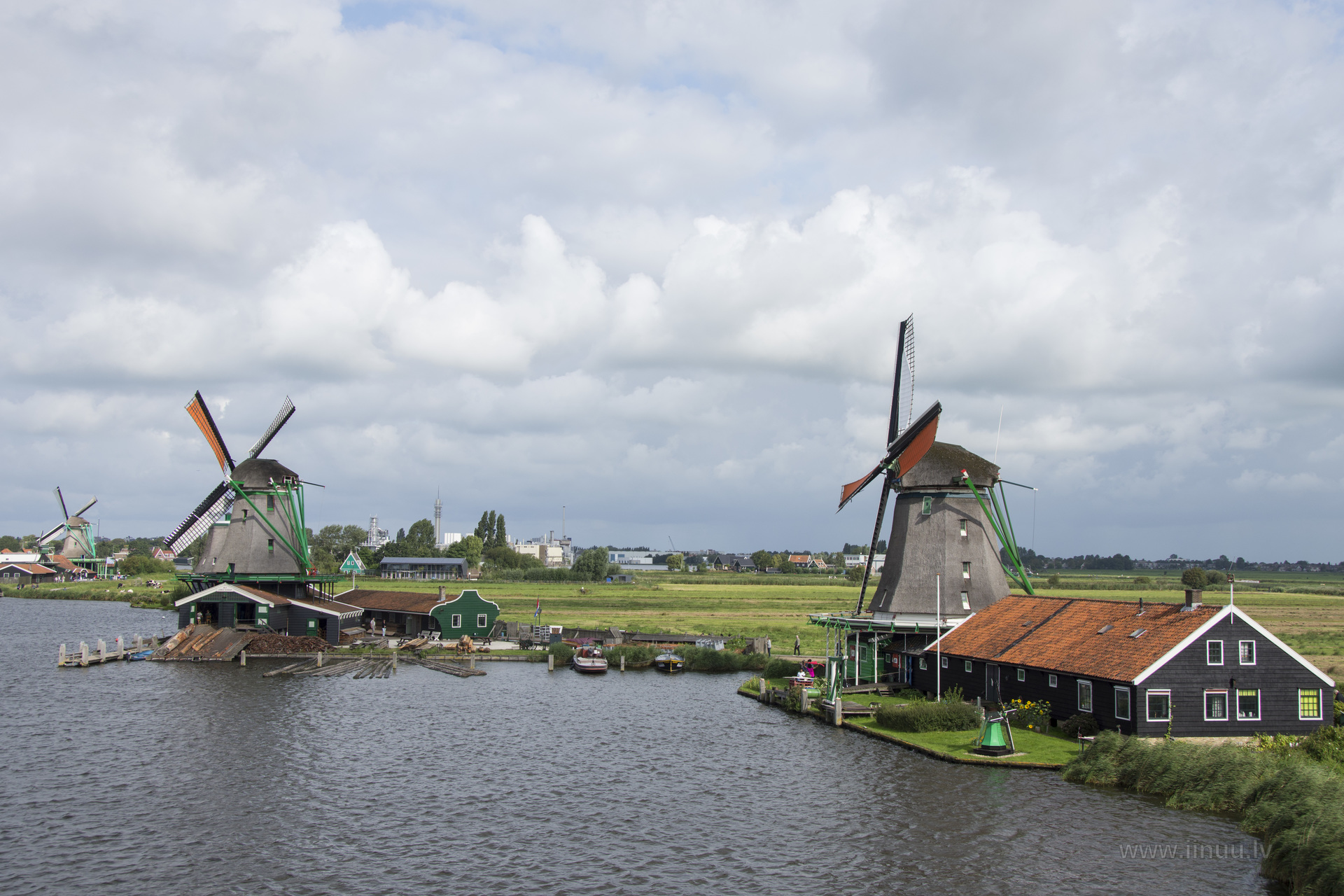
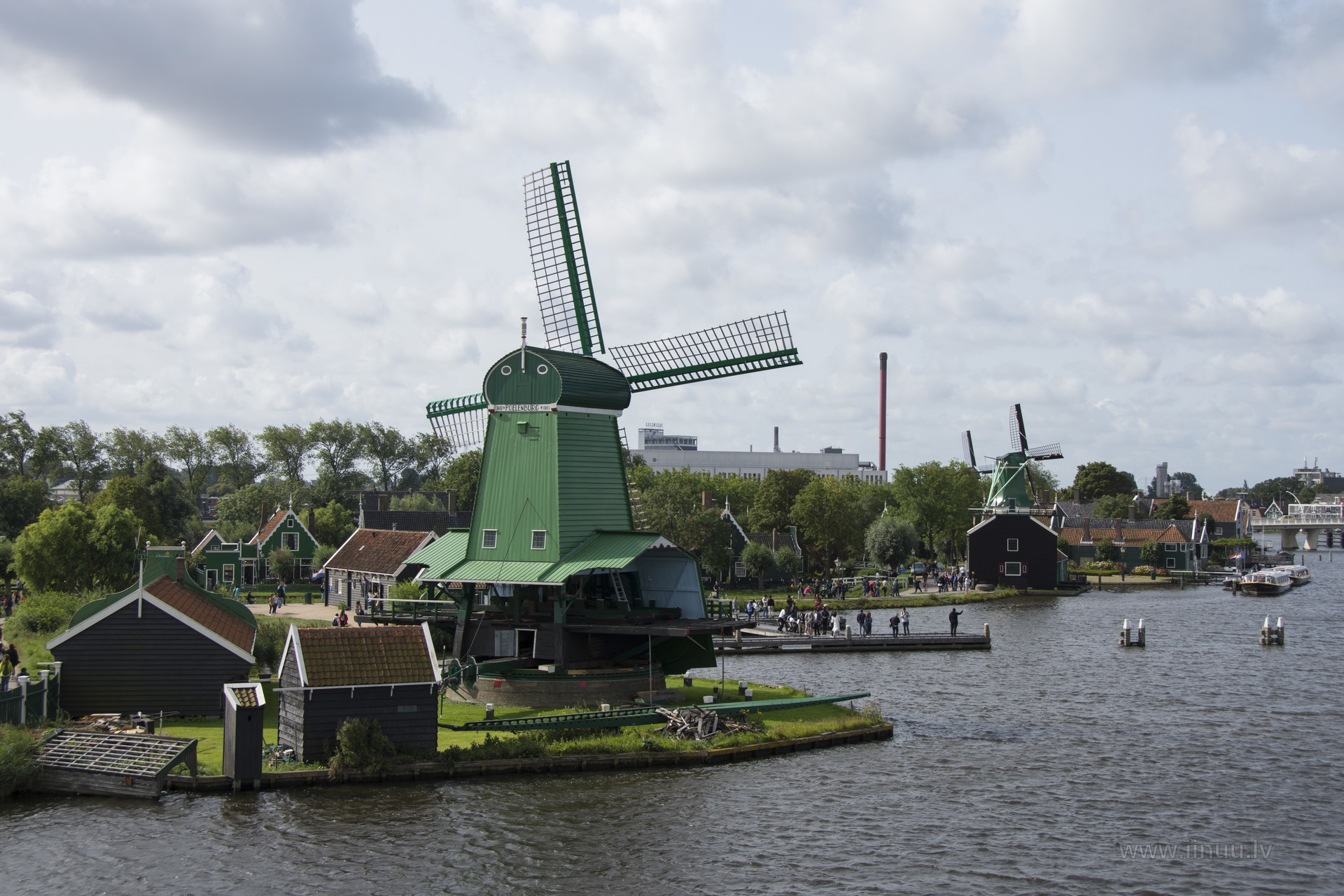
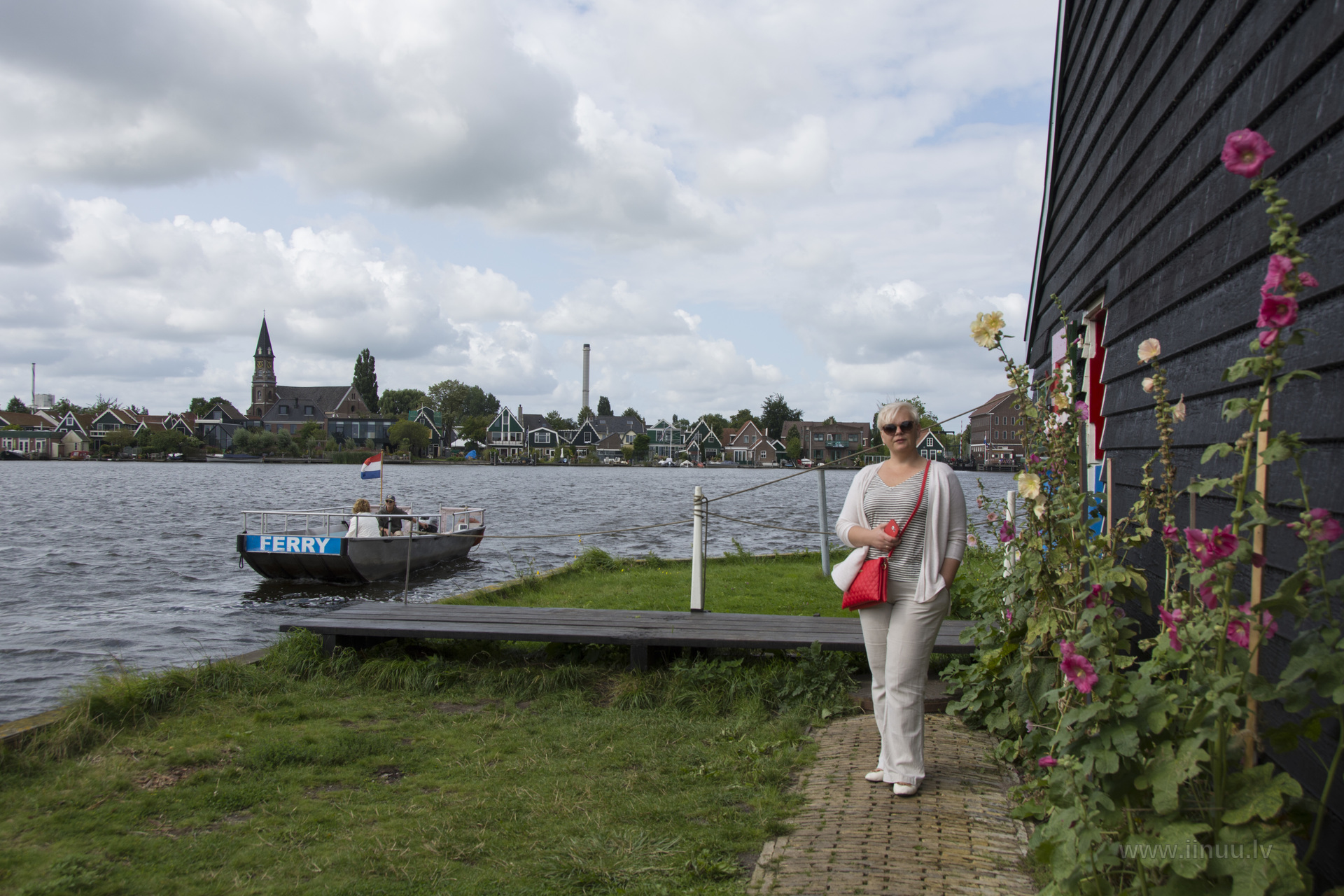
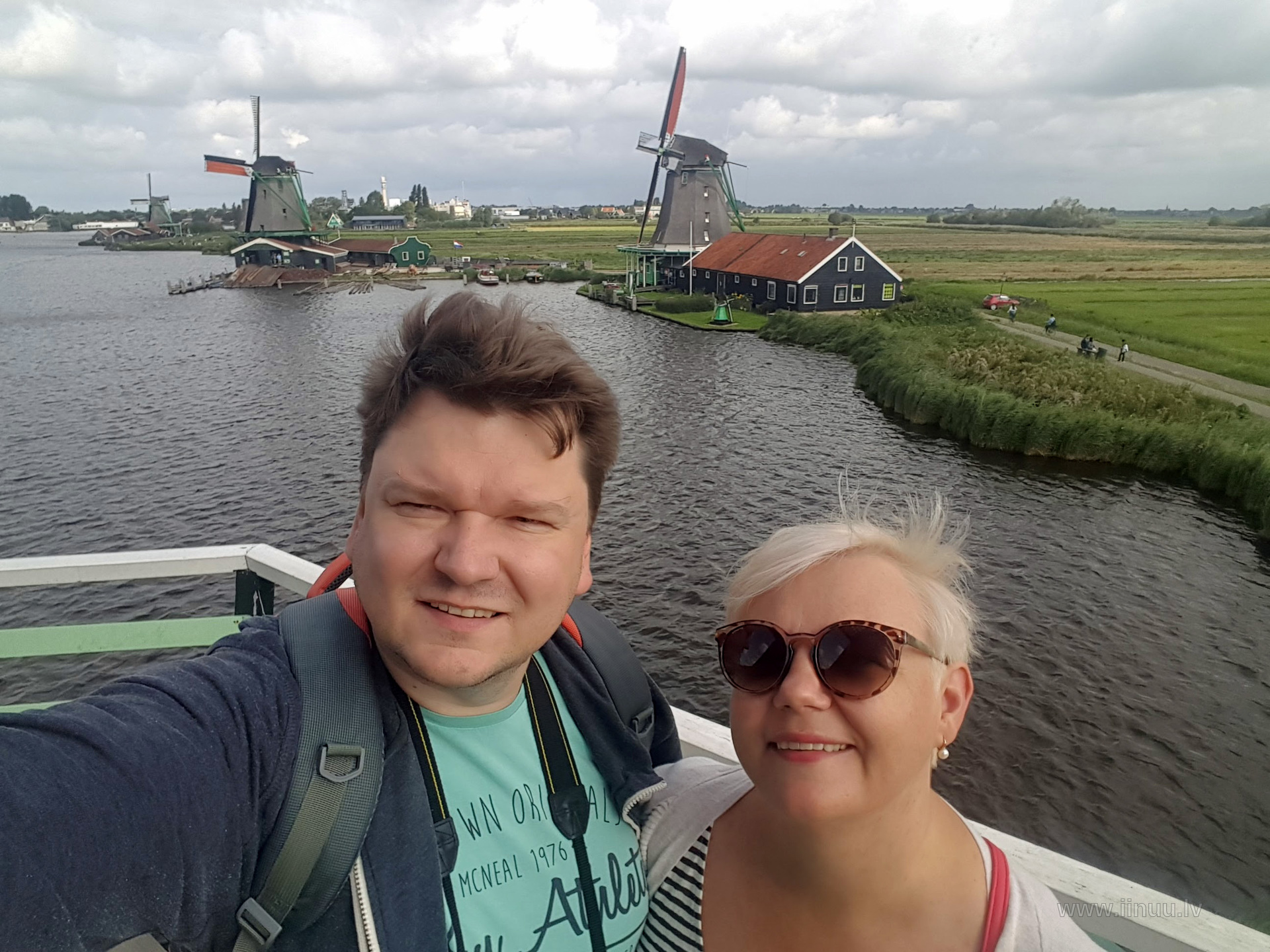
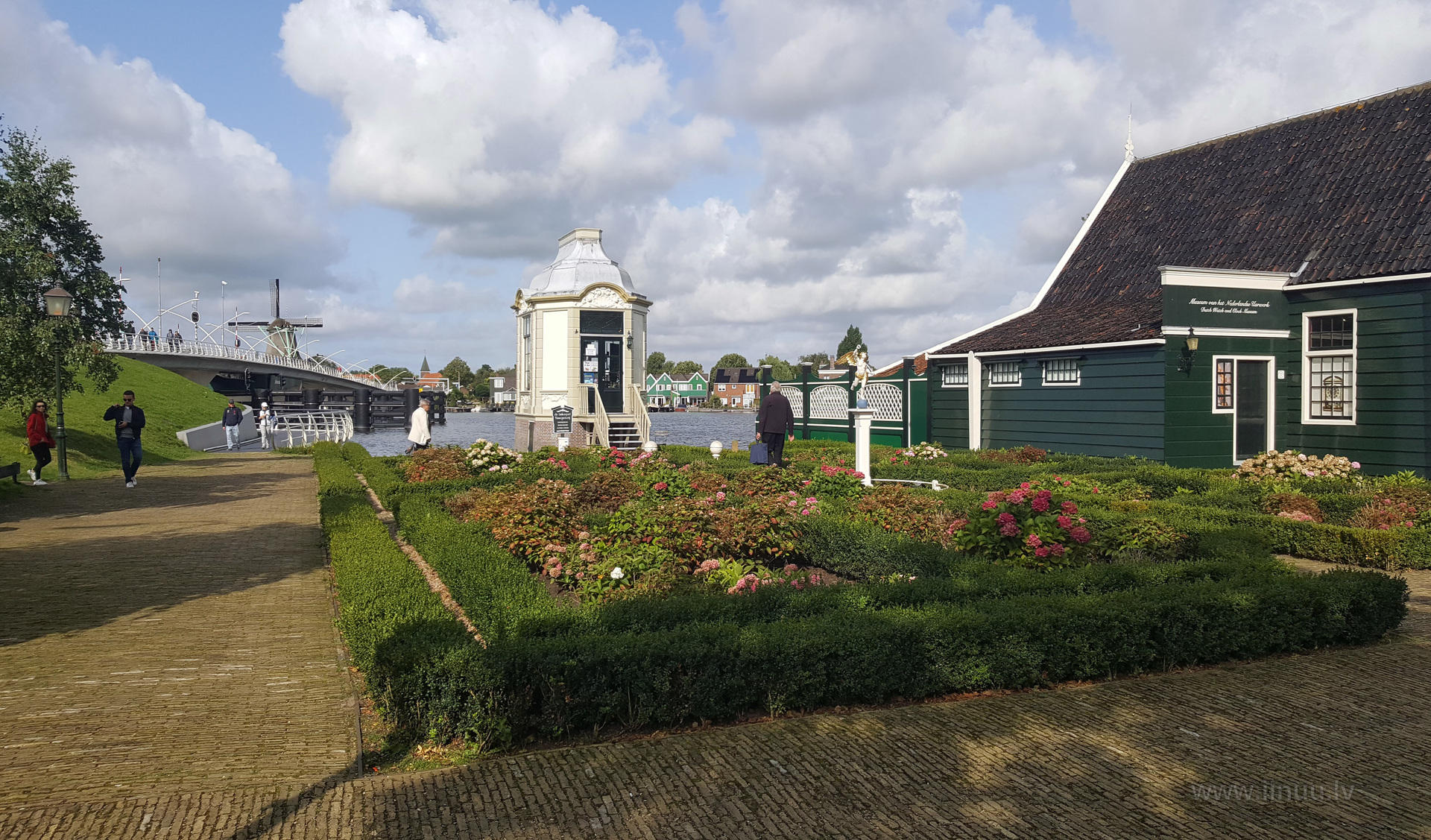
A historic village reflecting Dutch everyday life of the 18th–19th centuries. Essentially an open-air museum with several still-operational windmills, traditional residential houses that have largely been converted into shops, cafés, souvenir stalls, mini museums, and craft workshops. And a picturesque view of the waterway, against which one simply cannot resist taking selfies.
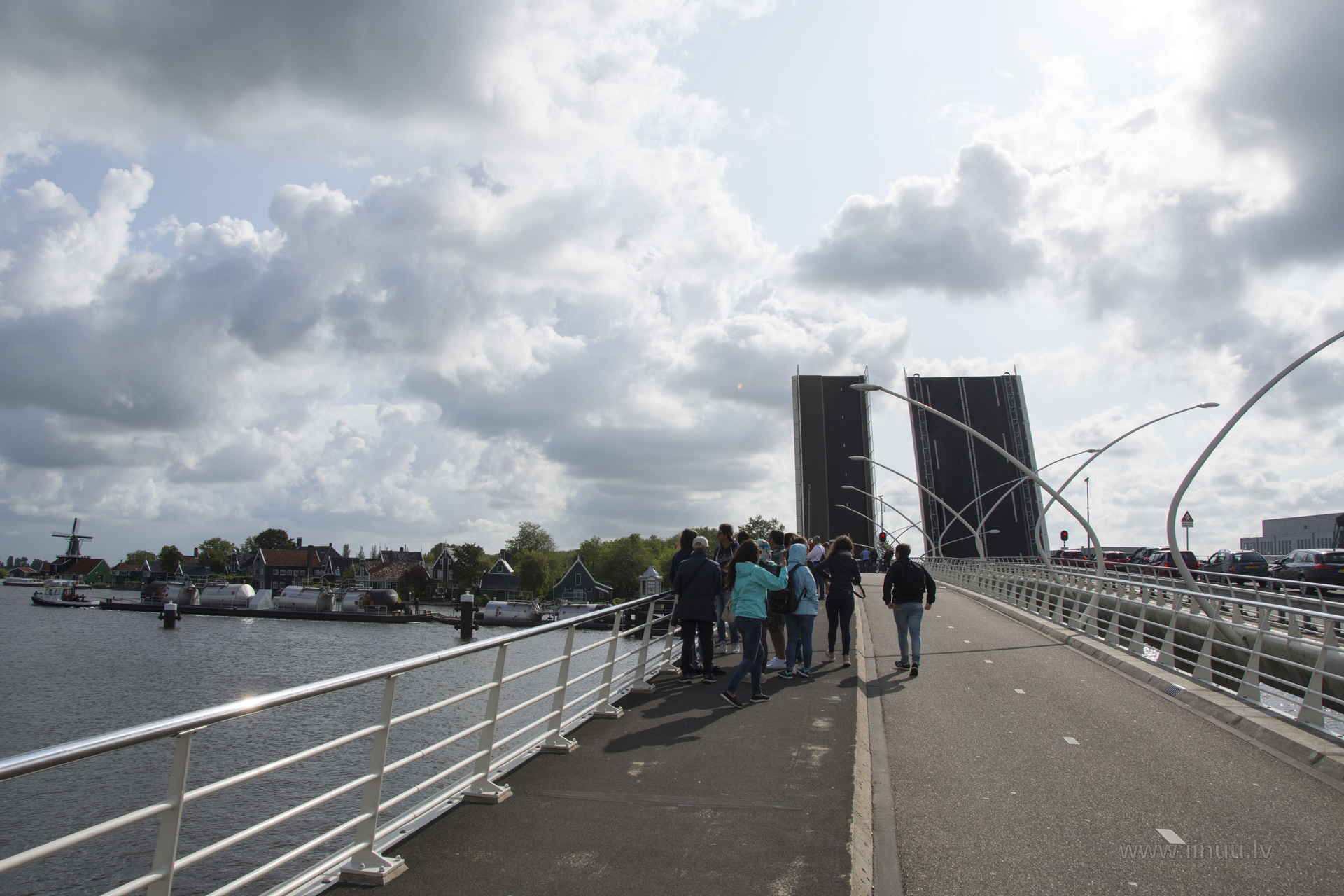
The most convenient way to get there is by train from Amsterdam Central Station. A little over half an hour's journey to Zaanse Schans station, then about ten to fifteen minutes at a brisk pace to the bridge that leads to the historic village.
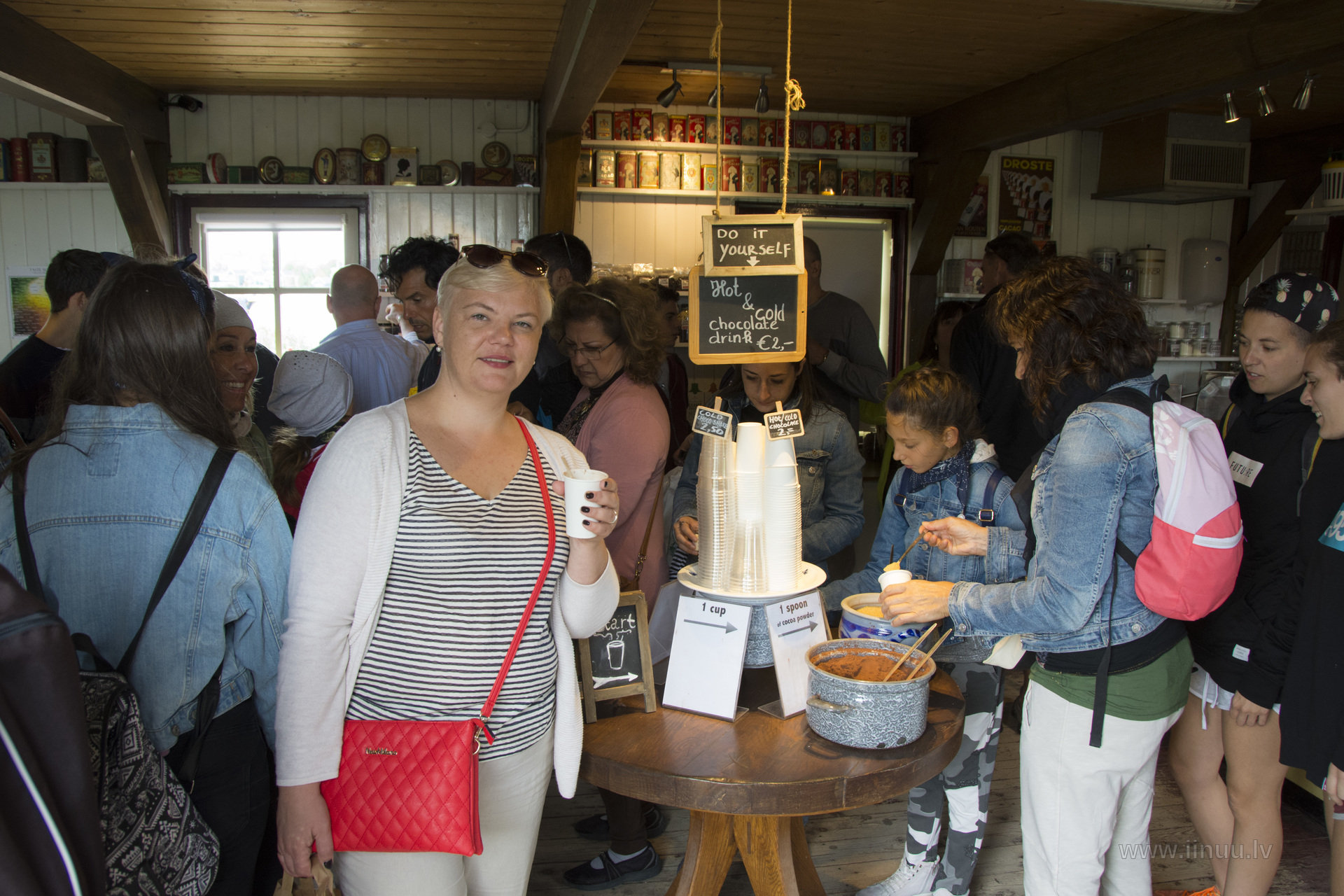
One can freely stroll around the village, take photographs, shop, and enjoy the hot cocoa that comes from the nearby factory, whose aroma continuously drifts through the air. Visiting the mills costs an entry fee - 4 euros per mill. Alternatively, you can show your I amsterdam city card.
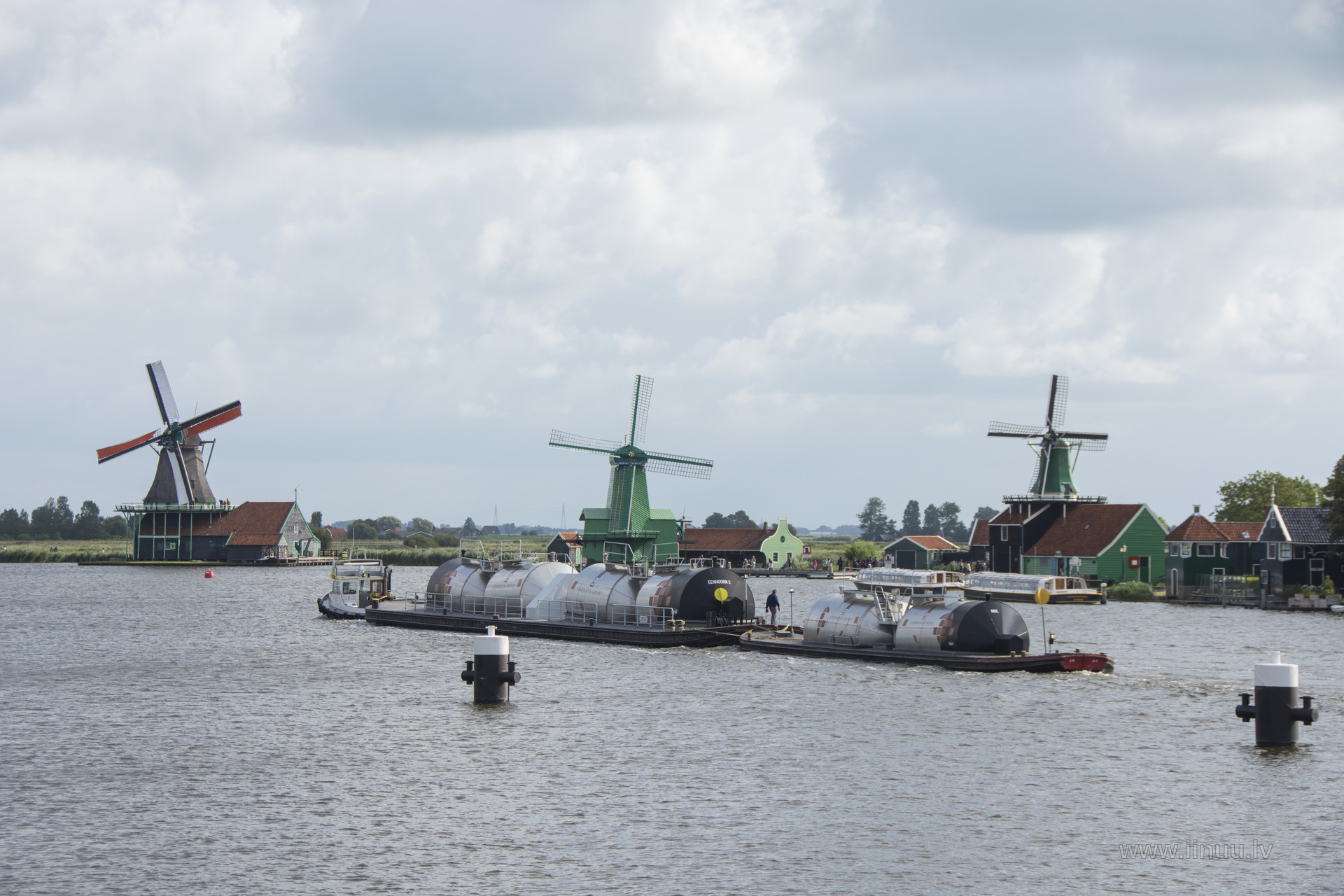
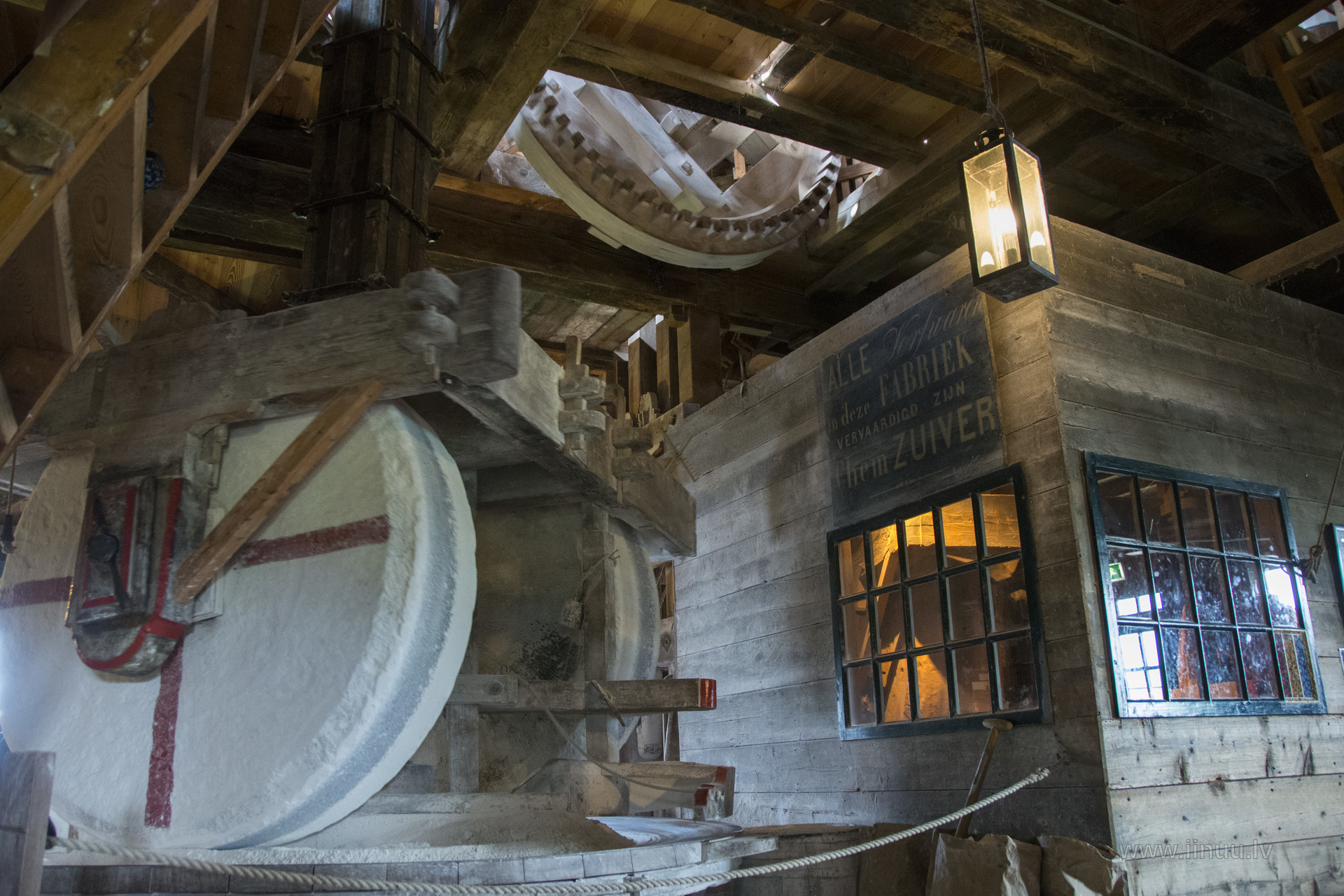
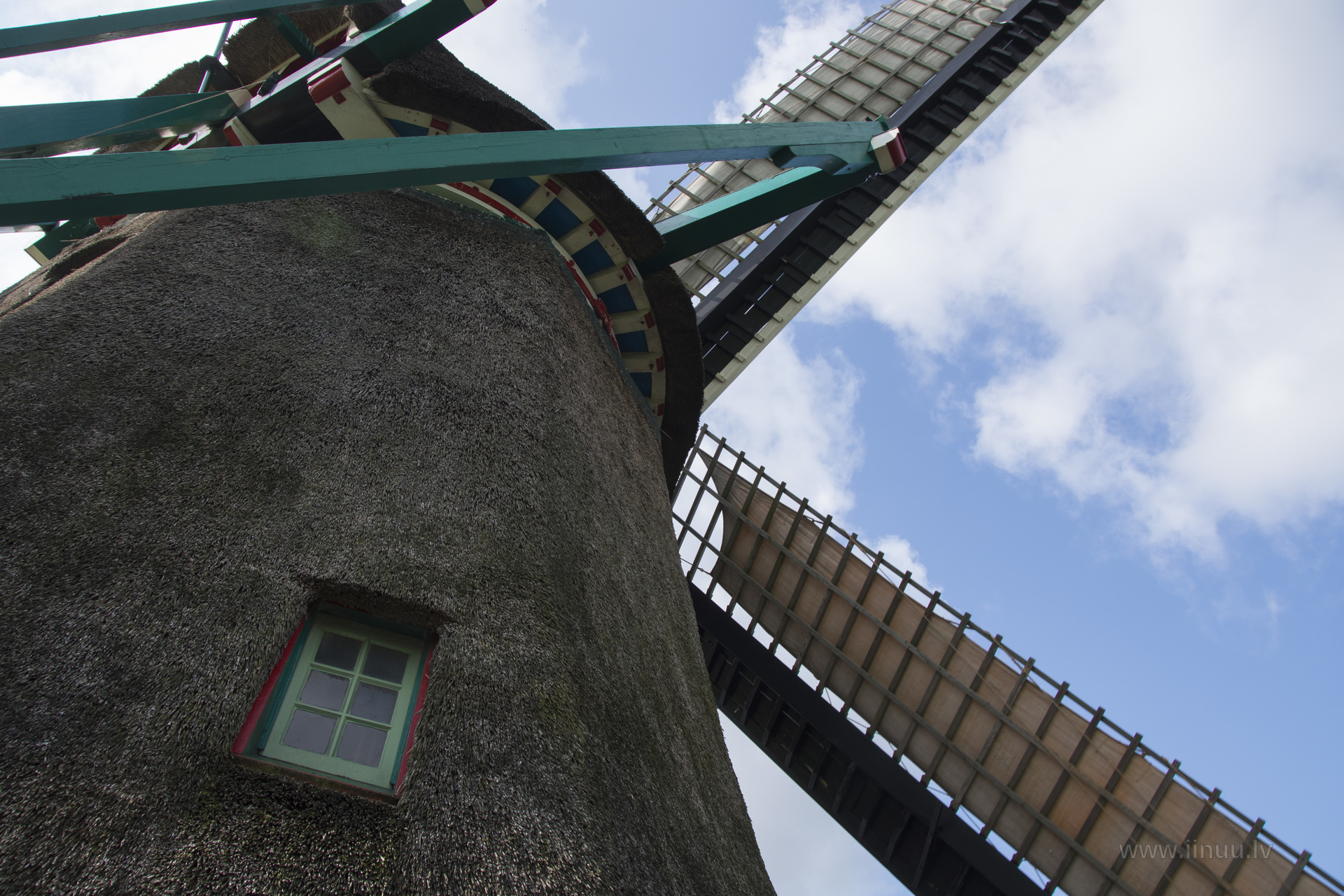
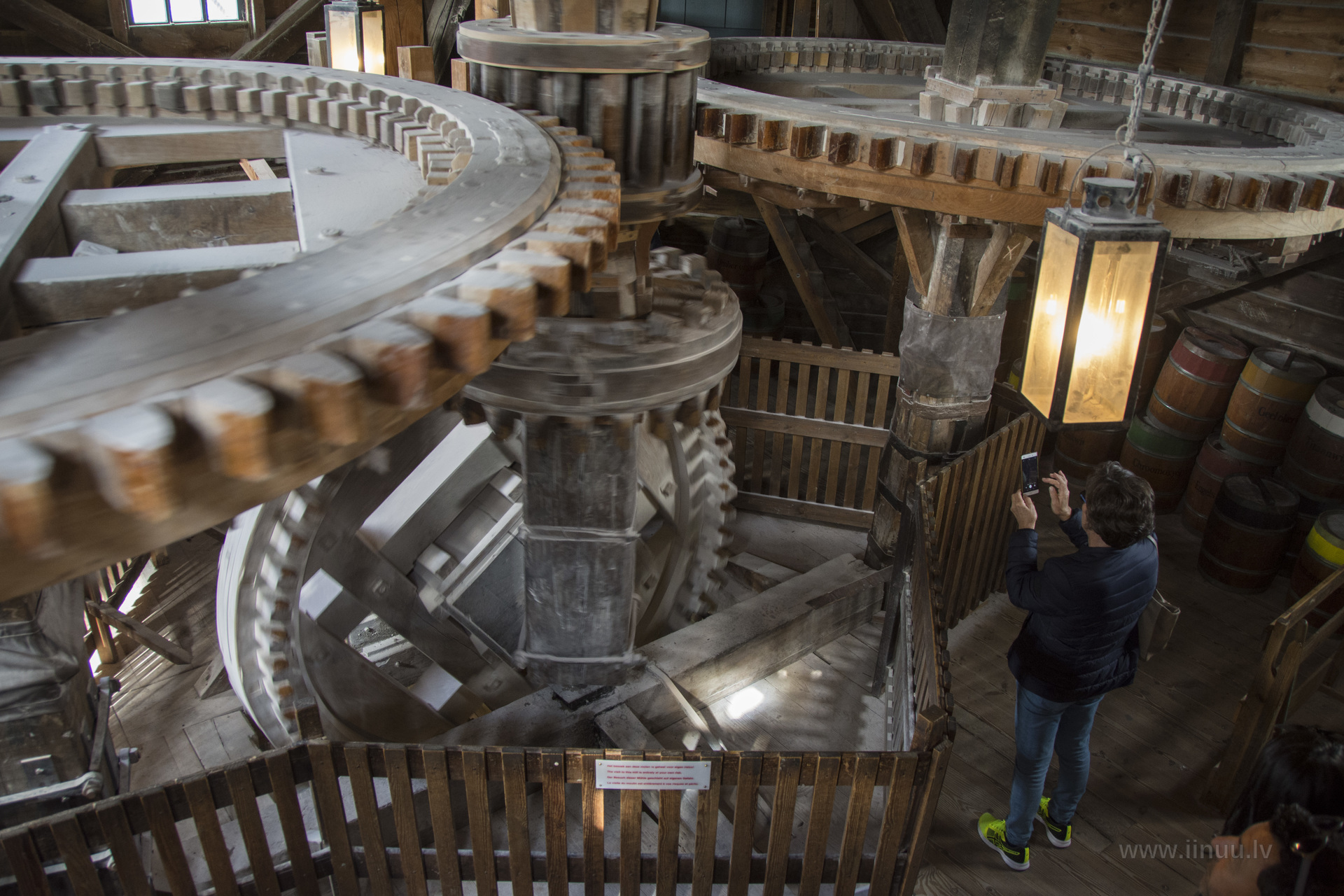
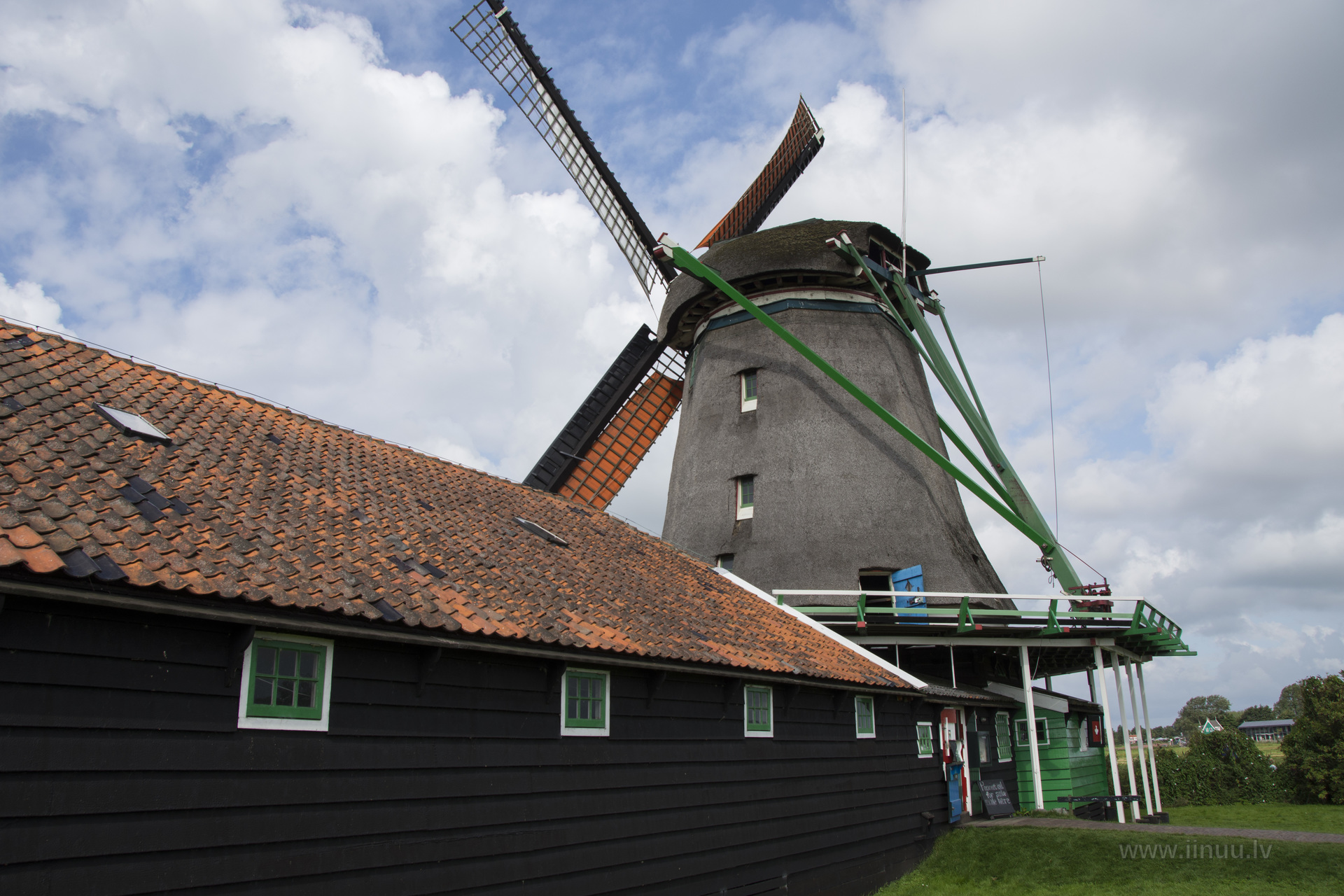
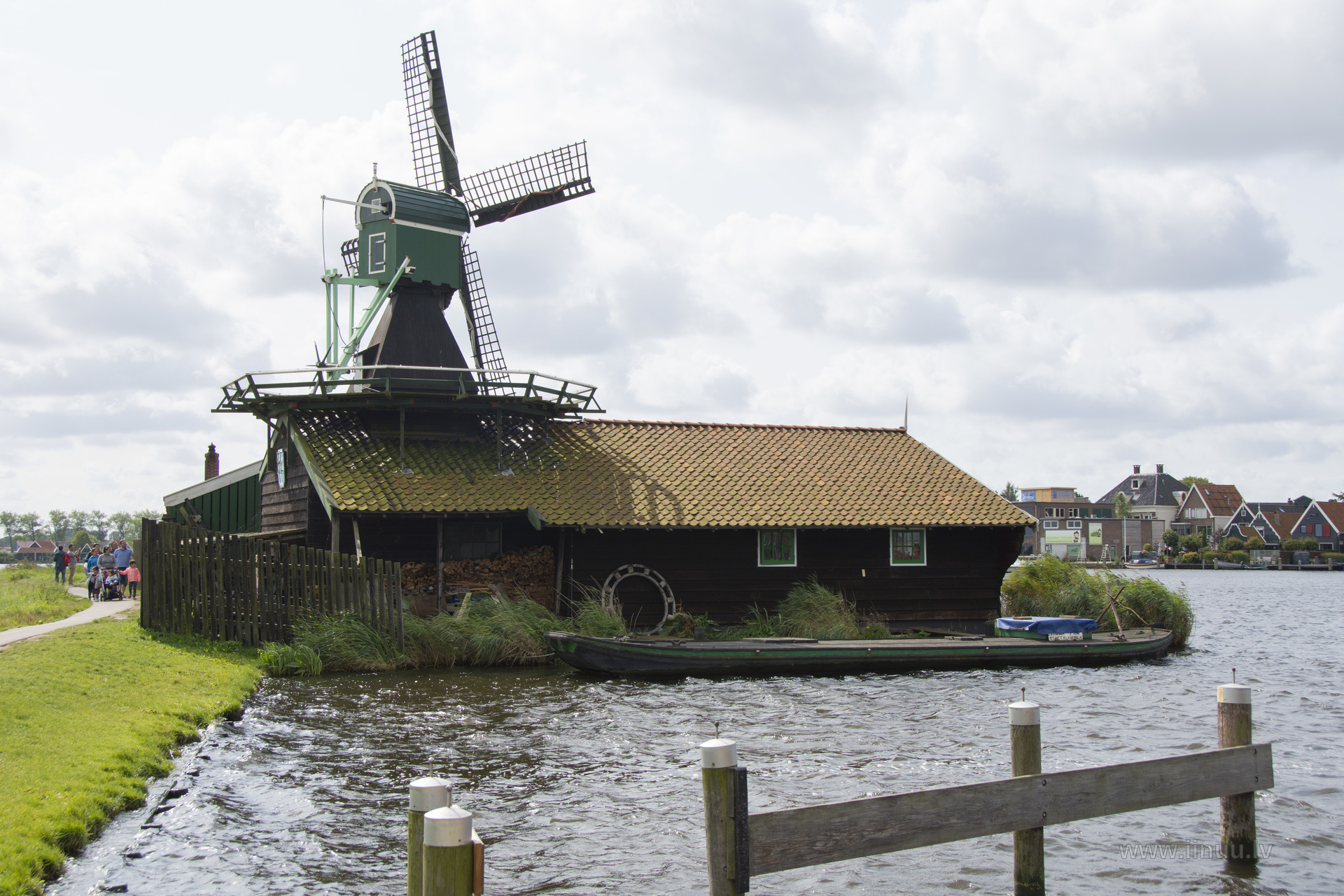
The first mill is for grinding grain and producing flour. One can watch the grinding process, wander through the mill, study the booklet provided in English, climb up to the viewing platform, and observe the impressive mill sails, which the wind drives forward in earnest and which move menacingly right above one's head. Yes, it is very windy there - an ideal spot for windmills. Each mill has its own nickname. This one is called "The Colourful Hen" - De Bonte Hen. It was built in 1693 and still performs its functions diligently.
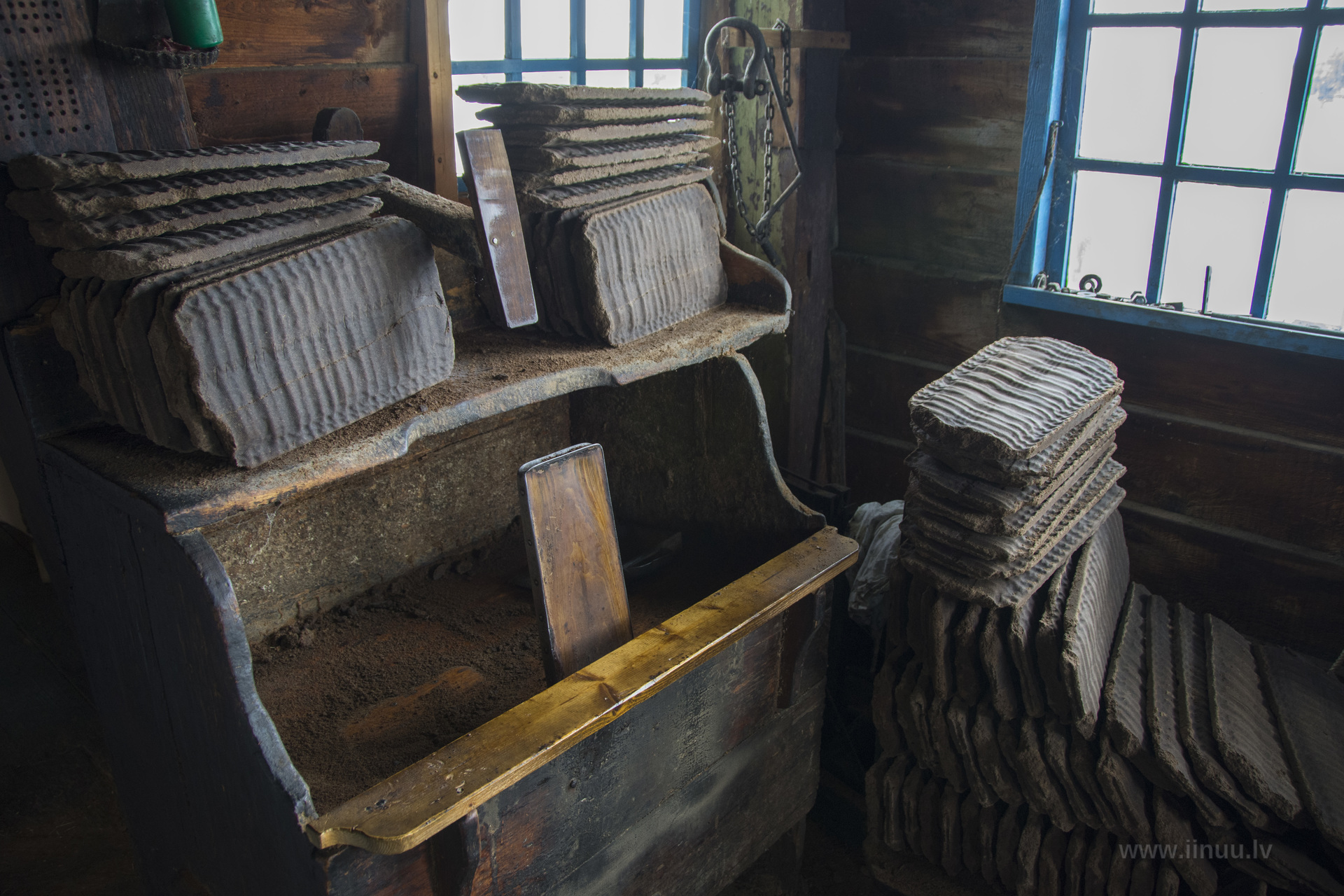
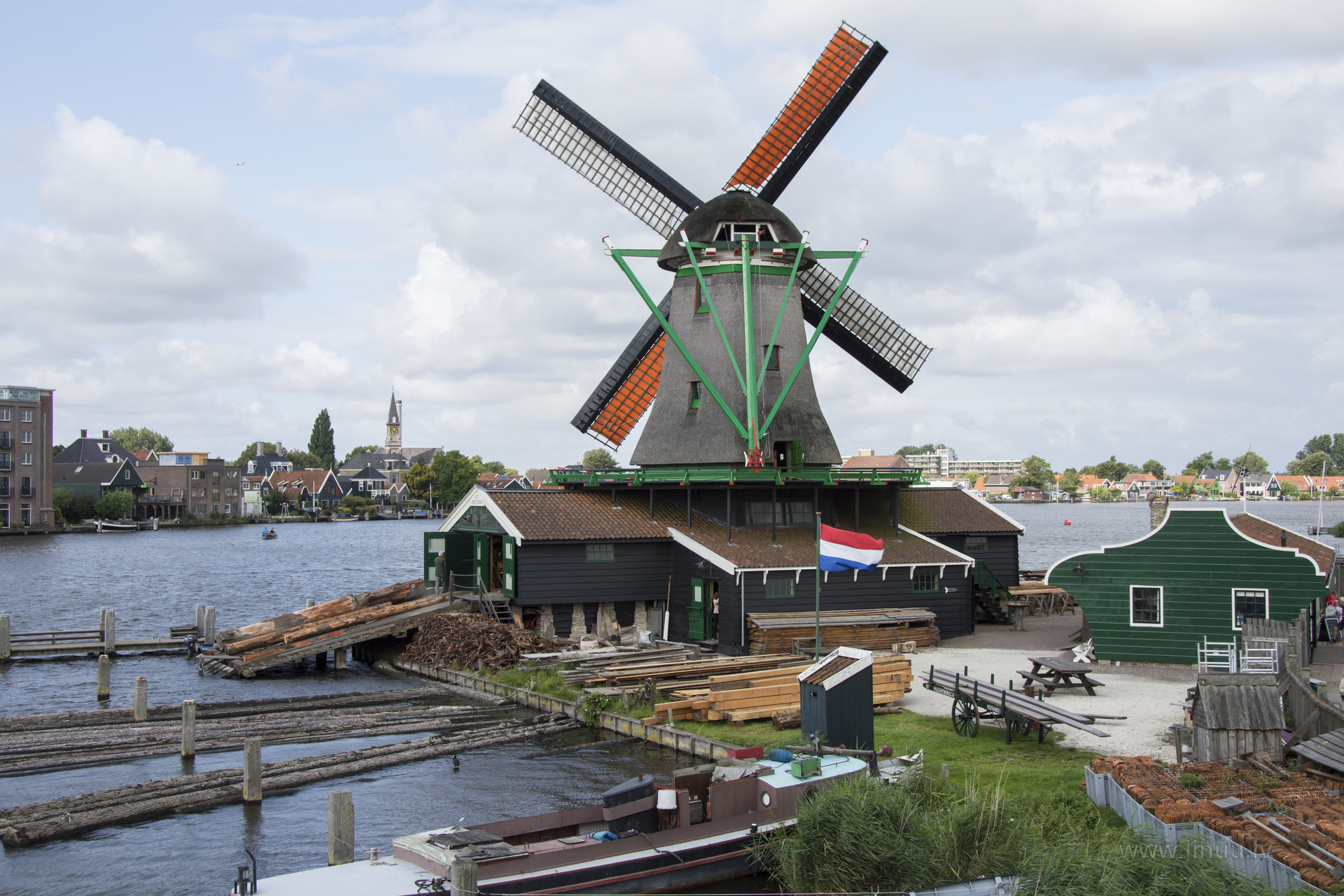
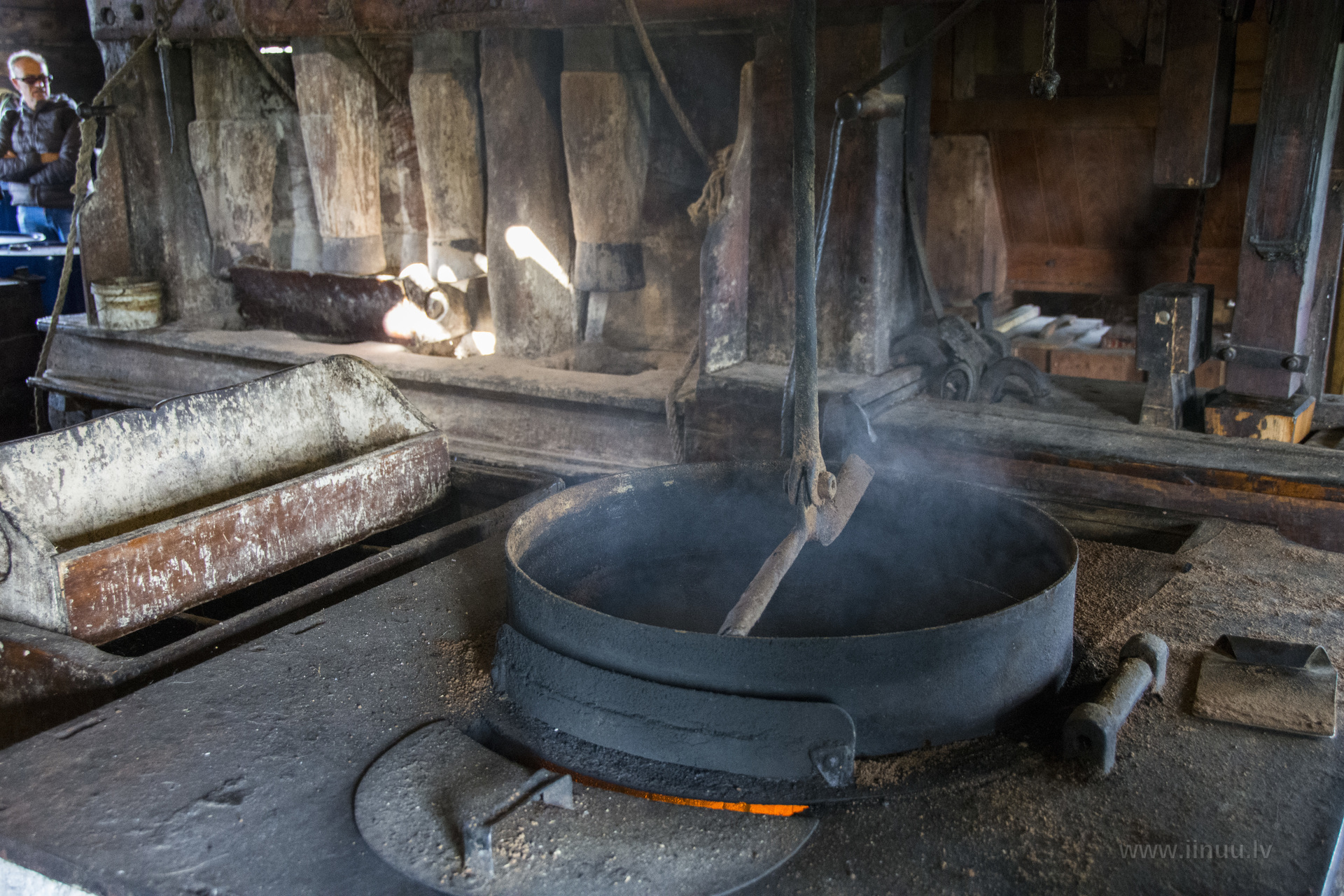
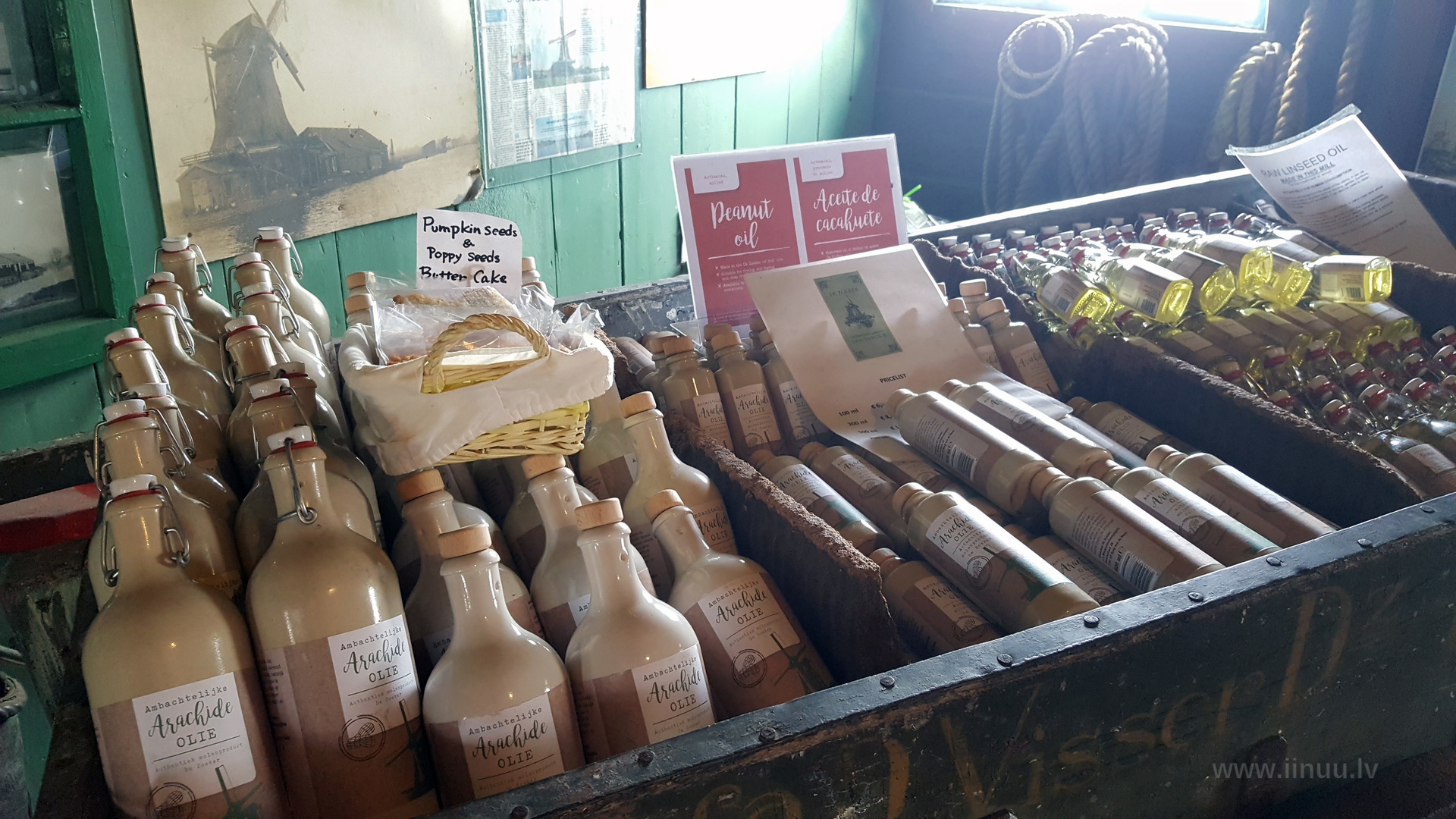
The second windmill is "The Seeker" - De Zoeker. It is first recorded in the register in April 1676. "The Seeker" produces oil from linseed and rapeseed. All the parts are soaked in oil. Compared to the first mill, everything here seems darker and stickier. Tourists have the opportunity to watch the oil pressing process, and also to purchase the pressed oil in ceramic bottles.
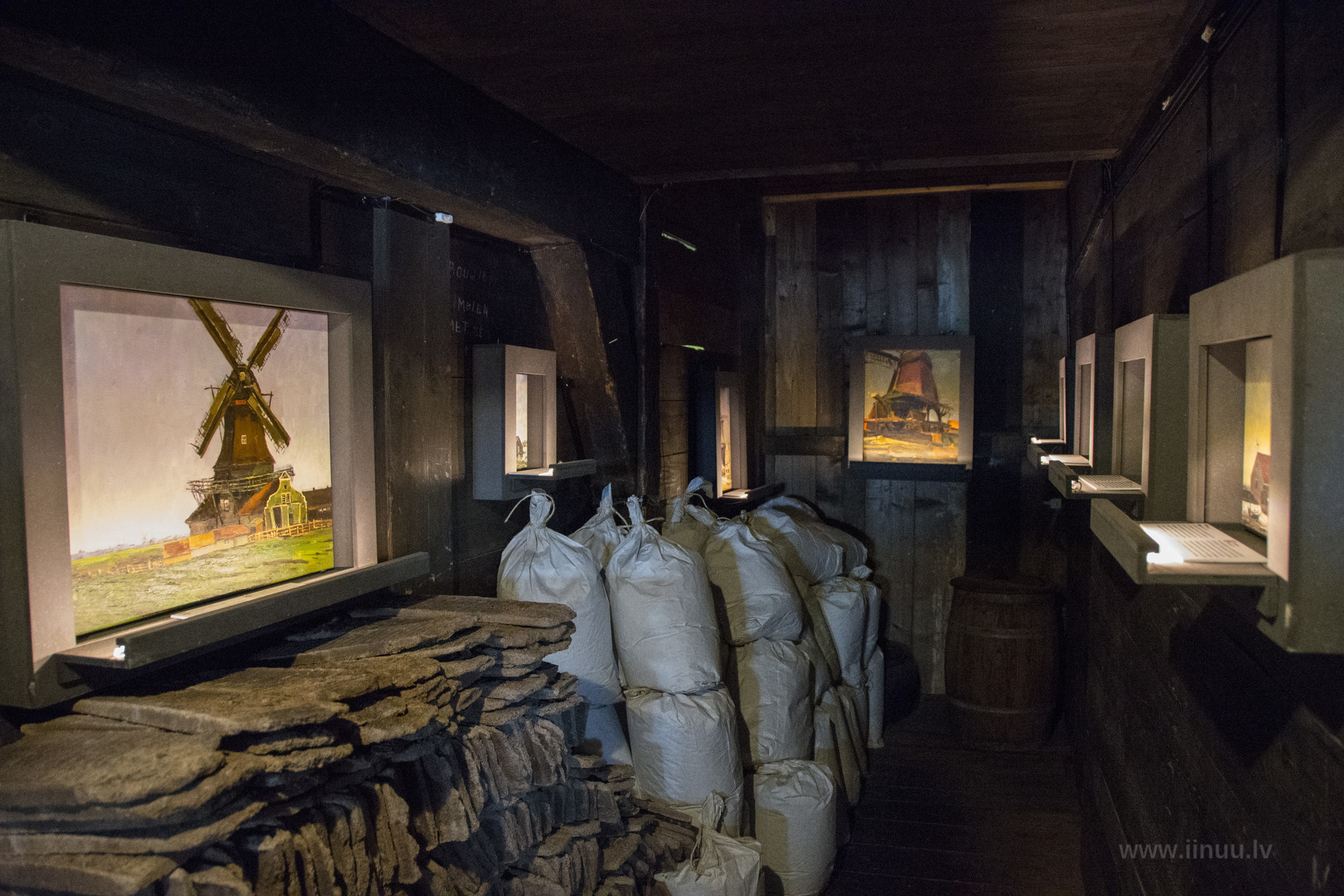
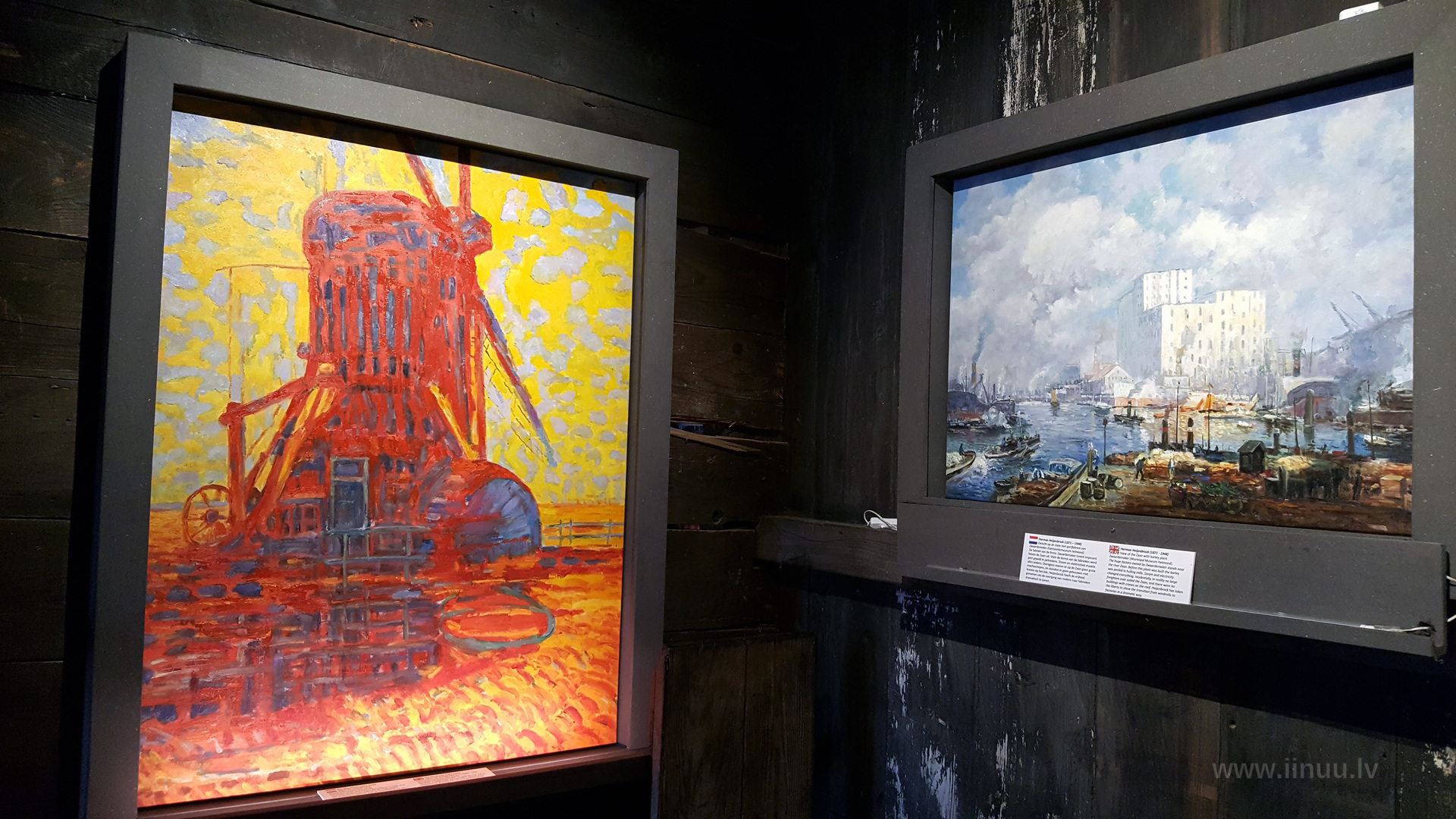
The third windmill is "The Cat" - De Kat, also used for oil pressing. In addition, a small painting gallery has been set up in the mill, where the works depict Dutch landscapes - naturally with windmills.
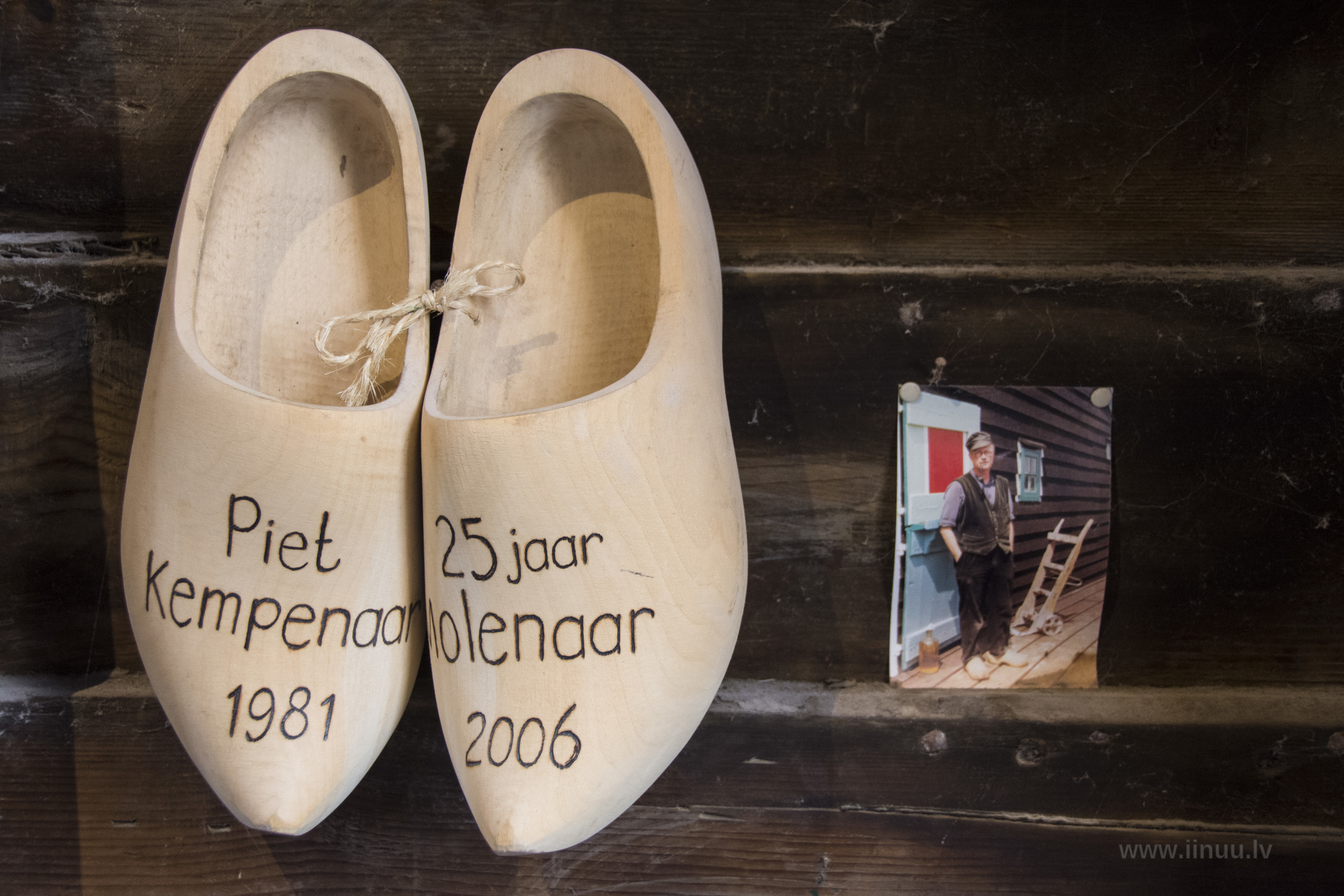
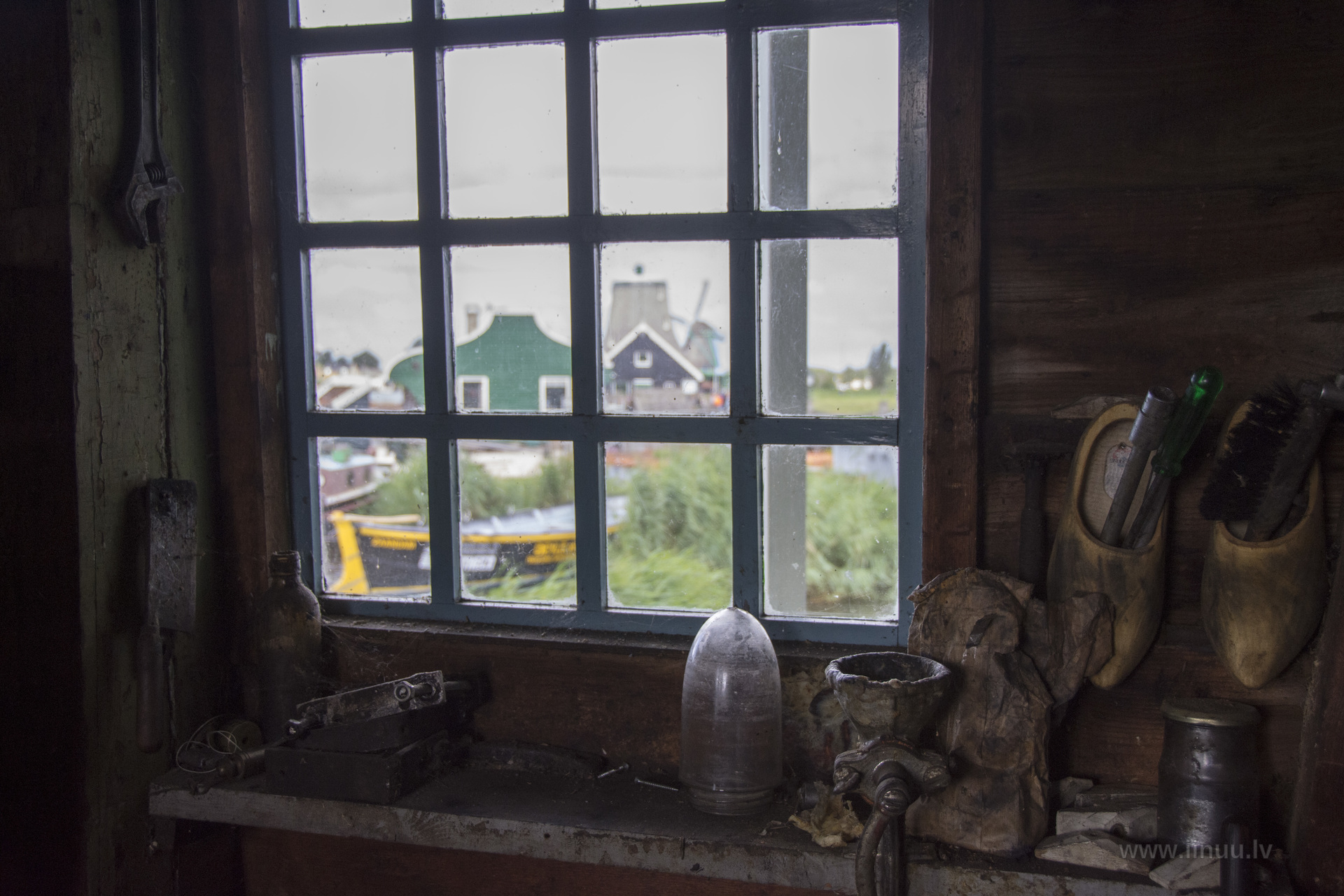
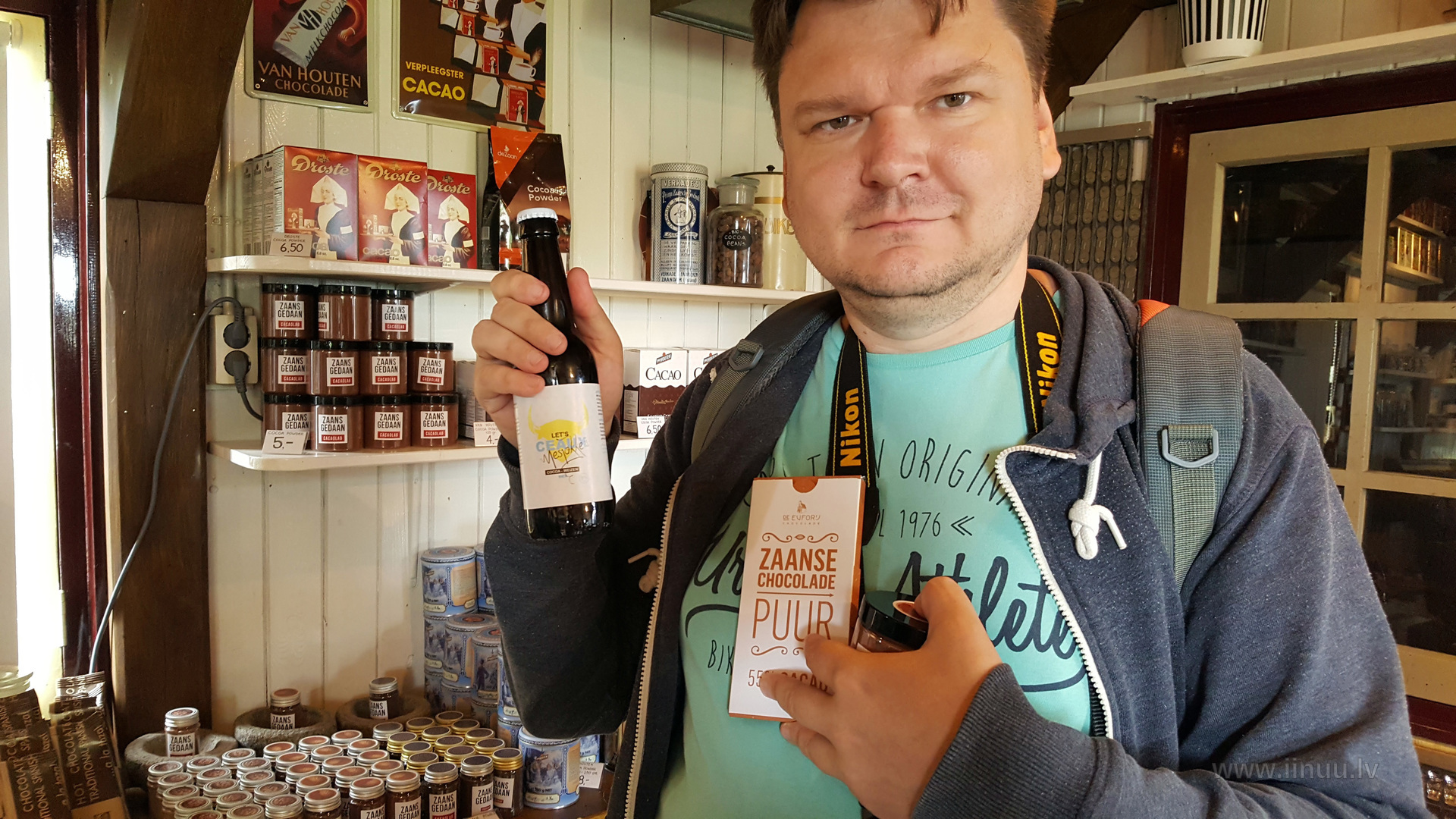
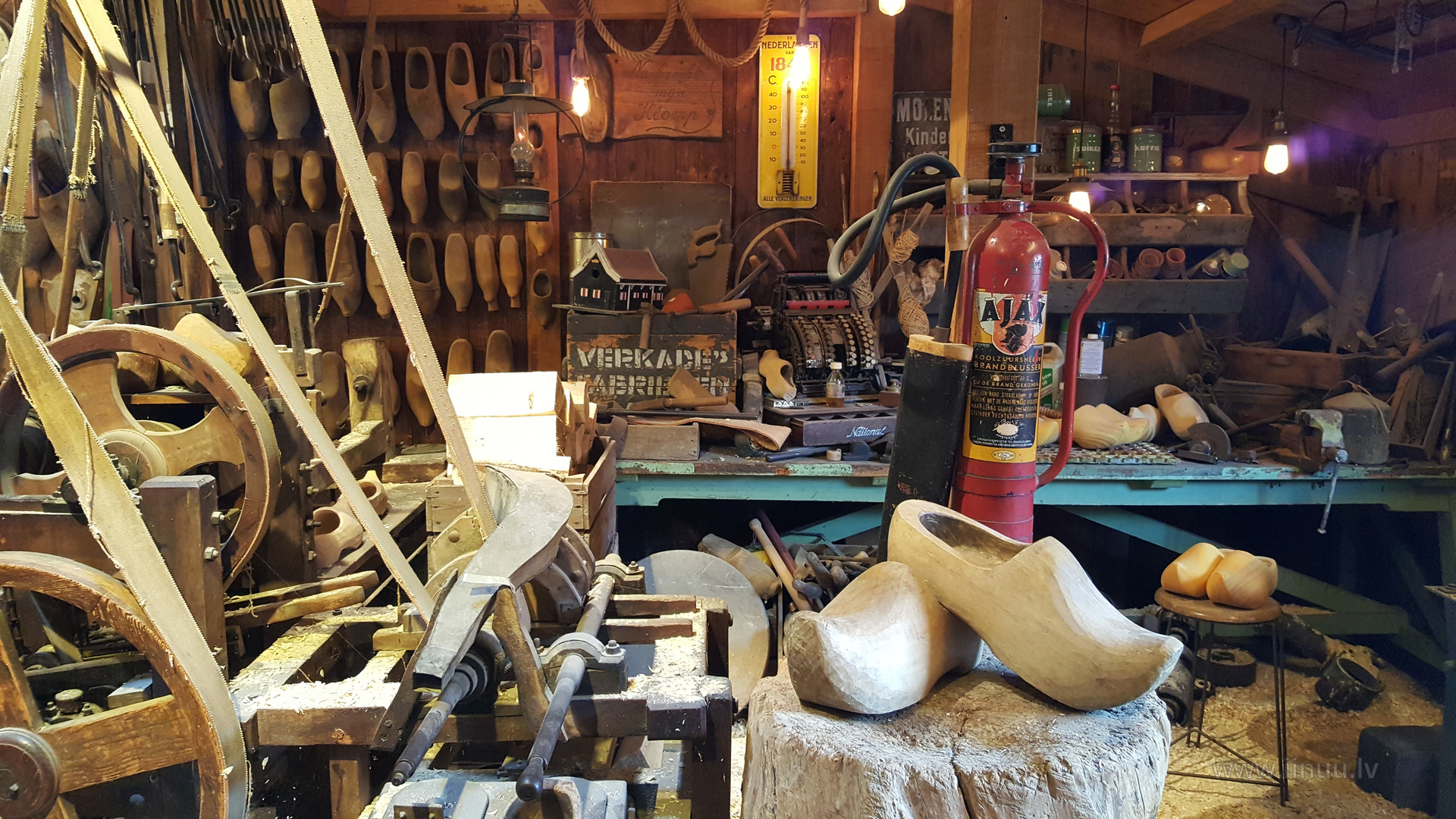
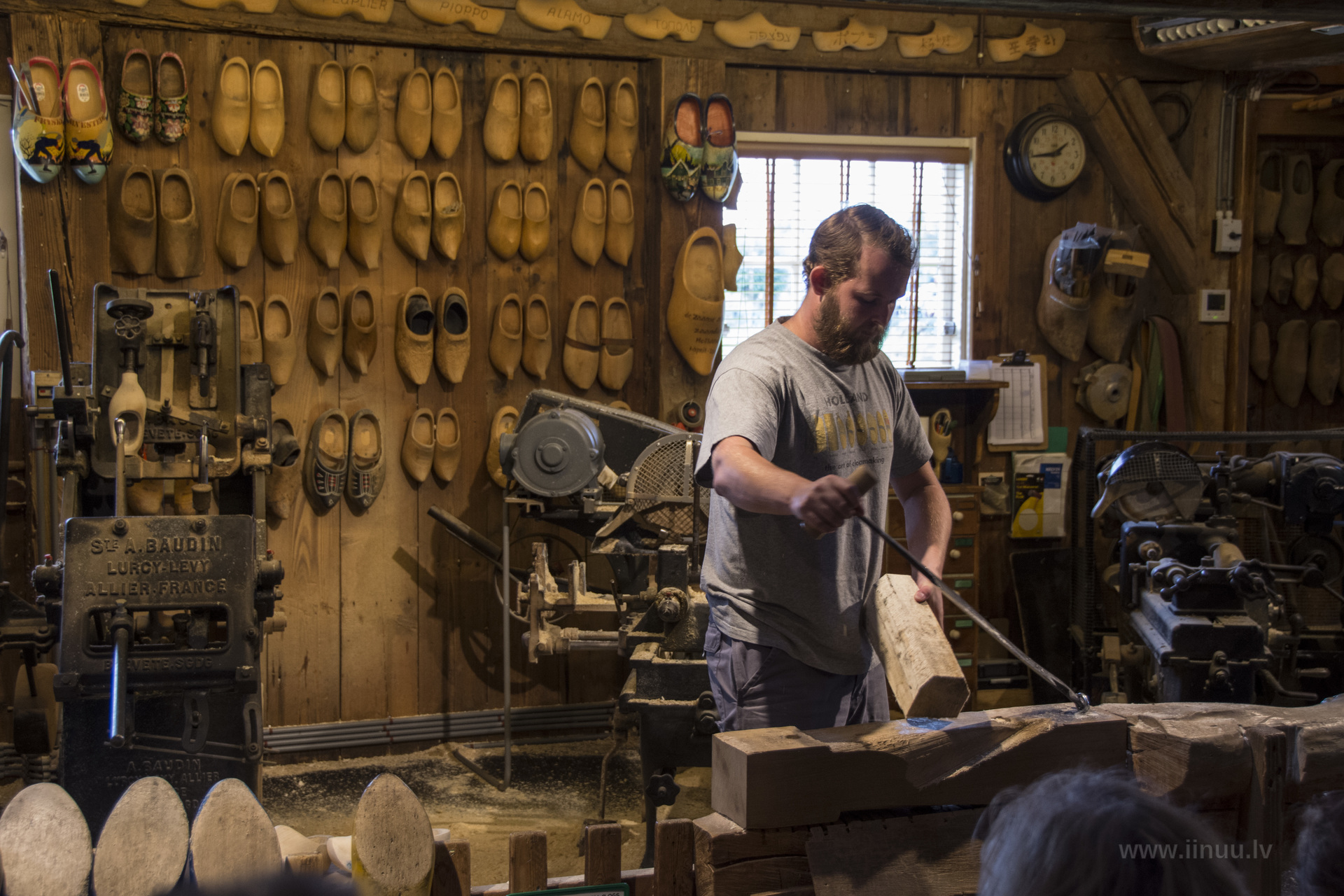
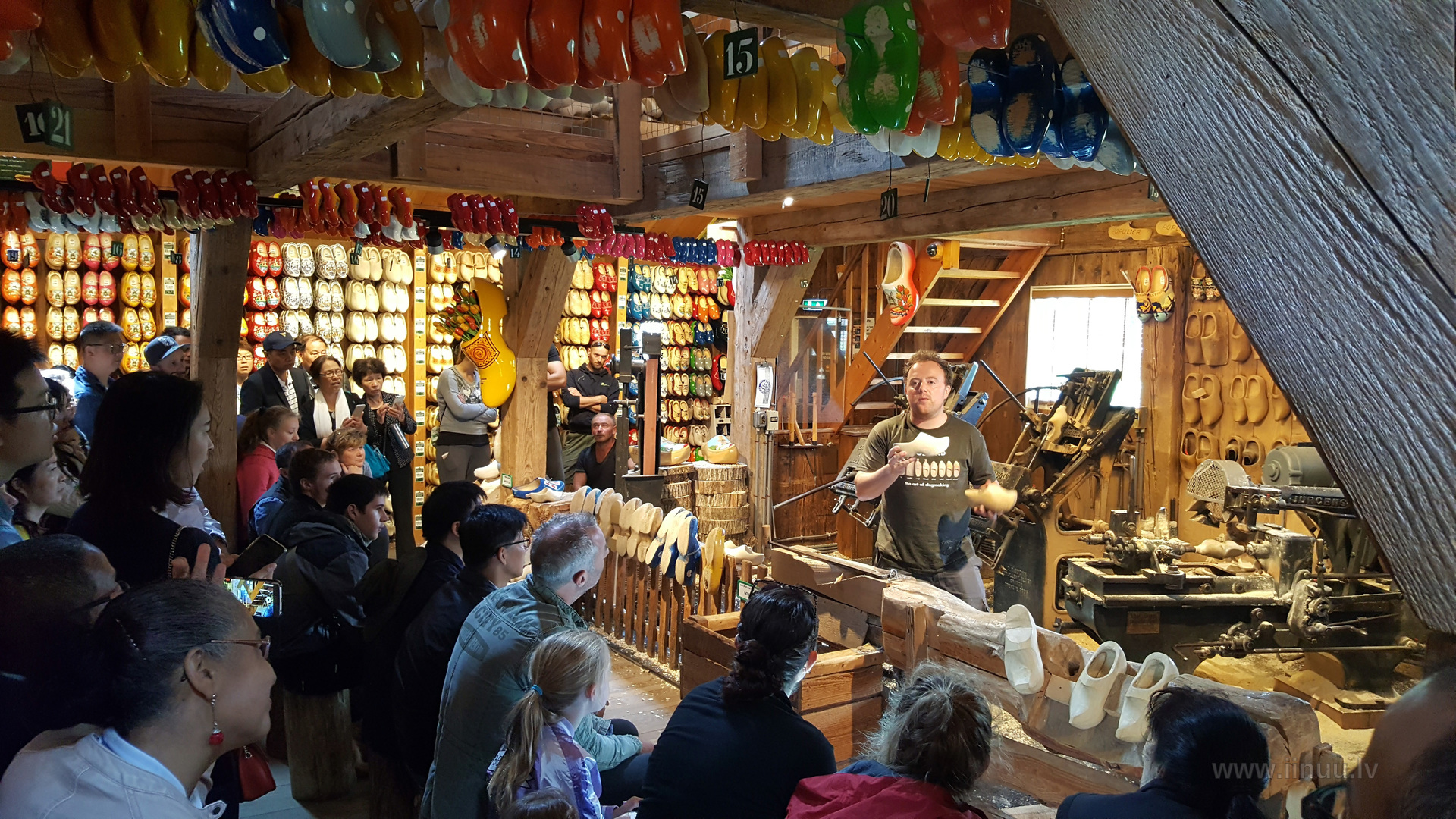
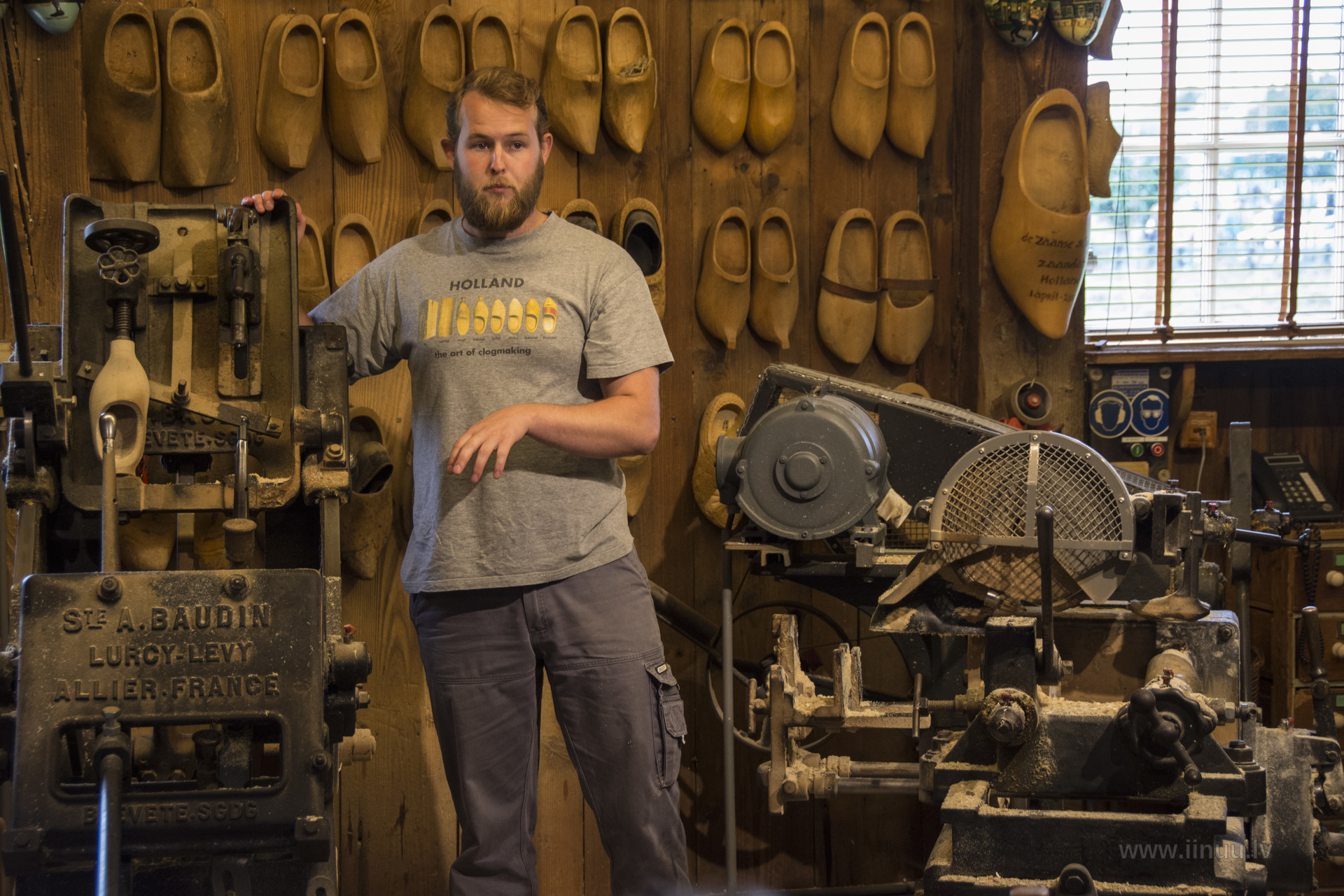
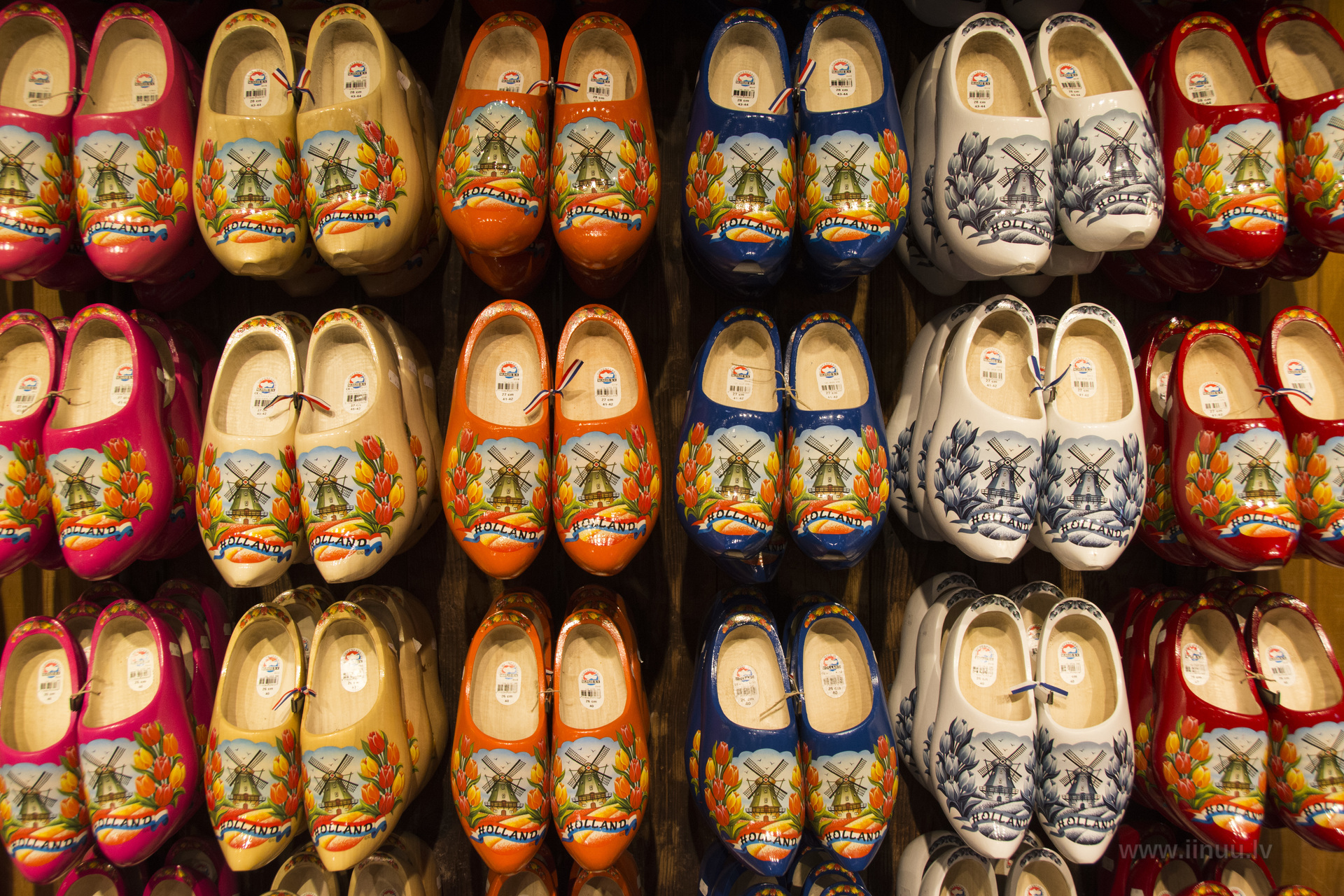
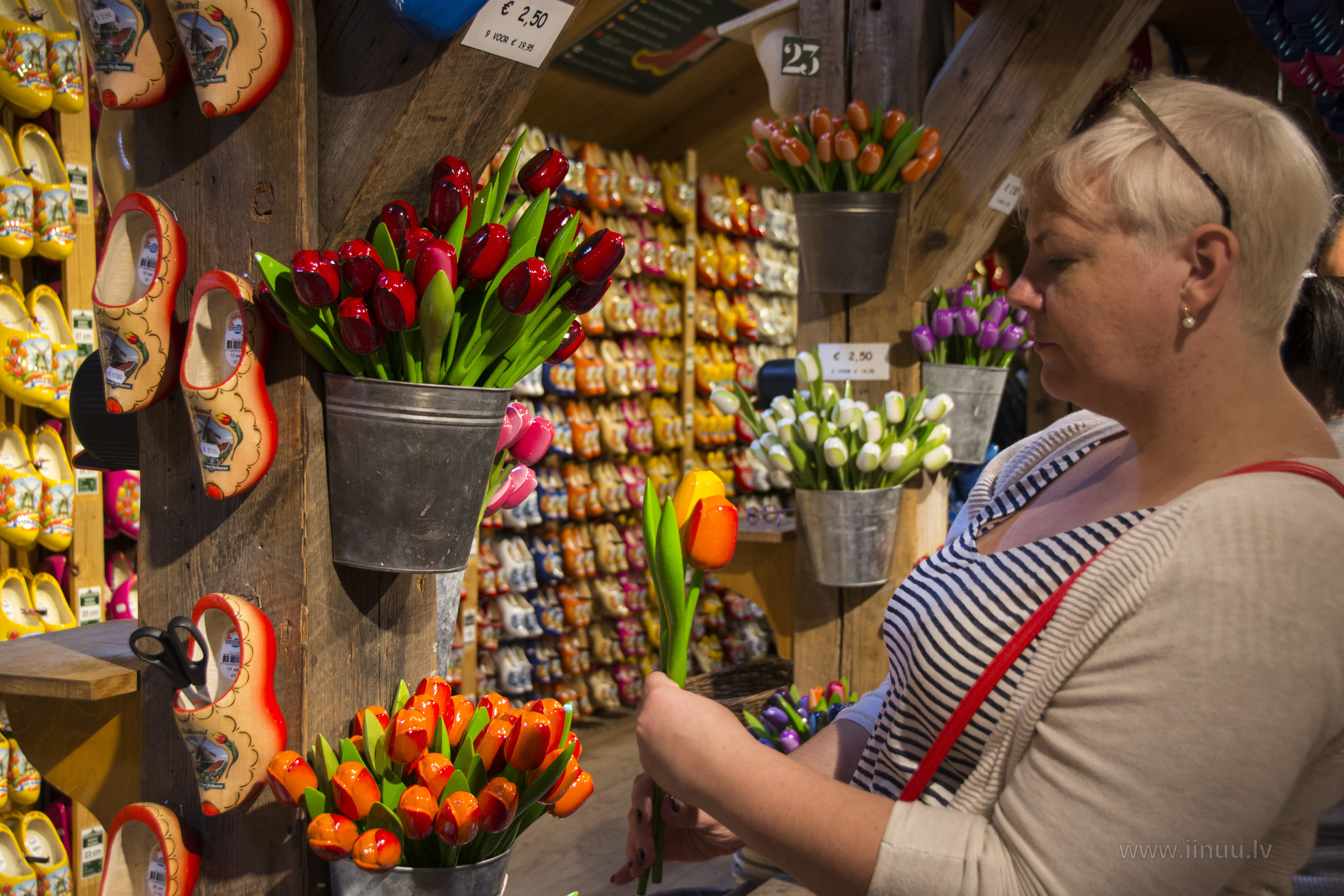
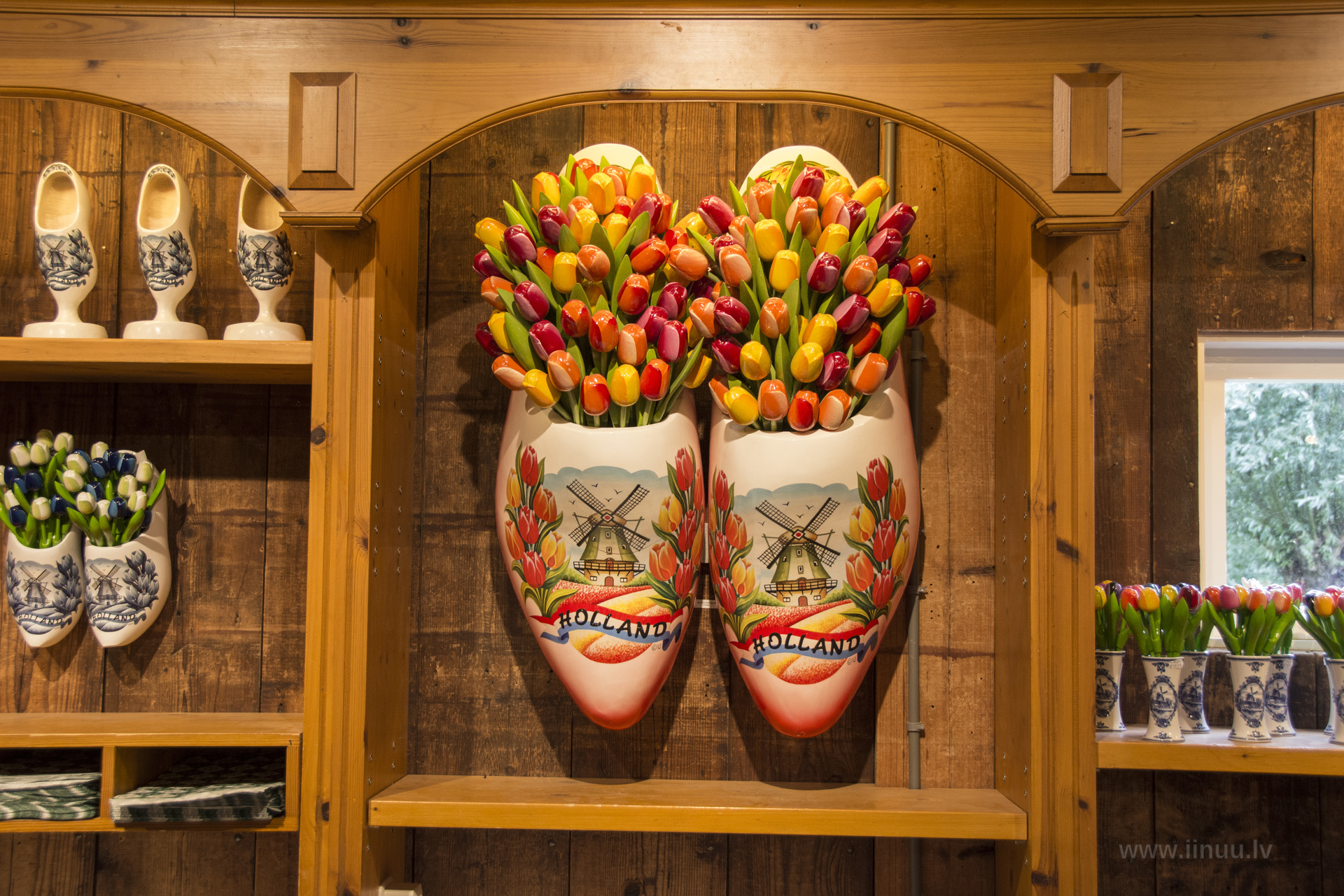
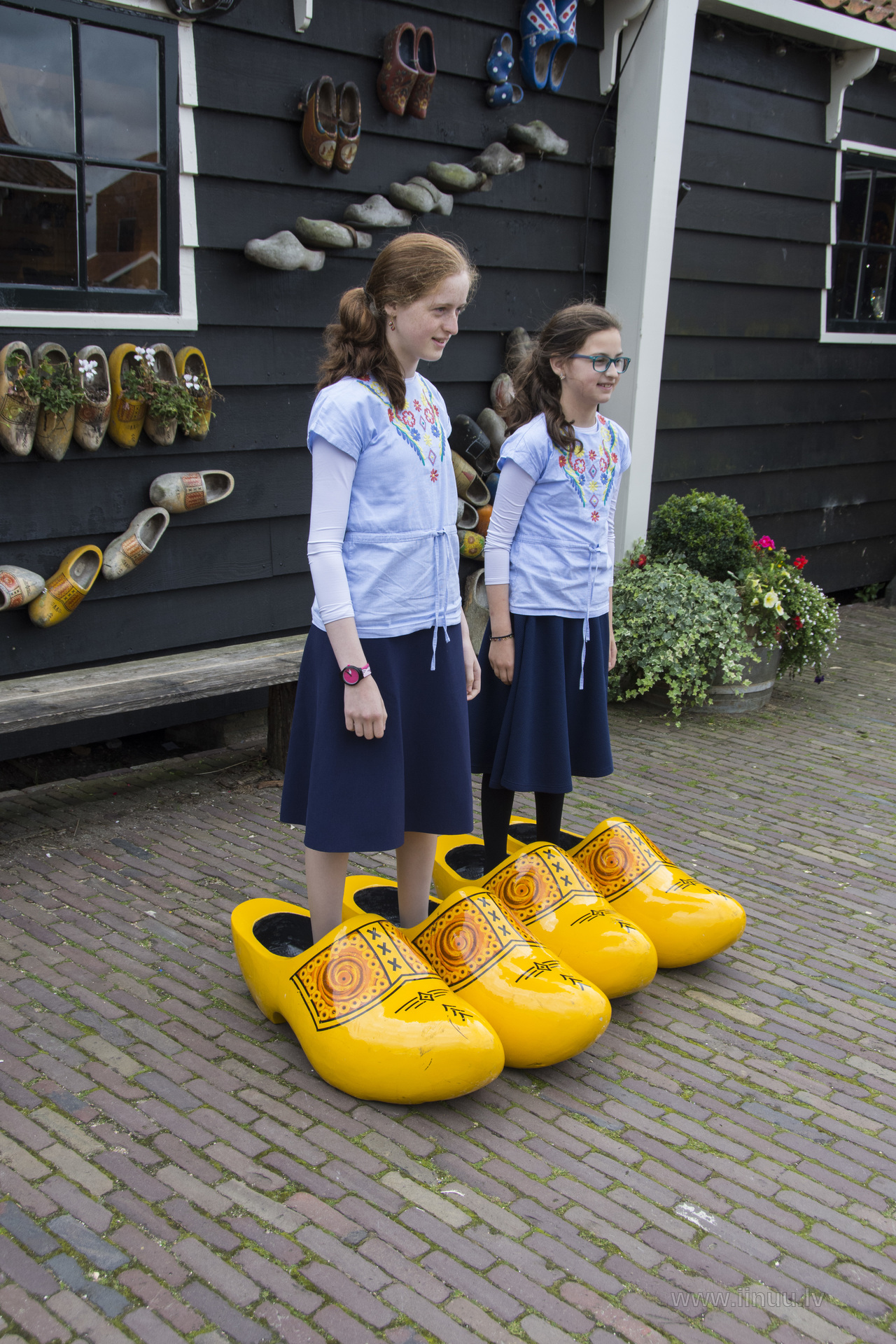
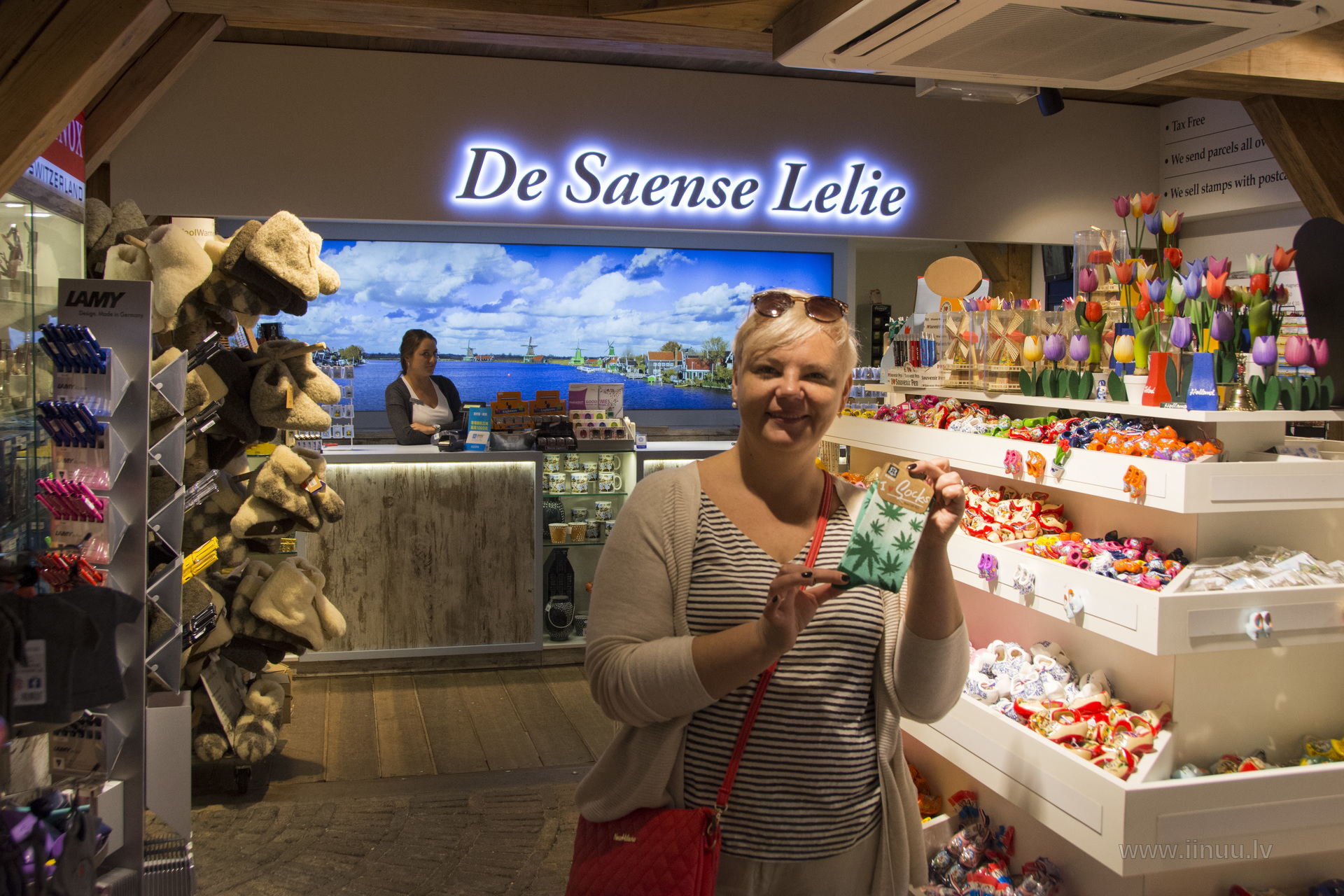
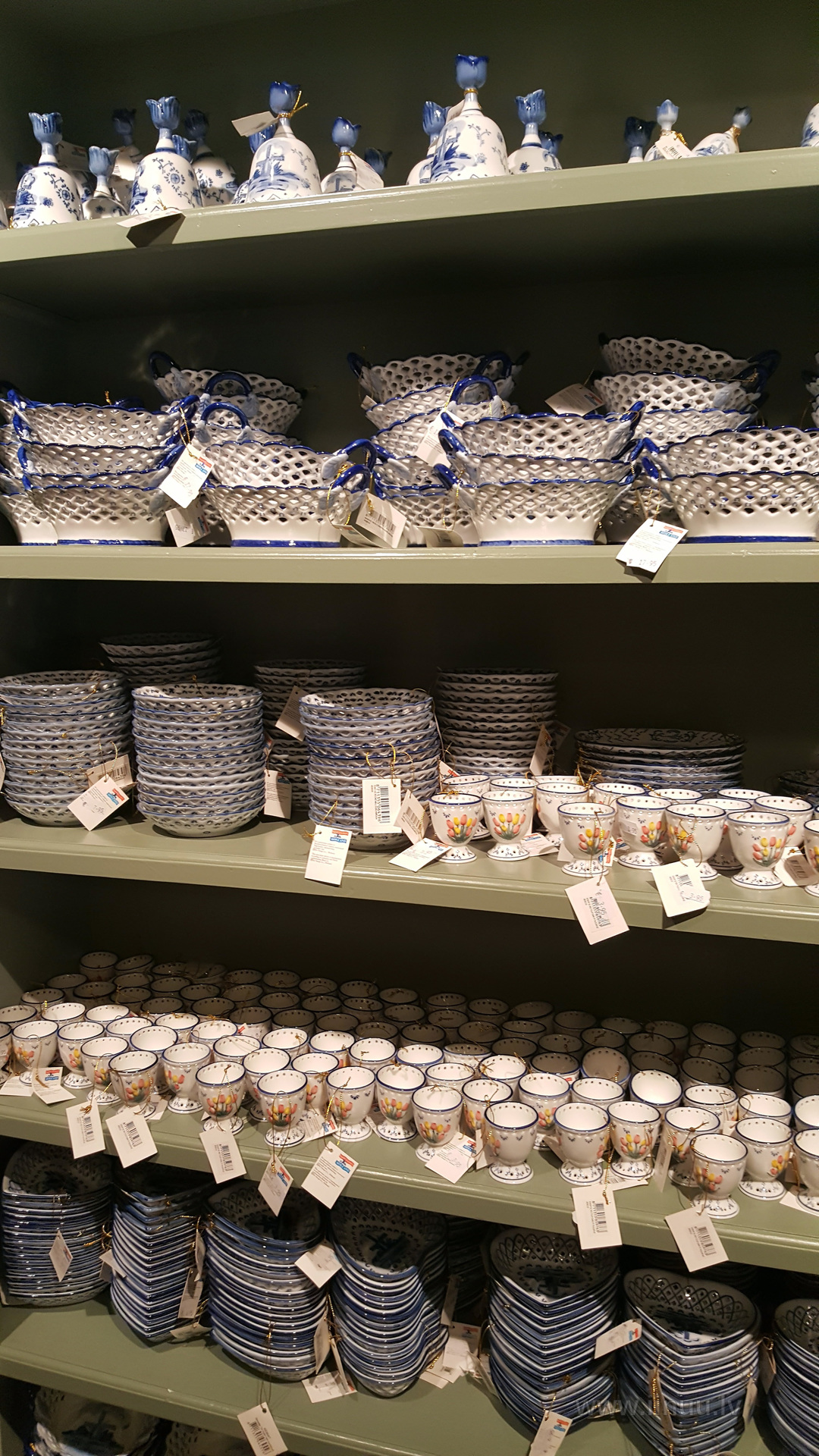
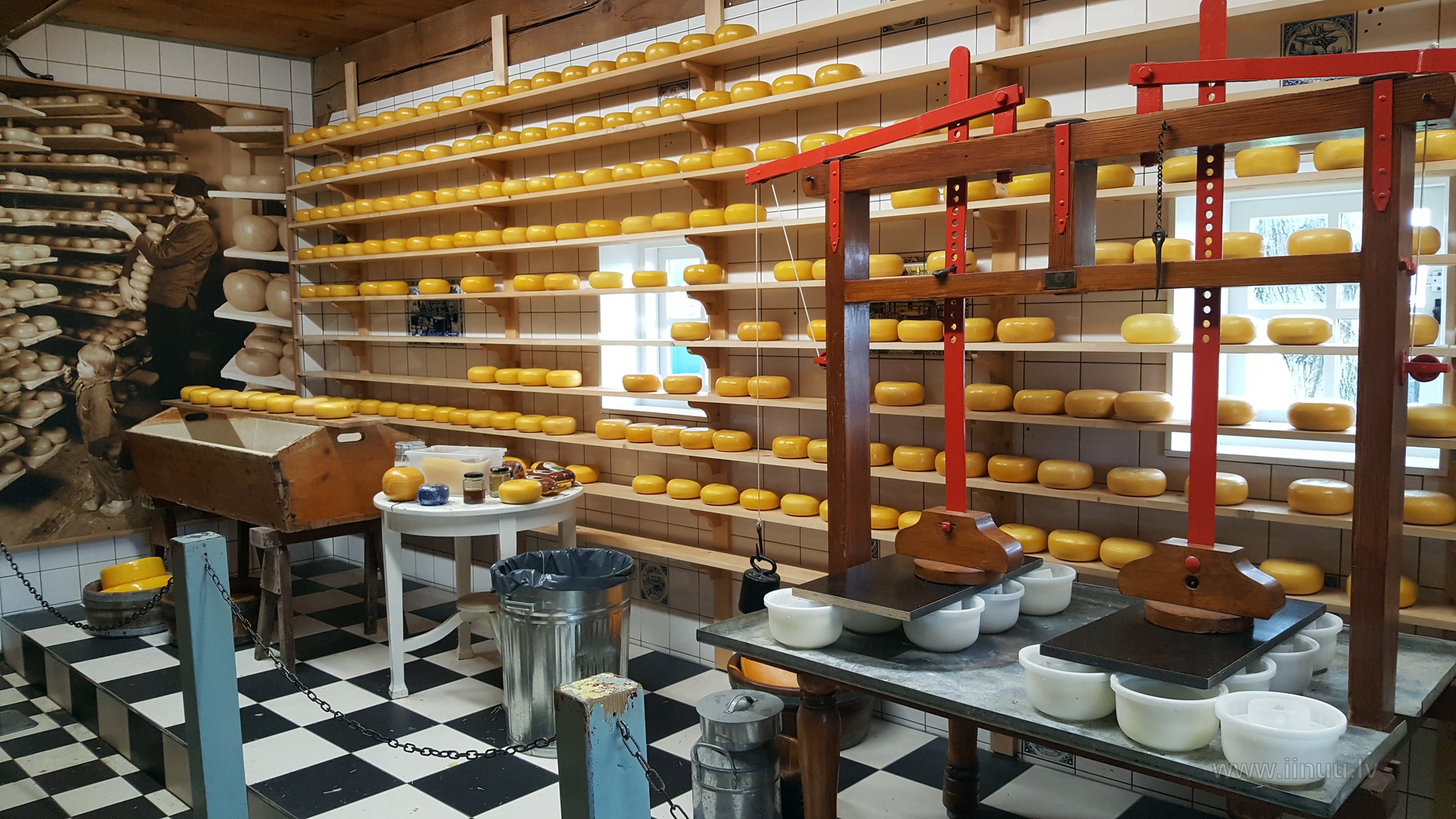
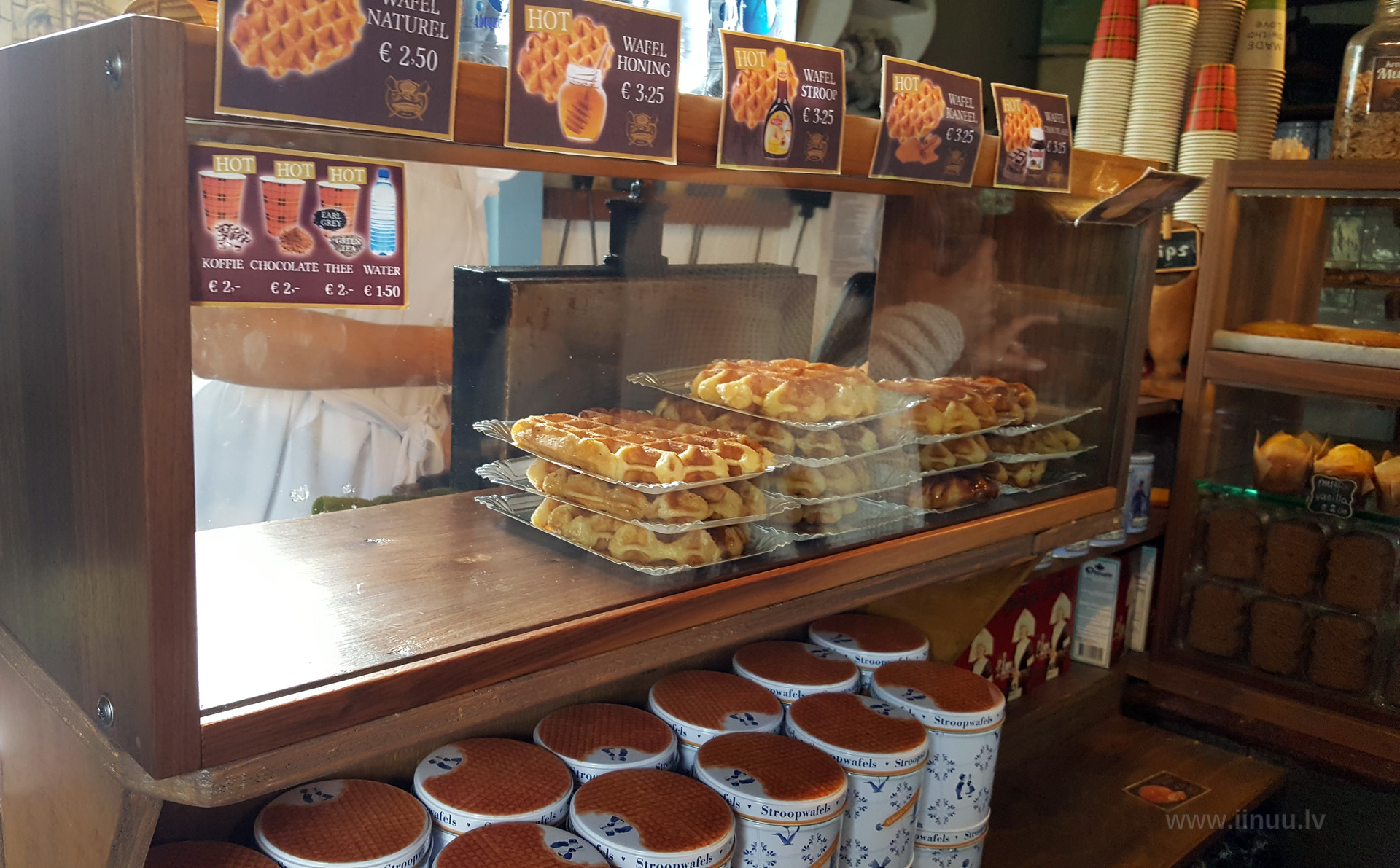
In the nearby houses one can purchase various sweets - traditional waffles (2.50–3.50 euros each), butter cake with pumpkin and poppy seeds, cocoa powder and chocolates, cocoa dragées, even ale with cocoa. In more distant houses one can watch masterclasses in cheese making and the making of wooden clogs. Similarly, both cheese and clogs, as well as spices (mustard especially), and multicoloured wooden tulips (2.50 euros each, or a set of 9 tulips for 19.95 euros) can be purchased to take home.
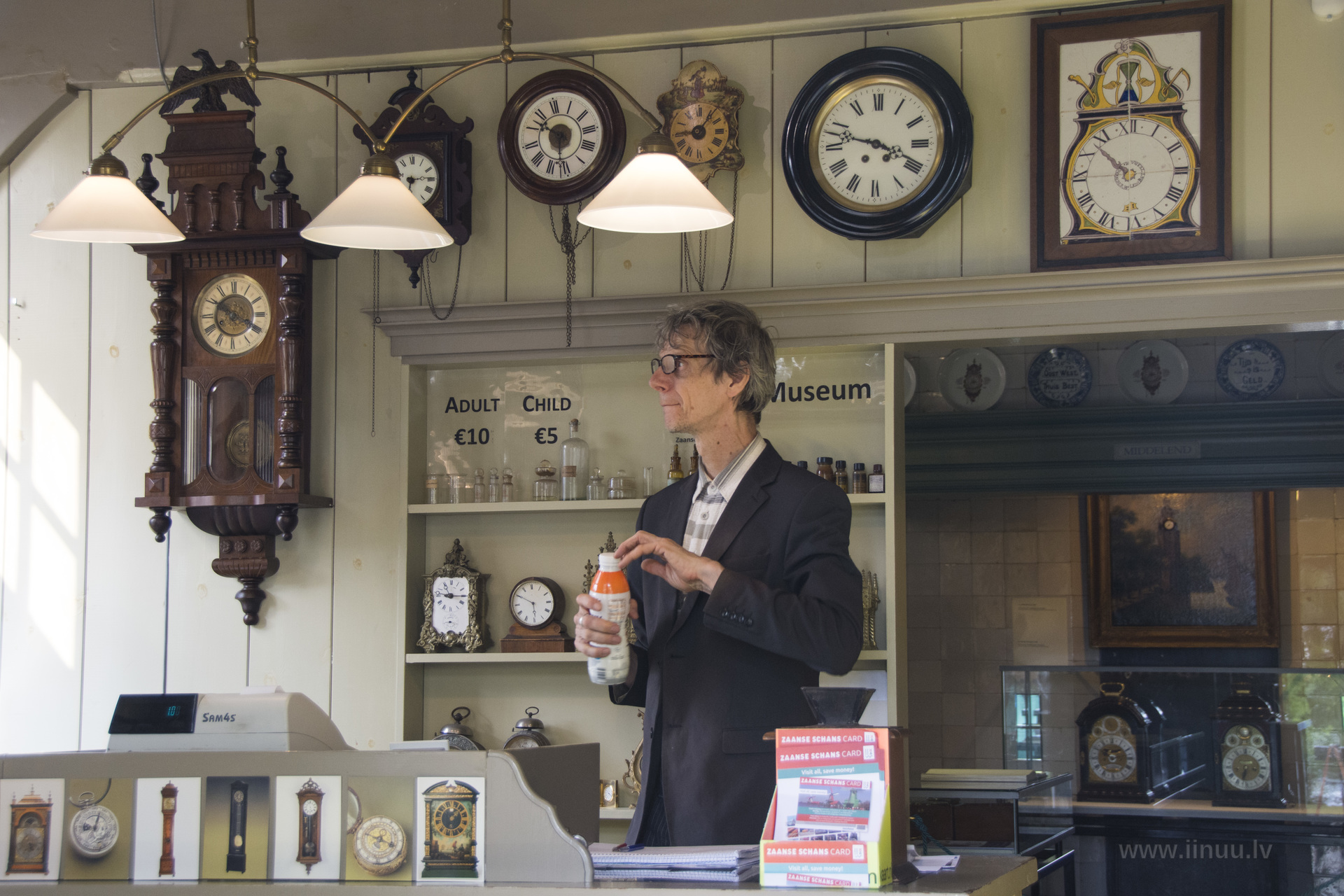
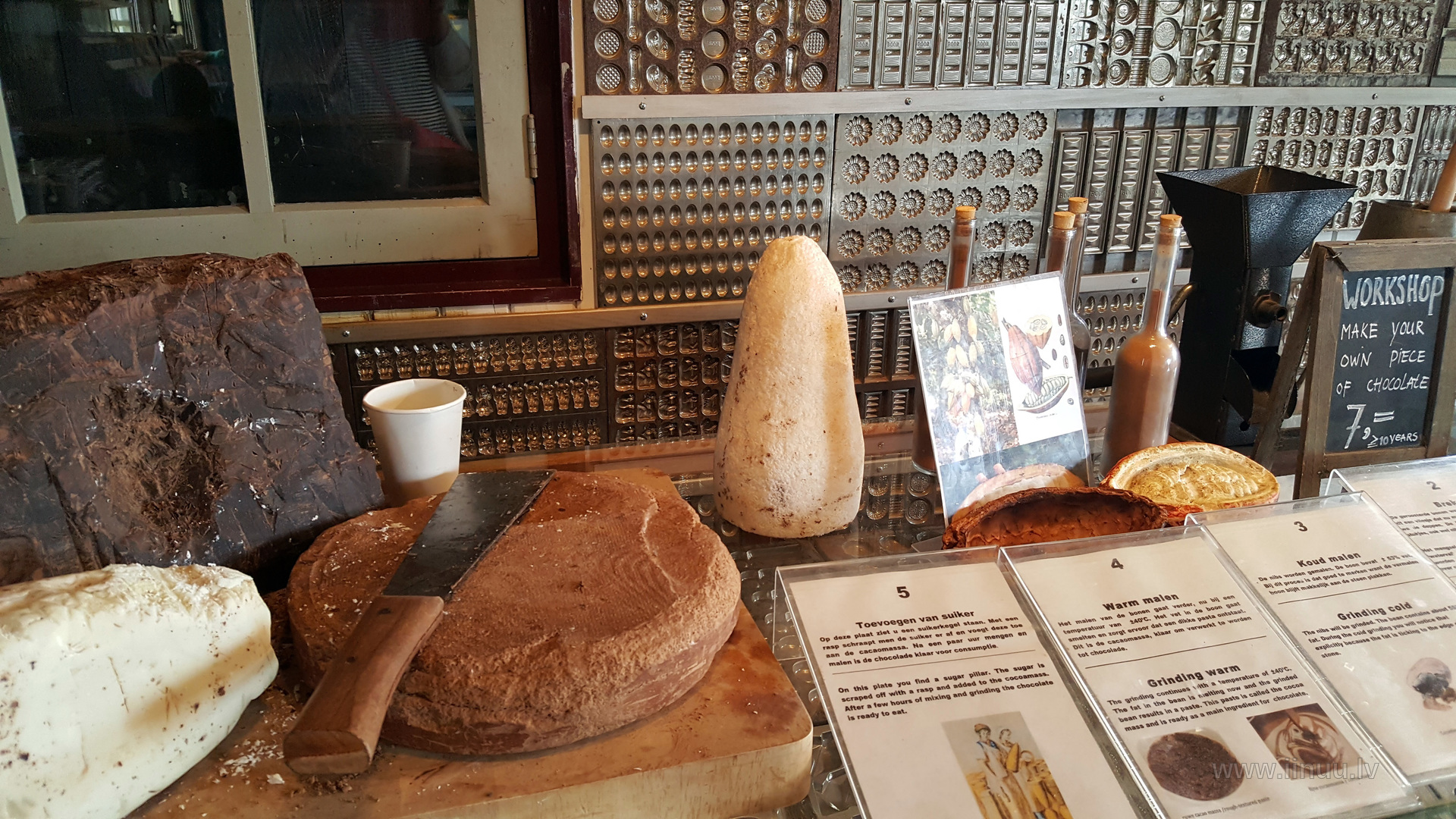
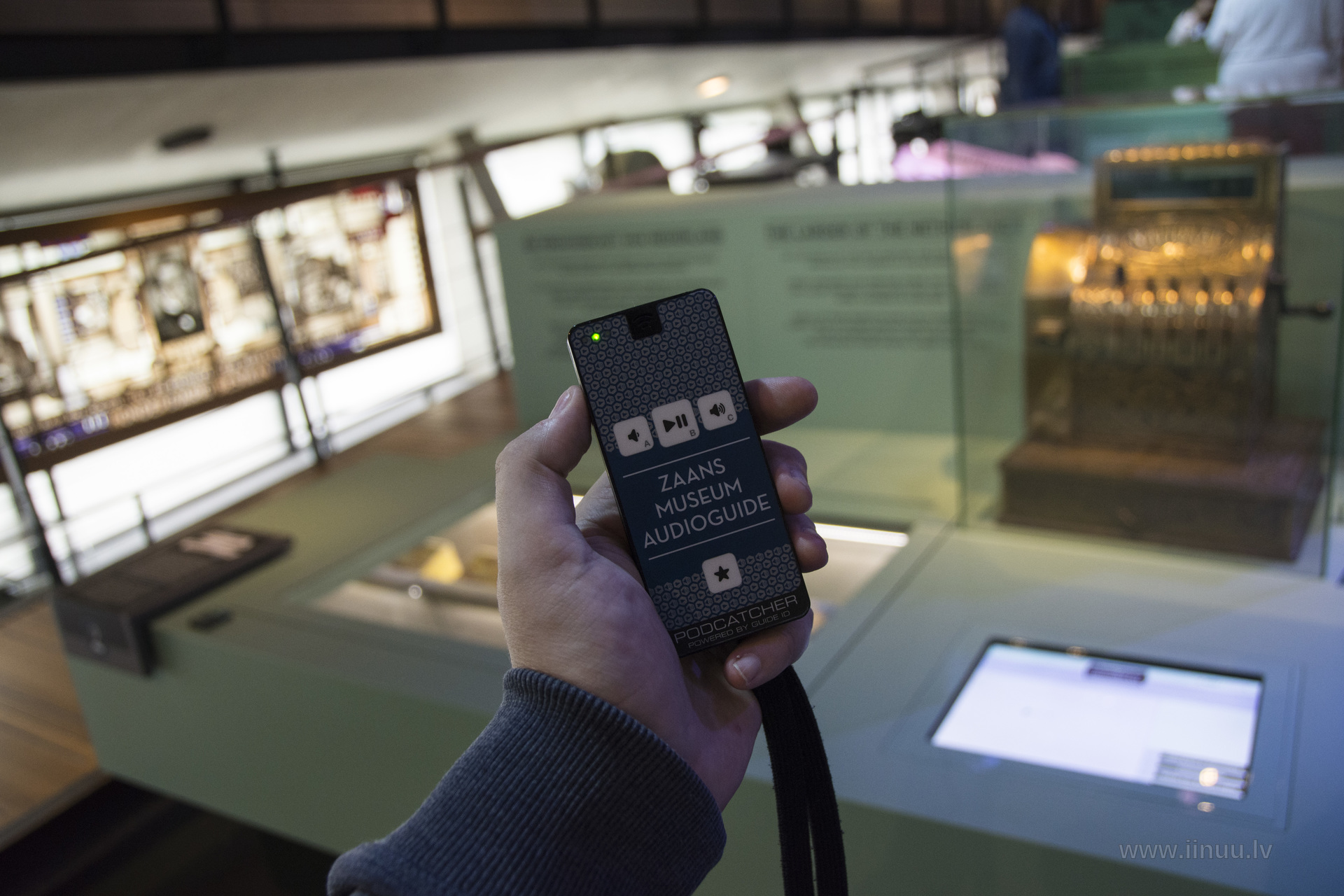
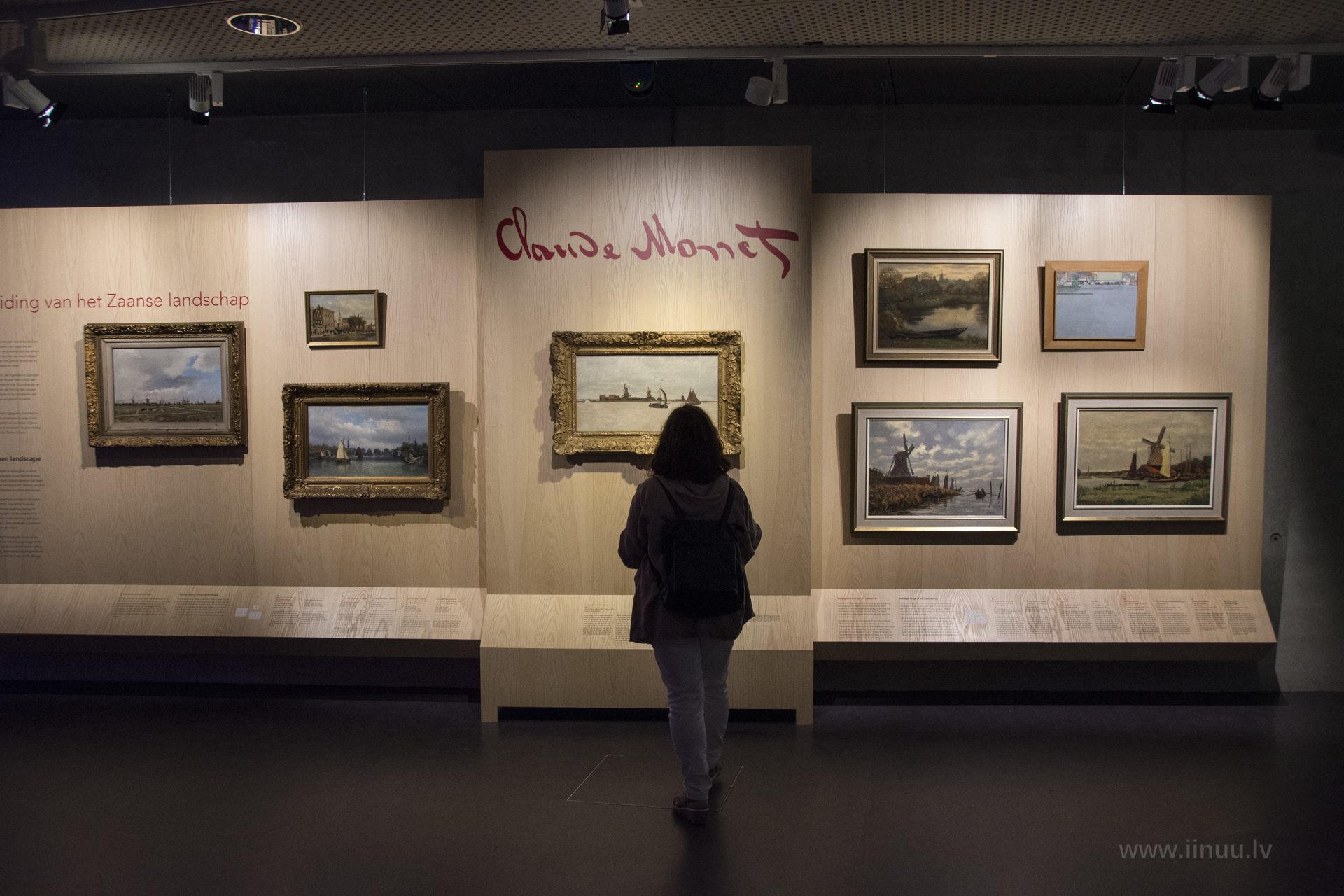
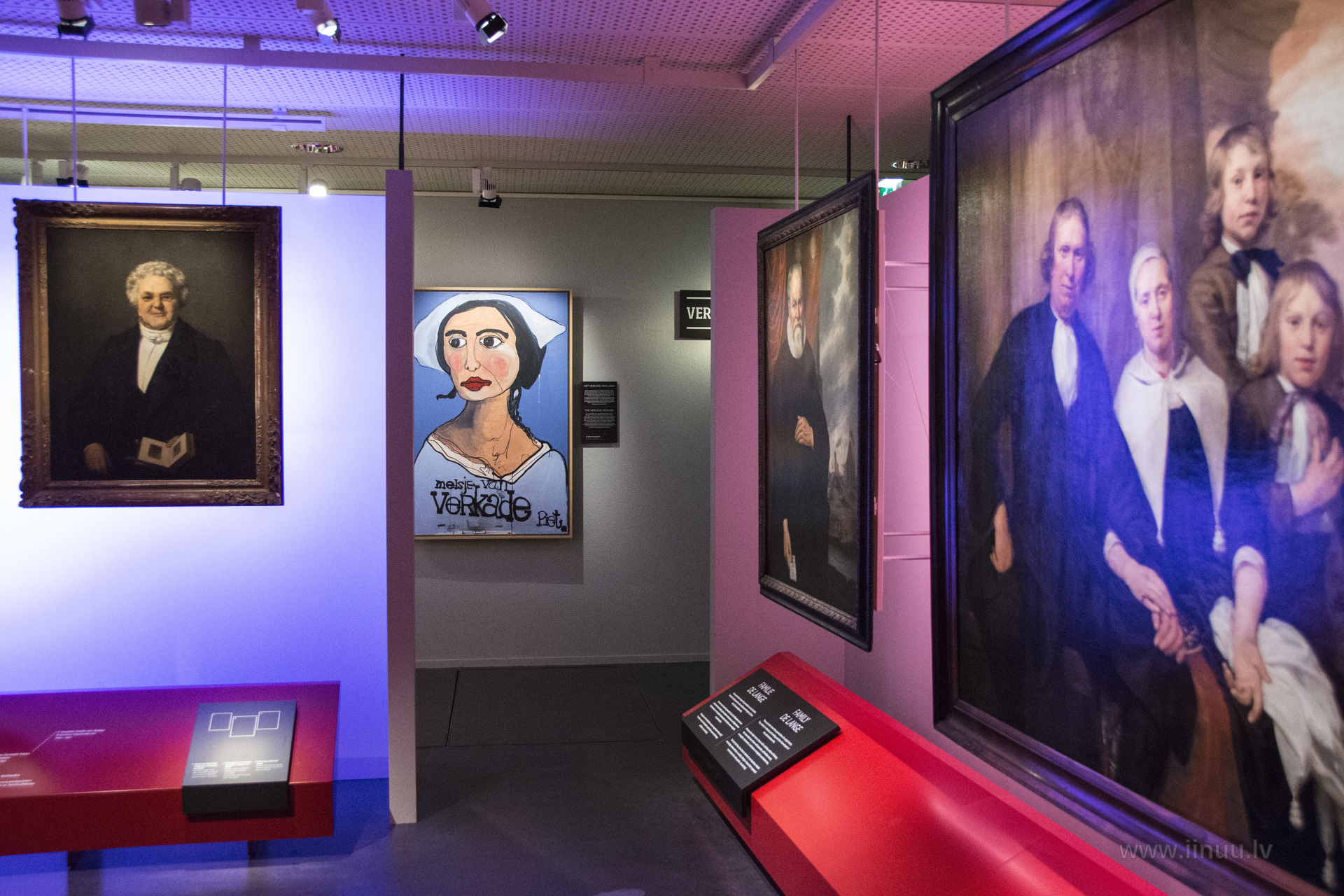
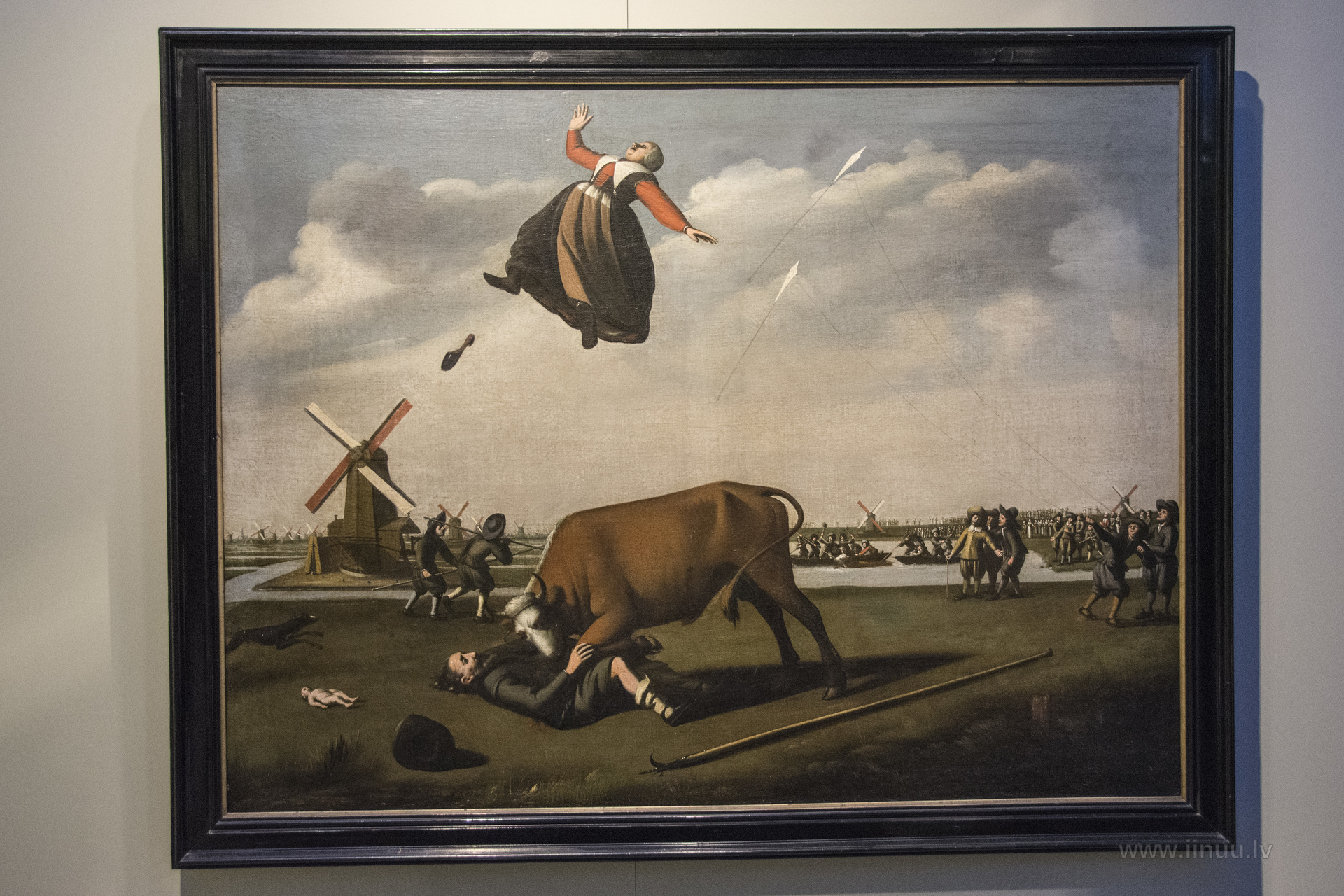
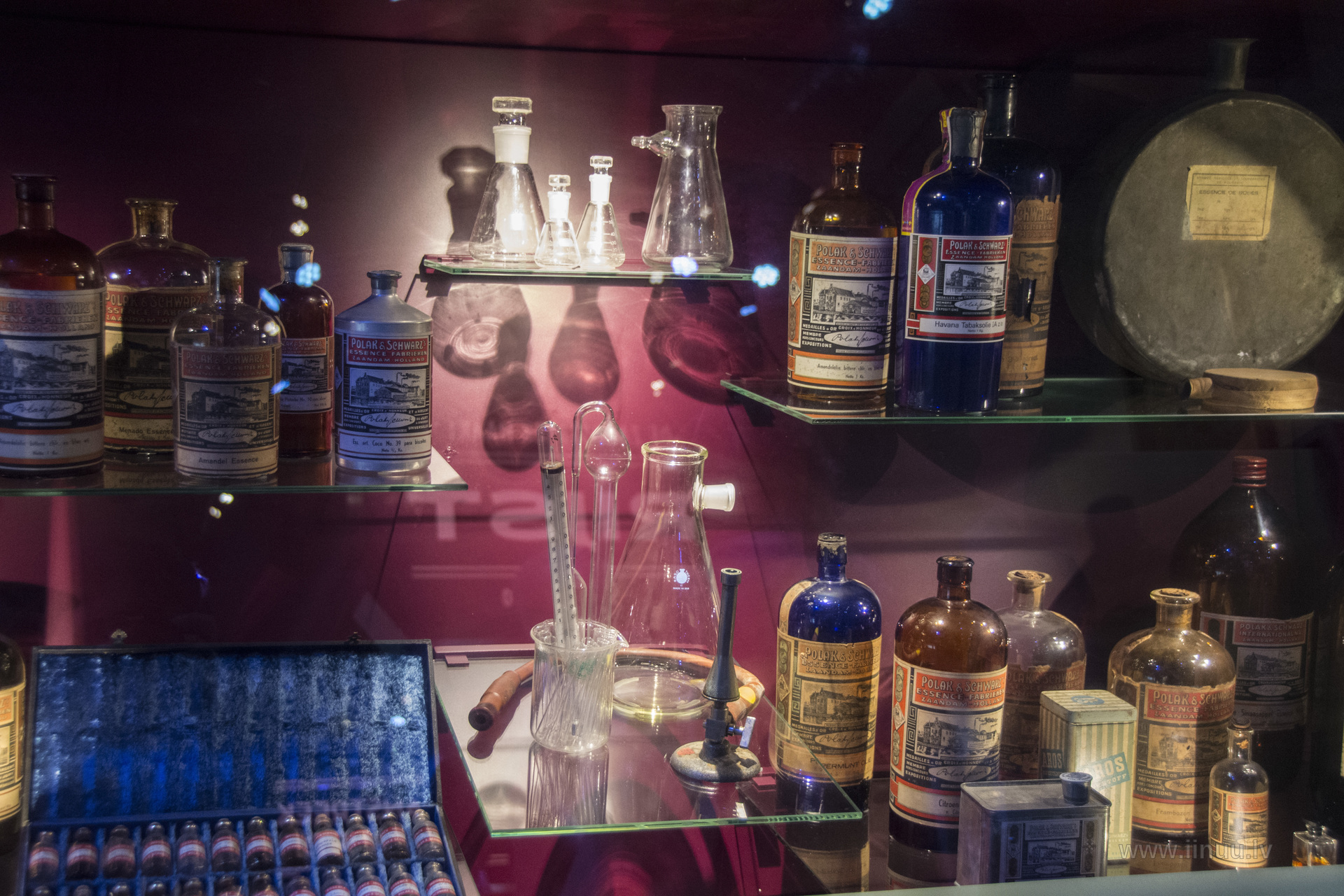
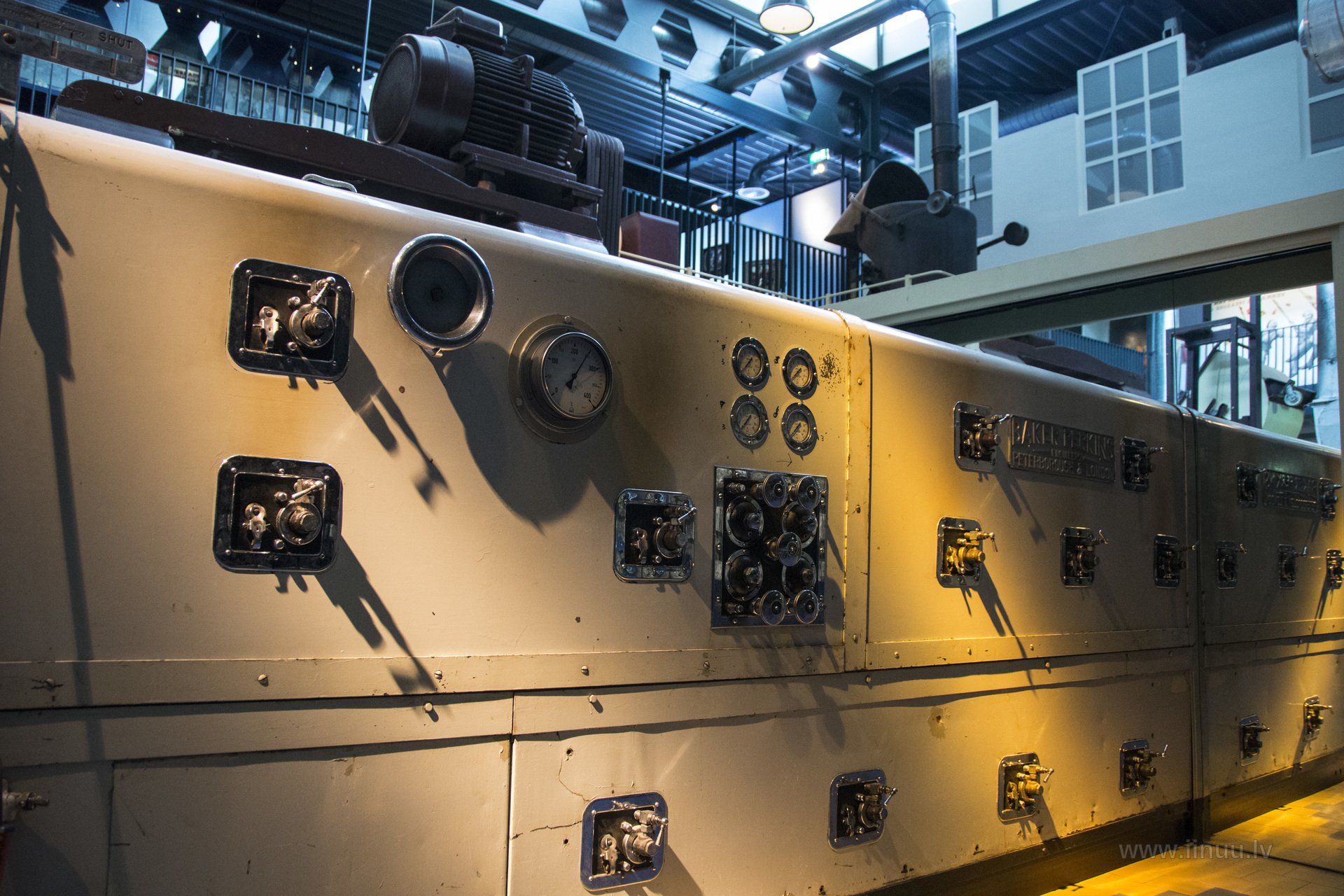
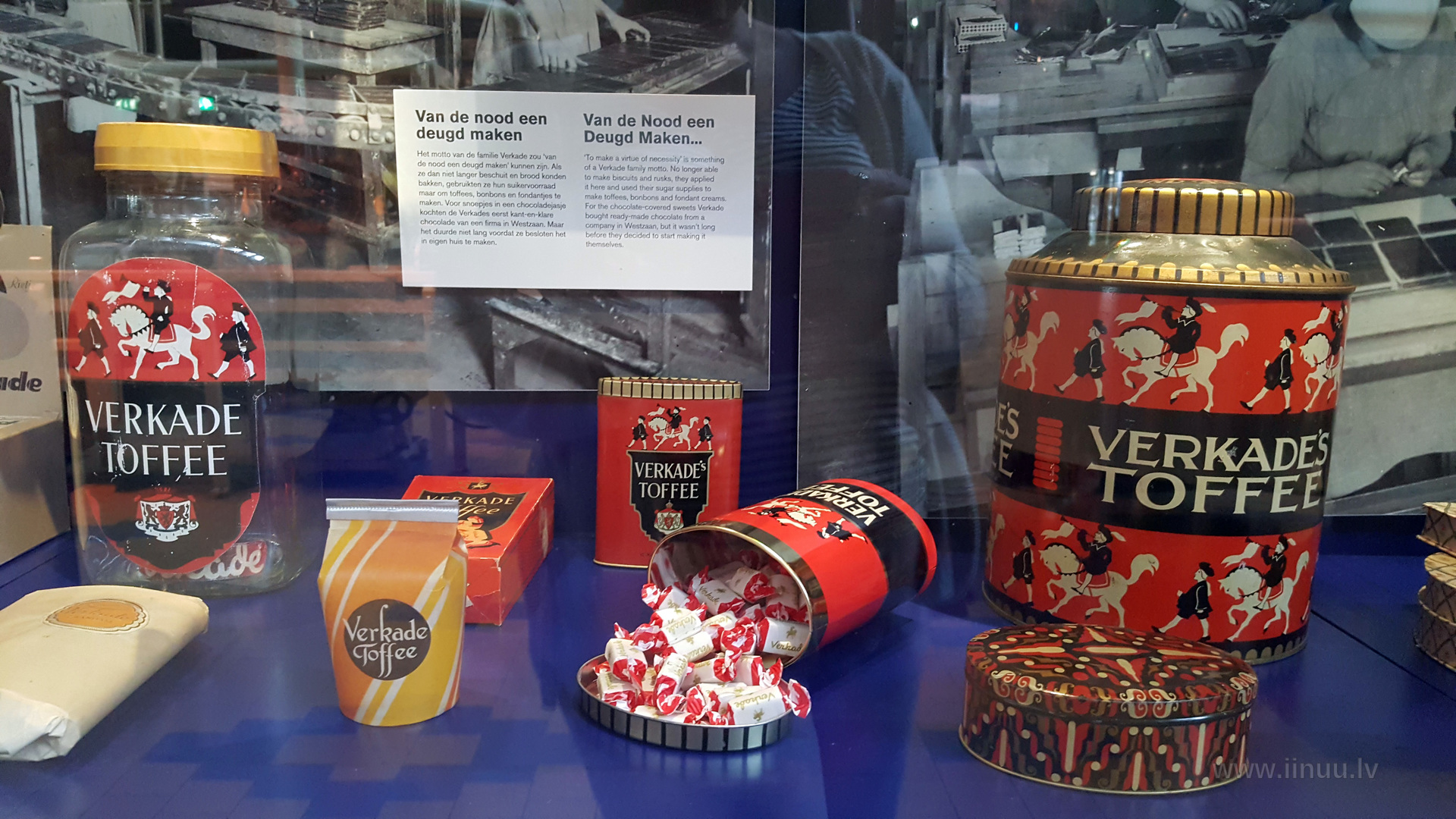
It is also possible to visit the Zaans Museum, where one can learn about the history of the place, its factories, portraits of former respected citizens, and the history of chocolate production - old machinery, colourful retro sweet tins (a beloved flea market item and almost every household's kitchen fixture), and moulds.
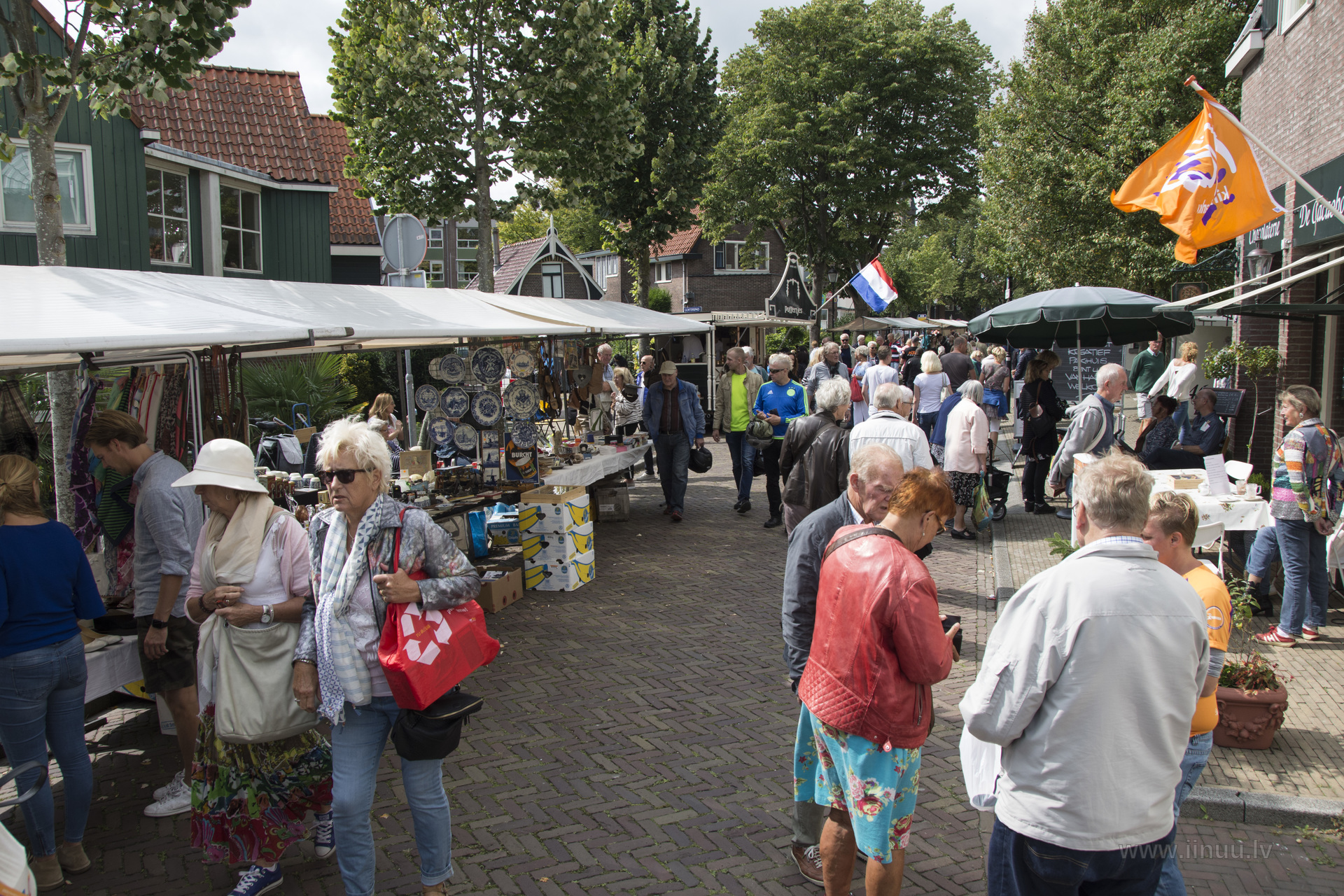
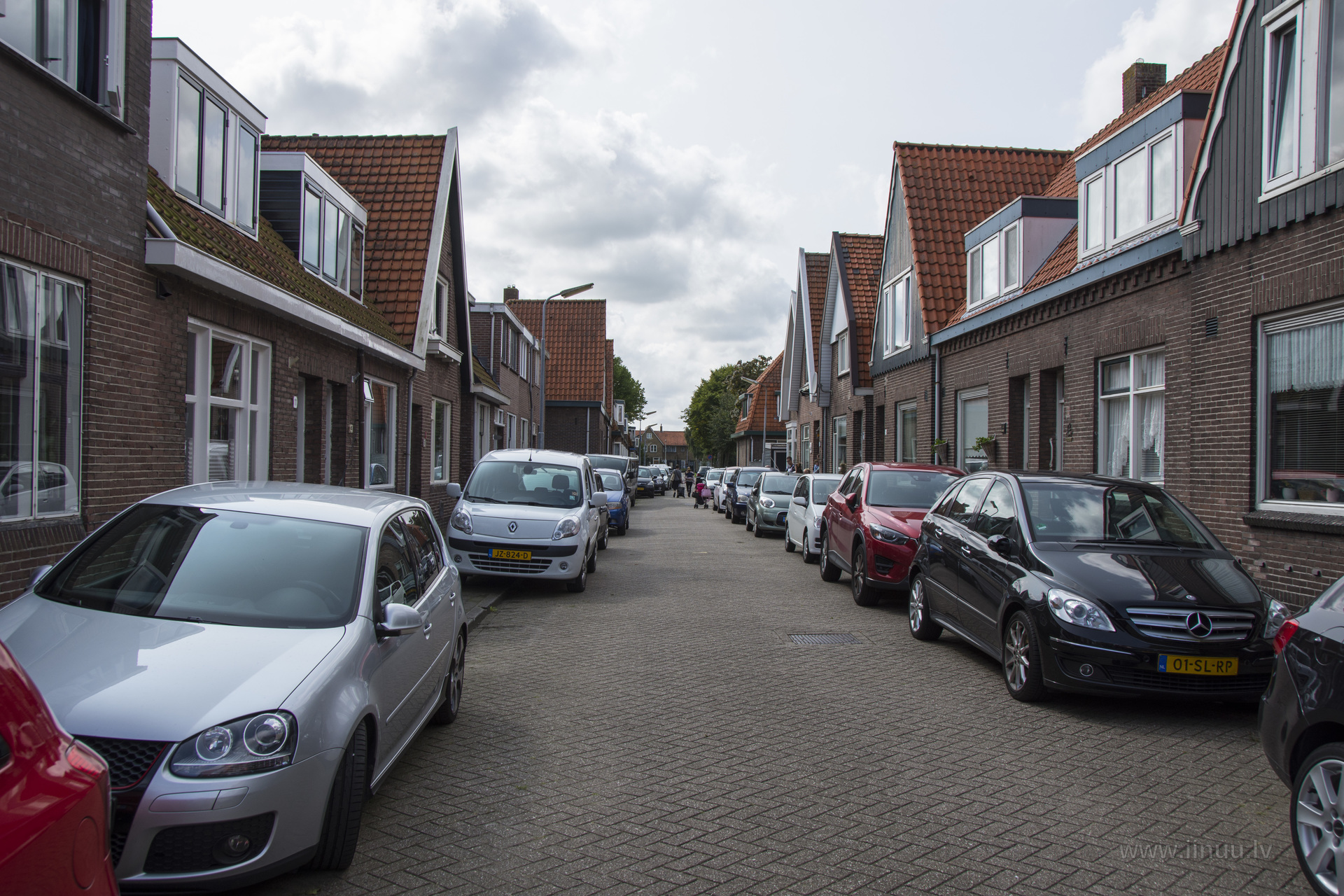
It was a Sunday, and on the way back from the open-air historical village to the modern village we inadvertently ended up at a sizeable flea market, which was spread along the entire length of the main street. It seemed as if every self-respecting resident had dragged something out of their home and was trying to sell it - not out of any great financial need, but for the entertainment and the fun of the bustle.
comments