Poetry Days 2012: A Journey with Poets in Sarkandaugava
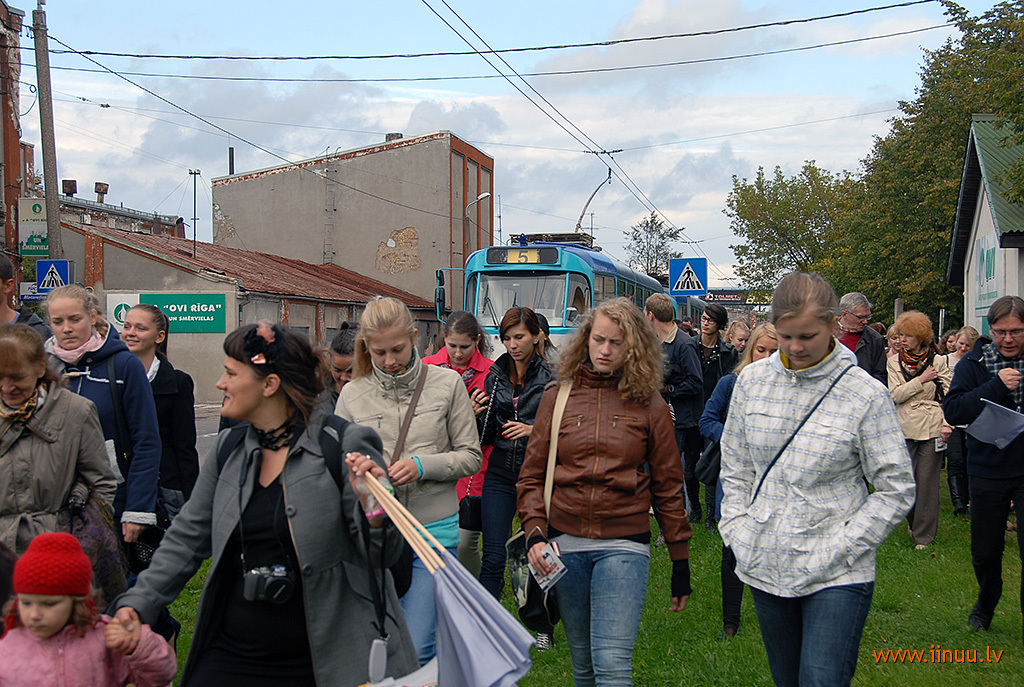
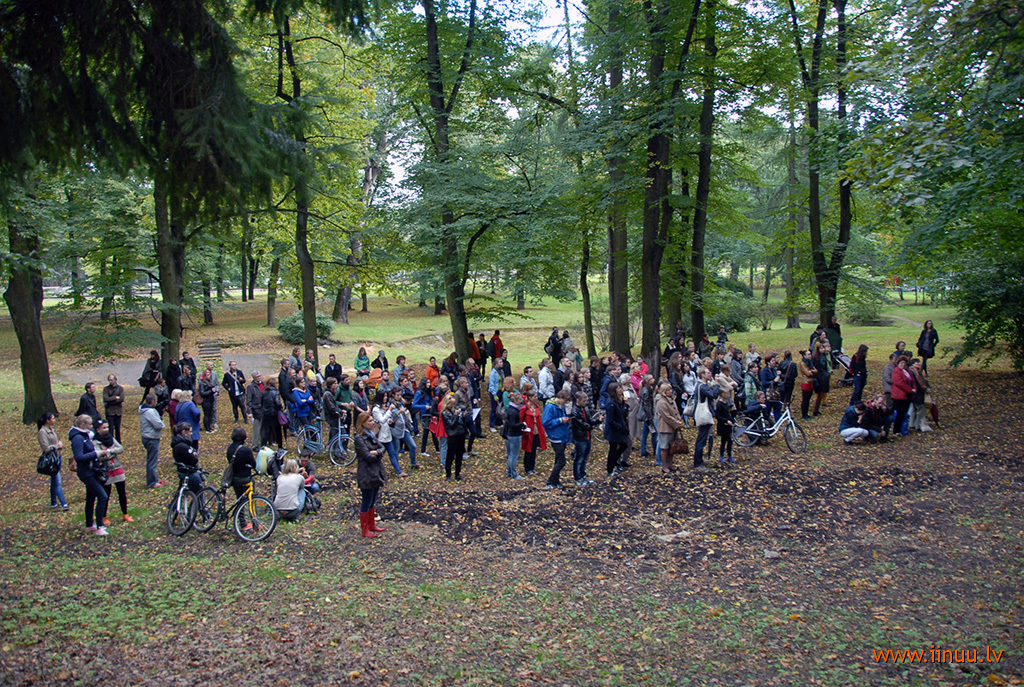
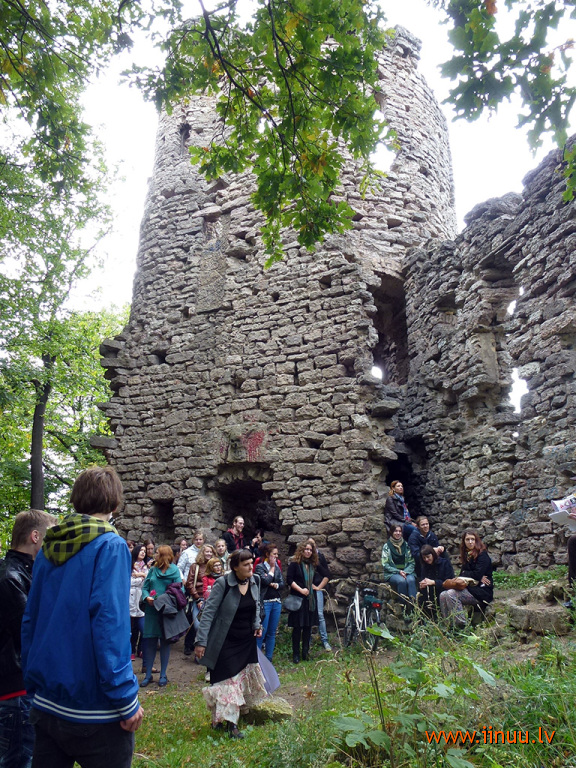
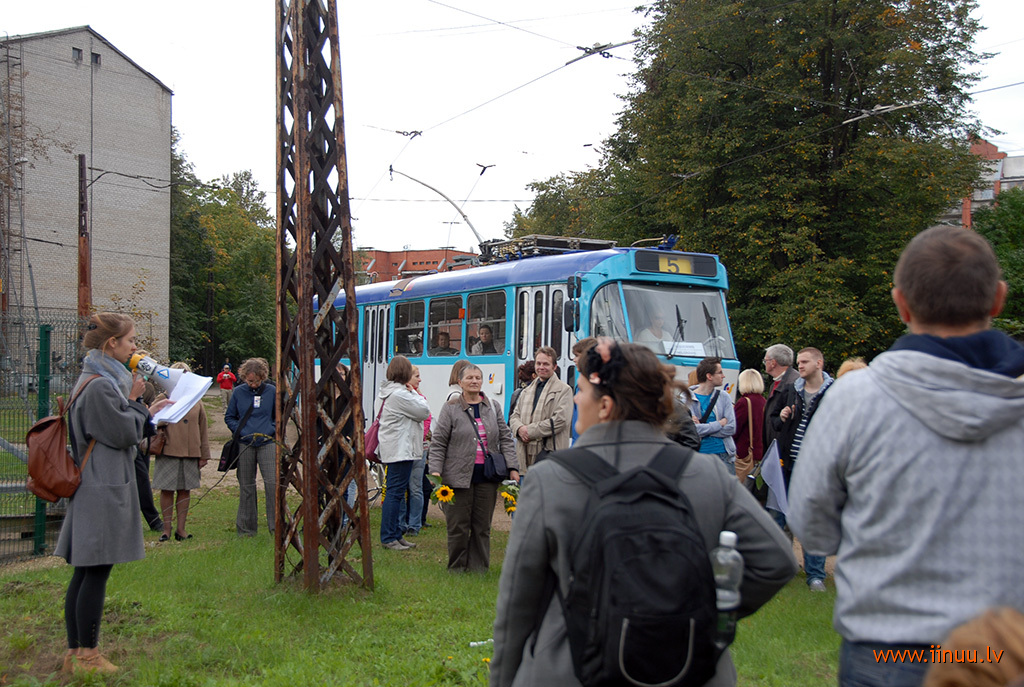
I would rather call it a walk through the Sarkandaugava district on a sunny-rainy Saturday afternoon. A special walk that brought together around a hundred people from the local and other Riga districts to listen, at eleven stopping points, to readings of works by up-and-coming and now well-known poets and prose writers.
I would rather call it a walk through the Sarkandaugava district on a sunny-rainy Saturday afternoon. A special walk that brought together around a hundred people from the local and other Riga districts to listen, at eleven stopping points, to readings of works by up-and-coming and now well-known poets and prose writers.
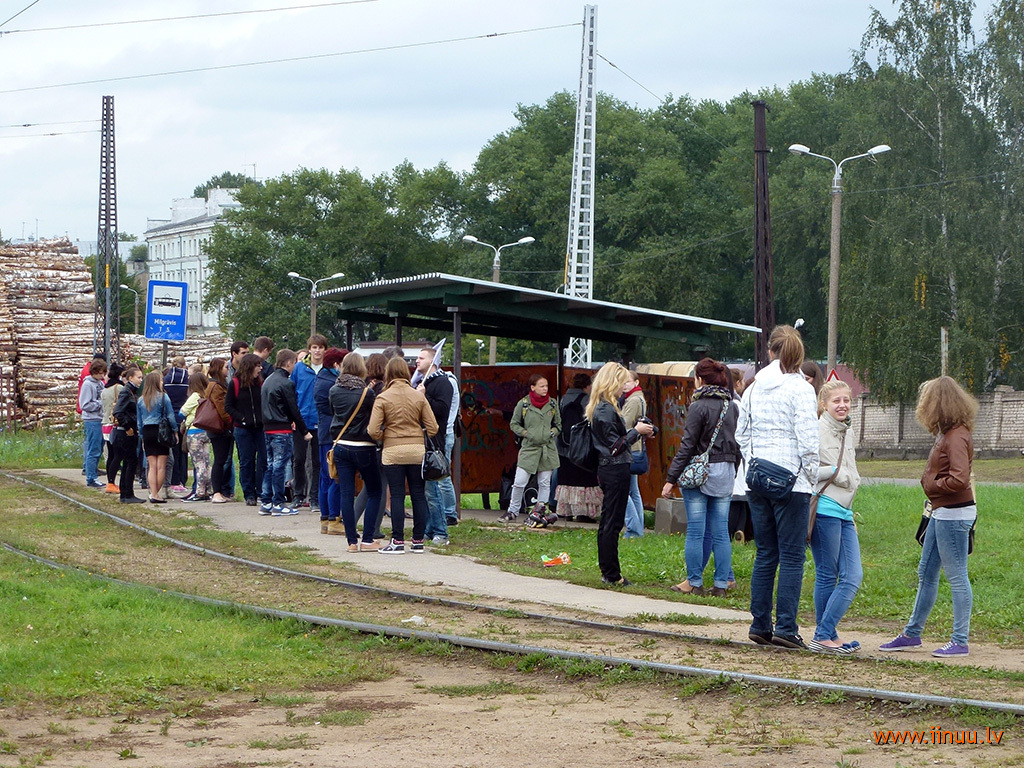
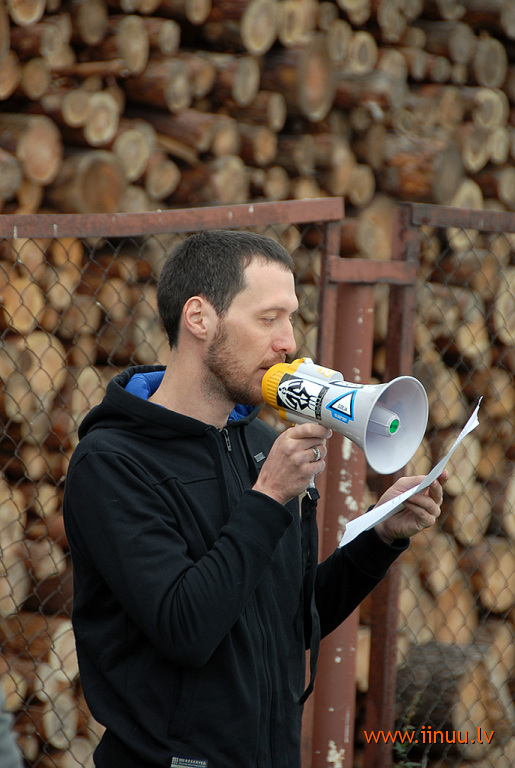
At 12:00 all those interested gathered at the terminus of tram No. 5 in Mīlgrāvis, a sparsely industrial area where various petroleum products and timber are unloaded. So it was only logical that the first poetry reading venue was beside a huge log pile, where Andris Ogriņš read from his works.
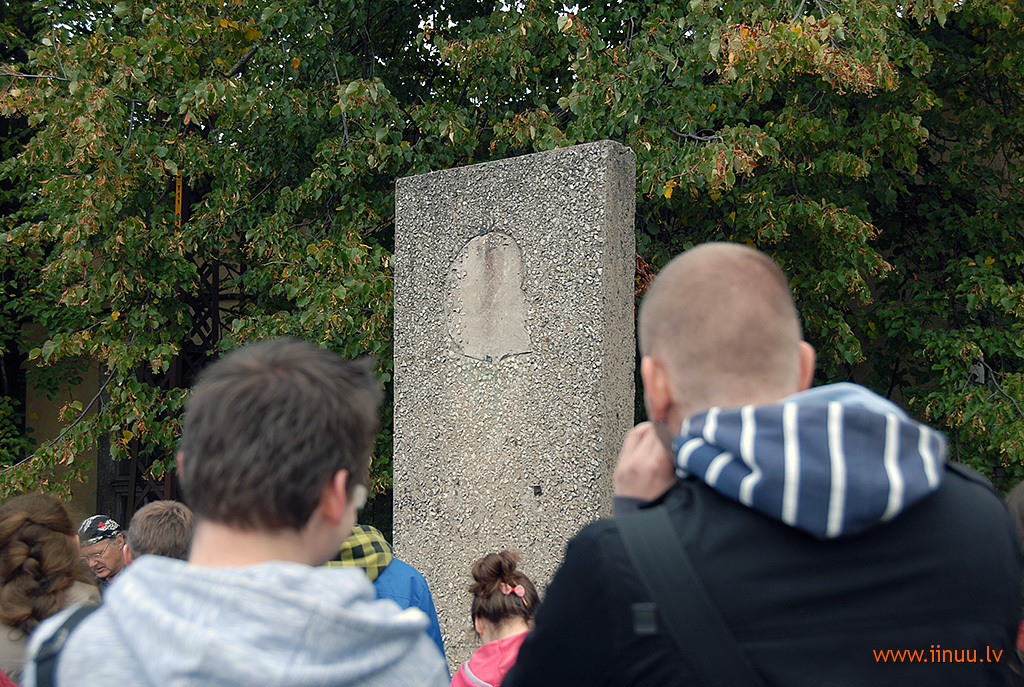
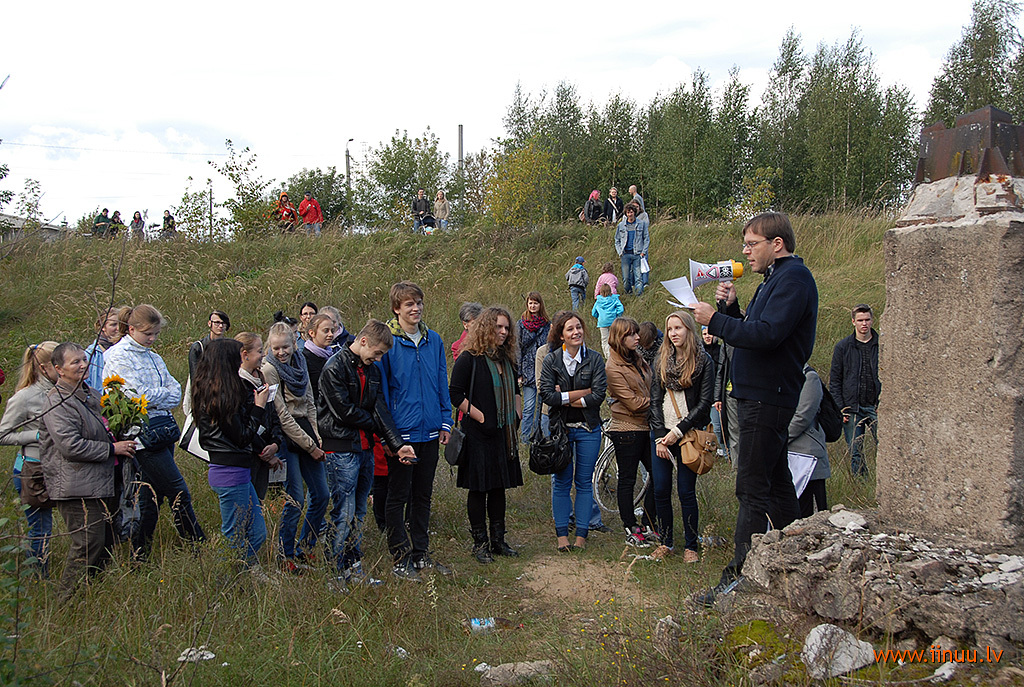
Then everyone, armed with the event's flyers - cards showing the journey map and listing the participants in order - set off along the tram No. 5 line in the direction of the Sarkandaugava centre. The second stop, "Lenin's Head", was a discovery for us too, because no matter how many times we had walked or driven past, we had never noticed the pedestal where the silhouette of the leader's head once stood in glory. Now only a grey hollow remains. Here Aivars Eipurs's poetry rang out, read by the author himself.
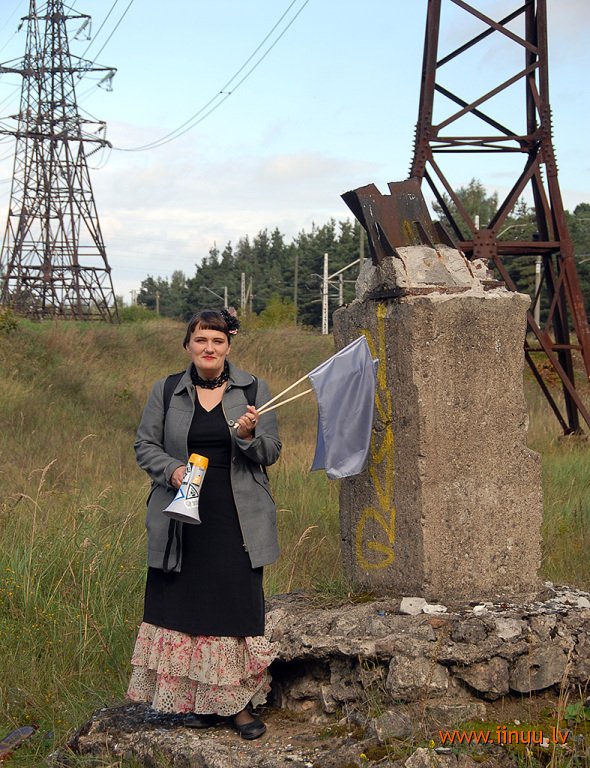
Next came a prose reading - a story about Mr. Četmens performed by Svens Kuzmins, accompanied in the background by the impressive hum of power lines.
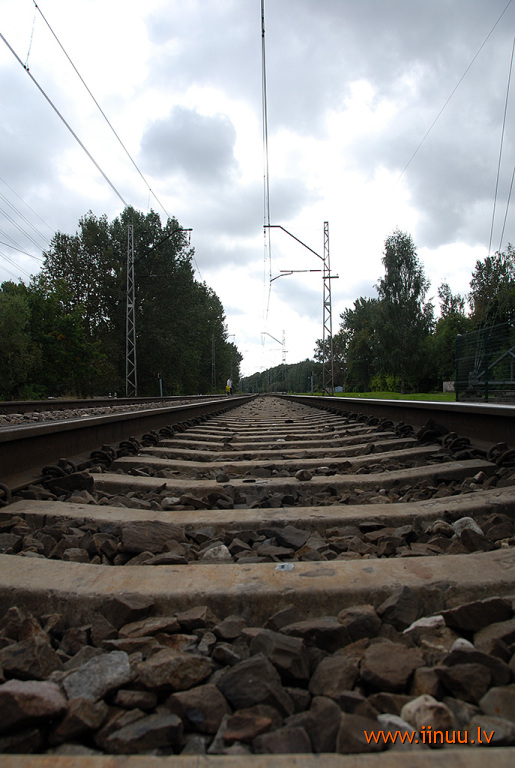
At the stopping point "Railway Line", located beside what are now no longer tram but railway tracks, the listeners enjoyed Jānis Elsbergs's poetry reading. The sun had kindly emerged from behind the clouds, and the mood of all the walkers lifted still further.
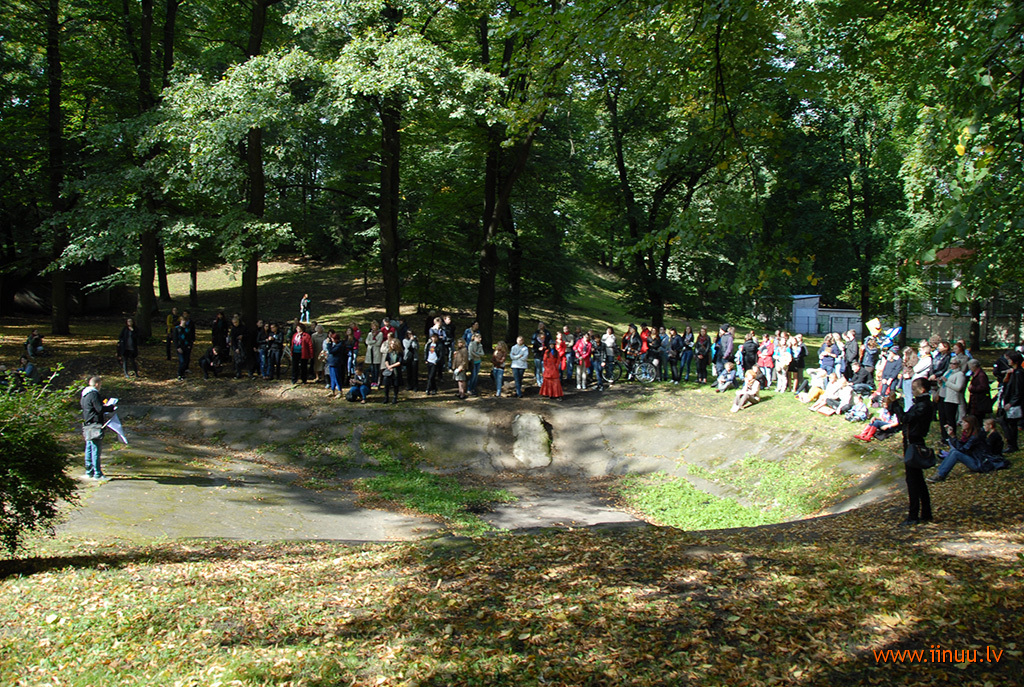
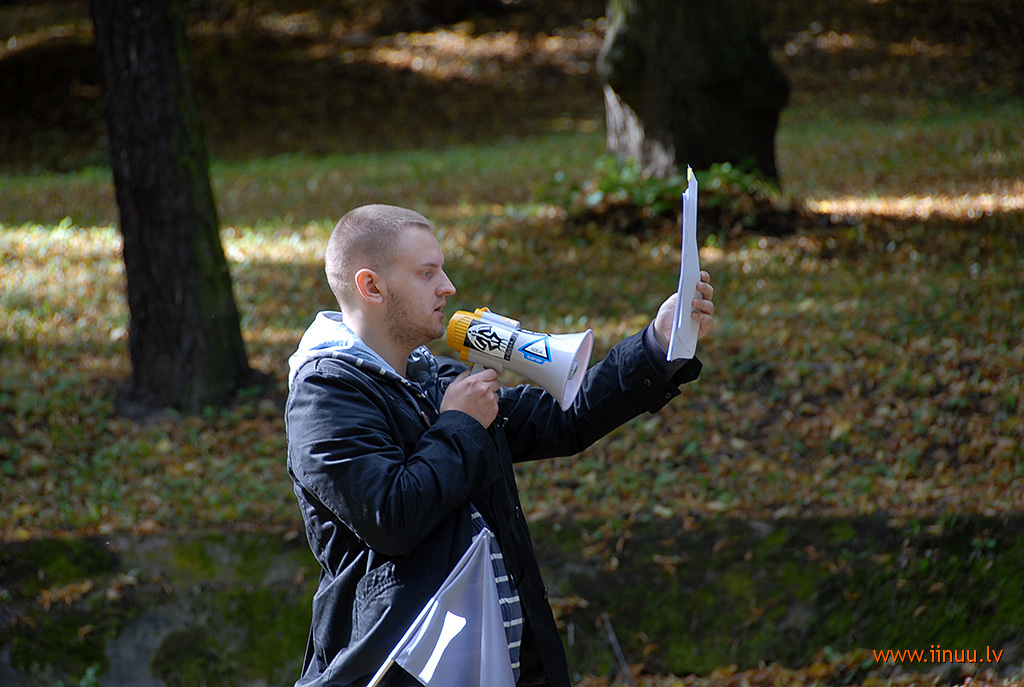
What followed was a longer trek along Sliežu Street, the length of one tram stop, past Secondary School No. 28, to Aldara Park, where at the centre stands a pool - a completely dry pool. In it, Artūrs Lūsis found a place to declaim his poetry to the listeners gathered around the pool's rim.
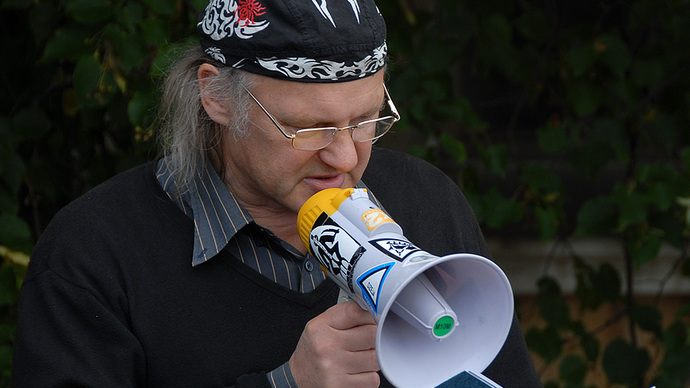
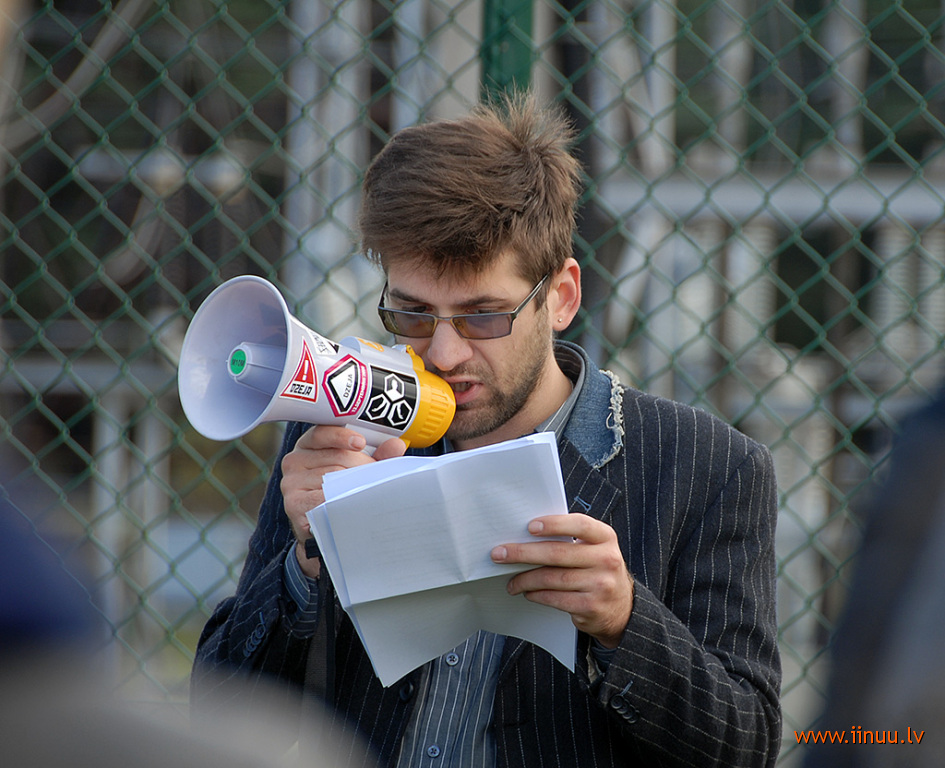
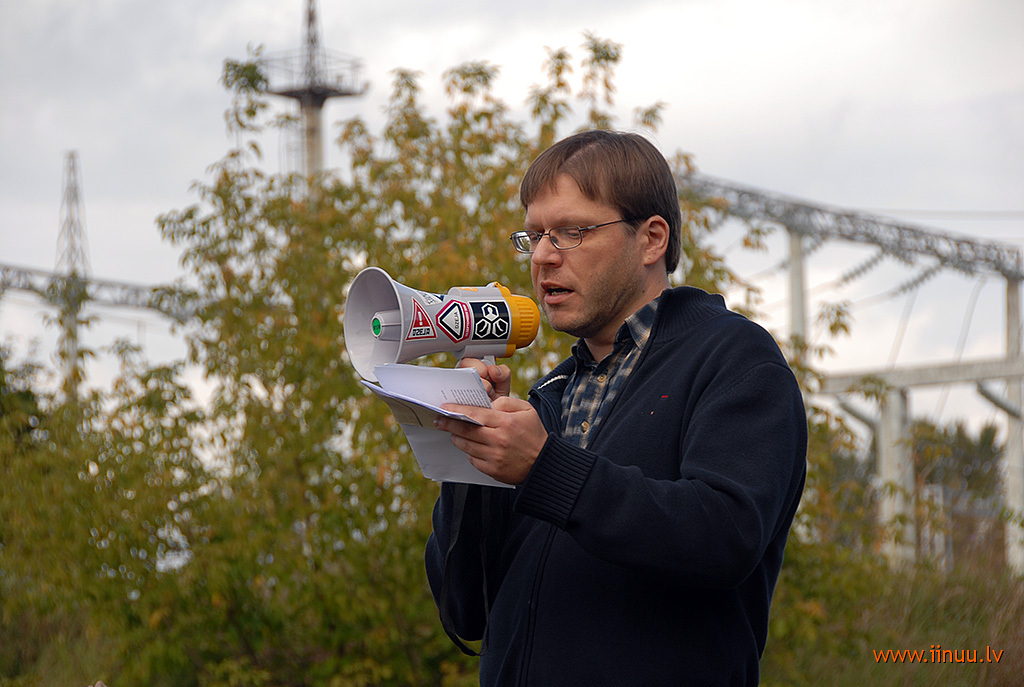
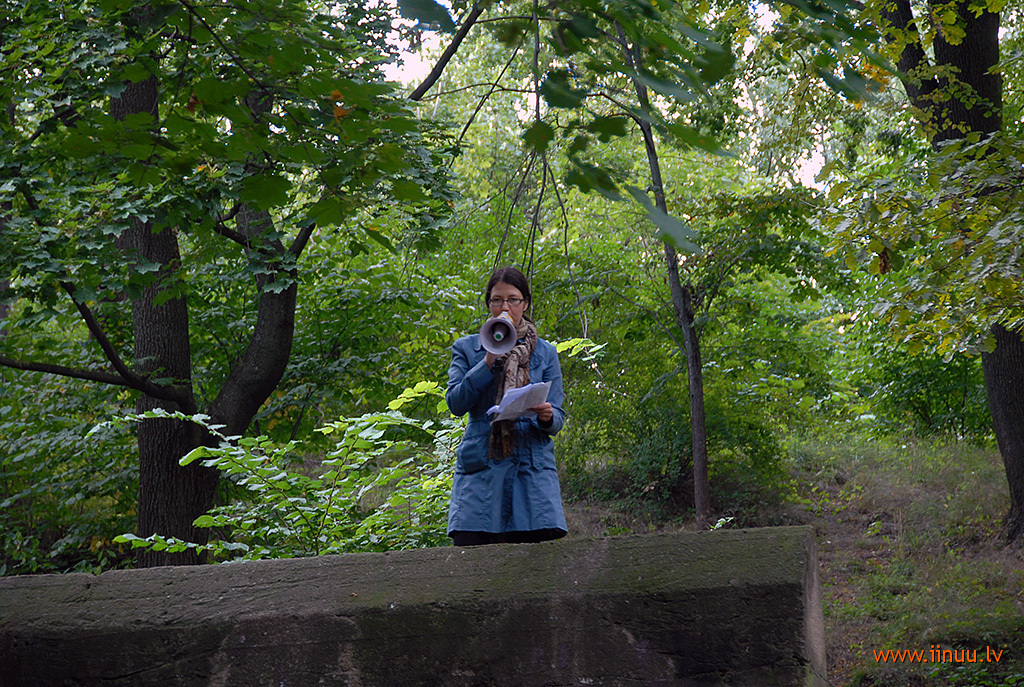
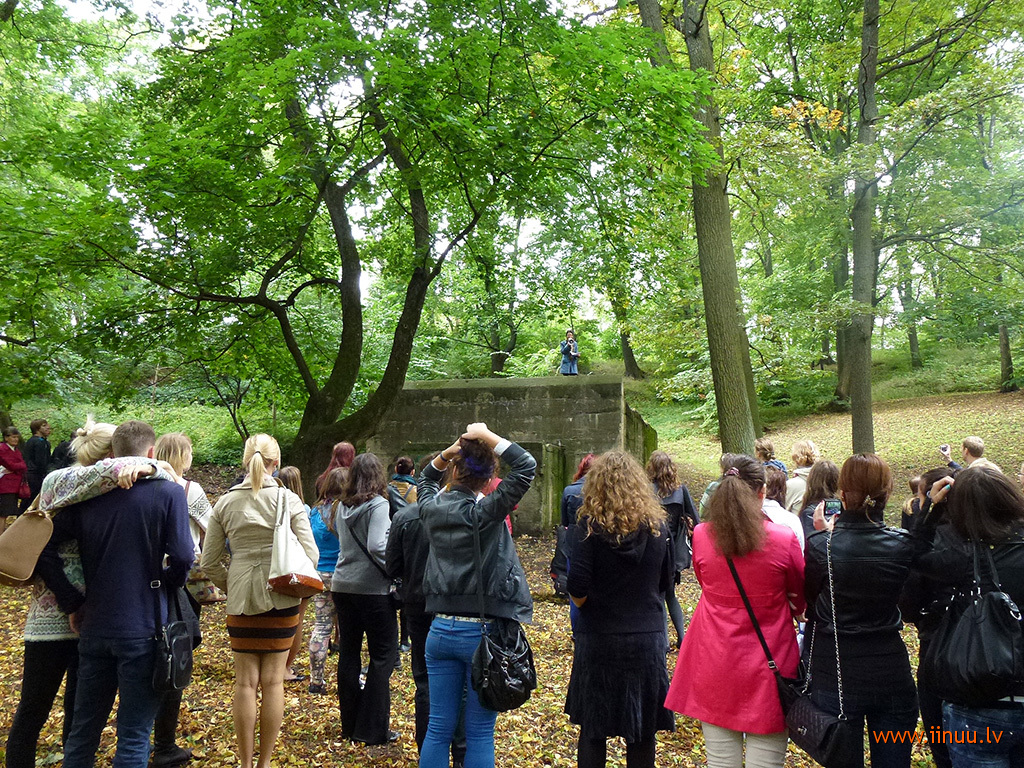
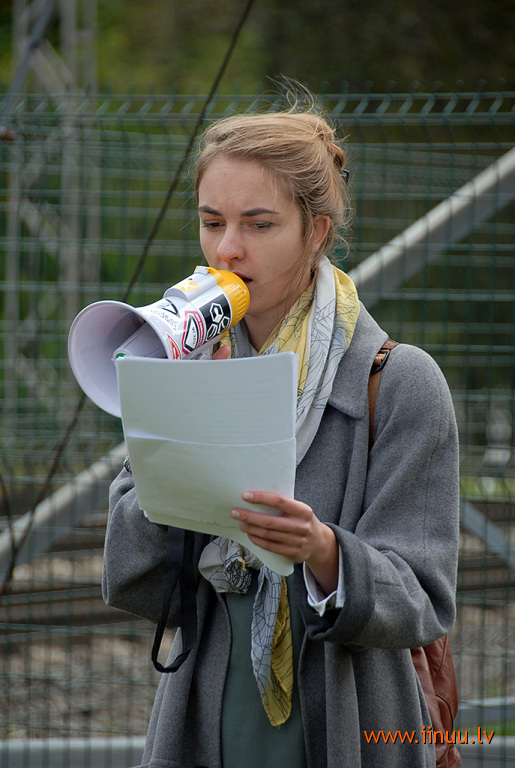
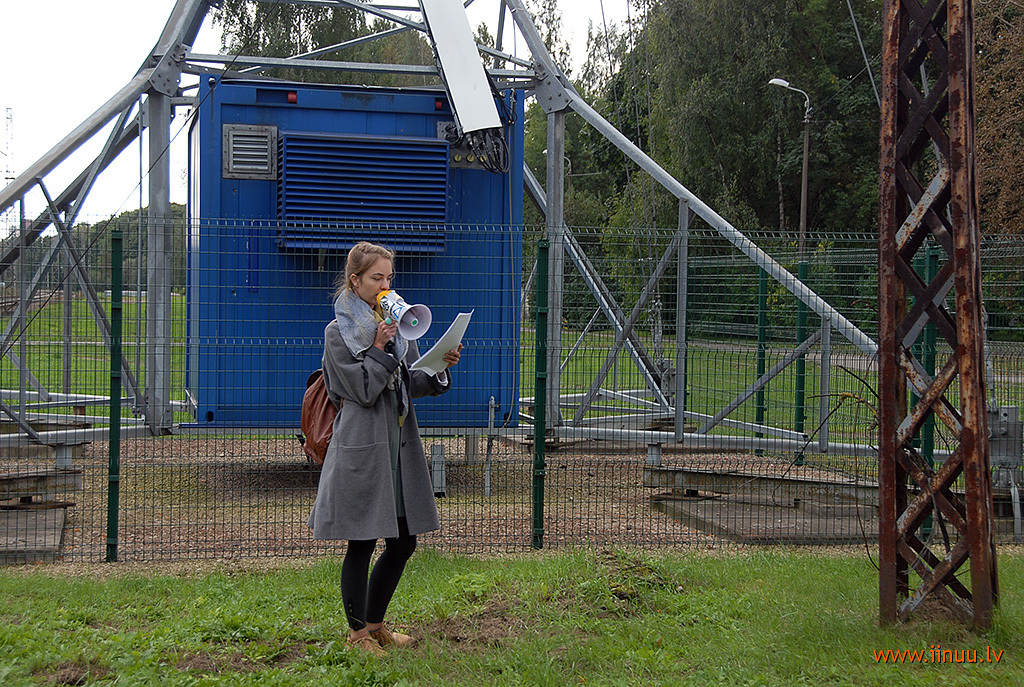
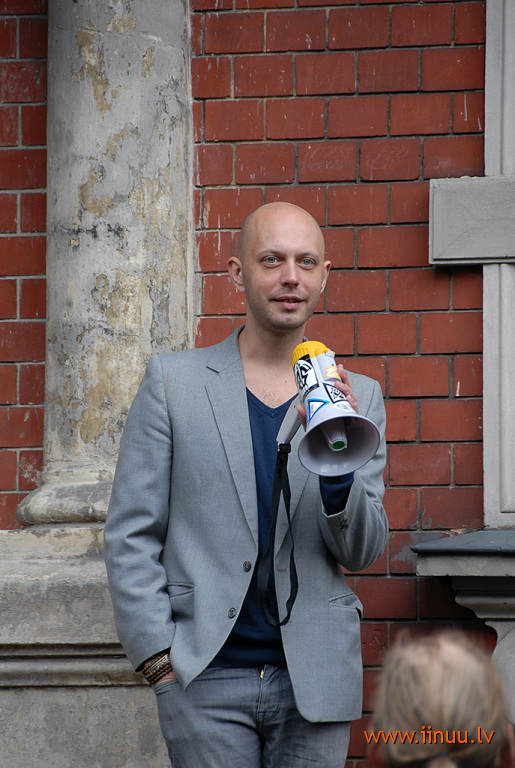
Meanwhile, poet Anna Auziņa, megaphone in hand, climbed up onto the roof of an abandoned bunker right there in the park. And so the poetry rang out from above, down upon the masses.
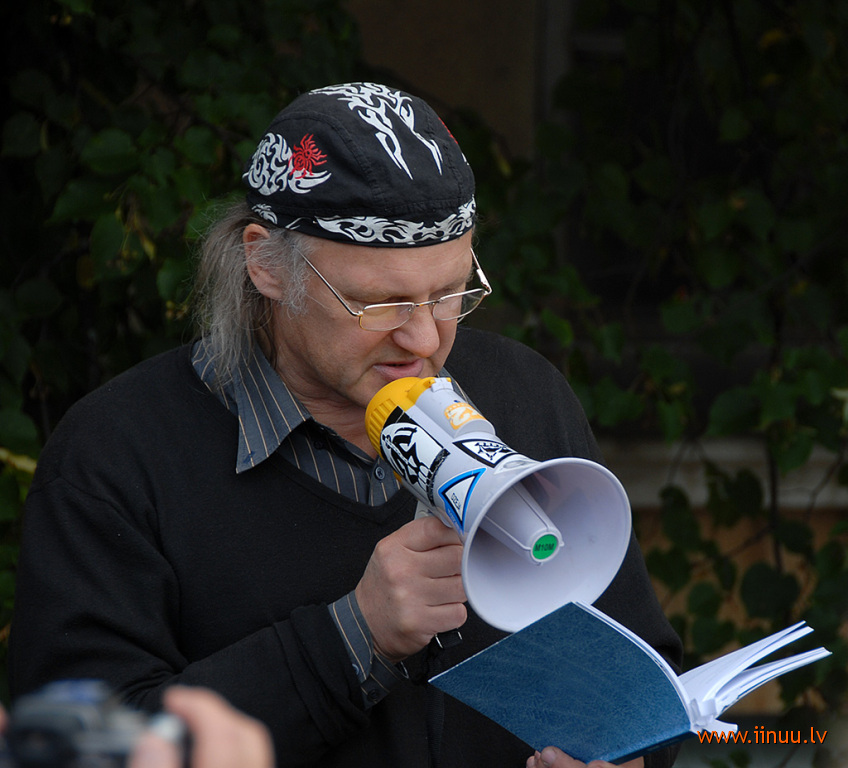
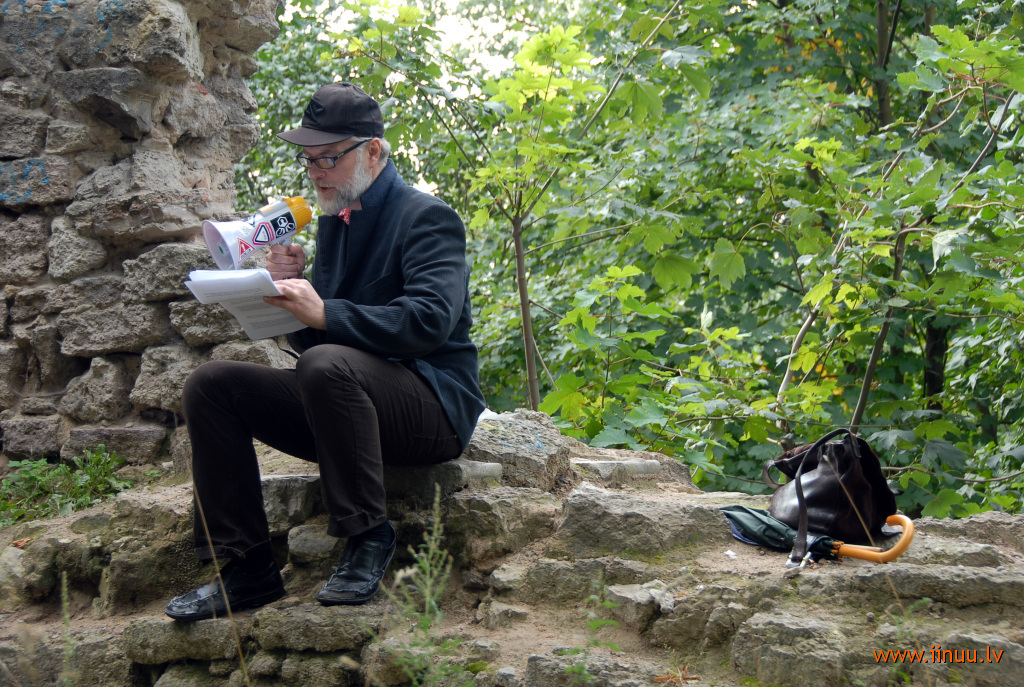
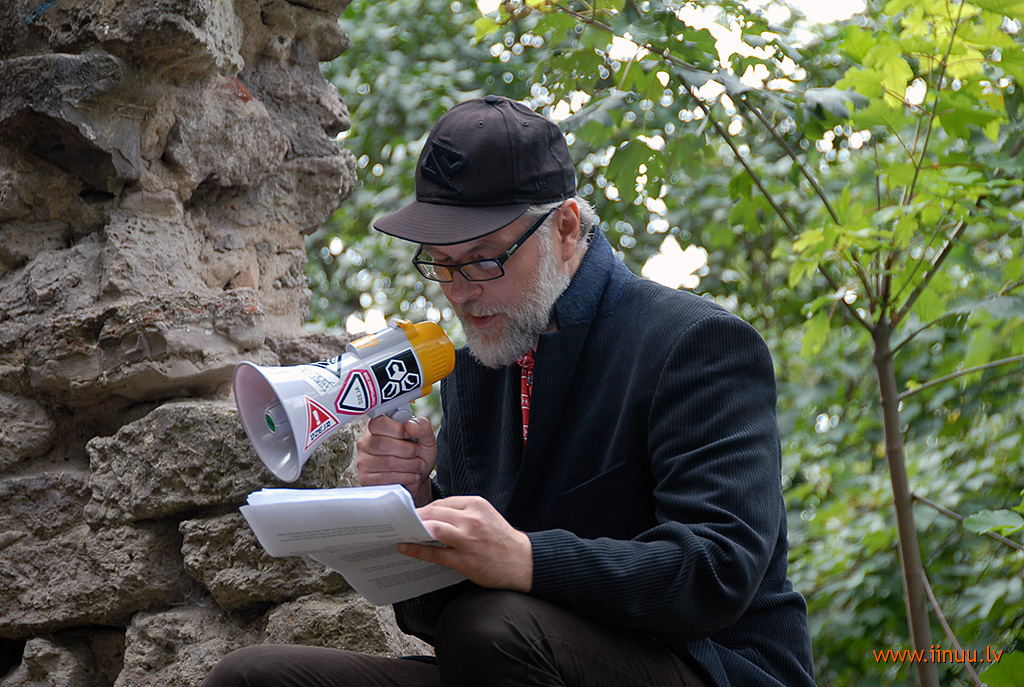
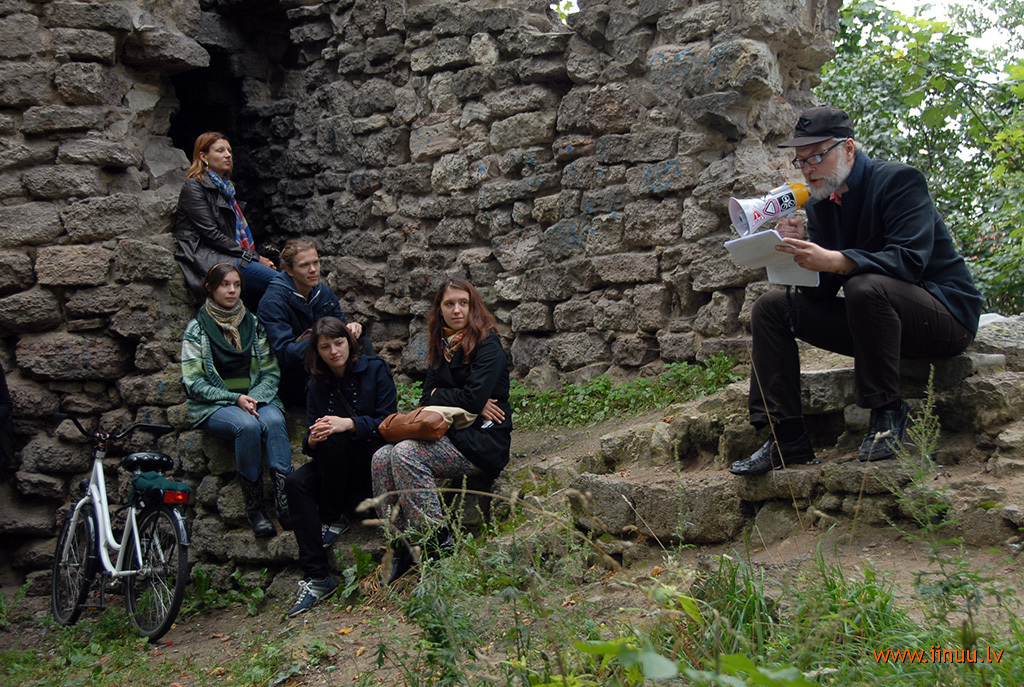
To hear Rihards Bargais, one had to make one's way up a steep hill, at the top of which lie the artificial castle ruins of Aldara Park. A truly fitting place for some rather cutting anecdotes about one's contemporaries - writers, artists, politicians. Here is one that was shared:
"when šlesers was not yet šlesers but had a completely different surname, he ended up at a swimming pool at the liepājas metalurgs facility together with the future poet rihards bargais, and afterwards they both went into a shared shower. šlesers, suspecting nothing untoward, asked bargais to wash his back, and bargais scrubbed it, barely keeping himself on the brink of one last uprising, and in the end nearly fainted right there in the showers on the wet floor, because practically for the first time in his life he had found himself beside such a large, beautiful, and naked male body as this one."
Then down from the hill and to the antenna (the corner of the medical centre "Vesels"), where Justīne Janpaule read her own poetry. Behind the poet, a train was thundering past, while from the other side the passing tram No. 5 was driving the listeners back from the tracks.
[14.12.2017. A private message was received from Justīne Janpaule on Facebook, requesting the removal of her poetry reading video from youtube.com and accordingly from the iinuu website. Her reasoning (quoted): "the format is not flattering to me. Since I am identified by my full name and surname, the video material appears in the first pages of Google search results. It continues to cause me discomfort in the work environment and elsewhere." Hmm, the author finds it unflattering and a hindrance to her career that she is recognised online as a poet?!]
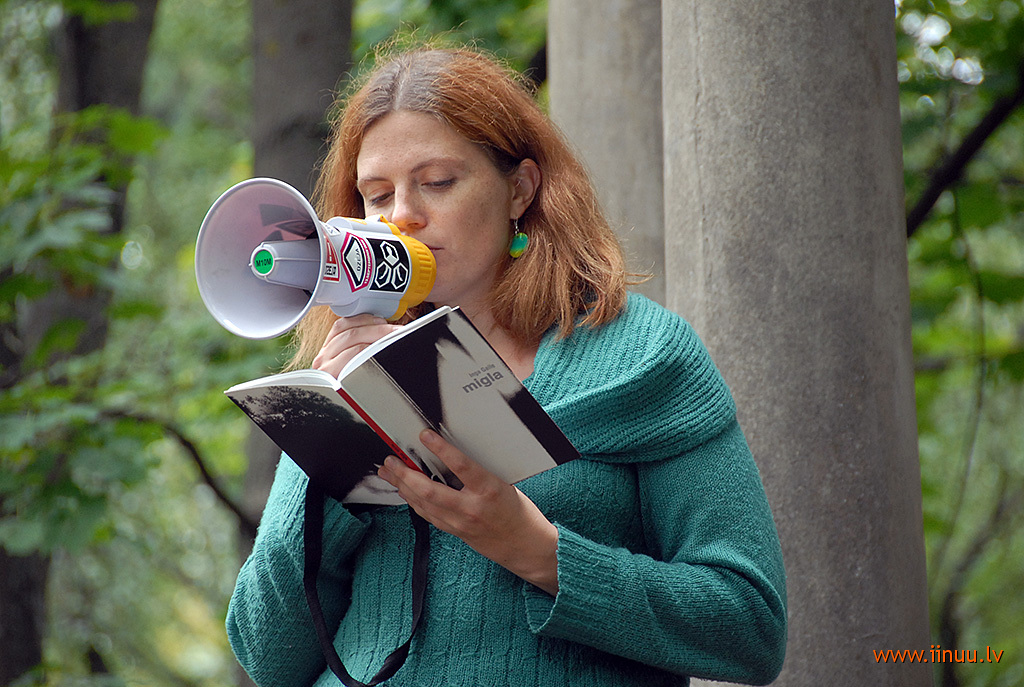
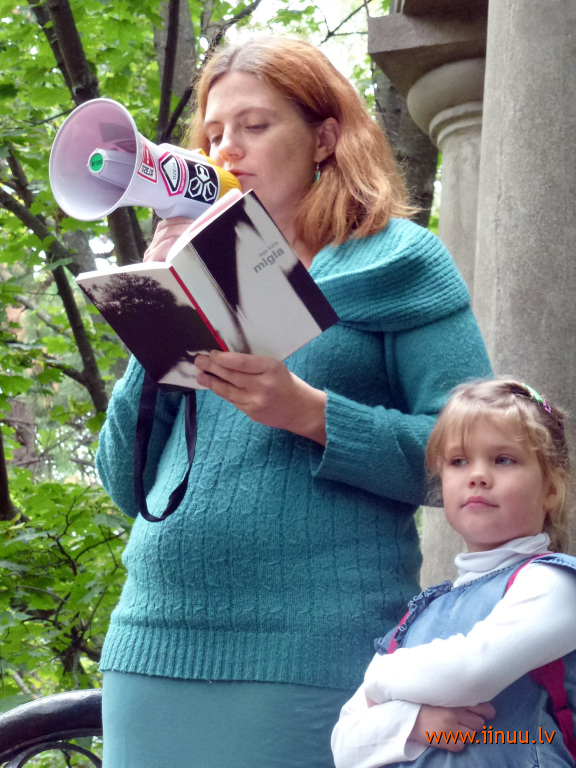
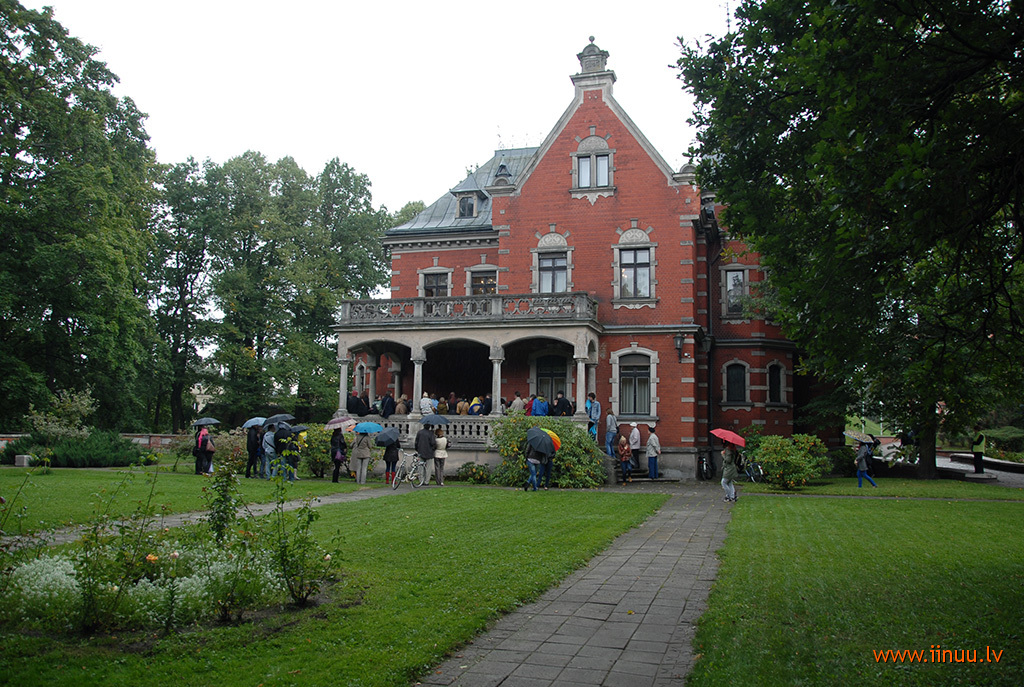
The final stopping points were in the picturesque grounds of the Dauderi Museum. In the gazebo, from her brought-along book "migla", Inga Gaile read poetry, while children bustled around her and occasionally broke the flow of verse. As the rain began, everyone crowded onto the terrace of the former Kārlis Ulmanis summer residence (1937–1940), where Pēteris Draguns played and sang. The final piece was especially moving - it touched the very strings of the soul.
In closing: viewing the museum's permanent exhibition, receiving gifts - stickers for the event "Journey with Poets" - one for each participant, and then, in an emotionally uplifted mood, home under an umbrella and a solid downpour. Until next autumn and Poetry Days!
comments