The Perfect Pairing: Wine + Cheese
It turns out one can speak of wine and cheese as a couple that can form an ideal relationship or, conversely, be utterly incompatible. Of people one says "like finds like" or "opposites attract" - in the same way wine and cheese can be spoken of as a couple with much in common, from the fermentation and ageing process to storage and serving. Though between them there are two fundamental differences - mould and salt, which characterise a good cheese but are completely unacceptable in wine.
It turns out one can speak of wine and cheese as a couple that can form an ideal relationship or, conversely, be utterly incompatible. Of people one says "like finds like" or "opposites attract" - in the same way wine and cheese can be spoken of as a couple with much in common, from the fermentation and ageing process to storage and serving. Though between them there are two fundamental differences - mould and salt, which characterise a good cheese but are completely unacceptable in wine.
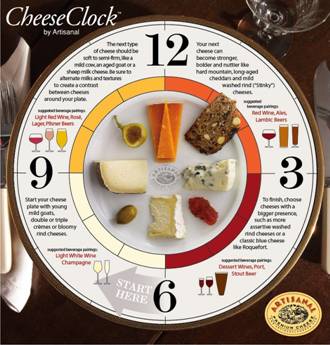
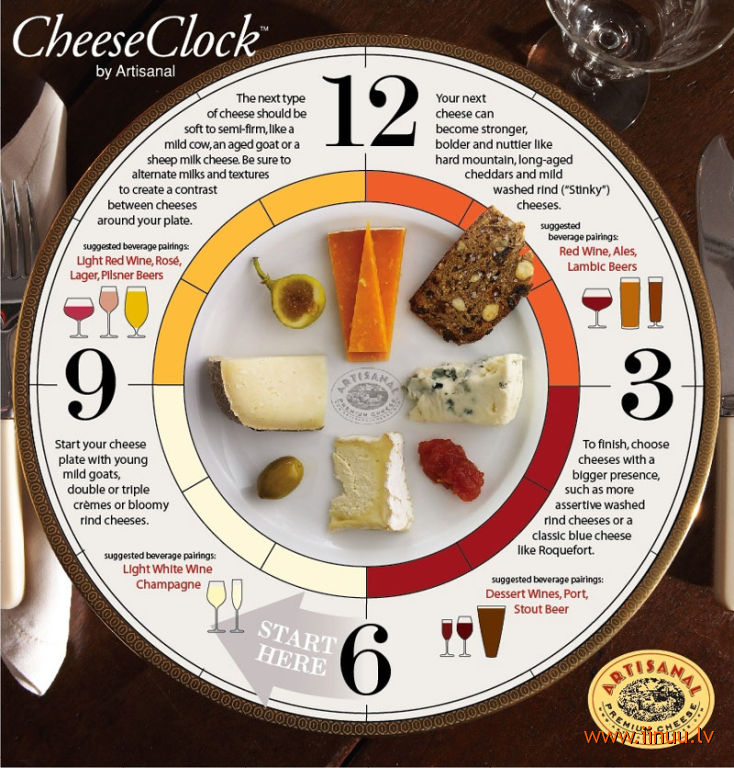
Searching for and discovering the ideal pairing, we tasted cheeses with wines following the "cheese clock" principle - that is, starting with lighter white wines and soft cheeses and finishing with fortified wines and hard cheeses.
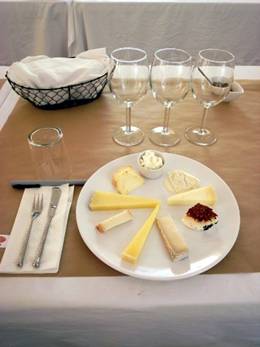
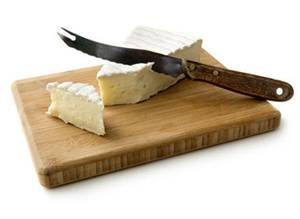
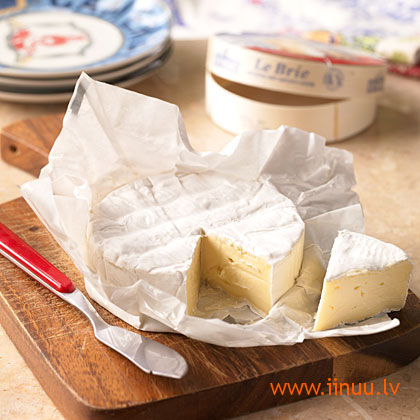
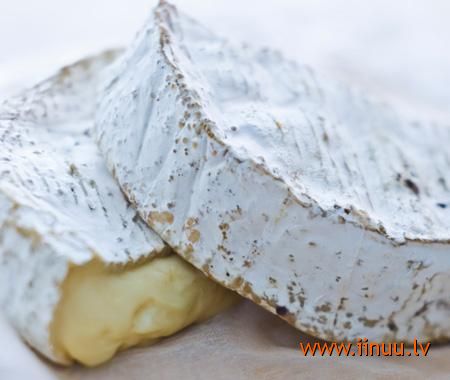
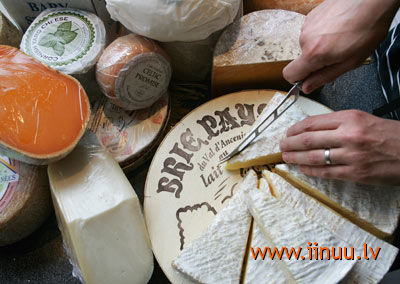
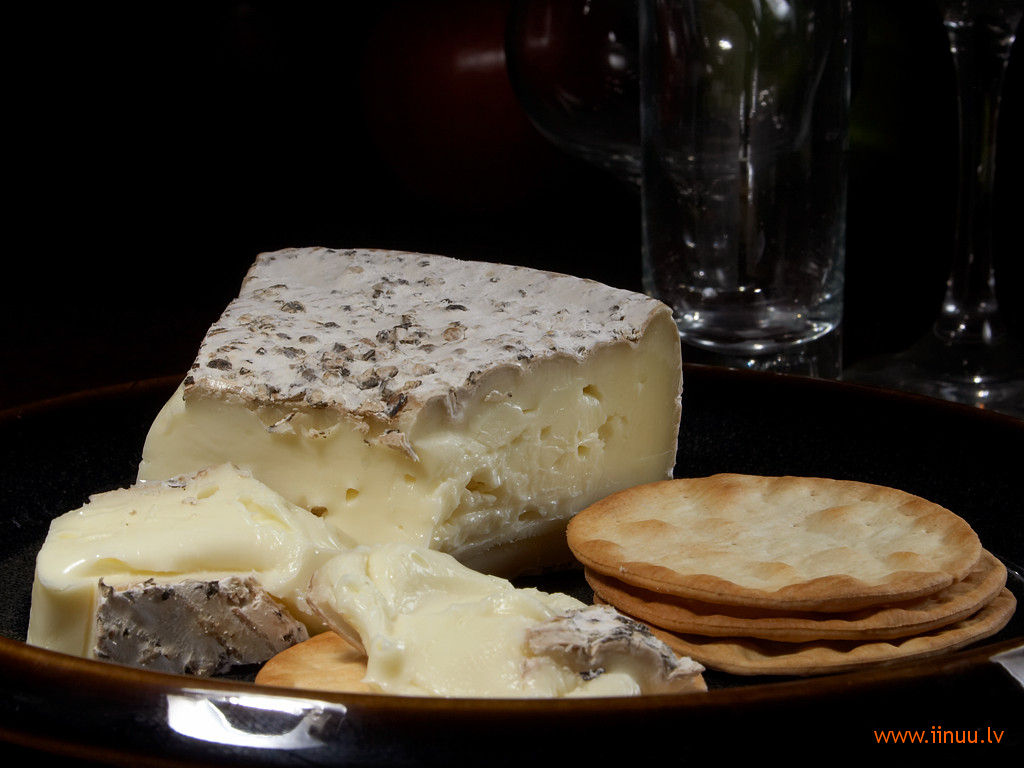
First cheese: Brie with the white sparkling South African wine Simonsig Kaapse Vonkel Brut 2007. The cheese is soft, creamy, with white mould. Soft cheeses have a certain shelf life - 2 or 3 months. Therefore the production date must be checked. The ideal storage temperature for cheese is 10–12°C. Soft cheeses such as Brie, Camembert, Fromage de Meaux, etc. are usually made from cow's milk, they also have a higher water content, and are characterised by a nutty and mushroom aroma. They are recommended with white wines - Chardonnay, Sauvignon Blanc.
The wine tasted, Simonsig Kaapse Vonkel Brut, is made from three grape varieties - Pinot Noir 58%, Chardonnay 39%, Pinot Meunier 3% - with aromas of red berries, biscuit, and citrus fruit. Subjective impression - the sparkling wine's bubbles seem to offset the cheese's creaminess, not allowing its richness to be felt; a fresh but unusual flavour.
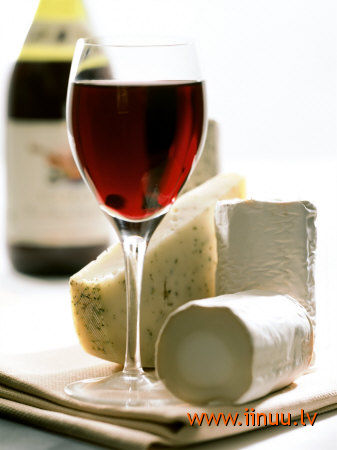
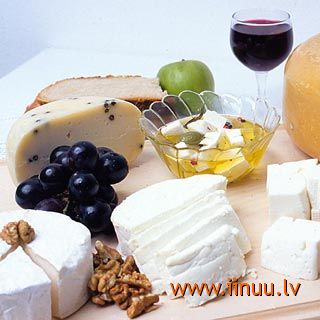
The second tasted wine in the first quarter of the cheese clock was Chèvre goat's cheese. Goat's and feta-type cheeses have a high salt concentration. They pair best with wines with a high acidity level such as Sauvignon Blanc, Riesling, light Chardonnay, so we enjoyed this cheese with the French wine Alsace Riesling Hugel 2007. Riesling white grapes are themselves the most acidic, so they are an impeccable choice with goat's cheeses. The refreshing acidity in this combination was very much to my liking. Goes not at all with red wine - I confirmed this firsthand.
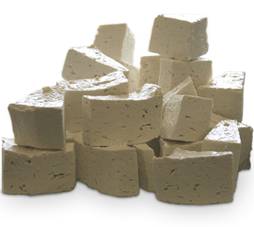
The next challenge - washed or brined cheeses, steeped in salt water or cherry brandy, with an extraordinarily strong and, it must be said, not entirely pleasant aroma. They should be stored open on a rack so they can breathe and the specific aroma disperses. We tasted Gres des Vosges from France. I immediately understood it would not be my choice - either for the aroma or the flavour. Apparently this distinctiveness explains why this cheese is imported to Latvia in very small quantities. Recommended with Gewurztraminer.
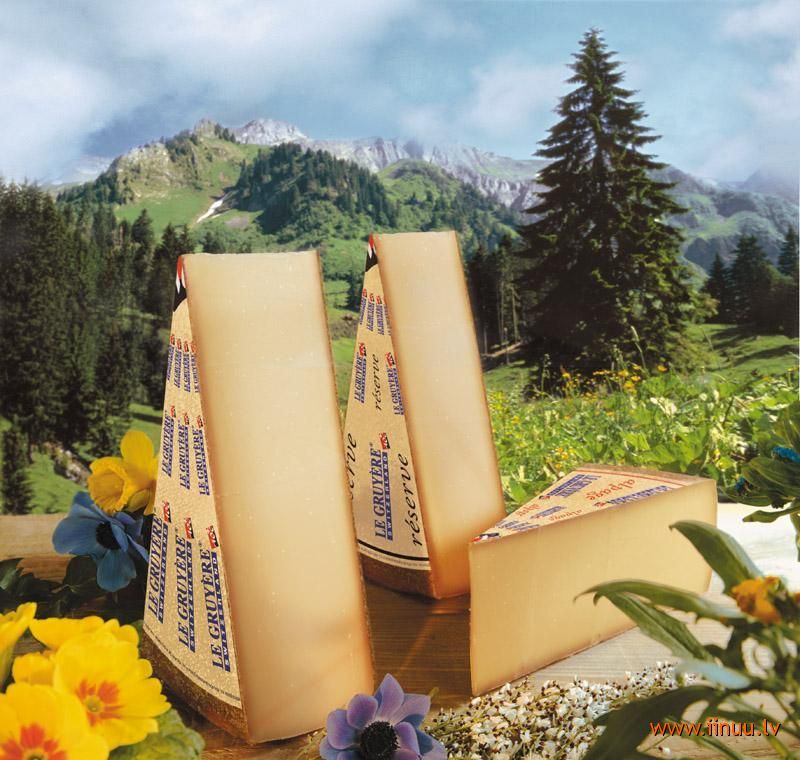
We moved on to semi-hard cheeses - Morbier, Livarot, Manchego, Cheddar, Gouda - usually with a small rind. To be sliced just before serving. The ideal partner - full-body Chardonnay. With the French white wine La Chablisienne Chablis 1er Cru Beauroy 2005 we tasted two cheeses: the 12-month-aged Emmental Grand Cru, also from France, and the Swiss cheese Gruyère. The latter is said to be ideal for fondue. These cheeses usually come in large wheels that can weigh up to 91 kg. My observation - the first pairing was OK, but the second less so, as the Gruyère flavour seemed too powerful and overpowered the wine.
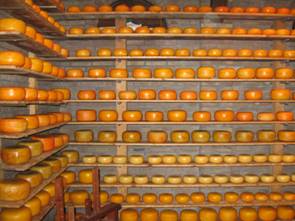
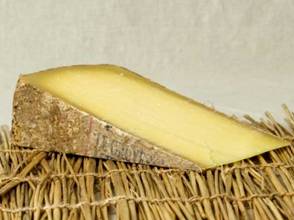
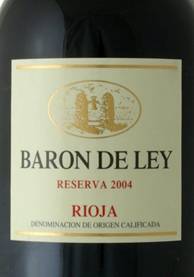
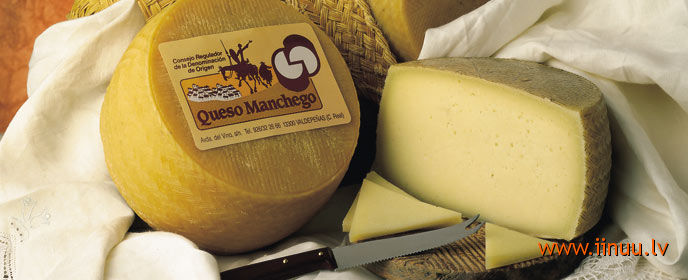
A revelation for me was the Spanish sheep's cheese Manchego, aged 6 months in natural caves. Excellent on its own and with the red wine served alongside - Rioja Reserva Baron De Ley 2004. Initially it was difficult to switch immediately from whites to reds, but the combination was good. The cheese's gently tangy flavour excellently complemented the wine aged 20 months in oak barrels. Aromas of smoke and ripened fruit.
The hostess and event organiser Larisa noted that there is less chance of error in choosing a wine-and-cheese pairing when both are selected from the same region, as with the options reviewed above. Manchego cheese is characterised by a smoky grey rind with a ridged geometric pattern around it.
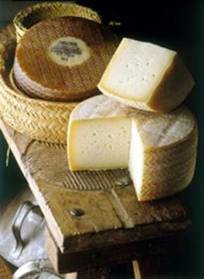
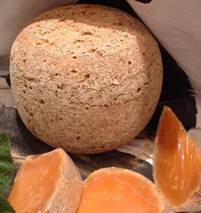
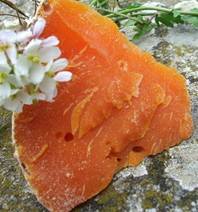
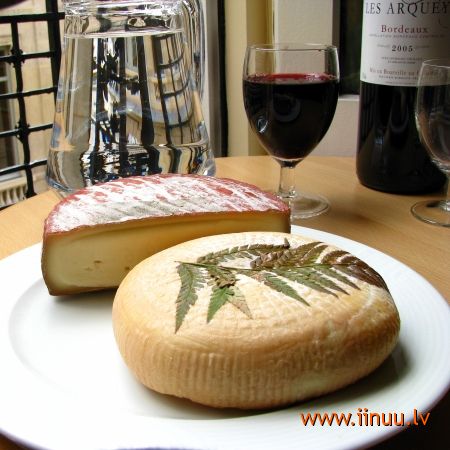
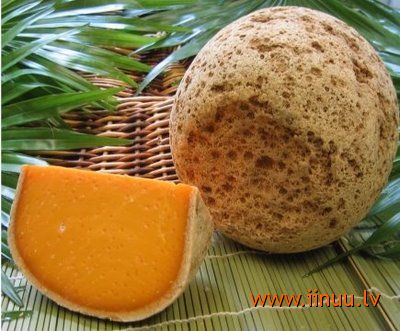
A visually very cheerful cheese - Mimolette - an orange ball in appearance, the size of a bowling ball. Its orange colour is given by the annatto fruit, which was added to achieve the unique hue. Mimolette comes from France, created in the 17th century specifically on the orders of the so-called Sun King Louis XIV. It must be said, the cheese's visual image fully reflects the gilded opulence of the court of that era.
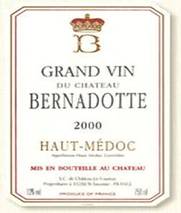
This is a hard cheese and can be sliced with some difficulty. Aged 12 months, like all hard cheeses it is best enjoyed with red wines - such as Dolcetto, Bordeaux, etc. Together with the 12-month barrel-aged Château Bernadotte Haut-Médoc 2000 it was good, but enjoying one or the other separately, neither was really to my taste. I thought: a peculiar couple that neither tastes like anything without the other. :)
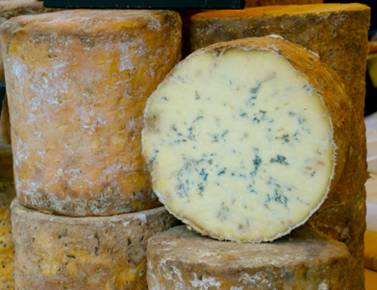
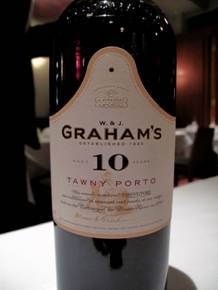
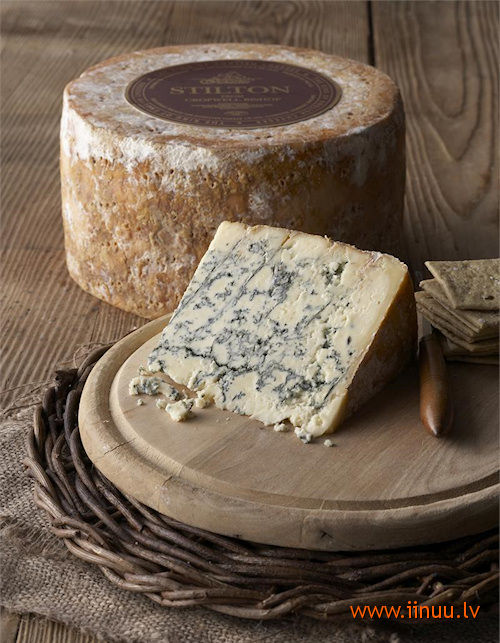
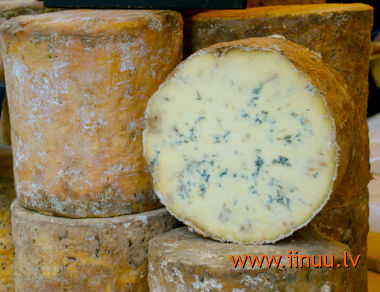
At the close came what Larisa called "the classic itself" - the 10-year-aged tawny port Graham's Tawny Port from Tinta Roriz and Tinta Francesa grapes, with the English hard cheese Stilton. Cheese with blue mould inside - also a matter of taste. The combination was good, but seemed overly rich, even sweet. I can fully agree with the observation that this pairing serves as a dessert alternative, as it underscores the sense of satiety gained over the course of the evening.
Although over the course of the evening each of us tasted only a small piece of each of the eight prepared cheese varieties and sampled six wines, the sense of satiety was complete. It turns out that in searching for the ideal pairing, one can spend almost four hours without noticing, and discover many new taste sensations.
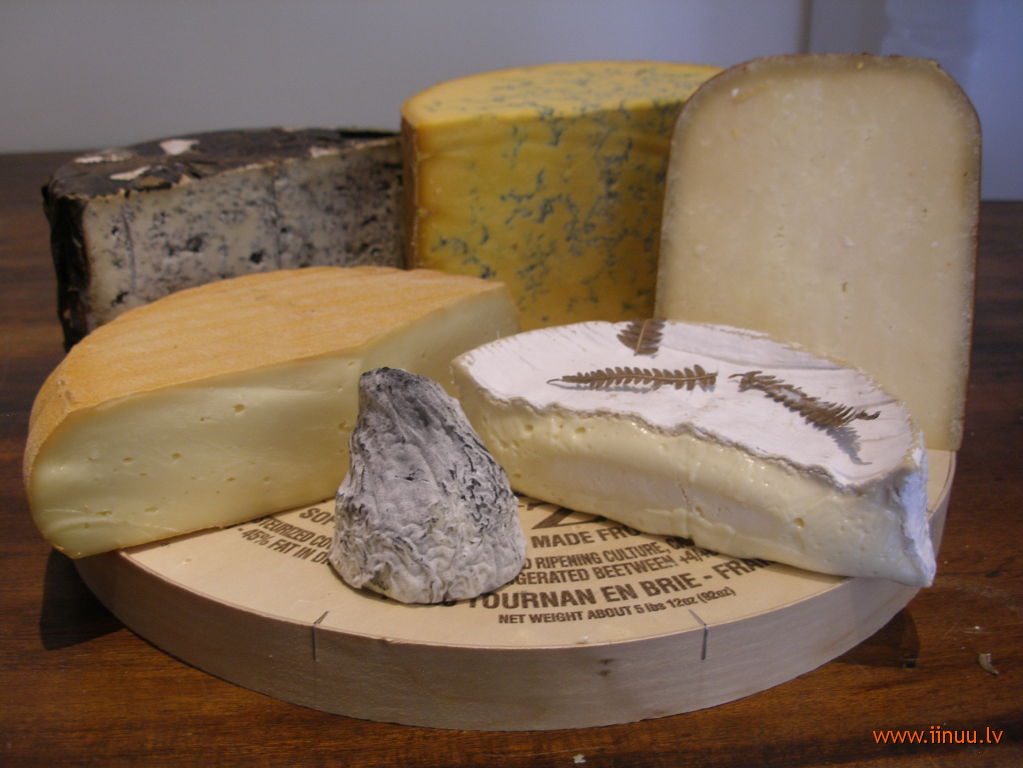
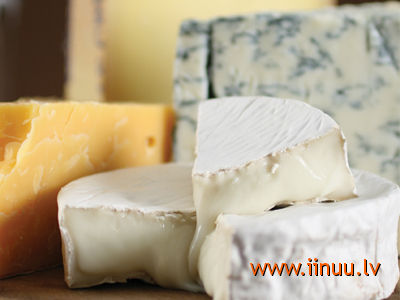
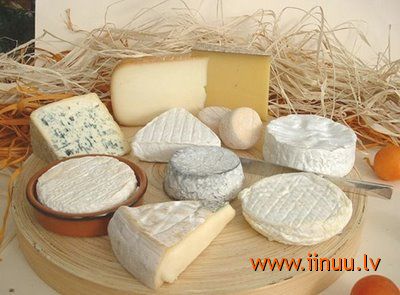
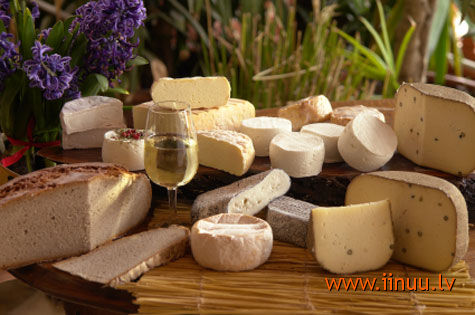
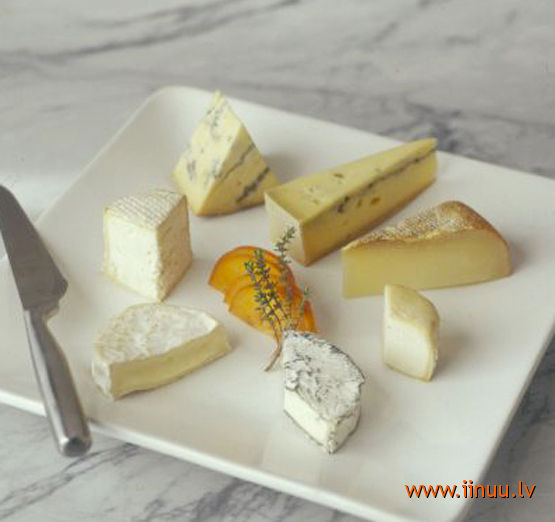
For further visual delight and inspiration - the cheese palette:
comments