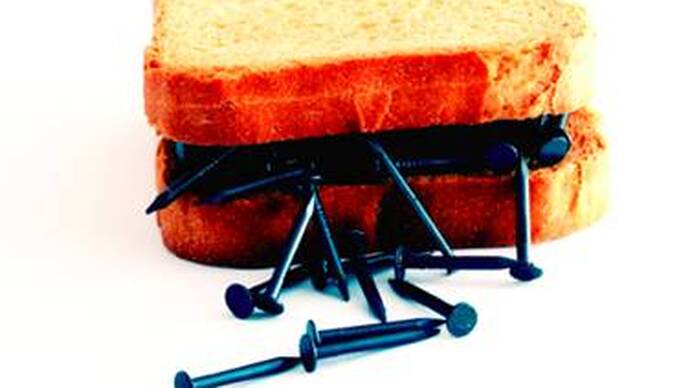
Dangerous Preservatives, Dyes and E Numbers
I have compiled information with the aim not of memorising E codes and substance names, but of keeping in mind images of well-known products in which some of the 37 particularly hazardous substances are found. Moreover, it is clear to everyone that colourful sweets, fizzy drinks and jellies are full of harmful E numbers - but there are also everyday familiar and popular products, including those produced in Latvia, about which you would not immediately say anything bad.
Nowadays, when finding and buying healthy food without unnecessary preservatives in a supermarket is a great challenge, you start thinking more and more often that you really must pay attention to those E letters that appear on the label in extremely small print. In the Latvian countryside or small towns the problem may not be so pronounced, as clever housewives buy almost everything from known farmers, saving both money and health. But in Riga you dash in after work to, say, Rimi or Sky and just pile into the shopping trolley everything needed to make a quick meal - well, what is there to study so much, we've all been there. We have, we have - only until that point of "being there" one would like to live without stomach or liver disease, allergies, or fatty deposits.
Image from (source)
Honestly, I have neither the desire nor the time to sit and learn all the E designations, codes and names by heart. It would also be time-consuming to print out and later study lists with 144 substances to be careful of, 37 substances that are pure poison in such small quantities, and 83 substances whose side effects have not yet been studied. Mixed in among them are another 167 E numbers that are not harmful to human health. Therefore, going forward I will try to compile information with the aim not of memorising codes and substance names, but of keeping in mind images of well-known products in which some of the 37 particularly hazardous substances are found. Moreover, it is clear to everyone that colourful sweets, fizzy drinks and jellies are full of harmful E numbers (they already look synthetic visually), but there are also everyday familiar and popular products, including those produced in Latvia, about which you would not immediately say anything bad. But it turns out...
37 substances for which research has proven that the substance can negatively affect health, promote various diseases and allergic reactions. It is advisable to avoid consuming these substances.
E-102 – Tartrazine – colouring. Synthetic origin. Banned in Austria, Norway, Finland.
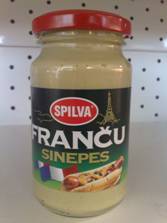
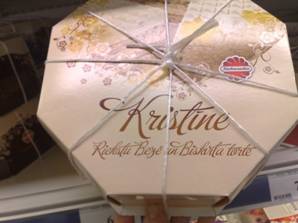
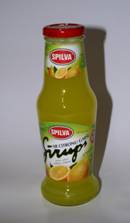
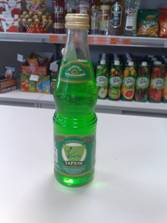
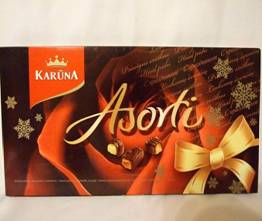
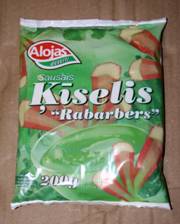
E-104 – Quinoline Yellow – synthetic colouring that colours food from a matt yellow to a greenish-yellow colour. Banned in the USA, Australia, Norway, Portugal.
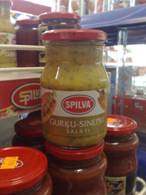
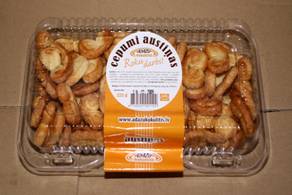
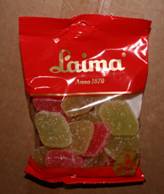
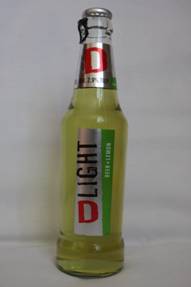
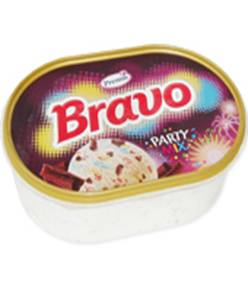
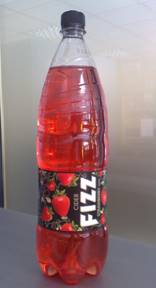
E-107 – Yellow 2G – colouring (banned in the USA and Australia). It sometimes occurs in mayonnaise. An example has unfortunately not yet been found, as it is also not approved for use in the EU.
E-110 – Sunset Yellow FCF. Banned in Norway.
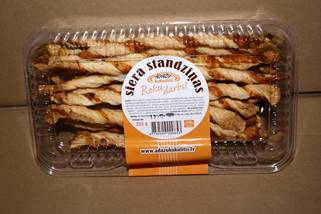
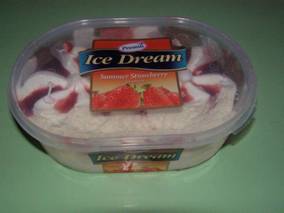
E-123 – Amaranth, Azorubin S – bluish-red colouring. Banned in the USA, Austria, Russia, Norway, Finland, but permitted for use in the EU.
E-124 – Ponceau 4R, Cochineal Red A – colouring. Banned in the USA, Norway, Finland.
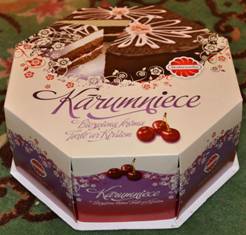
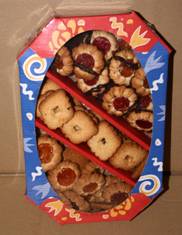
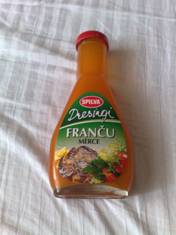
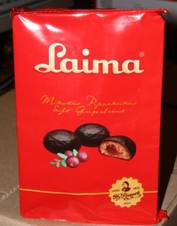
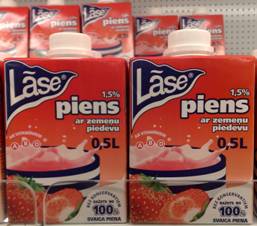
E-127 – Erythrosine – colouring. Banned in Russia and Norway. In Latvia found in red cocktail cherries with stems.
E-131 – Patent Blue V – colouring. Banned in the USA, Australia, Norway, Finland.
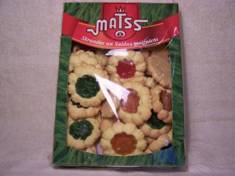
E-151 – Brilliant Black BN, Black PN – colouring. Banned in the USA, Australia, Austria, Belgium, Denmark, France, Norway, Portugal, Finland, Switzerland, Germany, Sweden - but not in Latvia.
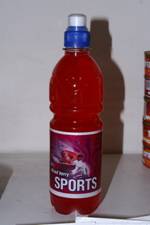
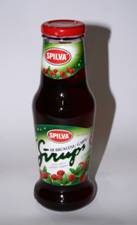
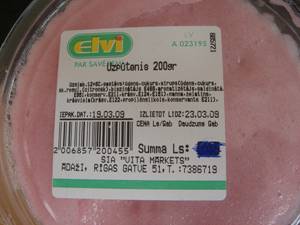
E-173 – Aluminium – colouring. May occur in confectionery decoration and water beverages. Banned in Australia, but permitted in the EU.
E-209 – Parabens – preservative. May occur in blueberries, but not in EU countries.
E-230 – Diphenyl – fungicide (destroys fungi or inhibits their growth) and preservative. May occur in citrus fruits and marmalade. Not approved for use in the EU.
E-249 – Potassium nitrite – preservative, helps preserve the pink colour of meat. May occur in meat and fish products, as it is permitted for use in EU countries.
E-250 – Sodium nitrite – preservative, also helps preserve the pink colour of meat. Unfortunately in Latvia it is found wherever you look.
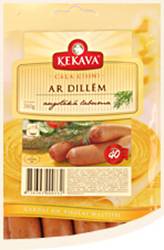
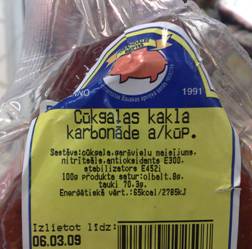
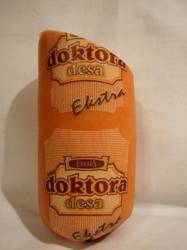
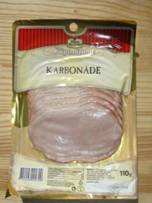
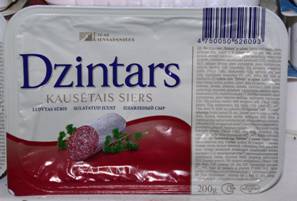
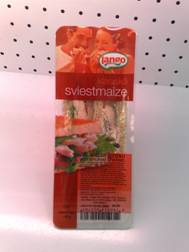
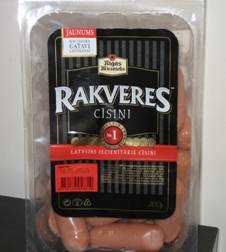
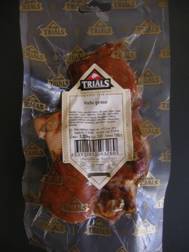
In short, if you find a meat product in any of Riga's supermarkets without this additive, write me letters, send faxes. I will stop buying a country farmer's pig and become a loyal customer of that shop.
E-251 – Sodium nitrate, Chile saltpetre – preservative.
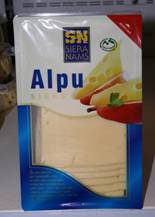
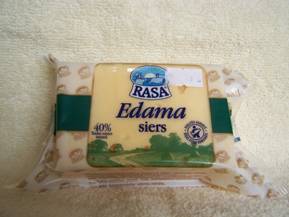
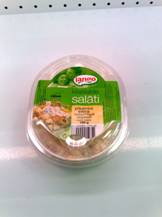
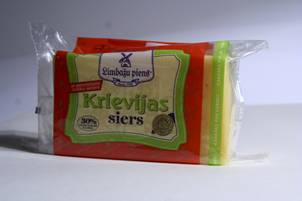
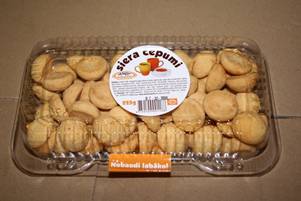
E-252 – Potassium nitrate, saltpetre – preservative.
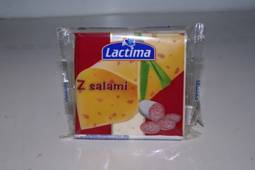
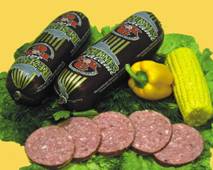
E-265 – Dehydroacetic acid – preservative. May occur in pickled cucumbers, strawberries, courgettes. Not approved for use in the EU.
E-285 – Sodium tetraborate, Borax – preservative. Commonly found in meat products imported from the USA, but also permitted in the EU.
E-303 – Potassium ascorbate – antioxidant. Extends the shelf life of food products by protecting them from oxidation-induced spoilage. It turns out it is used in pharmaceuticals, cardiac medications and food additives, but is not approved in the EU.
E-310 – Propyl gallate – antioxidant. It is approved for use in the EU, so may occur in oranges, cherries, strawberries, raspberries, blackberries, margarine and salad dressings.
That is enough horror stories for today. I have highlighted in red those E numbers that are unfortunately permitted in Latvia and very frequently found on supermarket shelves. To be continued...
Article prepared using materials from:
www.evielas.lv
www.partikasguru.lv
Continued:
> Dangerous Antioxidants, Flavour Enhancers, Sweeteners and E Numbers
comments