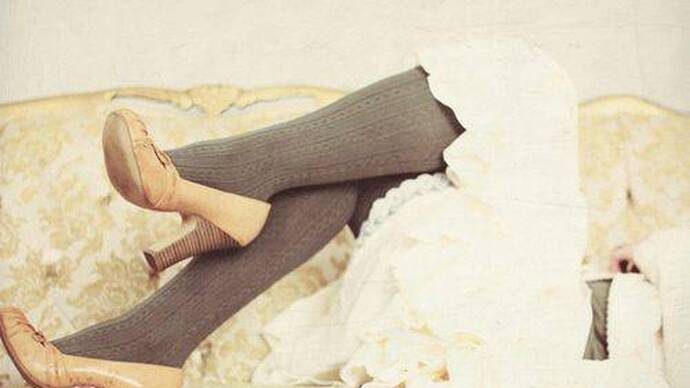
The Vintage Style
Nowadays, specially aged or genuinely old items that are now as if gaining a second life are increasingly coming into fashion. In various shops and jewellery stalls one can purchase handmade items - splendid little brooches, lace jabots, aged little boxes with symbols and motifs of past eras, scarves, retro handbags, kerchiefs, slippers and goodness knows what else, reminiscent of things seen in the depths of mothers' or even grandmothers' wardrobes. Beloved, well-worn items that it seemed a pity to throw away are now becoming relevant and stylish. But what exactly is vintage?
Nowadays, specially aged or genuinely old items that are now as if gaining a second life are increasingly coming into fashion. In various shops and jewellery stalls one can purchase handmade items - splendid little brooches, lace jabots, aged little boxes with symbols and motifs of past eras, scarves, retro handbags, kerchiefs, slippers and goodness knows what else, reminiscent of things seen in the depths of mothers' or even grandmothers' wardrobes. Beloved, well-worn items that it seemed a pity to throw away are now becoming relevant and stylish. But... as a wise person from the world of fashion once said (regrettably I cannot recall who at this moment, but the thought has lodged itself in my consciousness) - nothing new is invented; everything is borrowed from earlier times, slightly reworked or improved, yet the borrowing will never be one hundred per cent.
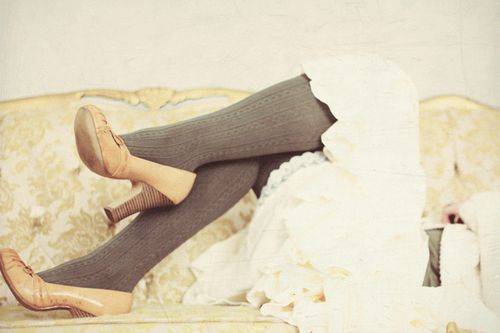
In my view, the vintage style is a typical current of today's postmodern world, now beautifully expressed in clothing fashion, in household objects and in interior design. Recalling the basic postulates of postmodernism - imitation, quotation, the sublimation of details from different eras, eclecticism, bold and unusual combinations - one must say that this style fully justifies them.
But what exactly is vintage? The first association is that it refers to well-aged wine. However, the concept has now become much broader and extends into the fields of fashion and design. We can call vintage-style items clothing, household objects and accessories that have come down to us from the 1920s onwards (even older items are already called antiques) and are no newer than 20 years ago, counting from the present day. So things borrowed from the 80s can also be vintage, although we tend to look further back into the past, where lace, ribbons, artificial flowers and brooches reigned (we have apparently grown tired of the asceticism, austerity and minimalism that the post-Soviet countries felt particularly sharply).
The desire for vintage items is determined by several factors:
• uniqueness of the item - when wearing something in vintage style, you can confidently assure yourself that no one else has such a garment or piece of jewellery, meaning that along with your clothing, you too feel one-of-a-kind, original, irreplaceable;
• good quality - it is not for nothing that the particular vintage item has survived a couple of generations and is still usable or wearable;
• material that was characteristic only of a specific period and which is not "fashionable" today or which is no longer produced at all;
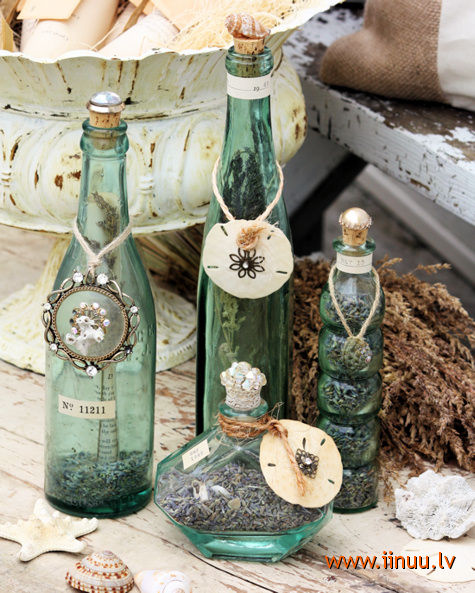
• ecological thinking - second-hand clothing, as well as the creation of vintage items, often involves the use of natural materials such as linen, leather, dried plants, pieces of old clothing, used bottles, old lace or tarnished buttons, and similar;
• generational history and value - every item in some sense carries with it a story; it is as if it is saturated with information from the past, and this makes the item especially valuable;
• brands - some people acquire vintage items not so much for self-expression as for their collectible value, searching for and gathering around themselves, for example, items from the 50s and 60s, and moreover maintaining them in working order;
• democratic prices - sometimes at a flea market one can find items for which a great deal of money was once paid, but which are now classified as needed by nobody or almost nobody and can be purchased at a reasonable price.
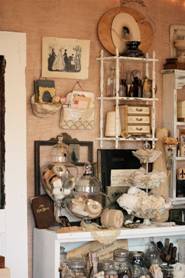
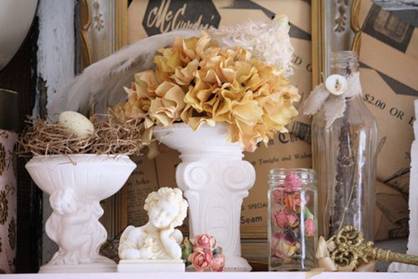
Moreover, vintage-style items are relatively easy to make, given the necessary patience and time for sourcing materials (one must visit no small number of fabric, bead and art supply shops and rummage through items pushed aside as unnecessary in attics), as well as inspiration, creativity and ideas. The latter are not in short supply now - the internet is full of them, as are various clubs and groups where you can learn jewellery making, decoupage and accessory sewing. I must admit, lately I too have caught the making bug. I bustle around the shops searching for decoupage varnish, bitumen, gilding powder, lace, beads and the like, in order to do some crafting in the evenings.
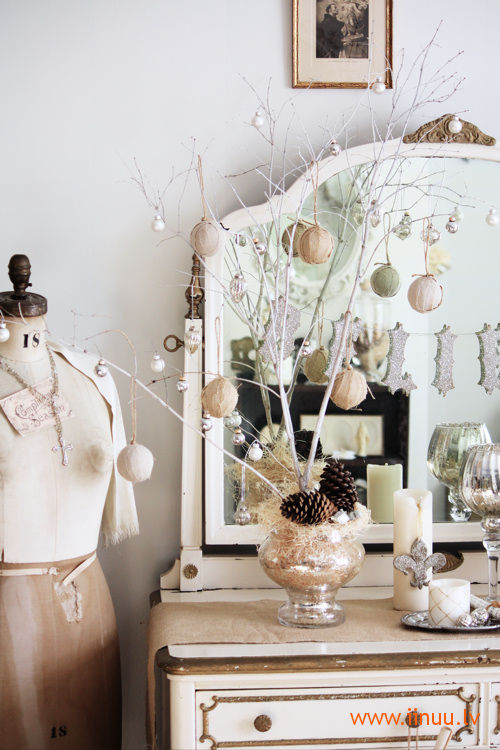
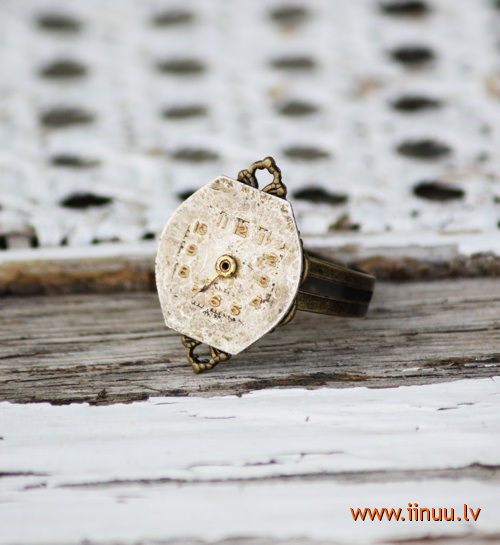
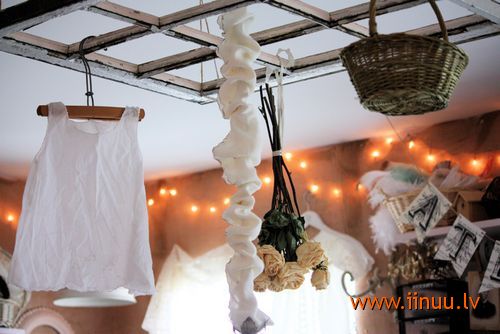
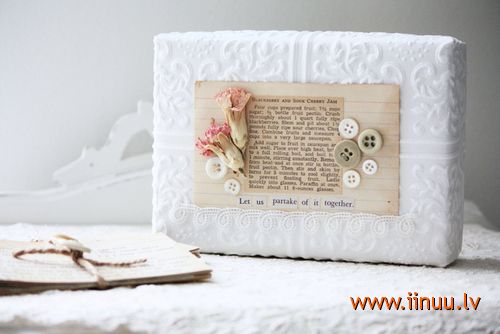
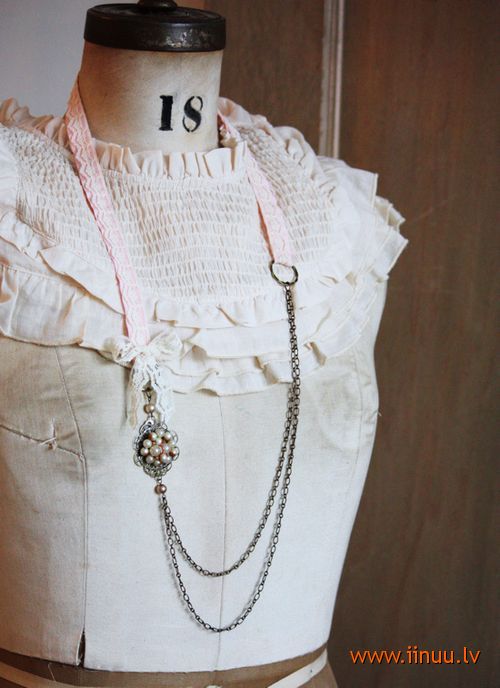
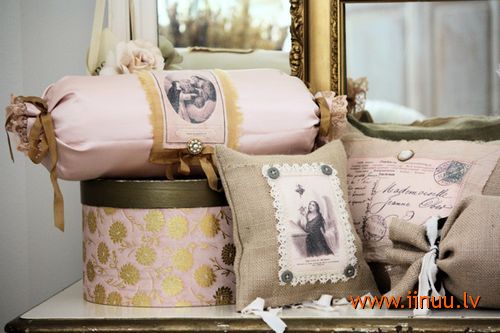
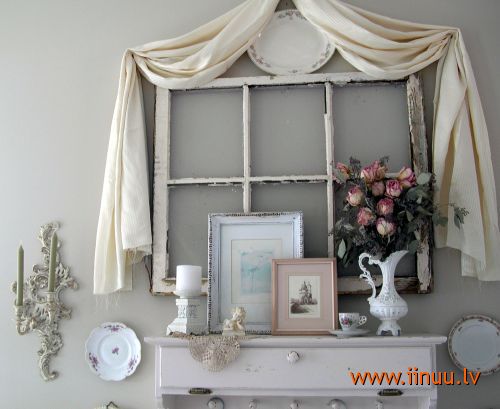
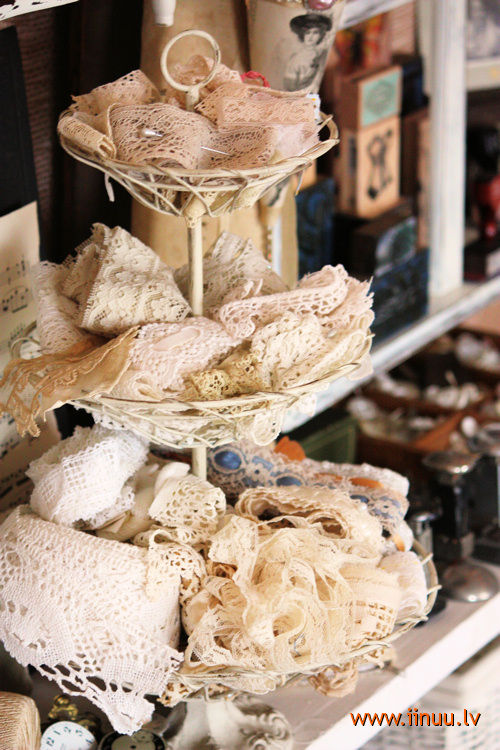
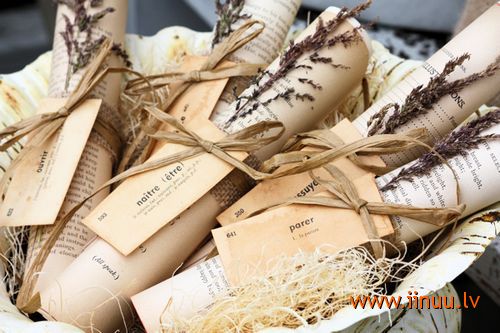
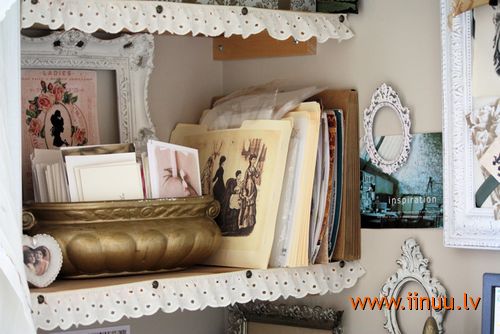
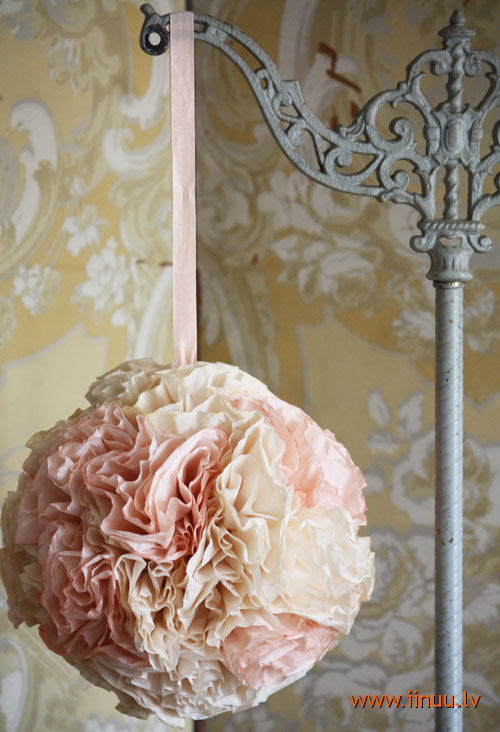
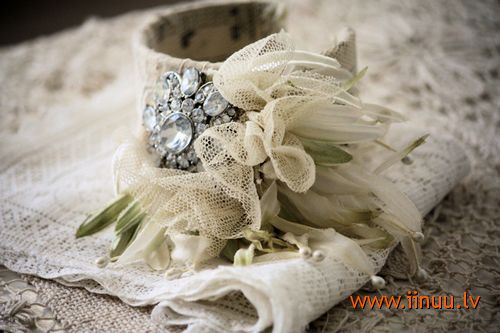
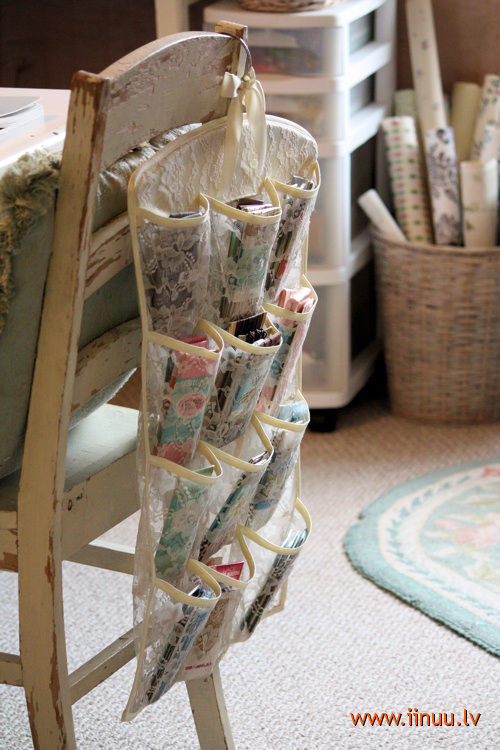
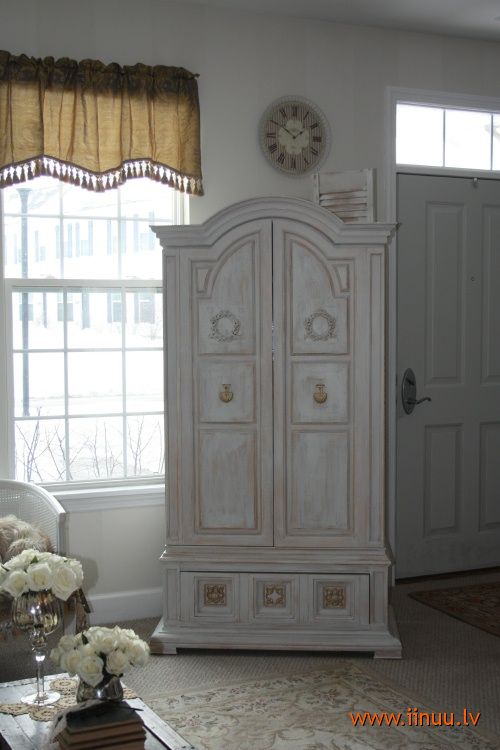
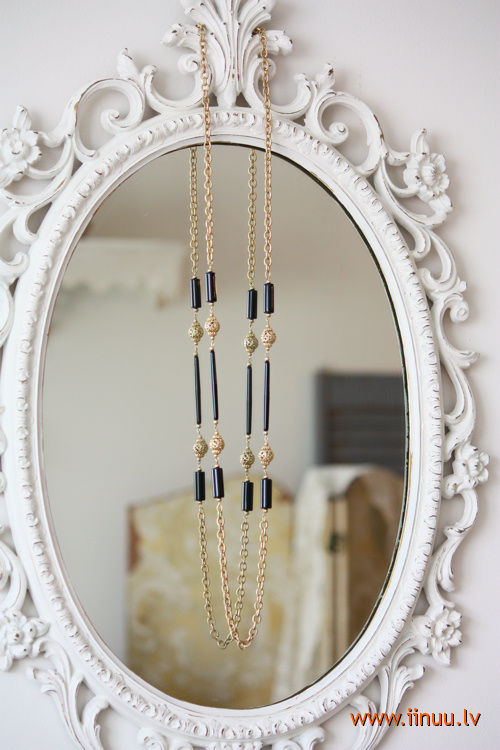
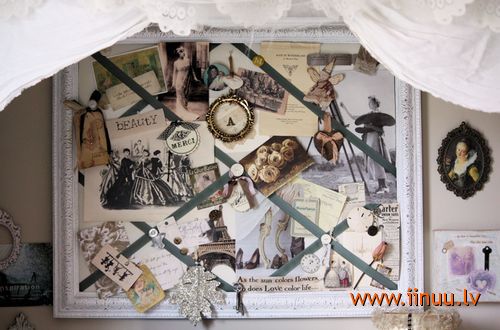
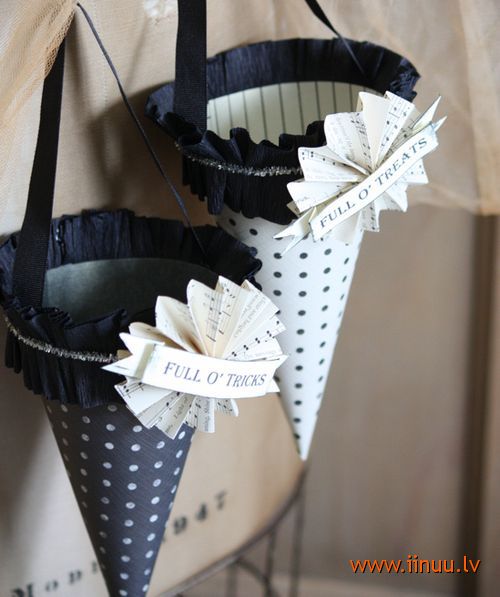
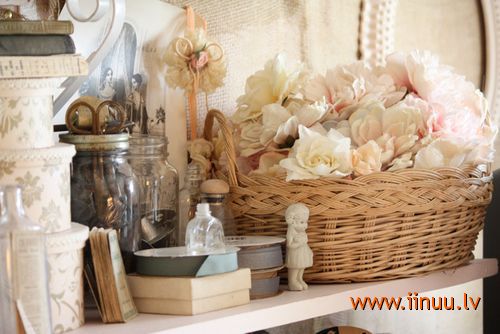
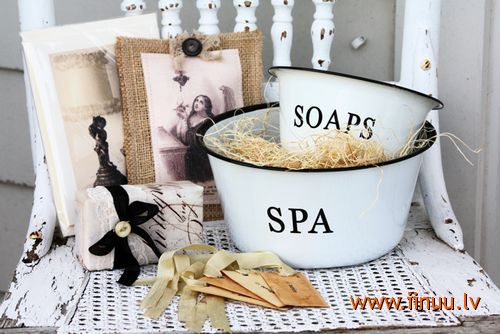
Here I have gathered some images from a website with many good ideas for vintage-style objects - aged furniture, frames, tableware, accessories, original gift wrapping, tattooed linen cushions, decorated old bottles filled with dried plants and tea, and similar.
Sources used:
http://en.wikipedia.org/wiki/Vintage_clothing
http://alicew.typepad.com/thoughts_from_alice_w/
comments