Why Do We Watch Horror Films?
Horror films - a genre that thoroughly tickles the nerve endings. At times you want to close your eyes or crawl under the blanket, but then a moment later your gaze is nailed to the television screen again. A paradox - you're scared, but you want to keep watching. So where lies the "salt" of horror films? Why do we enjoy watching them?
Horror films - a genre that thoroughly tickles the nerve endings. At times you want to close your eyes or crawl under the blanket, but then a moment later your gaze is nailed to the television screen again. A paradox - you're scared, but you want to keep watching. So where lies the "salt" of horror films? Why do we enjoy watching them?
I posed this question in a forum on some website. The respondents were mainly women and almost all of them without exception expressed negative views about horror films - they don't watch such things, they're scary, the negatives of real life are quite enough, and so on. The few male respondents claimed the opposite - yes, it's their genre, exciting, the real deal. It must be said the answers were very stereotypical - the women confirmed the role of the weaker sex, the men the opposite. Unfortunately no one really answered where the pleasure lies in watching films of this genre.
Thinking about this question, you cannot avoid the very concept of fear. I will attempt to create a tentative classifier of fears in horror films (I make no claim to its completeness, but nevertheless) - what are we actually afraid of and what do directors build their films on?
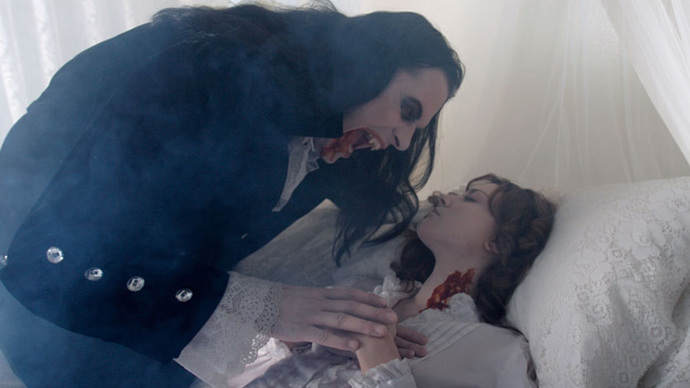
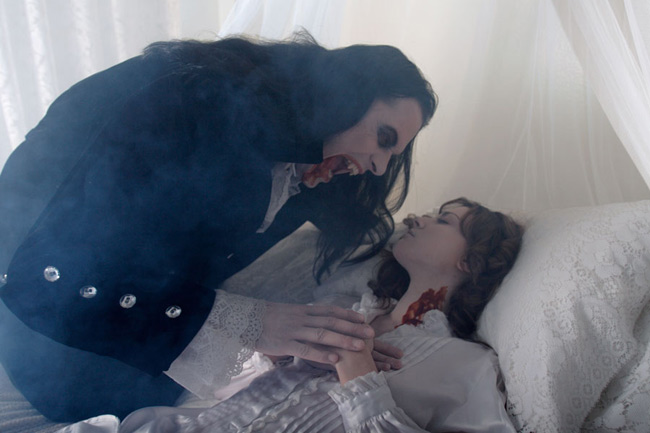
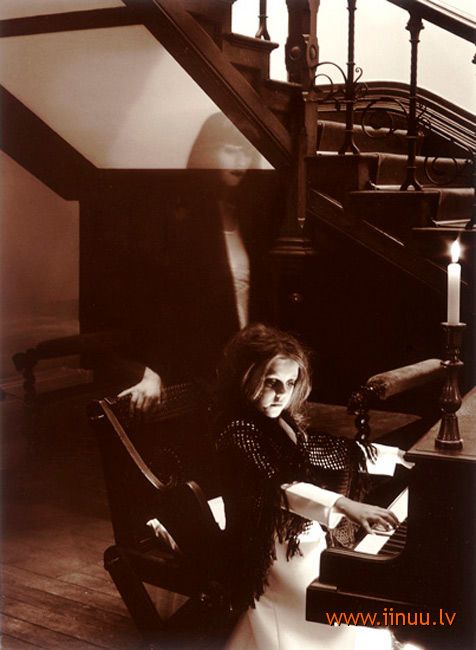
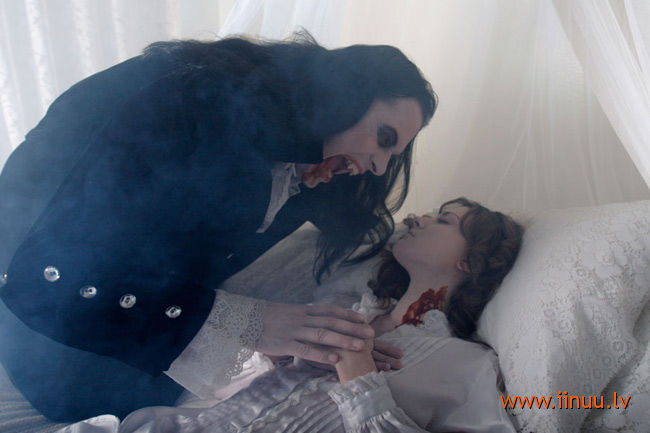
Fear of beings from the other world - the dead, ghosts, zombies, vampires, and other creatures. Interestingly, we love and draw close to us the very same people when they are alive without feeling any discomfort, but when they die, they immediately become strangers. So what exactly do we desire, what do we love - the body, the spirit, the soul, the mind? Or ourselves reflected in another person? The moment someone no longer corresponds to our reflection, we immediately push them away; they become a stranger and even inspire paralysing fear. We weep at a departed person's graveside and in that moment are ready to give everything to bring the loved one back. But if they were to return in their form - say after those 40 days - we would hardly be glad to see them.
Fear of death, of pain. The logical conclusion follows: any creature can hurt us, kill us, or cause unbearable pain. Why? Because it is a stranger, malevolent, and in films certainly grotesque, ugly, rotting, and repulsive in every other way. Who wants to die? Moreover, the self-preservation instinct sends a signal to the muscles in a tenth of a second and we run.
Fear of abandonment. Remember your dream (surely everyone has had such a dream at some point) - you find yourself in an abandoned room, space, city, and there is not a single living soul around, or people have fallen asleep, frozen, and you, no matter how hard you try, cannot wake them? Horror and a sense of abandonment seizes every limb. But if a Stranger were to arrive in this empty world?!
Fear of incurable illness, a virus. It connects in some ways with fear of death, but is peculiar in that the period is longer and more agonising. You are no longer complete; people turn away from you; you are the outcast from society, from company, from family. Now you are the Stranger, the crippled, the ugly. People for whom the opinions and assessments of others are critically important could feel these fears with particular acuity. Though, who wants to look ugly and helpless? We all fear (consciously or unconsciously) ageing, when velvety facial skin is furrowed with ugly wrinkles.
Fear of extraterrestrials. These fears, in my view, are not natural but cultivated by society and actively developed over the past two centuries. If modern human consciousness were free of stereotypes, the only feeling should be a very strong curiosity. Science fiction and horror films have taken care to associate extraterrestrials with the intrusion of negative forces. They are potential carriers of pain, illness, and death for humans.
Fear of technology - robots, computers with highly developed artificial intelligence, cyborgs, etc. What if the lifeless and human-created were to rise up against its creator? An inanimate thing becomes inhabited by a spirit - and in horror films, of course, the characteristic evil spirit.
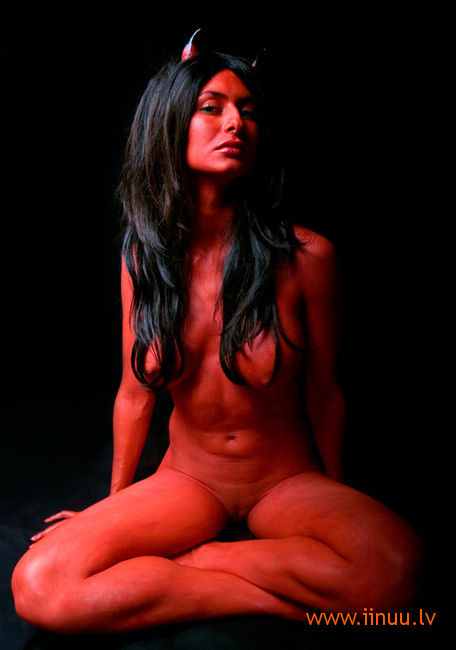
Fear of Evil - the devil, the fiend, Satan, the fallen angel, etc. A powerful influence of Christianity. Horror films teem with plots where the church, the cross, the pastor, and the bright angel battle against evil. A very grateful premise, because the majority of people belong to some denomination and unquestioningly believe in the existence and constant battle of good and evil. Moreover, religions are accompanied by many varied symbols, stereotyped notions, universally known figures, saints, and heroes.
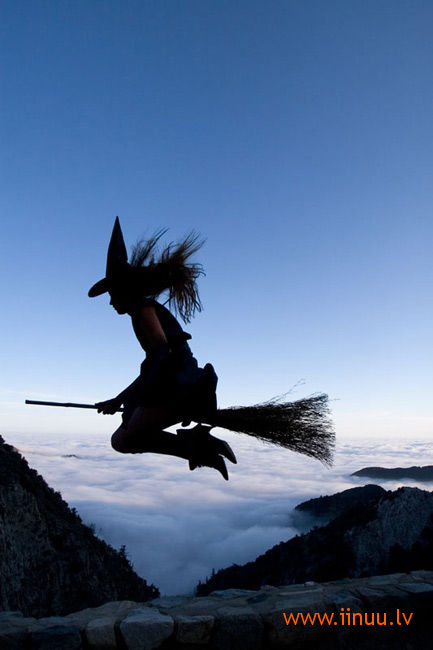
Fear of people who possess supernatural power. One cannot quite tell whether these are truly fears or rather envy. Since time immemorial, people who were smarter, more capable, more gifted, more talented, and more able than the rest have been considered wizards and witches. This can generate considerable hatred. How many witches have we burned at the stake? How many geniuses have we slandered to prevent their creations from reaching the world?
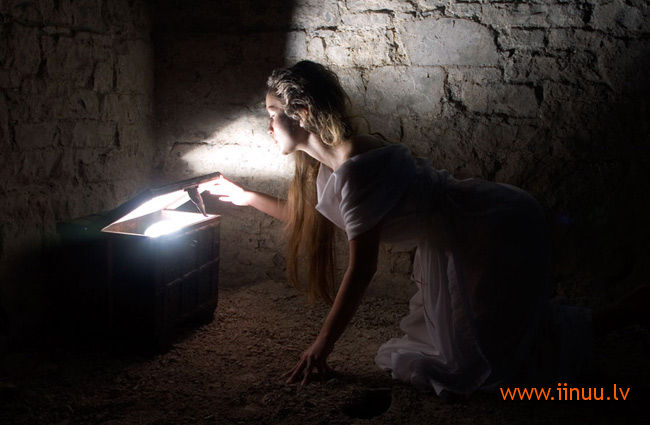
Evidently it is possible to dig further and find other pronounced fears or those belonging to a specific individual - fear of enclosed spaces, of spiders, of blood, etc. But let that be for now; let us look at the most popular means of expression in horror films. What must be present? Darkness or twilight, fog that prevents one from seeing clearly. The setting - a graveyard, an abandoned building, a swamp, a forest. Elements - blood, knives, axes, sharp shards and splinters (anything that can wound or kill), amulets, shadows, irregularly or conversely irritatingly rhythmically flickering artificial pale-blue lighting. Music - in a minor key, with sudden quietings and crescendos, a certain monotony that suggests doom, high tones that create tension, dissonances.
So what draws you to the screen? The ability to observe and control horror from a safe distance. To empathise without getting involved. To receive a certain dose of adrenaline when the heart leaps in fear. Perhaps to satisfy one's sadistic or masochistic complex?
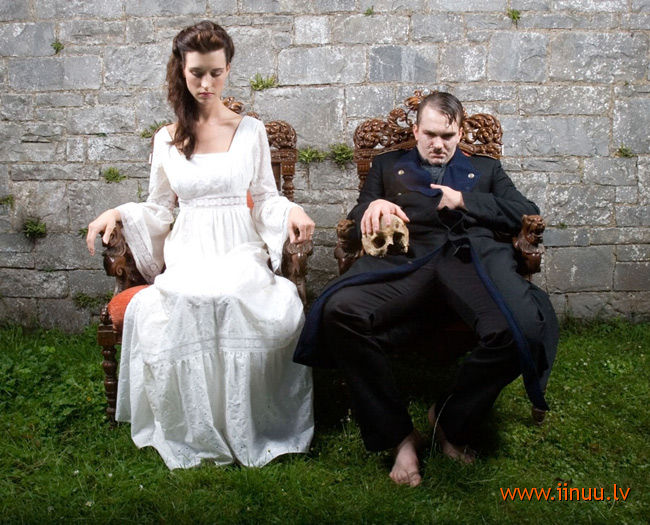
Works by photographer Cyril Helnwein:
.jpg?w=690&mode=16x9|crop)


comments