Career Horoscope: Taurus
In youth, Taurus thinks a great deal about their choice of profession. They want to be sure that everything will work out properly, and they hope for good earnings.
In youth, Taurus thinks a great deal about their choice of profession. They want to be sure that everything will work out properly, and they hope for good earnings.
They will likely change jobs fairly often before finding a stable position. It is very important to them that every detail meets their needs. They do not even mind a degree of routine or repetition. They observe rules and pursue recognition. Taurus usually has well-shaped hands, which is why Taurus writers often prefer writing with a pen rather than a typewriter - and if they do use a typewriter, they do so only themselves, trusting no one else.
Taurus as a Boss
Taurus women in any job are a true find, as they are difficult to throw off balance. Even in crisis situations they always respond calmly and correctly. If your partner or boss at work is a Taurus, remember one golden rule: never test their patience, even if it seems to have no limits.
Taurus Professions
Once Taurus has found their place at work, they rarely change anything in life - especially if the job has prospects. After good, decent work, what matters to Taurus is getting thorough and peaceful rest. Taurus can work as managers, writers, farmers, cooks, artists, teachers, economists, biologists. Although Taurus is a fighter for justice, politics does not interest them.
Notable Taurus
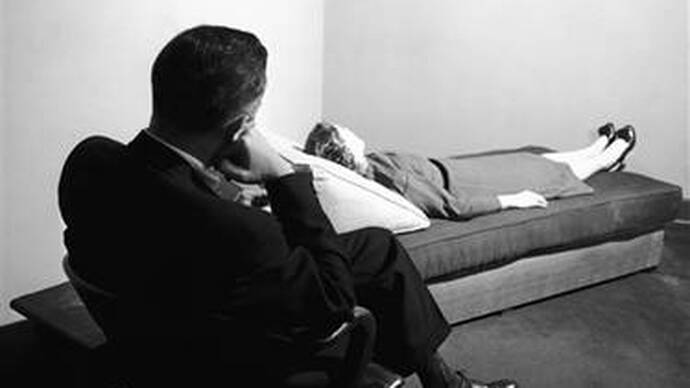
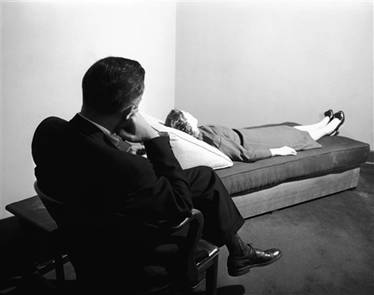
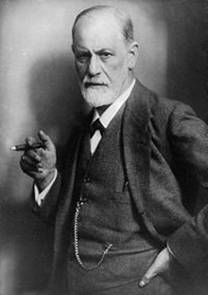
Sigmund Freud (Sigmund Freud; born 6 May 1856, died 23 September 1939) was an Austrian neurologist and psychiatrist of Jewish origin, the founder of psychoanalysis. Freud considered the satisfaction of sexual drives to be the primary goal of human life. This was regarded as the main cause of emotional tension in human life, including violence, aggression, and hysteria. During his career Freud introduced many hitherto unknown therapeutic treatment methods, including free association, the development of dialogue with the patient in psychopathology, and the role of transference in the analytical process. Dreams, according to Freud, were a source in which to seek a person's unconscious desires.
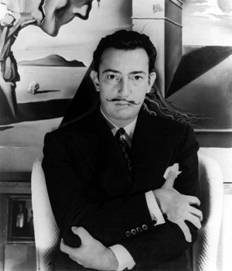
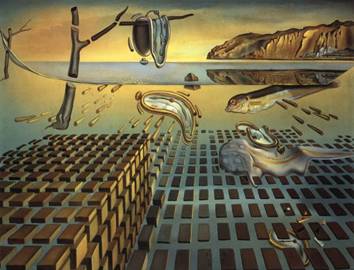
Salvador Domingo Felipe Jacinto Dalí i Domènech (born 11 May 1904, died 23 January 1989) was a Spanish Surrealist painter from Figueres, Catalonia. His painting skill is often compared to the finest Renaissance artists. His most famous work is considered to be the 1931 painting "The Persistence of Memory" (The Soft Watches). Besides painting, Dalí also engaged in filmmaking, photography, and sculpture. Dalí was known for his strange and exaggerated behaviour, which at times during his lifetime overshadowed his own creative work, irritating admirers and critics of his art.
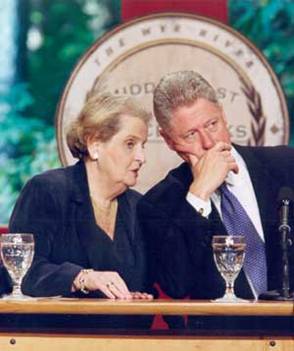
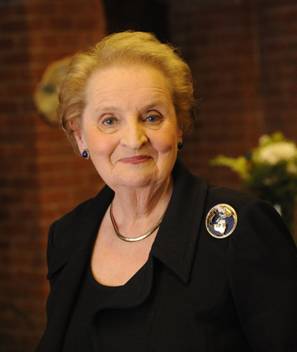
Madeleine Albright (Madeleine Korbel Albright, born 15 May 1937) - a Czechoslovakia-born American politician from the US Democratic Party. The first woman to serve as US Secretary of State.
Mark Zuckerberg (Mark Elliot Zuckerberg; born 14 May 1984) is an American programmer, entrepreneur, and philanthropist. He is known as the creator and founder of the social networking website Facebook. He is currently the main owner of Facebook. In 2010, Zuckerberg was named Time magazine's Person of the Year. In 2008 he became the world's youngest billionaire. In 2010 the film "The Social Network" about the creation of Facebook was made.


Adolf Hitler (Adolf Hitler; born 20 April 1889, died 30 April 1945) was the leader of the NSDAP, and from 1933 to 1945 served as Chancellor of Germany, head of government, head of state, and dictator. A committed vegetarian and opponent of smoking. He led Germany during its recovery from defeat in the First World War and the Great Depression, rapidly rebuilding the economy and military, thereby allowing Germany to become one of the most powerful and militaristic nations in Europe.
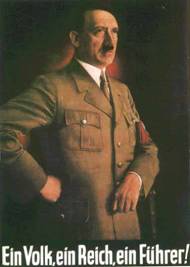

Hitler's efforts to create a Greater Germany by annexing Austria and invading Czechoslovakia and Poland were among the causes of the outbreak of the Second World War. Hitler is frequently cited as responsible for the racial policies of Germany at the time, the Holocaust, as well as the deaths and forced displacement of millions of civilians. Although he hoped to establish a thousand-year Reich, he ended his life by committing suicide together with his wife Eva Braun in a bunker in Berlin.
Sources used: ehoroskopi.lv; wikipedia.org; biography.com.
comments