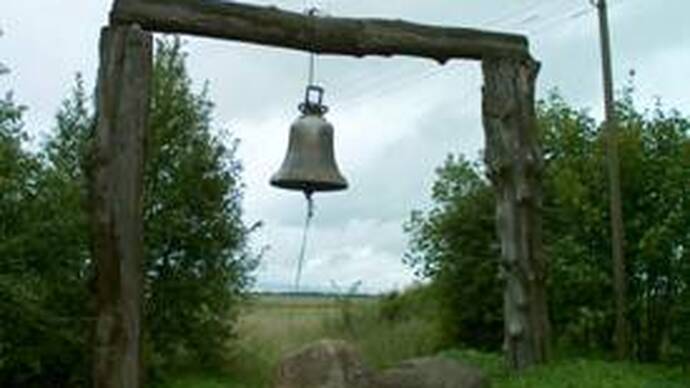
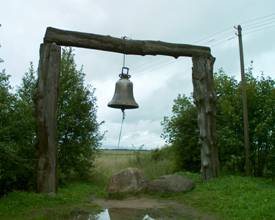
Orvida Sodyba, or the Museum of the Absurd
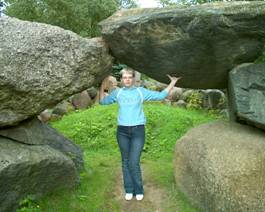
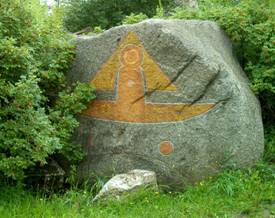
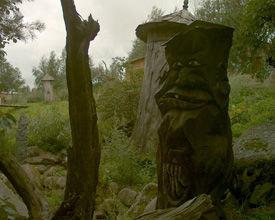
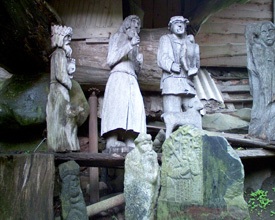
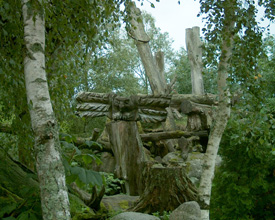
Stone piles, countless crosses and monuments, wooden and stone sculptures, inscribed or carved symbols - zodiac signs, the eye of God, the solar circle, the tree of dawn, and the like. All of this was gathered together by the sculptor and eccentric Vilius Orvidas.
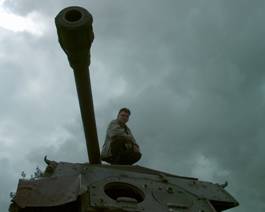
Stone piles, countless crosses and monuments, wooden and stone sculptures, inscribed or carved symbols - zodiac signs, the eye of God, the solar circle, the tree of dawn, and the like. All of this was gathered together by the sculptor and eccentric Vilius Orvidas. During the Soviet years, for his glorification of mysticism and the divine order of the world, he often had disputes with the authorities. This fact seems to be perpetually recalled by the Soviet army tank placed at the entrance, its barrel aimed at the entrance gates.
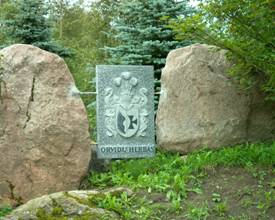
Vilius Orvidas's father and grandfather were also stonemasons. A world of their own, their own coat of arms bearing the image of a one-winged creature and a cross.
Over time the homestead came to be beloved by tourists, artists, life's outcasts, and those excluded from society. No one is turned away here, as in some peculiar monastery. Vilius Orvidas is said to have stated: «I accept everyone who needs comfort. People stay here for a while and then move on. I give them food, I give them a place to sleep. Prisoners have also worked here, one even got married - we held the wedding at our homestead. Many unhappy, lost people come. We sing, we pray. No one must be turned away if a person is seeking light and hope.»
|
Orvidų sodyba Suversta – nei galo, nei pradžios, Medžių šaknys debesin įkibę; Ištrypti laukai pasigardžiuos, Apsiverks išnykusios sodybos.
Plienas suskaičiuotoms valandoms
Dvasiomis iškilo virš namų
Tyras skausmas nuostabiai gajus |
Vaikščioja sodybos mintimis, Pečių sienom šiluma ateina Ir sugrįžta Dievo kančiomis Į kiekvieną išdraskytą kaimą.
Supleveno ten, aukštai, viltis –
Rudaskvernis vaikis toks ramus, /Edvardas Rudys/ |
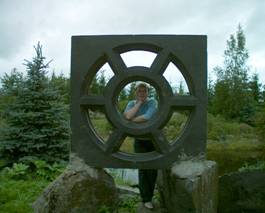
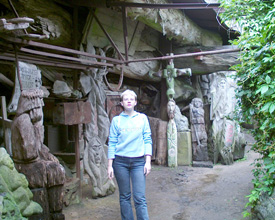
The Orvida homestead, or Museum of the Absurd, is located in Lithuania, in Samogitia, not far from the small town of Salantai, on the right side of the Plungė–Skuodas highway. Open to visitors from February to July, 10:00–19:00.
comments