.jpg?w=690&mode=16x9|crop)
Spain - Passing Through - Part II
On this day, on the return from Portugal, we visited several Spanish cities in one go. The road led through Castile, where parched fields alternated with clusters of low trees and in the distance a mountain lay grey. An open and rewarding place for solar panel farms, which could be spotted from time to time in the distance.
October 2008
On this day, on the return from Portugal, we visited several Spanish cities in one go. The road led through Castile, where parched fields alternated with clusters of low trees and in the distance a mountain lay grey.
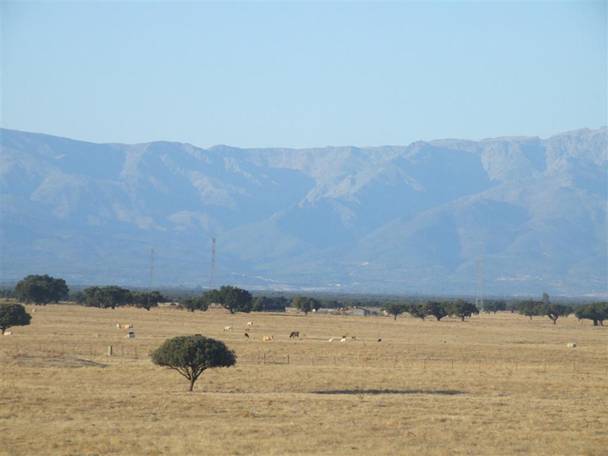
An open and rewarding place for solar panel farms, which could be spotted from time to time in the distance.
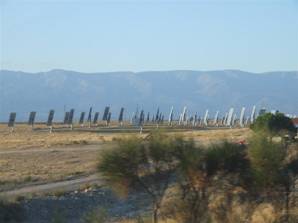
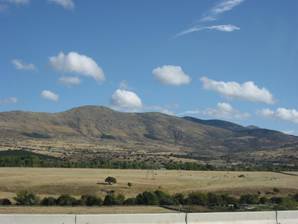
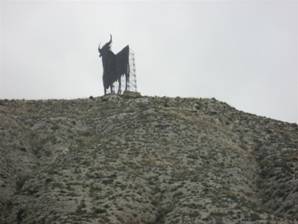
Bull silhouettes erected on the hills attested to the bull breeding farms in the surrounding area, raising animals for the corrida fights.
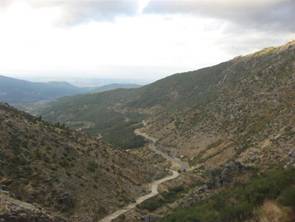
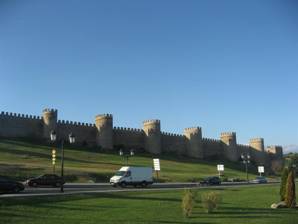
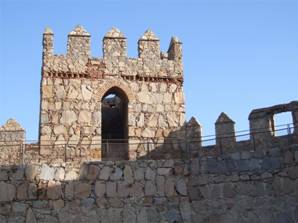
ÁVILA is located on one of the hills. The old town is encircled by an ancient defensive wall with many towers. Experts estimate there are 81 towers large and small.
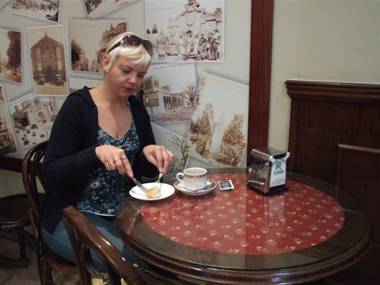
As in every little town, here too the centre is the market square, surrounded by small cafeterías and restaurantes. In one of them - Cafetería El Portalón - I had a coffee and noted that visitors here freely crumple napkins and toss them on the floor beneath their feet. The interior, service, and prices all suggested a rather modest establishment, so the locals' attitude was surprising. What's more, nobody was in any hurry to sweep up the napkins. I later learned that this is how one shows how popular a place is among visitors. It turns out the more napkins on the floor, the prouder the establishment.
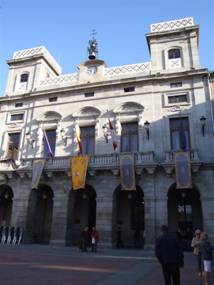
EL ESCORIAL is notable for the royal family chapel and library, which can rival the Vatican archives.
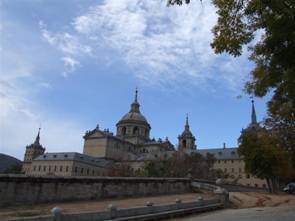
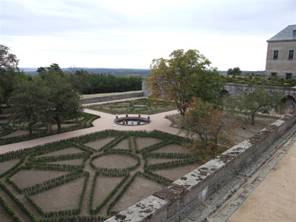
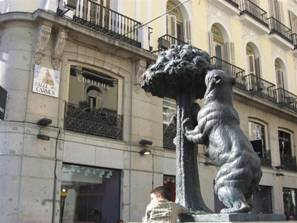
The second half of the day we spent in MADRID - Spain's capital.
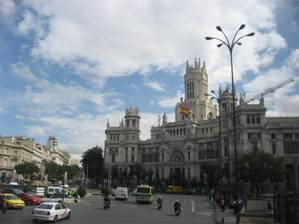
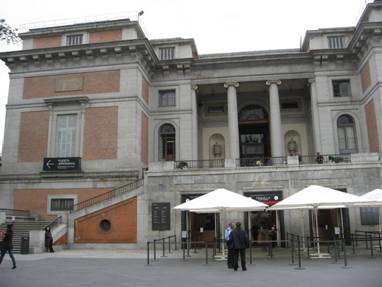
One of the target sights was of course the Museo Nacional del Prado. From the outside a completely unremarkable building, which caused a certain disappointment.
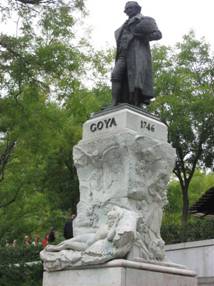
To be honest, the collection did not surprise either, as the museum primarily brought together works of classical masters up to the mid-19th century - Goya, Titian, Caravaggio, Rembrandt, Rubens, Raphael, and others. Dominant themes - Christianity, portraits of nobles and clergy, aristocratic Bohemian scenes, still lifes with vases, fruits, and game.
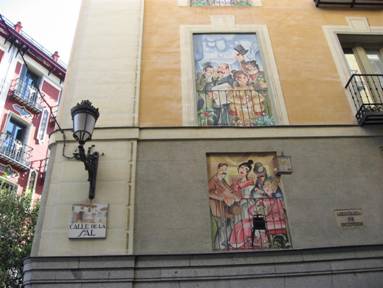
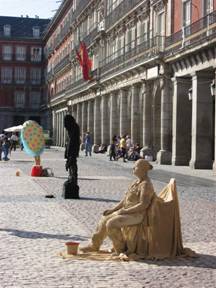
The city's Bohemian character was attested both by the many mimes and street artists who gathered in almost every city square, and by the red-light street where even in the middle of the day one can encounter representatives of an unmistakable profession, their counterparts, and transvestites.
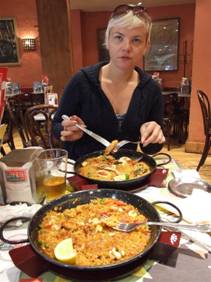
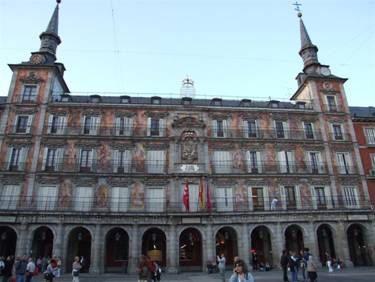
From culinary pleasures, in Madrid one can taste all manner of paellas on every corner.
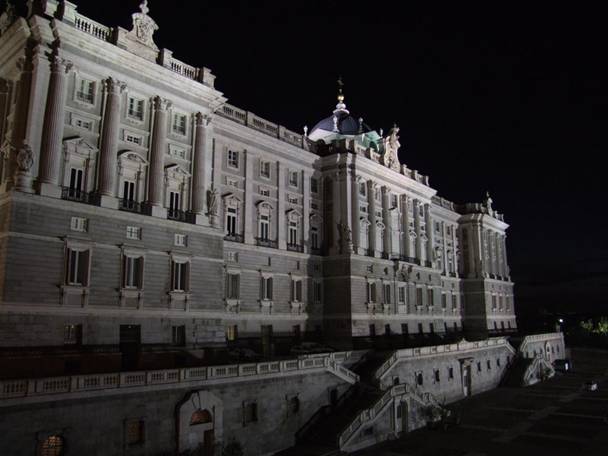
The nocturnal city, as if resting from the noisy daytime bustle, became calm and mysterious. Various lanterns and spotlights illuminated the old buildings, monuments, and fountains.
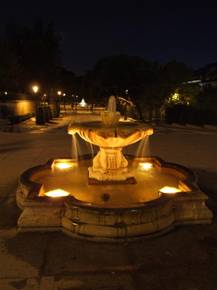
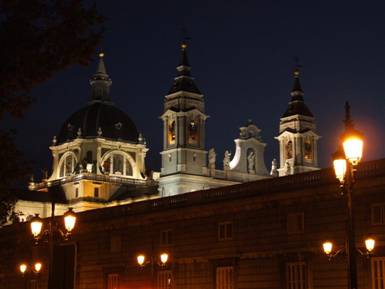
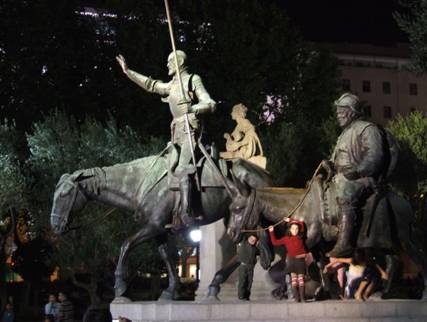
Among the illuminated sculptures we also encountered the popular heroes created by Cervantes (Miguel de Cervantes) - Don Quixote (Don Quijote) and Sancho Panza.
comments