Alexander Vasilyev's 1970s Costume Collection Exhibition "Rebellion in the Boudoir"
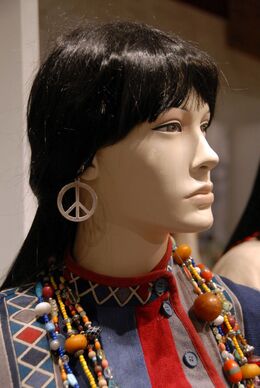
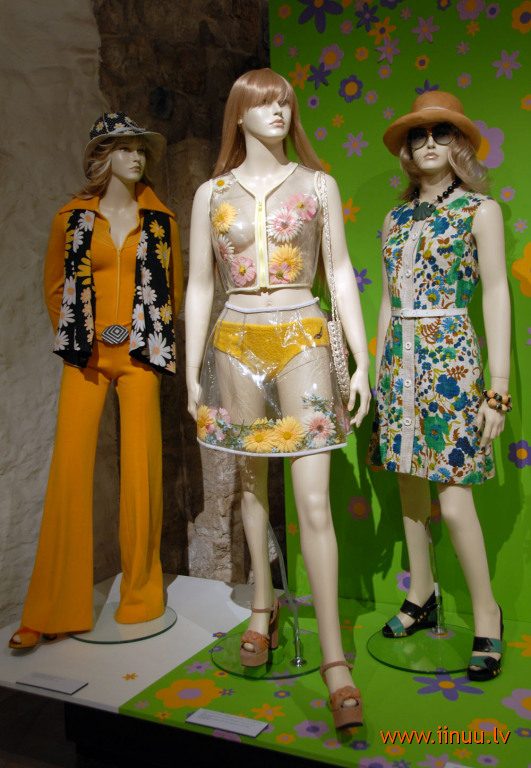
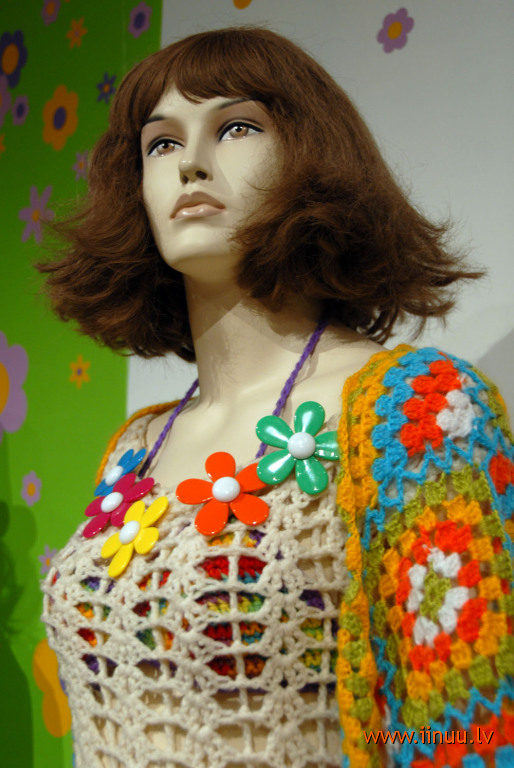
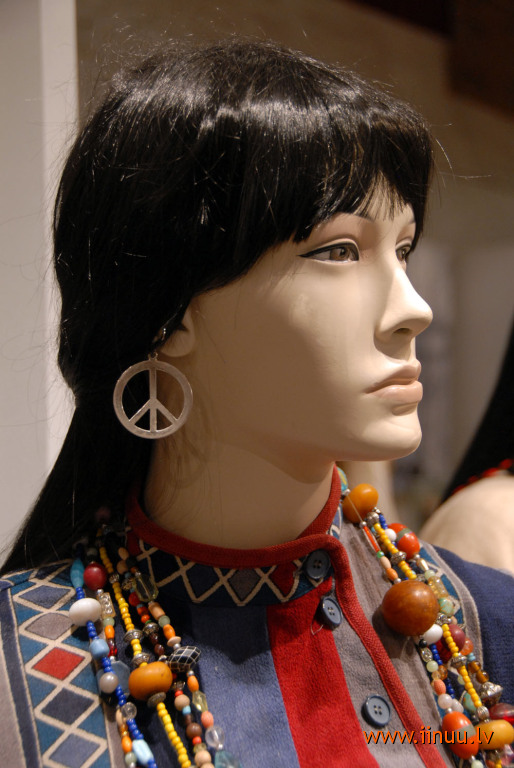
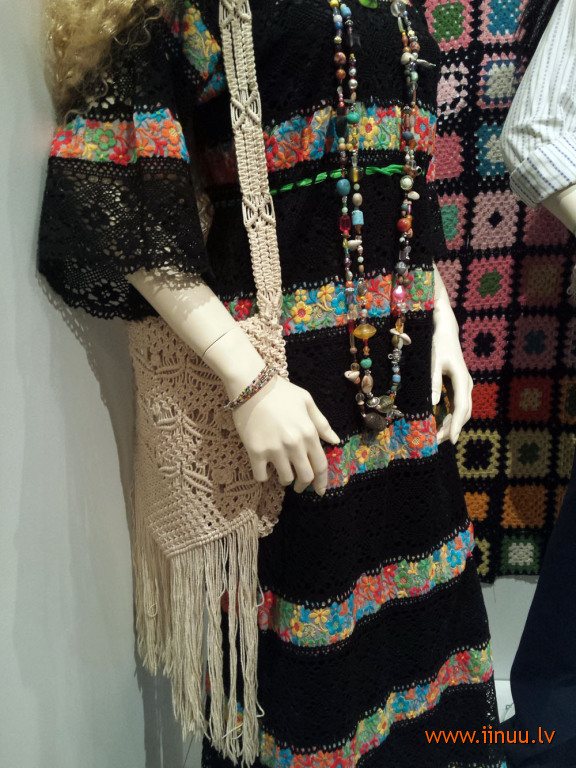
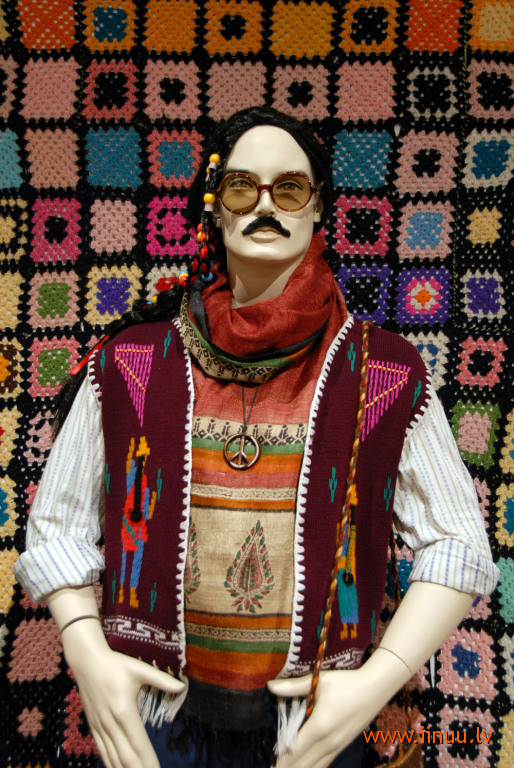
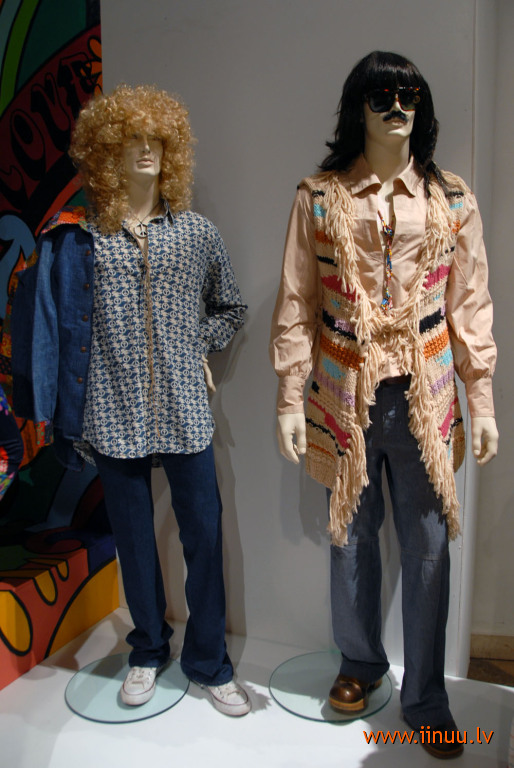
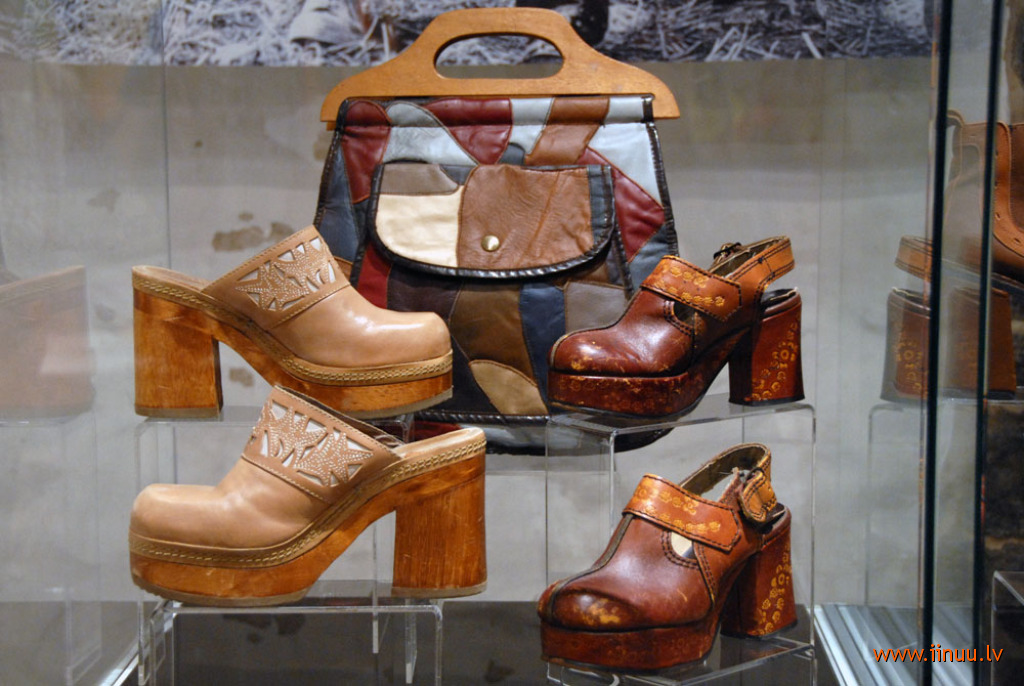
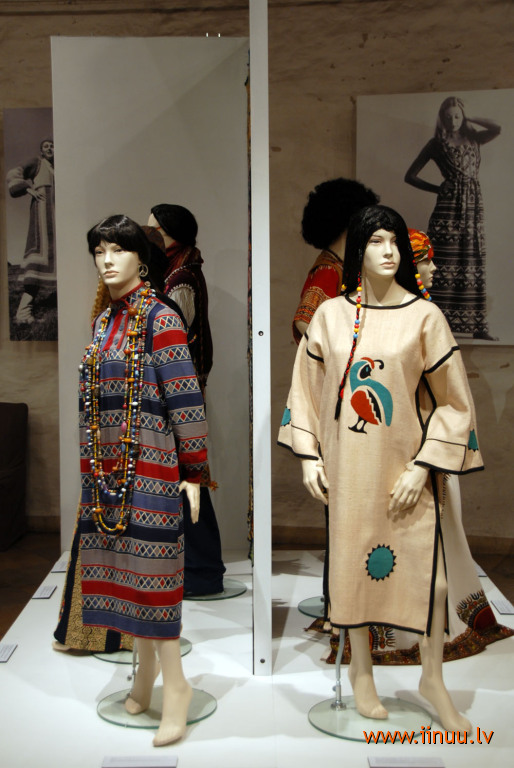
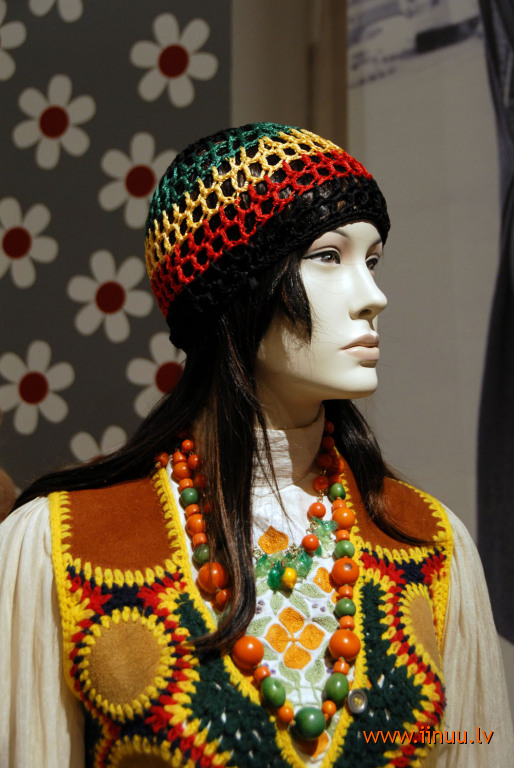
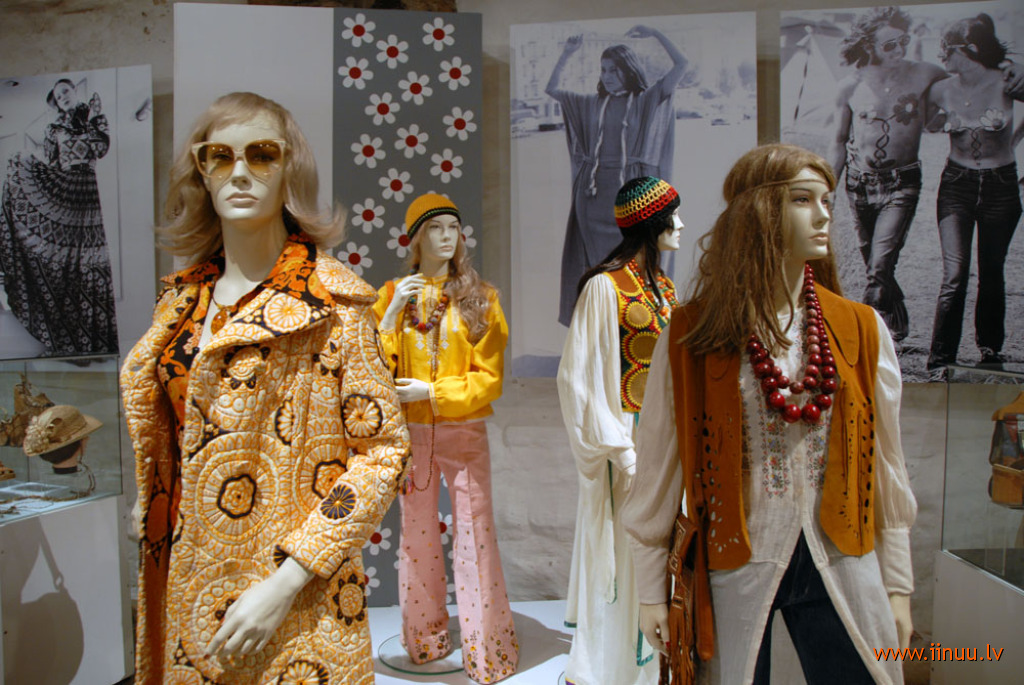
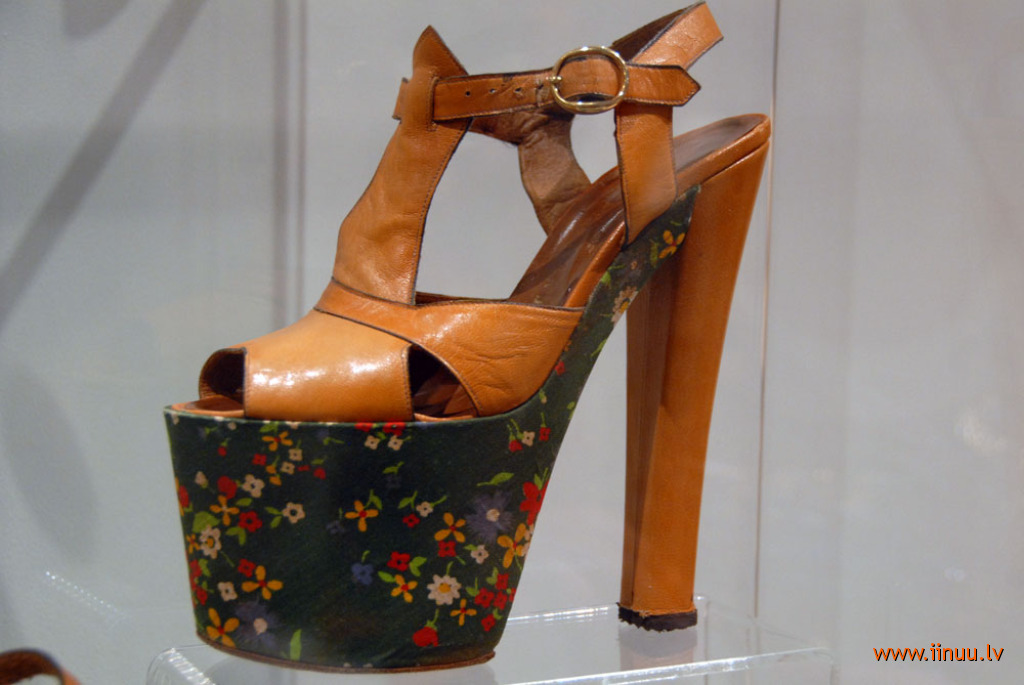
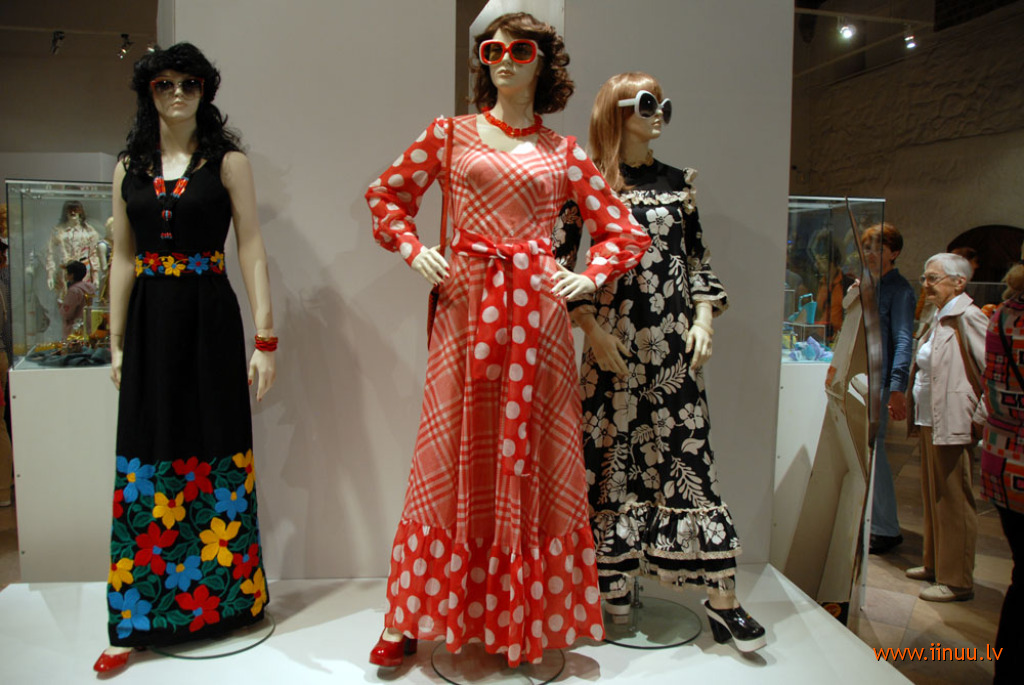
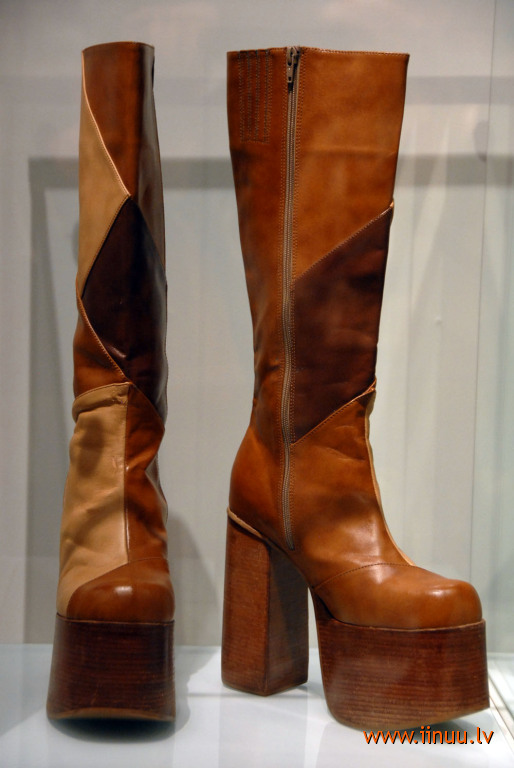
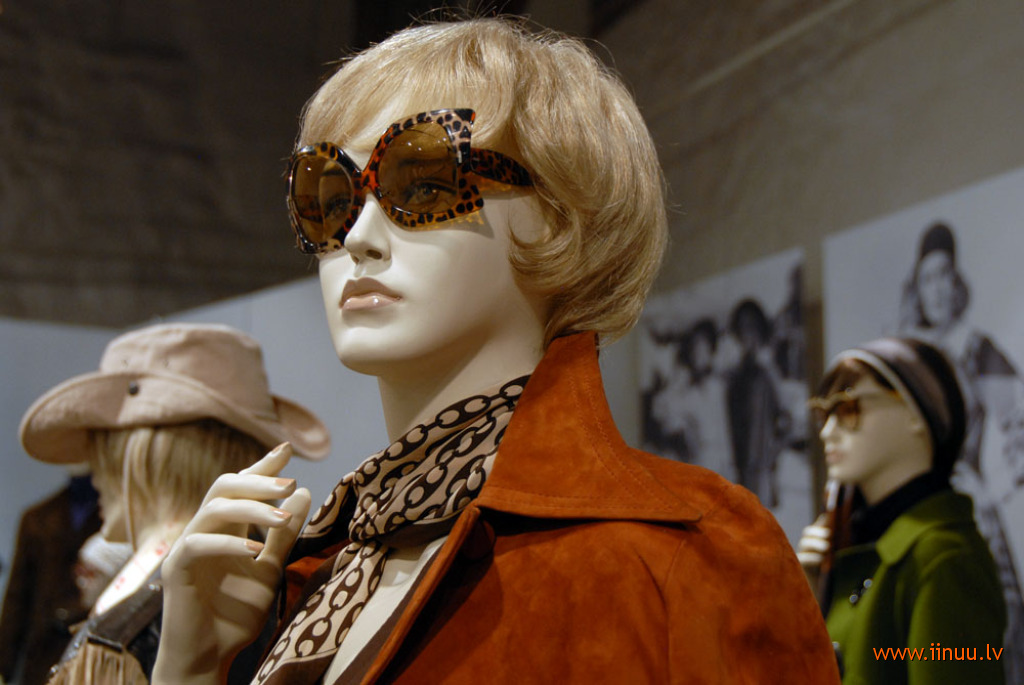
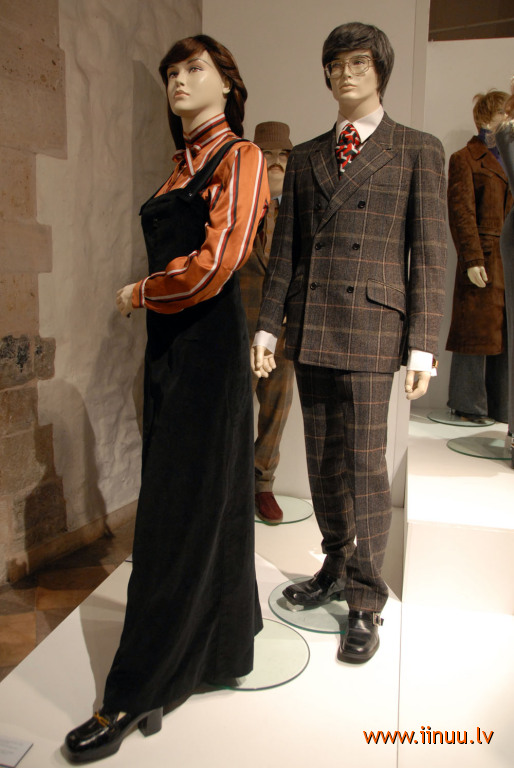
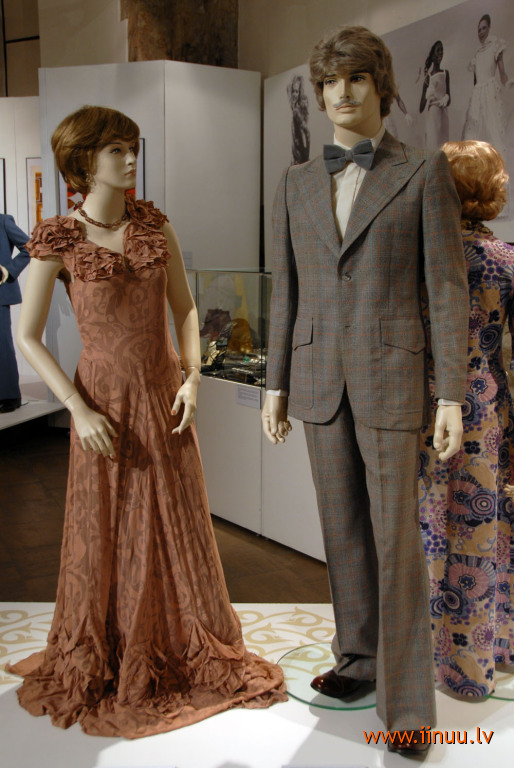
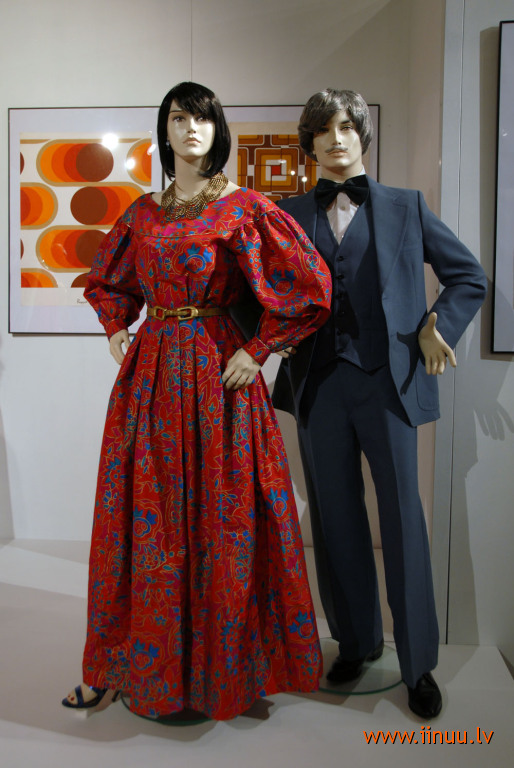
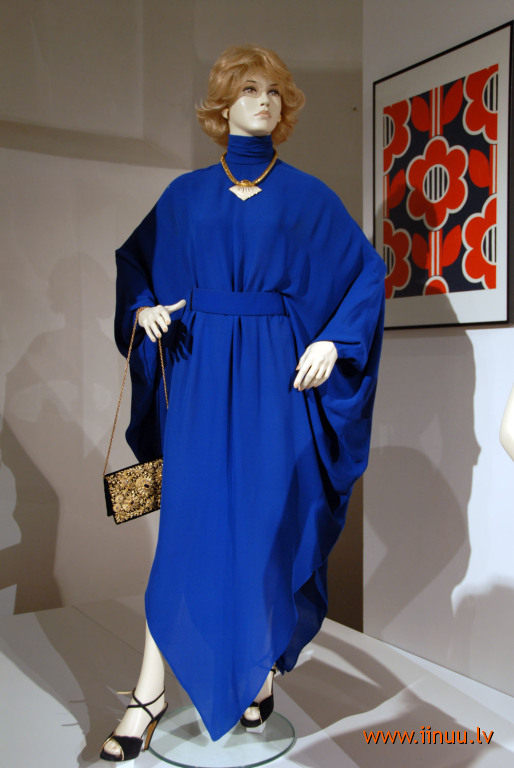
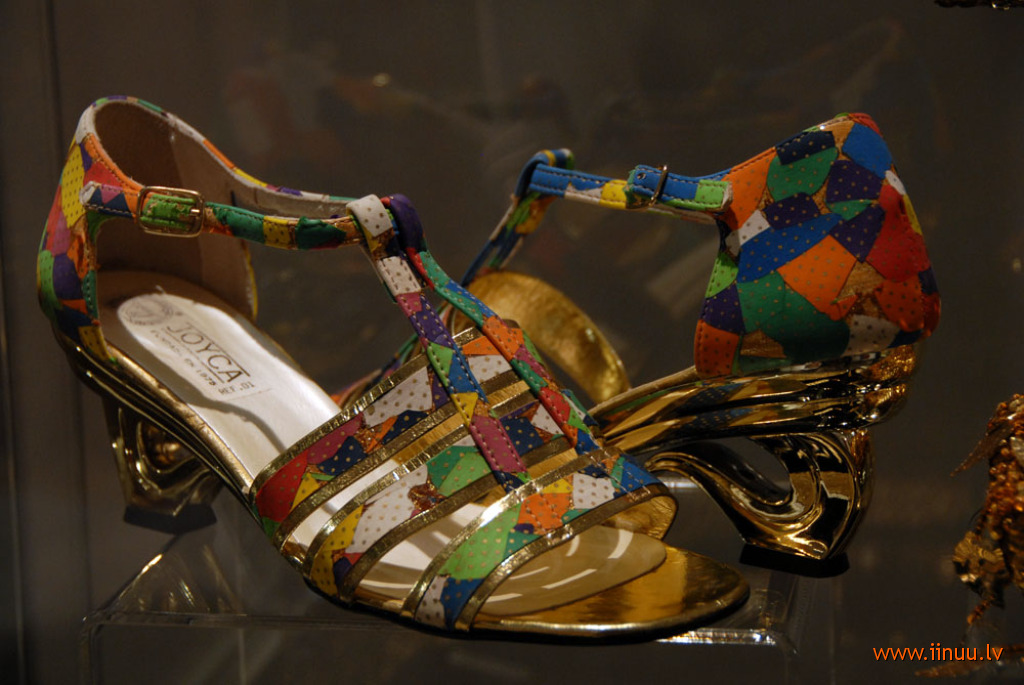
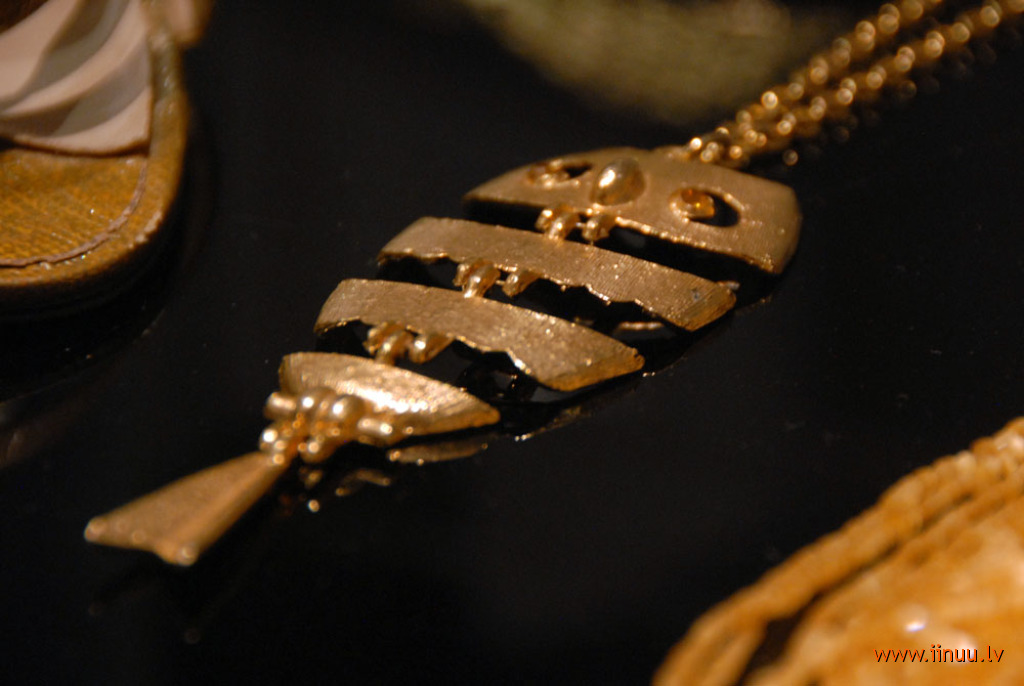
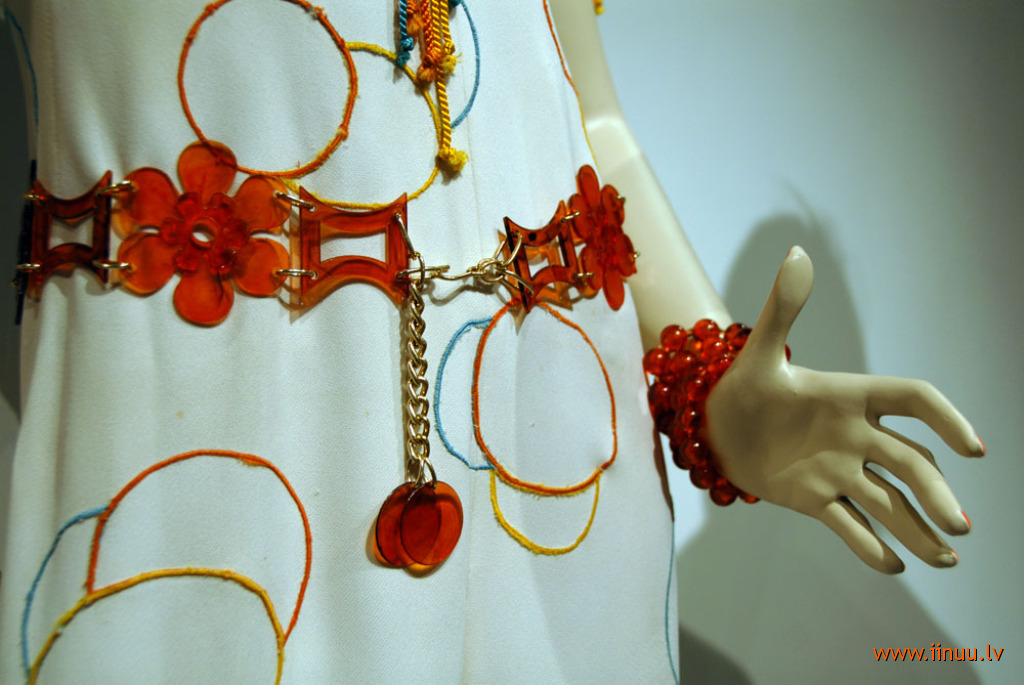
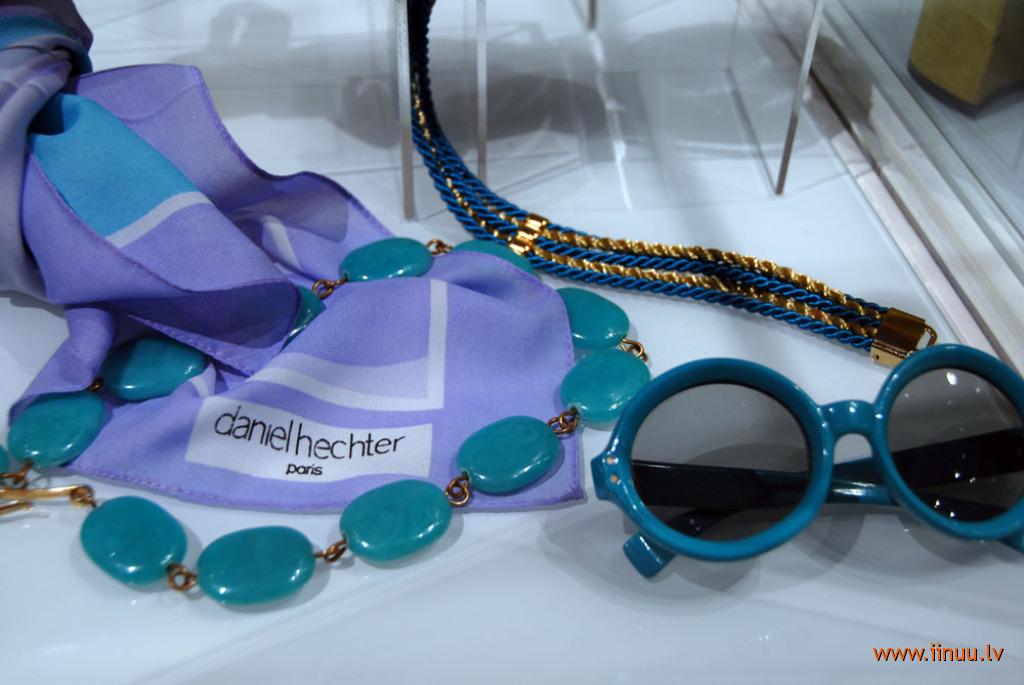
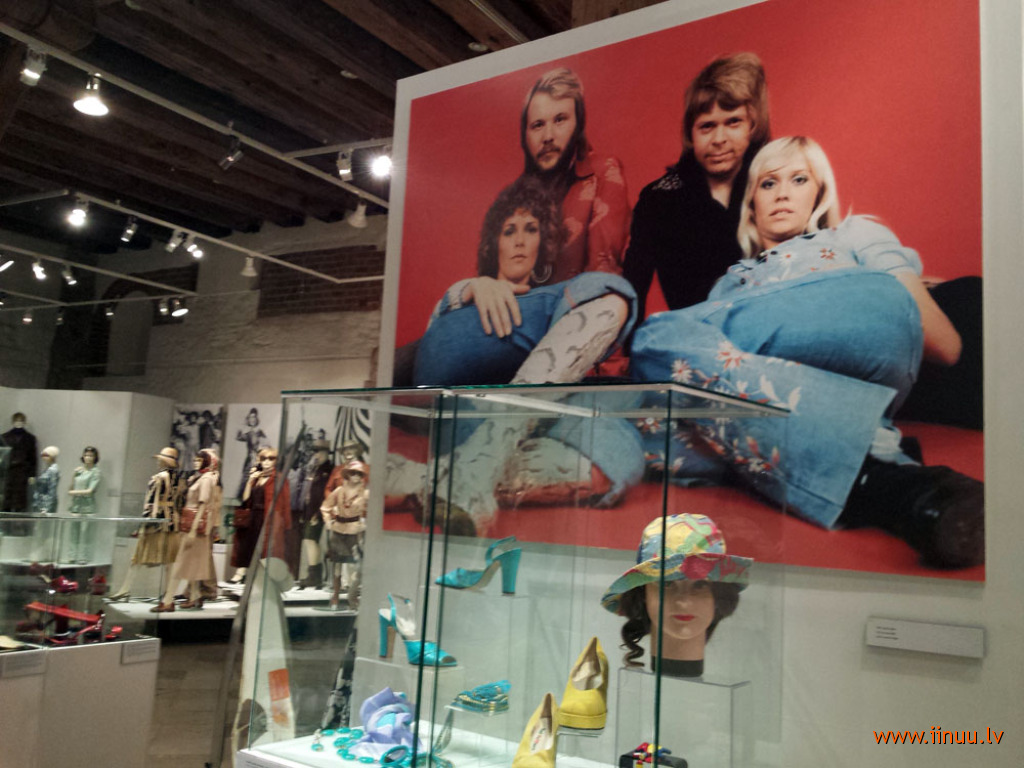
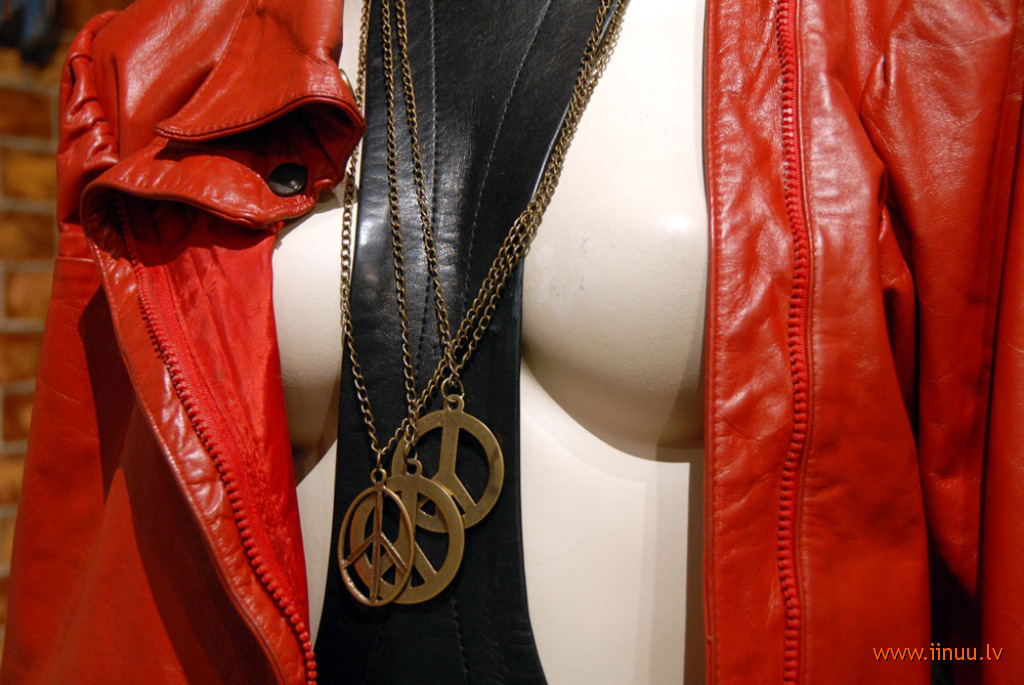
The exhibition tells of a decade characterised by the triumphant march of flower children i.e. hippies, whose core values were freedom, love, open sexuality, and naturalness. Unisex, denim, cotton printed with floral and ethnic patterns, woven and knitted pieces, and a rejection of precious metals in jewellery and accessories dominated the clothing. Impressive cork platform shoes and large sunglasses in colourful and decorative plastic frames in the dragonfly style.
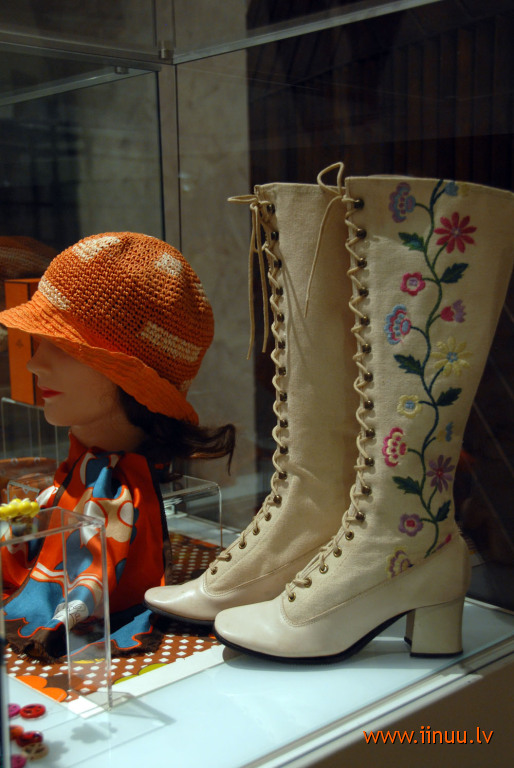
The exhibition tells of a decade characterised by the triumphant march of flower children i.e. hippies, whose core values were freedom, love, open sexuality, and naturalness. Unisex, denim, cotton printed with floral and ethnic patterns, woven and knitted pieces, and a rejection of precious metals in jewellery and accessories dominated the clothing. Impressive cork platform shoes and large sunglasses in colourful and decorative plastic frames in the dragonfly style. The ethnic look was complemented by long patterned gypsy skirts with ruffles and straw wide-brimmed hats.
Before we went to the exhibition - still on at the Museum of Decorative Arts and Design in Riga until 27 July - I watched the fact-rich and interesting account by the collector and exhibition creator Alexander Vasilyev himself. Recommended:
In his account, the collection's creator characterises the fashion of this era in relation to the prevailing economic situation - the worse and more unstable it is, the longer, more loosely falling, and less body-accentuating the garments become. In other words, women and men do not get too carried away with cosmetic procedures, the removal of unwanted hair, or skin care - let alone make-up. Inexpensive materials, plastic or wooden accessories, garish cutouts, and topless are characteristic of this period. The more relaxed, the better.
A. Vasilyev shared an interesting fact about the use of rainbow colours in knitwear and woven garments: in Palanga, Lithuania, during the Soviet era, yellow, green, and red were often woven in with a hidden meaning - the colours of the flag of a country that had lost its independence. I also remember the macramé bags (tarbas) from my own childhood, which my mother had knotted with her own hands. The only difference is that at home such knotwork was made by needleworkers at home, whereas in America they were bought in fashion shops.
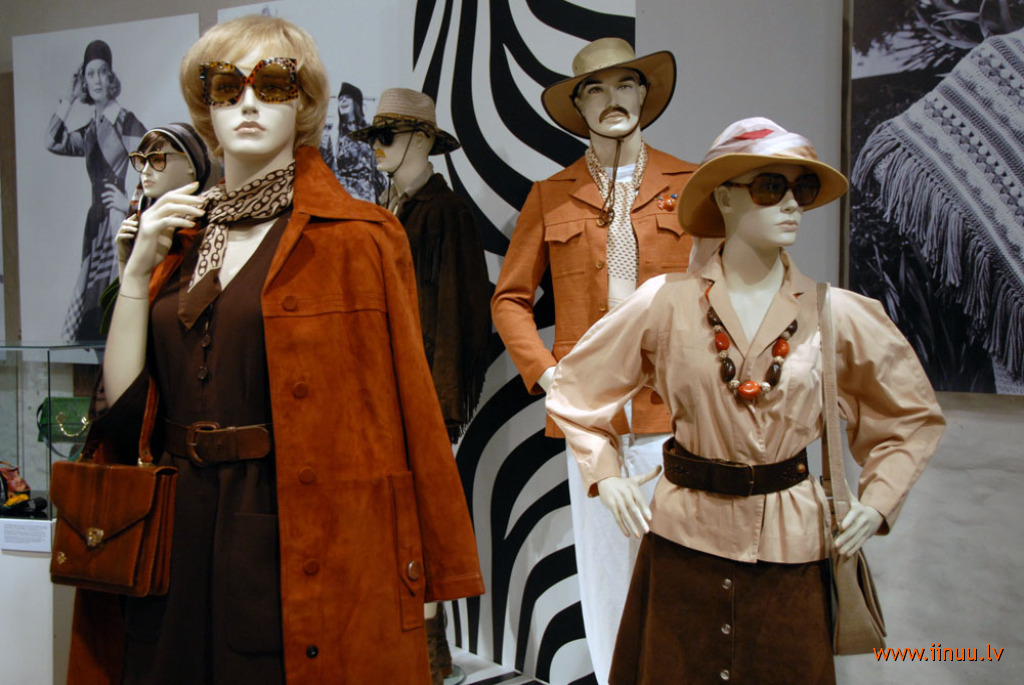
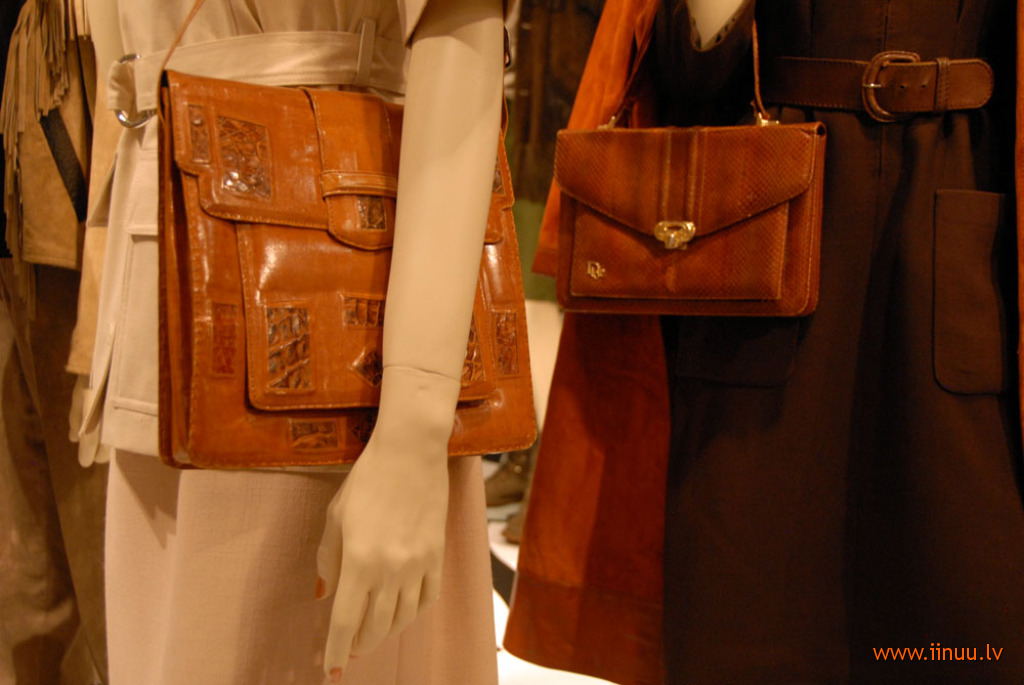
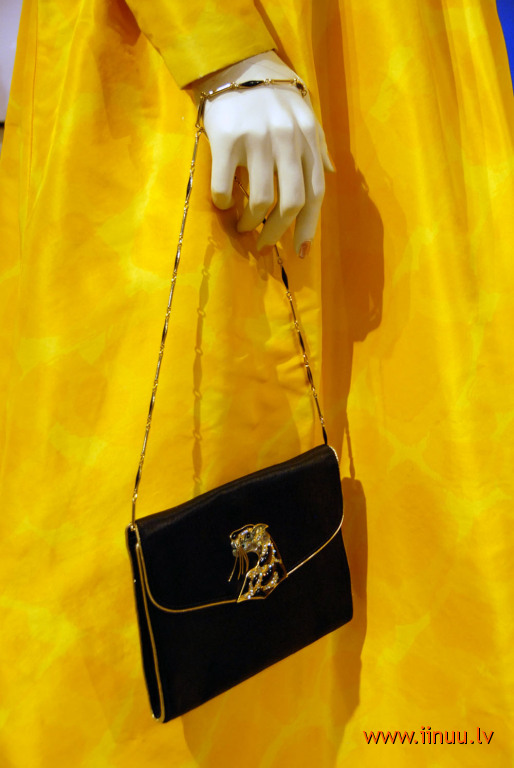
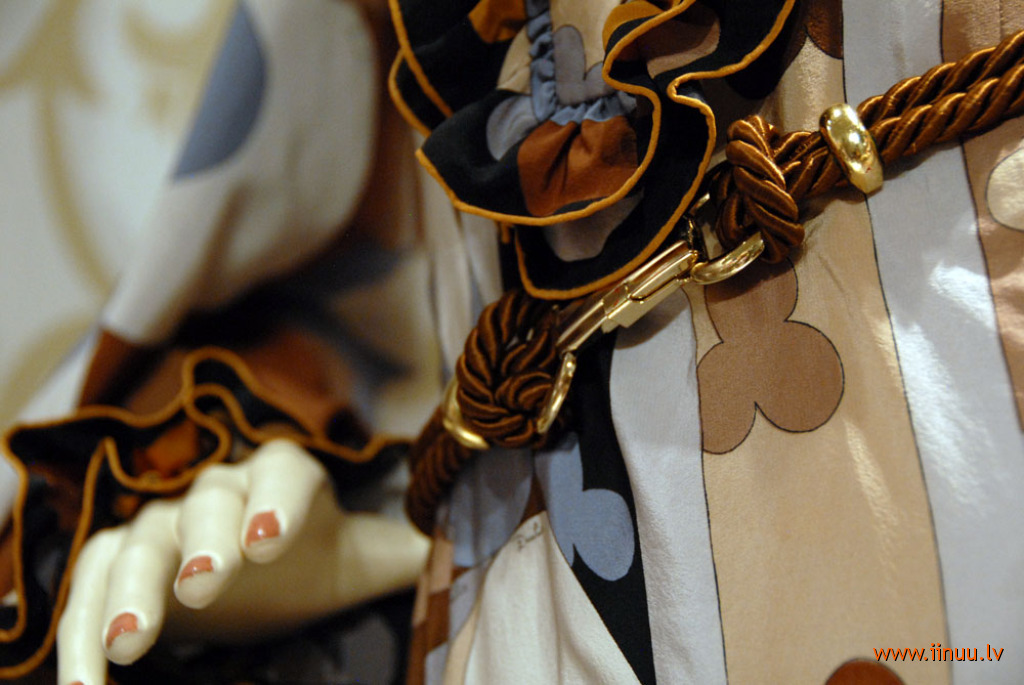
Representatives of the wealthier circles had again turned to African safari, or so-called colonial style clothing, where sandy, brownish, and greyish tones dominate. Handbags and belts in crocodile and python skin.
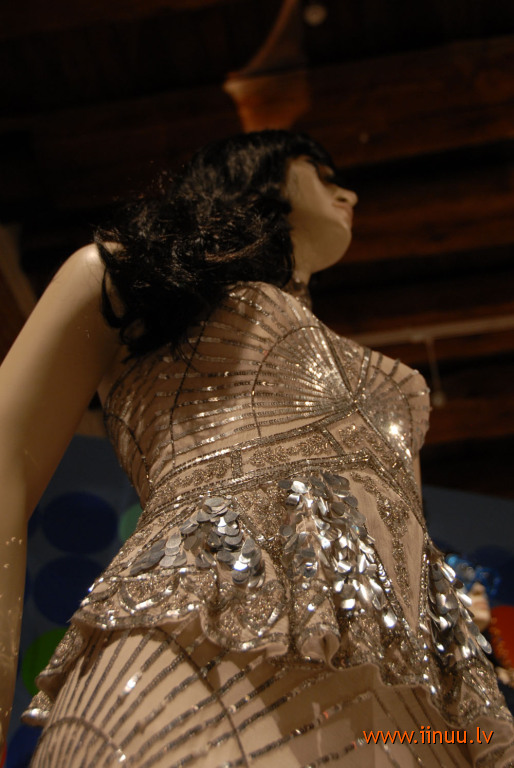
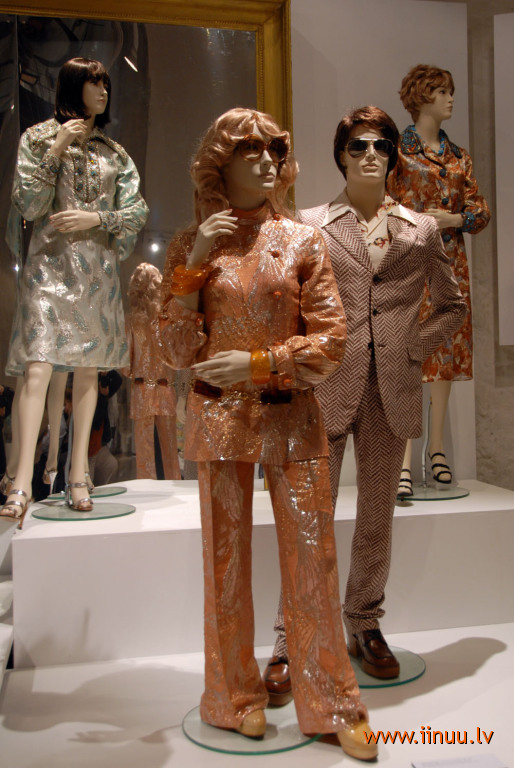
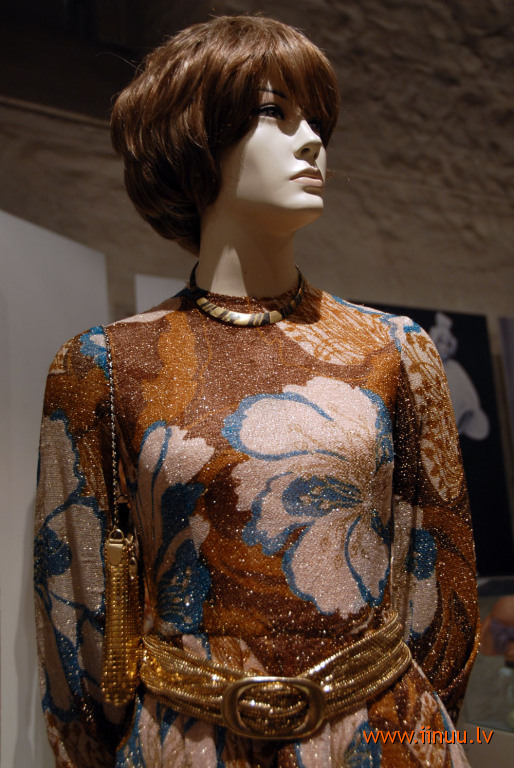
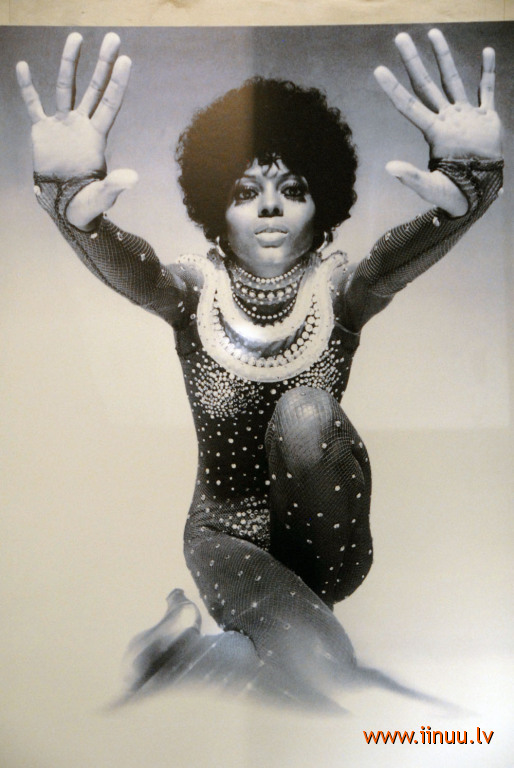
In the mid-1970s, in contrast to natural materials and matte tones, the disco style flourished with its excessive glitter in gold, silver, and every conceivable colour. Most people tried to imitate the pop stars of the time - the Swedish group ABBA or the Jamaican group Boney M. Fitted jumpsuits, star motifs, stretch bell-bottom trousers, tapered shirts and jackets.
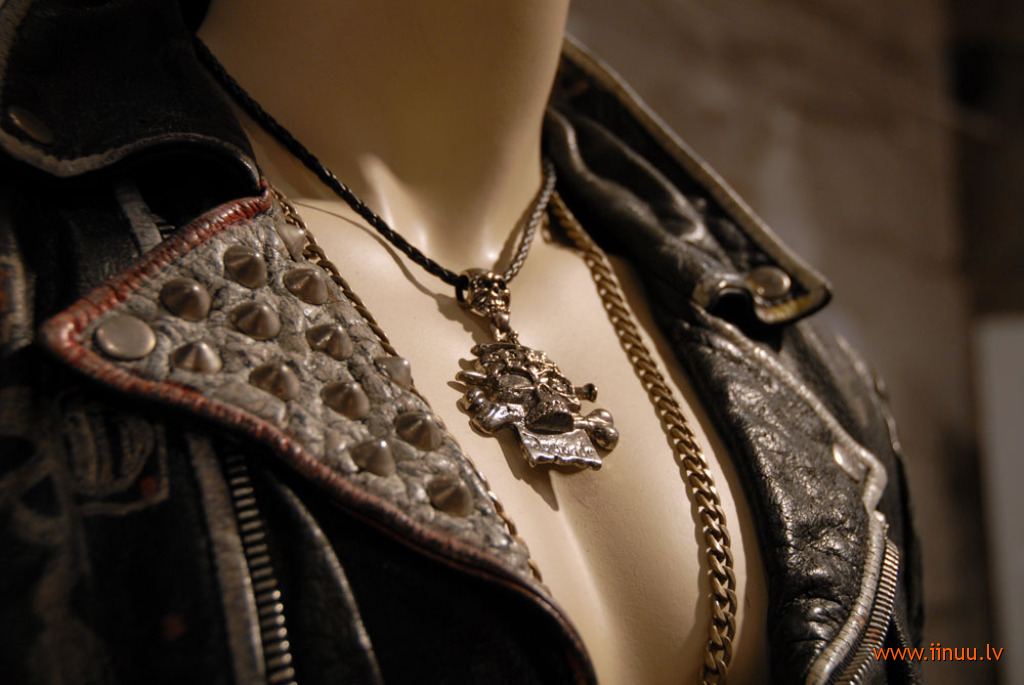
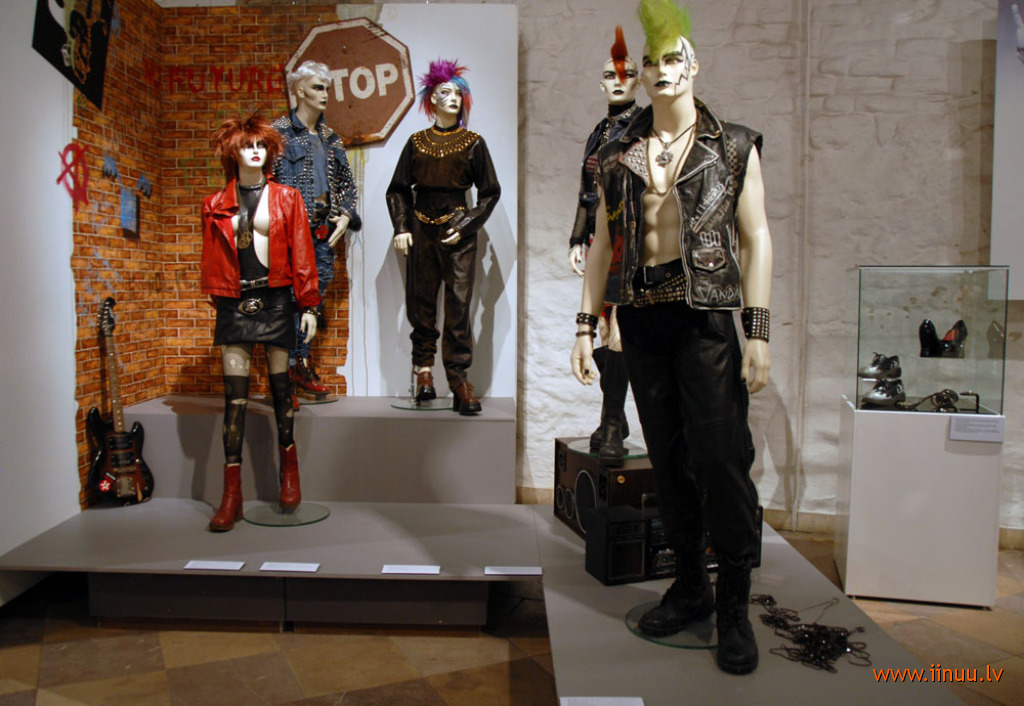
The decade closes and the 1980s are heralded by the punk style, which originated in London. One exhibition stand is entirely dedicated to this fashion - an extreme contrast to the gentle, lyrical, carefree, and florally rich hippie style. Leather garments, metal studs and chains, shoulder pads, and razor blades dominate. Everything in black, except for the parrot-like colourful upswept crest of hair.
The closer to the present day, the more the elements, accessories, and cuts included in the collections seem familiar and recognisable - both in our parents' wardrobes and in what we ourselves wore in childhood and youth, bearing in mind that during the Soviet era everything arrived with about a ten-year delay from the surrounding world. The 1980s–1990s period and the fashion of that time are eagerly anticipated. The things of that era, one imagines, are much easier to find and combine for an exhibition from the second-hand shops and vintage boutiques in our cities.
comments