How to Lose Excess Weight in a Healthy Way
An age-old topic, much lamented but always relevant - especially for women, whom modern fashion canons compel to constantly worry about maintaining a slender figure. Having tried various draconian diets and understood that their effect is short-lived, we return to the truth - genetic predisposition and lifestyle. Objectively assessing what we can and should influence, and what we shouldn't stress about.
An age-old topic, much lamented but always relevant - especially for women, whom modern fashion canons compel to constantly worry about maintaining a slender figure. Having tried various draconian diets and understood that their effect is short-lived, we return to the truth - genetic predisposition and lifestyle. That is, objectively assessing what we can and should influence, and what we shouldn't stress about.
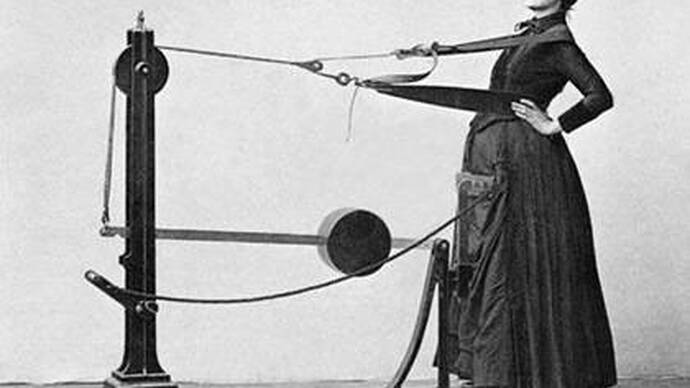
A gym of bygone days. Photo from (source)
Here I have compiled recommendations that I found in specialists' advice and which I try to apply in practice (emphasis on "try", since I enjoy cooking and savouring foods and drinks from various countries).
1. Use as little as possible in your diet:
- refined grain products (white bread, white rice, pasta), as my masseuse says: "avoid foods that are white in colour";
- products with a high fat content (butter, lard, mayonnaise), but... I will say straight away - do not buy so-called low-calorie products in shops, as they are full of E-additives harmful to health;
- quick-prep products or convenience foods (pizzas, sandwiches, burgers, pre-packed salads, etc.) - try to cook more at home and over an open flame rather than on an electric hob or in a microwave.
2. Use vegetables, fruit, wholegrain bread, grain bread, brown rice, buckwheat, beans, mushrooms, lean meat, fish, nuts. Occasionally it's fine to treat yourself to dark chocolate (70%) - as is known, chocolate contains substances that increase the sense of happiness.
3. Read what is written on the label of products you buy regularly and consume consistently in your diet. That is, I encourage you to get acquainted with the ingredients so as not to be disappointed - as I was, for instance, with yoghurts that are praised as digestion aids... but are full of starch.
4. Reduce portion sizes but eat fairly frequently - that is, avoid long breaks between meals. It has been shown that a break lasting more than 4 hours increases the number of calories consumed and reduces the quality of eating.
5. Drink plenty of water.
6. Try to eat as slowly as possible - chew more thoroughly rather than swallowing. I actually only recently read a tip on how to control this - during meals, don't hold your fork and knife in your hands the whole time, but put them down from time to time.
7. Keep to a known meal schedule - try to have breakfast, lunch, and dinner at the same time every day. Don't skip meals, because a prolonged feeling of hunger, or the rumbling of the stomach, causes the body to mobilise for a possible long period of forced fasting and to accumulate fat.
8. Be active - move. Do anything that appeals to you most - dance, run, go for walks, attend exercise classes, swim, and so on. I personally enjoy most moving to the rhythm of music, so I try not to miss my flamenco dance classes each week and to visit a fitness studio for women, where under the guidance of always-smiling trainer Elza we dance various ethno rhythms and exercise on mats.
9. Smile more and try to distance yourself from negativity. It has been proven that gloomy and sad people generally eat more than others. If we lack joy, happiness, a sense of love, and tenderness, we try to get it in through food. After all, delicious food is also one of life's pleasures, isn't it?!
10. Get enough sleep! Sleep at least 7–8 hours per day. Lack of sleep can significantly affect the control of hunger and appetite. Moreover, the fatigue you feel after a sleepless night will reduce your motivation to move and exercise.
comments